The September Hibiscus Check Florida Gardeners Shouldn’t Skip
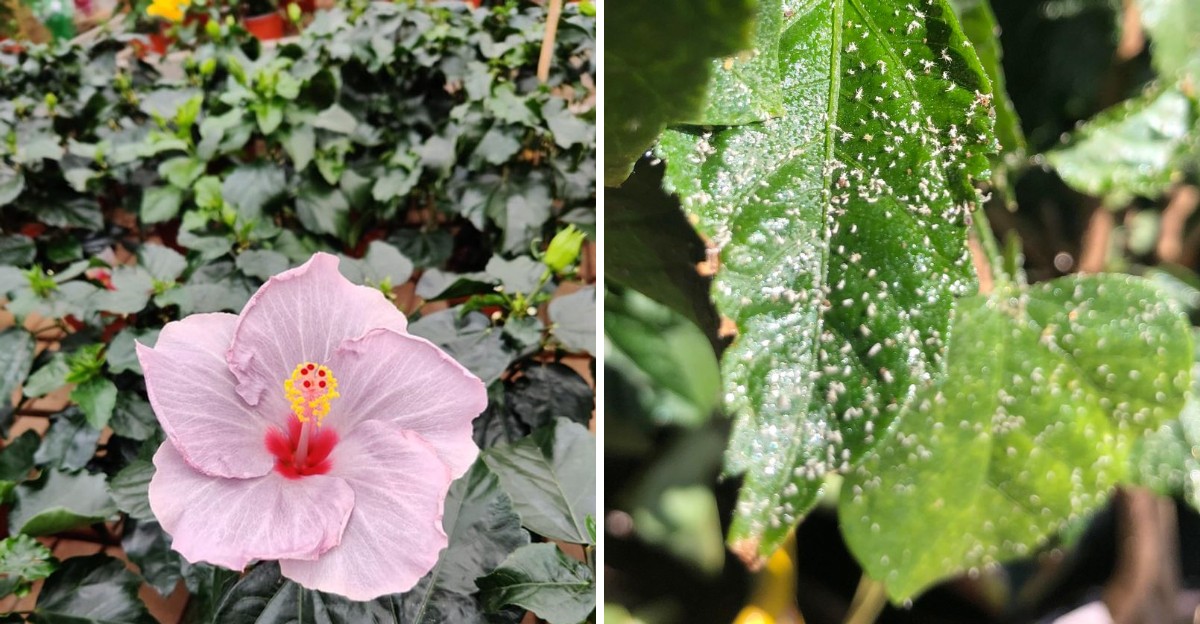
Your hibiscus looks fine from across the yard, and that’s exactly the problem.
Most Florida gardeners judge this plant by its blooms alone, glancing over and moving on if flowers are showing.
A closer look tells a completely different story, one that has nothing to do with color and everything to do with what’s happening on the parts nobody bothers to examine.
Skip this check, and a small issue gets weeks to grow into a bigger one before you notice anything’s off. Catch it now, and you’re looking at a five-minute fix instead of a fall spent troubleshooting.
Stop admiring the flowers for a second. What’s hiding underneath them might matter more than the blooms themselves.
1. Flip The Leaves And Hunt For Hidden Pests
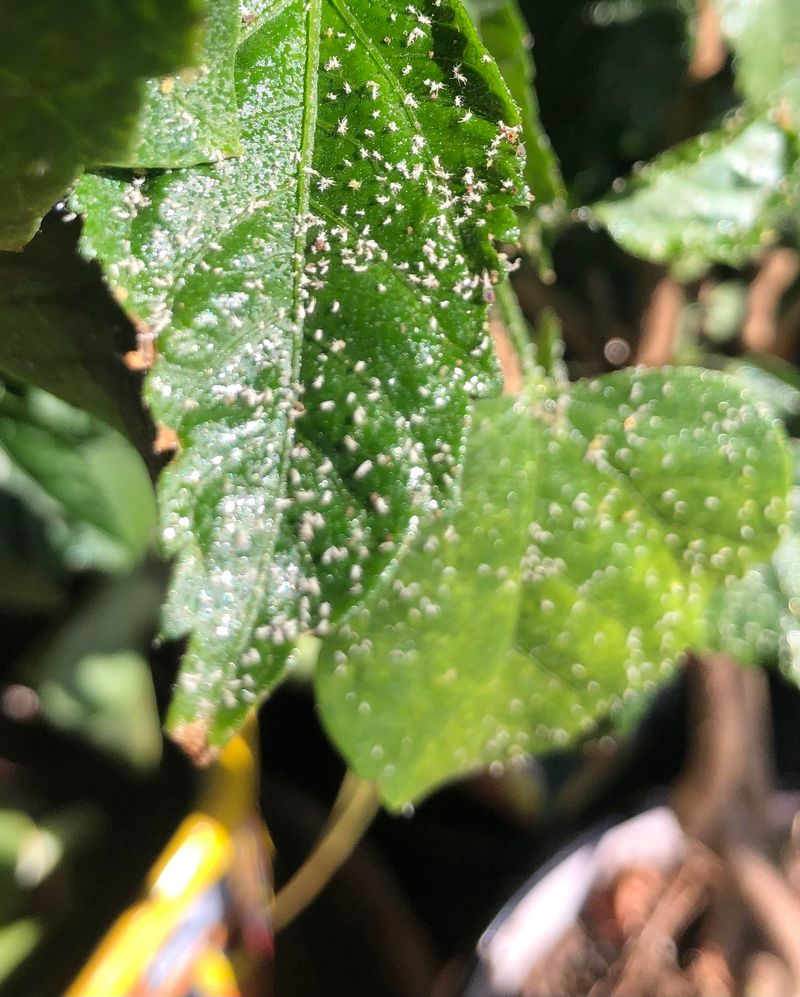
The top of a hibiscus leaf rarely tells the truth. Many common hibiscus pests gather on the shady underside, where they can be easy to miss during a quick inspection.
Start with the newest leaves near the shoot tips. Aphids gather there in soft green or black clusters, and their feeding leaves foliage curled, twisted, and shorter than it should be.
Spider mites show up as warmth builds, spinning fine webbing along leaf veins. They are so small that tapping a leaf over a sheet of white paper works better than squinting.
Look for moving specks, plus tiny pale dots on the leaf surface from their feeding.
Giant whiteflies leave a waxy white discharge and rise in a small cloud when you bump the branch. Mealybugs look like little cotton tufts, and their damage often turns leaves yellow, then dark.
Make the flip a habit rather than a rescue mission. Check five or six leaves at different heights, including low branches close to the mulch.
A strong spray of water knocks down light populations, and insecticidal soap or neem oil handles bigger ones when you coat the undersides thoroughly.
Doing this weekly through September means you spot trouble while it is still a handful of bugs, not a whole colony.
2. Check Flower Buds Before They Start Dropping
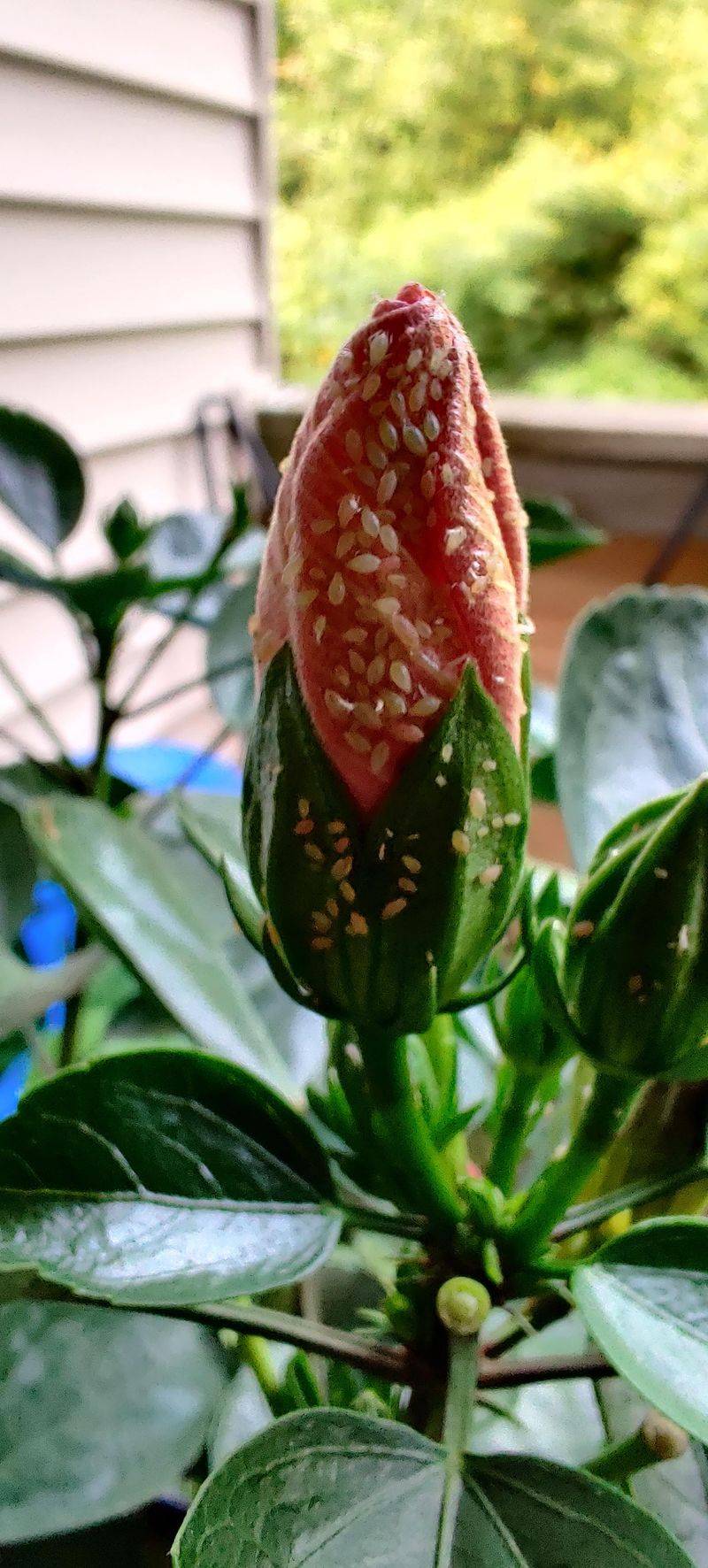
Few things sting more than watching fat buds hit the ground the week before they open. September brings a heavy second flush of blooms, so bud checks pay off right now.
Squeeze a few buds lightly between your fingers. Healthy ones feel firm and full, while troubled ones feel hollow, soft, or oddly lumpy.
Pests love hiding inside. Thrips tuck into buds and blooms, causing yellowing, early drop, and flowers with brown or twisted petal edges.
The hibiscus bud weevil feeds and lays eggs inside, leaving misshapen buds that fall before unfurling. Bud midge larvae work from the inside out with the same sad result.
Not every dropped bud means insects, though. Dry soil, soggy roots, sudden temperature swings, too little light, cool drafts, and uneven watering all trigger shedding.
Plants stuck in tight, rootbound containers drop buds too.
Pull open one suspicious bud over white paper and look for slivers of movement or tiny larvae. That check can help determine whether pests are involved or whether you should look more closely at watering and other growing conditions.
Your Florida Garden Changes Every Week. Your Plan Should Too.
Gardening in Florida changes quickly throughout the season. Every Friday you’ll receive a simple weekly plan showing exactly what to plant, prune, fertilize, harvest, and protect so you never miss the right timing.
Keep in mind that some varieties, especially doubles, shed buds more freely by nature. If yours has done it for years and still blooms well, relax a little and focus on steady care.
3. Look For Sooty Mold Before Blaming The Leaves
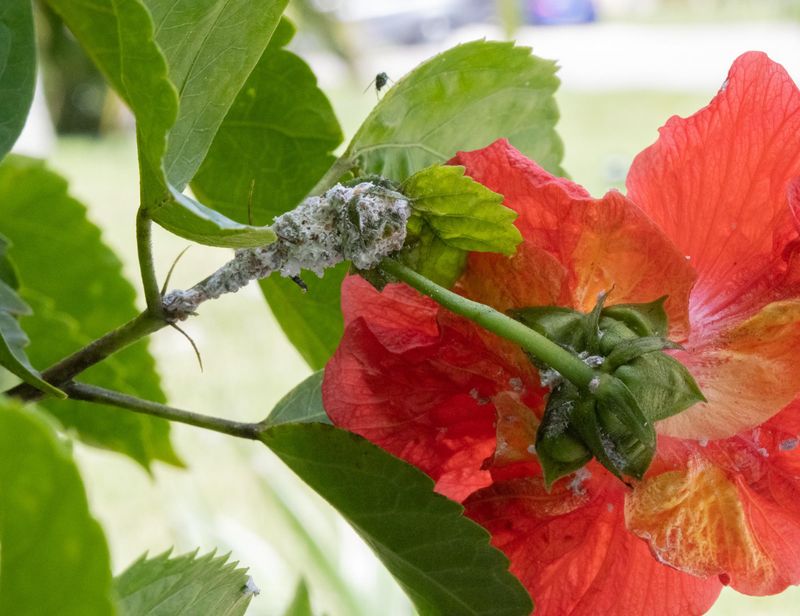
Black, powdery leaves look alarming, like someone dusted the shrub with charcoal. That coating is sooty mold, and it is more messenger than villain.
Here is the chain of events. Sap-sucking insects such as aphids, whiteflies, scale, and mealybugs drip a sticky, sugary liquid called honeydew, and a harmless fungus grows on that sweetness.
The mold itself does not feed on plant tissue. Still, a thick layer blocks sunlight, which can slow photosynthesis and leave foliage yellowish and growth a bit sluggish.
So resist the urge to spray fungicide on the leaves. Instead, follow the stickiness upward and find the insects producing it, usually clustered on stems or leaf undersides just above the worst patches.
Treat those pests with a water blast, insecticidal soap, or horticultural oil. Once the honeydew stops flowing, the mold has nothing left to live on.
After a week or two, wipe leaves with lukewarm water and a soft cloth, or rinse the plant on a mild morning so foliage dries quickly.
Florida humidity makes September prime time for this gooey cycle, especially on plants under trees where ants farm aphids. Checking for shine and stickiness during your walk-through catches the problem long before the blackness shows up.
4. Feel The Soil Before Watering Again
Your finger is a better moisture meter than any schedule. Push it two inches into the soil near the root zone and let what you feel decide.
Hibiscus want steady moisture without sitting in a swamp. Roughly an inch of water a week keeps them happy during the growing season.
September rain complicates things. Established in-ground plants in Florida often need extra irrigation only when a dry stretch runs past one or two weeks, since the rainy season usually handles the rest.
Containers play by different rules. Pots dry out fast in warm weather, so check them daily and water when the top inch or so feels dry or barely damp.
Water deeply at the base rather than sprinkling lightly. Deep soaking pushes roots downward and builds a plant that handles heat and wind with less fuss.
Try to keep moisture off the foliage and buds while you work, because wet petals in humid air invite spotting and fungus.
Watch for clues that you have gone too far. Yellowing leaves and sudden leaf drop often point to soggy roots, not thirst, and swinging between bone-dry and soaked is a classic cause of bud drop.
Consistency is the whole trick. Same finger test, same deep soak, better blooms.
5. Watch New Growth For Twisting Or Distortion
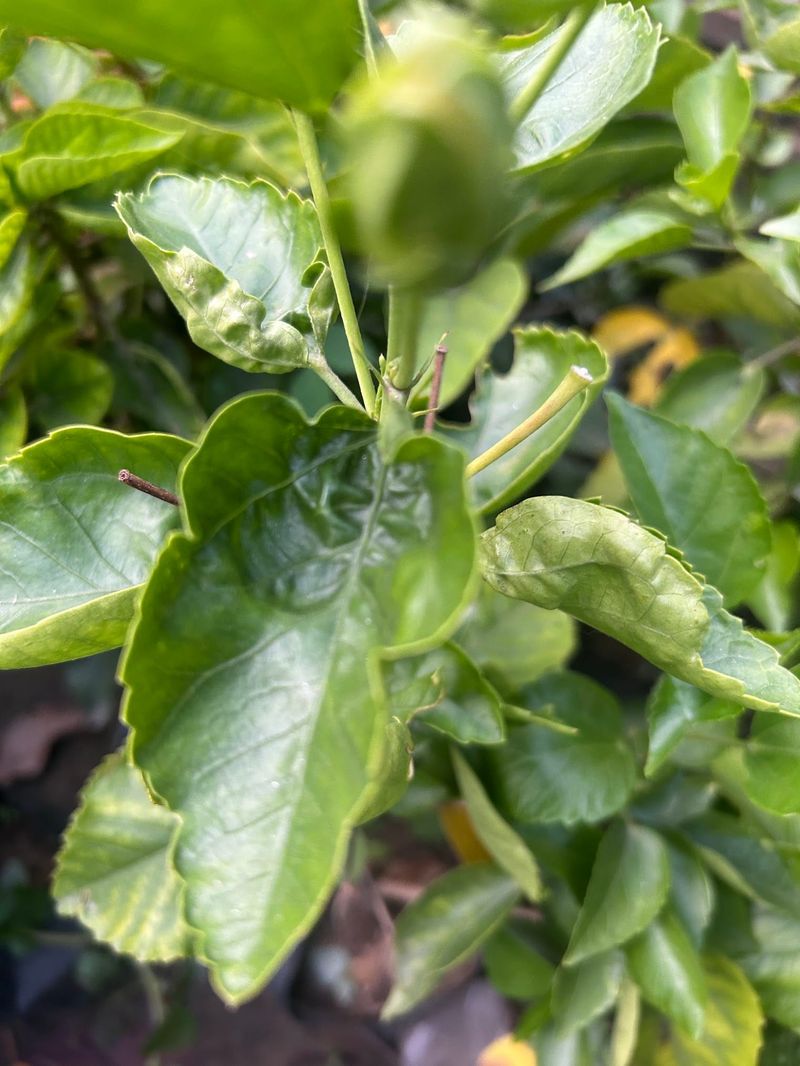
New growth is the garden’s honesty report. Fresh shoots reveal problems weeks before older leaves show anything at all.
Run your eyes along the tips. Straight, smooth, evenly colored leaves mean things are going well, while crinkled, cupped, or corkscrewed ones are waving a flag.
Aphids crowding soft tips cause curling, twisting, and stunted growth. Pink hibiscus mealybugs inject a toxic saliva that contorts leaves badly and can keep buds from opening.
Thrips chewing on young foliage leave it warped and oddly colored, while mites add their own stunting.
Whiteflies work differently, weakening new leaves until they yellow and drop early. Any of these show up better when you look at the shoot from the side rather than straight down.
If no insects appear anywhere, consider two other causes. Too much nitrogen pushes soft, floppy growth that distorts easily and attracts aphids like a dinner bell.
Viral problems are rarer but possible, showing as deformed or cupped leaves and mottled patterns. There is no cure, and removing an affected plant protects its neighbors.
Pinch off a few badly twisted tips and bag them for the trash. That small cleanup removes eggs and lets healthy September growth take over the display.
6. Scan Branches For Scale And Mealybugs
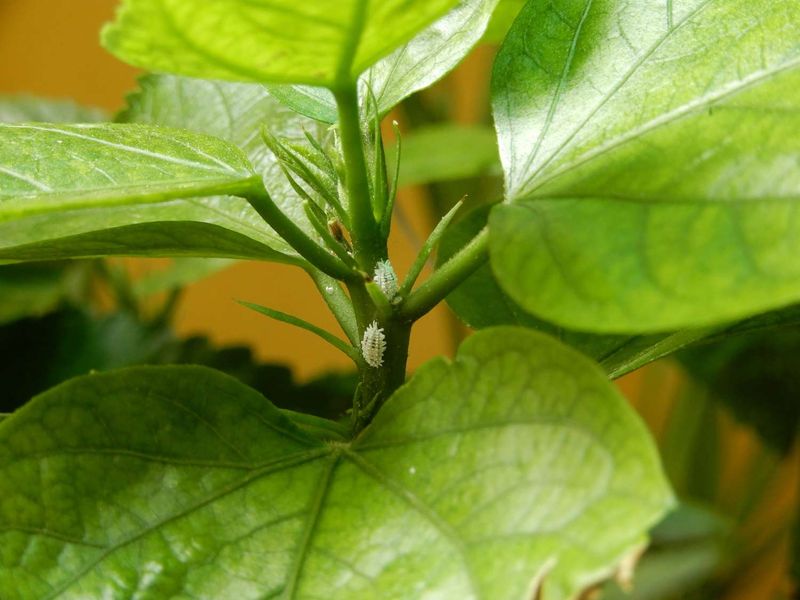
Bark hides the sneakiest pests of all. Scale insects sit so still on stems that gardeners often mistake them for rough bumps or bits of debris.
Give each main branch a slow look, paying attention to leaf joints and the shady inner stems. Scale appears as rounded, waxy shells clamped tight to the wood, quietly sipping plant juices.
Mealybugs are easier to spot thanks to their white powdery wax, which shows up as cottony blobs on buds, branches, and leaf bases. Both pests drip honeydew, which explains any sticky shine or black mold you found earlier.
Heavy scale populations bring real consequences. Expect early leaf drop, weakened stems, and a plant that slowly loses its vigor.
Fingernails and a cotton swab dipped in rubbing alcohol handle small outbreaks nicely. For wider spread, neem oil or insecticidal soap works well on soft-bodied pests, though you need good coverage and a repeat treatment about a week later.
Florida gardeners also have free helpers. Ladybugs and parasitic wasps go after mealybugs steadily, so easing up on broad sprays lets those allies do their job.
One caution worth remembering: moving infested cuttings or prunings around the yard spreads mealybugs, so bag clippings instead of hauling them past healthy plants.
7. Clear Fallen Buds Before Pests Build Up
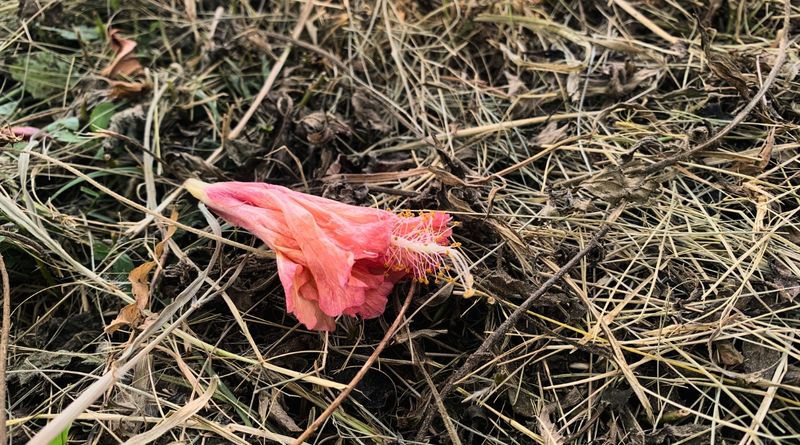
That scatter of dropped buds under the shrub is not just messy. It is a nursery, and leaving it there hands next month’s pests a free ride.
Bud midge larvae finish their life cycle inside fallen buds, then emerge to attack the buds still on the plant. Weevils and thrips take shelter in the same debris.
Raking or hand-picking the drops once or twice a week breaks that loop. Bag them and put them in the trash instead of the compost pile or the back corner of the yard.
While you are down there, clear out piled leaves, old flowers, and mulch that has matted against the trunk. Damp organic clutter holds fungal spores and gives insects a cool hiding spot right next to the roots.
Pinching spent flowers off the plant belongs in the same routine. Grooming keeps energy going toward new buds and makes fresh problems easier to notice.
Aim for a clean ring of about a foot around the base, with mulch spread evenly and pulled back slightly from the stem.
Gardeners who stay on top of this chore in September often report fewer bud problems by late fall. Ten minutes with a hand rake really does shift the odds in your favor.
8. Hold Back Fertilizer If Growth Looks Too Soft
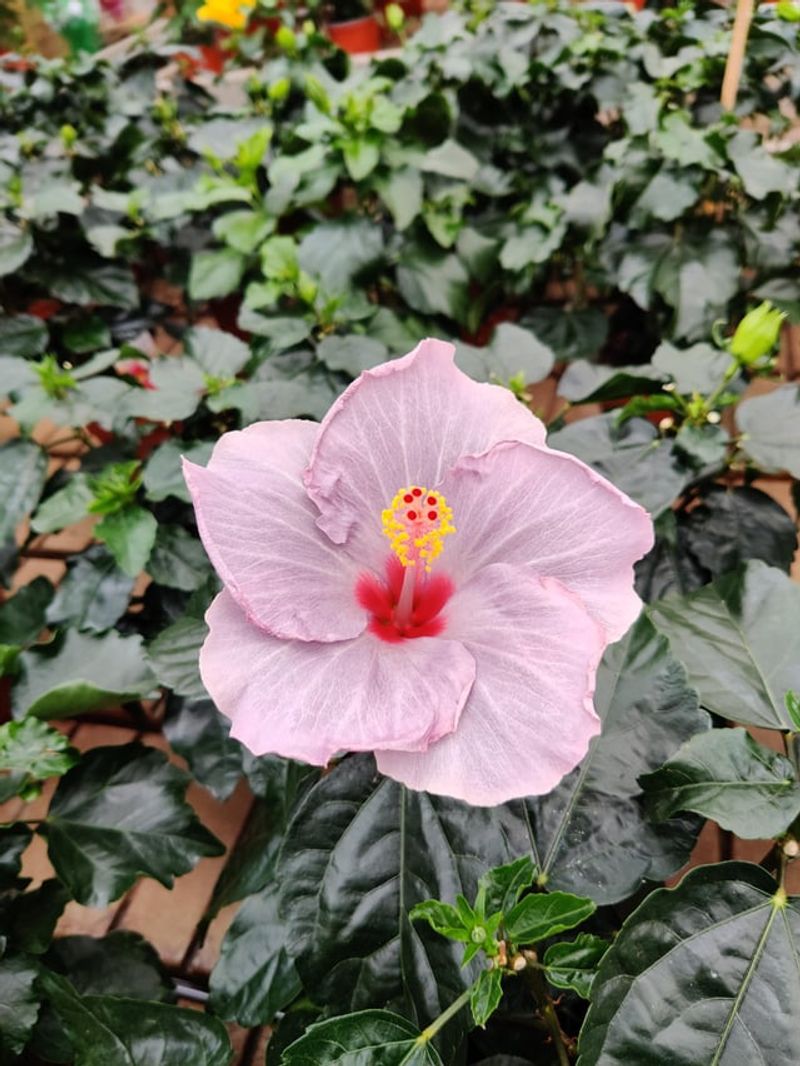
Hibiscus eat well and reward generous feeding, but September asks for judgment rather than enthusiasm. Squeeze a new shoot: if it feels limp and watery, ease off.
Too much nitrogen pushes leaves instead of flowers and creates tender growth that aphids find irresistible. Lush and green is not the same as productive.
Choose a blend with moderate nitrogen and high potassium, since potassium supports blooming. Ratios such as 10-10-20 or 12-8-16 suit tropical hibiscus, and in-ground plants also do fine with a slow-release 10-10-10 or a 10-4-10 for follow-up feedings.
Spread granules around the outer edge of the root zone, not against the trunk, then water them in. Keeping fertilizer away from the base helps avoid root burn and stem trouble.
Mark your calendar for one important cutoff. As fall progresses, reduce feeding rather than continuing the summer schedule, and follow the fertilizer label and local recommendations for your plant and growing conditions.
Feeding past that point encourages soft new shoots right as nights cool, and those shoots handle chilly air poorly.
Since flowers form on new growth, thoughtful feeding now sets up that fall show. Think steady and moderate, every few weeks, rather than one big dose that produces foliage and a pest buffet.
9. Protect September Blooms Before Cooler Nights Arrive
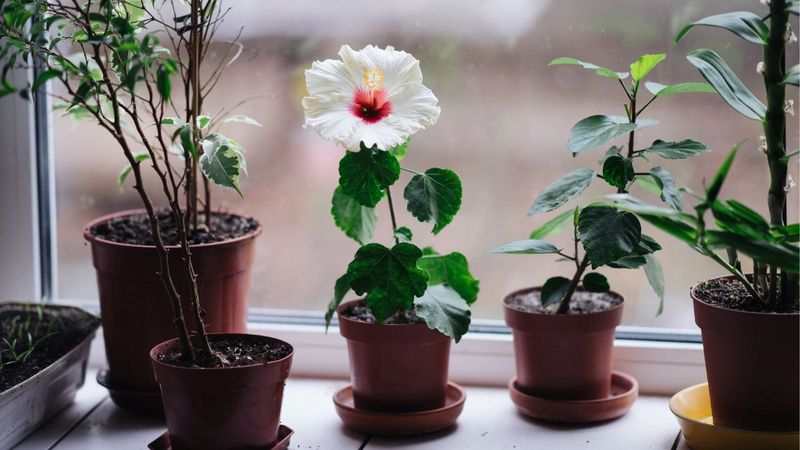
Late September evenings in Florida can turn surprisingly pleasant, and your hibiscus notices before you do. Tropical types bloom happily between about 60 and 85 degrees, and they sulk outside that window.
Cooler air or an unexpected heat spike often leads to stalled blooming or shed buds. Watching your nightly low temperatures becomes part of the routine from here on.
Early in the month, light afternoon shade keeps plants comfortable. As September moves along and the sun softens, shift pots toward brighter spots so buds get the energy they need.
Plan your cold strategy while the weather is still easy. Container plants should move to a sheltered porch or indoors before nighttime readings settle below 50 degrees, and growth naturally slows by November anyway.
In-ground plants in cooler parts of the state benefit from breathable frost cloth during cold snaps, plus a layer of mulch over the root zone and around the main stem.
A clever trick: string outdoor holiday lights under the frost cloth for a few extra degrees of warmth. Frost protection can help during brief cold snaps, but prolonged freezing temperatures can cause serious damage, especially to tropical hibiscus.
Also trim watering back as temperatures fall, without letting roots go bone dry.