The Real Difference Between A Drought-Tolerant Plant And A California Native
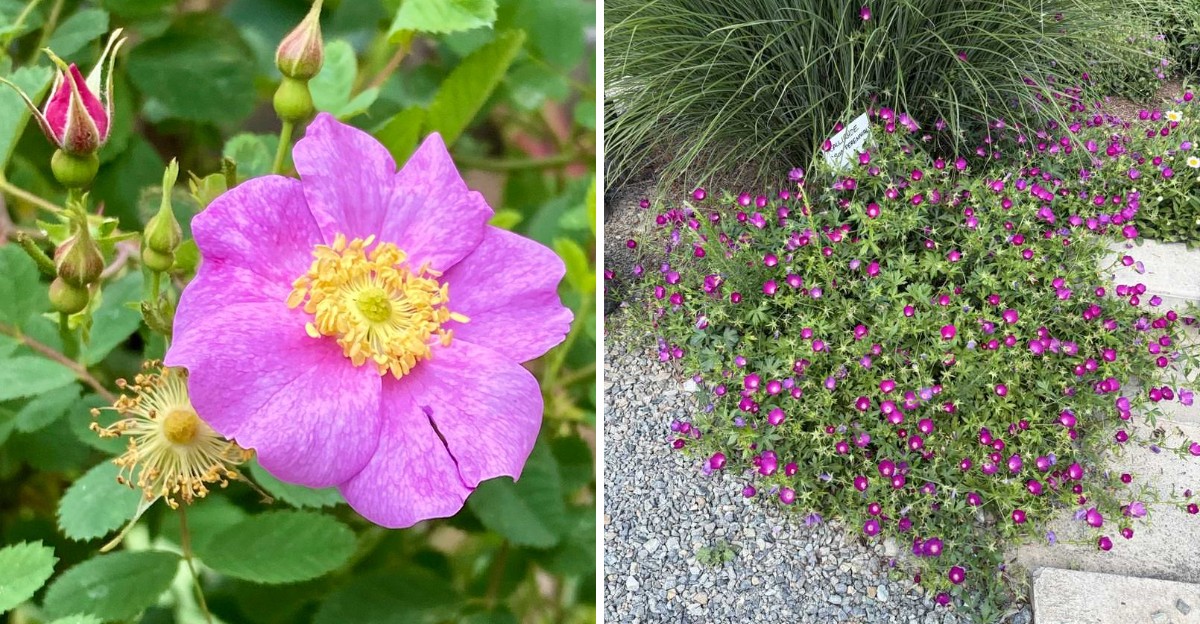
A shopper outside Sacramento holds two plant pots, convinced the tags on them say basically the same thing.
Drought tolerant on one. California native on the other. Surely those mean the same story, right?
A nursery staffer gently sets her straight. One label describes where a plant came from. The other describes how much water it drinks. Those turn out to be two completely separate facts.
Here’s the twist most shoppers never learn until they’ve lost a plant or two finding out. Plenty of natives are thirsty. Plenty of drought lovers come from the other side of the planet entirely.
Getting this wrong costs real money in struggling plants and wasted irrigation. Getting it right changes how you shop for the rest of your gardening life.
Eight truths untangle exactly what these two labels actually mean, and where they overlap in ways nobody bothers explaining at the register.
Curious which mismatch might already be sitting in your own yard? It starts with a simple question about geography, not thirst.
1. Native Means It Grew Here Naturally
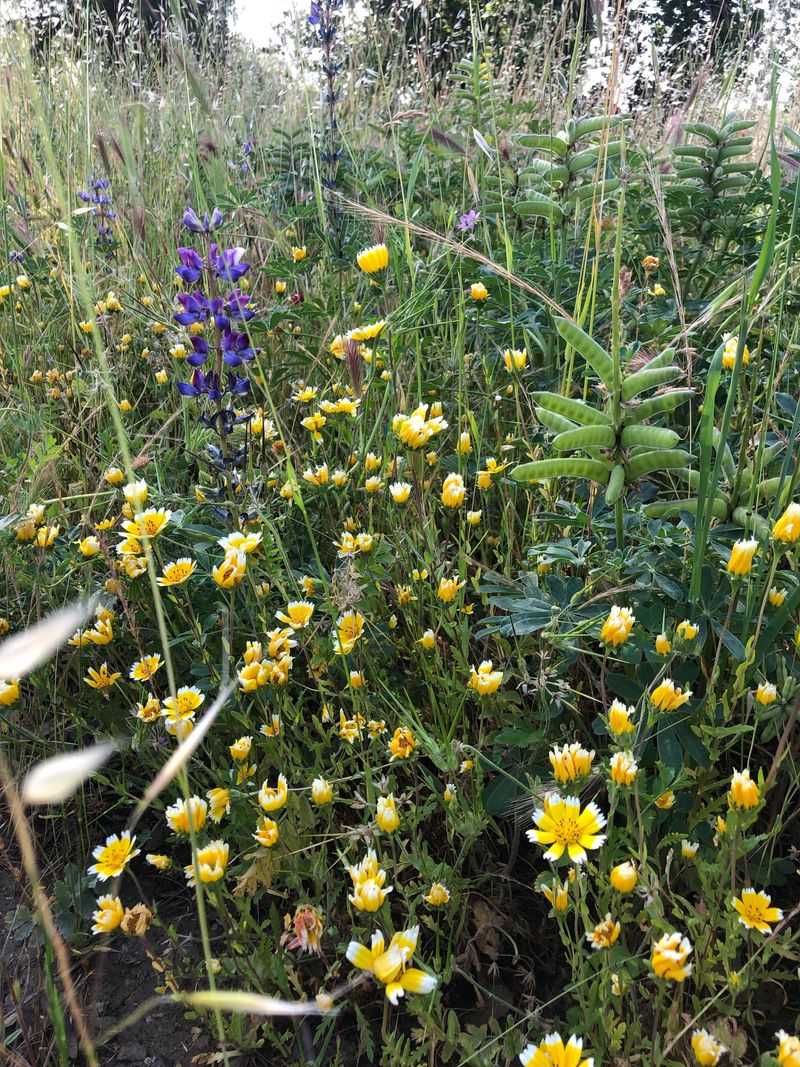
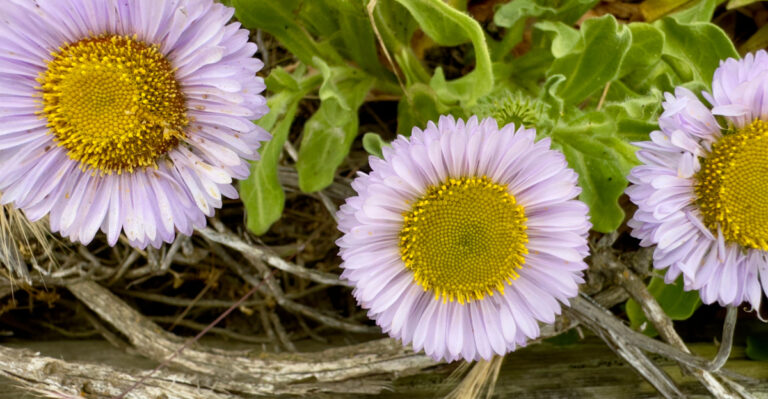
Picture the California coast before European ships ever arrived on its shores. Whatever grew on those hillsides, down in those canyons, and beside those creeks all on its own, with no gardener watering anything, is what botanists mean by native.
Native status is a statement about geography and history, nothing more than that. It tells you where a plant’s ancestors evolved and which local soils, fogs, fires, and insects shaped it across thousands of years.
Notice what the definition leaves out entirely. Water. Native status gets described by natural range, not by how thirsty a plant happens to be.
California is enormous, so one label stretches across deserts, coastal bluffs, mountain meadows, and shady streambanks all at once. A shrub from the Mojave and a fern from a redwood creek are both California natives, yet their water needs sit at opposite ends of the scale.
Being native to the state also does not guarantee a plant suits your particular block. Something at home on the foggy north coast can struggle badly in a hot inland valley, even though the tag stays perfectly accurate.
Read the native label as information about where a plant comes from and the habitat it evolved in. Then ask your own follow-up questions about sun exposure, drainage, and summer irrigation before anything goes in the cart.
Plant lists organized by county or region make that easier. Origin is the starting point, not the whole answer.
2. Drought Tolerant Just Means It Handles Dry Spells
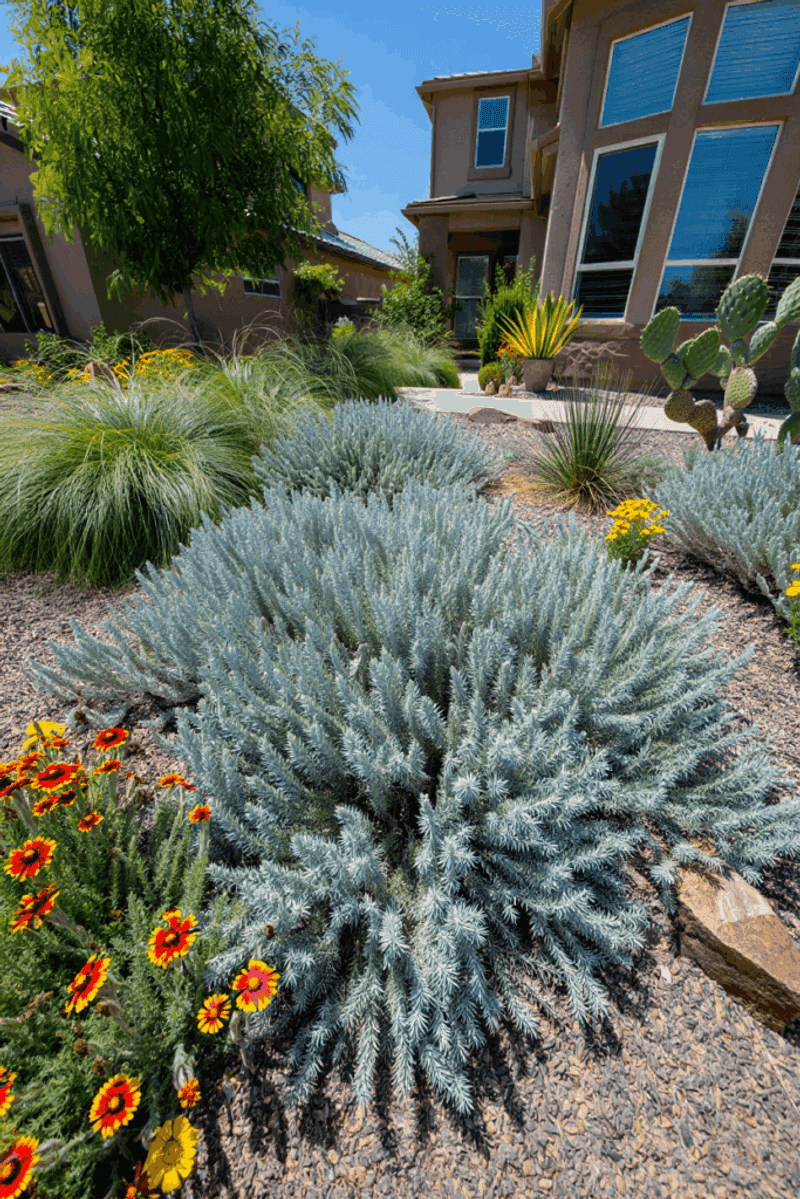
A tag reading drought tolerant describes behavior, not a birth certificate. It says the plant can keep going through stretches of dry soil without wilting into a crisp, once it’s actually established.
Low water use or water needs describes this better than a single sticker, since tolerance works as a sliding scale. Some plants survive on rainfall alone, while others want a deep soak once a month through summer.
Plants pull off the trick with clever equipment. Deep taproots that chase moisture, small or silvery leaves that bounce sunlight away, waxy coatings that slow evaporation, and fleshy tissue that stores water for later.
Your California Garden Changes Every Week. Your Plan Should Too.
Gardening in California changes quickly throughout the season. Every Friday you’ll receive a simple weekly plan showing exactly what to plant, prune, fertilize, harvest, and protect so you never miss the right timing.
Those features are why so many dry-climate leaves look gray, fuzzy, or leathery instead of soft and bright green.
Others simply cheat by going dormant instead. Certain species drop leaves or retreat to the roots during the hottest months, looking half checked-out in August and rebounding after the first real rain arrives.
That word established matters more than shoppers expect. Nearly every dry-climate plant needs regular watering through its first year or two while roots stretch downward, and skipping that stage sets up failure for plants that would have otherwise thrived.
Nothing in any of this mentions where the plant came from. Drought tolerance is a job description, and plants from many continents show up qualified for the work.
Ask how much summer water a plant wants, measured in soakings per month, and that answer beats the phrase on the label.
3. Many Non-Natives Are Also Drought Tolerant
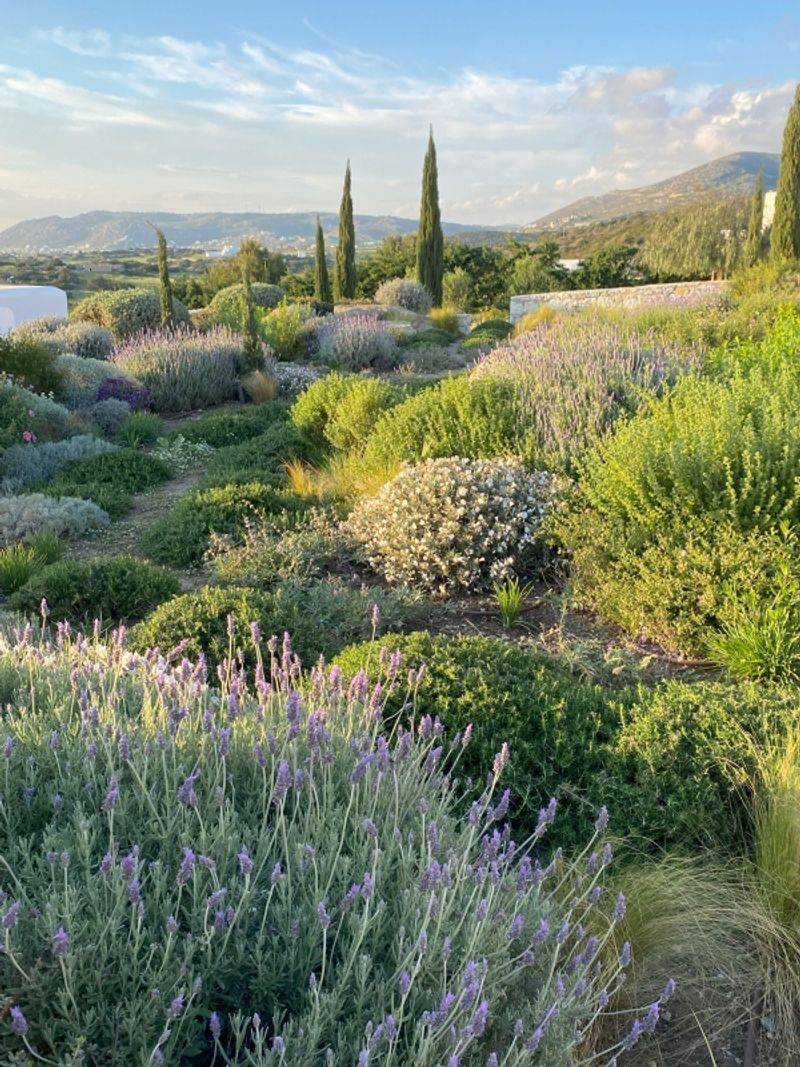
Rosemary, lavender, and olive trees handle a rainless California summer beautifully, and not one of them is native here. They come from the Mediterranean Basin, where the weather pattern looks familiar. Wet winters, bone-dry summers.
Only about five regions on Earth share that climate rhythm, including the Mediterranean, coastal California, central Chile, the Cape region of South Africa, and parts of southern and western Australia. Add up the land, and it amounts to a sliver of the planet.
Plants evolving in those places solved the same puzzle separately, without ever meeting each other. That’s why grevilleas and kangaroo paw from Australia, pincushion proteas from South Africa, and Chilean shrubs often settle comfortably into California gardens.
Garden designers lean on the overlap constantly. A low-water yard might mix native sages with Australian shrubs and South African bulbs and still keep the irrigation bill small. Water use, not passport, is what makes those combinations work.
One caution worth knowing. A handful of tough non-natives escape gardens and spread into wild areas, crowding out local species. The California Invasive Plant Council publishes lists worth checking before planting something aggressive.
Sterile cultivars and well-behaved species sidestep much of that risk entirely.
So drought tolerance is a global club with members on several continents. California natives belong, sure, but they never held exclusive membership in the first place.
4. Not Every Native Actually Tolerates Drought
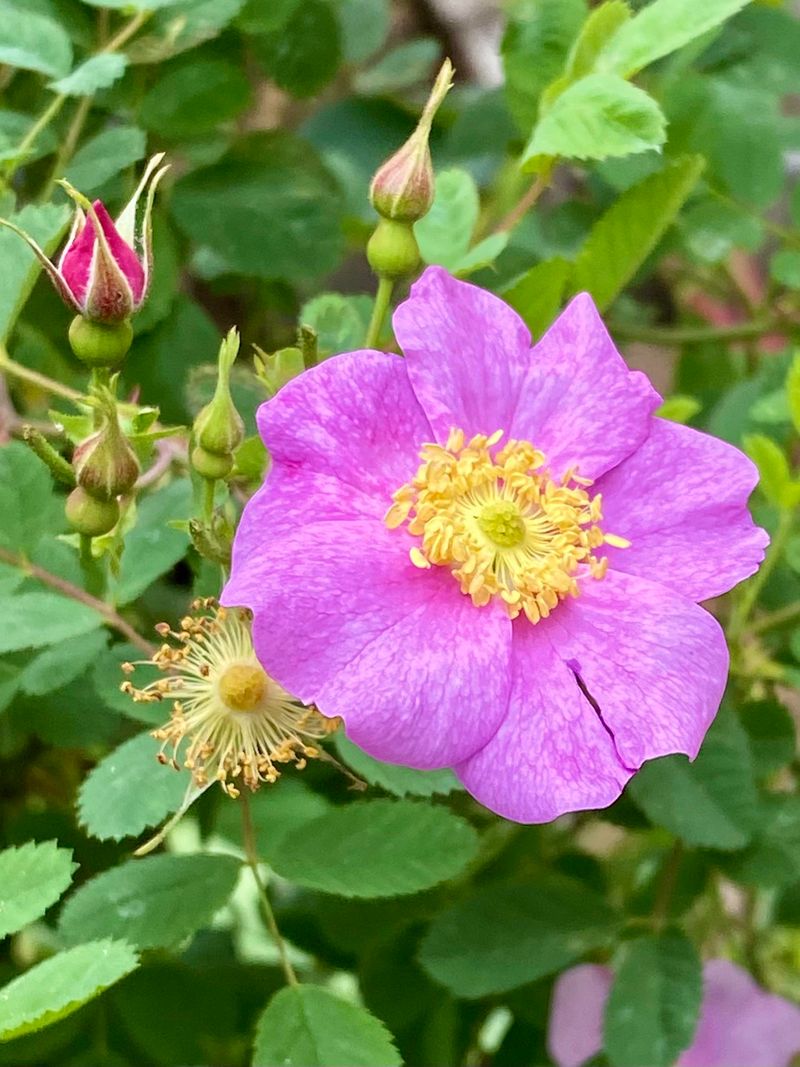
Here’s the part that surprises people at the register. California grows plenty of natives that want steady moisture, because they evolved along creeks, seeps, springs, and shaded canyon bottoms. Those places stay damp long after the hills turn gold.
Riparian species are the clearest example. Willows, alders, big leaf maple, western sycamore, and chain fern all grew up with their feet near water and sulk badly when soil bakes dry. Plant them in a hot parking strip, and they brown out fast.
Redwoods get dropped into dry subdivisions all the time, then decline slowly while owners wonder what went wrong. Their home range receives summer fog drip and deep, damp soil. Coast live oak handles dry summers comfortably. Redwood does not.
Wetland and meadow natives behave much the same way. Rushes, sedges, streamside monkeyflower, and many bog-edge species belong in rain gardens, swales, or low spots that hold moisture. Grouped in the right place, they thrive with modest help.
The fix here is habitat matching rather than label matching. Regional native plant lists group species by where they naturally occur, which tells you far more than the word native alone ever could.
Buying a moisture-loving native for a hot, unirrigated strip sets both of you up to fail. Origin never promises toughness in dry soil. Match the site first, then admire the nameplate.
5. Wildlife Value Usually Favors Native Choices
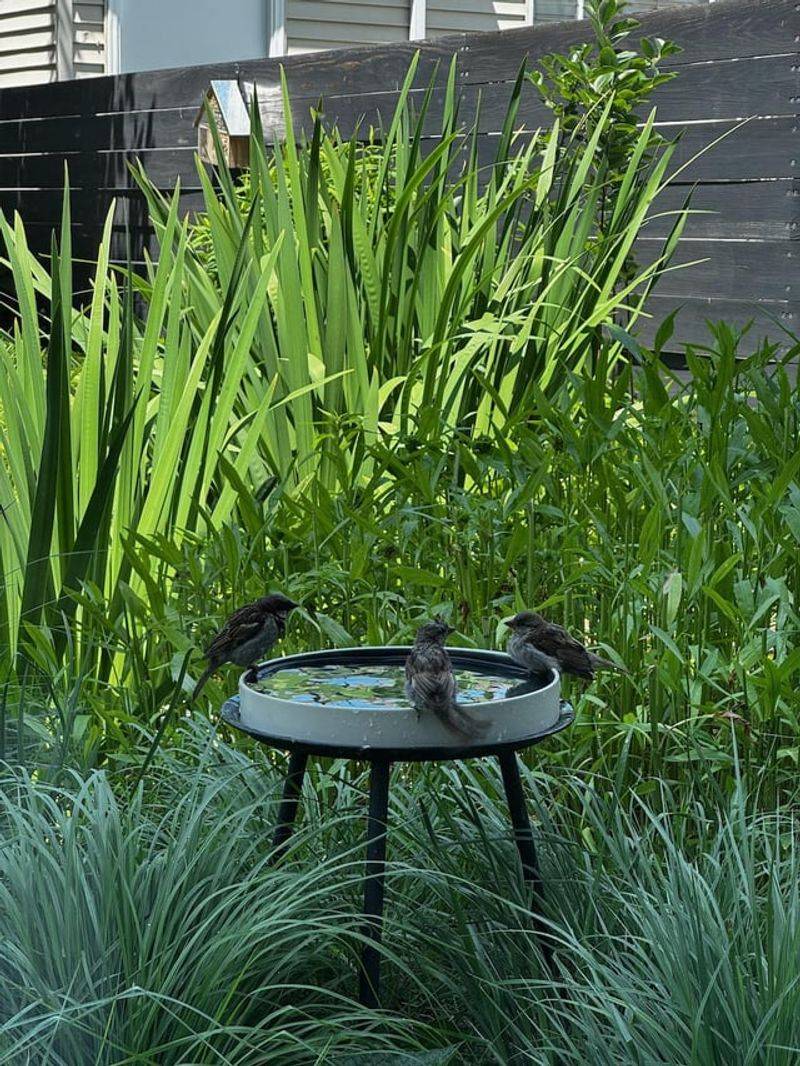
Caterpillars are picky eaters, and that single fact drives most of the wildlife argument. Many native insects can only digest the plants their species evolved alongside. Monarch caterpillars on milkweed is the famous case, and hundreds of quieter pairings exist across the state.
Fewer caterpillars means fewer baby birds, since most songbirds feed insects to their chicks instead of seeds or berries. Native shrubs and trees quietly keep that food chain stocked.
Native bees show a similar pattern too. Specialist bees visit a narrow set of flowers, and some California natives bloom exactly when those pollinators emerge in late winter or early spring. Timing counts as much as the flower itself here.
A rosemary hedge does feed honeybees and hummingbirds, so non-natives are hardly useless in the yard. Nectar is generous. Leaves, seeds, and nesting material are where local plants pull ahead.
Manzanita, ceanothus, coyote brush, buckwheat, and native sages support long lists of insects, birds, and lizards. Leaf litter underneath shelters ground-dwelling bugs too. Skip the obsessive cleanup, and the benefit grows.
Notice that wildlife value sits apart from water use entirely. A thirsty willow can be a wildlife powerhouse, while a tough imported succulent may offer local animals almost nothing at all.
If a buzzing, chirping yard is the goal, weight origin heavily in your decision.
6. Origin And Water Needs Are Separate Questions
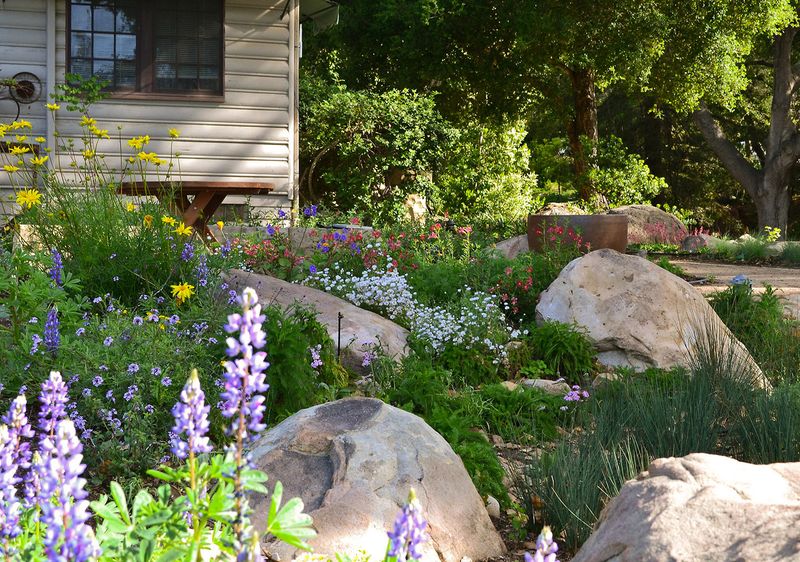
Think of shopping with two checkboxes instead of one. Question one, where did this plant evolve? Question two, how much water will it want in my yard? Keeping them apart prevents most planting mistakes.
Answers combine four ways. Native and low water, native and thirsty, non-native and low water, non-native and thirsty. A nursery tag rarely spells out which box a plant fills.
Sorting your wish list into those four buckets clarifies things fast, and plenty of plants land in the surprising middle ground.
Rebate programs muddy the water further, unfortunately. Some agency turf replacement programs pay for low-water plants whether or not they’re native, while certain habitat grants require natives specifically. Check the rules before you buy, not after.
Reading fine print saves money and disappointment. A UC-affiliated water use database rates landscape plants by water need across California regions and pays no attention to origin at all. Ratings run from very low to high depending on climate zone.
Pair that with a regional native plant list, and both questions get answered separately. One source handles thirst. The other handles heritage. Cross-referencing takes ten minutes and prevents years of regret.
Staff at a good nursery can answer both if you ask them as two questions. Asking for something drought tolerant and native in one breath can send you home with a plant that satisfies only half the request. Precision in the question produces precision in the answer.
7. Both Labels Often Describe The Same Plant, So Know Which Trait You Want
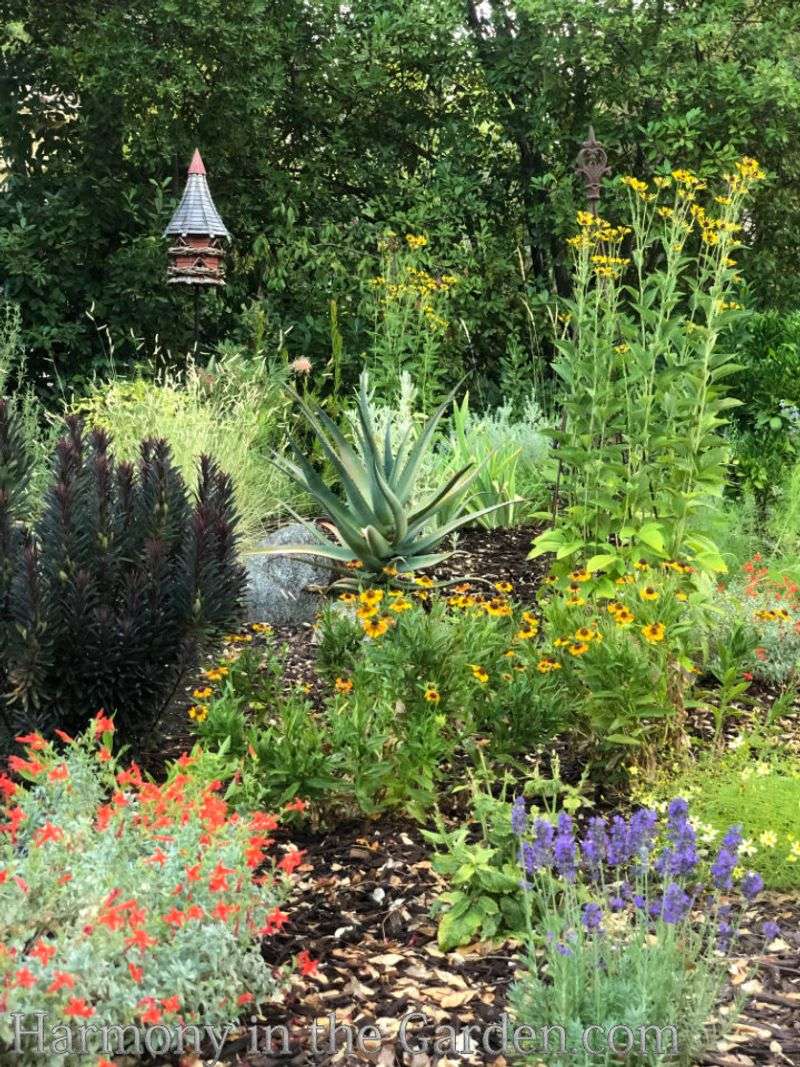
Overlap is exactly why the two terms blur together so easily. A big share of California’s flora evolved under dry summers, so many natives genuinely are low-water plants. Summer-dry conditions shaped huge portions of the state’s plant life.
Chaparral and coastal scrub species fit both descriptions neatly. California buckwheat, manzanita, ceanothus, toyon, and hummingbird sage can ride out a rainless summer with little or no help once rooted. Deep roots and tough leaves do the heavy lifting.
Meet enough of those plants at nurseries, and the labels start to feel interchangeable. The habit is understandable, just imprecise. Even experienced gardeners slip and treat one word as a stand-in for the other sometimes.
Before buying anything, decide what you actually want out of the plant. Chasing a lower water bill? Water use ratings matter most here. Hoping for butterflies, bees, and nesting birds? Origin deserves top billing instead.
Both goals are valid, and they lead to different shelves at the nursery. Watering restrictions in your city may help decide for you too.
Wanting both is completely reasonable, and dry-climate natives deliver on both counts at once. Ask for that combination out loud rather than assuming one label covers it automatically.
Two questions, two answers, one plant that finally fits the spot. Once site, water plan, and goal line up, selection gets much simpler from there.
8. Regional Ecotypes Add Another Layer Worth Knowing
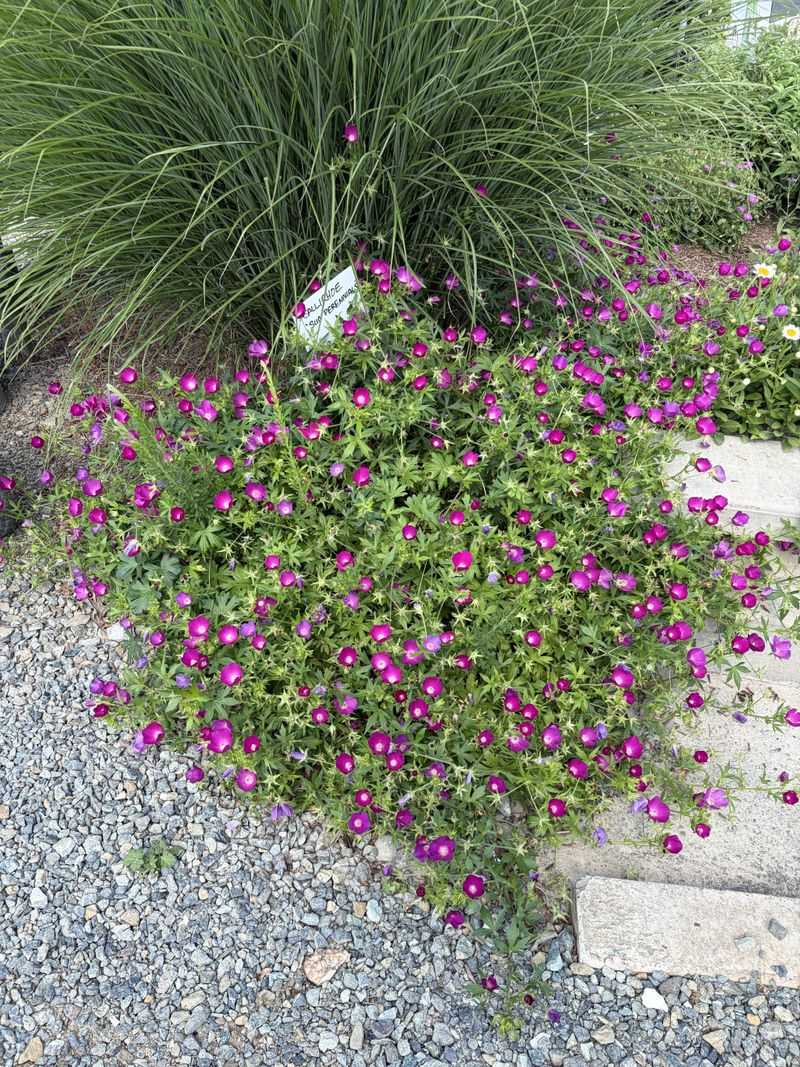
Even within a single native species, geography keeps working its influence long after the plant lands in a nursery pot.
A California poppy from coastal Marin and a California poppy from the Mojave desert carry the same species name, yet they’ve adapted to wildly different rainfall, temperature swings, and soil conditions over generations. Botanists call these regional variations ecotypes.
That distinction matters more than a lot of shoppers realize. A desert-sourced ecotype planted in a foggy coastal garden may sulk in conditions its cousin from the coast would find perfectly comfortable, and the reverse holds true just as often.
Seed source labels sometimes reveal this, though not always clearly. Look for wording like local ecotype, regional seed source, or a specific watershed name, since a generic species tag alone doesn’t guarantee the plant matches your microclimate.
Native plant nurseries that specialize in local ecotypes exist in many California regions, and their stock tends to perform more predictably than mass-produced native cultivars sourced from wherever seed happened to be cheapest that year.
This isn’t just a matter of survival either. Local ecotypes often support native insects and pollinators more effectively than a genetically distant version of the same species, since local wildlife co-evolved with the specific population growing nearby.
Cultivars complicate things further still. A native species bred for bigger flowers or a more compact shape may look appealing on the shelf, but that breeding can sometimes reduce the traits wildlife actually depend on.
Asking a specialty native nursery about seed source takes one extra question at checkout. That question can be the difference between a plant that merely survives and one that thrives while doing real ecological work in your specific corner of the state.