Why Michigan Gardeners Should Plant Garlic In October, Not Spring
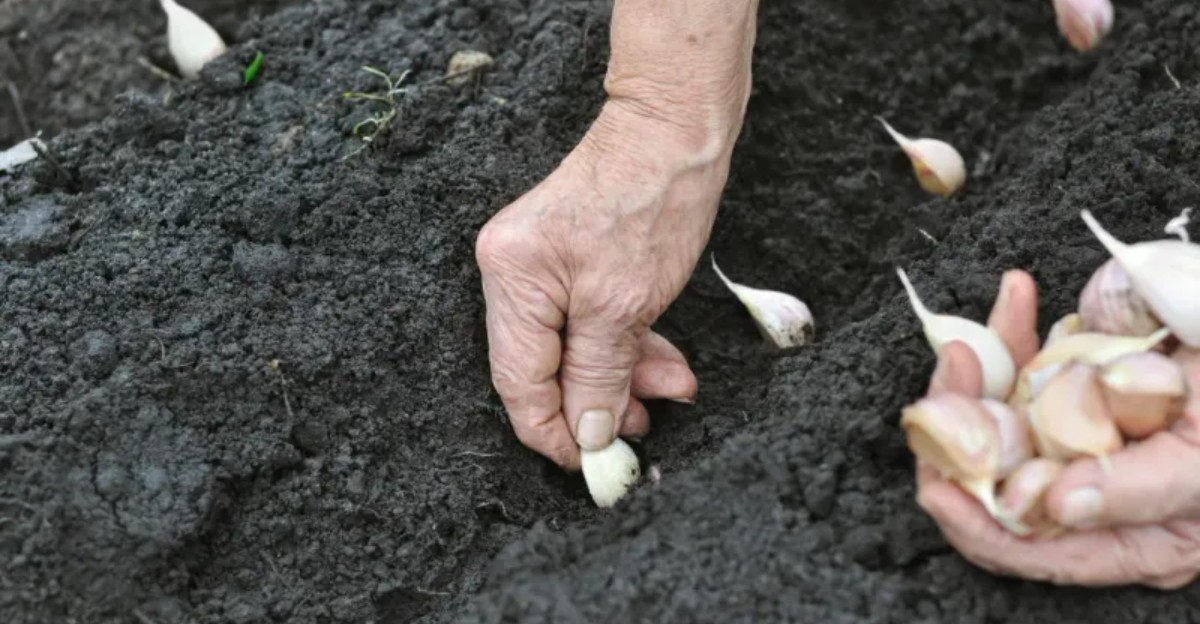
Garlic planted in fall consistently outperforms garlic planted in spring, and October has become the preferred window for Michigan gardeners looking to maximize their harvest.
Fall planting gives garlic cloves time to establish root systems before winter, allowing them to take full advantage of the growing season starting the moment soil warms in spring.
Garlic planted in spring instead misses this crucial head start, typically resulting in smaller, less developed bulbs by harvest time.
Because garlic actually benefits from a period of cold exposure to properly form distinct cloves, Michigan’s winter plays a functional role in the plant’s development rather than being purely an obstacle.
Choosing October over spring planting can mean the difference between a modest harvest and a genuinely impressive one.
1. Fall Planting Gives Garlic Time To Root
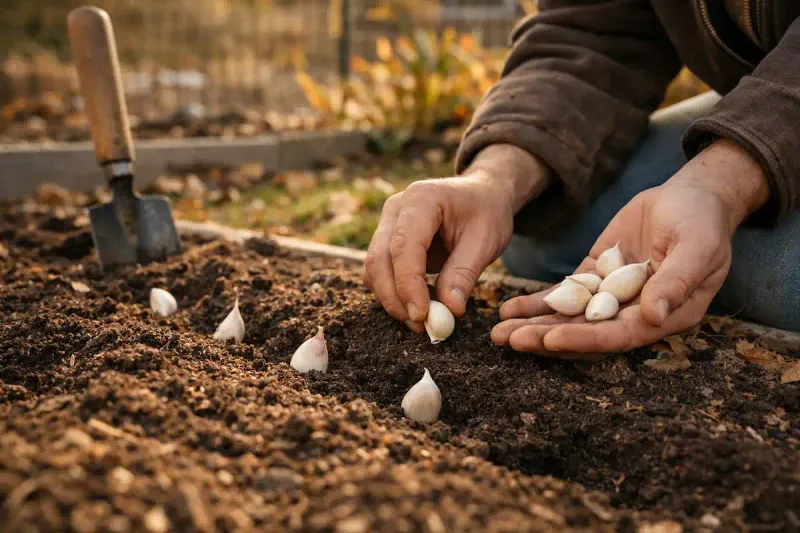
Roots are the quiet workhorses of a healthy garlic plant, and fall gives them the head start they need. When you plant cloves in October, the soil is still warm enough for roots to stretch out and grab hold before winter arrives.
Those weeks of cool, mild weather let each clove build a strong underground network. Even though nothing seems to happen above the surface, plenty is going on below it.
The roots anchor the plant and store up energy that will fuel a burst of growth once the days warm again. Michigan winters can be tough, but garlic handles them well when it goes in early.
The ground eventually freezes solid, and by that point your cloves are already settled in and ready to rest. Come spring, they wake up with a big advantage over anything planted later.
Think of it like packing for a trip the night before instead of the morning you leave. Fall-planted garlic has already done the hard prep work while spring-planted garlic is still scrambling to catch up.
This early rooting is the main reason autumn cloves grow into fuller, plumper bulbs. They simply have more time to develop strong foundations.
If you want the best results, plant while the soil still feels workable and warm to the touch. Give those roots a few good weeks before the freeze, and your future harvest will thank you with size and flavor that spring planting rarely matches.
2. October Is A Common Planting Window
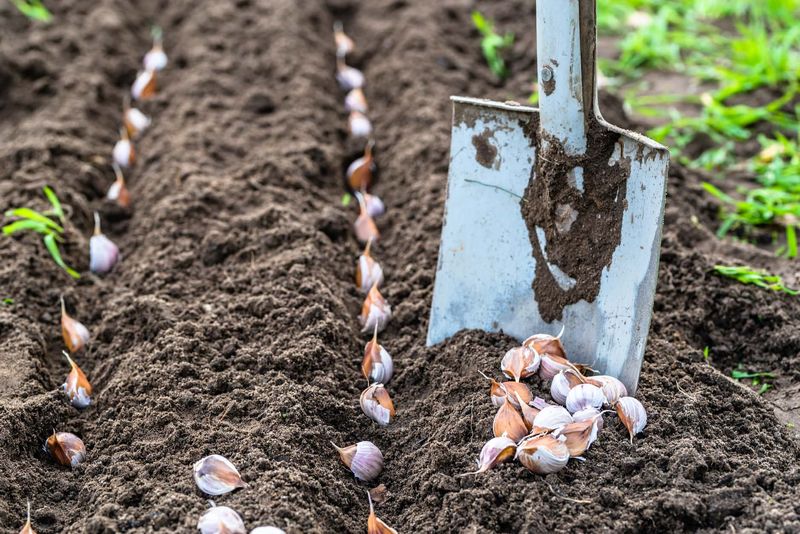
Timing garlic planting can feel tricky, but October hits the sweet spot for much of Michigan. The weather has cooled off, the soil is still soft, and there is usually enough time left before the ground hardens.
The general rule is to plant about three to six weeks before your soil freezes for the season.
That window gives roots a chance to grow while keeping the cloves from sprouting too much above ground. In many parts of the state, mid to late October lines up perfectly with this goal.
Location matters more than the calendar, though. Gardeners in the Upper Peninsula often plant earlier because cold arrives sooner, while those in southern counties may have a little more wiggle room into late October or even early November.
Your Michigan Garden Changes Every Week. Your Plan Should Too.
Gardening in Michigan changes quickly throughout the season. Every Friday you’ll receive a simple weekly plan showing exactly what to plant, prune, fertilize, harvest, and protect so you never miss the right timing.
Keep an eye on your local frost patterns rather than following a strict date. A quick check of past freeze records for your area can help you nail the timing. Your neighbors and local extension office are great resources too.
The main idea is to avoid planting so late that the cloves have no time to settle in. Rushing it into frozen ground leaves them struggling.
On the flip side, planting way too early in warm September weather can cause too much leafy top growth. That green can get damaged by hard cold snaps.
Aim for that comfortable middle stretch when autumn air feels crisp but the earth still crumbles easily in your hands. Get the timing right, and everything else falls into place nicely.
3. Garlic Needs Winter Cold
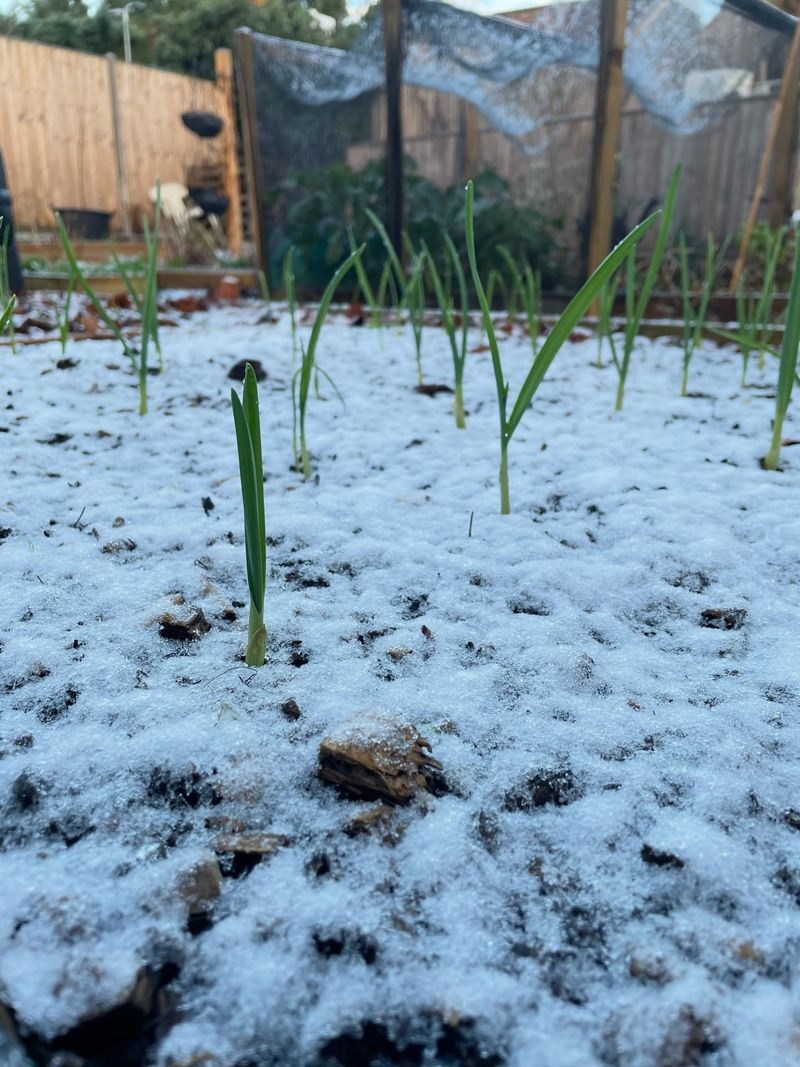
Cold weather is not the enemy of garlic. In fact, it is a big part of what makes the crop grow properly. Garlic benefits from a period of cold exposure that helps trigger proper bulb formation and clove development.
This natural signal is called vernalization, and it is a fancy word for a simple idea. When cloves sit through weeks of cold, they get the message that it is time to form separate bulb sections instead of staying as one round lump.
Michigan winters deliver this cold treatment for free. By planting in fall, you let nature handle the job without any extra effort on your part. The freezing months do exactly what the garlic needs.
Without enough cold exposure, garlic often produces oddly shaped bulbs or ones that fail to divide well. That is one reason warm-climate gardeners sometimes struggle with it. Michigan growers have a real advantage here.
Hardneck varieties, which do wonderfully in the state, especially depend on that cold spell to thrive. They are built for exactly this kind of climate.
So while a bitter winter might worry you, your garlic sees it as the perfect setup. Every frosty week is quietly shaping a better harvest underground.
Fall planting simply lines your crop up with the season it craves. You plant it, winter chills it, and spring rewards you. It is one of the tidiest partnerships in the whole garden, and Michigan’s climate plays right along.
4. Spring-Planted Garlic Has Less Growing Time
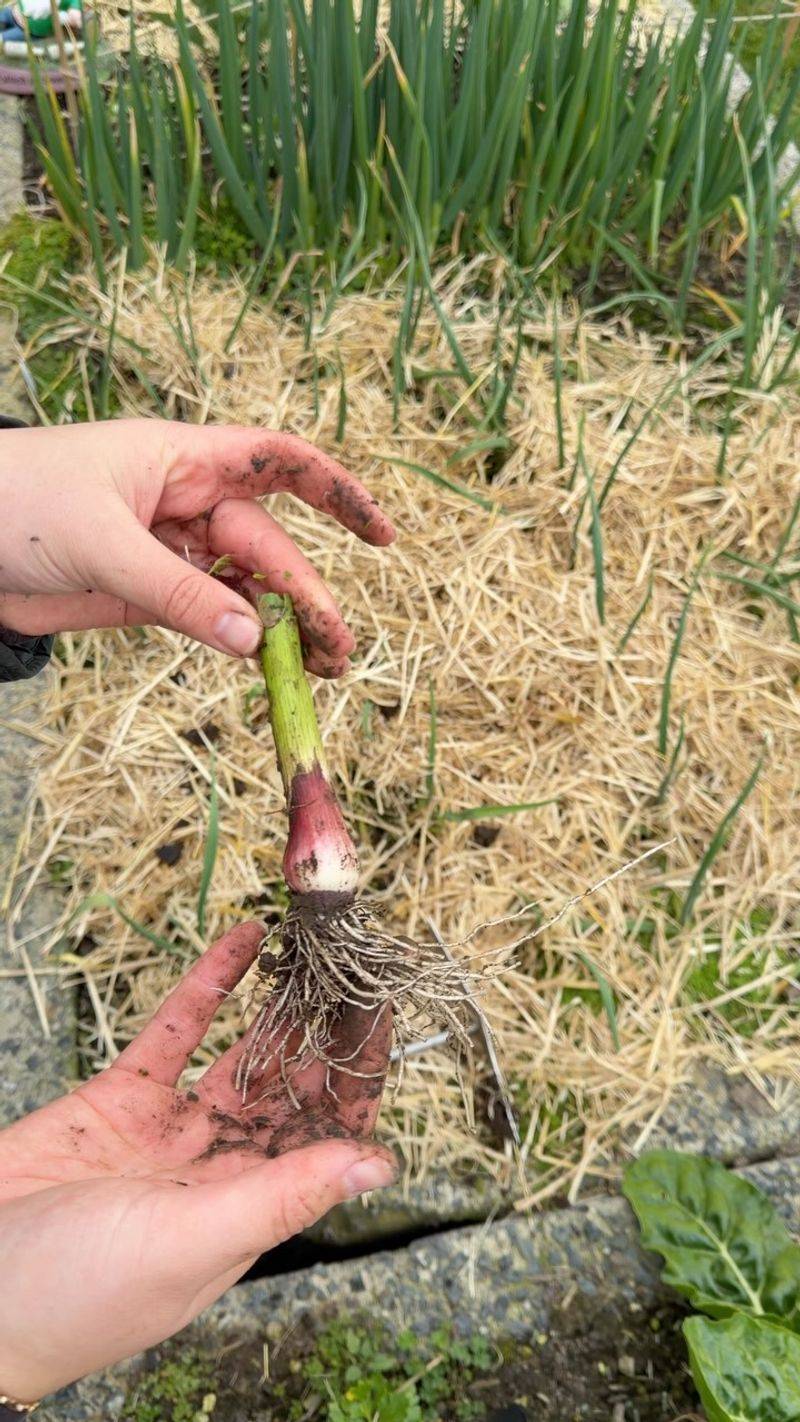
Bulb size comes down to time, and spring planting simply gives garlic less of it. When you wait until the ground thaws to plant, the clock is already running short before summer heat arrives.
Garlic likes to spend a long, steady stretch of cool weather building both roots and leaves. Fall-planted cloves get months of that gentle growth. Spring-planted ones are squeezed into just a few weeks before warm days push the plant toward wrapping up.
The leaves matter a lot here. Each healthy green leaf feeds the bulb below, so more growing time means bigger, fuller results. Spring garlic often runs out of runway before it can grow many leaves.
Once Michigan summers turn hot, garlic naturally shifts its energy toward finishing up rather than expanding. A spring crop reaches that stage while the bulbs are still on the small side.
You can still harvest something from spring cloves, but the bulbs tend to be modest. Many gardeners feel disappointed opening up tiny heads after months of waiting.
Fall planting sidesteps this whole problem. By the time spring rolls around, your garlic is already established and racing ahead. It hits summer with plenty of size instead of playing catch-up.
If a big, flavorful harvest is your goal, giving the plants extra months is the clearest path there. Time is the one thing you cannot add back later in the season.
Plant in October, let winter do its work, and you set your crop up for the fullest bulbs your garden can produce.
5. Plant Individual Cloves
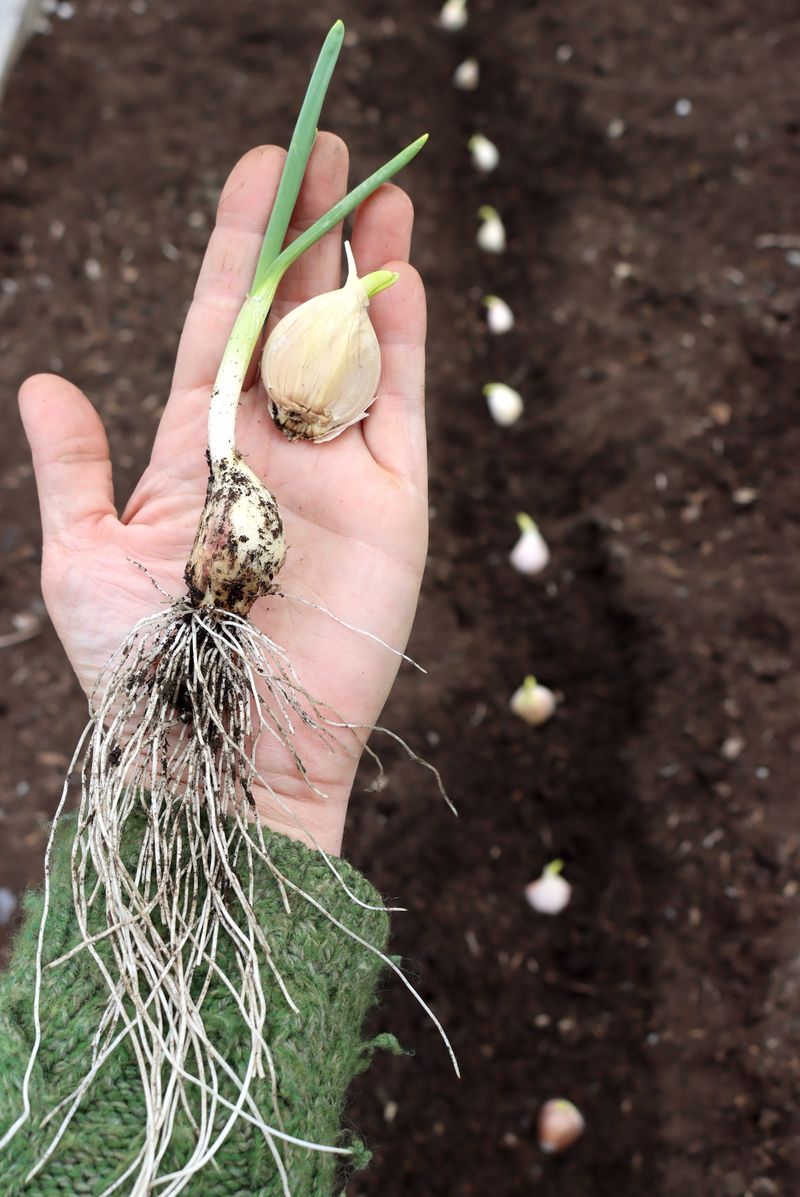
One whole bulb is really a bundle of future plants waiting to be split. Right before planting, gently break your garlic head apart into separate cloves. Each single clove will grow into its own full bulb by harvest.
Timing this step matters. Pull the bulb apart just before you plant, not days ahead. Cloves left sitting around after separating can dry out and lose the freshness they need to sprout strongly.
Handle them with care so you do not bruise or damage the papery skin. That thin wrapper helps protect each clove once it is in the soil. Toss any that feel soft or look damaged and keep the biggest, firmest ones.
Bigger cloves usually grow bigger bulbs, so save your largest for planting and cook with the smaller bits. It is a simple trick that pays off nicely at harvest.
Direction is the part beginners often get wrong. Set each clove with the pointed tip facing up and the flat root end facing down. That pointed end is where the green shoot pushes out.
Plant them a couple inches deep and space them a few inches apart so each has room to swell. Crowded cloves compete and end up smaller.
Getting the orientation right saves the plant energy it would waste turning itself around underground. Point up means a straighter, stronger start.
This step takes only minutes but shapes your whole crop. A little attention now leads to neat rows of healthy garlic later on, and honestly, it is a satisfying job on a crisp autumn afternoon.
6. Choose A Well-Drained Bed
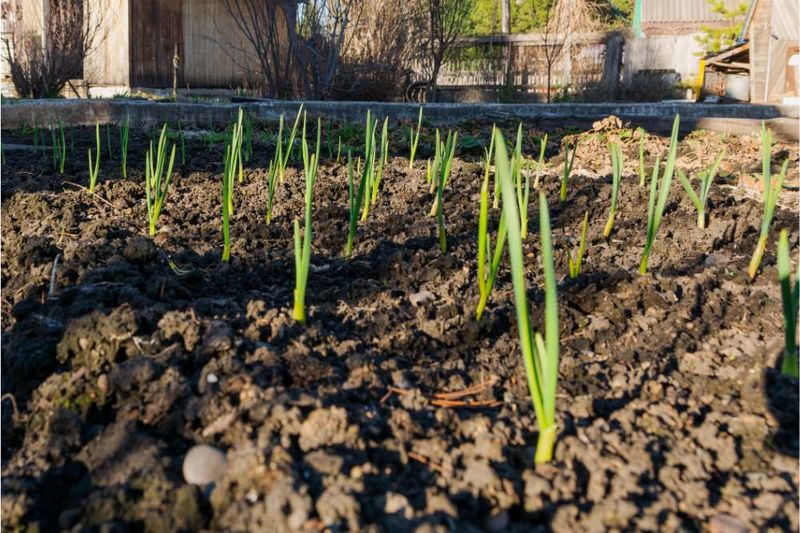
Soil can make or break your garlic, and drainage sits at the top of the list. Garlic loves loose, fertile ground where water soaks through instead of pooling around the cloves.
When water sits too long, it invites rot and other troubles that can ruin a bulb before it ever fills out. Soggy soil is one of the quickest ways to lose a promising crop over winter.
Look for a spot that drains well and gets plenty of sun. If your yard has heavy clay that stays wet, a raised bed is a smart fix. Raised beds warm faster and let extra water escape.
Mixing in compost before planting works wonders. It feeds the soil, improves the texture, and helps hold just the right amount of moisture without turning muddy.
Loose soil also lets the bulbs expand freely as they grow. Packed, hard ground squeezes them and can leave you with cramped, misshapen heads.
Before planting, loosen the bed with a fork or spade and pull out rocks and weeds. A clean, crumbly bed gives roots an easy path to spread.
Avoid low spots where snowmelt and rain collect in spring. Those puddles can linger and cause problems right when your garlic starts waking up.
A quick test is to water the area and watch how fast it drains. If puddles vanish within an hour or so, you are in good shape.
Set your cloves in rich, well-draining earth, and you give them the healthy foundation they need to grow into big, flavorful bulbs.
7. Mulch After Planting
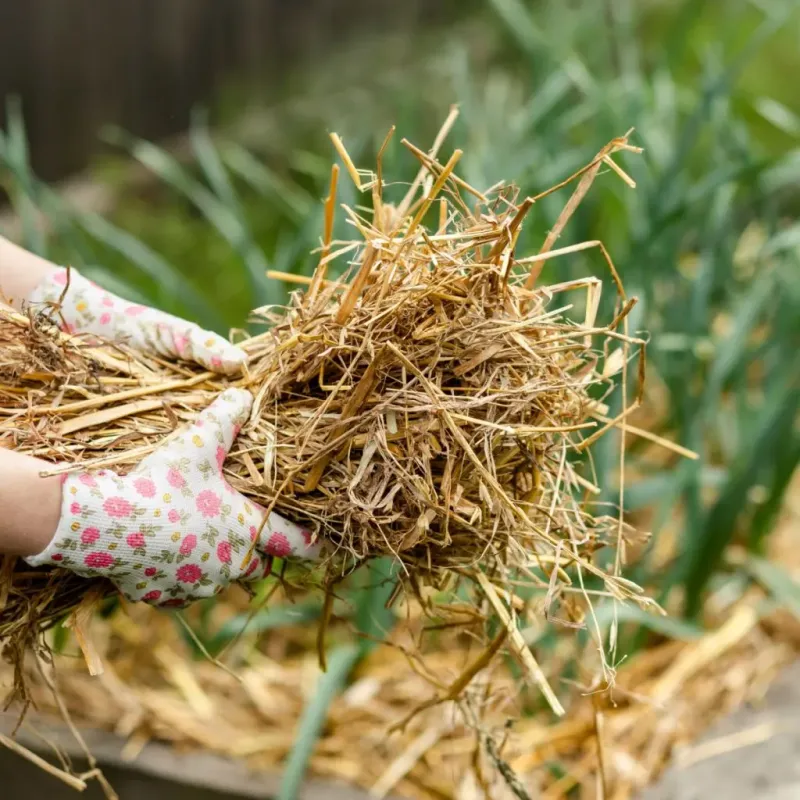
A cozy blanket of mulch is the finishing touch every fall garlic bed deserves. After you tuck your cloves in, spread a few inches of straw, chopped leaves, or other organic material over the top.
Mulch acts like insulation for the soil. It keeps temperatures more even and softens the wild swings between freezing nights and warmer sunny days. Those swings can heave cloves right up out of the ground.
Michigan winters bounce around quite a bit, with thaws followed by hard freezes. Mulch smooths out that rollercoaster and keeps your garlic settled where you planted it.
It also helps the soil hold steady moisture. Instead of drying out or getting waterlogged, the ground stays balanced under that protective layer.
Weeds get a harder time too, since mulch blocks much of the light they need to sprout. Fewer weeds in spring means less work for you and less competition for your garlic.
Straw is a favorite because it is light and easy to spread. Shredded leaves work great and are often free right off your own lawn in autumn.
Come spring, garlic shoots push right up through the mulch without any trouble. You can leave the layer in place to keep helping through the growing season.
Do not pack it down too tightly, though. A loose, fluffy layer breathes better and still lets water reach the roots.
This one easy step protects all the effort you put into planting. Lay down that mulch, and your garlic will ride out the coldest months snug and secure.
8. Let The Crop Grow Through Spring And Summer
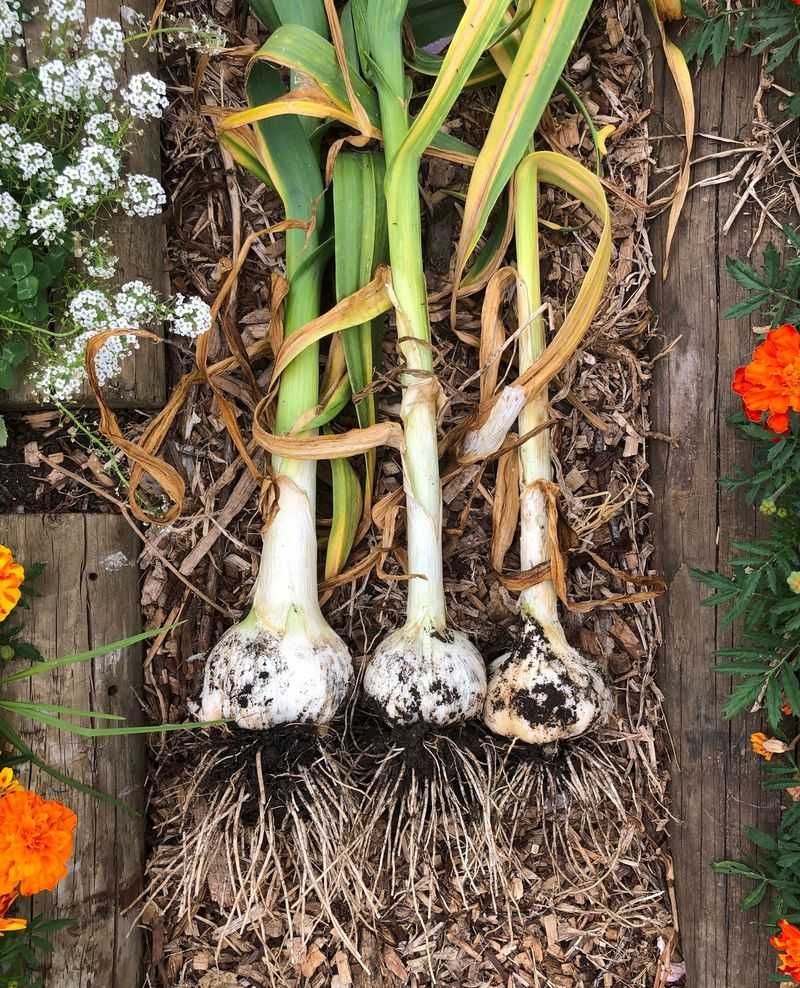
Spring is when your patience finally pays off. As the ground thaws, fall-planted garlic wakes up and sends green shoots reaching for the sun. That early start puts it far ahead of anything planted this season.
Steady moisture keeps the plants growing strong through spring. Water when the soil dries out, but ease off as harvest nears so the bulbs can firm up. Too much water late in the game can cause problems.
Feeding matters too. A boost of balanced fertilizer or compost in early spring supports lush leaf growth, and healthy leaves mean bigger bulbs waiting below.
Keep weeds pulled so they do not steal water and nutrients. Garlic does not compete well with crowding, so a tidy bed really helps.
Hardneck types will send up curly stalks called scapes in early summer. Snip those off and the plant pours its energy into the bulb instead of flowering. Bonus: scapes are delicious in cooking.
Watch the leaves as summer rolls in. When the lower ones turn brown while several upper ones stay green, harvest time is close.
Dig gently rather than yanking, since the stems can snap and leave bulbs behind. Loosen the soil first, then lift each plant carefully.
After harvest, let the bulbs cure in a dry, airy spot for a few weeks. Curing helps them store well for months.
From October planting to summer harvest, the whole journey rewards a little steady care. Follow it through, and you will pull up plump, flavorful garlic you grew yourself.