7 Spring Bulbs To Plant In Your Pennsylvania Garden This Fall
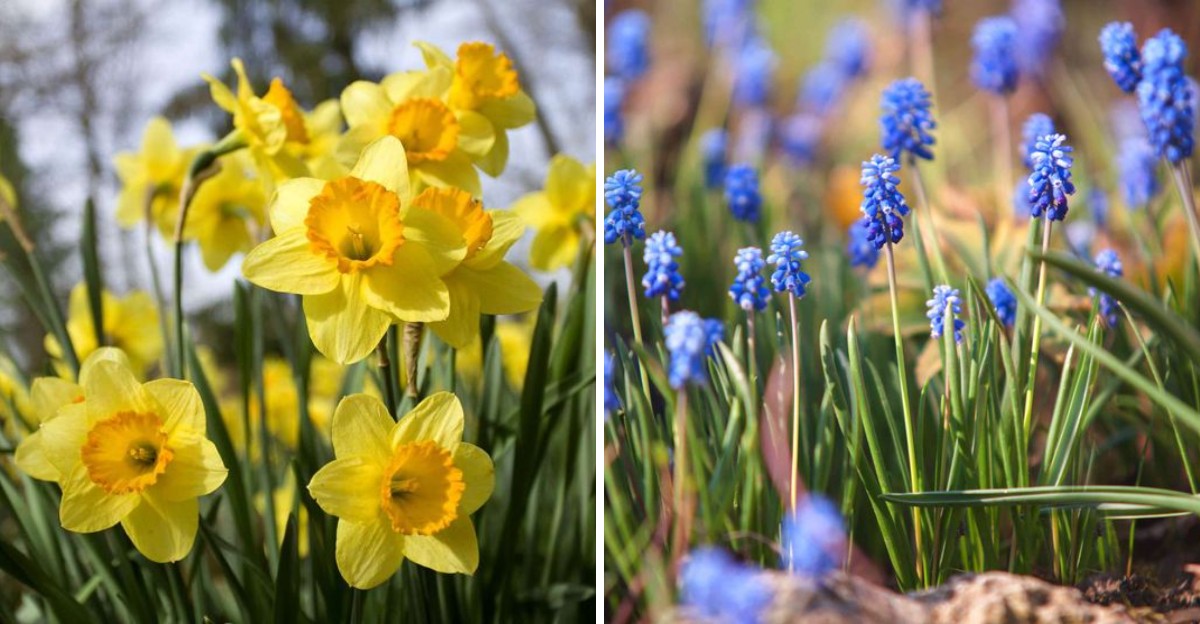
Fall is the moment Pennsylvania gardeners who want a spectacular spring have been waiting for.
The bulbs going into the ground right now are the blooms that will carry the garden through March, April, and May.
The difference between a spring display that genuinely stops people and one that barely registers almost always traces back to what was planted, or not planted, the previous fall.
Pennsylvania’s climate is actually ideal for spring bulb growing. Cold winters provide the natural chilling period most bulbs need to perform at their best, and the long cool springs that follow give them room to develop before summer heat arrives.
Here are the spring bulbs worth planting in Pennsylvania gardens this fall and exactly how to give each one the best possible start before the ground freezes.
1. Tulips
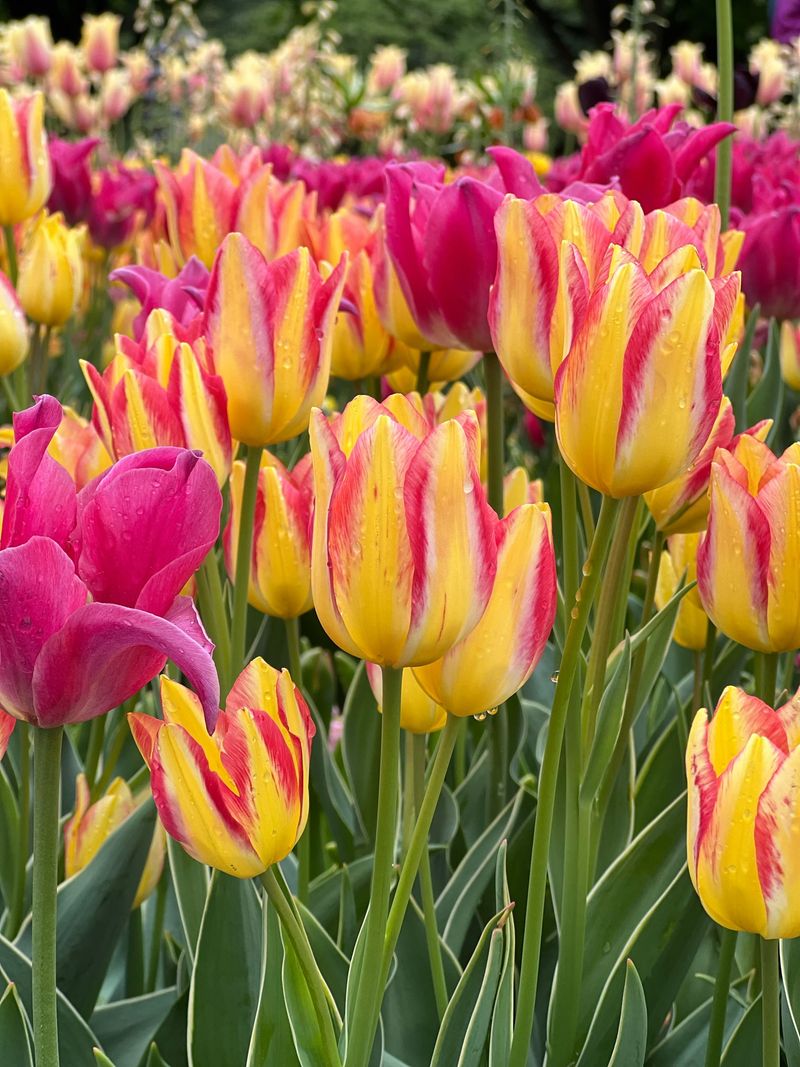
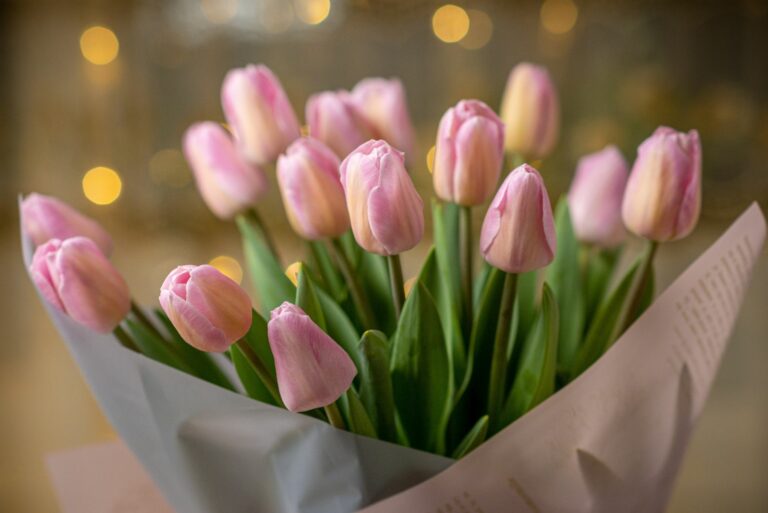
Few flowers say spring quite like the tulip. These cheerful cups of color come in nearly every shade you can imagine, from soft pastels to bold reds and purples.
Pennsylvania gardeners love them because our cold winters give tulips exactly the chill they crave.
Plant tulip bulbs in October or early November, before the ground freezes solid. Dig holes about six to eight inches deep and set the pointed end facing up. Space them a few inches apart so each one has room to shine.
Tulips prefer a spot with full sun and soil that drains well. Soggy ground can rot the bulbs, so pick a raised bed or a slope if your yard tends to stay wet. A little bone meal mixed into the hole gives them a healthy start.
One fun trick is planting them in clusters rather than single rows. Groups of ten or more create a fuller, more dramatic splash of color. Mixing early and late varieties stretches your bloom time for weeks.
Did you know tulips were once so valued in Holland that a single bulb could cost more than a house? Today they are affordable and available almost everywhere.
Squirrels and deer sometimes nibble them, so try adding a layer of chicken wire or a sprinkle of crushed gravel over the soil.
Come April, your patience will be rewarded. Those green shoots turn into a rainbow that brightens the whole neighborhood.
Tulips may not return as strongly every year, but their first spring show is always worth the effort.
2. Daffodils
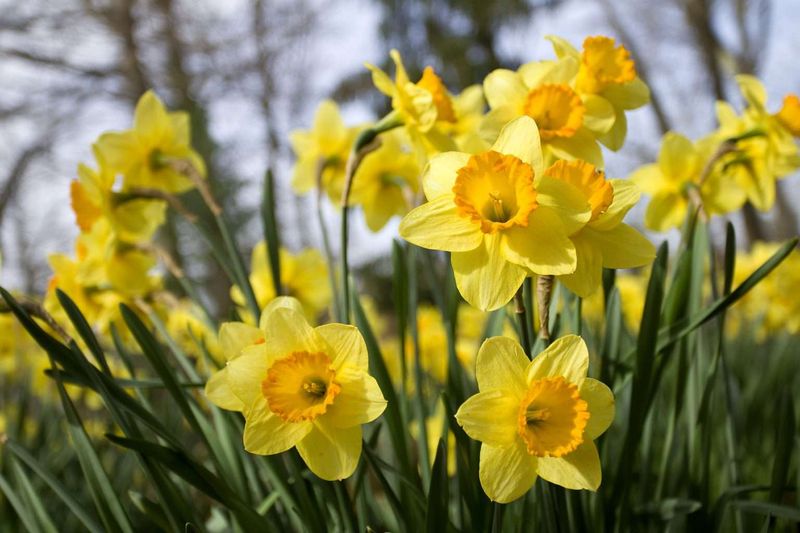
Sunny and dependable, daffodils are the flowers that keep on giving. Plant them once and they often come back stronger year after year, spreading into happy little clumps. Their bright yellow trumpets feel like a cheerful hello after a gray winter.
These bulbs are a top pick for Pennsylvania because they handle our cold weather with ease.
Even better, deer and squirrels tend to leave them alone. Something in the bulb tastes bad to critters, so your hard work stays safe.
Get them into the ground in early to mid fall. Plant each bulb about six inches deep with the tip pointing up. Choose a sunny or lightly shaded spot with soil that does not stay waterlogged.
Your Pennsylvania Garden Changes Every Week. Your Plan Should Too.
Gardening in Pennsylvania changes quickly throughout the season. Every Friday you’ll receive a simple weekly plan showing exactly what to plant, prune, fertilize, harvest, and protect so you never miss the right timing.
Daffodils look wonderful naturalized across a lawn or tucked along a woodland edge. Toss a handful gently and plant them where they land for a wild, natural look. They also make lovely borders along paths and driveways.
Not all daffodils are yellow. Some show off white petals, orange centers, or even soft peach tones. Mixing a few types keeps your garden interesting and extends the blooming season nicely.
Here is a neat fact. Daffodils belong to the Narcissus family, named after a figure from Greek myth who loved his own reflection. After the flowers fade, let the leaves stay until they yellow on their own.
Those leaves feed the bulb for next year’s show. With almost no fuss, daffodils reward you season after season. They are a beginner’s dream and a garden favorite that never goes out of style.
3. Crocuses
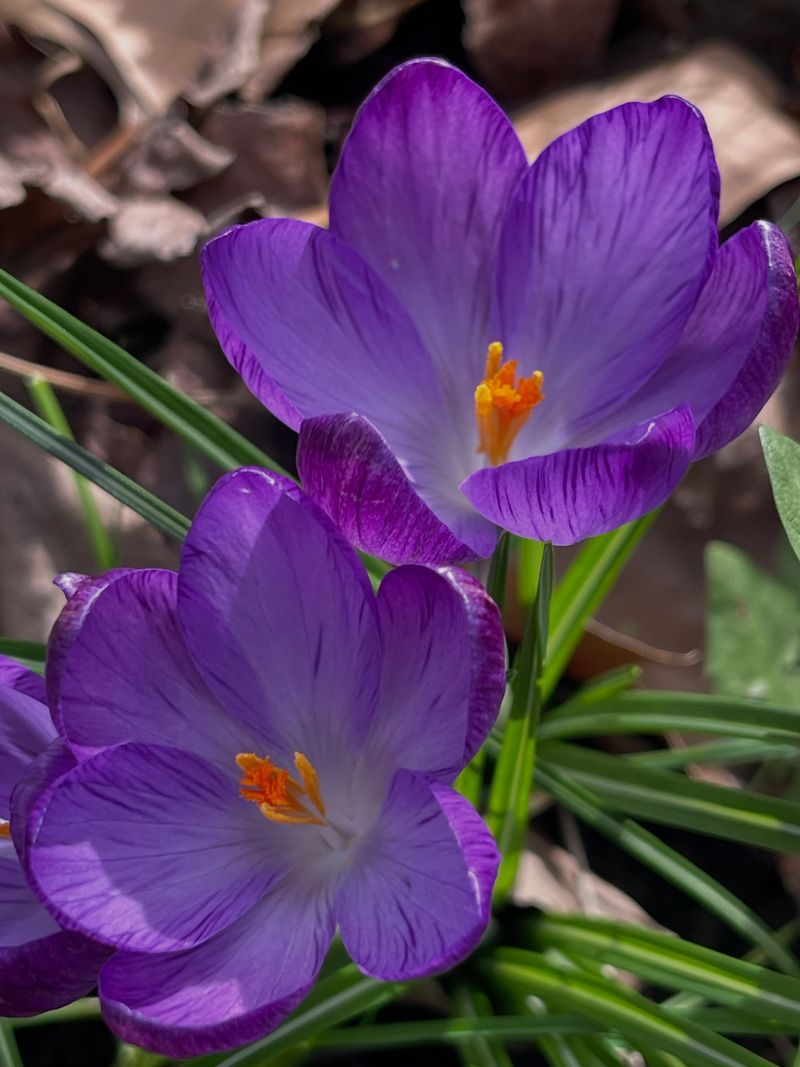
When you spot a crocus, you know winter is finally loosening its grip. These tiny flowers are often the very first to bloom, sometimes pushing right through a patch of leftover snow. Their bravery makes them a favorite for eager gardeners.
Crocuses are small, so plant plenty of them for the best effect. Set the bulbs about three to four inches deep in early fall. They do great in lawns, rock gardens, and along walkways where you can enjoy them up close.
Purple, white, yellow, and striped varieties all thrive in Pennsylvania soil. Because they bloom so early, they give bees an important first meal after the cold months. Watching pollinators visit them is a real treat.
These little guys love sunshine but tolerate a bit of shade too. They naturalize beautifully, meaning they multiply and spread on their own over the years. A small patch can grow into a cheerful carpet before you know it.
Squirrels sometimes dig up crocus bulbs, so covering the area with a light mesh can help. Planting them among daffodils, which critters avoid, offers a bit of natural protection too.
One charming fact is that saffron, the world’s most expensive spice, comes from a type of fall crocus. The spring kinds you plant for beauty are just as valuable to a winter weary heart.
Since they bloom and fade early, crocuses pair well with later flowers that fill in the space afterward. Plant them this fall and you will have a front row seat to the very first act of spring.
4. Hyacinths
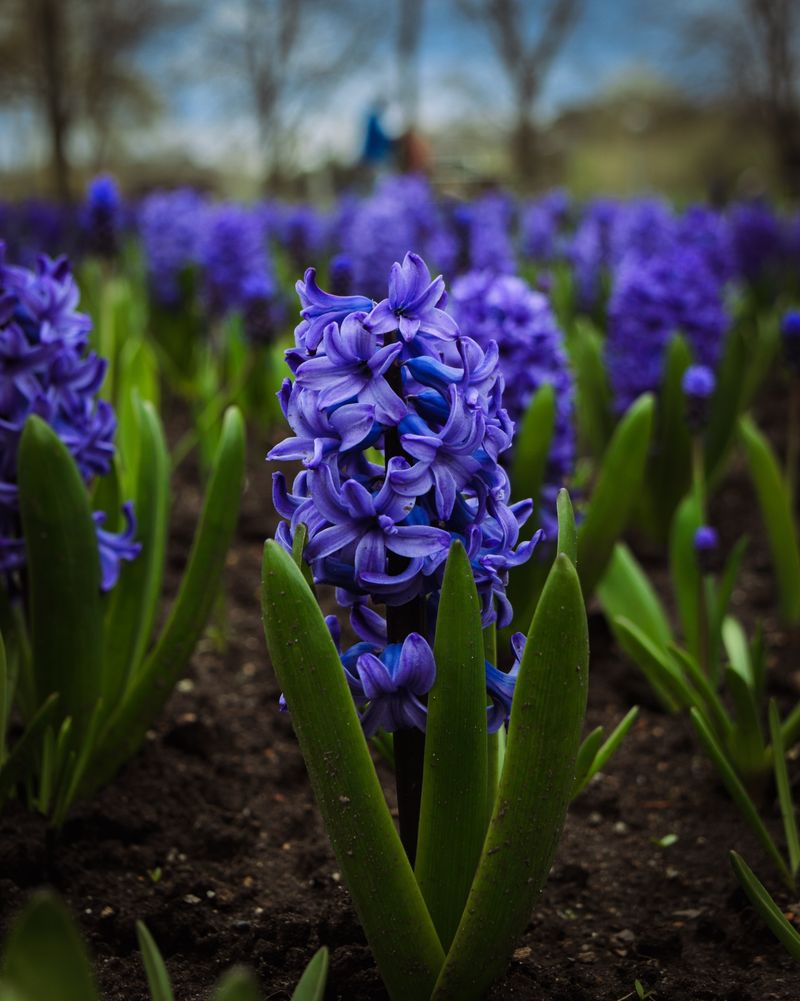
Close your eyes near a blooming hyacinth and the sweet perfume will sweep you away. These flowers are famous for their powerful, pleasant scent that fills the whole garden. One plant can make an entire yard smell like spring.
Hyacinths grow thick spikes packed with star shaped florets. Colors range from deep blue and purple to pink, white, and even soft yellow. Their bold, tidy shape makes them stand out in any flower bed.
Plant the bulbs in fall about six inches deep, pointed side up. They enjoy full sun and well drained soil, just like their bulb cousins. Because they are short, place them near the front of a border where their color and smell get noticed.
A helpful tip is to wear gloves when handling hyacinth bulbs. The papery coating can irritate sensitive skin for some people. It is a small step that keeps planting comfortable.
Hyacinths also grow well in pots and can even be forced to bloom indoors during winter. Placing a bulb in a special glass vase over water lets you watch the roots grow, which kids especially love.
These flowers hold a long history. Ancient Greeks and Romans prized them, and the name comes from an old myth about a young prince. That bit of history makes them feel extra special.
Over the years, hyacinths may bloom a little less fully, but they still return faithfully. For a garden that smells as good as it looks, few bulbs beat the cheerful, fragrant hyacinth planted this fall.
5. Alliums
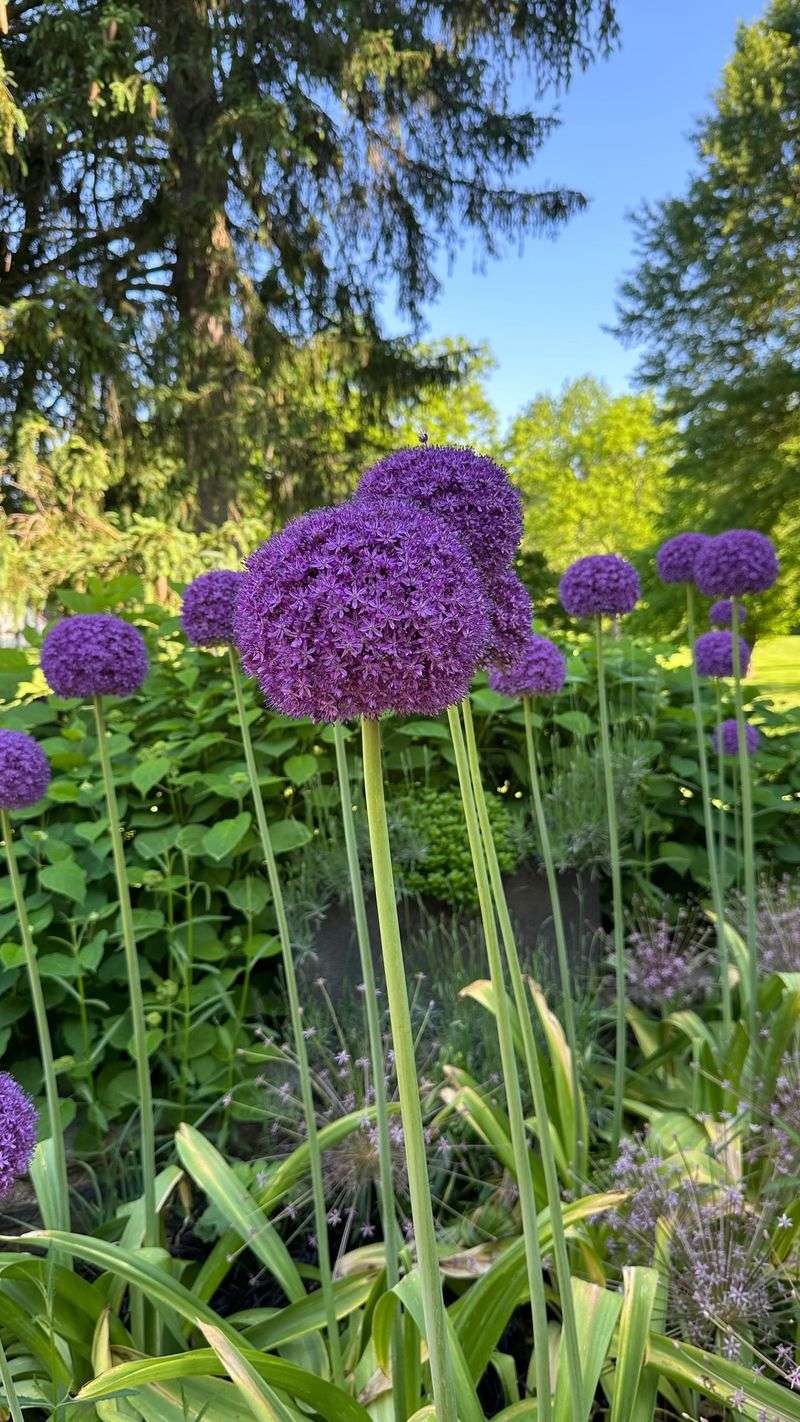
Imagine purple globes floating on tall stems above your garden. That eye catching look belongs to the allium, a fun cousin of the onion. These flowers add height and drama that make people stop and stare.
Alliums bloom in late spring, right when many early bulbs are fading. That timing makes them a smart choice for keeping color going. Their round, fluffy heads can be as big as a softball on the largest kinds.
Plant the bulbs in fall about five to eight inches deep, depending on their size. They love full sun and soil that drains freely. Once settled, they need very little attention to shine.
Here is a bonus that many gardeners cheer about. Because alliums come from the onion family, deer and rabbits usually stay far away. Their scent keeps hungry visitors from munching your blooms.
These flowers also attract bees and butterflies, turning your garden into a busy, buzzing wonderland. Watching pollinators dance around the purple orbs is a joy on a warm afternoon.
Alliums pair beautifully with lower growing plants that hide their fading leaves. Plant them behind hostas or leafy perennials for a clean, layered look. The tall stems rise proudly above everything else.
Even after blooming, the dried seed heads stay attractive and add texture to the garden. Some folks spray paint them for crafts or leave them for winter interest.
Varieties come in many sizes, from tiny to towering. Mixing a few keeps things playful and surprising. For bold structure and easy care, alliums bring a touch of whimsy to any Pennsylvania yard.
6. Grape Hyacinths
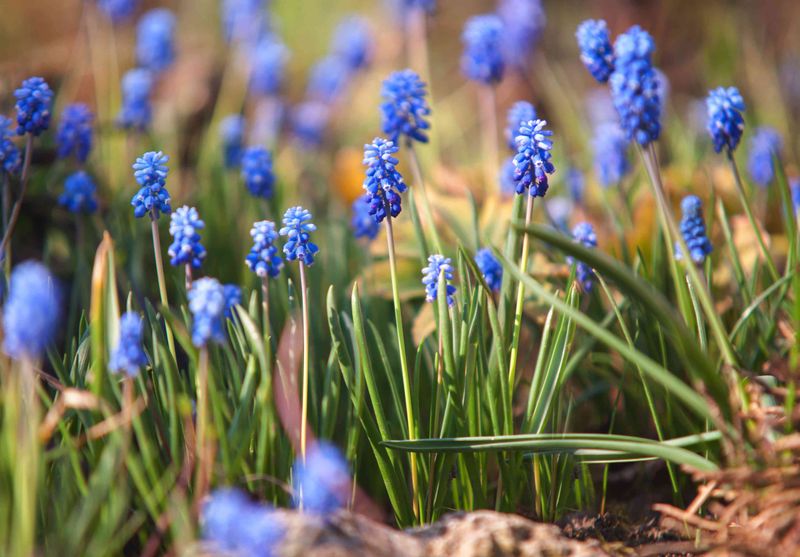
Do not let the name fool you. Grape hyacinths are not the same as regular hyacinths, though they share a family.
These petite flowers look like tiny clusters of blue grapes stacked on short stems, and they are absolutely charming.
Standing only a few inches tall, they make a gorgeous ground cover when planted in big groups.
A drift of them creates a river of blue that flows across the garden. The effect is simply stunning in early to mid spring.
Plant the small bulbs in fall about three inches deep. They are tough and forgiving, thriving in sun or partial shade. Pennsylvania winters suit them perfectly, and they rarely give gardeners any trouble.
One of their best traits is how easily they spread. Over time, a small patch multiplies into a lush carpet without any extra work from you. Some gardeners even call them naturalizers because they fill in so nicely.
These flowers look wonderful tucked among taller tulips and daffodils. The low blue blooms set off the bright colors above them beautifully. Planting them along paths lets you enjoy their detail up close.
Bees adore grape hyacinths, so you will be helping local pollinators while enjoying the view. Their gentle fragrance is a sweet bonus on breezy days.
An interesting quirk is that their leaves often appear in fall, well before the flowers bloom. Do not worry if you see grassy sprouts early.
They are just getting a head start. For easy, dependable spring color, these little blue beauties are hard to beat.
7. Snowdrops
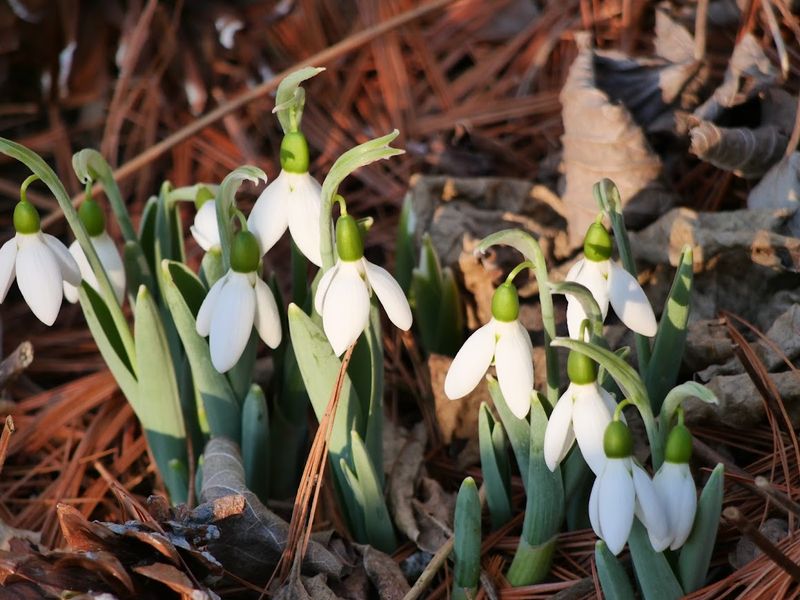
Brave and delicate, snowdrops are the earliest whisper of spring. These small white flowers hang like tiny bells and often bloom while snow still covers the ground. Spotting them feels like finding a hidden treasure.
In Pennsylvania, snowdrops can appear as early as February. Their timing makes them one of the first sources of food for early bees. That gives them an important role in the garden beyond their beauty.
Plant the bulbs in fall about three inches deep in soil that stays a bit moist. They prefer partial shade, so a spot under trees or shrubs works well. Once established, they come back faithfully each year.
Snowdrops love to naturalize, spreading into soft white patches over time. Planting them in clusters near a window lets you enjoy the first sign of spring from indoors. Even a small group brings big cheer.
A helpful tip is to plant them fresh and not let the bulbs dry out too long. Snowdrops establish better when handled quickly after buying. Getting them in the ground promptly makes a real difference.
These flowers have inspired collectors known as galanthophiles, who hunt for rare varieties. That level of devotion shows just how beloved these tiny blooms truly are.
Snowdrops pair nicely with crocuses and winter aconite for an early season display. Together they turn a bare winter bed into a lively scene weeks before other flowers arrive.
For gardeners who cannot wait for spring, snowdrops offer the earliest reward. Plant them this fall and you will have hope blooming right through the last of the cold.