How Arizona Gardeners Turn One Fig Tree Into A Whole Row Of New Ones
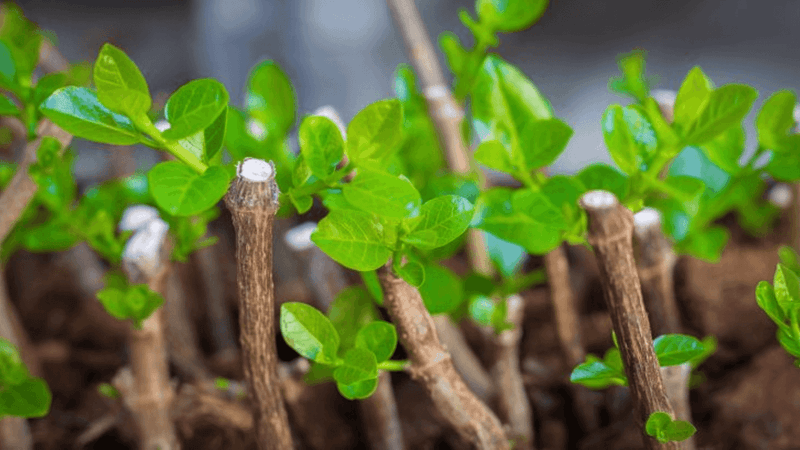
If you have a fig tree in your Phoenix or Tucson yard that produces sweet, reliable fruit every season, you already have everything you need to grow several more. Low-desert Arizona gardeners have long used a simple cutting method to multiply their best trees for free, or close to it.
The process takes patience and a little know-how, but the payoff is a row of locally proven trees that can eventually shade your yard and fill your kitchen. This guide walks you through every step, from choosing the right wood to planning for mature trees that can grow surprisingly large.
Limit the promise to low-desert Arizona
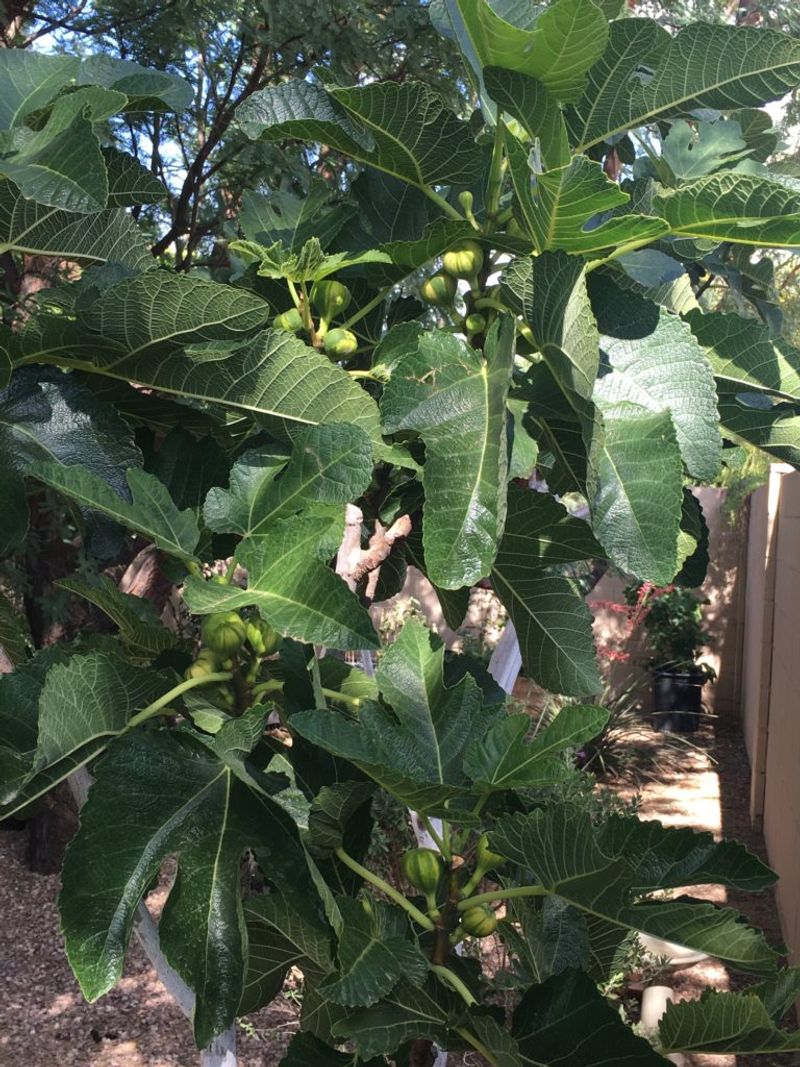
Low-desert Arizona, particularly the Phoenix and Tucson metro areas, happens to be one of the friendlier regions in the country for common figs. The warm, dry climate, long growing season, and relatively mild winters mean these trees rarely struggle with the cold-weather limitations that challenge gardeners farther north.
Full sun, well-drained soil, and consistent summer irrigation are the three conditions that allow low-desert figs to thrive, and most established yards in the region can provide all three.
That said, this article is written specifically for low-desert gardeners. Higher-elevation communities in Arizona, such as Flagstaff or Prescott, face colder winters, shorter seasons, and different soil conditions that can change both the timing and the outcome of propagation.
The guidance here does not apply equally across the whole state.
The phrase “a whole row” in the title is also worth tempering right from the start. Propagation from cuttings can give you several potential new trees from one parent, and University of Arizona guidance on low-desert figs confirms that common figs can perform well here with proper care.
What propagation cannot do is guarantee a finished hedge in a single season. You are lowering your plant-material costs, not eliminating the work, water, and time that turn rooted cuttings into productive landscape trees.
Choose a proven parent and dormant wood
The single most important decision in this whole project happens before you ever make a cut. Your new trees will carry the characteristics of their parent, so starting with a fig that already fruits well in your specific neighborhood is far more valuable than picking up a random cutting or an unfamiliar nursery variety.
A tree that has survived Phoenix summers, produced good fruit, and stayed healthy through monsoon season is telling you something important about its suitability for your conditions.
Vegetative cuttings are the right tool for preserving those characteristics. New Mexico State University extension guidance on figs notes that seeds may not reproduce the parent variety and can produce plants that fruit unreliably or not at all.
A cutting from a productive tree keeps you connected to proven genetics rather than rolling the dice on seedling variation.
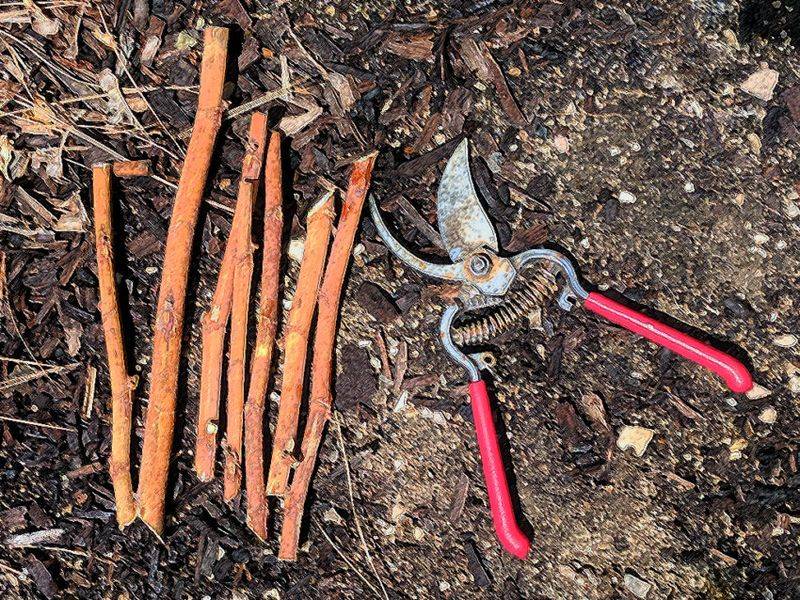
For the cuttings themselves, the practical baseline comes from Georgia extension research: use firm, roughly one-year-old dormant wood and cut pieces approximately 8 to 10 inches long. Make the upper cut just above a node so the top bud has a clean starting point.
Your Arizona Garden Changes Every Week. Your Plan Should Too.
Gardening in Arizona changes quickly throughout the season. Every Friday you’ll receive a simple weekly plan showing exactly what to plant, prune, fertilize, harvest, and protect so you never miss the right timing.
Soft, flexible shoot tips from the ends of branches are less suitable for this method because they dry out quickly and root less reliably than mature wood. Collect cuttings while the tree is fully dormant, typically in late winter before new growth begins in the low desert.
Keep the cutting oriented and the medium airy
One mistake that wastes an entire batch of cuttings is planting them upside down. Figs root from the basal end, which is the end that was closest to the trunk, and leaves emerge from the apical end.
Before you make any cuts, use a marker or a piece of tape to label the top of each branch. Once you have several similar-looking pieces of dormant wood on a table, telling them apart without a mark becomes genuinely difficult.
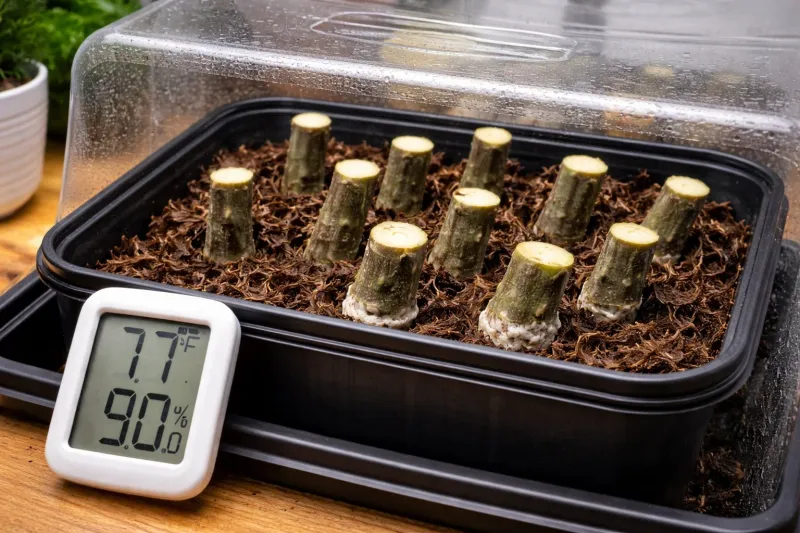
When you set the cuttings into their containers, place the basal end down and bury the cutting deep enough that only one bud sits above the surface of the medium. This approach, sometimes called the direct nursery-row method, focuses the cutting’s energy on root development rather than pushing a lot of early leaf growth from exposed buds.
The rooting medium is just as important as orientation. It needs to hold enough moisture to keep the cutting from drying out while still draining excess water and allowing air around the developing roots.
Extension guidance from New Mexico State University specifically warns that saturated media can cause rot at the base of cuttings, while overly dry media can desiccate new roots before they have a chance to establish. Coarse vermiculite works well on its own, and a mix of roughly 60 percent perlite with 40 percent finer vermiculite is another practical option.
Avoid standard potting soil as a primary medium because it tends to hold too much moisture and can compact around tender new roots.
Create warm, covered conditions without trapping mold
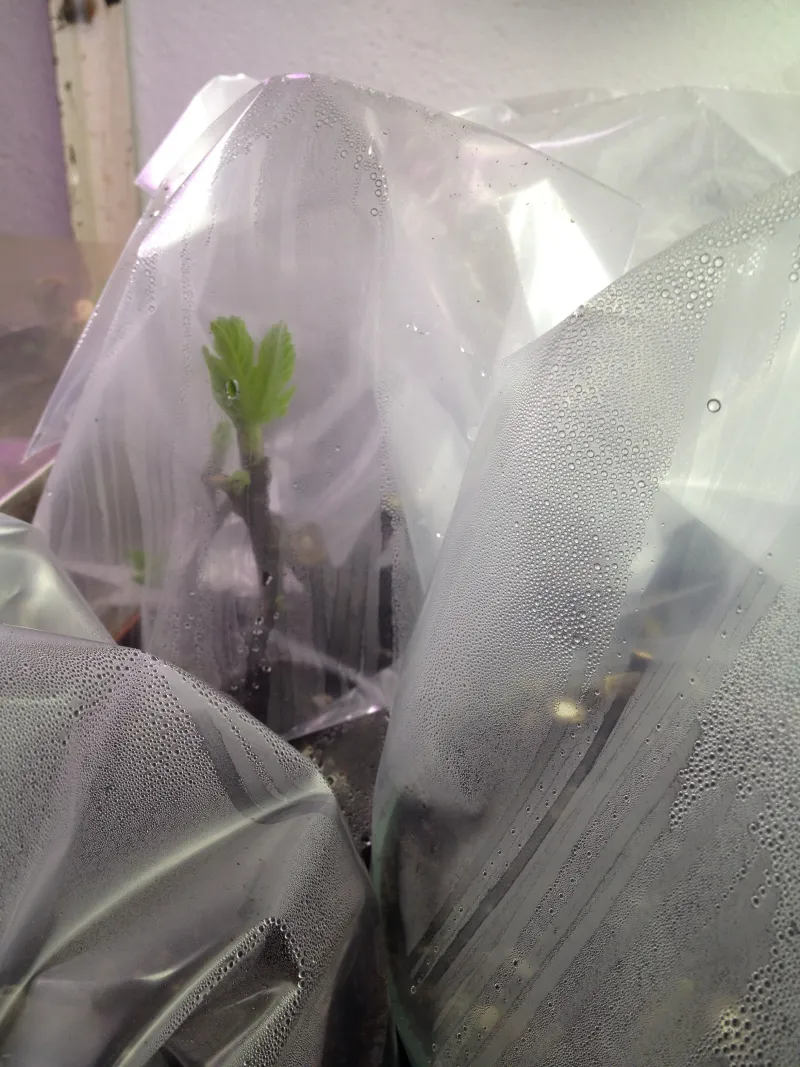
Rooting fig cuttings outdoors during an Arizona summer sounds convenient, but direct outdoor placement in extreme heat is more likely to desiccate your cuttings than to produce roots. A protected indoor space, a shaded garage corner, or a covered propagation area gives you far more control over the two variables that matter most: temperature and moisture.
Rooting speeds up noticeably at temperatures around 70 degrees Fahrenheit or higher, so a warm interior spot through late winter or early spring is a practical target in the low desert.
Covering each container with a clear plastic bag or a humidity dome reduces moisture loss from the cutting’s surface, which matters because the cutting has no roots yet to replace what it loses to dry air. Research on fig cutting propagation, including studies examining how cultivar, cutting type, and medium interact, confirms that moisture management during early rooting is a meaningful variable affecting both rooting percentage and early plant development.
Ventilation is not optional. Sealing a container completely traps humidity that can encourage mold on the cutting surface or at the soil line.
Prop the bag open slightly or remove it for a short period each day to let fresh air circulate. Check the medium regularly and water just enough to keep it evenly moist rather than wet.
The goal is steady, moderate moisture throughout the rooting period, not saturation. Rooting success also varies with cultivar, cutting condition, and sanitation, so treat each batch as a set of possibilities rather than a guaranteed number of finished plants.
Wait for roots before exposing new growth to desert weather
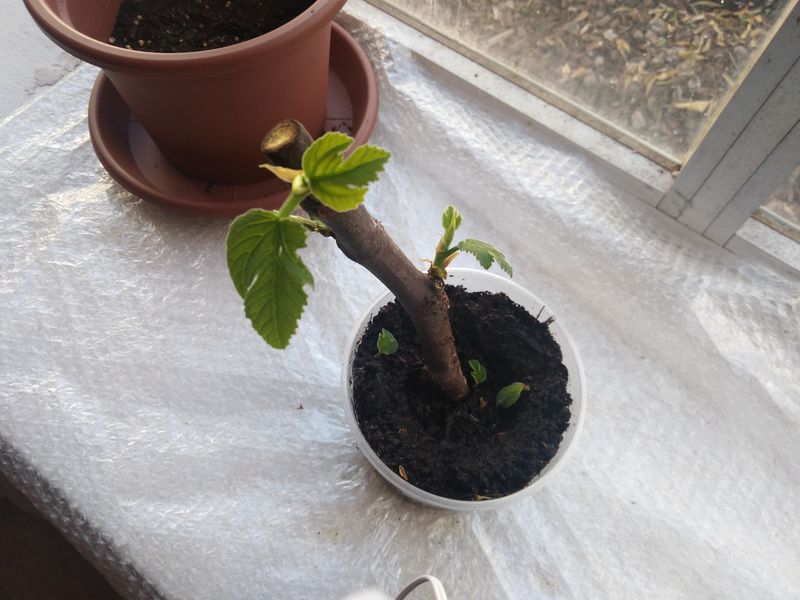
Seeing the first leaves push out of a cutting is genuinely exciting, but those leaves are not proof that a durable root system has formed underneath. A cutting can mobilize stored energy to produce early foliage before any real roots exist, and transplanting at that stage often results in collapse when the plant can no longer support its leaf tissue without a functioning root system.
Before moving a cutting to a larger container or into the ground, check for root resistance by gently tugging the cutting. If it holds firm in the medium and you can see white root tips when you carefully lift it, rooting is underway.
Extension guidance on fig propagation supports waiting for established rooting before transplanting, and the approach aligns with Arizona’s broader caution about heat and drought stress on young plants.
Acclimation is the next step, and it should be gradual. A cutting rooted under cover in a dim indoor space is not prepared for afternoon reflected heat off a block wall or full western sun exposure.
Move the plant to a shaded outdoor spot for a few hours a day, then increase exposure over one to two weeks before placing it in its final location. Throughout this entire process, protect yourself from fig sap.
It can cause skin irritation and, with sun exposure, may trigger a reaction similar to a sunburn on affected skin. Wear gloves whenever you handle cuttings or young plants, avoid touching your face or eyes, and wash any exposed skin promptly after contact.
Plant established starts during a safer Arizona window
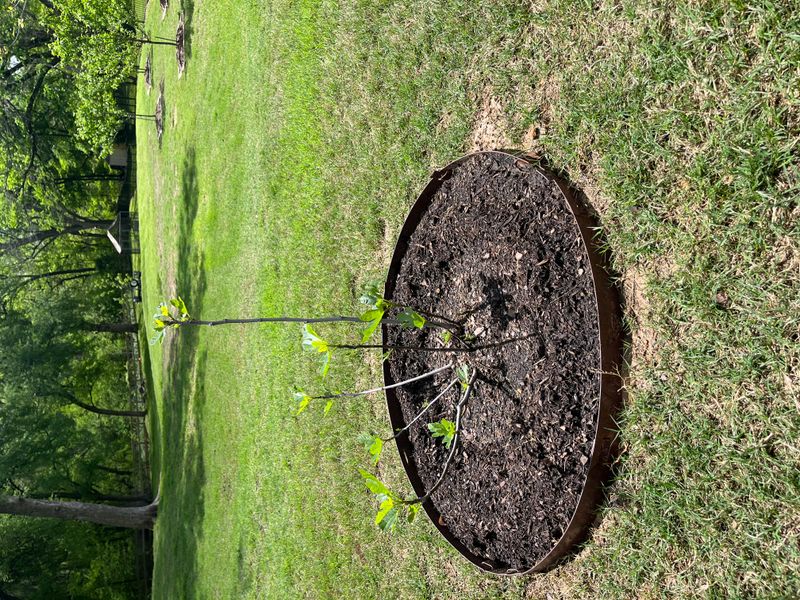
Timing a transplant in the low desert is not a small detail. Putting a newly rooted fig cutting into the ground in June or July asks a fragile root system to establish itself during the most punishing weeks of the year, when soil temperatures can spike and water demand surges.
Fall planting, roughly October through November in the Phoenix and Tucson areas, gives roots several mild months to spread before summer arrives. Early spring, from late February through March, is the other reliable window, offering warming temperatures without the immediate threat of extreme heat.
University of Arizona guidance on growing common figs in the low desert recommends these seasonal windows specifically because establishment stress is a primary reason young trees fail. The goal is to let roots settle and spread before the tree faces its first serious heat test.
Location within the yard matters just as much as timing. Common figs need full sun and genuinely well-drained soil.
Alkaline or compacted desert soil is not automatically suitable, and sites with a history of Texas root rot or crown gall should be avoided entirely, since new plants can carry problems from infected soil even when the cutting itself looks healthy. If your soil is heavy or caliche-prone, amend the planting area or build a raised bed with a well-draining mix rather than planting directly into difficult ground.
Getting the site right at the start saves a lot of frustration later.
Plan the future planting around water and mature size
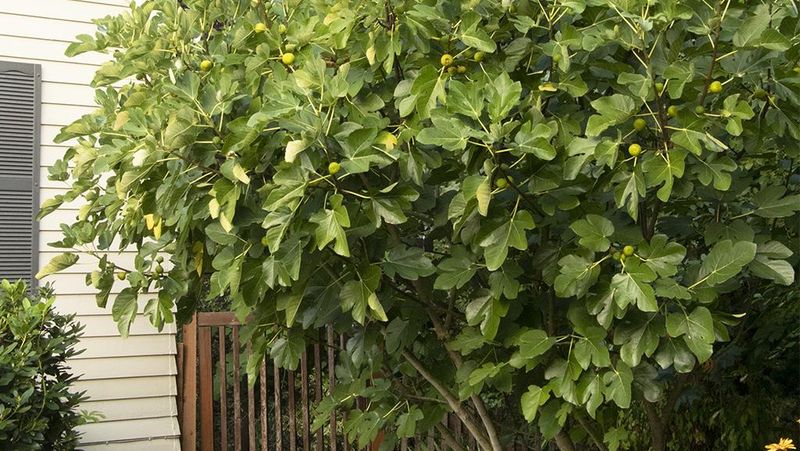
A row of mature fig trees is a genuinely rewarding long-term project, but it requires honest planning around two things most gardeners underestimate: how large these trees get and how much water they need throughout the growing season. Low-desert figs can reach approximately 10 to 30 feet tall and may spread even wider than that, meaning a single tree can eventually occupy a substantial portion of a yard.
Spacing plants without accounting for mature canopy size leads to crowding, competition, and trees that are difficult to harvest or prune.
Water is the other reality check. Figs are not native desert plants, and while established trees are more resilient than newly rooted cuttings, they are not drought-tolerant in the way that a saguaro or a palo verde is.
Fruit size and quality depend directly on sufficient summer irrigation. Skimping on water during hot, dry periods produces smaller fruit and can stress trees enough to affect next year’s crop.
Deep, infrequent watering that wets the full root zone is more effective than frequent shallow watering near the trunk. University of Arizona guidance on watering trees and shrubs recommends targeting the drip line, which is the outer edge of the canopy, rather than watering only at the base.
For established fig trees in the low desert, root zones typically extend 18 to 36 inches deep, so a slow, deep soak that reaches that depth is the target. Adjust frequency based on soil type, season, and how quickly your specific site dries out.
New trees in their first one to three years may take several growing seasons before producing a meaningful crop, so patience is part of the plan.
Consider air-layering when you want a larger start
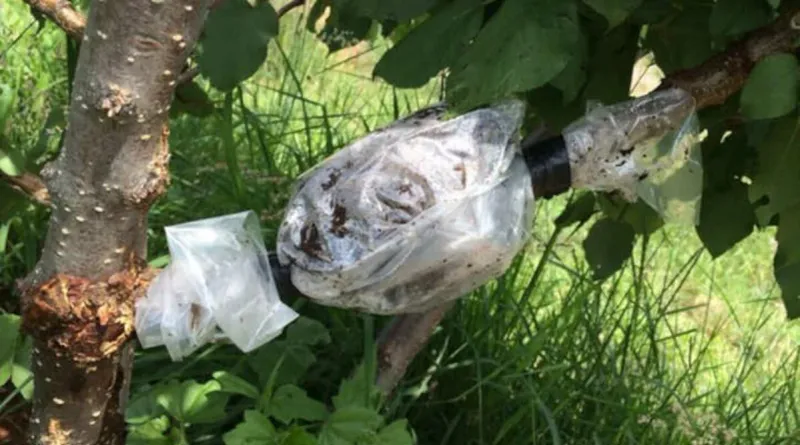
Dormant hardwood cuttings are the most practical starting point for most low-desert gardeners, but there is a second method worth knowing if you want a larger new plant sooner. Air-layering involves selecting a healthy branch on the parent tree, wounding a section of it by removing a ring of bark or making shallow cuts, surrounding that wounded area with moist sphagnum moss, and wrapping the whole thing tightly in clear plastic to hold moisture in place.
The branch stays attached to the parent tree while roots develop inside the moss over several months.
The advantage is that the developing plant draws water and nutrients directly from the parent while rooting, which can produce a more substantial root ball than a small cutting in a container. Extension guidance from Georgia and New Mexico State University both describe air-layering as effective for figs, though it requires ongoing access to the parent tree throughout the rooting period.
Once roots are clearly visible through the plastic, you cut the branch free, remove the wrapping carefully, and pot the new plant in well-draining medium. Gradual acclimation to outdoor conditions still applies, and moisture management during the transition matters just as much as it does with cuttings.
Air-layering is an alternative, not a shortcut. It still demands attention, patience, and a healthy parent tree, but for a gardener who wants to skip the smallest-plant stage, it can be a useful option to have in the toolkit.
Build a locally proven planting one successful start at a time
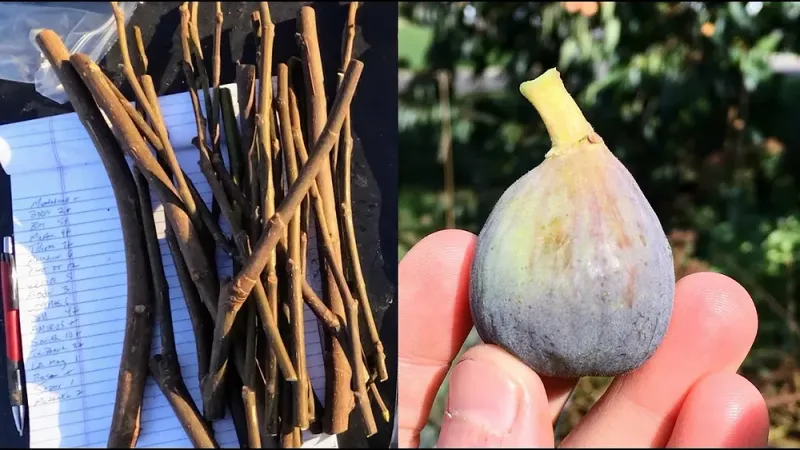
The path forward is straightforward, even if it is not fast. Start with a common fig that already performs well in your part of the low desert, take dormant hardwood cuttings from healthy wood, root them in a warm and well-drained medium under a ventilated cover, and wait for real roots before moving anything outdoors.
Acclimate each plant gradually, then transplant during fall or early spring into a full-sun site with good drainage and enough room for a tree that may eventually grow wider than it is tall.
Propagation makes additional trees less expensive, but it cannot guarantee every cutting roots, every rooted plant survives establishment, or every established tree fruits in the same season. Water, space, disease-aware site selection, and several years of care are still part of the deal.
The best hedgerow of figs in the low desert is built one successful, locally proven start at a time.