These Texas Yard Mistakes Can Attract More Wasps To Your Home
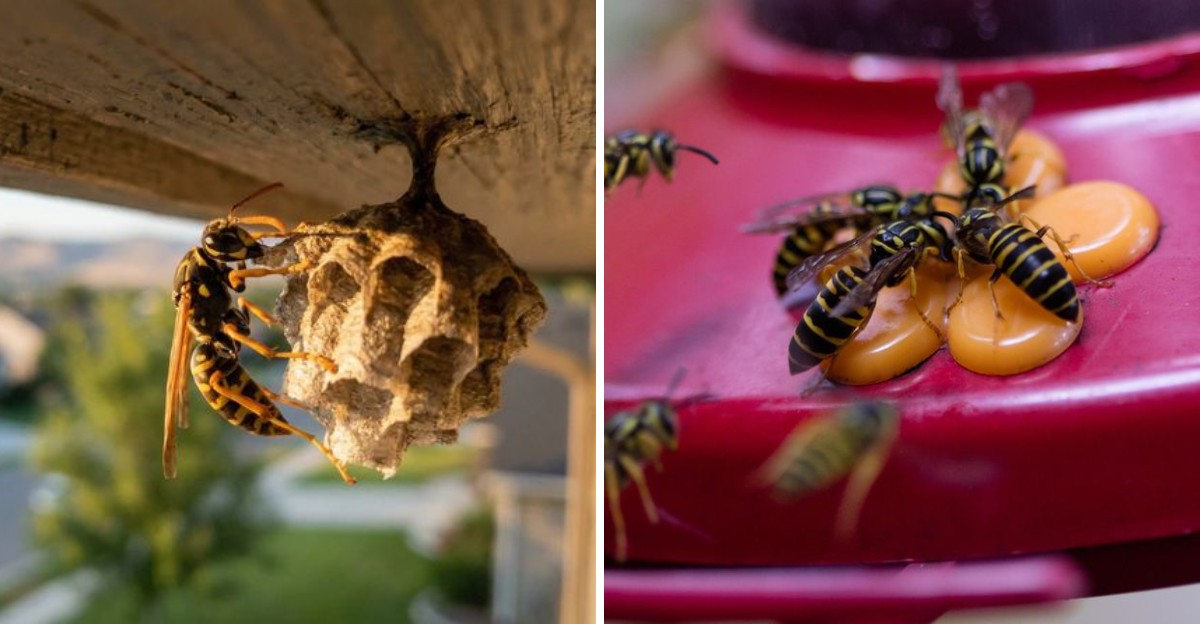
Wasps showing up around a Texas home are one of those pest problems that most homeowners manage reactively rather than preventing in the first place.
A nest gets sprayed and another one appears nearby. The cycle repeats through the warmer months without anyone stopping to ask why certain properties keep attracting wasps while others rarely deal with them at all.
The answer is almost always in the yard. Specific habits and yard features create conditions that wasps find reliably attractive.
Many homeowners are maintaining those conditions without realizing what they’re doing. Some of these mistakes are obvious once pointed out. Others are genuinely surprising.
Understanding what’s drawing wasps in gives you a practical starting point for reducing their presence before the problem requires another round of spray and nest removal.
1. Letting Fallen Fruit Pile Up Under Your Trees
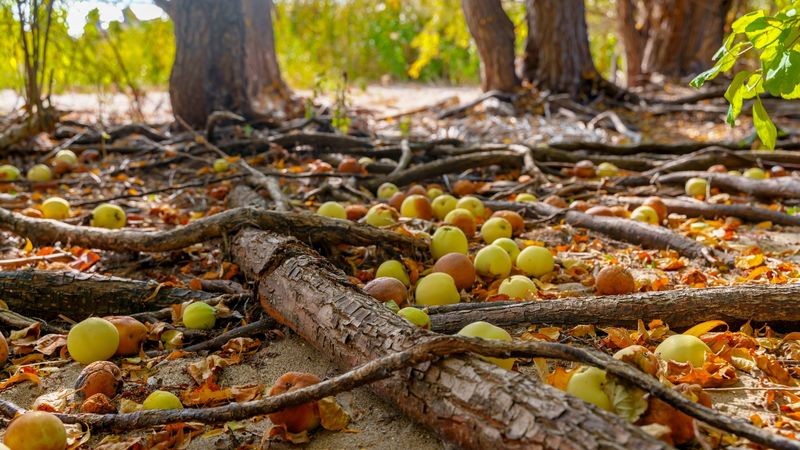
Picture a hot August afternoon in San Antonio. Your peach tree dropped a dozen soft peaches last week, and now they are split open in the grass. Listen closely and you will hear a steady buzz coming from them.
Much of that noise comes from yellowjackets and other wasps. In late summer, these insects crave sugar to fuel their busy colonies. Overripe fruit that has started to ferment is like free candy for them.
Texas yards are full of fruit trees that make the problem worse. Figs, plums, pears, peaches, and citrus all drop fruit during the warm months. Mulberries and loquats also pile up fast under their branches.
The fix is simple, but it takes steady effort. Walk around your trees every day or two and pick up anything that has fallen. Toss the fruit in a sealed bag or a covered compost bin, not an open pile.
Try to harvest fruit a little early, before it gets mushy on the branch. You can also share extra fruit with neighbors so less of it goes to waste.
If a tree produces far more than your family can eat, think about thinning the young fruit in spring.
Wear gloves and closed shoes when you clean up, since wasps may be feeding inside the fruit. Move slowly and do not swat at them. A calm, quick cleanup is the safest way to go.
Fun fact: some wasps get a little tipsy from fermented fruit, which can make them grumpier than usual. Keeping the ground clean protects you from those cranky visitors.
2. Leaving Trash And Recycling Bins Wide Open
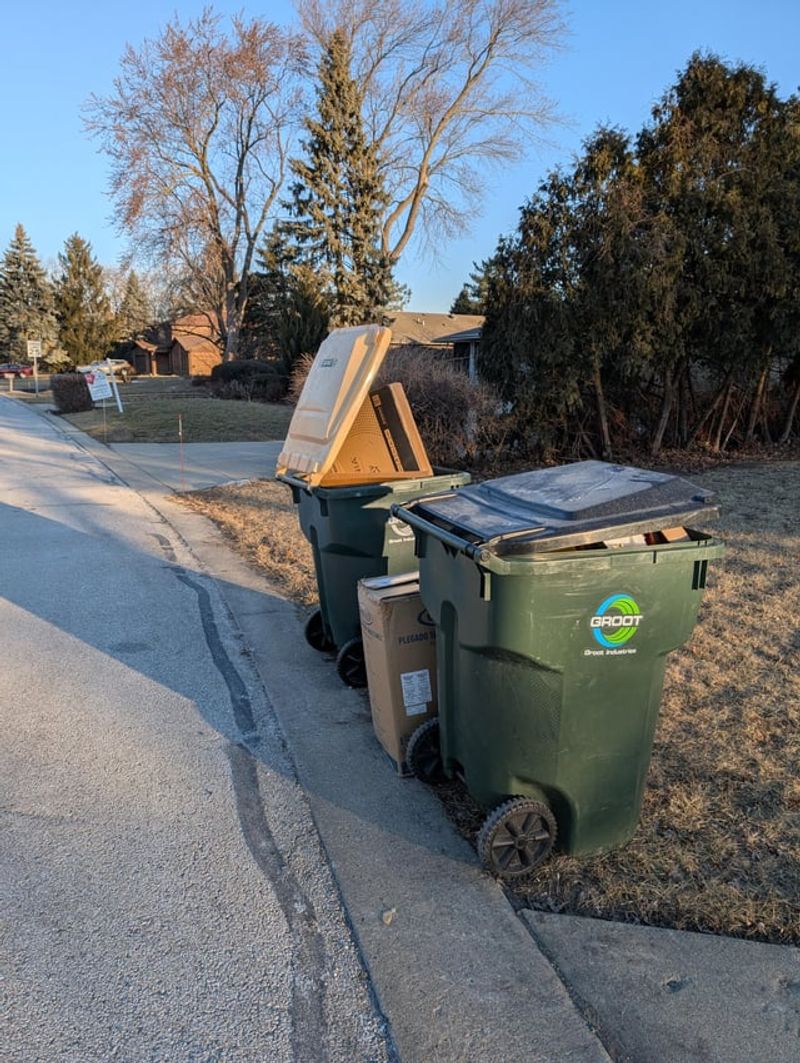
Your garbage can might be the most popular restaurant on the block. At least, that is how wasps see it. An open lid or a cracked bin sends out a smell they can follow from far away.
Yellowjackets are scavengers, which means they hunt for easy meals. They are drawn to meat scraps, soda cans, juice boxes, and greasy food wrappers. In the Texas heat, trash starts to smell strong in just a day or two.
Recycling bins cause trouble too. A can with a few drops of sweet tea or a jar of leftover jelly is enough to call in a crowd. Wasps will crawl right inside to get every last taste.
Your Texas Garden Changes Every Week. Your Plan Should Too.
Gardening in Texas changes quickly throughout the season. Every Friday you’ll receive a simple weekly plan showing exactly what to plant, prune, fertilize, harvest, and protect so you never miss the right timing.
Start by picking bins with tight-fitting lids. If your lid does not close all the way, use a bungee cord or buy a new one. Many cities in Texas will replace broken carts if you call and ask.
Rinse cans, bottles, and food containers before you toss them in the recycling. Bag your kitchen trash and tie it shut before it goes outside. Wash the bins with soapy water every few weeks to get rid of sticky spots and smells.
Where you keep your bins matters as well. Try to store them away from doors, windows, and patios where people hang out.
A shady spot on the side of the house keeps odors down and keeps any buzzing guests far from your family.
One more tip is to take trash out on pickup day, not days before. The less time garbage sits in the sun, the less tempting it becomes. Your nose and your yard will both be happier.
3. Ignoring Leaky Hoses And Standing Water
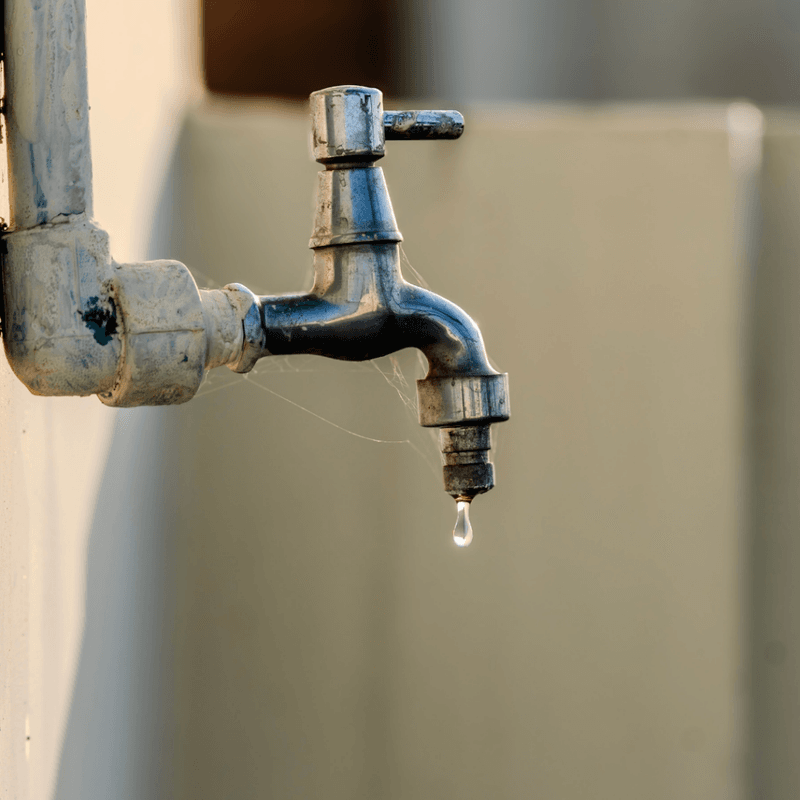
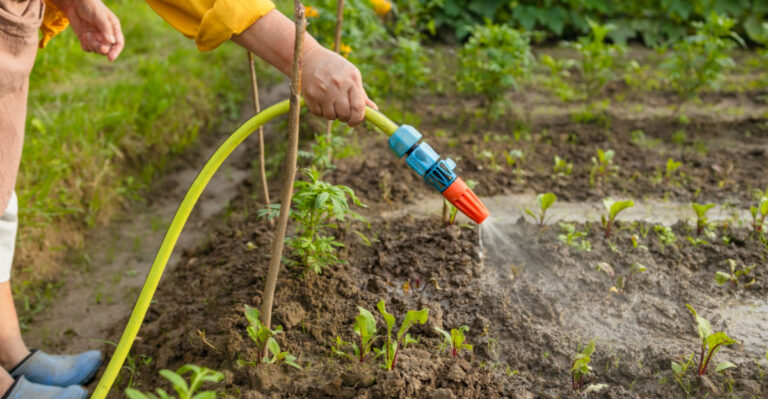
Wasps get thirsty too, especially when Texas summers push past 100 degrees. They need water to drink, and paper wasps also use it to cool their nests. Some even carry drops back and spread them across the nest like a tiny air conditioner.
That means any puddle in your yard can become a wasp watering hole. Leaky hoses, dripping spigots, clogged gutters, and overwatered flower beds all create small pools. Birdbaths and pet bowls left outside are also favorite stops.
You do not have to get rid of every water source. Birds, butterflies, and pets need water too. The goal is to control where water sits and how long it stays.
Check your outdoor faucets and hoses for drips and fix them with new washers or tape. Clean your gutters in spring and fall so rain can flow away from the house.
Set sprinklers to run early in the morning, so the ground dries out during the day. Birdbaths should be emptied and refilled every two or three days.
Moving water is less inviting, so a small solar fountain can help. Try placing birdbaths away from porches, play areas, and doors.
Pet water bowls are trickier because your dog or cat needs them. Keep bowls in the shade, close to where your pet rests, and change the water often. If you notice wasps landing on them, move the bowls to a covered patio or bring them inside.
Here is a bonus reason to fix standing water. Mosquitoes breed in the same puddles, and Texas has plenty of those pests. One small repair can cut down on two kinds of unwanted guests.
4. Planting Nectar-Rich Flowers Right By Your Doors
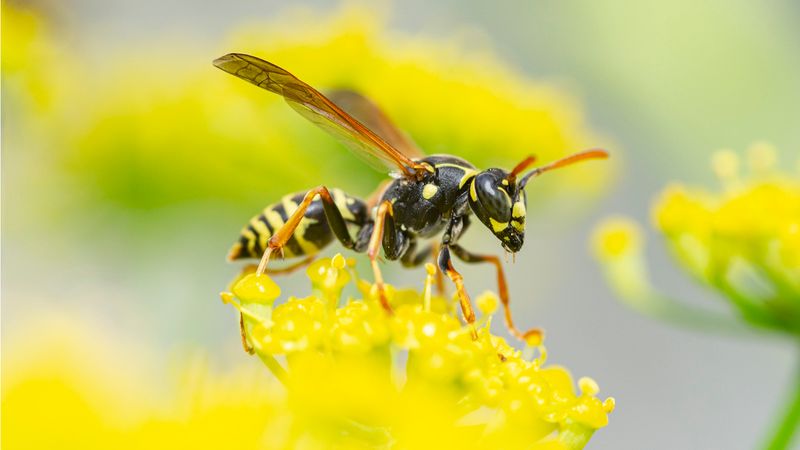
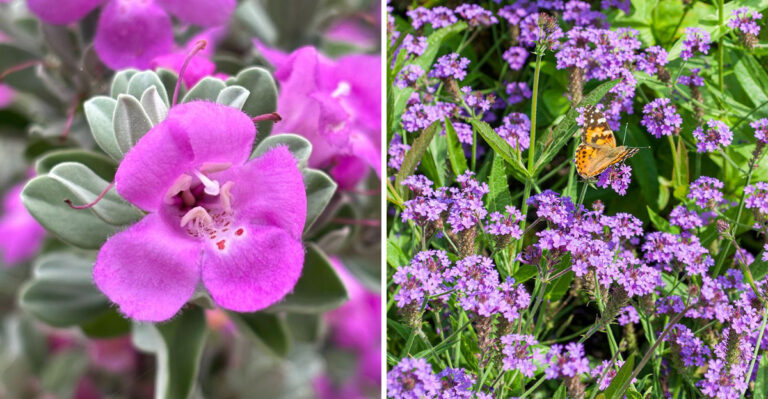
Nothing says welcome like a front porch packed with blooms. Many Texans love lining their walkways with lantana, salvia, and bright crape myrtles. Those same flowers, though, can send wasps right to your front door.
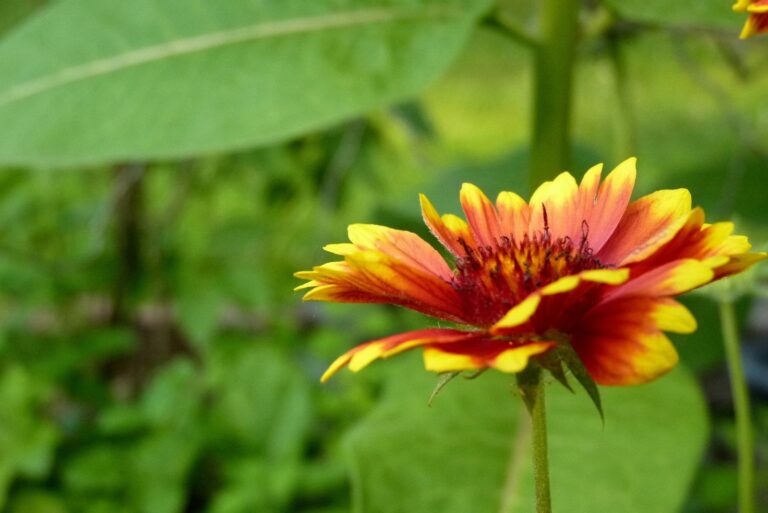
Adult wasps drink nectar for energy, just like bees do. Paper wasps and mud daubers often visit flowers with open, easy-to-reach petals. Plants like fennel, dill, goldenrod, and sweet-smelling vines are especially popular with them.
Wasps are not all bad news in the garden. They eat caterpillars and other pests that munch on your plants. The trick is to enjoy their help without inviting them to your doorstep.
Think about where each plant goes before you dig. Keep heavy nectar plants at least 15 to 20 feet away from doors, windows, and patio seating. Put them along the back fence or in a pollinator bed at the edge of the yard.
Near the house, choose plants that wasps visit less often. Many gardeners have luck with mint, lemongrass, and wormwood, which have strong scents that some wasps avoid.
Green shrubs like boxwood or dwarf yaupon holly give you a neat look without lots of flowers.
Deadhead old blooms and trim plants that spill over walkways. Overgrown flower beds give wasps extra places to rest and hide. A tidy bed also makes it easier to spot a nest before it grows.
Did you know? Texas is home to hundreds of wasp species, and most of them are tiny and harmless to people. Smart planting lets you keep the helpful ones busy far away from where your family walks.
5. Setting Out Pet Food And Sugary Treats
Ever tried to enjoy a cold soda on the patio, only to have a wasp land on the rim? It happens all the time in Texas backyards. Sweet drinks and food left outside are like a dinner bell for these insects.
Pet food is one of the biggest culprits. Dry kibble and canned food both contain protein, and yellowjackets hunt protein to feed their young. A bowl left on the back porch all day can draw a steady line of hungry visitors.
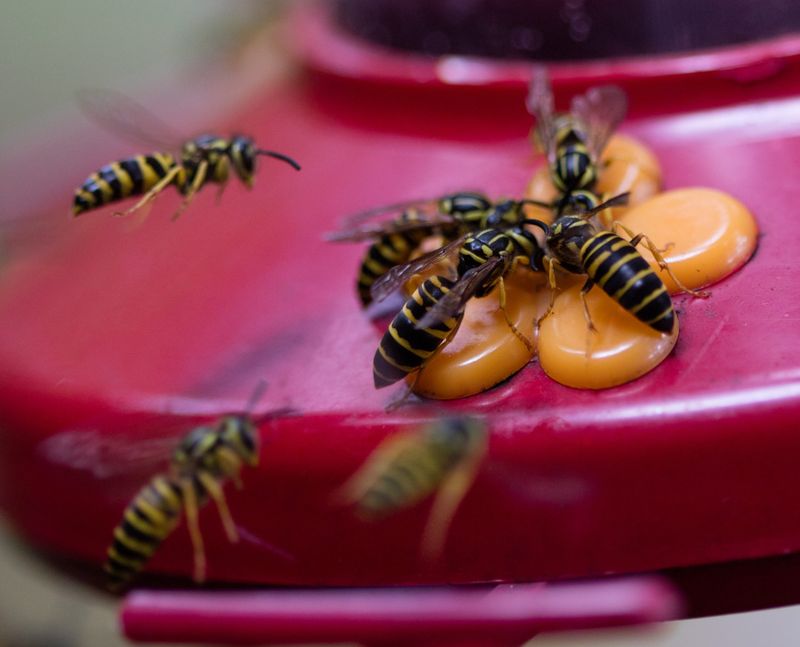
Hummingbird feeders are another sneaky problem. The sugar water inside is exactly what adult wasps crave. Feeders that drip or leak can quickly turn into a wasp party.
Feed pets inside when you can, or pick up the bowl once they finish eating. If your dog eats outside, stay nearby and bring the dish in after about 20 minutes. Wipe up any spilled food right away.
For hummingbird feeders, look for models with built-in bee guards and no yellow parts, since yellow attracts insects.
Saucer-style feeders keep the nectar lower, where wasps have trouble reaching it. Hang them away from doors and clean them every few days.
Cookouts need a little planning too. Keep food covered with mesh domes or lids until it is time to eat. Pour drinks into cups with lids and straws, so you can see what you are sipping.
After a party, clean the grill, tables, and chairs. Grease, crumbs, and sticky spills can keep wasps coming back for days. A quick wipe with soapy water takes just a few minutes and saves a lot of hassle.
6. Skipping Spring Checks On Eaves And Gaps
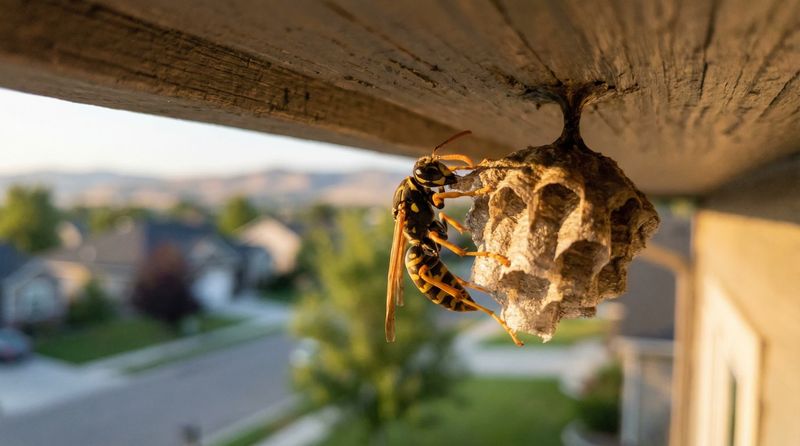
A family in Austin noticed one or two wasps flying near their porch light in April. They shrugged it off. By July, a paper wasp nest the size of a dinner plate hung right above their front door.
Stories like that are common across Texas. Wasps look for sheltered spots that stay dry and protected from wind. Roof eaves, porch ceilings, light fixtures, shutters, and gaps in siding all make perfect building sites.
Spring is when it all begins. A single queen wakes up after winter and starts a small nest by herself. If nobody bothers her, the colony grows larger every week through summer.
Make a habit of checking your home once a week from March through May. Look under eaves, behind shutters, inside grill covers, and under patio furniture. Small nests with just a few cells are much easier to handle than big ones.
Seal up cracks and holes with caulk or foam. Repair torn window screens and cover vents with fine mesh. Fill gaps around pipes, cables, and outdoor lights where wasps like to squeeze in.
Some people hang fake paper nests to trick wasps into thinking the spot is taken. Results are mixed, but they are cheap and easy to try. Painting porch ceilings a pale blue is an old Southern trick that some folks swear by as well.
If you find a big nest, do not try to knock it down with a broom. Call a licensed pest control pro, especially if anyone in your home is allergic to stings. Staying safe is always worth the phone call.
7. Keeping A Cluttered Yard And Weathered Woodpiles
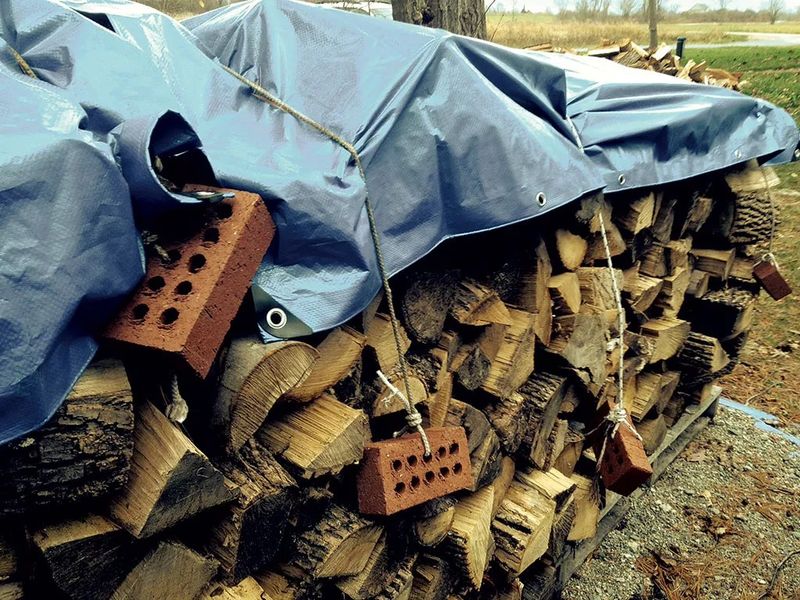
Every yard has that one corner. Maybe it holds old flower pots, a broken lawn chair, a stack of firewood, or a kid’s forgotten toy truck. To a wasp, that messy corner looks like prime real estate.
Clutter gives wasps shelter and privacy. Yellowjackets often build nests underground or inside hollow spaces, like empty pots and old tires. Mud daubers love the quiet undersides of tarps, sheds, and unused equipment.
Wood is a big draw too. Paper wasps scrape bits of weathered wood from fences, decks, and woodpiles, then chew them into pulp. That pulp becomes the gray, papery material they use to build their nests.
Start with a weekend cleanup. Toss or recycle anything you do not use, and store tools and toys in a closed shed or bin. Flip empty pots upside down or stack them indoors so wasps cannot move in.
Keep firewood stacked off the ground and at least 20 feet from your house. Seal or paint wooden fences and decks every few years. Fresh stain protects the wood and gives wasps less loose material to chew.
Pay attention to your lawn, too. Fill old rodent holes and bare patches where yellowjackets might dig in. Mow regularly and trim tall weeds along fences, since overgrown areas hide nests from view.
Walking barefoot across a hidden ground nest is a painful lesson many Texans learn the hard way, often during a summer game of catch.
A neat, open yard helps you spot trouble early. Plus, you get a nicer space to relax in when the weather cools off.