Tiny Mushrooms Across Your Ohio Lawn This September Usually Mean Something Different Than Withered Grass
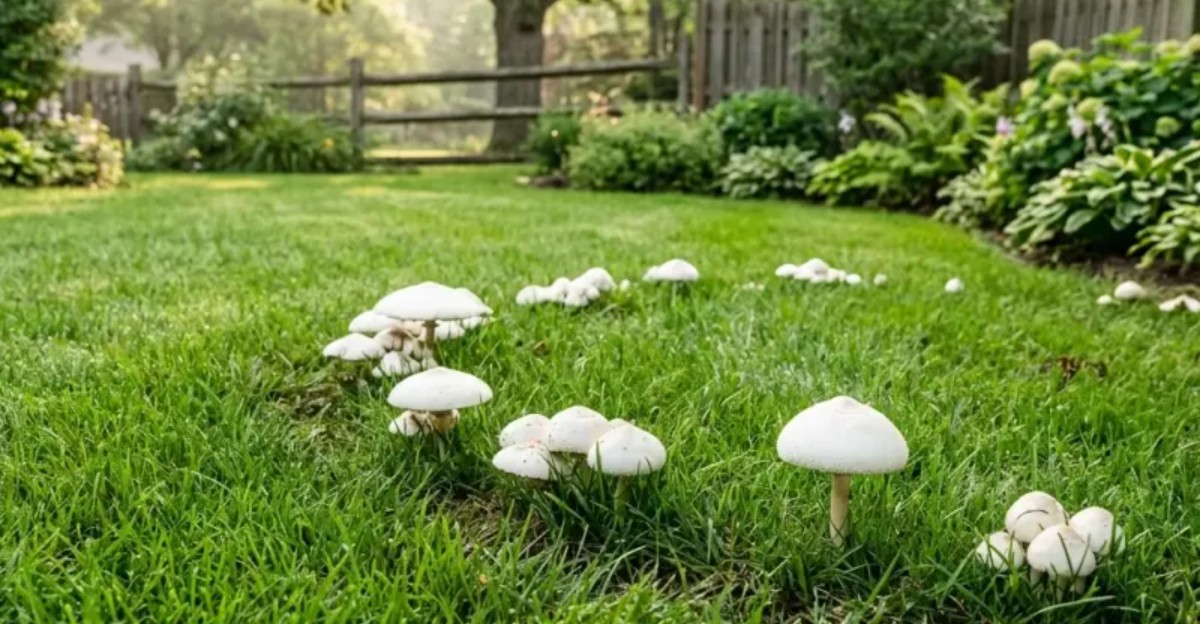
You step outside after a cool September night and stop cold. Overnight, dozens of tiny mushrooms have popped up across your Ohio lawn.
Some look like little brown umbrellas. Others cluster in rings or dot the grass like scattered buttons.
Your first thought? The lawn must be sick.
Most homeowners panic. They assume the grass is about to wither, brown out, or wither in patches.
So they rake, spray, and dig to wipe out the invaders before the damage spreads.
But those little caps often tell a very different story. Beneath the grass, they may reveal a secret about your soil that you would never guess from above.
September in Ohio creates ideal conditions for them. Cool nights, heavy dew, and late summer rain wake up a hidden world under your feet.
Before you grab the rake, look closer. What those mushrooms mean may change how you treat your lawn.
1. Mushrooms Usually Point To Moist Soil
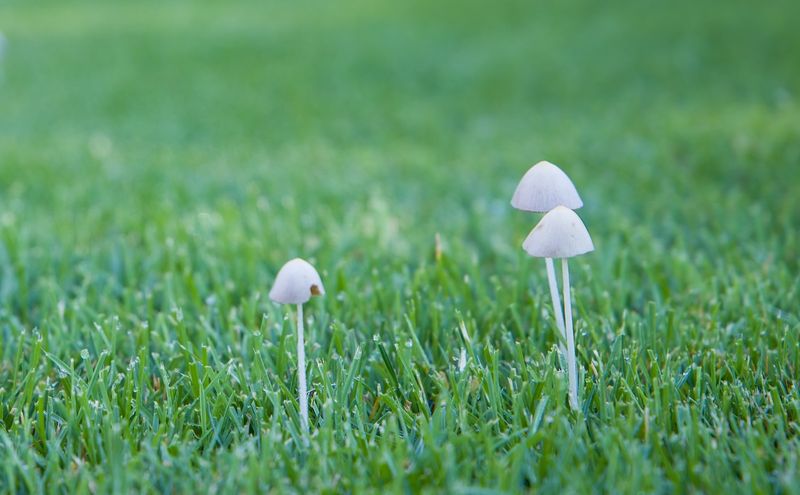
Think of every little cap in your yard as a tiny weather report from underground. When you see one, the soil beneath it may be holding significant moisture, especially after rain or prolonged dew.
Fungi love damp ground the way kids love puddles. They grow best where moisture lingers, especially in shady spots that dry out slowly.
In Ohio, many yards sit on heavy clay that grabs water and holds on tight. After a wet week, that clay can stay soggy long after the surface looks fine.
Mushrooms also tend to show up in biologically active soil packed with organic matter. So a damp, rich patch of ground is a welcome mat for them.
Want a quick test? Push a screwdriver into the soil near the caps and notice how easily it slides in and how wet the tip feels.
If the ground feels spongy for days, that area probably drains slowly. Make a mental note, because the same spot may stay wet all fall.
Shade plays a big role too. Trees, fences, and the north side of your house block the sun that would normally dry things out.
The good news is that moist soil is not a bad thing on its own. Grass needs water, and a little extra dampness in September often helps it recover from summer stress.
2. September Rain Can Trigger A Sudden Flush
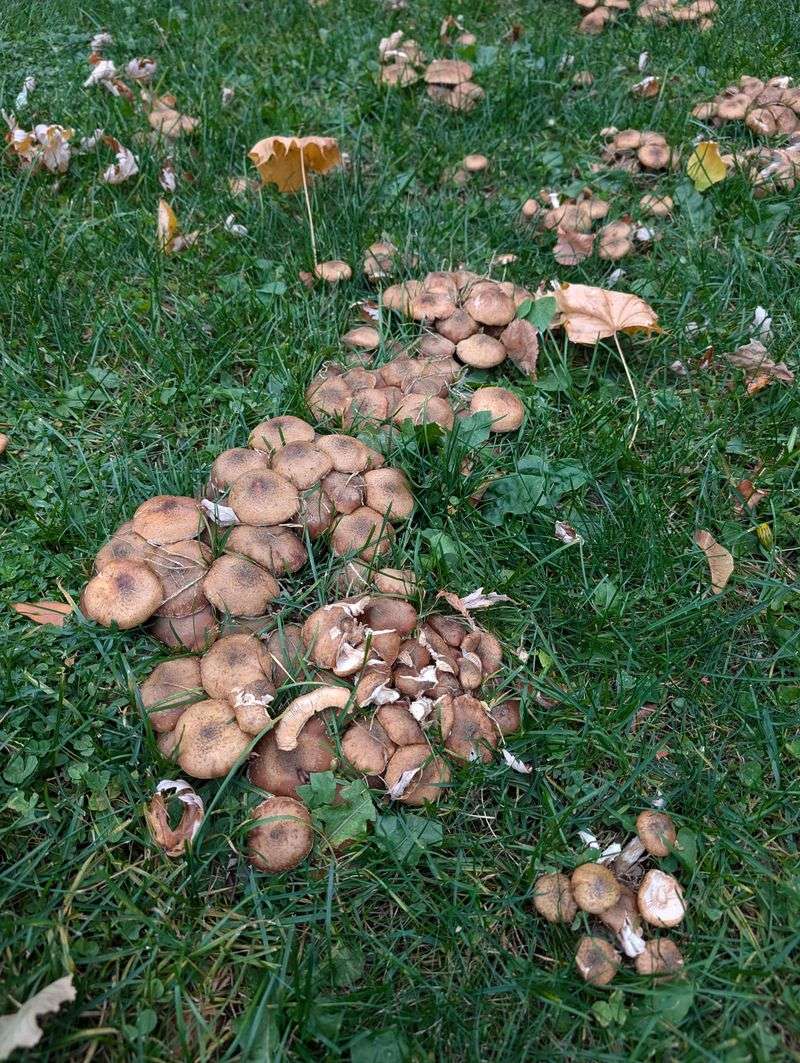
Monday the lawn looks normal, Tuesday it rains all day, and Wednesday morning there is a tiny mushroom village by the mailbox. Sound familiar?
That surprise has a simple explanation. Under the grass lives a huge web of thin fungal threads called mycelium, and it has been there all summer.
During dry weeks, the mycelium stays quiet and out of sight. Once steady rain soaks the soil, it rushes to send up mushrooms to spread spores.
Mushrooms are basically the fruit of the fungus, a bit like apples on a tree. The real plant, so to speak, stays hidden below ground.
September is a sweet spot for this in Ohio. Nights get cooler, dew hangs around longer, and fall showers keep the ground damp for days at a time.
Your Ohio Garden Changes Every Week. Your Plan Should Too.
Gardening in Ohio changes quickly throughout the season. Every Friday you’ll receive a simple weekly plan showing exactly what to plant, prune, fertilize, harvest, and protect so you never miss the right timing.
Many of these caps show up and fade within a day or two. If you blink, or skip a morning walk, you might miss the whole show.
Here is a fun fact to share at dinner. Some fungal networks can stretch across an entire yard, even though you only see a few caps poking up.
Your best move after a rainy spell is patience. Let the weather dry out, and most of the flush will shrink back on its own without any help from you.
3. Decaying Roots And Thatch Feed Fungal Growth
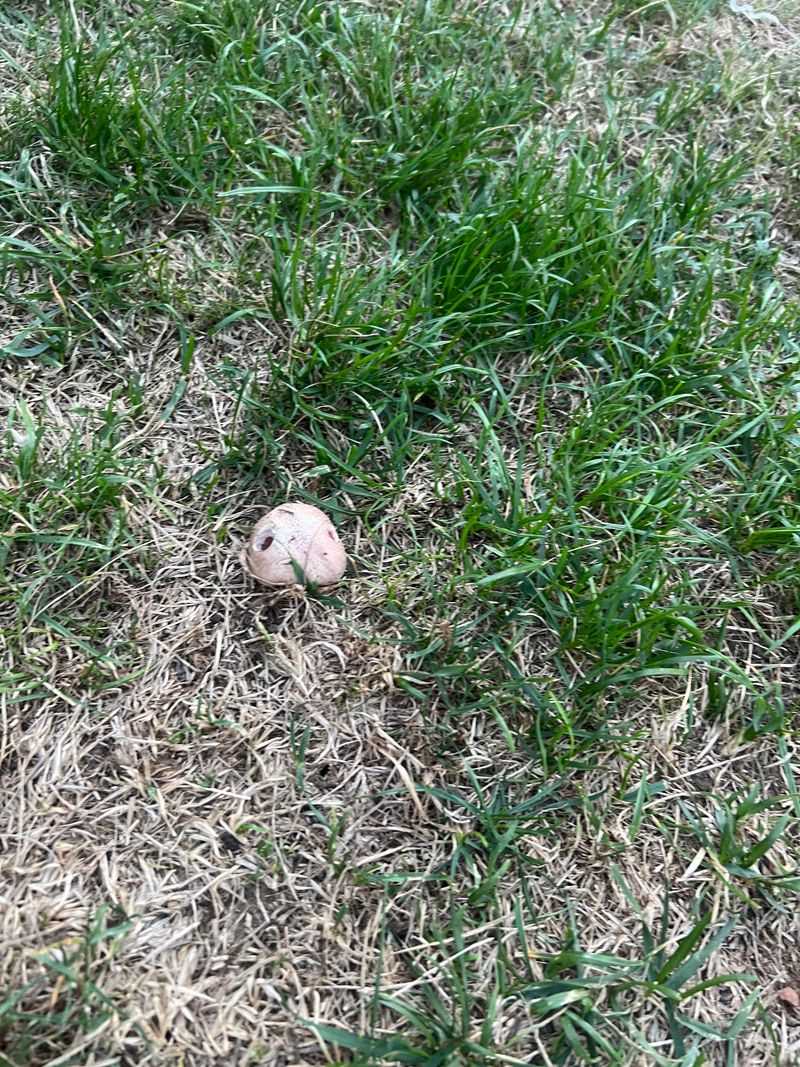
Nature runs a recycling program right in your backyard, and fungi are the hardest-working crew members. Their job is breaking down old plant material into food for the soil.
They munch on fallen leaves, grass clippings, old roots, and buried bits of wood. As they work, they release nutrients that your grass can soak up later.
One of their favorite meals is thatch. That is the spongy layer of stems and roots that builds up between green blades and the soil.
A thin layer, about half an inch or less, is fine and even helpful. Once it gets thicker, it acts like a wet blanket that holds moisture near the surface.
Fungi love that soggy blanket because it gives them both food and water in one spot. That is why thick thatch and mushrooms often show up as a pair.
To check your thatch, cut a small wedge of turf with a trowel. Look at the brown layer between the green grass and the dark soil, then measure it.
If the thatch layer is substantially thicker than about half an inch, consider whether dethatching or another lawn-care step is appropriate for the grass and site.
Keep in mind that the fungi are not hurting anything by eating. They are simply cleaning up leftovers, and the mushrooms are proof the crew is on duty.
4. Mushrooms Can Reveal Hidden Organic Matter
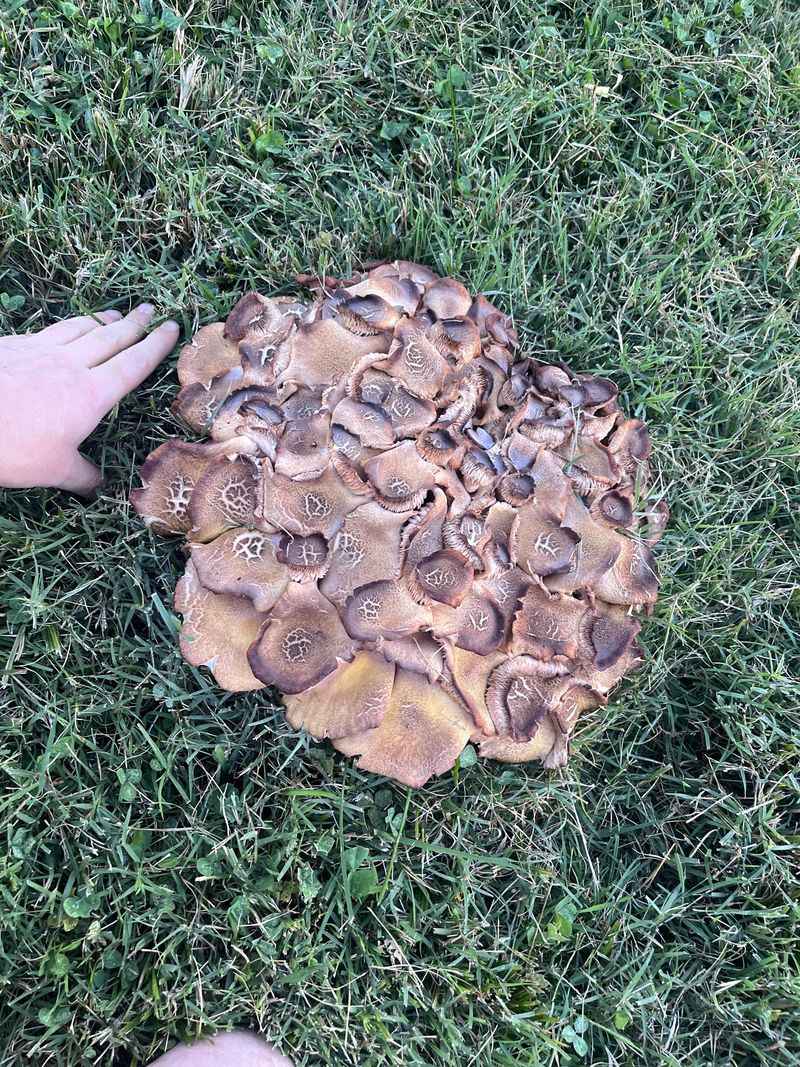
Every yard has a history, and mushrooms are sometimes the best detectives for uncovering it. A cluster popping up in one odd spot can point to something buried below.
Old tree stumps, leftover roots, and scraps of construction lumber are common suspects. As these break down over years, fungi feed on them and send caps up to the surface.
Ringless honey mushrooms are a classic Ohio example. They often grow in tan clumps near living trees or right where a tree once stood.
Did a big maple come down a few years ago? You may still see mushrooms tracing the path of its roots, sometimes several feet from the old trunk.
Fairy rings tell another story. These mushrooms appear in circles or arcs, and they form as the fungus spreads outward through soil rich in organic matter.
The circle can grow wider each year, and the grass along its edge may look darker green. That lush band comes from nutrients the fungus releases as it works.
If a mushroom patch keeps returning to the same spot, try probing gently with a shovel. You might find soft, crumbly wood hiding a few inches down.
Removing that buried material can reduce future crops. Leaving it alone is fine too, since it will finish breaking down and feed the soil in time.
5. A Few Caps Rarely Mean Lawn Trouble
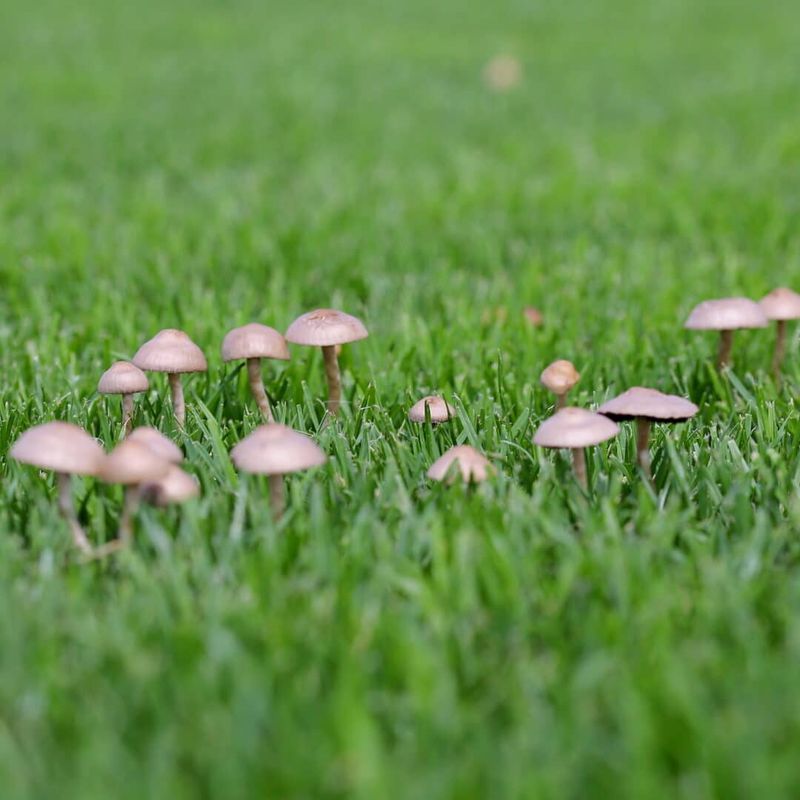
Deep breath, lawn lovers. A handful of mushrooms scattered across the grass is usually a sign of healthy soil, not a lawn in crisis.
Most lawn mushrooms do little or no harm to turf grass in Ohio yards. They live alongside your grass, breaking down old material and returning nutrients to the root zone.
Many soil experts actually see them as a thumbs-up. Active fungi mean the ground is full of life, from tiny microbes to hardworking earthworms.
That said, safety still matters. Some wild mushrooms can make people and pets very sick if eaten, and many look alike even to experienced foragers.
If you have small children or a curious dog, a quick sweep of the yard is smart. Pluck the caps, drop them in a bag, and toss them in the trash.
Wearing gloves is a good habit, and washing your hands afterward is even better. Toss the caps in the trash rather than the compost to keep things simple.
Mowing is another easy fix for the look of things. A quick pass with the mower chops up the caps, and new ones may not return until the next rainy spell.
Remember that picking mushrooms does not remove the fungus itself. It simply clears the view while the helpful network keeps working quietly below your feet.
6. Heavy Growth Can Signal Poor Drainage
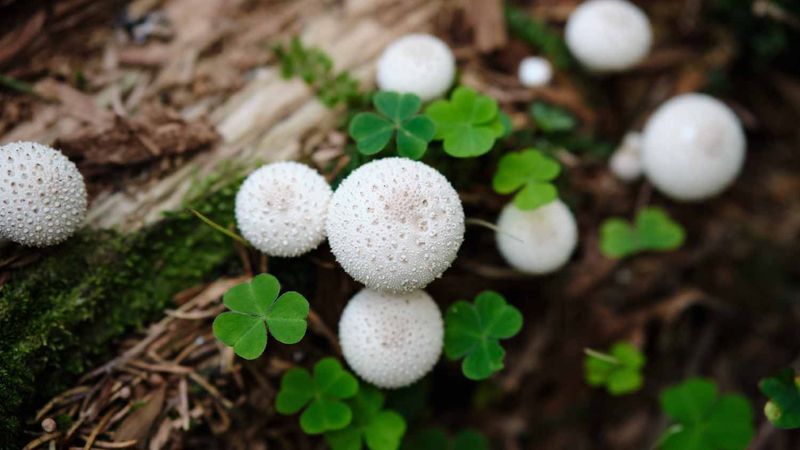
One or two mushrooms are guests, but a crowded carpet of them is a message. When caps pop up in huge numbers, the soil may be staying wet far too long.
Poor drainage is often the culprit. Water sits in low spots, soaks into compacted ground slowly, and leaves grass roots gasping for air.
Look closely at where the heaviest growth appears. Is it near a downspout, at the bottom of a slope, or in a dip where puddles form after storms?
Those clues can point straight to the problem. A downspout dumping water onto the lawn is an easy fix with an extension that carries runoff several feet away.
Low spots can be leveled over time by spreading thin layers of topsoil or compost. Add about a quarter inch at a time so the grass can grow up through it.
Heavy shade adds to the soggy mess. Thinning a few low tree branches lets in sunlight and breeze, which dry the turf much faster.
Soggy soil also invites trouble beyond fungi. Grass roots stay shallow, moss creeps in, and the lawn can struggle once summer heat returns next year.
Try the puddle test after the next big rain. If water repeatedly stands for an extended period after rain, that area may need better drainage, and identifying the cause now can prevent bigger lawn problems later.
7. Morning Irrigation May Be Keeping Turf Too Wet
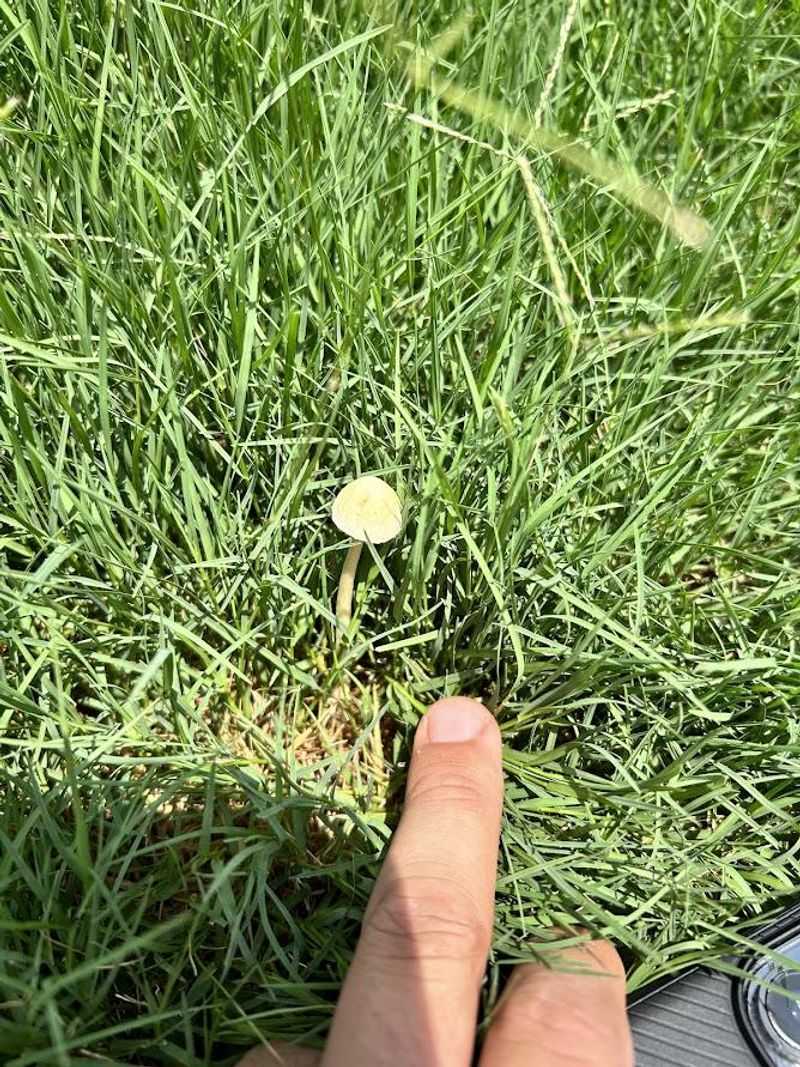
Early morning is the best time to water, so this one might sound backward at first. The catch is that even perfect timing can go wrong if the sprinklers run too often.
Many Ohio sprinkler systems are set in June and forgotten until frost. By September, cooler air and shorter days mean the lawn needs far less water than it did in July.
If the timer still runs every single morning, the soil barely gets a chance to dry. That steady dampness is a dream come true for fungi.
Aim to water between about 4 and 9 a.m., when the sun can dry the blades quickly. Evening watering leaves grass wet overnight, which can invite disease.
Deep and less frequent is the golden rule. Most lawns do well with about one inch of water per week, including rain.
A simple tuna can makes a handy rain gauge. Set it on the lawn, run your sprinklers, and time how long it takes to collect an inch.
Check the weather before each watering day, too. If Ohio skies just delivered a good soaking, turn the system off and let nature handle the job.
Many modern controllers have a rain sensor or smart app that pauses watering automatically. It is a small upgrade that can save water, money, and a few mushroom headaches.
8. Core Aeration Can Improve Compacted Soil
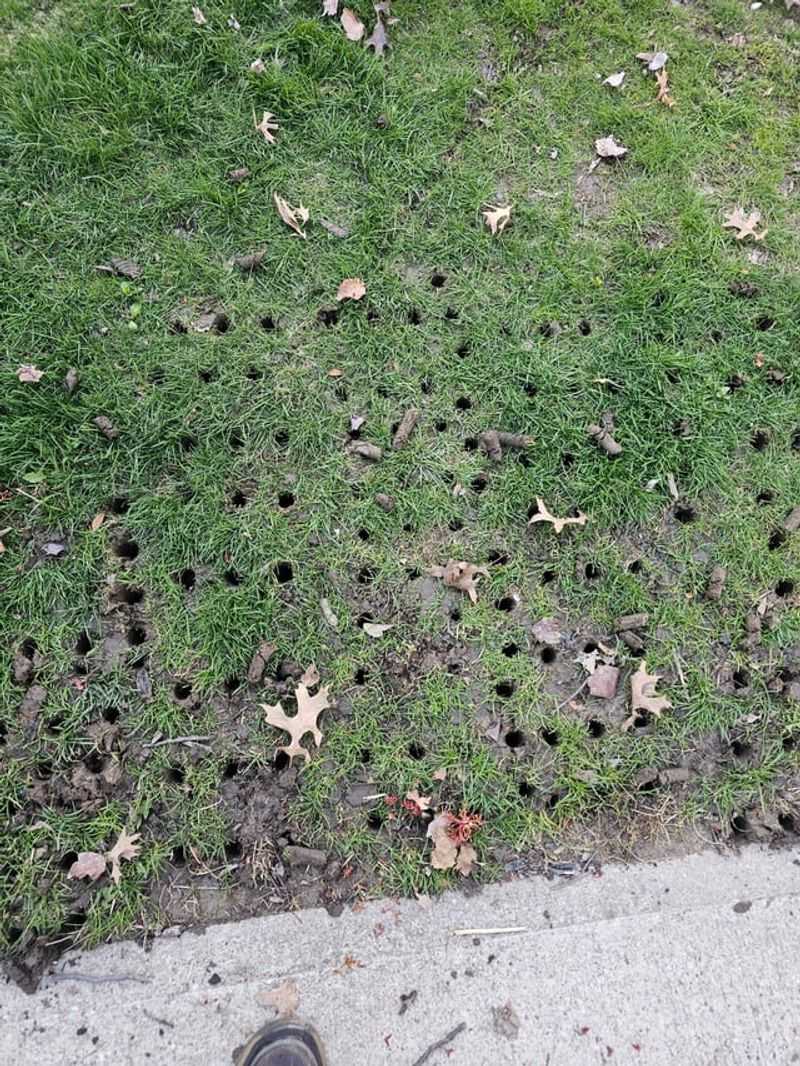
Picture your soil as a crowded elevator where nobody can breathe. Core aeration opens the doors and lets fresh air, water, and nutrients rush back in.
Over time, foot traffic, mowers, and heavy rain press soil particles tightly together. Ohio clay is especially prone to this, turning hard as brick in summer and soggy in fall.
Compacted ground can restrict water movement and root growth, leaving moisture concentrated near the surface. Improving soil structure can help the turf use water and develop deeper roots.
A core aerator pulls out small plugs of soil, each about two to three inches long. The holes create quick channels for water to drain and roots to spread.
Early fall is prime time for cool-season lawns. The soil is still warm, the air is cooler, and the grass has weeks to recover before winter.
Water the lawn a day or two before aerating so the tines can dig in easily. Mark sprinkler heads and buried cables first to avoid costly surprises.
Leave the little soil plugs on the grass instead of raking them up. They break down within a couple of weeks and help chew through extra thatch.
For bonus points, overseed right after aerating. Seed drops into the holes, finds great soil contact, and fills in thin spots before cold weather arrives.
9. Healthy Grass Usually Keeps Mushrooms In Check
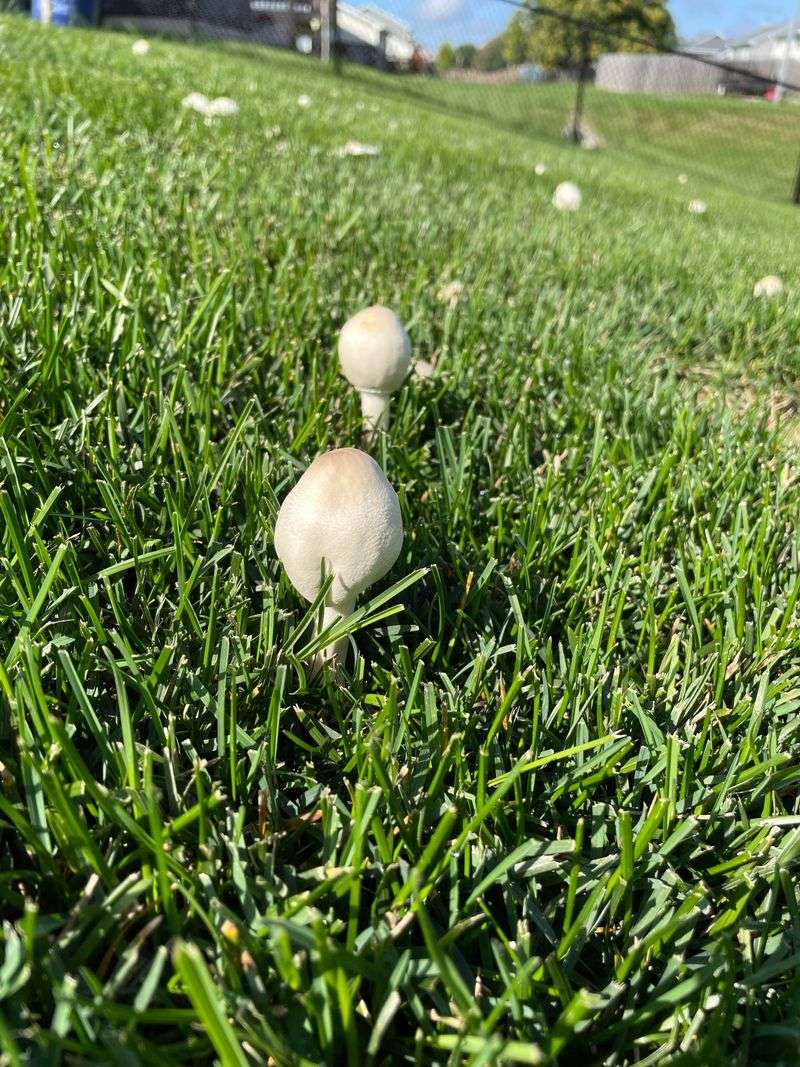
A thick, well-fed lawn is like a strong team that leaves little room for surprises. Good habits keep the soil balanced, so fungi rarely get the upper hand.
Start with your mower height. Cool-season grasses common in Ohio, like tall fescue and Kentucky bluegrass, grow best at about three to four inches tall.
Taller blades shade the soil and push roots deeper. Those deep roots handle both soggy weeks and dry summer spells with far less stress than shallow ones.
Leaving clippings on the lawn is a smart move when you mow regularly. Short pieces break down fast and return nutrients without piling into thick thatch.
A soil test every few years is another wise step. Ohio State University Extension offices can point you to labs that check pH and nutrient levels.
Balanced soil means stronger grass that recovers quickly from wet weather. Fall fertilizing, usually in September, gives hungry roots a helpful boost before winter arrives.
Clean up food sources when you can, too. Pet waste, old stumps, and piles of soggy leaves all feed fungi if they sit around too long.
Even the best lawns may sprout a few mushrooms after a rainy week. When they do, treat them as a friendly reminder that your yard is alive and working hard below the surface.