The Best Pennsylvania Herbs That Quietly Help Keep Ticks Away
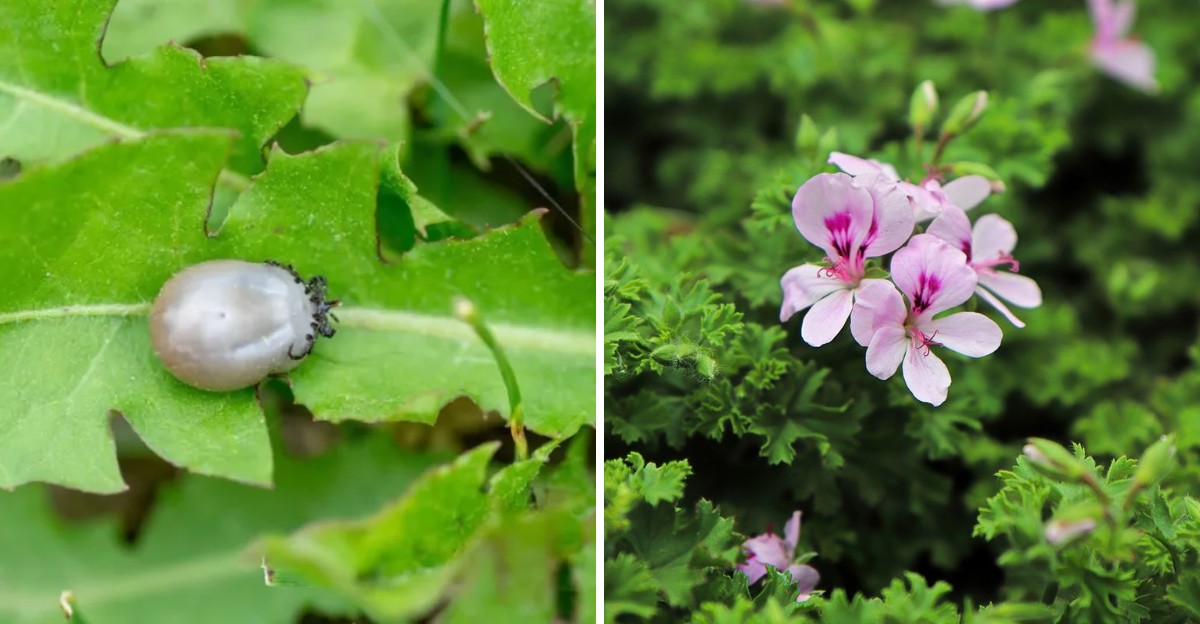
Ticks in Pennsylvania are a warm season reality that most homeowners manage through sprays, yard treatments, and vigilant clothing checks.
These approaches work, but they’re ongoing and chemical heavy, and a growing number of Pennsylvania gardeners are looking for something that works more quietly in the background.
Certain herbs produce natural compounds that ticks find genuinely off putting.
Grown in the right spots, they reduce tick pressure around outdoor living areas without the reapplication schedule or the concerns that come with conventional treatments near children, pets, and garden beds.
Several of these herbs are also beautiful, productive in the kitchen, and well suited to Pennsylvania’s growing conditions.
They earn their place in the garden on multiple levels and happen to make your yard less hospitable to ticks at the same time.
1. Catnip Is Way More Than A Cat Toy
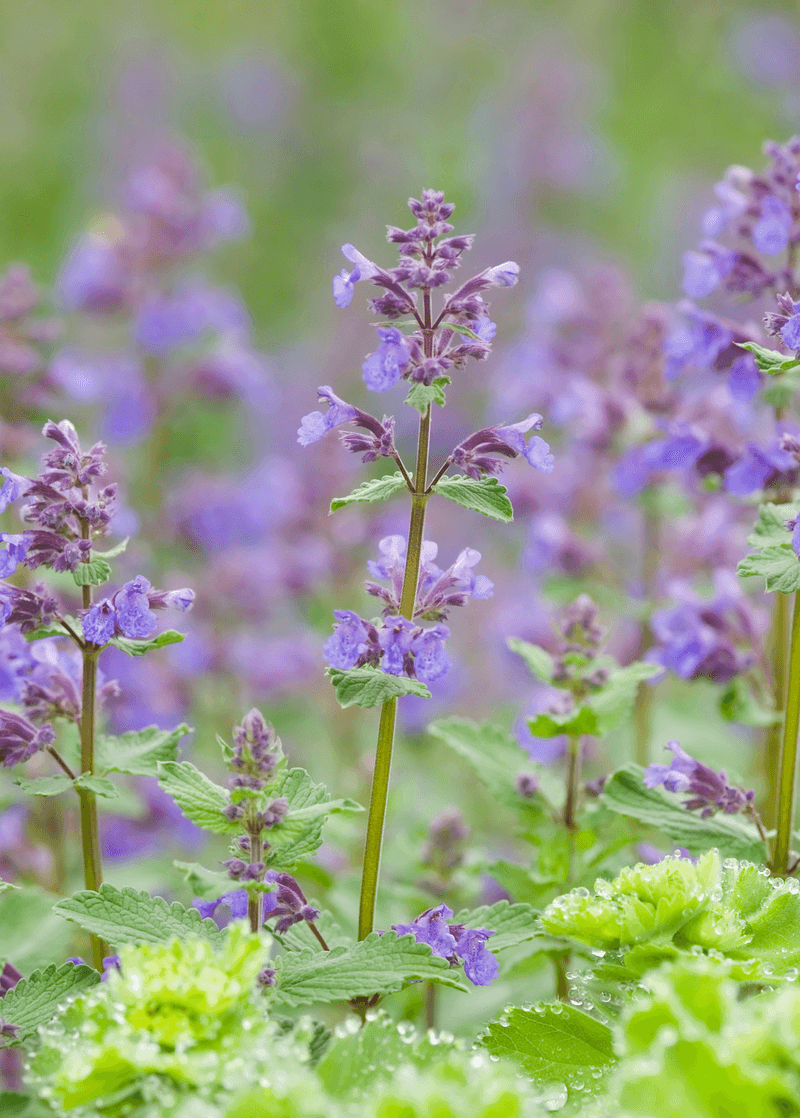
Your cat might go wild for it, but ticks and bugs want nothing to do with it. Catnip is a fuzzy member of the mint family that grows like crazy across Pennsylvania. You can often find it popping up along fence lines and old barns without any help at all.
The secret is an oil called nepetalactone. Scientists at Iowa State University found that it pushed mosquitoes away about ten times better than DEET in lab tests. Later research also showed it can bother ticks and other biting pests.
Growing catnip is about as easy as gardening gets. Plant it in a sunny spot with soil that drains well. It handles cold Pennsylvania winters with no trouble and comes back every spring.
Here is a simple trick to try. Rub a few crushed leaves on your socks or pant cuffs before a walk in tall grass. The fresh oils give you a light layer of protection, though it fades fast, so reapply often.
Keep in mind that catnip spreads by dropping lots of seeds. Trim the flowers before they dry out if you want to keep it in one place. A big pot on the patio works well too.
One more thing to know. Neighborhood cats may roll around in your patch, so a little wire cage over young plants can help. Once the plants grow tall and bushy, they can handle a few happy feline visitors.
Plant catnip near paths, sheds, or play areas where people walk often. It will not build a wall against ticks, but it adds a quiet line of defense that smells fresh and grows for free.
2. Lavender Brings Calm To You And Trouble To Ticks
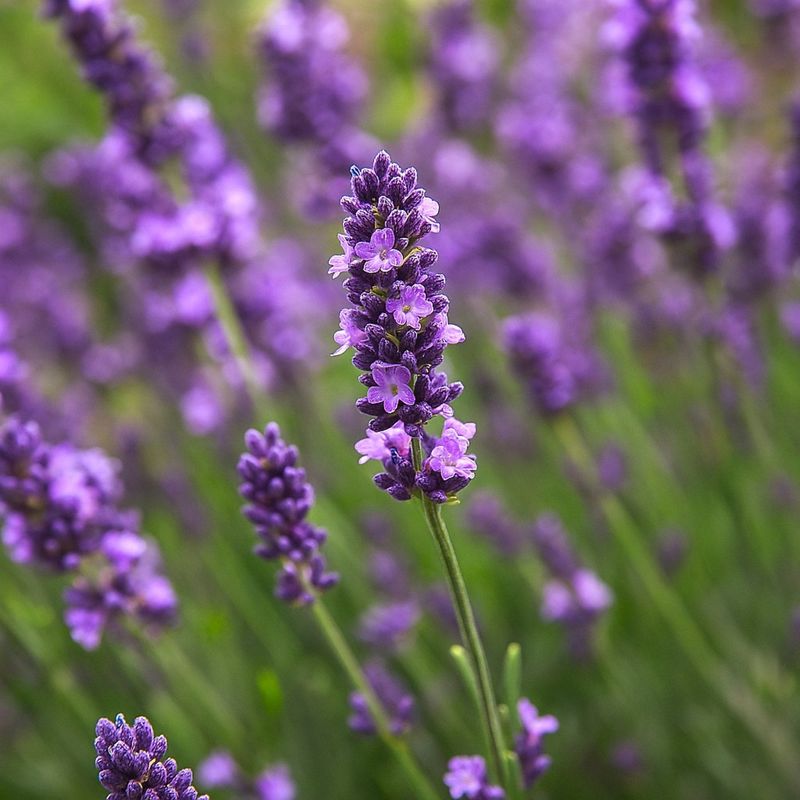
Picture a warm June evening in Lancaster County, with rows of purple blooms humming with bees.
Lavender is one of those plants that feels like a treat for the senses. Yet the same scent people love is one that ticks and fleas tend to avoid.
The plant gets its power from oils like linalool. Studies have shown that lavender oil can drive away some kinds of ticks and slow down others. It is not a magic shield, but it is a nice helper in the yard.
Your Pennsylvania Garden Changes Every Week. Your Plan Should Too.
Gardening in Pennsylvania changes quickly throughout the season. Every Friday you’ll receive a simple weekly plan showing exactly what to plant, prune, fertilize, harvest, and protect so you never miss the right timing.
Pennsylvania gardeners should pick hardy types. English lavender, like Munstead or Hidcote, can survive winters in most of the state. French and Spanish types are pretty but usually need to come indoors when frost hits.
Lavender hates wet feet. Plant it in sandy or rocky soil, or build a small raised bed so water drains away quickly. Heavy clay, which is common in much of the state, can cause the roots to rot.
For tick season, try planting a border of lavender along the edge of your lawn. Ticks love the shady line where grass meets woods, so a sunny, fragrant barrier can help.
Harvest a few stems in summer and hang them upside down to dry. Tuck little bundles into closets, dog beds, or camping bags. They smell lovely and may help keep crawling pests out of those cozy spaces.
Fun fact: the name lavender comes from the Latin word lavare, which means to wash. Romans added it to their bathwater. You can add it to your garden plan and enjoy a calmer, less buggy backyard.
3. Rosemary, The Kitchen Herb With A Secret Job
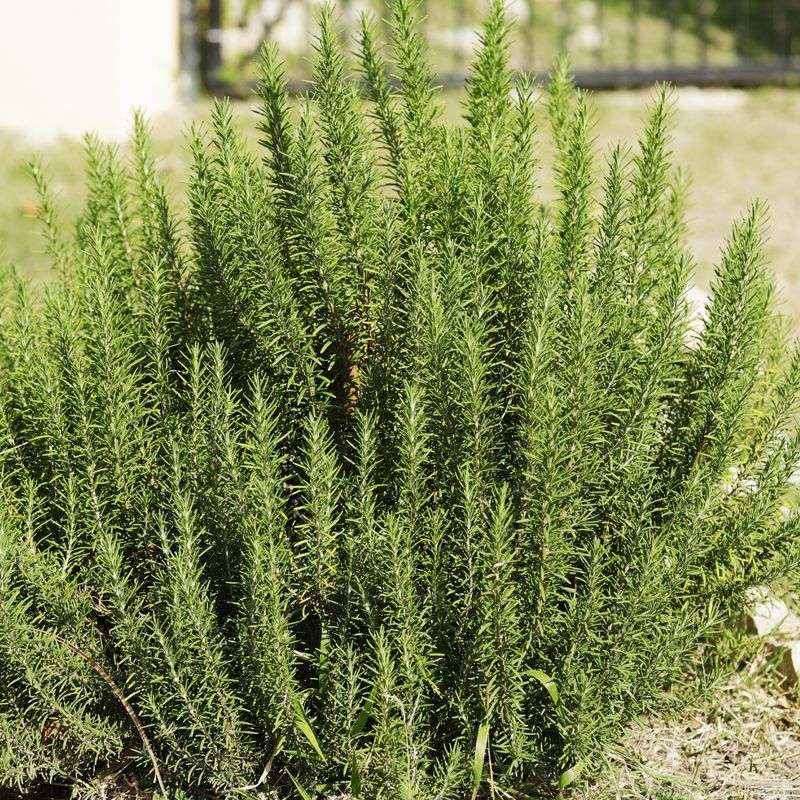
Ever notice how strong rosemary smells when you brush past it? That piney scent is exactly what makes it useful against pests. Ticks and mosquitoes find it pretty unpleasant, while cooks find it delicious.
Rosemary oil contains camphor and other natural compounds. Some lab studies show that these oils can push away ticks and other biting bugs. Many natural bug sprays sold in stores list rosemary as a main ingredient.
Here is the tricky part for Pennsylvania. Rosemary is a Mediterranean plant, and most kinds cannot handle our coldest winters outdoors. Varieties like Arp and Hill Hardy do better, especially in the southeast part of the state.
Many local gardeners grow rosemary in big clay pots. They set the pots outside from May through October, then bring them into a bright, cool room for winter. A sunny window and light watering keep it happy until spring.
Place the pots near your back door, deck steps, or picnic table. Every time someone brushes the leaves, a burst of scent fills the air. That little cloud may help make your sitting area less friendly to pests.
You can also make a simple homemade spray. Boil a handful of fresh sprigs in water for about 20 minutes, let it cool, and strain it into a spray bottle. Mist it on shoes and pant legs before yard work.
Toss some rosemary on the grill while cooking out too. The smoke adds flavor to your burgers and may keep bugs from crashing the party. It is a tasty way to put this hardworking herb to use all summer long.
4. Peppermint Packs A Cool, Bold Punch
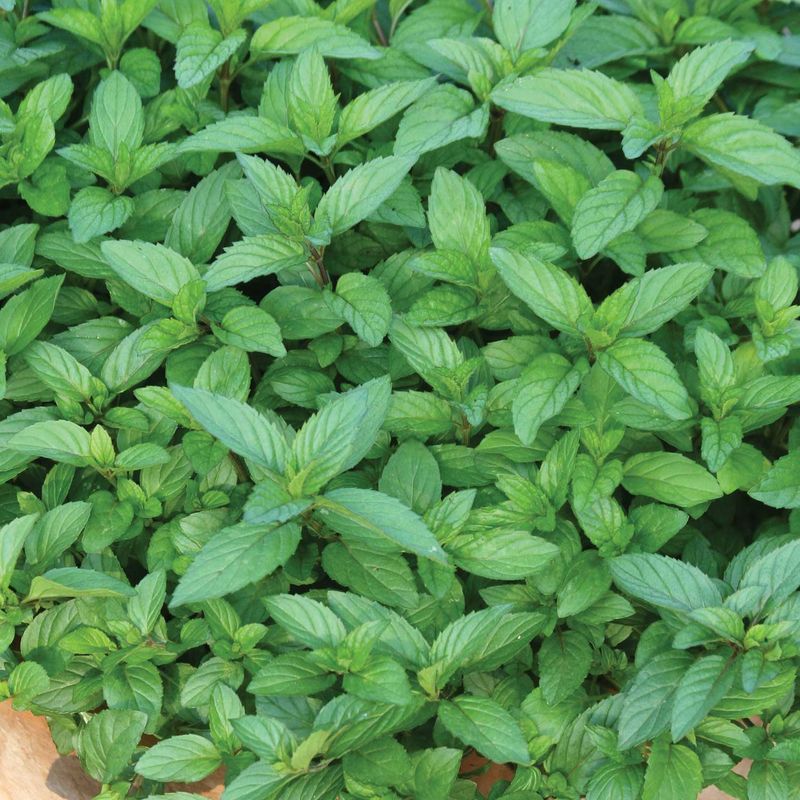
Grab a peppermint leaf, crush it between your fingers, and take a sniff. Whoa, right? That sharp, cool blast comes from menthol, and many bugs, including ticks, would rather stay far away from it.
Researchers have tested peppermint oil against several kinds of ticks. In some tests it worked well at keeping them from crawling forward. That is why you will often see mint in natural tick sprays for people and pets.
Growing peppermint in Pennsylvania is almost too easy. It laughs at cold winters, handles partial shade, and loves damp soil. In fact, it can grow so fast that it takes over a whole flower bed in one season.
The best move is to plant it in a container. Some gardeners sink a bottomless bucket into the ground to trap the roots. Others keep it in pots lined up along the patio, which looks neat and tidy.
Try placing mint pots near spots where your family hangs out, like a hammock or fire pit. You can also plant it by the garage or shed, where mice like to hide. Mice often carry young ticks, so keeping rodents away helps too.
Want a fast bug-fighting trick? Crumple a few fresh leaves and rub them on your wrists and ankles. The scent fades quickly, so repeat it every hour or so while you are outside.
A word of caution for pet owners. Strong peppermint oil can bother cats and some dogs, so skip the concentrated oil around them. The living plant in the garden is usually fine, and it makes great iced tea on a hot July afternoon.
5. Garlic Works Hard Above And Below Ground

Long before fancy sprays filled store shelves, farmers planted garlic around their gardens to guard against pests. Pennsylvania growers still swear by it today. The strong smell that clings to your fingers after chopping is the very thing bugs dislike.
Garlic contains sulfur compounds that give off a powerful odor. A study in Sweden found that people who ate garlic got fewer tick bites, though the effect was small. Garlic sprays have also been used to treat lawns and push back ticks for a short time.
Fall is the time to plant. Tuck single cloves about two inches deep in October, pointy end up, and cover them with a layer of straw. They will sleep through winter and send up green shoots in early spring.
By July, the leaves start turning brown. That is your sign to dig up the bulbs and let them dry in a shady spot for a few weeks.
Hardneck types like German White and Music grow best in our cold climate. They also produce curly stalks called scapes in June. Snip them off and toss them into stir-fries or pesto for a treat.
Plant garlic in a ring around your vegetable beds or flower gardens. The smell may help keep ticks, aphids, and even deer at a distance. Deer carry lots of adult ticks, so fewer deer visits can mean fewer ticks near your home.
Garlic will not replace a good tick check after hiking. Still, it is cheap, easy, and it gives you a big harvest of something you actually use.
6. Sage Stands Tough Through Pennsylvania Weather
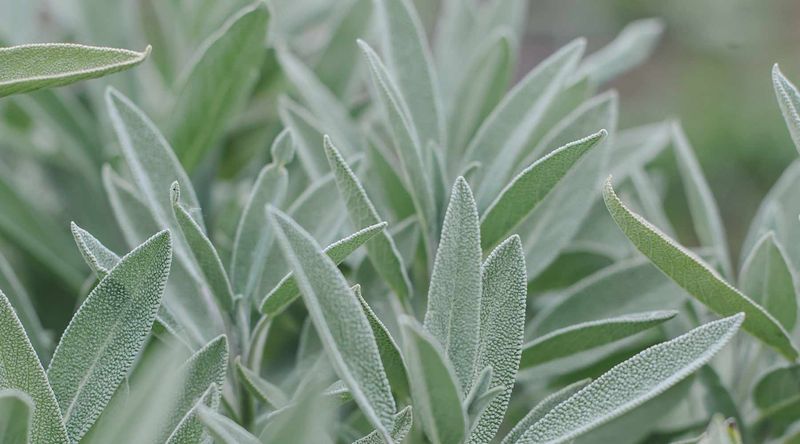
Some herbs need lots of fussing, but garden sage is the steady friend who shows up every year. Its soft, silvery leaves look almost velvet. Crush one and you get an earthy smell that ticks and many insects do not care for.
Sage has been used for thousands of years. The name comes from the Latin word salvare, which means to heal or save. Early settlers in Pennsylvania brought it along and grew it near their kitchen doors.
The leaves are full of natural oils like camphor and thujone. These compounds are part of why sage shows up in some homemade bug repellent recipes. Burning dried sage bundles near a campfire is another old trick for keeping pests away from the circle.
Common garden sage is fully hardy across Pennsylvania. Give it full sun and soil that dries out between rains. Once it gets going, it barely needs water at all, making it a smart choice for busy families.
Plant sage along sunny walkways or near your mailbox. Every brush of the leaves releases its scent. It also looks lovely next to lavender, and both herbs enjoy the same dry, sunny conditions.
Each spring, cut back the woody stems by about a third. Doing so keeps the plant bushy and full of fresh leaves. After four or five years, sage can get tired and scraggly, so start a new plant from a cutting.
Pick leaves in the morning when the oils are strongest. Dry them for Thanksgiving stuffing, or toss a few onto hot coals during an evening cookout. Your food gets a cozy flavor, and your patio may see fewer uninvited bugs.
7. Rose Geranium Smells Sweet But Bugs Hate It
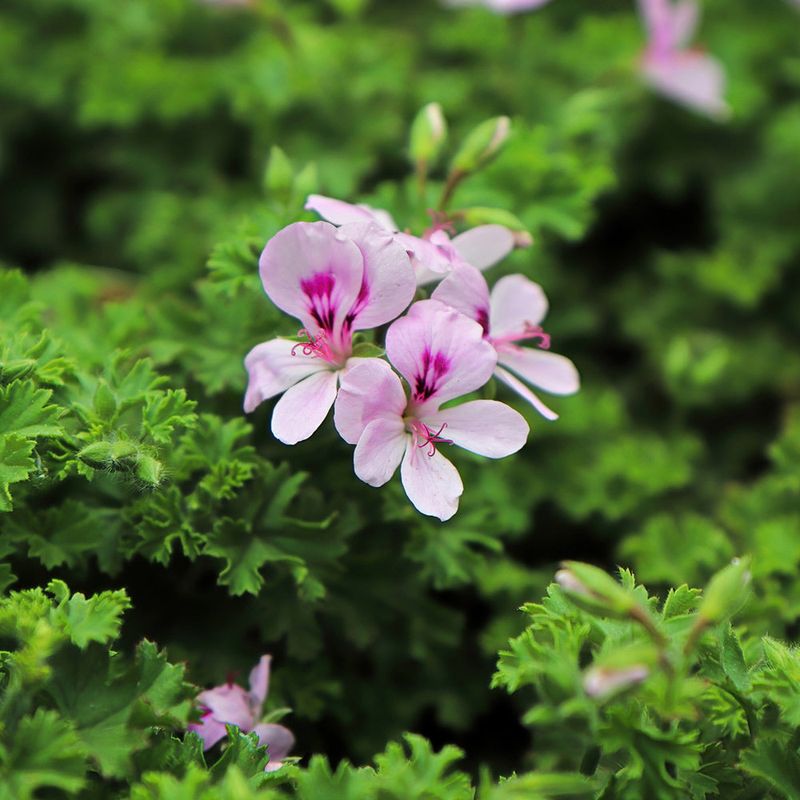
Here is one most people never guess. Rose-scented geranium looks like a simple houseplant with frilly leaves, yet scientists have studied it closely as a tick fighter.
Its oil was found to be especially strong against the lone star tick, which is now spreading across Pennsylvania.
A key ingredient is geraniol, a natural oil with a rosy smell. Some commercial natural tick sprays are made with geraniol. People love the scent, but ticks tend to turn around and head the other way.
Rose geranium is not the same as the bright red geraniums in window boxes. Look for plants labeled Pelargonium graveolens at herb nurseries or farmers markets.
Frost is its biggest enemy, so it cannot stay outside through a Pennsylvania winter. Treat it like a summer guest by planting it in pots once cold nights end in May. In fall, bring it inside and set it in a sunny window until next year.
Rose geranium likes well-drained soil and does not want too much water. Let the top inch of soil dry before watering. Pinch back the tips now and then to keep it full and bushy.
Set pots near outdoor seating, porches, or garden gates. Kids can rub a leaf on their arms before running around the yard. The fresh oil is mild for most people, but test a small spot of skin first.
No single herb can make your yard tick-free. Mix these plants with smart habits like mowing often and checking for ticks after outdoor time. Together, they make your space a lot less welcoming to pests.