Why Your Virginia Bermuda Lawn Needs A Different Fall Routine Than Fescue

Fall changes the rhythm of every Virginia lawn. One grass type is slowing down for winter, while another is entering its strongest growing season.
That difference matters more than many homeowners realize. Bermuda and fescue may share the same neighborhood, but their fall needs can be very different.
Copy the wrong routine, and you could waste fertilizer, mistime overseeding, or put unnecessary stress on your turf. A few adjustments can keep your lawn on the right track.
Before you reach for the seed or fertilizer, figure out which grass you have. From there, your fall checklist becomes much easier to follow.
Bermuda Needs To Prepare For Dormancy While Fescue Keeps Growing
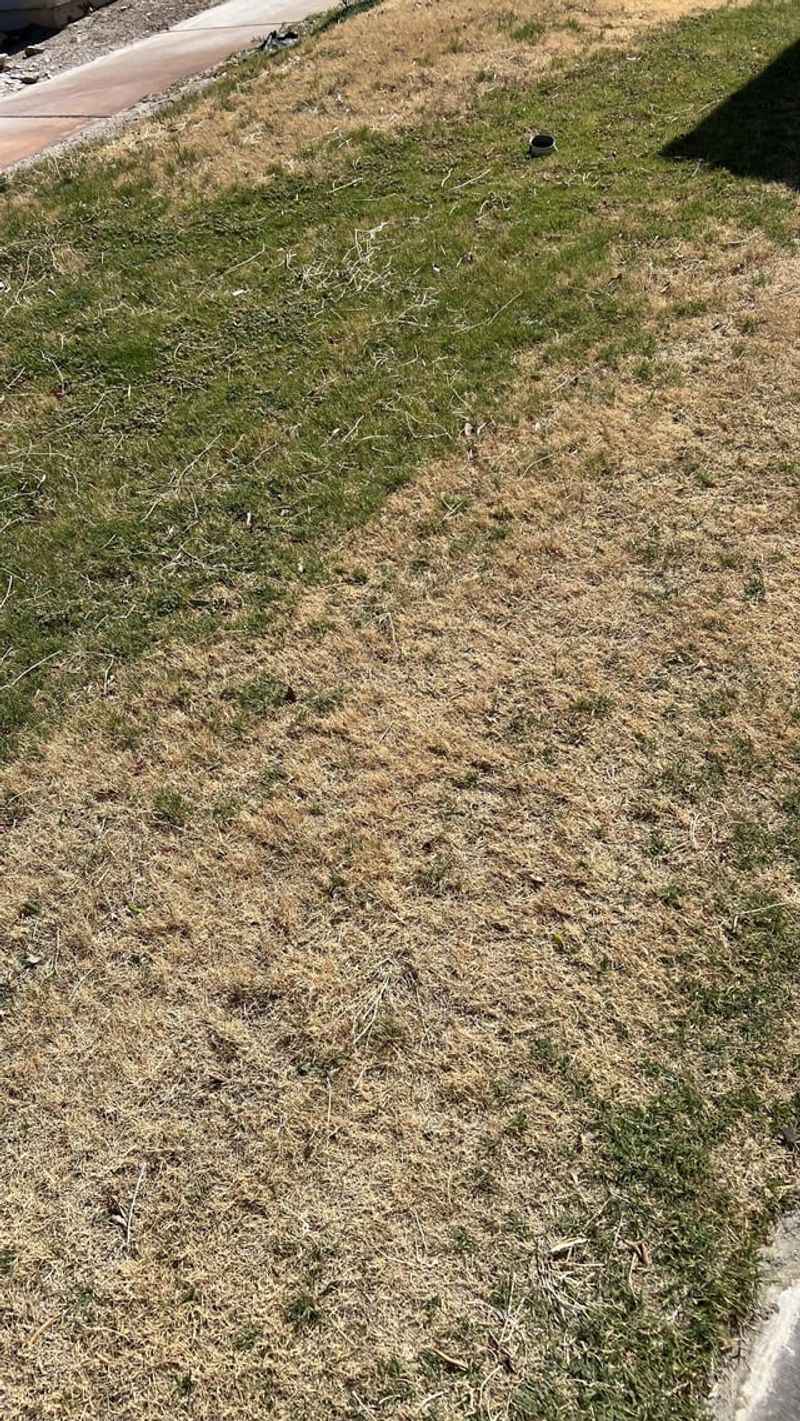
Picture two lawns sitting side by side on the same street in late October. One is slowly fading to tan, while the other looks greener and thicker than ever.
Nothing is wrong with the tan one, so relax. Bermudagrass is a warm-season grass that loves heat and naturally slows down once nights turn chilly.
After the first hard frost, Bermuda goes dormant across much of Virginia. Its brown color is a built-in shield that protects the plant from cold weather.
Some homeowners panic when their Bermuda browns and start watering like crazy. Save your water bill, because extra moisture will not wake a sleeping lawn early.
Fescue plays by a totally different set of rules. As a cool-season grass, it grows hardest in spring and fall when temperatures feel mild.
Autumn is repair time for fescue after a long, sweaty summer. Roots spread deeper, new shoots fill in, and the whole lawn gets denser week by week.
Because of that split, your fall plan should match your grass, not your neighbor’s calendar. Bermuda needs help settling down, while fescue needs fuel to keep building.
A simple way to think about it is bedtime versus breakfast. Bermuda is getting ready for sleep, and fescue is sitting down for its biggest meal.
Not sure which grass you have? Bermuda spreads with creeping runners, while fescue grows in upright clumps with wider blades.
Once you know your type, every other fall decision gets much easier. Keep reading, and the rest of the puzzle will start falling neatly into place.
Your Fescue Lawn Can Still Benefit From Fall Fertilizer
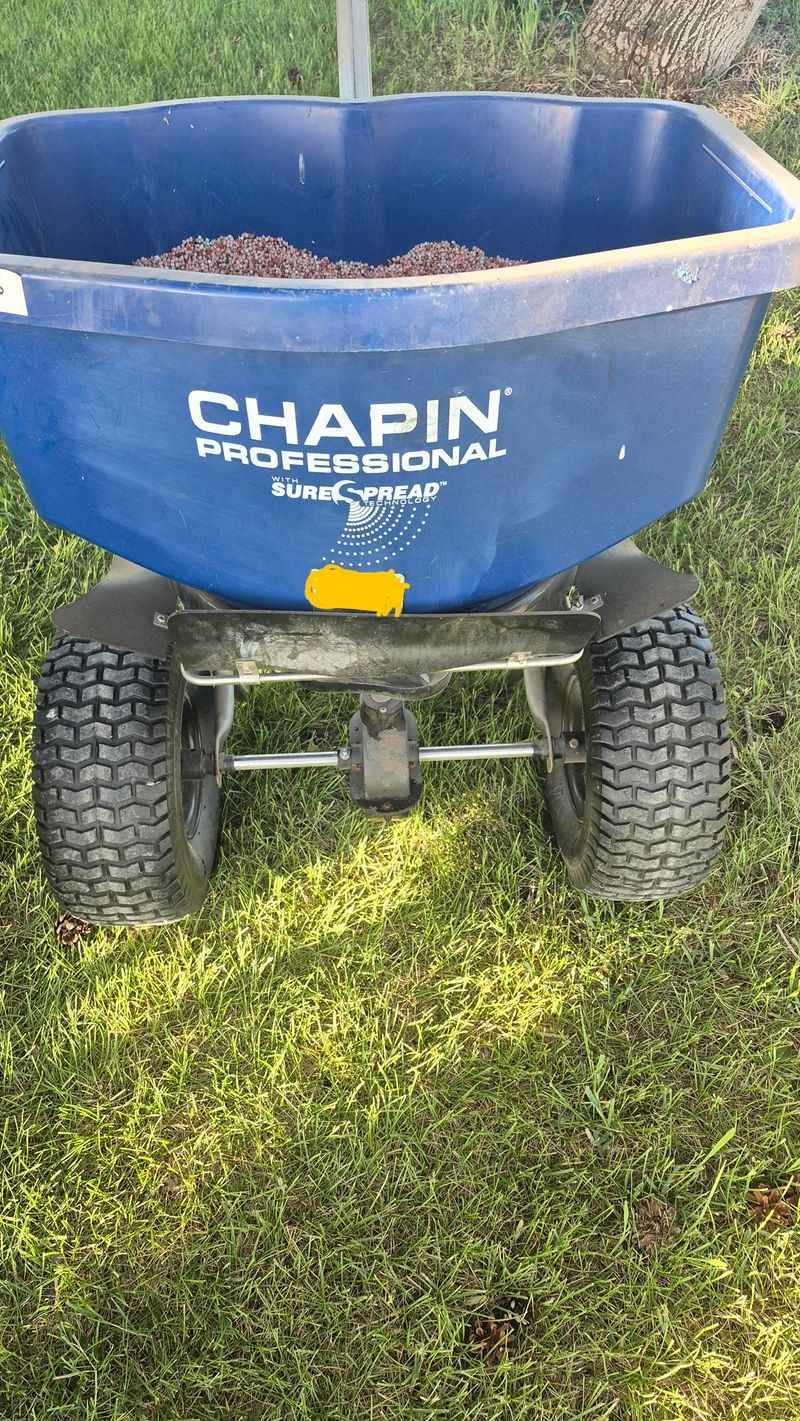
Ask any turf expert at Virginia Tech, and you will hear the same advice about fescue. Fall is the most important feeding season of the entire year.
Virginia Cooperative Extension suggests a fall-heavy plan for cool-season lawns. Most of your yearly nitrogen should go down between September and November.
Why the big push now? Fescue sends much of its autumn energy down into its roots instead of into tall, floppy blades.
Stronger roots mean a thicker turf next spring. They also help your lawn handle the brutal heat and drought that summer loves to bring.
Slow-release nitrogen is your best friend for fall feeding. It trickles nutrients out steadily, so the grass eats well without sudden growth spurts.
Split the fall total into two or three smaller doses spaced weeks apart. Smaller servings keep growth steady and reduce runoff.
Your Virginia Garden Changes Every Week. Your Plan Should Too.
Gardening in Virginia changes quickly throughout the season. Every Friday you’ll receive a simple weekly plan showing exactly what to plant, prune, fertilize, harvest, and protect so you never miss the right timing.
Many homeowners finish with a winterizer application around Thanksgiving. A late snack like this boosts root growth even after the blades slow down.
Before you buy a single bag, grab a soil test kit from your local Extension office. Results show exactly what your yard needs, which saves money and guesswork.
Here is a fun legal fact for homeowners in the Commonwealth. State law requires maintenance lawn fertilizers to be phosphorus-free unless a soil test shows a real need.
Read the three numbers on the bag before checkout. The middle number should usually be zero for routine fescue feeding in the fall.
Spread evenly with a broadcast spreader, and sweep any stray pellets off the driveway. Your fescue will reward that care with deep color well into winter.
Bermuda Should Get Its Last Nitrogen Well Before Frost
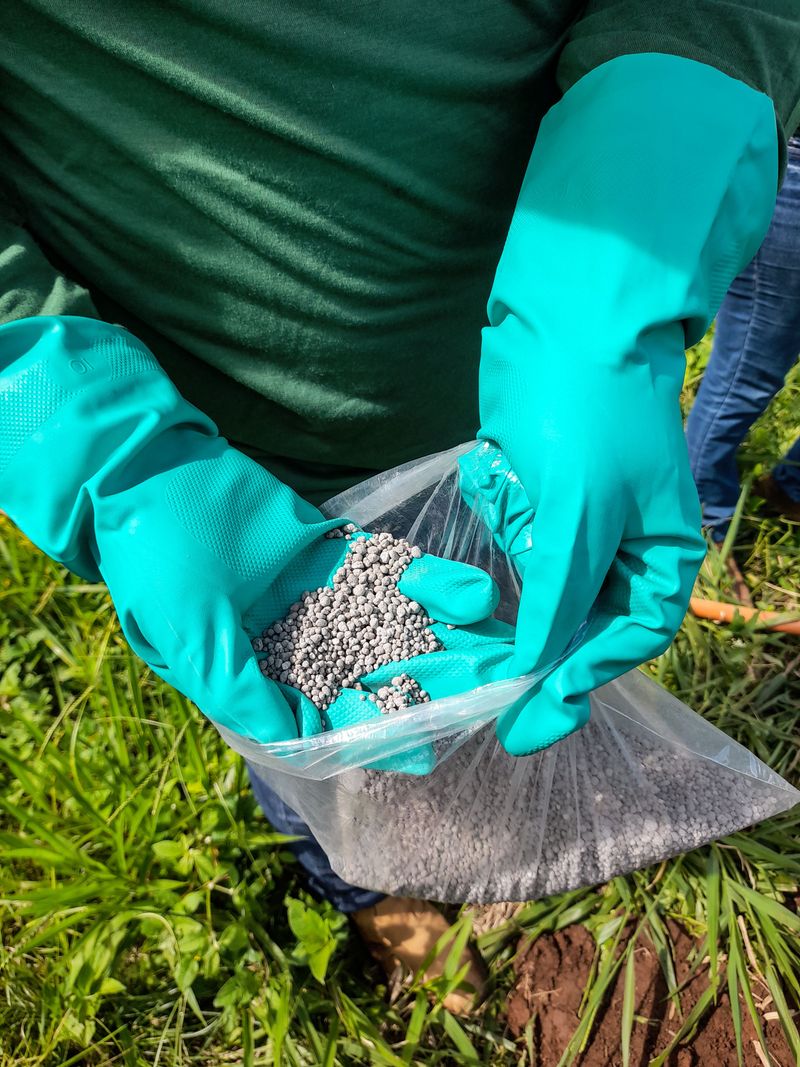
Feeding Bermuda in October is a bit like handing a kid candy right before bedtime. The burst of energy shows up at exactly the wrong moment.
Across the state, Bermuda lawns usually get fed from May through early September. The warm months are when the grass can actually use all that nitrogen.
Aim to make your final nitrogen application about one month before the anticipated frost date. Check a local frost chart, since dates shift between the mountains and the coast.
Late nitrogen pushes out soft, tender blades. Those fresh shoots have no time to toughen up, so the first hard freeze can injure them badly.
Potassium can help Bermuda handle winter when the soil needs it. It helps the plant build cold hardiness, almost like pulling on a warm winter coat.
Some lawn pros suggest one final fall feeding that is low in nitrogen and higher in potassium. Choose a fertilizer based on your soil-test results rather than simply looking for a higher potassium number.
A potassium boost strengthens roots and improves winter resilience. Your soil test can tell you whether your yard really needs it or already has plenty.
Once Bermuda goes brown, put the spreader away until spring. Fertilizing a dormant lawn wastes product and can feed winter weeds instead of your grass.
Leftover nutrients can also wash into storm drains during winter rains. Nobody wants their fertilizer money floating toward the Chesapeake Bay.
Mark a reminder on your phone for early September. A quick alert keeps you from grabbing the spreader out of habit when fall fever hits.
Patience now pays off in spring. Rested Bermuda wakes up hungry and ready to spread.
Fescue Can Handle Fall Overseeding; Bermuda Usually Doesn’t Need It
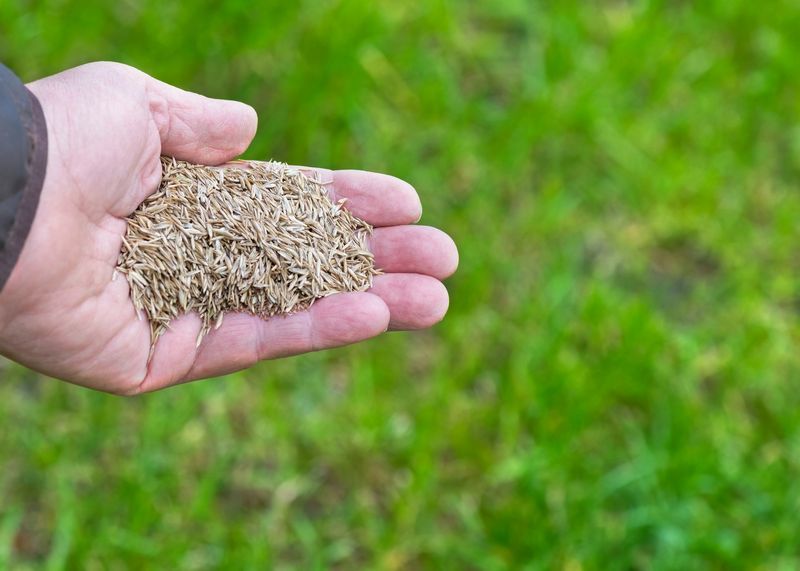
Ever wonder why seed bags fly off store shelves every September? Fescue owners know fall is prime time to patch thin spots and thicken turf.
In Virginia, the sweet spot for seeding runs from mid-August to mid-October. Soil stays warm while the air cools, which is perfect for sprouting cool-season seed.
Seeds germinate best when soil temperatures sit between 50 and 65 degrees. A cheap soil thermometer from the garden center takes the guessing out of timing.
Tall fescue is a bunch-type grass, so it does not spread sideways very well. Overseeding is the main way to fill bare patches and keep the lawn dense.
For the best results, core aerate right before you spread seed. The little holes give each seed snug contact with the soil underneath.
Bermuda tells a totally different story. Spreading more Bermuda seed in fall is a waste, since the seedlings cannot establish before cold weather arrives.
Thin Bermuda fixes itself best in summer. Its runners creep across bare ground quickly once the heat returns in late spring.
Some homeowners do overseed Bermuda with ryegrass for a green winter look. Ryegrass sprouts fast and stays colorful while the Bermuda underneath rests.
Keep in mind that the ryegrass route comes with extra chores. You will need to water, mow, and feed it nitrogen all winter long.
Ryegrass can also compete with Bermuda during spring green-up. Many lawn lovers prefer to enjoy the tan color and skip the extra work.
Honestly, a golden winter lawn has its own cozy charm. Think of it as your yard wearing a warm sweater until spring.
Raise Bermuda’s Cutting Height As Winter Approaches
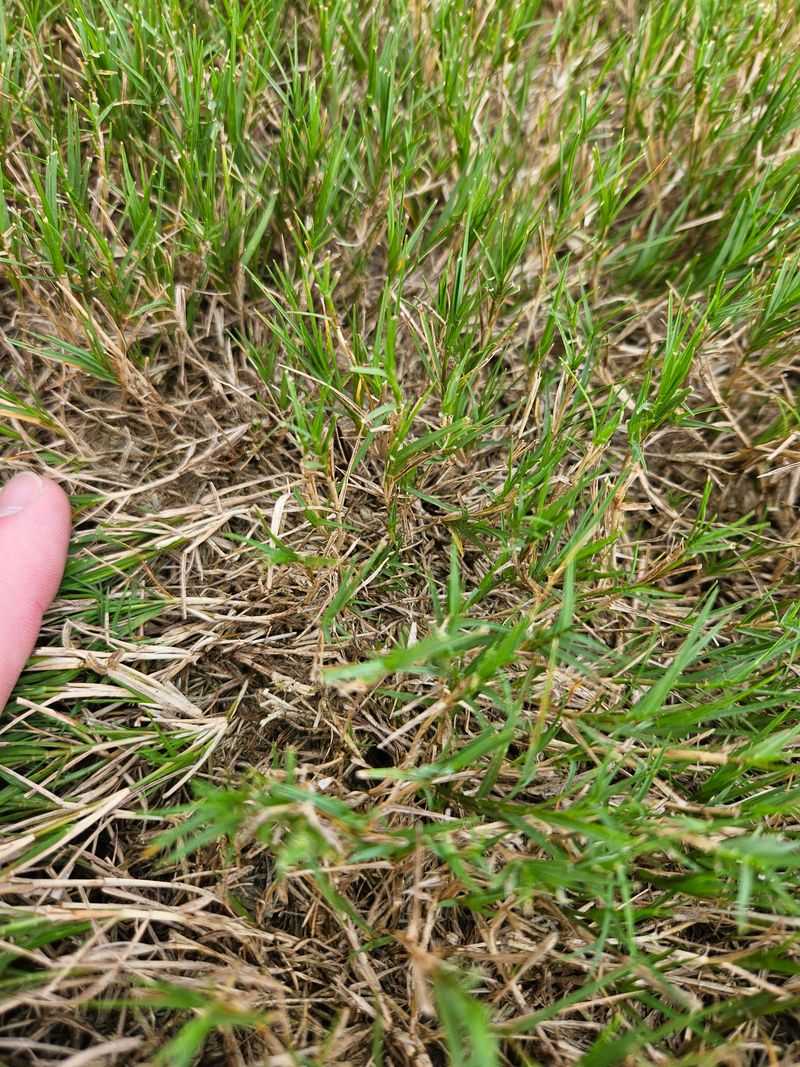
My grandfather had a saying about his Bermuda lawn every October. He would pat the mower and say, leave the old girl a little blanket.
Turns out, the old-timer was onto something smart. Raising your mower deck about one inch in fall adds insulation around the roots and crowns.
As temperatures drop, Bermuda grows more slowly. You can stretch the gap between mowings to once a week or longer.
Scalping Bermuda short in autumn is a common mistake. Low cuts leave the plant exposed, making winter injury and spring stress much more likely.
For your last mow of the season, aim for about 2 to 2.5 inches. Keeping it at your usual height or slightly taller is the goal.
Keeping Bermuda at the recommended height helps the turf head into dormancy without an overly short cut. It also shades out some winter weeds that love to sneak into thin, short turf.
Sharpen your mower blade before that final cut. Clean slices heal faster than torn, ragged tips, which can turn brown and invite disease.
Once your Bermuda goes fully dormant, you can park the mower until spring. Enjoy a few free Saturdays, because your lawn is officially on vacation.
Fallen leaves still need attention during those months, though. A thick layer can smother the turf, so mulch them lightly or rake them away.
Surprise warm spells sometimes spark a little late growth. Resist the urge to scalp it, and let the taller blades keep standing guard.
Take a quick walk after your final mow and look for bare or scalped spots. Jot them down so you know where to focus attention next summer.
Keep Fescue Growing While Cool Weather Helps It Thicken
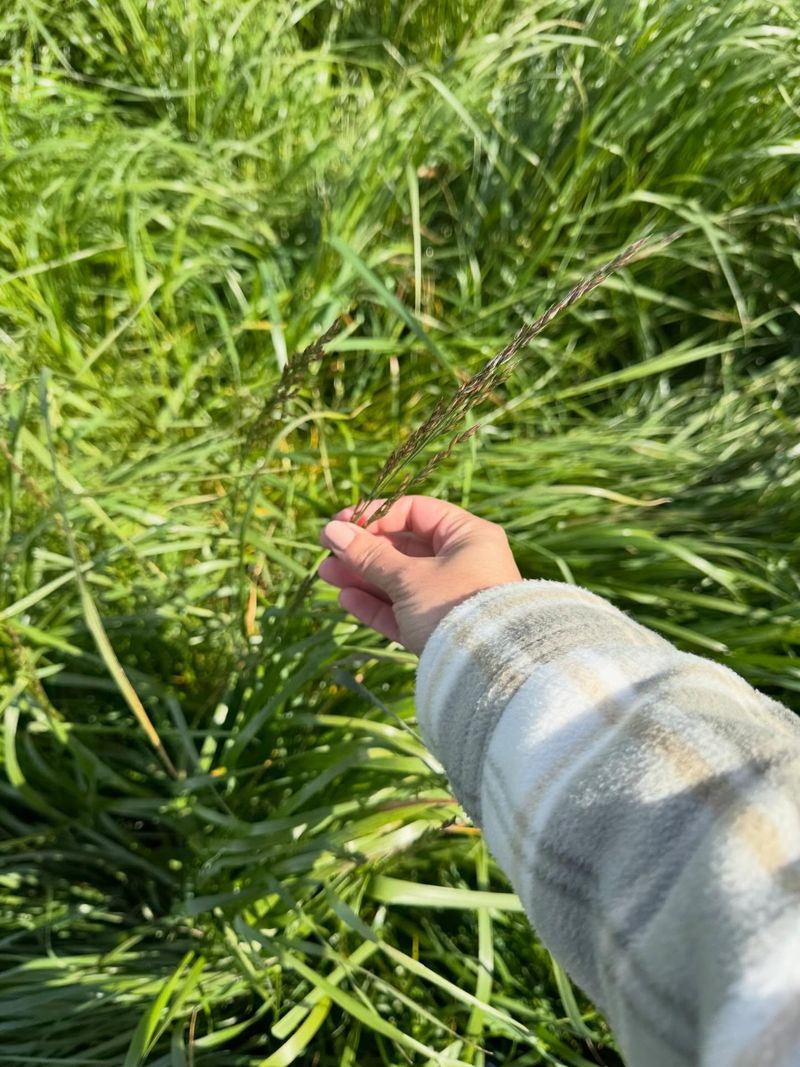
Crisp mornings, golden light, and a lawn that seems to glow deeper green each week. Fall is fescue’s happy season, and it shows.
Across the state, autumn is the prime growing window for cool-season grasses. Cooler temperatures and shorter days push the plant to store food and build roots.
Your job is simple: keep that momentum rolling. Fescue is recovering from summer stress, so steady care now pays off big next spring.
Water matters more than people think in fall. Established fescue lawns may need supplemental water when rainfall is not enough.
Deep, less frequent watering trains roots to chase moisture further down. Shallow daily sprinkles do the opposite and create lazy roots near the surface.
Set a tuna can on the lawn while the sprinklers run. When it fills about half an inch, you have hit one session’s target.
Keep mowing fescue tall, around 3 to 4 inches, as long as it keeps growing. Taller blades feed stronger roots and help crowd out sneaky weeds.
Rake or mulch leaves every week or so. A soggy blanket of oak leaves blocks sunlight right when fescue needs it most.
Pair all of that with your fall feeding schedule, and the results stack up. Fertilizer supplies fuel, while water and sunlight help the grass use it well.
By spring, you should see a thicker, richer carpet with fewer bare patches. Your neighbors might even ask what your secret is.
Fun fact: tall fescue roots can reach two to three feet deep in healthy soil. Those long roots are why a well-kept fescue lawn handles drought so nicely.
Skip Fall Aeration On Warm-Season Bermuda
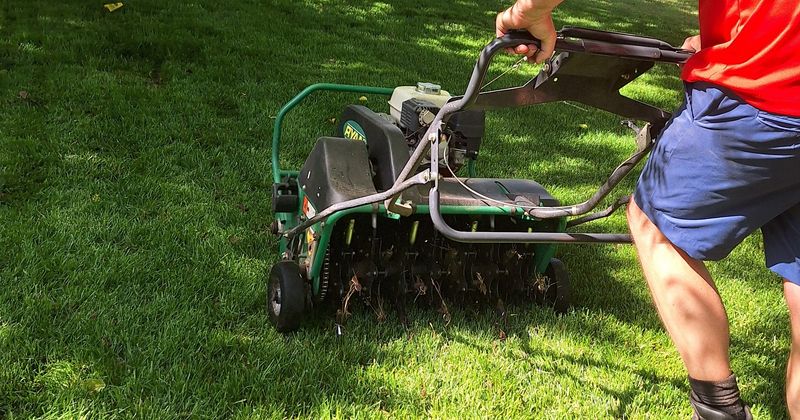
Here is a lawn myth worth busting: every yard needs aeration in the fall. The truth depends on whether your grass is waking up or winding down.
Aeration pulls small plugs of soil to loosen compaction. Grass needs to be actively growing so it can heal those holes quickly.
Bermuda slows sharply in fall and heads toward dormancy. Poking holes now stresses the roots when the plant has no energy left to recover.
Open holes can also dry out roots during cold snaps. Winter weeds love those bare pockets and may move in before spring arrives.
For Bermuda and zoysia in Virginia, the best aeration window is late spring to early summer. May and June work beautifully, since the grass is growing like crazy.
During that stretch, runners race across the openings and fill them within weeks. You get all the benefits without the risky recovery period.
Fescue is a different case entirely. Fall aeration suits it well, because warm soil and cool air support fast root growth before winter.
Many fescue owners aerate and overseed on the same weekend. The holes catch seed and create cozy little pockets for new sprouts.
Clay soils across much of the state compact easily under foot traffic and mowers. Aeration still matters for Bermuda, but timing makes all the difference.
Try the screwdriver test to check compaction in your yard. If it pushes into moist soil with a struggle, spring aeration should go on your list.
Renting a core aerator with a neighbor can split the cost nicely. Just make sure your turn with it lands in May, not October.
Let Your Grass Type Dictate The Rest Of Your Fall Routine
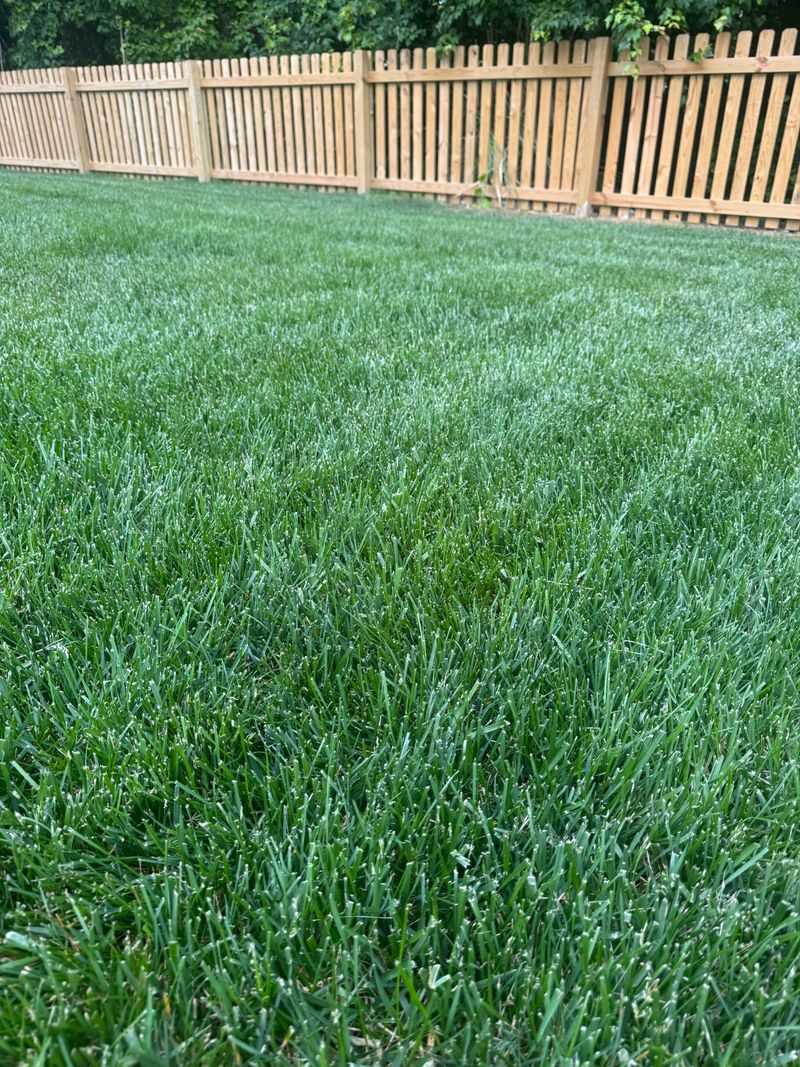
Virginia sits in what experts call the transition zone. Winters are cold enough for fescue, and summers are hot enough for Bermuda to thrive.
Living in the middle means you cannot copy a lawn guide from Maine or Florida. Your yard needs a plan built for your specific grass.
Start by identifying your turf with confidence. Your local Extension office can help if you mail in a sample or send a clear photo.
Fescue lovers should treat fall as renovation season. Heavy feeding, overseeding, aeration, and steady watering all belong on the autumn to-do list.
Bermuda owners get a gentler checklist. Focus on potassium, taller mowing, leaf cleanup, and letting the lawn slip peacefully into its winter rest.
A soil test every three or four years keeps both plans on track. The report tells you pH, nutrient levels, and whether you need lime.
Ignoring grass type is the fastest way to waste a weekend and a paycheck. Seeding dormant Bermuda or starving hungry fescue gets you very little in return.
Keep a simple lawn calendar on the fridge or your phone. Write down feeding dates, mowing heights, and the best windows for aerating and seeding.
Mixed lawns can happen too, with Bermuda creeping into fescue beds. In that case, decide which grass you want and favor it with your timing.
Bermuda lawns often benefit from a fall pre-emergent against winter weeds like henbit. Skip it on fescue you just seeded, since it blocks grass seed too.
With the right routine, a yard can look great in every season. Match the chores to the grass, and the lawn will handle the rest.