Why California Nurseries Are Selling Out Of These Fall Plants Faster Than Usual
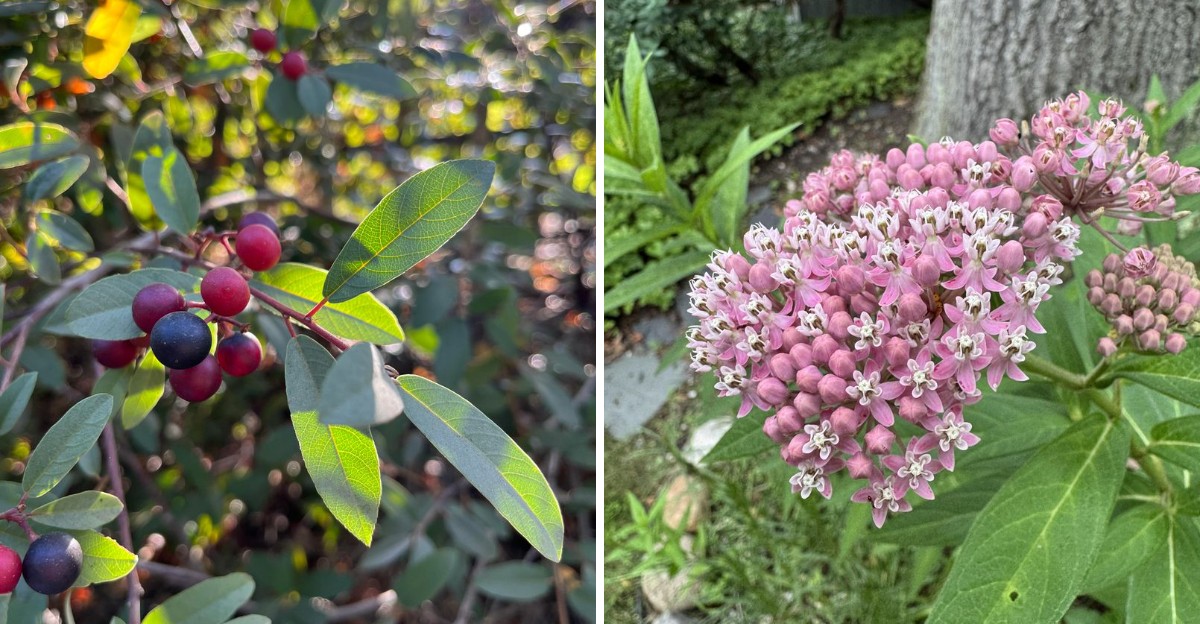
A gardener calls four different nurseries in one morning, hoping to find a coffeeberry or a manzanita, only to hear the same answer every time.
Sold out.
Scenes like that play out across California each autumn, when certain fall plants vanish from shelves faster than nurseries can restock them.
Something specific is driving this rush, tied to water bills, rebate checks, and a narrow planting window most gardeners have only recently learned about.
Curious which plants are disappearing fastest this year, and why one particular shrub keeps beating everything else to the register? It starts with a hillside covered in blue.
1. Ceanothus Disappears First Every Season
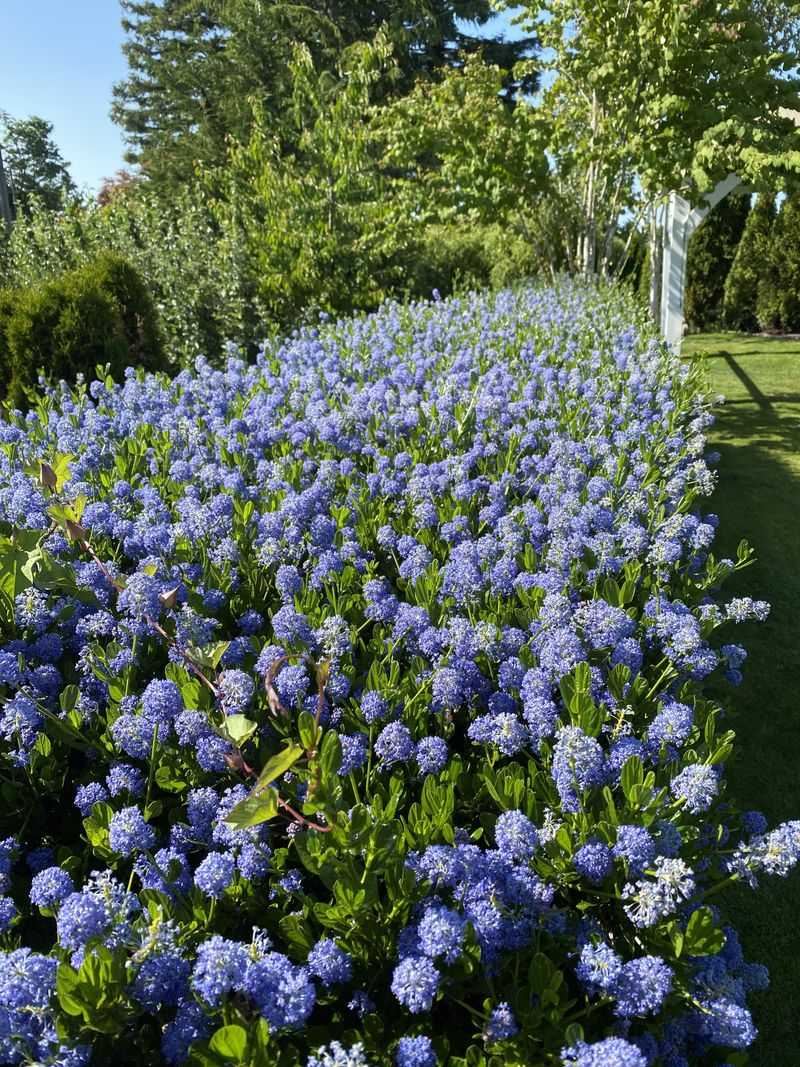
A hillside of blooming ceanothus, covered in clouds of blue flowers every spring, is exactly what many shoppers are chasing when they walk into a nursery in October.
Ceanothus, also called California lilac, has lived here for thousands of years, built for dry summers and wet winters.
Once established, many varieties need far less summer water than a typical lawn or thirsty ornamental shrub.
Here’s the catch, though.
Ceanothus strongly prefers being planted in fall, when cooler soil and winter rain help it settle in. Planting in the heat of summer is risky, and established plants are famously fussy about extra water once they’re growing.
That narrow window pushes every shopper toward the same few weeks.
Nurseries also struggle to keep enough on hand, since ceanothus grown from cuttings takes real time to reach a sellable size.
A grower guessing wrong about demand a year in advance can watch an entire batch vanish within days of hitting the tables.
Fast bloomers with the showiest blue flowers sell out first, often before a nursery even finishes unloading the delivery truck.
If your first choice is gone, ask staff about other ceanothus varieties. Height, bloom color, and sun tolerance vary enough that a substitute often fills the same role in your yard.
2. Manzanita Sells Out Due To Slow Growing Stock
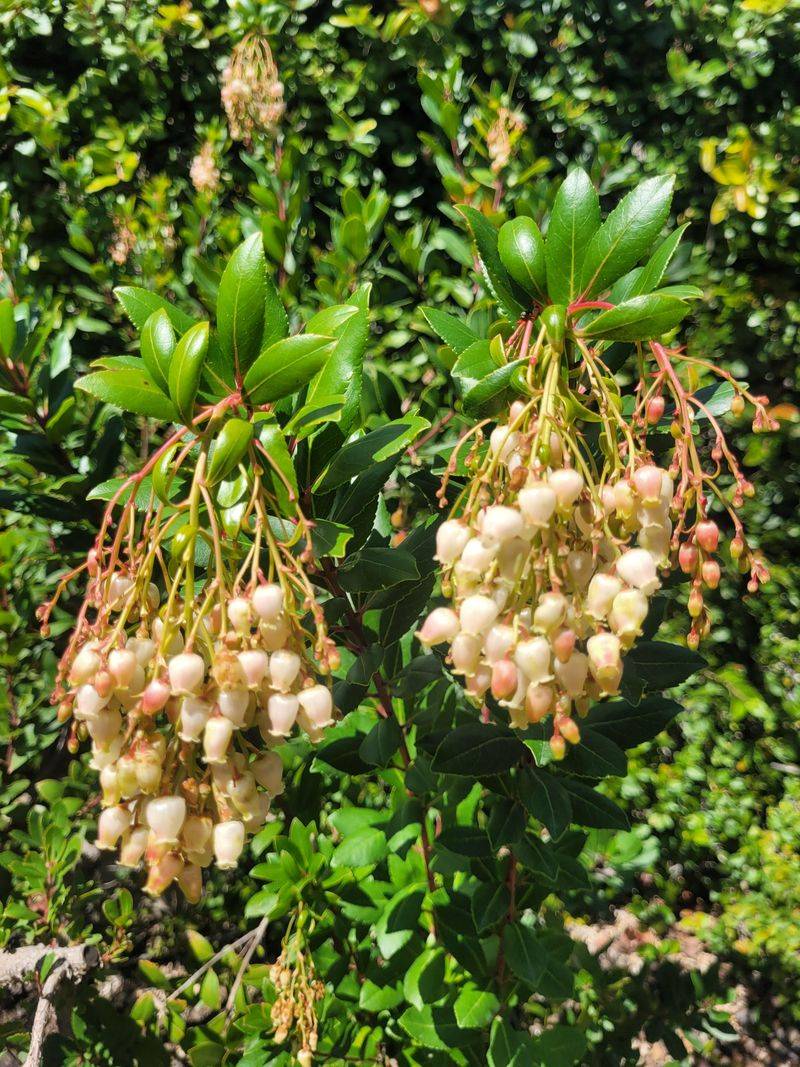
Growing a manzanita is not like printing a T-shirt. Nurseries cannot just make thousands more overnight when customers start asking for them.
That simple fact explains a lot about empty nursery tables every fall.
Manzanita often starts from seed that needs special treatment, like cold stratification, before it will even sprout. Other varieties root slowly from cuttings, and either path takes a long time before a plant reaches a size nurseries feel good about selling.
Growers have to guess months or even years ahead how many people will want.
If manzanita suddenly becomes popular through social media or a magazine feature, supply cannot jump up quickly to match that demand.
Twisting red bark and small bell-shaped flowers make certain manzanita cultivars especially prized among landscape designers, who often buy in bulk for whole projects.
That kind of bulk buying can clear out an entire row in a single afternoon, leaving nothing for the casual weekend shopper who wanders in a few days later.
Smaller, one-gallon manzanitas tend to sell out slower than the showier five-gallon specimens, so starting small and letting the plant catch up over a season or two is often the smarter and more available choice.
Your California Garden Changes Every Week. Your Plan Should Too.
Gardening in California changes quickly throughout the season. Every Friday you’ll receive a simple weekly plan showing exactly what to plant, prune, fertilize, harvest, and protect so you never miss the right timing.
3. Toyon Vanishes Fast For Its Winter Berries
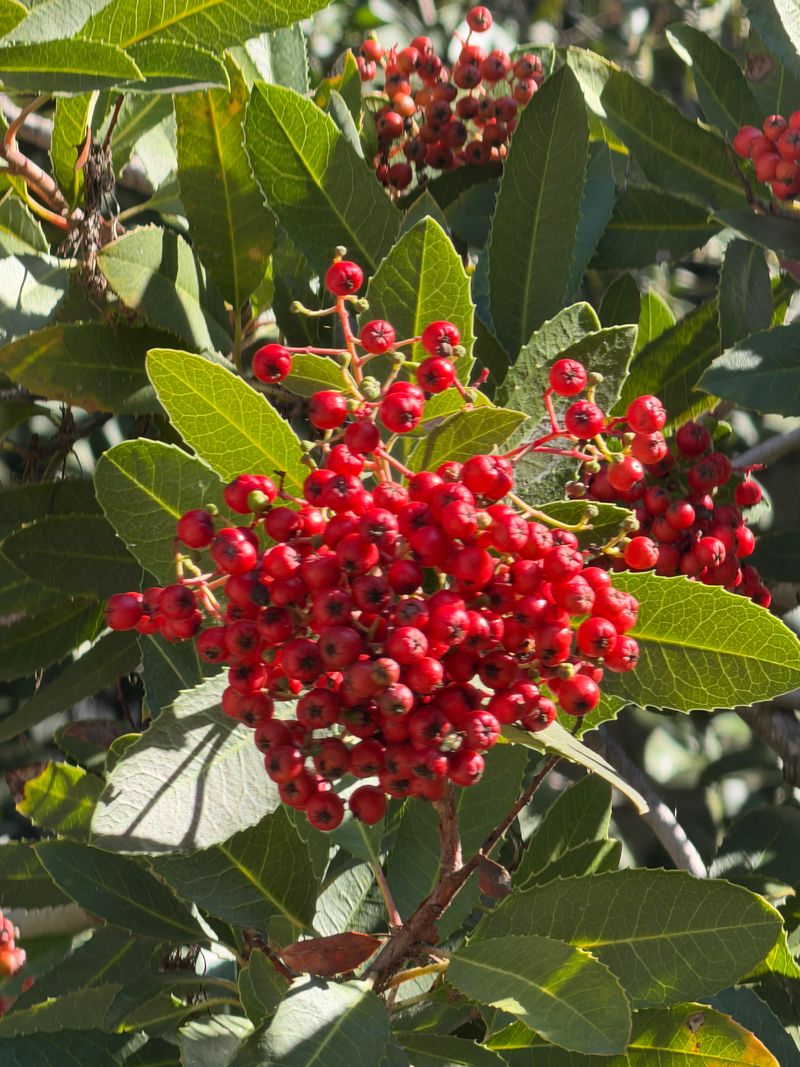
This shrub carries a nickname worth knowing. Christmas berry, thanks to its bright red winter fruit that some stories even connect to the naming of Hollywood, though historians still debate that one.
That berry display is exactly why so many gardeners want one in the ground before the rain starts.
Toyon handles sun or partial shade, tolerates many soil types, and can reach six to fifteen feet tall, making it a favorite for screening or a wildlife hedge.
Birds like robins and cedar waxwings flock to those berries all winter, which makes this shrub a top pick for anyone building a habitat garden.
Fall planting timing matters enormously here too. Set out in October, it gets months of cool, moist soil to build roots before summer drought returns, while a spring-planted specimen struggles through its first hot season with a small root ball.
That timing pressure means everyone wants theirs in the ground during the same narrow stretch, which drains nursery stock fast.
Growth happens relatively quickly compared to manzanita, so nurseries can usually restock within a season, but the first wave of fall shoppers still tends to clear out the healthiest, best-shaped specimens early.
4. Coffeeberry Runs Out Thanks To Easy Care
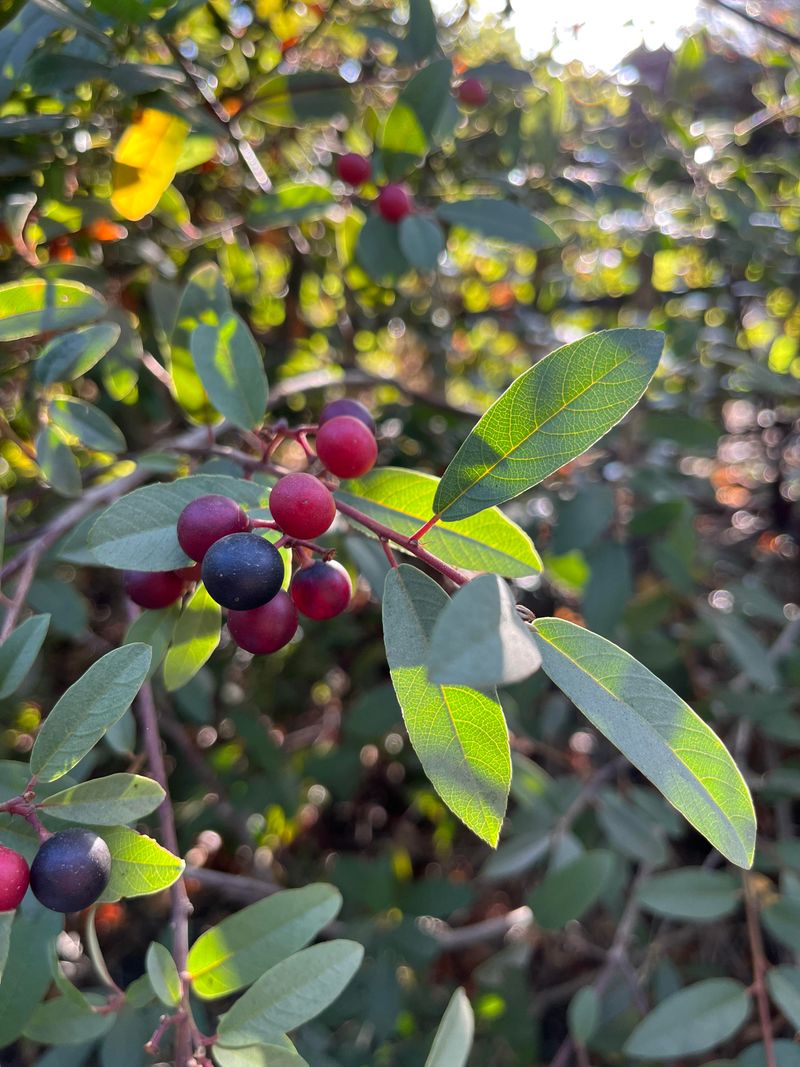
Coffeeberry has quietly become one of the most requested native shrubs in California, mostly because it asks for almost nothing once established.
Frangula californica tolerates sun near the coast, part shade further inland, clay soil, sandy soil, and long dry stretches without complaint.
That flexibility makes it the shrub landscape designers reach for constantly, since it fills gaps in nearly any planting plan without much risk of failure.
Dark berries feed birds through summer and fall, adding a wildlife bonus on top of the low-maintenance appeal.
Because coffeeberry works in so many different yard situations, demand for it spans nearly every kind of gardener, from habitat enthusiasts to homeowners simply wanting something reliable and easy.
That broad appeal is exactly what clears nursery shelves so quickly. A shrub that works for almost everyone gets bought by almost everyone, and growers often underestimate just how universally useful it turns out to be.
Coffeeberry from cuttings roots reasonably fast compared to manzanita, but even a quick turnaround cannot always keep pace with a rush this broad.
5. California Fuchsia Sells Fast For Late Bloom Timing
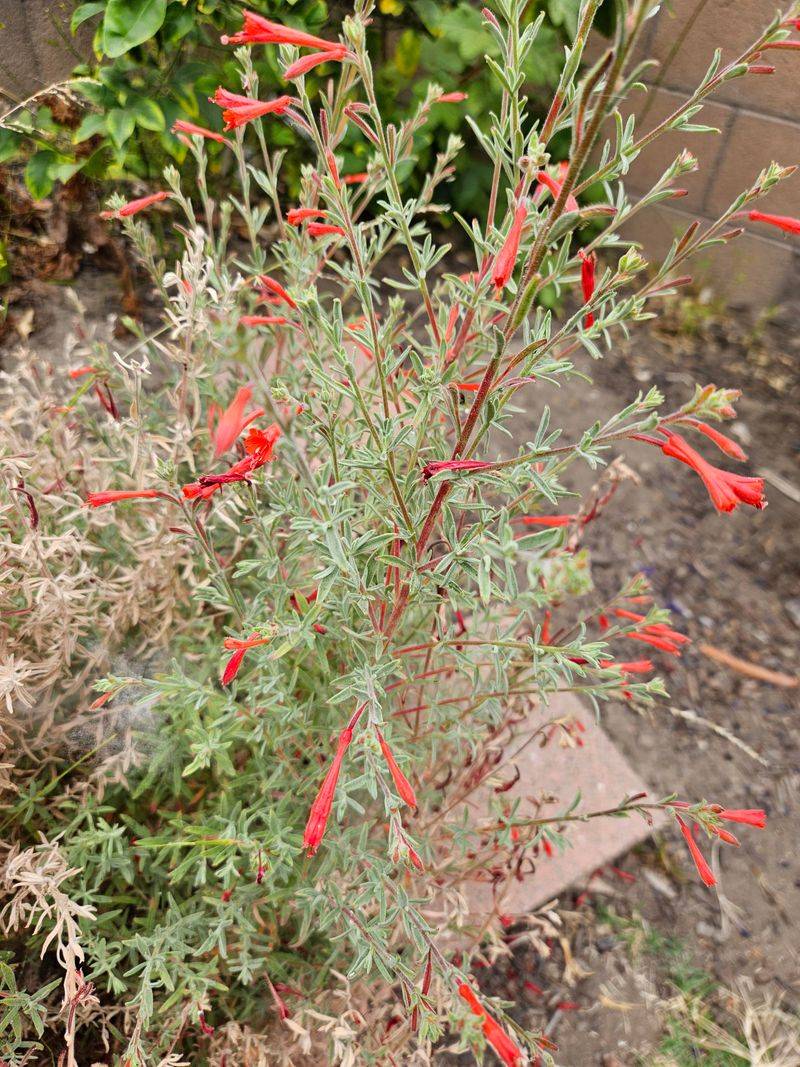
California fuchsia earns its spot on every water-wise shopping list because it does something few other plants manage.
It blooms its brightest in late summer and fall, exactly when the rest of the garden has gone gold and tired.
Epilobium canum explodes into scarlet trumpet flowers right as hummingbird migration peaks, which makes it a favorite among gardeners specifically trying to support pollinators through the leanest nectar months.
That timing creates a very specific kind of urgency at the nursery.
Shoppers want California fuchsia in the ground before its bloom window closes for the year, rather than waiting and missing the display entirely.
The plant also spreads by underground runners once established, so many gardeners buy several at once to fill a slope or border quickly, buying in multiples rather than picking up just one.
Because it tolerates poor soil and needs very little summer water, California fuchsia fits neatly into rebate-driven lawn conversion projects too, adding another wave of bulk buyers competing for the same limited stock.
6. Deergrass Clears Out For Rebate Landscaping
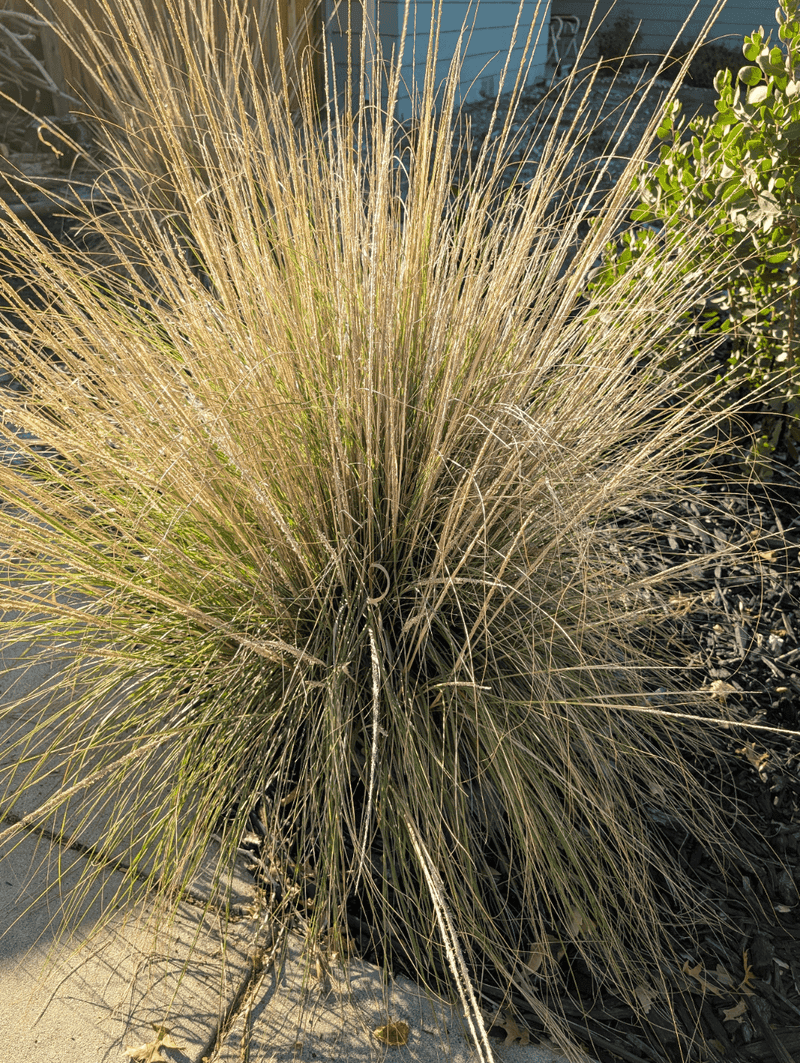
One native grass rarely gets the spotlight the way flowering shrubs do, yet it disappears from nursery shelves just as fast, often faster, during peak rebate season.
Muhlenbergia rigens forms a tall, fountain-shaped clump that landscape designers rely on constantly to add structure and movement to a low-water yard.
Turf-replacement rebate programs frequently require a minimum amount of plant coverage across a converted lawn, and this grass is one of the fastest, most reliable ways to meet that coverage requirement without breaking a project budget.
That practical role means it gets bought in bulk far more often than as a single specimen.
A homeowner replacing an entire front lawn might need a dozen or more clumps just for one project, and a handful of rebate-driven projects finishing in the same month can empty an entire supply overnight.
It also tolerates an unusually wide range of soil types, from clay to sand, which means nearly every rebate project across the state can use it regardless of location.
That universal fit, paired with rebate deadlines pushing everyone to plant in the same narrow fall window, makes this one of the quietest sellout stories of the season.
7. Milkweed Sells Out From Monarch Interest
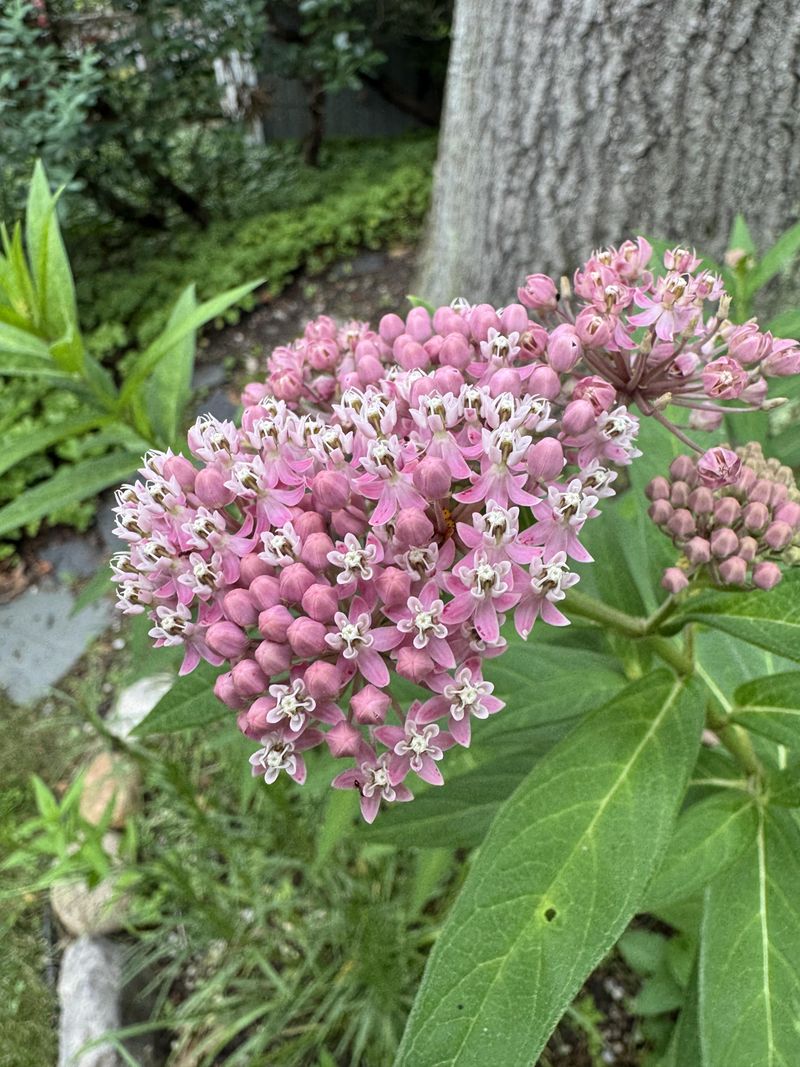
One plant has become something close to a cultural phenomenon among California gardeners in the past several years, and nursery staff feel that shift directly every fall.
Narrowleaf and showy milkweed are the natives monarch caterpillars evolved with, and growing concern over declining monarch populations has turned shopping for it into something closer to an urgent mission for many buyers.
Gardeners who might otherwise skip a native plant section entirely will specifically seek this out after reading about butterfly declines online or in a local news segment.
That kind of motivated, mission-driven shopping tends to clear shelves fast, since buyers are not casually browsing but actively hunting down a specific plant.
Timing intersects here too. Fall planting gives roots months to establish before the following spring’s monarch migration, so gardeners racing to have plants ready in time for butterflies add urgency to an already high-demand purchase.
Nurseries that also carry non-native tropical milkweed sometimes see the native version vanish first, since increasingly educated shoppers specifically avoid the tropical variety due to its disruption of natural migration timing.
8. Salvia Sells Fast For Its Pollinator Reputation
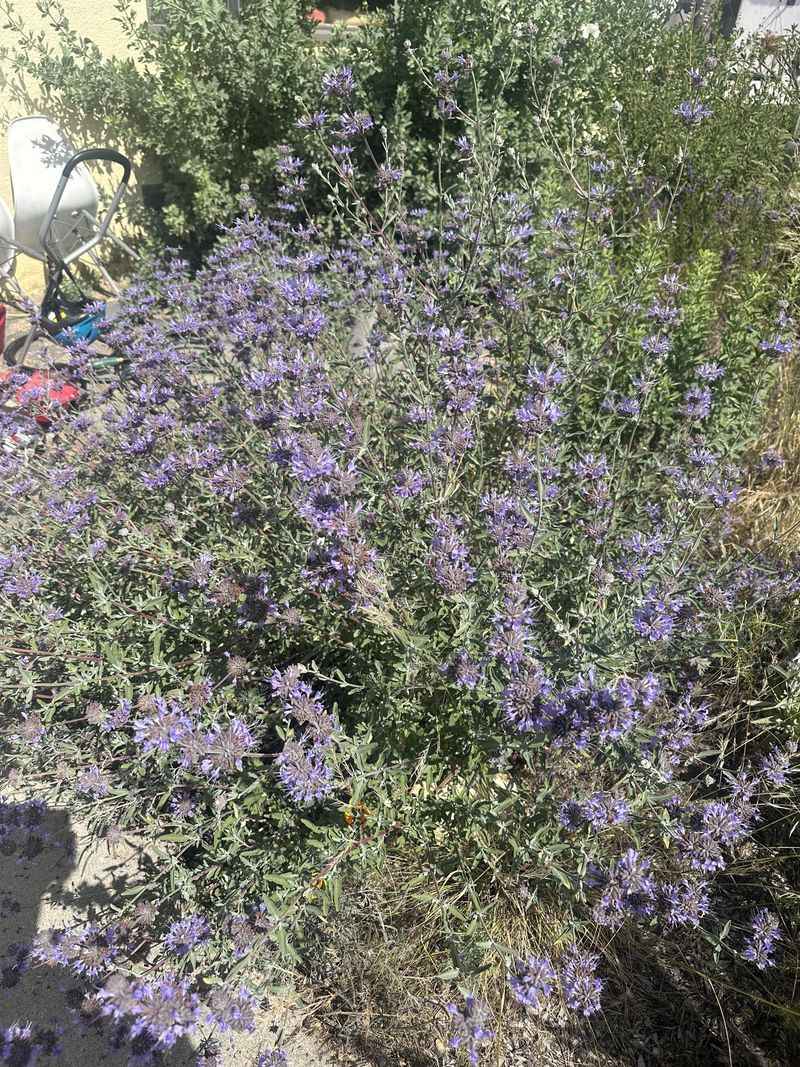
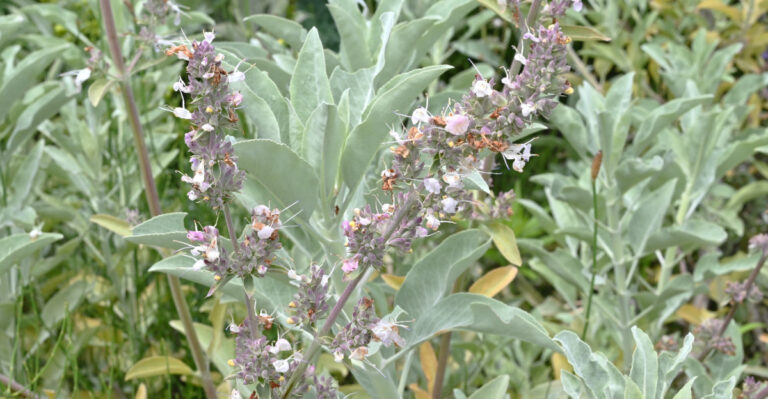
Salvia has become one of those plants that sells almost as fast as it hits the tables, largely because word has spread about how many pollinators it supports at once.
Cleveland sage, black sage, and hummingbird sage all draw a steady stream of native bees and hummingbirds through their bloom periods, and gardeners building pollinator-friendly yards tend to treat salvia as a non-negotiable anchor plant rather than an optional extra.
That reputation means shoppers often arrive with salvia already at the top of their list, rather than discovering it once they’re standing in the nursery aisle.
Fragrance plays a role too. Many varieties release a strong, distinctive scent the moment you brush against them, and that sensory hook turns casual browsers into buyers on the spot.
Fall planting timing adds pressure here as well. Salvia settles in fastest when planted while soil is still warm and rain is approaching, so gardeners rush to get it in the ground during that same narrow window everyone else is targeting.
Landscape designers also lean on salvia heavily for its long bloom season and drought tolerance, which means bulk buying for entire yard makeovers competes directly with the casual shopper looking for just one or two plants.
Because several popular salvia species hybridize easily and come in slightly different forms, nurseries often carry a wide but thin selection, meaning even a modest rush can leave certain colors or cultivars completely gone within days.
By the time many gardeners realize how many pollinators a single salvia plant can attract, the best specimens are usually already home in someone else’s yard.
9. Yarrow Sells Out For Fire-Wise Landscaping
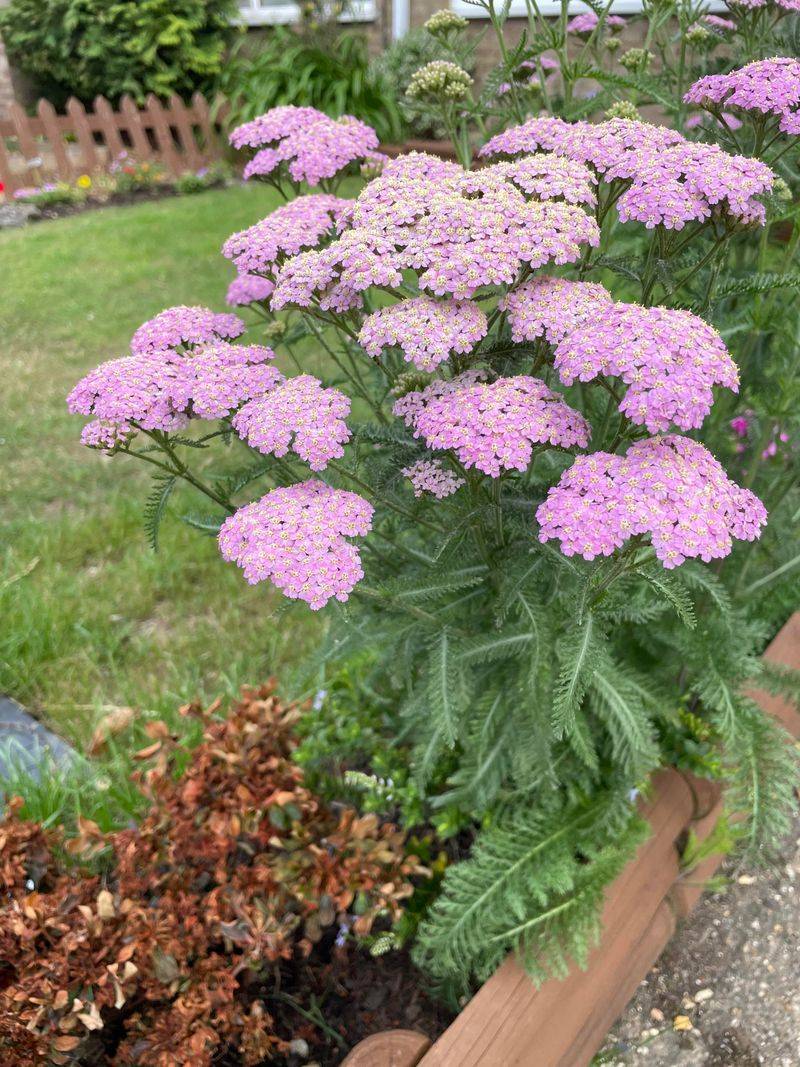
Yarrow has turned into one of the fastest-moving plants at California nurseries, and the reason has less to do with flowers and more to do with fire season.
Achillea millefolium stays low, green, and relatively moist compared to drier, woodier shrubs, which has made it a go-to recommendation for the defensible space zone closest to a home.
As more homeowners take wildfire risk seriously and start rethinking what grows near their houses, yarrow keeps showing up on fire-wise plant lists handed out by local fire departments and extension offices.
That kind of official recommendation creates a very specific type of buyer. Someone is not necessarily shopping for a pretty plant. They are shopping to check a box on a defensible space checklist, often after a recent fire nearby or a new insurance requirement pushed them to act.
Timing compounds the rush. Many homeowners tackle fire-wise landscaping in a concentrated push during fall, right alongside clearing spent brush and cutting back grass, so demand spikes in the same narrow weeks as everything else on this list.
Yarrow also spreads readily and covers ground fast once established, which means buyers frequently purchase in bulk to fill entire perimeter zones rather than picking up a single pot.
Its low water needs and tolerance for poor soil make it functional in nearly any yard, so unlike some fussier natives, almost nobody has to pass on yarrow due to their specific growing conditions.
That universal fit, paired with a wave of safety-driven shoppers who were not gardening enthusiasts a year earlier, means yarrow often disappears from nursery shelves before more casual buyers even notice it was there.