Why California Gardeners Are Planting Native Groundcovers Along Bare Soil This Fall
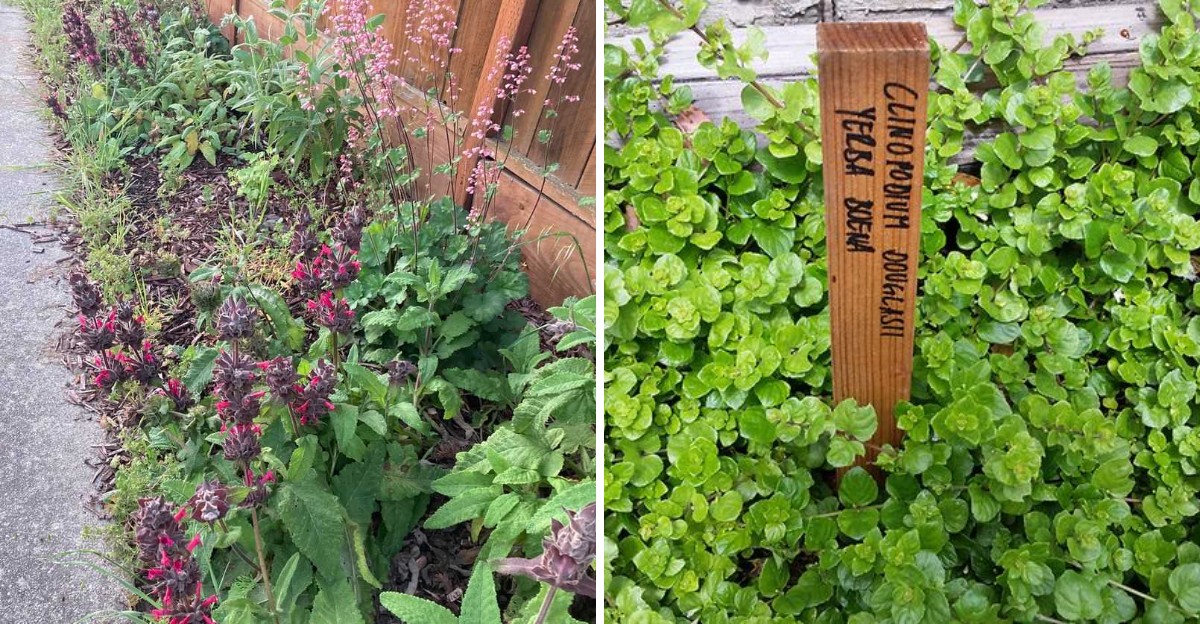
Every fall, the same strip of bare dirt along a front walkway turns into a mess of mud and sprouting weeds, right on schedule, as if nothing was ever learned from last year.
Across California, more gardeners are quietly fixing that problem in a way that has nothing to do with more mulch or another weekend of hand-pulling.
Something about the timing, the soil, and one specific category of plant is turning that same tired strip into something that barely needs attention at all by the following fall.
Curious what’s actually happening underground while that strip sits looking empty right now? The answer starts with a storm that hasn’t even arrived yet.
1. Bare Soil Invites Erosion And Weeds
The first big storm of the season hits an empty strip beside the driveway, and the damage starts within minutes.
Raindrops slam into loose dirt like tiny hammers, knocking soil particles loose and sending muddy water across the concrete.
By morning, a thin crust has formed, and some of your topsoil has washed into the gutter.
That splash is the start of erosion.
Once the surface is sealed and packed, more water runs off instead of soaking in, which carries away even more soil on the next rainy day. Slopes and path edges get hit the hardest because water speeds up as it flows downhill.
Weeds are the other half of the problem.
Many weed seeds sit in the soil for years, waiting for sunlight and moisture to reach them. Bare ground gives them both, so the first fall rains often trigger a sudden carpet of annual bluegrass, cheeseweed, and filaree along open edges.
Plants and mulch protect soil in two ways.
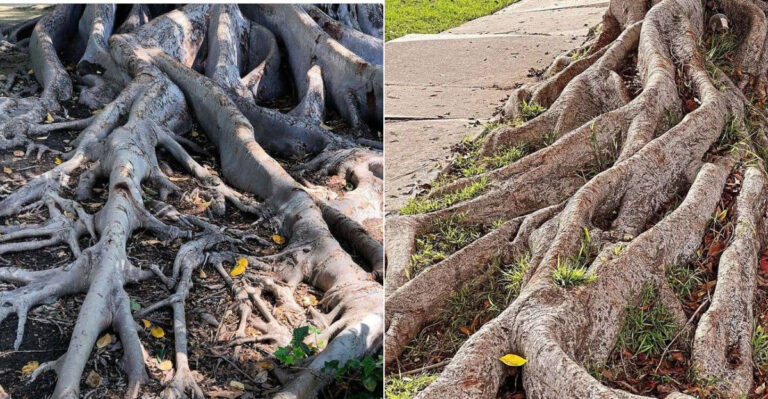
Leaves and stems catch falling rain and soften its impact, while roots grip the soil and help hold it in place. Open dirt has neither shield, so it loses ground, literally, every season.
Here’s a simple test worth trying.
Walk your yard after the next storm and look for muddy streaks, exposed roots, or little gullies near walkways. Those spots are telling you exactly where a living cover would do the most good.
2. Native Roots Establish Best In Cooler Weather
Ask any longtime native plant nursery worker when to plant, and the answer usually comes fast. Fall.
Fall through early winter is the prime window for most California natives.
The reason comes down to what’s happening above and below the ground at the same time.
In October and November, the soil still holds warmth from summer. Warm soil encourages roots to grow and spread outward.
Meanwhile, the air above has cooled off, so the leaves lose less water and the plant feels less stressed.
A young groundcover can put its energy into building roots for several months before it has to handle long, hot days. By the time summer arrives, those roots reach deeper and wider than they would on a spring-planted twin.
Spring planting is not impossible, but it’s harder.
A plant set out in April gets only a few weeks of mild weather before the heat hits. It often needs much more hand watering just to survive its first year.
Your California Garden Changes Every Week. Your Plan Should Too.
Gardening in California changes quickly throughout the season. Every Friday you’ll receive a simple weekly plan showing exactly what to plant, prune, fertilize, harvest, and protect so you never miss the right timing.
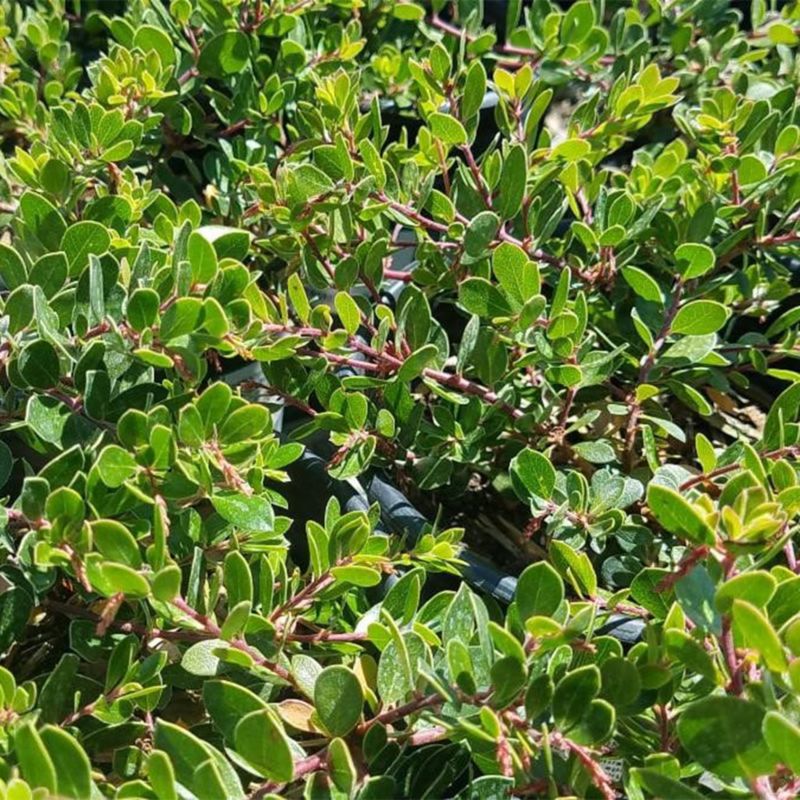
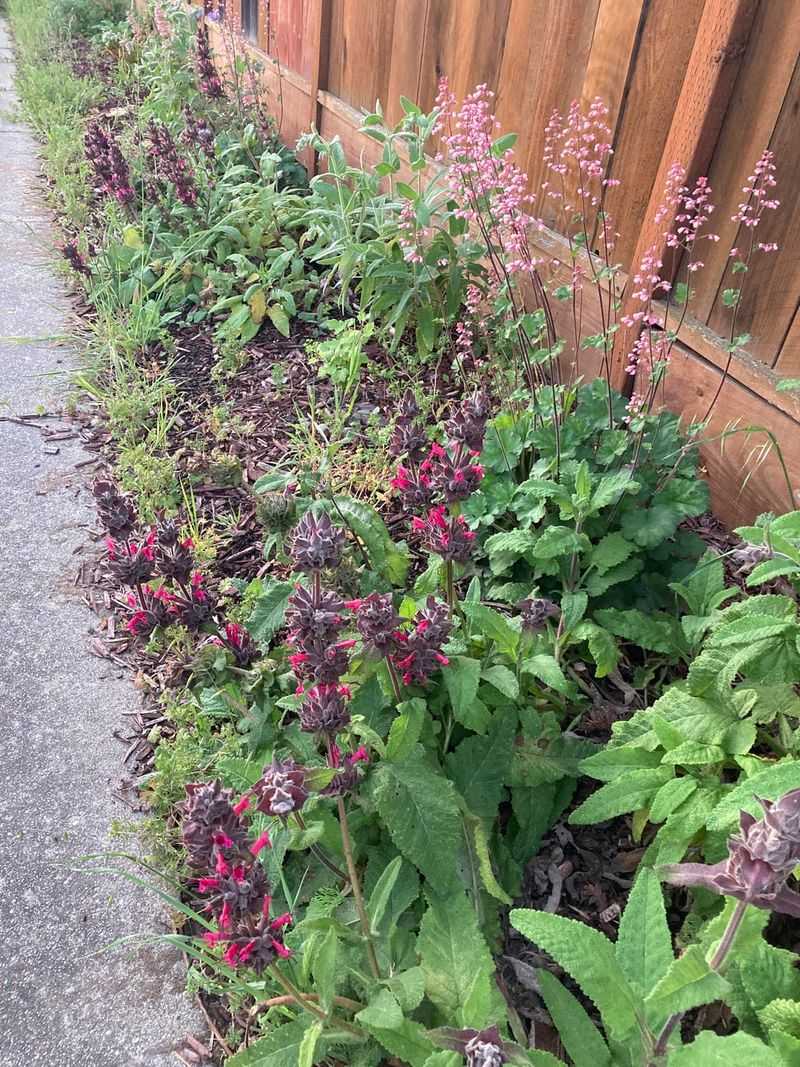
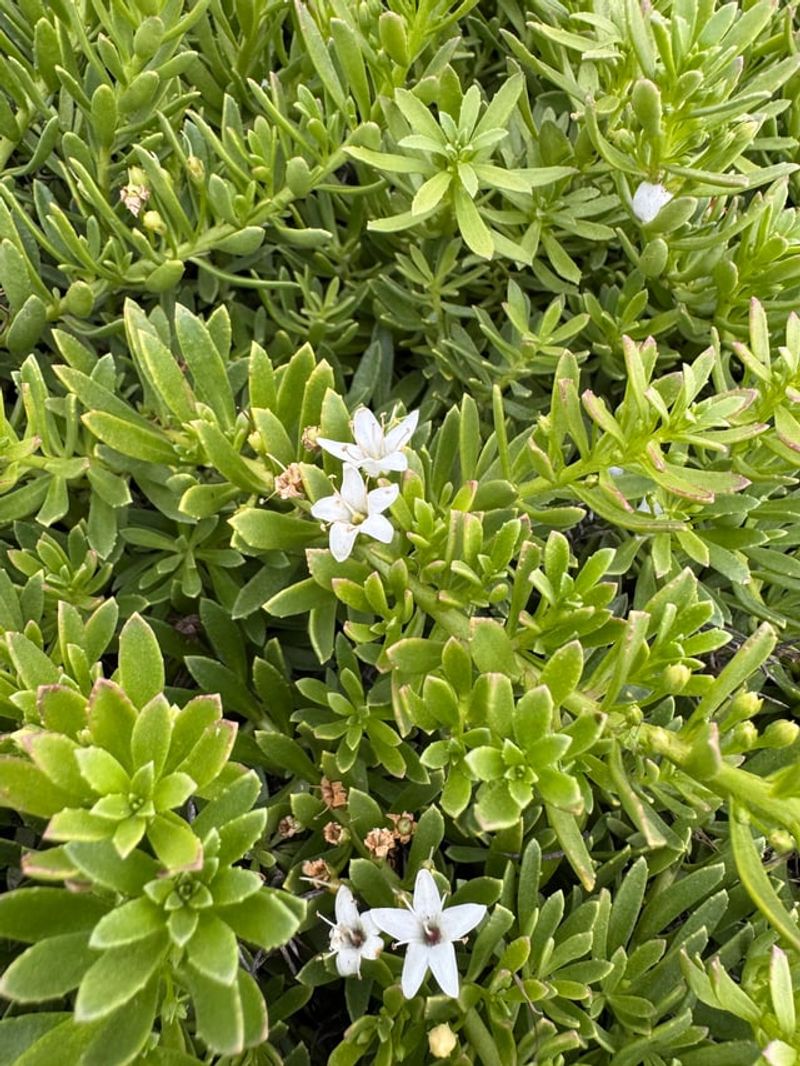
Good fall choices include Pigeon Point coyote brush, Emerald Carpet manzanita, creeping sages like Salvia sonomensis, and low forms of ceanothus such as Yankee Point.
Pick plants suited to your region, since coast and inland valleys can differ a lot.
3. Groundcovers Reduce Water Use Once Established
Here’s the part that makes water bills smile.
Once a native groundcover has settled in, usually after one to two years, many types need only occasional deep watering in summer, and some coastal plantings need little or none.
A thirsty lawn in the same spot might need water several times a week.
The secret is roots.
California natives evolved with long, dry summers, so many of them send roots deep into the soil to find stored moisture. That deeper reach means they’re not relying only on the top few inches, which dry out fast in July.
Groundcovers also save water in a second, sneakier way.
A full mat of leaves shades the soil like a living umbrella. Shaded soil stays cooler and loses less moisture to evaporation, so more of every drop stays put for the roots.
Now for the honest catch.
The words once established really matter, because new plantings do need regular water during their first summer or two. Watering deeply and less often trains roots to grow down instead of staying near the surface.
A few tips can help.
Use drip lines or a slow soak rather than quick sprinkler bursts. Check the soil with your finger a couple inches down before watering. Be careful about overwatering in summer, since some natives can suffer root rot when kept soggy in warm weather.
4. Dense Cover Crowds Out Future Weeds
Weeds are basically opportunists with a sunlight addiction.
Most weed seeds need light hitting the soil surface to wake up and sprout, which is why they explode in open, sunny patches. Take the light away, and a huge number of them simply stay asleep.
A thick native groundcover does exactly that.
As the plants spread and knit together, their leaves form a canopy that shades the ground below. This kind of shading, from plants or mulch, ranks among the most effective ways to prevent new weeds.
There’s also a space battle going on underground.
Established groundcover roots claim water and nutrients before weed seedlings can grab them. Any weed that does sprout ends up weak, spindly, and easy to pull.
Getting to that dense stage takes a little planning.
Space plants according to their mature width, then fill the gaps between them with two to three inches of wood chip mulch while they grow. Keep mulch a few inches away from stems so the crowns stay dry.
You’ll still need to weed during the first year or so.
The trick is to pull small weeds early, before they flower and drop a fresh batch of seeds. Every weed you stop now means fewer seeds in the soil next fall.
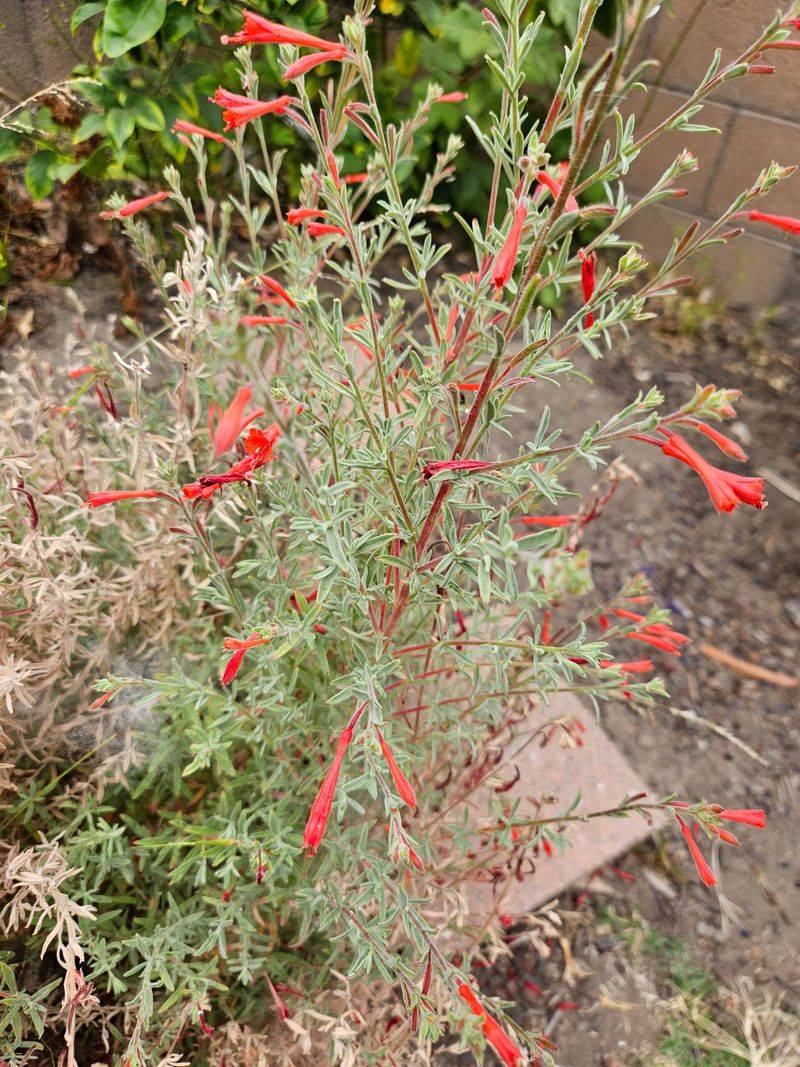
Fast spreaders like coyote brush and California fuchsia can fill in quickly, while manzanita groundcovers are slower but very tidy once they close ranks.
5. Fall Rain Helps New Plantings Settle In
There’s something special about the smell of the first real rain after a long California summer.
For new groundcovers, that rain is more than a nice moment. It’s free, gentle watering that arrives right when young roots need it most.
Most of California gets the bulk of its rain between about November and March.
Plants set in the ground in fall get to ride that whole wet season. Rainwater soaks deep into the soil, encouraging roots to follow it downward instead of staying shallow.
Rain also does something a hose cannot fully copy.
It wets the entire area evenly, not just a small circle around each plant. That wide, even moisture invites roots to spread out and anchor the groundcover over a bigger patch of soil.
Still, nature is not always on schedule.
Some falls are dry, and a few warm, windy weeks can arrive in between storms. Keep an eye on the soil and water by hand if it’s been a couple of weeks without rain, especially right after planting.
Before you plant, give each hole a good soak and let it drain.
Place the plant so the top of its root ball sits slightly above the surrounding soil, which helps water run away from the crown instead of pooling around it.
6. Wildlife Benefits From Native Ground Layers
Most of California’s native bees do not live in hives, a fact that surprises plenty of gardeners.
A large share of the state’s roughly 1,600 native bee species nest in the ground, digging tiny tunnels in soil. Many of them depend on native plants for pollen and nectar.
Bare, weedy soil offers them very little to eat.
Some popular non-native groundcovers, such as English ivy, support far fewer local insects than natives do. Native groundcovers, on the other hand, evolved alongside local wildlife, so their flowers, leaves, and seeds fit into the food web.
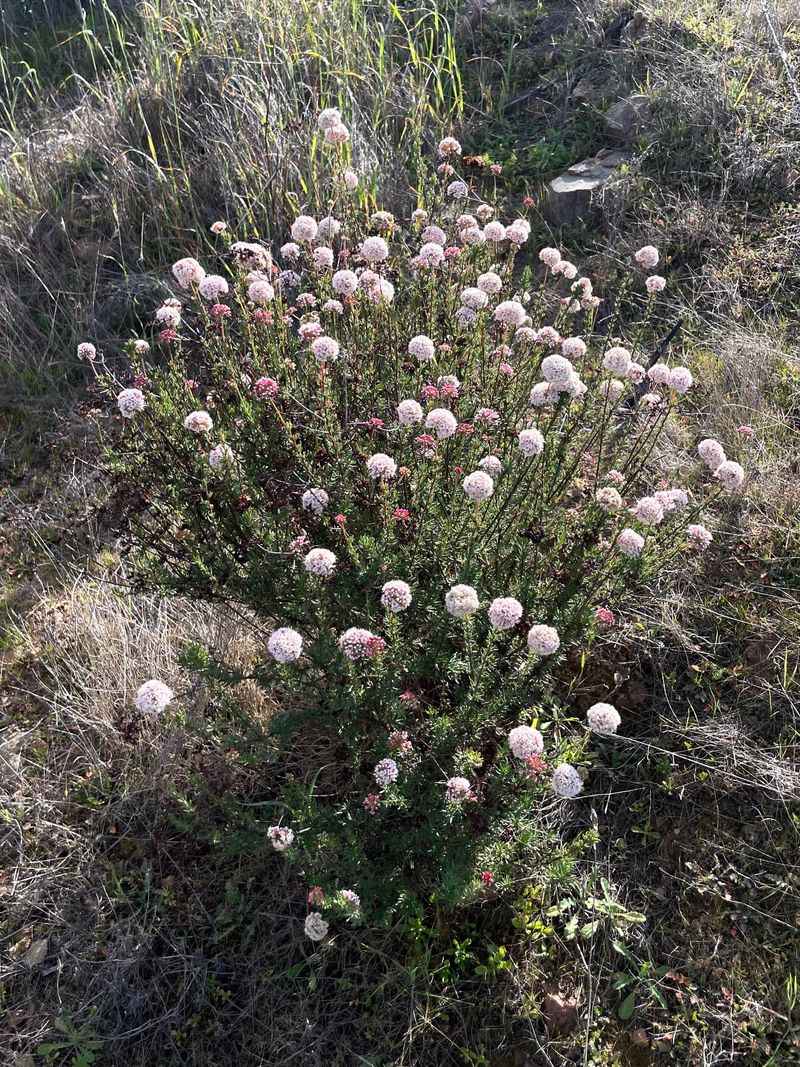
California fuchsia is a hummingbird magnet in late summer and fall.
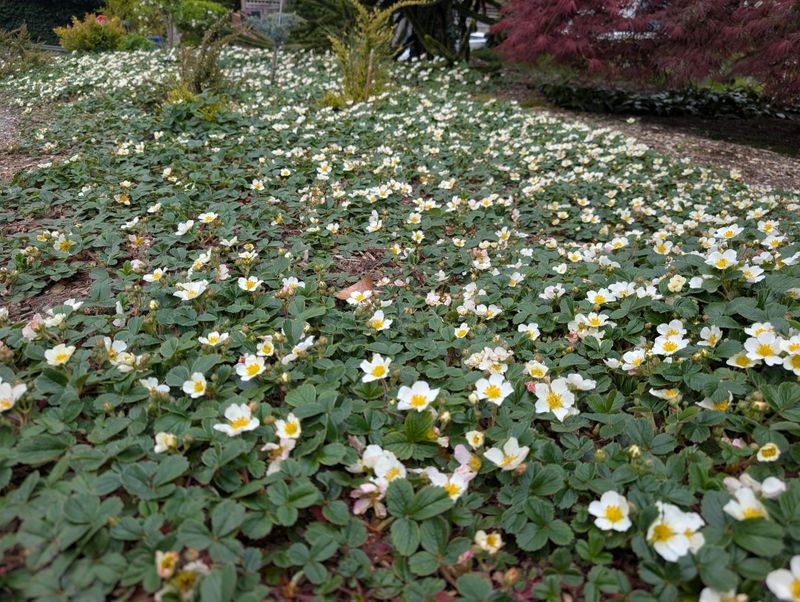
Creeping sages and buckwheats pull in bees and butterflies, and low ceanothus bursts with blue flowers that buzz with activity in spring. Seeds from these plants later feed birds like towhees and sparrows that forage close to the ground.
The leaves matter too.
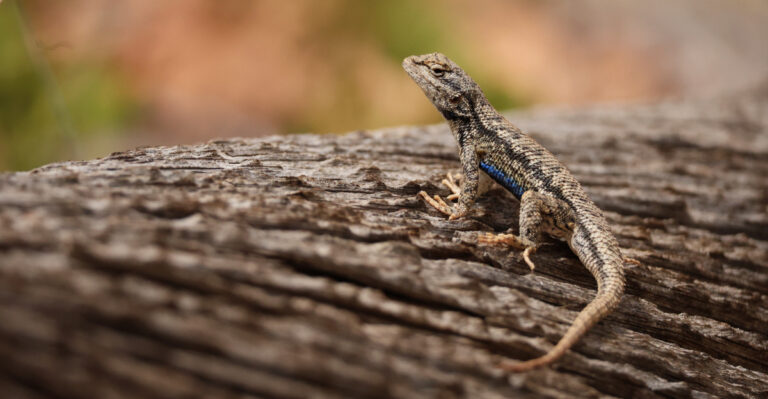
Native plants host caterpillars of many local moths and butterflies, and those caterpillars are a key food for baby birds. A patch of groundcover also gives lizards, beetles, and other small creatures a cool, sheltered place to hide.
Want to help ground-nesting bees even more?
Leave a few small, sunny patches of bare, unmulched soil at the edges of your planting. Skip pesticides, since even careful use can harm the pollinators you’re trying to welcome.
7. Covering Bare Soil Now Saves Work Later
Next October could look completely different from this one.
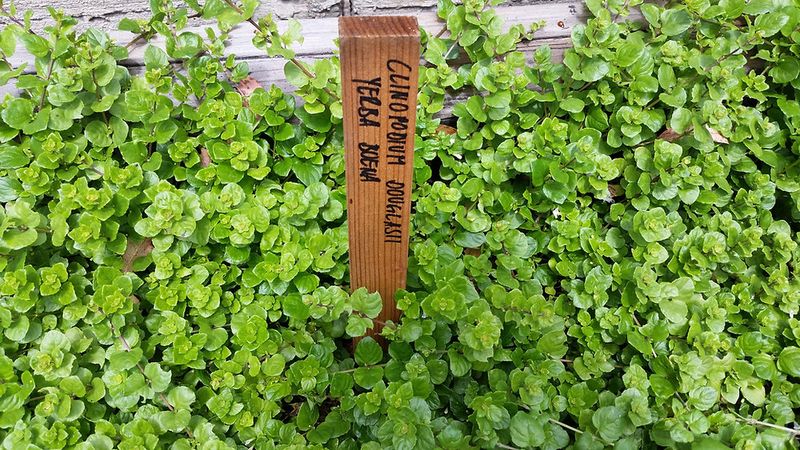
Instead of kneeling on the path pulling another round of weeds, you’re sipping coffee and watching bees work over a low green mat. That future starts with a few hours of planting this fall.
Every chore connected to bare soil shrinks once groundcover takes hold.
Weeding drops because shade keeps seeds from sprouting. Erosion repairs fade because roots and leaves hold the soil in place through winter storms.
Watering drops too after the first year or two.
Many native groundcovers also skip the weekly mowing, fertilizing, and edging that lawns demand. Heavy fertilizing of natives is generally not advised, since many grow best in ordinary, unamended soil.
That does not mean zero effort forever.
Expect some light trimming once a year for tidy edges, pulling a stray weed now and then, and refreshing mulch in any gaps. Compared to fighting the same bare strip every season, though, the work feels tiny.
Money adds up as well.
Buying small plants in one-gallon pots or even smaller sizes keeps costs down, and they often catch up quickly to bigger plants when set out in fall. Lower water use and fewer weed-control products keep saving you money year after year.
8. Local Water Districts Often Support This Switch
What many gardeners don’t realize is that this whole project might cost far less than expected, or even pay for itself.
Across California, a large number of water districts and municipalities offer rebate programs specifically designed to encourage exactly this kind of swap, turning thirsty bare or turf areas into low-water native plantings.
These programs typically pay homeowners a set amount per square foot of converted space, sometimes enough to cover most or all of the cost of plants and mulch for a modest walkway strip.
Requirements vary by district, but most ask for photos of the area before and after the project, a minimum percentage of live plant coverage, and sometimes a commitment to skip spray irrigation on the converted section going forward.
Checking with your local water provider before you start is worth the extra step, since some programs require pre-approval or an initial application submitted before any digging begins.
Beyond straight rebates, many districts also offer free or discounted workshops on native plant selection, sometimes paired with discounted mulch delivery or even free native plants at community giveaway events timed for fall planting season.
Municipal or county programs sometimes stack on top of water district rebates too, so a strip that seemed like a weekend expense can turn into a nearly free upgrade once every available incentive gets applied.
This kind of support exists precisely because bare, eroding, weed-prone strips create real costs for cities and water agencies, from stormwater runoff to wasted irrigation, so the incentive isn’t charity.
It’s a shared interest in seeing fewer bare patches and more roots doing that work quietly for free.