The New York Perennials You Should Think Twice About Moving In Late September
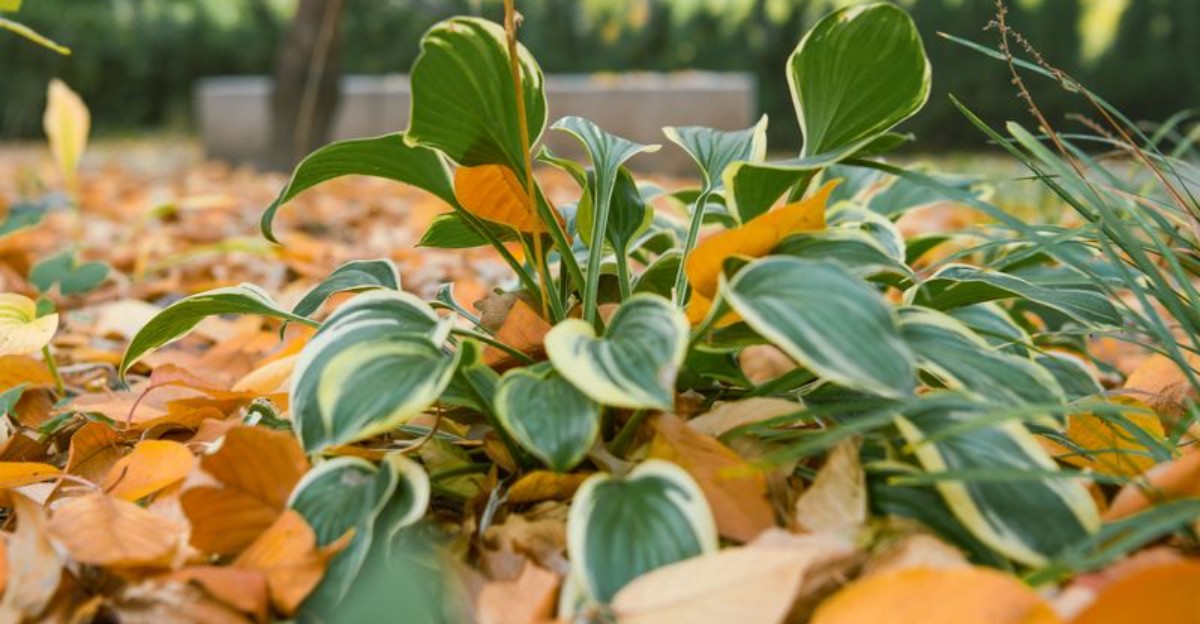
Late September can make every garden project feel urgent. The air is cooler, summer growth has slowed, and suddenly that hosta seems like it would look so much better three feet to the left.
But moving a perennial now is not always as harmless as it looks. Roots are still busy preparing for the months ahead, and a plant needs time to settle into its new spot before colder weather arrives.
In New York, that recovery window can disappear faster than you expect. Soil warmth, moisture, recent flowering, and the time left before the ground freezes can all affect whether a move goes smoothly.
Before you reach for that shovel, take a closer look at what your plants are telling you.
1. Give Newly Moved Perennials Time To Grow New Roots
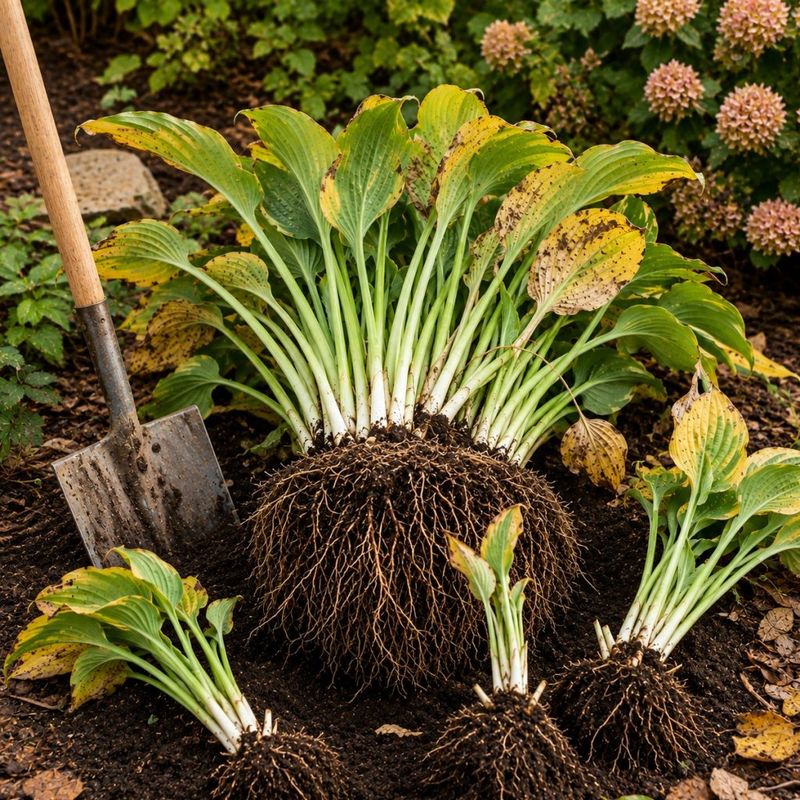
Roots do their quiet work long after the last blooms have faded from view. A perennial moved this late must rebuild that hidden network in a hurry.
Many perennials benefit from several weeks to establish roots before the ground freezes. In New York, the available window varies by location and plant.
Count backward from your first hard freeze and the calendar gets uncomfortably tight.
Across much of New York, the first hard frosts arrive between mid-October and early November, with the ground freezing later. That leaves a thin margin for a clump that just lost half its feeder roots.
Shallow roots may not pull up enough moisture, so drying winter wind can punish the crown. Frost heaving can then lift the plant partly out of loose, unsettled soil.
Gardeners usually spot the damage in April, when the transplant looks flat, pale, and sulky. Nothing failed overhead; the real trouble started underground back in autumn.
One easy check saves plenty of regret before the shovel comes out of the shed. Push your fingers into the soil and feel whether real warmth still lingers there.
Warm soil pushes fresh white root tips outward, while cold soil slows that process considerably. Once temperatures cool into the forties, aboveground growth slows, but roots can remain active while the plant prepares for winter.
Waiting for spring costs one season of shuffling but protects the plant you already love. Push a bamboo stake beside the clump so you remember your plan next April.
Patience here pays dividends in stronger clumps, bigger flowers, and far fewer replacement purchases. Your future self, mug in hand, will thank you on a mild April morning.
2. Choose A Cloudy Day For Less Transplant Stress
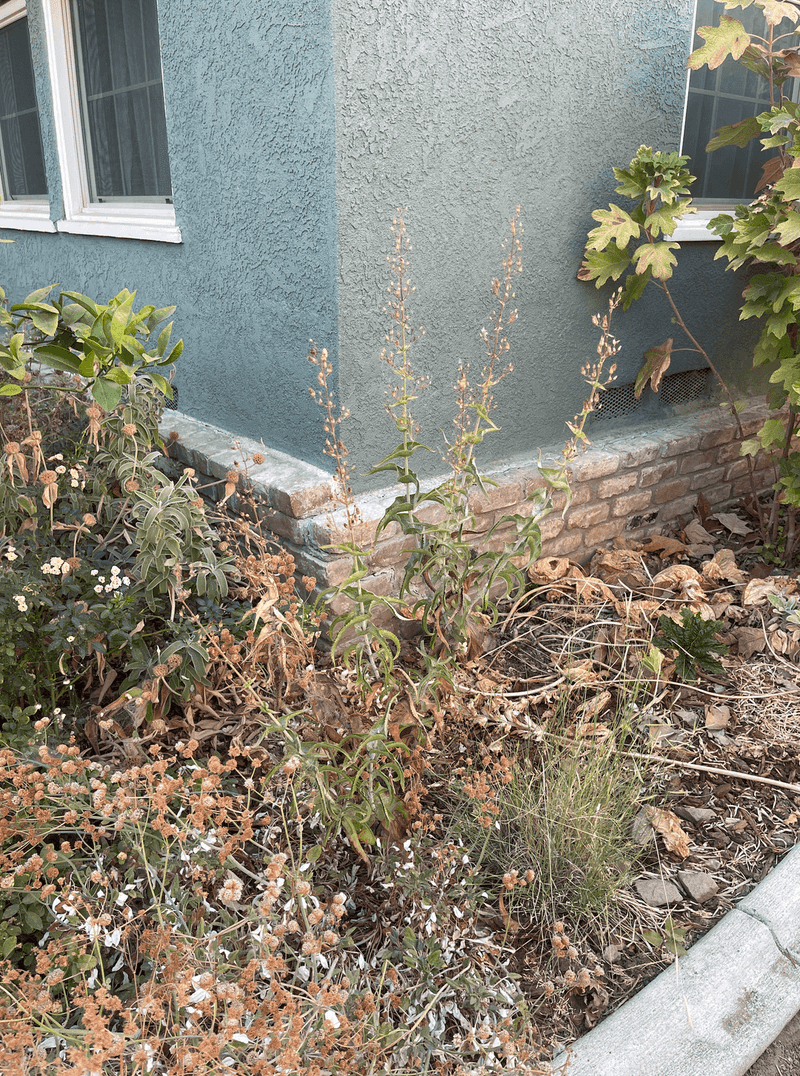
Sunshine feels wonderful on your shoulders, though it punishes a plant that just lost its roots. Gray skies are the quiet ally of anyone holding a spade in autumn.
Cloud cover keeps leaf surfaces cooler, so plants release much less moisture into the air. Fewer demands above ground mean more energy heading toward root repair below.
A freshly lifted perennial cannot replace lost water quickly, and drooping leaves appear within minutes. Bouncing back from that wilt can take several days of careful attention.
Your New York Garden Changes Every Week. Your Plan Should Too.
Gardening in New York changes quickly throughout the season. Every Friday you’ll receive a simple weekly plan showing exactly what to plant, prune, fertilize, harvest, and protect so you never miss the right timing.
Early morning works nicely when the forecast refuses to hand you a soft gray sky. Soil stays cool then, and the plant gets hours before the sun climbs high.
Wind deserves as much respect as sunshine during any transplant project. A steady breeze pulls moisture from bare roots faster than most gardeners expect.
Keep a damp towel or scrap of burlap draped over waiting roots while you dig. Exposed root hairs can be harmed in under a minute on a blustery afternoon.
Dig the new hole before you lift the old plant, not afterward. Shortening the gap between lifting and replanting matters more than almost any other detail.
Handle one clump at a time rather than emptying half the bed at once. Slow, unhurried work under cloudy skies gives perennials their best possible start.
Skip the day entirely if temperatures climb into the eighties during an autumn warm spell. Comfortable weather for the plant beats convenient weather for your schedule.
3. Water The Root Zone After Moving Each Plant
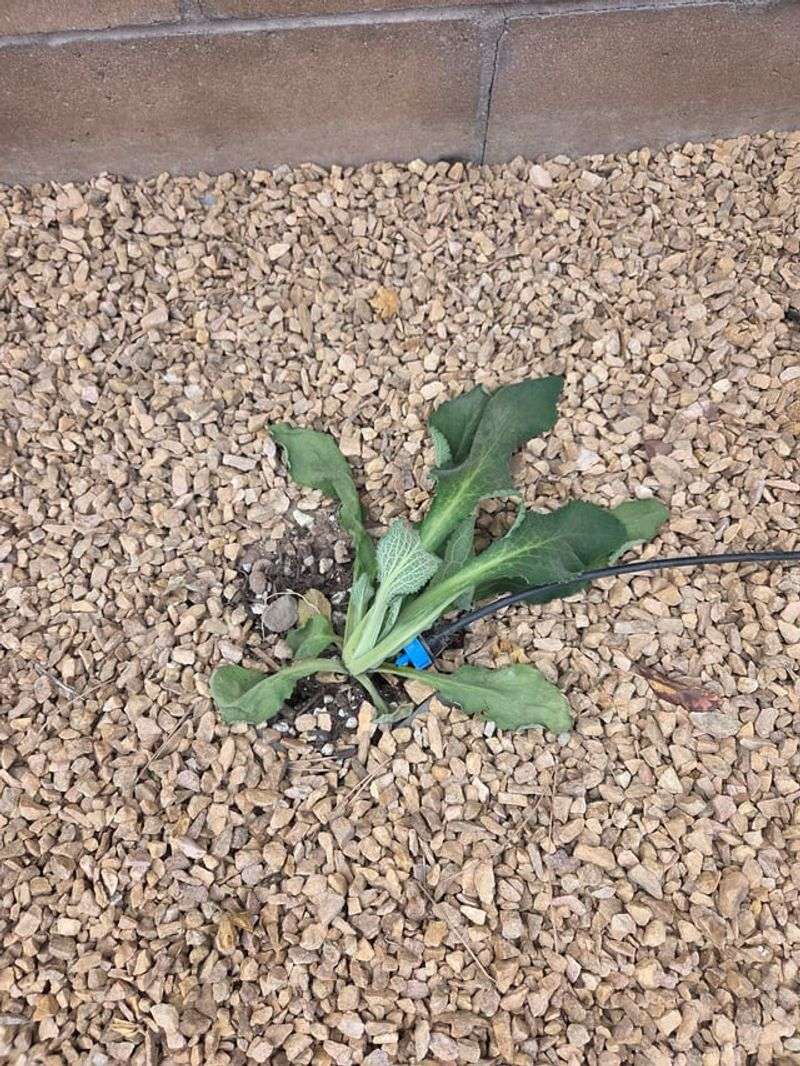
Ask any nursery worker about transplant failures and water usually tops the list. Most losses trace back to dry soil rather than bad soil or bad luck.
A thorough soaking right after planting settles soil particles around every root. Air pockets collapse, and roots finally touch damp earth instead of empty space.
Aim the hose at the base and let water sink slowly rather than run off. Five gallons delivered gently beats twenty gallons blasted in thirty seconds flat.
Sprinkling the leaves looks satisfying but does almost nothing for a stressed root ball. Moisture needs to reach eight or ten inches down where the roots actually live.
Plan on steady watering for three to six weeks after any move. Check by pushing a finger into the soil instead of guessing from the surface.
Autumn rain across New York can be generous one week and missing the next. Keep a rain gauge nearby so your decisions rest on real numbers.
Soggy ground brings its own troubles, including rot and weak, shallow root growth. The target is steady dampness, similar to a wrung out kitchen sponge.
Cooler temperatures mean soil dries slowly, so daily watering is rarely necessary now. Check the soil regularly and water when the root zone begins to dry.
One last deep soak before the ground freezes helps roots handle winter wind. Gardeners call it fall watering, and it makes a noticeable difference.
4. Set The Crown At Its Original Soil Level
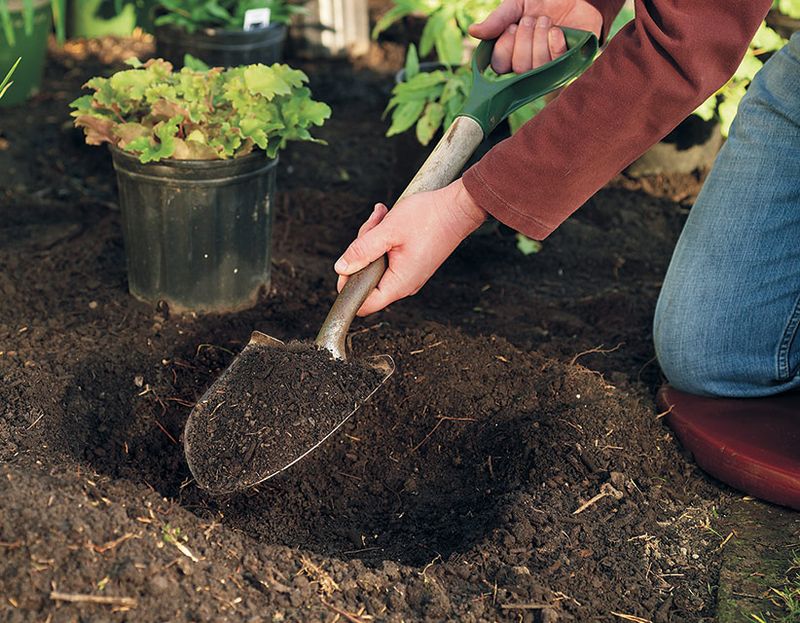
Peony growers learn this rule the hard way, usually after two flowerless springs. Depth is not a small detail; it decides whether a plant blooms at all.
The crown sits where stems meet roots, and it prefers fresh air over burial. Bury it an inch too deep and rot often follows during a wet stretch.
Lay a stick or rake handle across the hole to judge height accurately. Eyeballing depth from a kneeling position fools nearly everyone, including experienced hands.
Look for the faint soil line already stained onto the stems before lifting anything. That mark tells you precisely where the crown belongs in its new home.
Planting too shallow creates trouble of its own, since exposed roots dry quickly. Freeze and thaw cycles also shove high crowns further out of the ground.
Bearded iris breaks the pattern and wants rhizomes resting partly above the surface. Peonies generally bloom best when their eyes sit about an inch below the soil surface.
Fresh soil settles after watering, so a plant set perfectly level may sink slightly. Place the crown a whisker high and let gravity finish the job for you.
Firm the soil with your palms rather than stomping it down with a boot. Packed ground blocks the oxygen that fresh roots need during cool weather.
Heavy clay settles unevenly after autumn rains, which shifts crown height again. Check the plant a week later and adjust the soil if needed.
5. Mulch Around The Roots After The Soil Cools
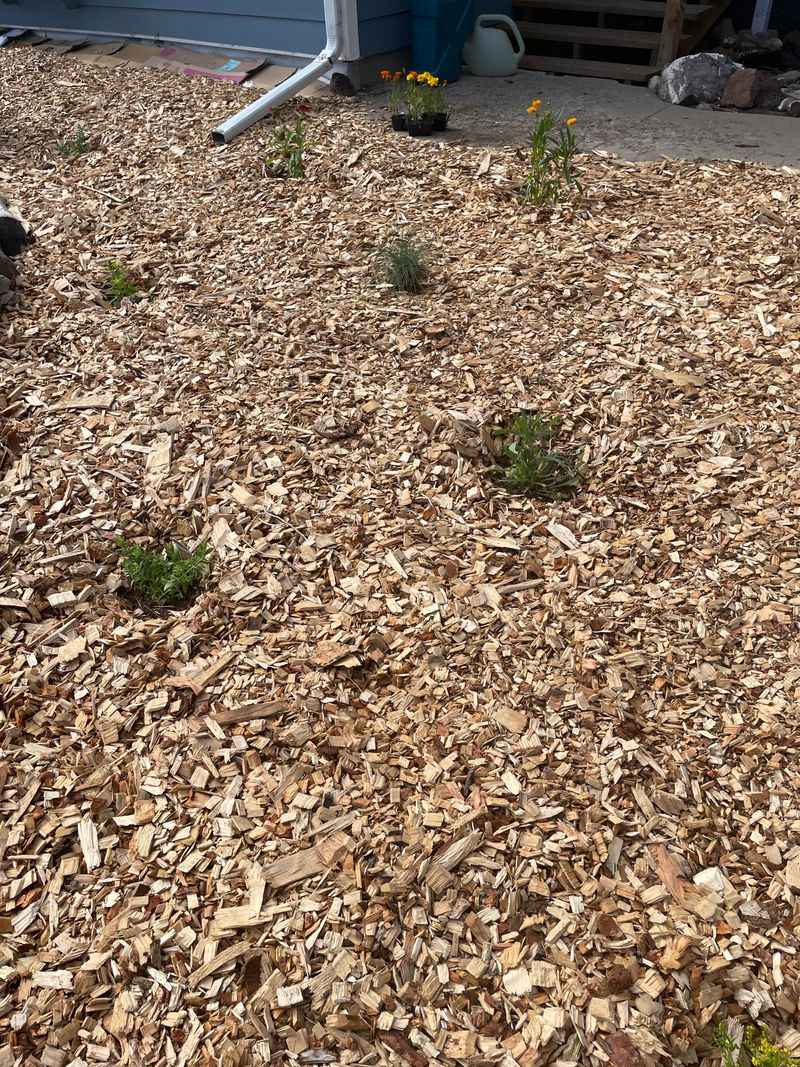
Mulch works like a blanket, not a heater, and timing decides which job it does. Spread it too early and you undo the very protection you wanted.
Laying it down while soil is still warm traps that heat and encourages soft new growth. Tender shoots then meet the first hard frost with no defense.
Hold off until the top few inches feel cold or begin to crust over. In much of New York, that moment arrives in late November or early December.
Two or three inches of shredded bark, chopped leaves, or straw does the job well. Deeper piles hold excess moisture and invite rot around the crown.
Keep the material a few inches back from stems and the crown itself. Mulch pressed against plant tissue stays damp and attracts hungry field mice.
Steady soil temperature is the real prize here, not added warmth. Freeze and thaw swings are what shove shallow roots up out of the ground.
Shredded oak leaves cost nothing and break down into wonderful food for soil life. Run the mower over a leaf pile twice and you have free mulch.
Avoid applying a thick layer of whole leaves that could mat together. Chopped or shredded leaves make a more even mulch.
Pull the mulch back gradually in spring once new shoots begin pushing up. Removing everything at once leaves fresh growth exposed to a late frost.
6. Divide Overgrown Clumps While The Weather Is Mild
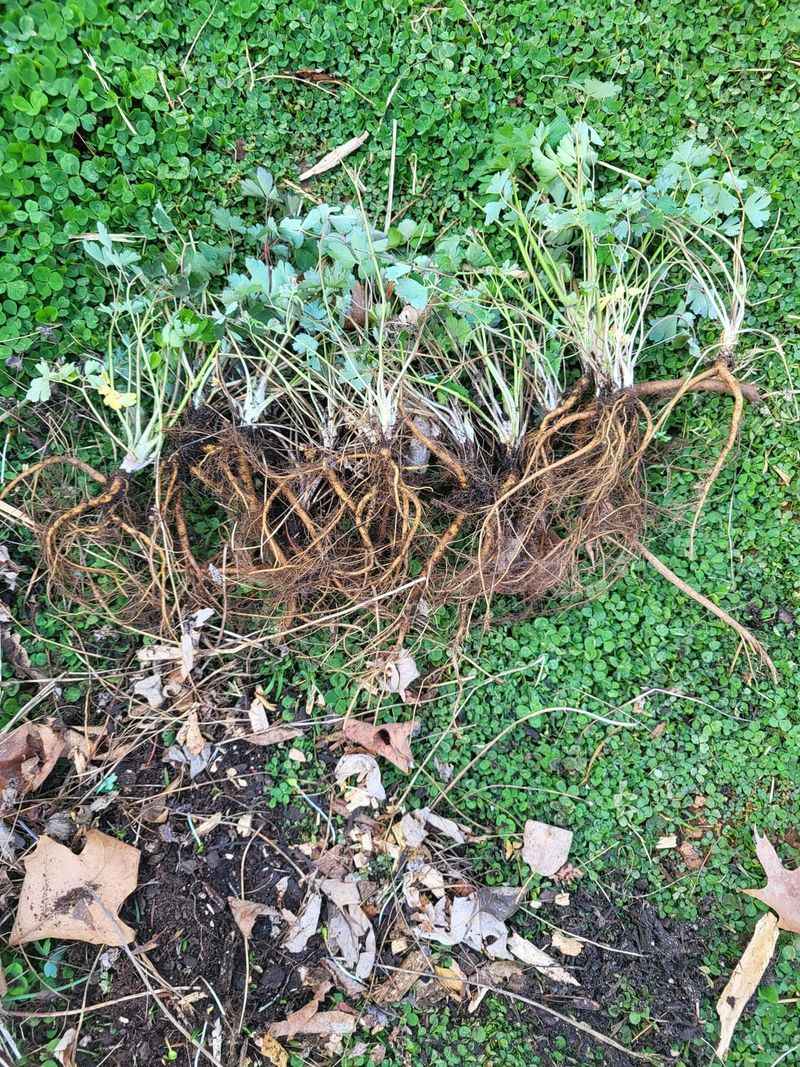
A daylily clump that flowered poorly this summer is usually crowded, not unhappy. Splitting it gives every shoot room to stretch out again.
Division refreshes tired plants and hands you free ones for other corners of the yard. Mild autumn weather makes the whole operation easier on everybody involved.
Spring and early summer bloomers handle fall division best, since flowering wrapped up months ago. Their stored energy sits in the roots, ready to fuel recovery.
The best time to divide depends on the perennial and your location. For many spring-flowering perennials, early fall can be an excellent time to divide.
Water the clump deeply the day before digging, which softens the shock. Damp roots pull apart far more easily than dry, brittle ones.
Lift the whole clump and shake loose soil away so growth points become visible. Two spading forks placed back to back separate stubborn masses neatly.
Each division should carry three to five healthy shoots plus a solid chunk of roots. Tiny slivers survive, but they sulk for a year or two.
Trim foliage back by roughly half so leaves stop demanding so much water. Roots can then focus on anchoring instead of supporting a tall canopy.
Share the extras with a neighbor or tuck them into a spare nursery bed. Few garden chores pay back so generously for one afternoon of effort.
7. Leave Late Bloomers Alone If They Are Still Flowering
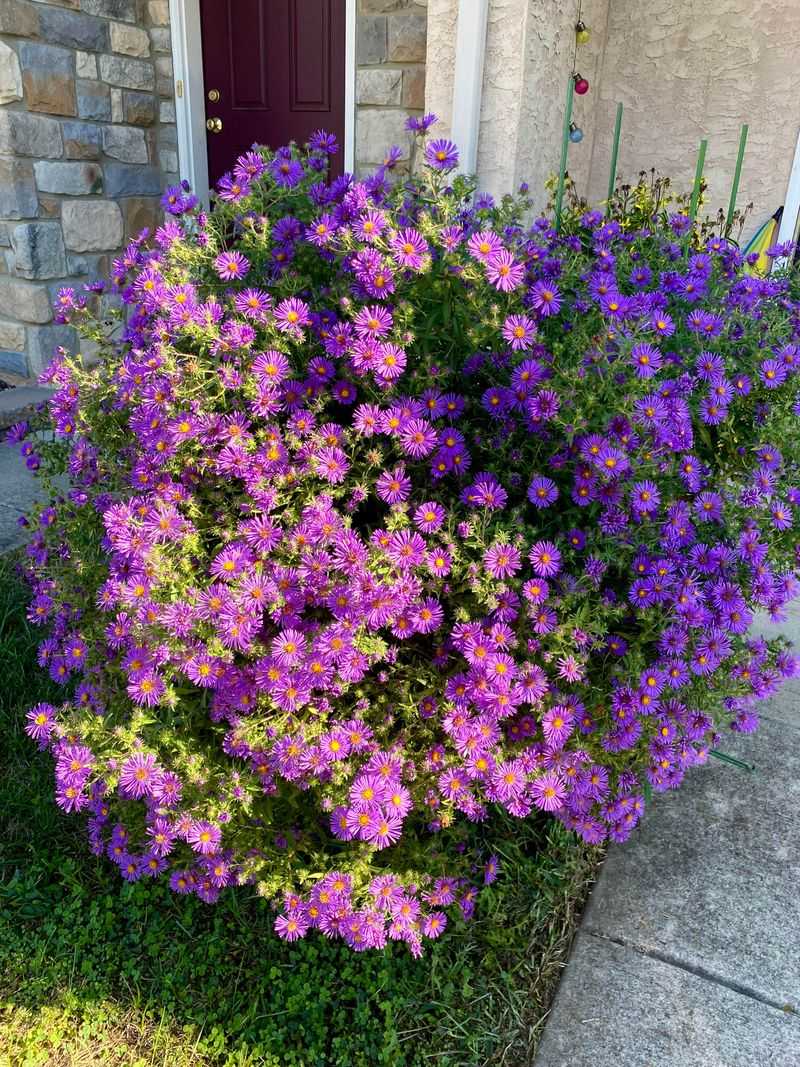
An aster covered in purple flowers is throwing a party, so let it finish. Digging now interrupts the plant at its busiest moment of the year.
Flowering burns enormous energy, and a blooming perennial keeps little in reserve. Losing roots on top of that demand rarely ends well.
New England asters, goldenrod, sedum, and Japanese anemone can be in bloom around this time, depending on the plant and location. If they’re flowering heavily, waiting until they’ve finished is generally less disruptive.
Early spring suits them best, right as new shoots push through cool soil. Recovery then unfolds over months of growing weather instead of a few short weeks.
Pollinators hold a stake in this decision too. Late blooms feed bees and migrating monarchs when almost nothing else stays open.
Chrysanthemums land in the same category, despite filling every garden center right now. Buy them potted, enjoy the color, and plant permanent ones come spring.
Tie a strip of flagging tape around any clump you plan to relocate. Memory fades by March, and bare soil keeps plenty of secrets.
Snap a quick photo of the border while everything is still blooming. That picture shows you exactly where the gaps and crowded spots sit.
Restraint with late bloomers pays off in fuller flowers the following autumn. The plant holds its momentum, and your beds hold their color longer.
8. Skip Moving Plants When The Ground Stays Waterlogged
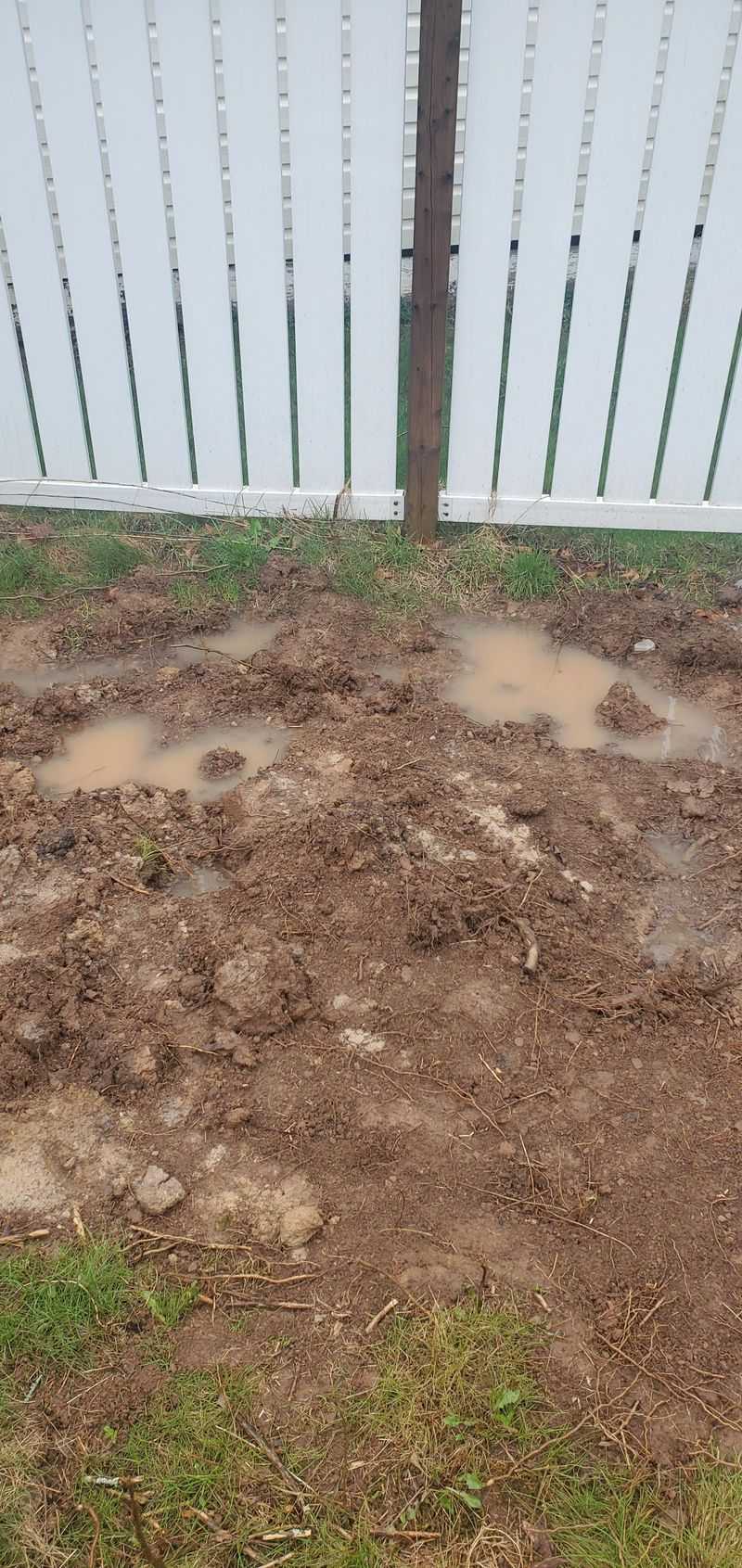
Squeeze a handful of soil, and if water runs down your wrist, stop digging. Wet ground turns a simple chore into a setback.
Saturated soil holds almost no air, yet roots need oxygen to function. Setting a stressed transplant into that mess invites rot within days.
Working wet ground also wrecks its structure by smashing crumbs into dense slabs. Clay in particular hardens into something closer to pottery than garden soil.
Autumn storms roll through regularly, so give the bed two or three dry days first. Soil should crumble in your hand instead of forming a sticky ball.
Low corners of a yard stay soggy long after higher ground drains away. Notice those puddles now and avoid planting anything fussy in them.
Raised beds and gentle berms usually fix chronic drainage headaches better than amendments. Six inches of extra height can do wonders for crown health.
Compost improves heavy ground over time, though it will not drain a swamp overnight. Mixing sand into clay usually makes the situation worse.
Boot prints in a wet bed compact soil for several seasons afterward. Lay a board down to spread your weight if stepping in is unavoidable.
Waiting for firm footing counts as good technique, not procrastination. The bed stays healthy, your tools stay cleaner, and your back complains less.
9. Save Any Late Fall Moves For Hardy Perennials
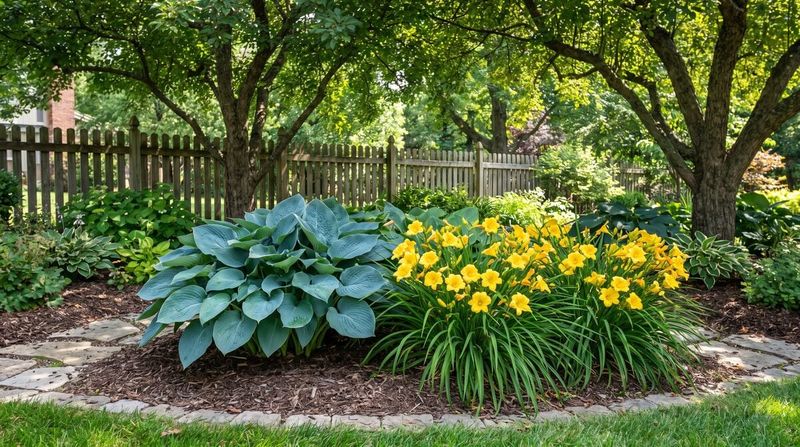
Some perennials shrug off a late move the way a Labrador shrugs off rain. Knowing the tough ones takes the guesswork out of autumn chores.
Hostas, daylilies, and bee balm rank among the sturdiest customers in any bed. Coneflowers and garden phlox also handle a late September relocation reasonably well.
Thick, fleshy roots store energy, which explains much of that resilience. Plants with fine, hairlike roots struggle far more with autumn upheaval.
Coral bells, Russian sage, and ornamental grasses prefer staying put until spring. Their standing foliage shields the crown through harsh winter weather.
Aromatic aster, a native worth knowing, settles in nicely during fall planting. It blooms late as well, feeding pollinators when frost hovers close.
Woody types such as lavender and butterfly bush rarely enjoy autumn digging. Save those for April, once buds begin to swell on the stems.
Even hardy plants deserve a generous root ball rather than a quick chop. Dig wide, keep soil attached, and move the clump in one piece.
Water the transplant thoroughly, then check on it weekly until the ground firms. A wheelbarrow shortens the trip and keeps fragile roots together.
Knowing which plants tolerate a late move turns a risky chore into a confident one. Your garden will show the difference next May.