Bare Spots In Your Ohio Lawn? Don’t Wait Until Spring To Reseed Them
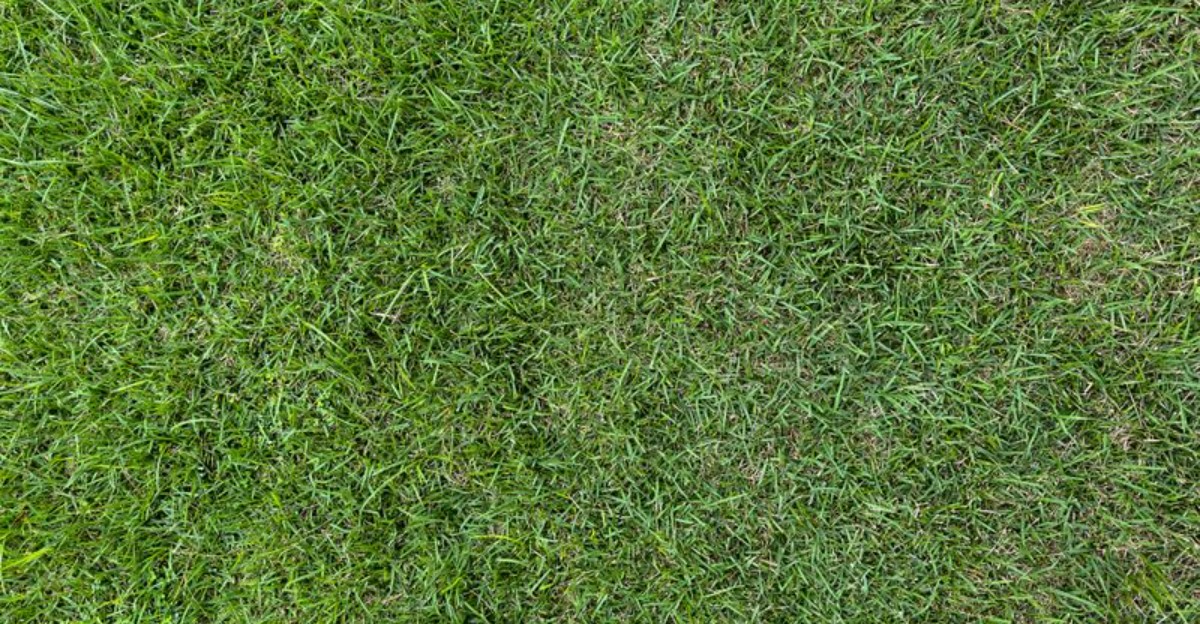
Spring feels like the obvious time to fix a bare lawn, and that assumption is exactly what keeps Ohio yards patchy year after year.
Fall actually gives grass seed a head start most homeowners overlook completely. Cooler air, warm soil, and less competition from weeds create conditions that spring can’t match, no matter how early you get out there with a bag of seed.
Wait for spring instead, and you’re fighting an uphill battle against heat and crowding grass that already claimed the space.
One narrow window this season decides whether those bare patches fill in strong or drag out the problem another full year.
Get seed down now instead of circling spring on your calendar. Ohio’s short fall window won’t wait around for you to catch up.
1. September Gives New Grass A Head Start
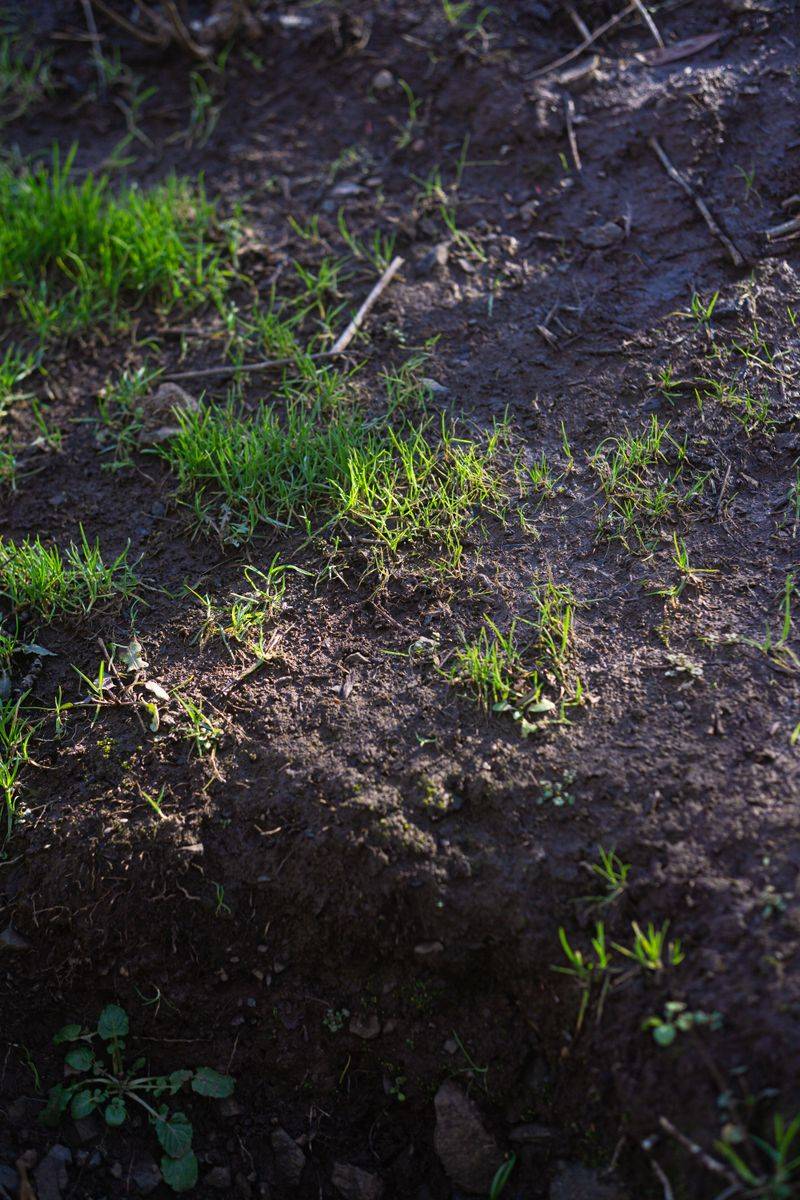
Think of late summer soil as a heated blanket for tiny seeds. Ground warmth lingers well after the air starts to cool, and grass loves that combo.
In Ohio, the sweet spot runs from mid-August through mid-September. Southern parts of the state can often stretch it into early October.
Cool-season grass sprouts fastest when soil sits between 60 and 75 degrees. Daytime air in the 60s and low 70s keeps young blades from getting stressed.
Spring planting sounds nice, but it comes with a catch. Crabgrass and other summer weeds wake up at the same time and crowd out the newcomers.
By fall, many of those pesky rivals are slowing down for the year. Your fresh grass gets the stage mostly to itself, like a quiet library after closing.
Fall sprouts also enjoy months of root growth before summer heat returns. Deeper roots mean better drought tolerance when July rolls around next year.
Mark a date on your calendar around Labor Day to check your bare spots. Starting early gives the grass plenty of weeks to settle in before frost.
A cheap soil thermometer from the garden center can take the guesswork out of timing. Push it about two inches down in the morning for the most honest reading.
Waiting until April often costs you a whole season. September is the friend who shows up early with snacks.
2. Clear Away Weeds Before Adding Seed
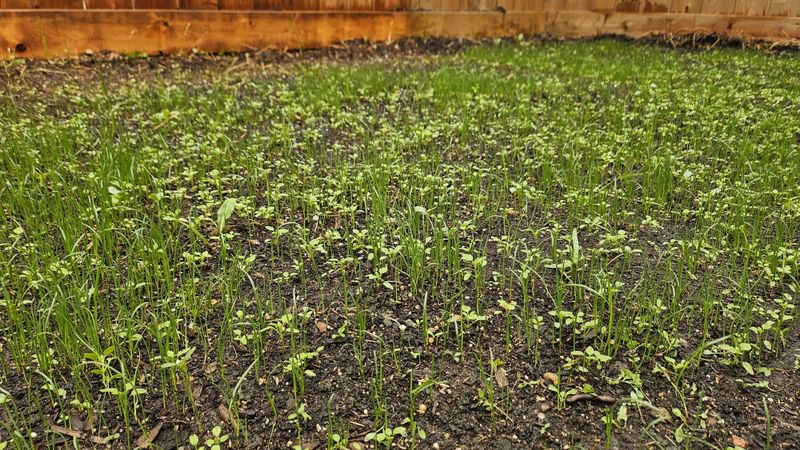
Nobody wants to share a pizza with uninvited guests, and baby grass feels the same way about weeds. Every dandelion or plantain in a bare spot is grabbing water, sunlight, and nutrients.
Young seedlings are tiny and slow at first. Against a well-rooted weed, they simply lose the tug-of-war for resources.
Start by walking the patch and pulling anything that does not belong. A hand weeder or an old flathead screwdriver helps pop out long taproots.
Try to remove the whole root, not just the leafy top. Many weeds bounce back fast if even a small piece stays in the soil.
Pulling goes much easier a day after rain or a deep watering. Moist ground lets roots slide out instead of snapping off.
Thinking about a spray? Read the label first, because many products need a waiting period of several weeks before seeding.
Your Ohio Garden Changes Every Week. Your Plan Should Too.
Gardening in Ohio changes quickly throughout the season. Every Friday you’ll receive a simple weekly plan showing exactly what to plant, prune, fertilize, harvest, and protect so you never miss the right timing.
Pre-emergent crabgrass products are a big no here. They stop grass seed from sprouting just as well as they stop weeds.
Once the weeds are gone, rake out the leftover debris, old thatch, and dried clippings. You want bare, clean soil that the seed can actually touch.
Toss the pulled weeds in the trash rather than the compost pile if they have gone to seed. That small habit keeps next year’s crop from sneaking back.
3. Loosen Compacted Soil Beneath Bare Spots
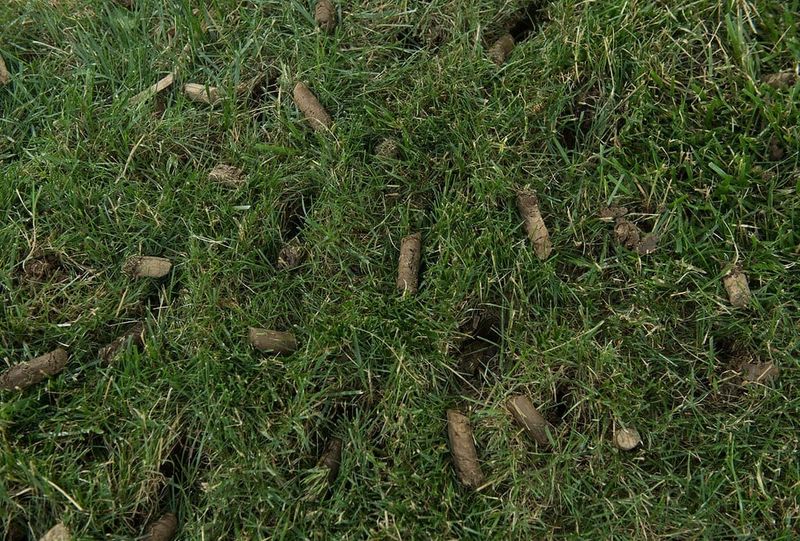
Ever tried to push a pencil into a hard-packed baseball diamond? That is roughly what a seedling root faces in compacted soil.
Bare spots often form right where soil gets squished the most. Dog paths, kids’ play zones, and the shortcut to the mailbox are common culprits.
Tight soil blocks water, air, and nutrients from reaching new seeds. Germination slows down, and some seedlings struggle to break the surface at all.
For small patches, a sturdy metal rake or hand cultivator works well. Scratch the top inch or so until the dirt looks crumbly, like coarse brown sugar.
Bigger areas may need a garden fork pushed in every few inches and rocked back and forth. Renting a core aerator is another smart move for large, stubborn zones.
Clay is common across much of Ohio, and it packs down easily. Mixing in a thin layer of compost can help it drain better and stay looser.
Skip working the soil when it is soggy. Wet clay turns into sticky clumps that harden like pottery once they dry.
After loosening, level the spot so it sits even with the surrounding lawn. A smooth surface prevents puddles and makes mowing easier later.
Aim for a finish where seed can settle into the top quarter-inch of soil. That light, fluffy bed sets up everything that comes next.
4. Choose Seed That Matches Your Existing Turf
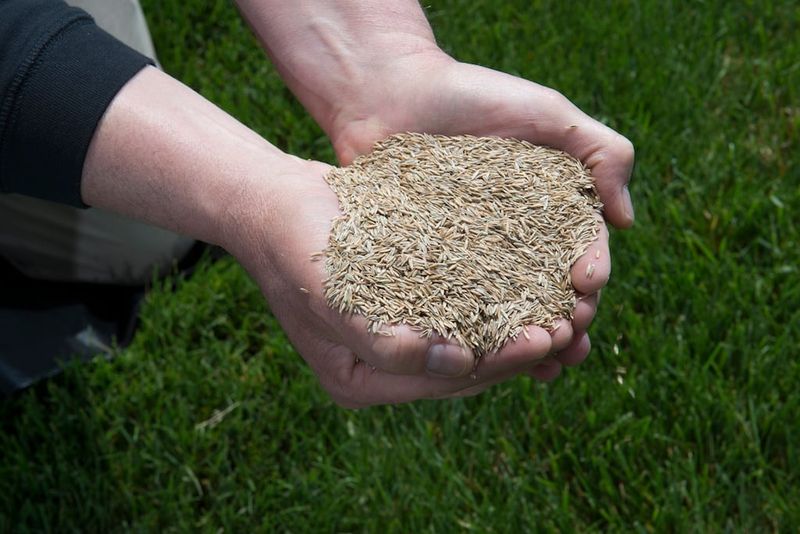
Patching a favorite pair of jeans with bright plaid fabric gets noticed fast. Lawns work the same way when the new grass does not match the old.
Different grass types vary in color, blade width, and growth speed. A mismatched patch can look lighter, coarser, or taller just days after mowing.
Most Ohio lawns rely on cool-season grasses that handle cold winters well. Kentucky bluegrass, perennial ryegrass, tall fescue, and fine fescue are the usual stars.
Kentucky bluegrass spreads by underground stems and forms a soft, dense carpet. Perennial ryegrass sprouts quickly, sometimes in under a week.
Tall fescue has deep roots and stands up to heat and drought. Fine fescue shines in shady spots under trees where others struggle.
Not sure what you have? Pull a small plug of existing grass and bring it to a local garden center for help identifying it.
Blends of two or more types often perform better than a single variety. Mixing grasses gives the lawn more ways to handle sun, shade, and wear.
Check the seed tag before buying, and look for a low weed seed percentage. Bargain bags sometimes hide filler or unwanted grasses you will fight for years.
Fun fact: Kentucky bluegrass is not actually from Kentucky. It likely came from Europe with early settlers.
5. Press Seed Against Soil For Better Germination
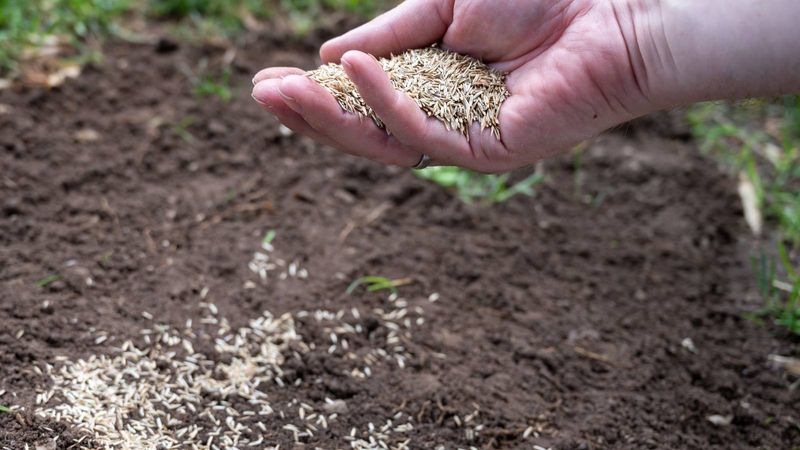
A seed sitting on top of loose dirt is like a sponge resting beside a puddle. It needs real contact before it can soak up any water.
Moisture from the soil is what wakes a seed up and starts germination. Air pockets break that connection and leave seeds high and dry.
Spread seed evenly over the loosened patch, following the rate on the bag. Too much seed creates crowded, weak seedlings that compete with each other.
Next, rake lightly so most seeds end up in the top quarter-inch of soil. Buried deeper than that, many will run out of energy before reaching daylight.
Now comes the pressing part. For small spots, stepping gently across the area in flat-soled shoes or tamping with the back of a rake works fine.
Larger areas benefit from a lawn roller, which you can rent or borrow. Fill it only partly with water so it firms the soil without crushing it.
Farmers use a tool called a cultipacker for the same job on big fields. Its ridged wheels push seed down while leaving tiny grooves that catch rain.
A thin layer of straw or peat moss on top can also help. It holds moisture, shades the seed, and discourages hungry birds.
Skip heavy mulch, though, because thick layers block light. You should still see bits of soil peeking through.
6. Keep Freshly Seeded Areas Consistently Moist
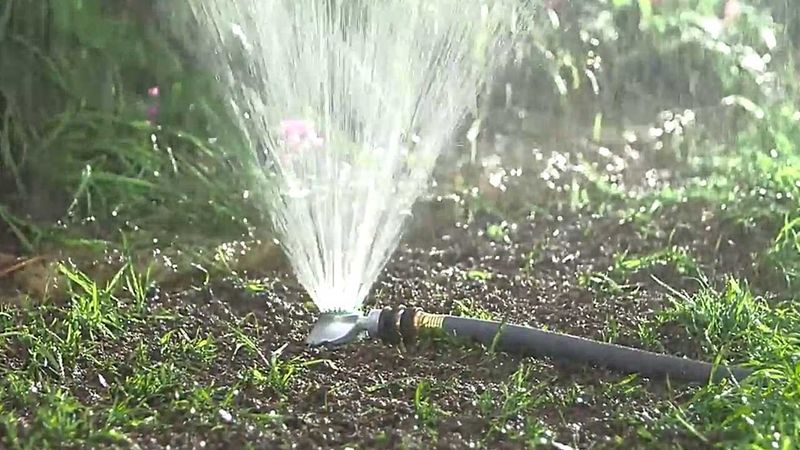
Ten minutes of water, two or three times a day, can make or break a fall seeding project. New seeds are thirsty little things with zero patience.
Once a seed swells with water, it has committed to growing. If the soil dries out at that stage, the sprout can shrivel before it ever gets going.
The goal is to keep the top inch to inch and a half damp, not soggy. Think of a wrung-out kitchen sponge rather than a mud puddle.
Light, frequent watering works better than one long soak at this point. Heavy streams can wash seed into clumps or carry it off the patch entirely.
Hot, windy afternoons dry soil faster, so add an extra short session when needed. Cool, cloudy days might only need one round.
An inexpensive hose timer is a lifesaver for busy families. It keeps the schedule going even when school and work get hectic.
After seedlings pop up, gradually water less often but for longer stretches. This change encourages roots to chase moisture deeper into the ground.
Check moisture by pressing a finger into the soil near the new grass. If it feels dry past your first knuckle, it is time for a drink.
Morning watering is ideal because blades dry before nightfall. Wet grass overnight can invite fungus problems.
7. Shield New Grass From Heavy Foot Traffic
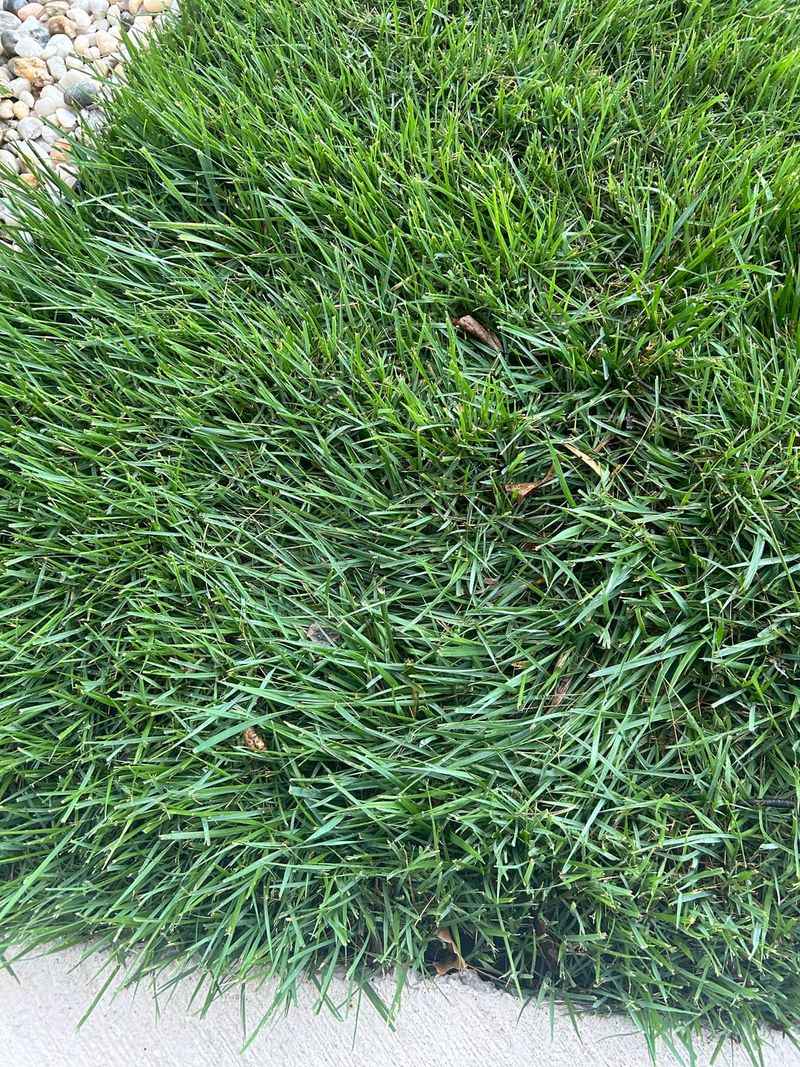
Every neighborhood has that one shortcut kids swear by, and it usually cuts right across your newest grass. Tiny sprouts cannot stand up to sneakers, paws, or bike tires.
Each step squeezes the soil back together after all your loosening work. Roots then struggle to reach air, water, and nutrients.
Freshly sprouted blades are soft and easy to crush. Damage at this stage can set the patch back by weeks.
Plan to keep the area off-limits for at least six to eight weeks after seeding. Kentucky bluegrass alone can take up to three weeks just to sprout.
A few wooden stakes and some bright string make a simple, cheap fence. Garden flags or small signs help remind visitors to walk around.
Dogs tend to ignore signs, of course. A short temporary garden fence or a leashed potty route works better for four-legged family members.
If a path is needed, lay down a board or stepping stones across the spot. Spreading your weight protects the soil beneath.
Hold off on mowing until the new grass reaches about three and a half to four inches. Use a sharp blade and set the mower high for the first few cuts.
Keep heavy items like wheelbarrows and patio furniture away too. Your future lawn will thank you for the breathing room.
8. Time Fall Fertilizer Around New Growth
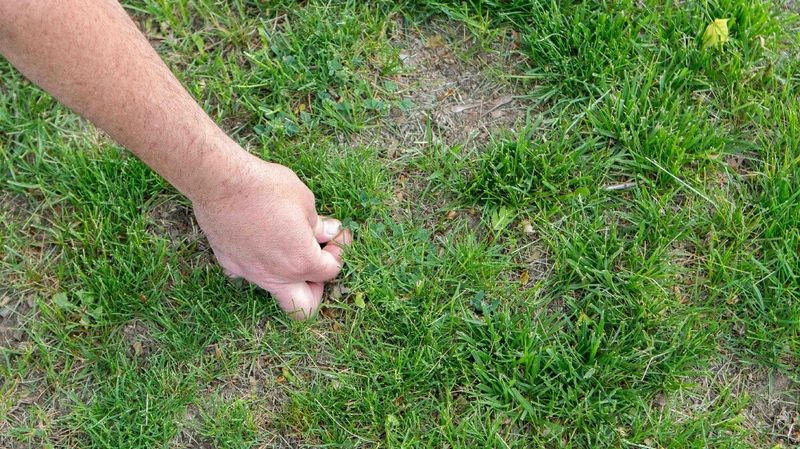
Grass seedlings need a good breakfast just like kids heading off to school. Starter fertilizer is that first meal, packed with what young roots crave.
Look for a bag labeled starter, which usually has a higher middle number. That middle figure stands for phosphorus, a nutrient that fuels root growth.
Apply it right before seeding or on the same day. Rake it lightly into the loosened soil so it sits close to the seed.
Some Ohio communities limit phosphorus use to protect lakes and streams. Check local rules, and a soil test from your county extension office can show what you really need.
Fall feeding does more than green up the blades. It helps grass store carbohydrates, which act like a pantry for the long winter.
Those reserves also power a quicker, healthier green-up next spring. Lawns fed in autumn often wake up ahead of their neighbors.
Plan a follow-up feeding about six to eight weeks after the first one. By then the seedlings have roots ready to use the extra nutrition.
Skip weed-and-feed products on new grass until it has been mowed three or four times. Many of those blends contain herbicides that can harm tender seedlings.
Sweep any spilled granules off sidewalks and driveways. Keeping fertilizer out of storm drains protects local waterways.
9. Let Young Turf Establish Before Winter

Above ground, fall grass can look like it is taking a nap. Below the surface, though, roots are busy digging deeper every single day.
New grass needs roughly six to eight weeks of growth before the first hard freeze. Ohio usually sees that freeze somewhere between late October and mid-November.
Counting backward from that date shows why September seeding matters so much. A late start leaves shallow roots that have little grip on the soil.
Weak roots struggle with the freeze-thaw cycles common in Ohio winters. Soil can heave upward and push young plants right out of the ground.
Well-rooted grass also builds a thick crown, the growing point near the soil line. That crown is what bounces back first when spring warms things up.
Keep mowing as needed until growth stops, lowering the height slightly for the final cut. Shorter grass is less likely to mat down under snow.
Rake or mulch fallen leaves so they do not smother the new patches. A heavy leaf layer blocks sunlight when young grass needs it most.
Try to limit walking on frosty turf, since frozen blades break easily. Those footprints can leave brown marks that linger into spring.
Patience is the final ingredient here. Come April, those once-bare spots should blend right in with the rest of your lawn.