Indiana’s Ornamental Grasses Are Better Left Standing Through Winter
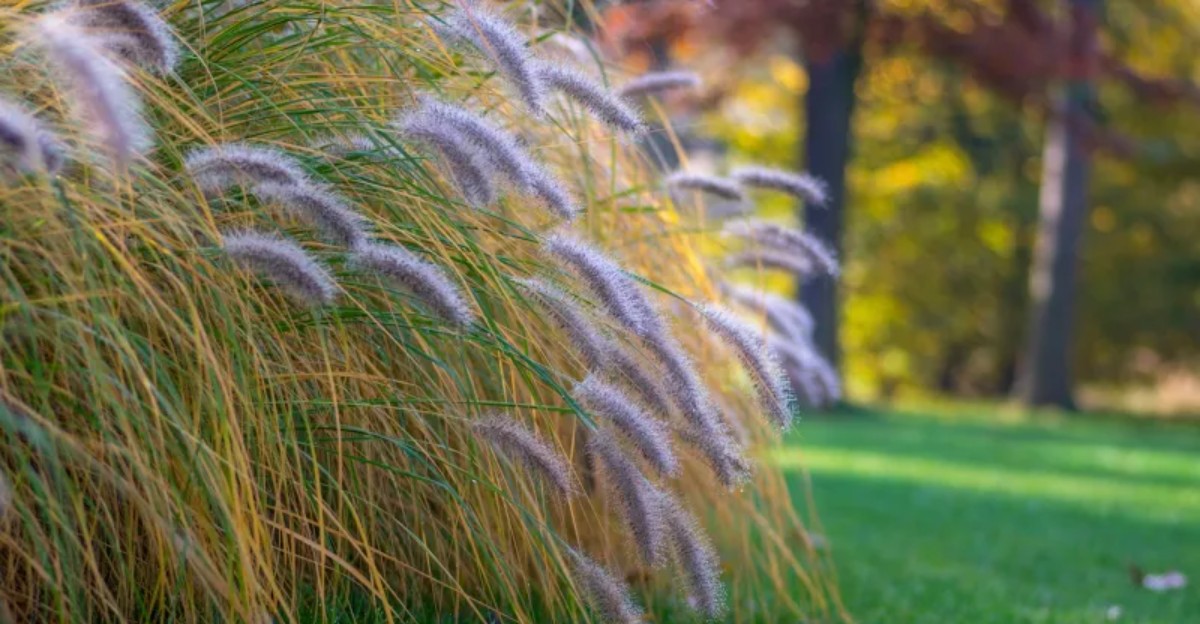
Frost settles across your backyard in Indiana, and something inside those tall tan clumps is quietly doing its job in the cold. Snow gathers along the tips, forming a strange, sparkling shield that most neighbors already tore down last month.
Birds notice the difference immediately, darting between stems that other yards no longer offer. Tiny insects notice it too, tucking themselves into hollow stalks long before the first hard freeze arrives.
Underneath all that tan and gold, a living base waits out winter with more patience than you’d expect. Nothing about that patience is accidental, since every stem left standing is doing quiet, specific work.
That neighbor’s bare, buzzed lawn might look tidy for a week, then start telling a very different story. Clay soil, harsh swings between freeze and thaw, and restless winter wind all test what gets left exposed.
A single choice, made in September, decides how much of that resilience survives into April. You haven’t made that call yet, and by spring, the difference will be impossible to miss.
Upright Stems Shield The Plant Crown All Winter
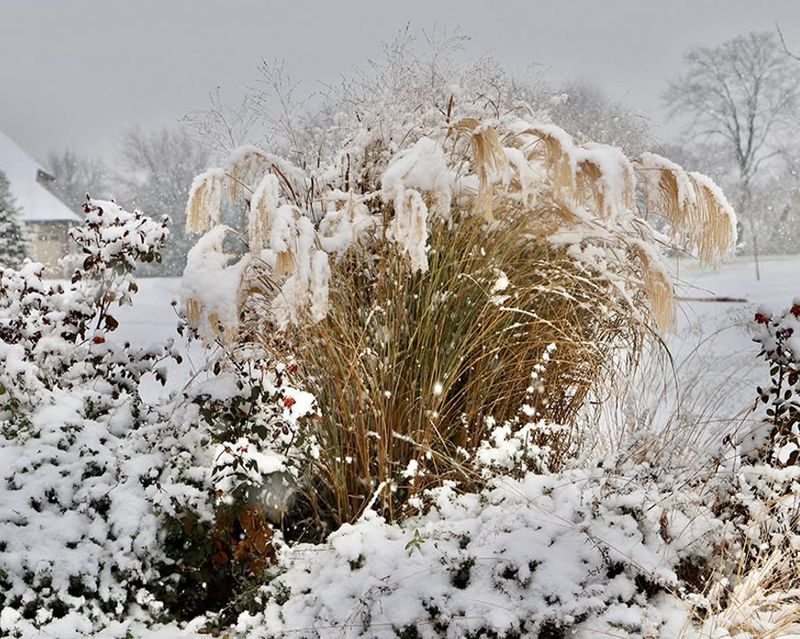
Think of those tall tan blades as a winter coat your grass grows for itself. Cutting them in September is like handing someone a parka, then snatching it away in January.
Indiana winters bounce between freezing nights and mushy thaws. That constant swing is rough on the crown, the living base where next year’s shoots wait.
Standing foliage traps a pocket of still air around that crown. It also catches snow, which works as a surprisingly cozy blanket against bitter wind.
Leaving the clump whole also helps water drain away from the center. Hollow cut stems can funnel rain and melting ice straight into the crown, where it freezes.
Northern Indiana gardeners near South Bend or Michigan City see this benefit most. Lake-effect snow piles up deep there, and upright clumps hold it like a fluffy quilt.
Warm-season favorites like switchgrass, little bluestem, and big bluestem handle Midwest cold best with their tops intact. Miscanthus and prairie dropseed benefit too, especially in exposed yards.
So what should you do this September? Mostly, enjoy the show as plumes open and leaves shift to copper, gold, and burgundy.
Skip the shears, but keep an eye on anything flopping onto a walkway. A soft twine loop around a leaning clump solves that without sacrificing its winter protection.
Your grass spent all summer growing that coat. Let it wear the coat until spring arrives.
Winter Housing For Helpful Insects
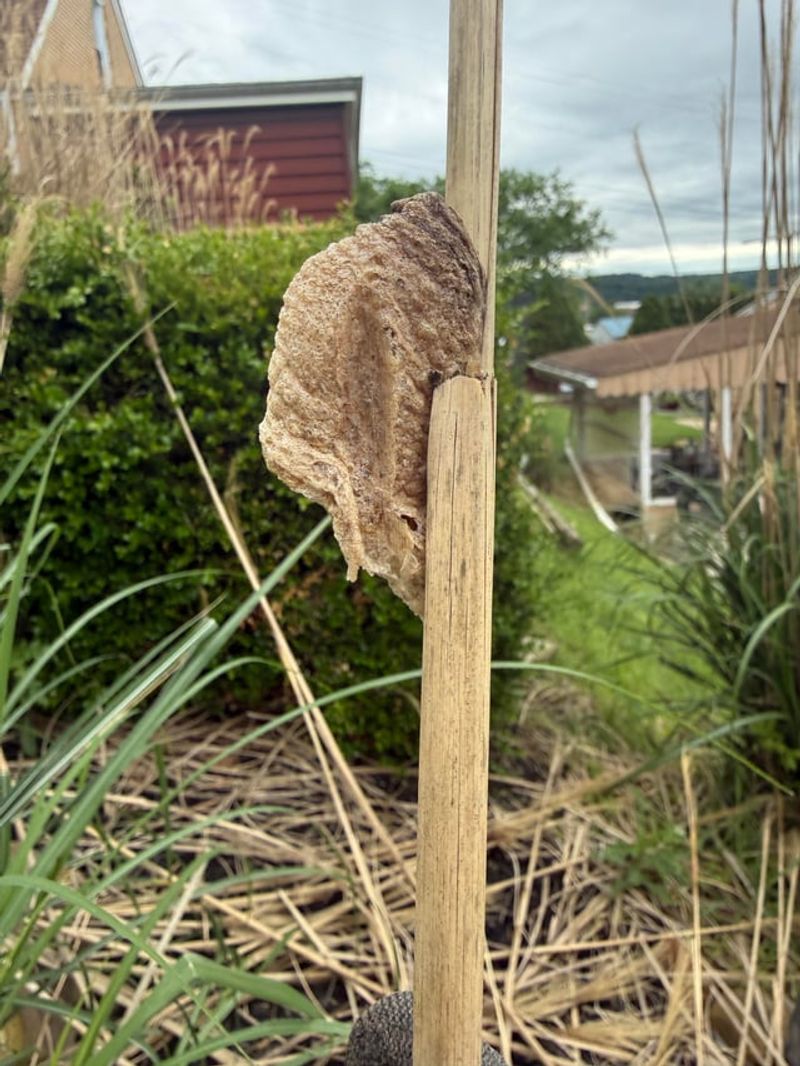
Somewhere inside a clump of little bluestem, a ladybug is planning a very long nap. Your grass is basically a tiny hotel, and the checkout date is sometime in April.
Many beneficial insects spend winter tucked into standing stems and thatch. Ladybugs, lacewings, and native bees crawl into hollow stalks or snuggle near the base.
Some caterpillars even overwinter right on the leaves. Skippers, small orange butterflies common across Indiana, rely on native grasses as host plants for their young.
Your Indiana Garden Changes Every Week. Your Plan Should Too.
Gardening in Indiana changes quickly throughout the season. Every Friday you’ll receive a simple weekly plan showing exactly what to plant, prune, fertilize, harvest, and protect so you never miss the right timing.
Cut everything down in fall, and those guests get tossed out with the yard waste. Come spring, you lose the very bugs that munch aphids and pollinate your tomatoes.
Here is a fun fact to share at your next cookout. A single lacewing larva can eat around 200 aphids a week, earning the nickname aphid lion.
Keeping these helpers around means fewer sprays and a healthier yard. Birds benefit too, since insect eggs and larvae become winter snacks.
For the best results, let stems stand until daytime temperatures stay near 50 degrees. Many insects wake up and move out by then.
When you finally trim, leave cut stalks at varying heights, around 8 to 15 inches. Bees that nest in hollow stems often move into those stubs by summer.
You can also stack clippings loosely in a back corner instead of bagging them. Any late sleepers will still have a chance to wake up and wander off.
A Winter Buffet For Hungry Birds
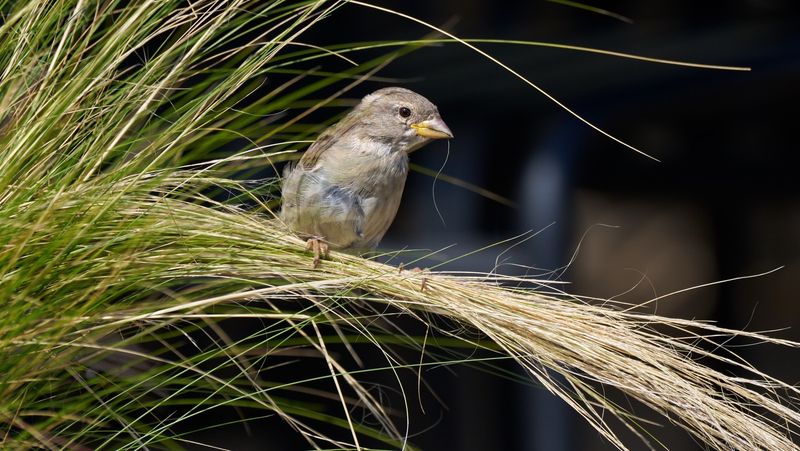
Plenty of gardeners keep a clump of switchgrass right by the kitchen window just for the juncos. On a snowy morning, watching them hop between the stems beats anything on TV.
Those fluffy seed heads your grass is forming right now in September are packed with food. Once cold weather arrives, they become a free buffet for hungry songbirds.
American goldfinches, dark-eyed juncos, and sparrows all pick at grass seeds through winter. Indiana’s state bird, the northern cardinal, will happily join them on a frosty day.
Seed is only half the gift. Dense clumps give small birds a hiding spot from hawks and a windbreak during nasty storms.
Native grasses usually offer the richest menu. Switchgrass, little bluestem, Indian grass, and prairie dropseed all produce seeds that local birds recognize and love.
Want to boost the effect? Plant grasses near a window or patio so you can enjoy the visitors with your morning coffee.
Pairing grasses with coneflowers and black-eyed Susans adds even more seed to the menu. Leave those flower heads standing too, and your yard becomes a busy winter diner.
Keep a shallow birdbath nearby if you can manage it. Fresh water is surprisingly hard for birds to find once puddles freeze solid.
Skip chemical sprays near your grasses, since they can harm the insects birds also eat. A little mess in the garden adds up to a lot more feathered company.
The Costly Fall Haircut
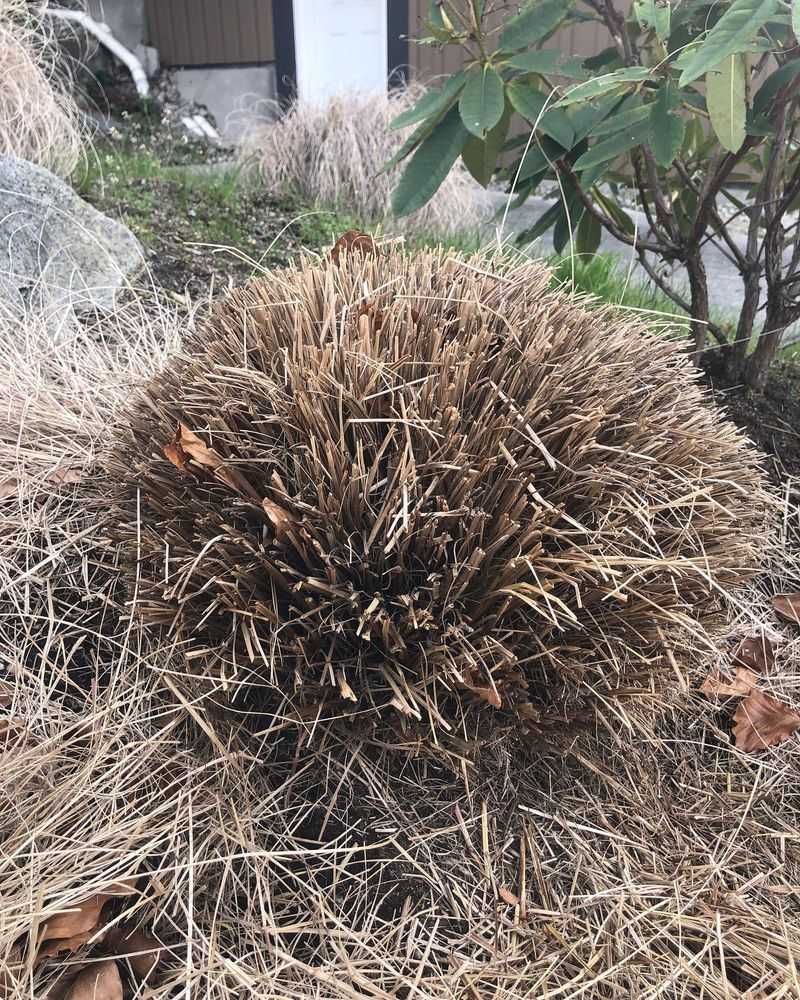
Every October, someone on the block fires up a hedge trimmer and buzzes their grasses to the ground. It looks neat for about a week, then the trouble quietly begins.
Cutting ornamental grass in fall leaves the crown exposed to Indiana’s harsh freeze and thaw cycles. Fresh cuts also let water seep into the center, where it can freeze and crack tissue.
Soggy crowns are a common setup for rot, especially in heavy clay soil. Much of central and southern Indiana sits on clay, so this risk is very real.
Some gardeners notice the damage in spring when a clump greens up only around its edges. The middle stays brown and hollow, forming a strange doughnut shape.
Fall cutting also creates extra work. Without winter stems holding snow in place, soil around the base can heave and push roots upward.
There is a small exception worth knowing. Cool-season grasses like blue fescue or feather reed grass may get a light tidy in fall, removing only brown tips.
Warm-season types, which make up most Indiana ornamental plantings, should keep their full height until spring. Switchgrass, miscanthus, and bluestems fall into this group.
If a neighbor asks why your yard looks shaggy in December, you have a great answer ready. Tell them you are protecting next year’s growth, then offer them a cup of cocoa.
The Right Moment For A Spring Trim
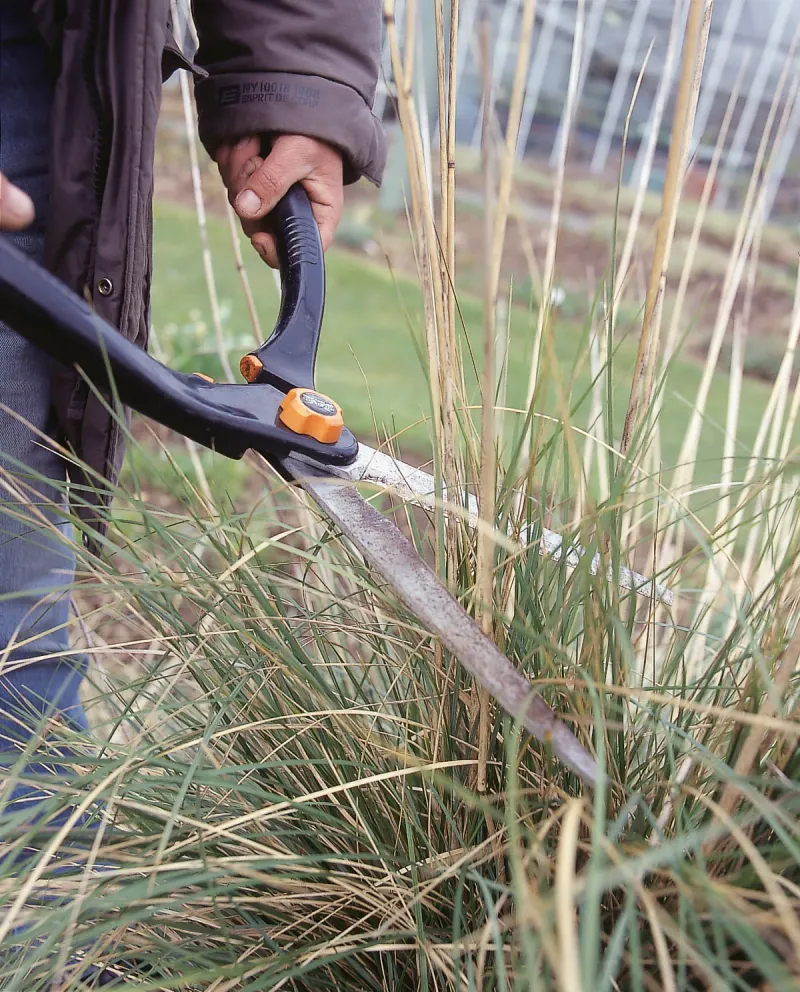
Mark your calendar for late March or early April, when the first green shoots peek through the tan stems. That timing works for most of Indiana, from Evansville up to Gary.
Southern Indiana warms a bit sooner, so gardeners there can often start in mid-March. Northern counties may need to wait until mid-April, depending on the spring.
Cutting before new growth appears lets you avoid snipping fresh blades. Chopped green tips turn brown and leave the clump looking ragged for weeks.
For large clumps, wrap a bungee cord or rope around the middle first. Then cut below the tie, and the whole bundle lifts away like a giant broom.
Sharp hedge shears or an electric trimmer work well for thick stems. Wear gloves and long sleeves, since miscanthus blades have edges like tiny saws.
Most warm-season grasses can be cut to about 4 to 6 inches tall. Cool-season types prefer a gentler approach, so just comb out brown blades with gloved fingers.
Spring is also the best time to divide clumps that have gotten crowded or hollow. Use a sharp spade to split them, then replant pieces in sunny spots.
Toss old stems in the compost pile or chop them for mulch. They break down nicely and feed the soil.
A light layer of compost around the base afterward gives roots a gentle boost. Skip heavy fertilizer, though, since it can make grass floppy by midsummer.
Smart Planting For Sturdy Winter Clumps
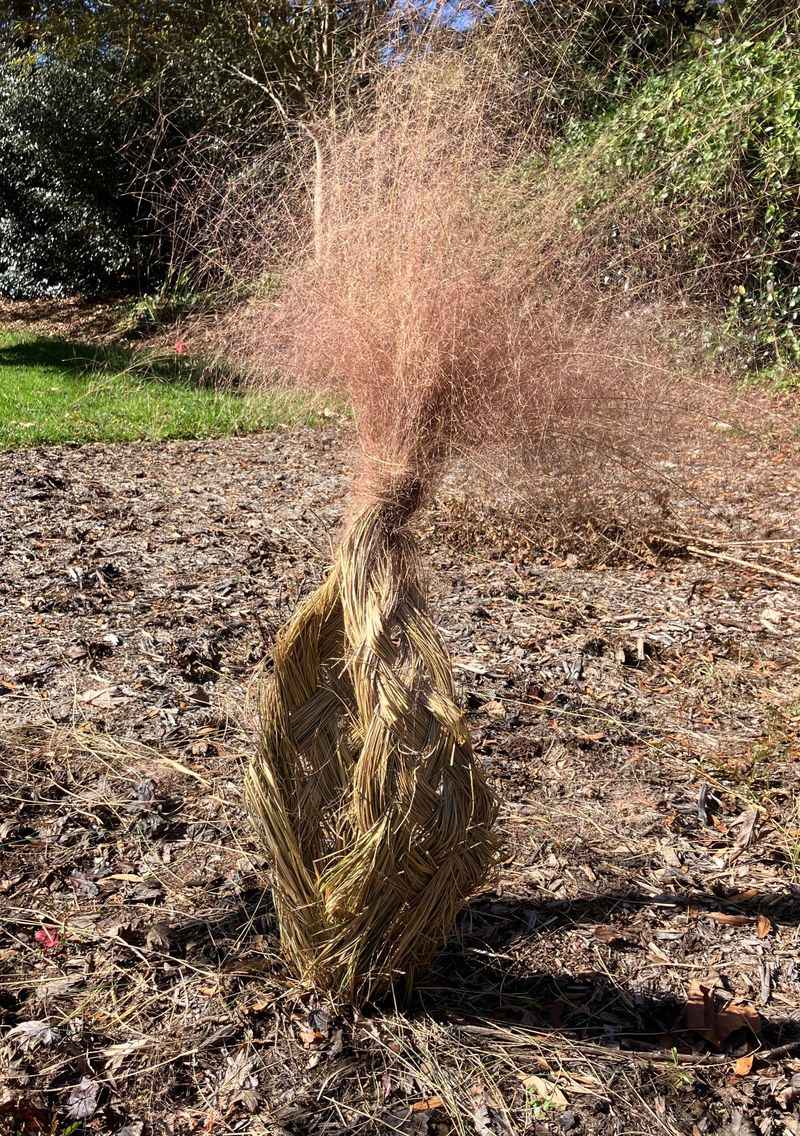
Fresh snow on a stand of little bluestem looks like powdered sugar on cinnamon sticks. That view only happens if your grasses stay upright, so a little planning now pays off.
Floppy clumps usually come from too much shade, water, or fertilizer. Grasses grown lean and sunny develop stronger stems that shrug off heavy snow.
Aim for at least six hours of direct sun each day. If a clump flops every year, consider moving it next spring to a brighter spot.
Choosing sturdy varieties helps a lot. Switchgrass cultivars like Northwind and Shenandoah, plus Karl Foerster feather reed grass, are known for standing tall through winter.
Spacing matters as well. Give each clump enough room for air to move, which keeps stems dry and less likely to bend.
If a heavy, wet snow does knock a few stems over, resist the urge to prune them right away. Many spring back once the sun comes out.
Pull fallen leaves away from grass crowns this fall so they do not smother the base. A light mulch ring, kept an inch from the stems, is plenty.
The payoff shows up all winter long. Rustling plumes, bird visitors, and golden color bring life to a yard that might otherwise look bare.
Many Indiana gardeners start with one clump and end up planting a whole border. Once you see grasses glowing in low January light, you may do the same.