These Florida Plants Feed Migrating Birds In September By Feeding Insects First
Your September garden might be running a restaurant you never knew you signed up for, and migrating birds are counting on the reservation.
A handful of Florida plants are working overtime right now, pulling in swarms of insects that most homeowners barely notice around the flowers and leaves. Birds passing through on their fall migration aren’t after the blooms themselves.
They’re after everything those blooms attract, turning your yard into a refueling stop that matters more than it looks.
Skip these plants in favor of something purely ornamental, and you cut off a link in a chain that stretches a lot further than your property line.
Look at what’s actually blooming in your yard this month, not just what looks nice. The bugs it draws in might matter more to migrating birds than the flowers ever will.
1. Beautyberry Brings Insects That Birds Can Hunt
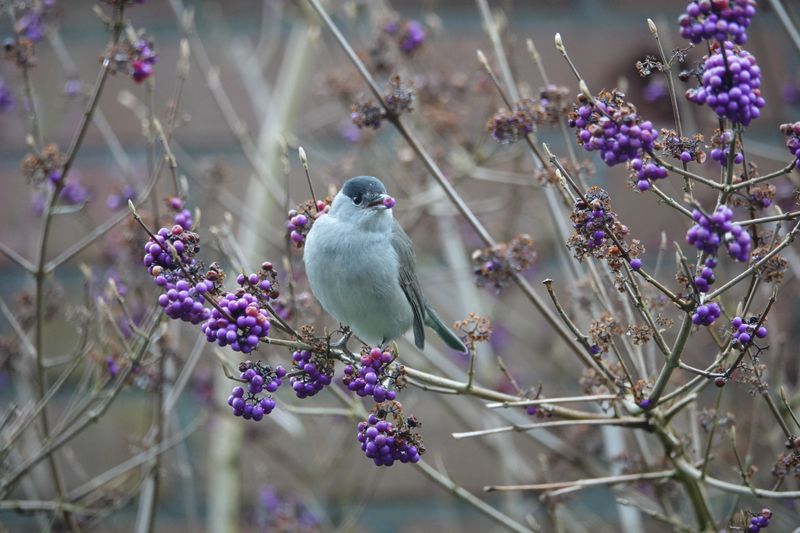
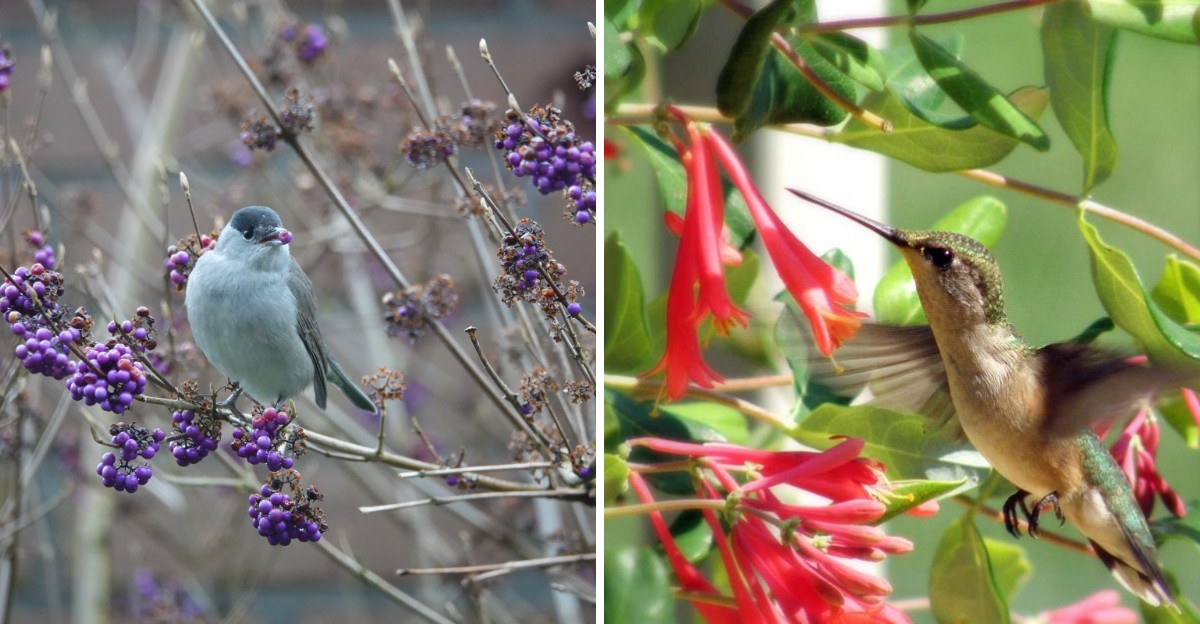
Picture a shrub dripping with berries so purple they almost look fake. American beautyberry pulls off that look every fall, and birds notice right away.
Long before the berries show up, though, the plant is busy with a different job. Its small pink flowers in late spring invite bees and butterflies to stop by.
Those early visitors set the stage for the rest of the year. Small caterpillars, leafhoppers, and other plant-eating insects settle in on the leaves.
By September, the shrub has become a quiet hunting ground. Warblers and other migrants hop through the branches, picking off caterpillars, spiders, and tiny beetles.
Then come the berries, which feed mockingbirds, catbirds, and robins as other food gets harder to find. A single plant can serve both a bug course and a fruit course.
Beautyberry is easy to grow in most of Florida. It handles sun or part shade and bounces back fast after a hard trim in late winter.
Try planting it near a window where you can watch the action. Leave a few chewed leaves alone, since those holes mean caterpillars are feeding future bird meals.
Fun fact: people in the South once crushed the leaves and rubbed them on skin to keep mosquitoes away. Science later found natural compounds in the leaves that really do repel bugs.
2. Buttonbush Turns Blooms Into A Bug Buffet
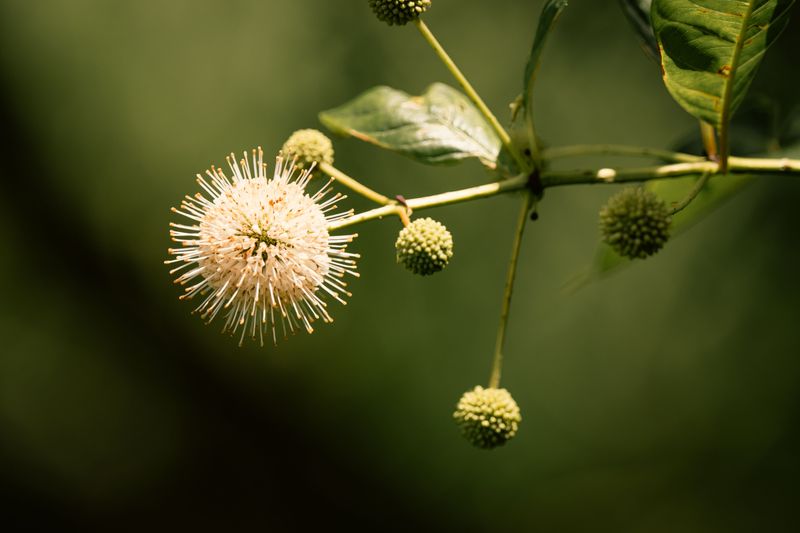
Some flowers look like they belong in a sci-fi movie. Buttonbush blooms are round, spiky white balls that remind many kids of tiny space satellites.
In Florida, these odd little globes can keep opening from June right into September. That long run makes the shrub a late-summer party spot for bugs of all kinds.
Bees crowd the fragrant flowers, and butterflies like monarchs, painted ladies, and silver-spotted skippers sip nectar side by side. Even hummingbirds zip in for a quick drink.
Moths lay eggs here too, including the huge promethea silkmoth. Their caterpillars chew the leaves and grow plump, which is great news for hungry songbirds.
Migrating birds passing through wetlands find this shrub loaded with snacks. Flycatchers grab insects in midair, while warblers search stems for crawling treats.
Your Florida Garden Changes Every Week. Your Plan Should Too.
Gardening in Florida changes quickly throughout the season. Every Friday you’ll receive a simple weekly plan showing exactly what to plant, prune, fertilize, harvest, and protect so you never miss the right timing.
Later, ducks and other water birds eat the seeds that form after the flowers fade. So one plant helps birds twice, first with bugs and then with seeds.
Buttonbush loves wet feet, so it fits perfectly beside a pond, rain garden, or soggy ditch. It can handle standing water for part of the year without complaint.
Give it full sun for the most blooms. If you have a low spot where water collects after storms, you may have just found the ideal home for a bug buffet.
3. Firebush Draws Insects Before Birds Move In
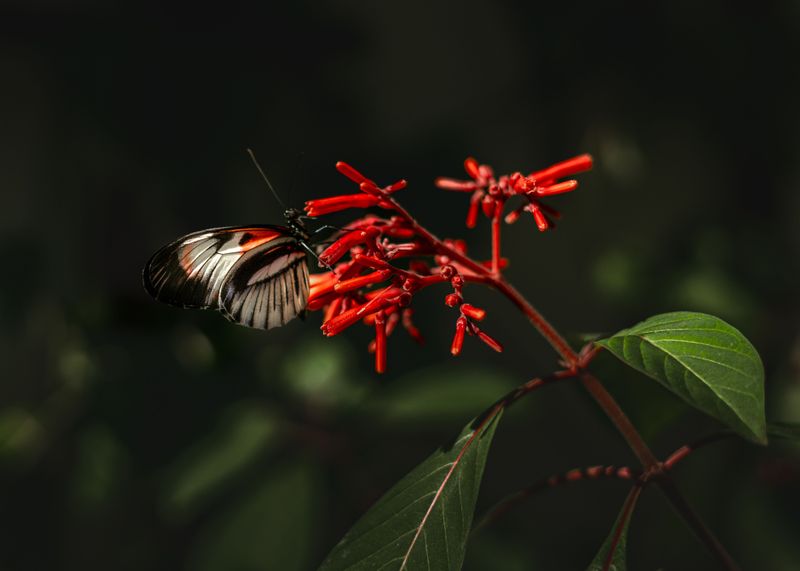
Ask any Florida butterfly gardener to name a favorite plant, and firebush comes up again and again. The name fits, since its tubular flowers glow red and orange like little flames.
Better yet, it blooms from spring through fall and can flower all year in warm South Florida. That means September visitors find it open for business.
Zebra longwings, gulf fritillaries, and monarchs sip from the blooms, while hummingbirds dart in for nectar. The pluto sphinx moth also lays eggs on the leaves.
All that traffic draws a second wave of guests. Vireos and warblers work through the branches, snapping up caterpillars and small insects hiding under leaves.
Once the berries darken, mockingbirds and catbirds join the meal. So a traveling bird can grab protein and fruit without leaving the same shrub.
Firebush grows fast and handles heat, drought, and sandy soil better than many flowering shrubs. Plant it in full sun for the brightest color and heaviest bloom.
Here is one smart tip. Buy the native type, since some nursery plants sold as firebush are non-native cousins that feed fewer local insects.
Ask for Hamelia patens var. patens and check the tag before you pay. A light trim in early spring keeps it full, bushy, and packed with fresh flowers for the season ahead.
4. Asters Keep Fall Insects Active
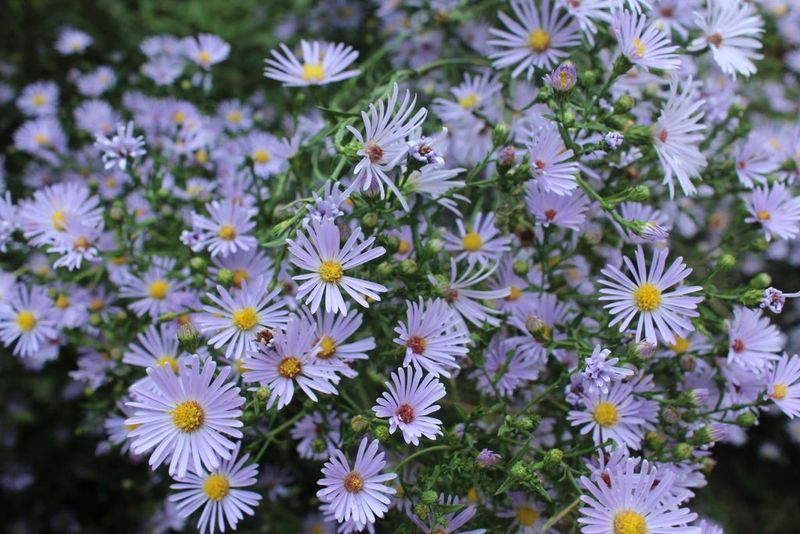
Late in the year, when most gardens start looking tired, asters wake up. Their daisy-like purple, blue, and white flowers light up roadsides and yards across Florida.
That timing matters more than you might think. Native asters bloom from late summer through fall, just when many other flowers have faded.
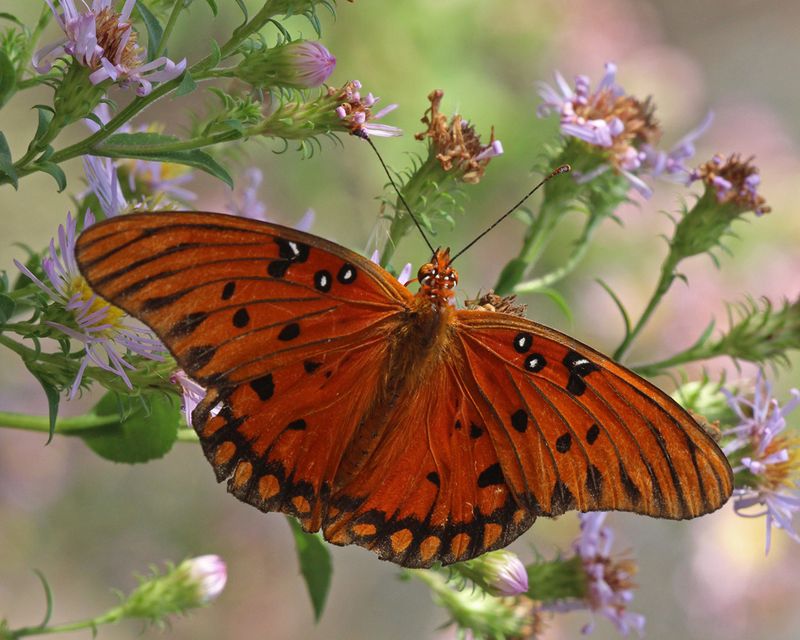
Pollinators flock to them for one last big meal of the season before cooler weather. Bumblebees, sweat bees, mining bees, monarchs, painted ladies, and skippers all stop by.
Each bloom is actually a cluster of many tiny flowers packed together. That design lets insects feed for a long time without flying far, which keeps them busy and easy to spot.
Caterpillars of crescent and checkerspot butterflies feed on the leaves as well. Birds moving south in September and October gladly pick them off the stems.
Later, the fluffy seeds feed sparrows and finches through the cooler months. Leave the stems standing after bloom instead of cutting them right away.
Asters are forgiving plants for beginners and busy families alike. Most kinds like sun, handle poor soil, and spread slowly to fill empty spots in a bed.
Climbing aster is a Florida favorite that scrambles over fences and shrubs. Plant a patch of it, and you may hear warblers chipping in your yard on crisp fall mornings.
5. Native Oaks Host Caterpillars Birds Depend On
Here is a number that stuns many people. Oak trees support more kinds of caterpillars than almost any other plant group in North America, with hundreds of species on record.
No, oaks are not flashy bloomers. Their flowers are tiny and spread pollen by wind, so they do not pull in nectar-seeking insects.
Their real gift is the leaves. Live oaks, laurel oaks, and other native species feed a steady parade of caterpillars, leafhoppers, and other small insects.
Birds treat these trees like a grocery store with long hours. Nesting parents rely on caterpillars to raise chicks, since babies need plenty of protein to grow.
In fall, the same menu helps migrating warblers, vireos, and tanagers refuel. A big oak can host a flock of tiny travelers picking through branches at once.
Oaks also drop acorns that feed blue jays, woodpeckers, and wild turkeys. The fallen leaves shelter beetles and other critters that ground-feeding birds like towhees scratch for.
Planting an oak is a gift to the future. Many grow slowly, yet a young tree starts hosting insects within just a few short years of planting.
Choose a species suited to your soil, such as sand live oak for dry spots. Skip pesticide sprays under the canopy so the caterpillars stay put for the birds.
6. Wax Myrtle Creates Insect-Rich Foliage
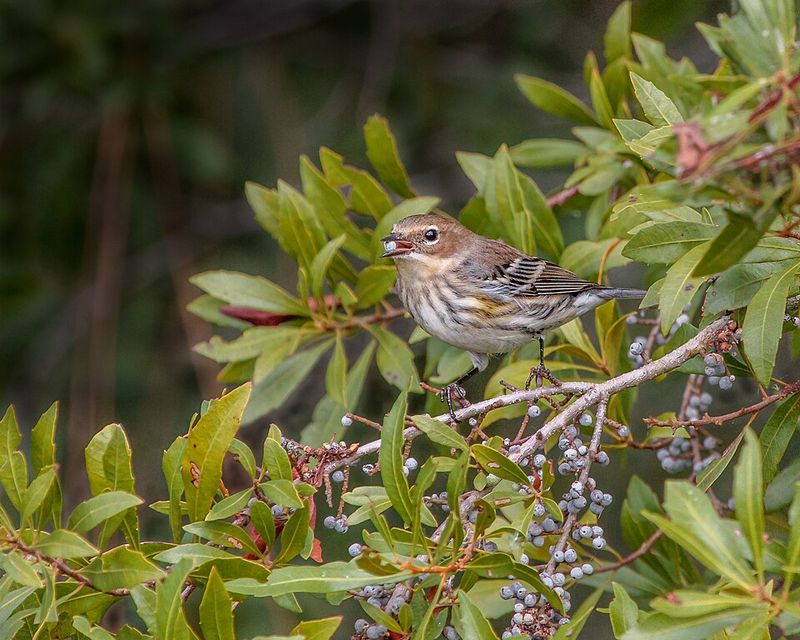
Brush past a wax myrtle, and you will catch a spicy, clean scent in the air. Early settlers noticed that smell too, and they boiled the berries to make fragrant candles.
Today, the shrub earns praise for a different reason. Its thick evergreen leaves stay green all year, giving insects a place to feed and hide through every season.
Tiny spring flowers draw honeybees and butterflies, though you might miss them. The red-banded hairstreak butterfly also uses the plant as a caterpillar host.
All those leaves turn into a busy feeding zone. Small insects, spiders, and caterpillars live among the branches, and birds search them one twig at a time.
Female plants grow waxy, gray-blue berries that ripen from late summer into fall. More than 40 bird species eat them, including yellow-rumped warblers, tree swallows, and brown thrashers.
Those same birds snack on bugs while they visit. The dense branches also give them shelter from hawks and stormy weather.
Wax myrtle grows fast and handles wet or dry soil, salty air, and full sun or shade. It works well as a privacy hedge that doubles as a wildlife haven.
Plant at least one female to get berries, and a male nearby helps with pollination. Give it room, because an unpruned plant can reach 20 feet tall.
7. Coral Honeysuckle Adds More Insects To The Menu
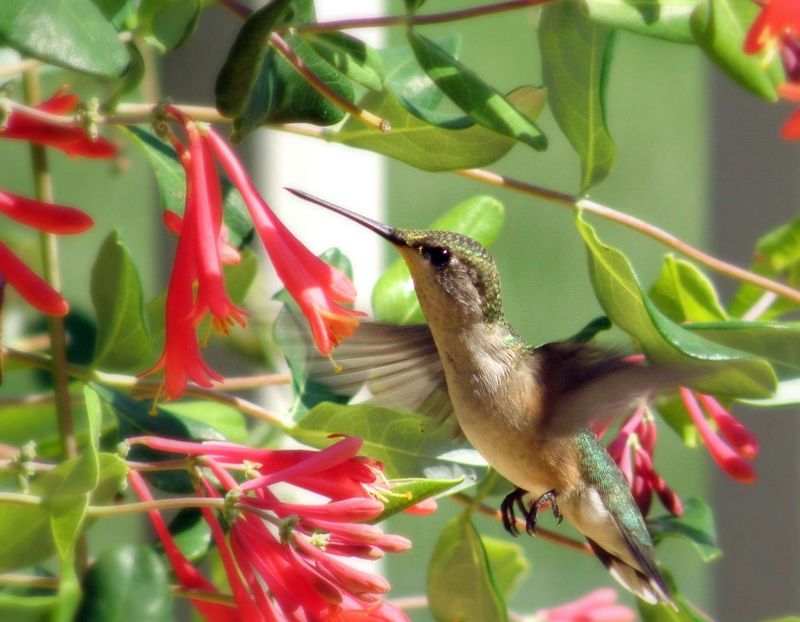
A neighbor once called coral honeysuckle a doorbell for hummingbirds, and the nickname stuck in my head. Hang it on a trellis, and those tiny birds seem to arrive on cue.
The vine grows clusters of long, red, tube-shaped flowers packed with nectar. They show up mainly in spring and summer, with extra blooms popping out during mild weather.
Bees and butterflies share the sweet drinks with hummingbirds. The spring azure butterfly and the snowberry clearwing moth also lay eggs on the leaves.
Those caterpillars become tasty meals for songbirds searching the vine. Small insects drawn to the flowers add even more choices to the menu.
By late summer and fall, bright red berries replace the blooms. Cardinals and other songbirds pluck them off, so the vine feeds birds in more than one way.
Unlike Japanese honeysuckle, this native plays nicely with your garden and stays well-behaved. The invasive type can smother trees, so pull it out if you spot it.
Coral honeysuckle climbs fences, arbors, and mailbox posts with little help. Give it at least half a day of sun for the most flowers.
It rarely needs spraying and handles Florida heat with ease. Water it well during its first year, then let it take care of itself, apart from an occasional trim to keep it tidy.
8. Simpson’s Stopper Supports A Busy Insect Community
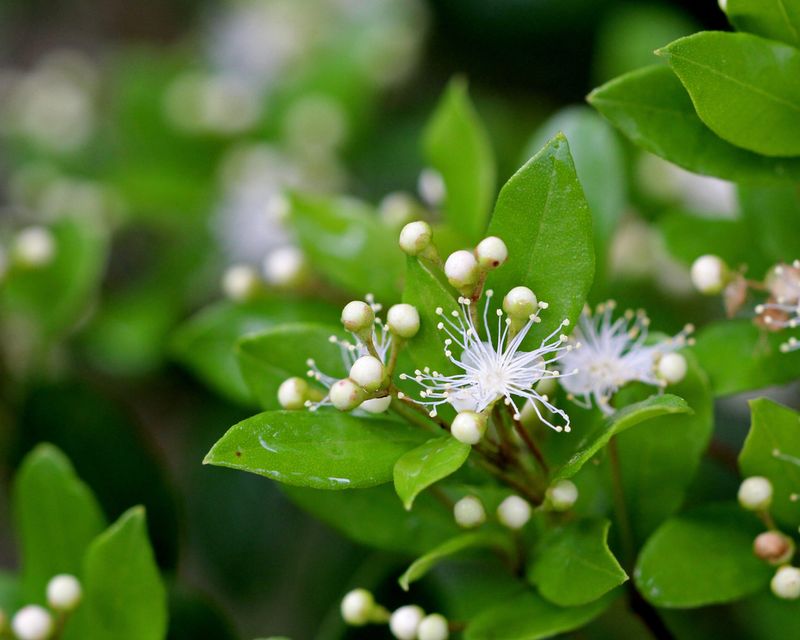
Where does a funny name like Simpson’s stopper come from? Early settlers reportedly used parts of stopper plants as a home remedy for upset stomachs, and the odd label stuck.
The Simpson part honors Charles Torrey Simpson, a well-known Florida naturalist. Today, it ranks among the most loved native shrubs in South and Central region.
Fluffy white flowers smell sweet and appear mostly in April and May. Smaller flushes of bloom can pop up at other times of year, too.
Bees and butterflies buzz around those blossoms in busy little crowds on warm mornings. The glossy leaves and dense branches also shelter beetles, spiders, and other small creatures.
That hidden insect life turns the shrub into a snack stop for migrating birds. Warblers slip into the thick foliage and poke around for protein-rich bites.
By late summer and early fall, orange-red berries ripen on the branches. Mockingbirds, blue jays, and cardinals gobble them up, often while tucked safely inside the leafy cover.
Simpson’s stopper makes a tidy hedge that handles salt spray and short dry spells. It grows slowly, so you will not need to trim it often.
Let it grow a bit loose instead of shearing it into a box shape. You will get more flowers, more insects, and more birds visiting your yard.
9. Saw Palmetto Keeps Insects Moving Through Fall
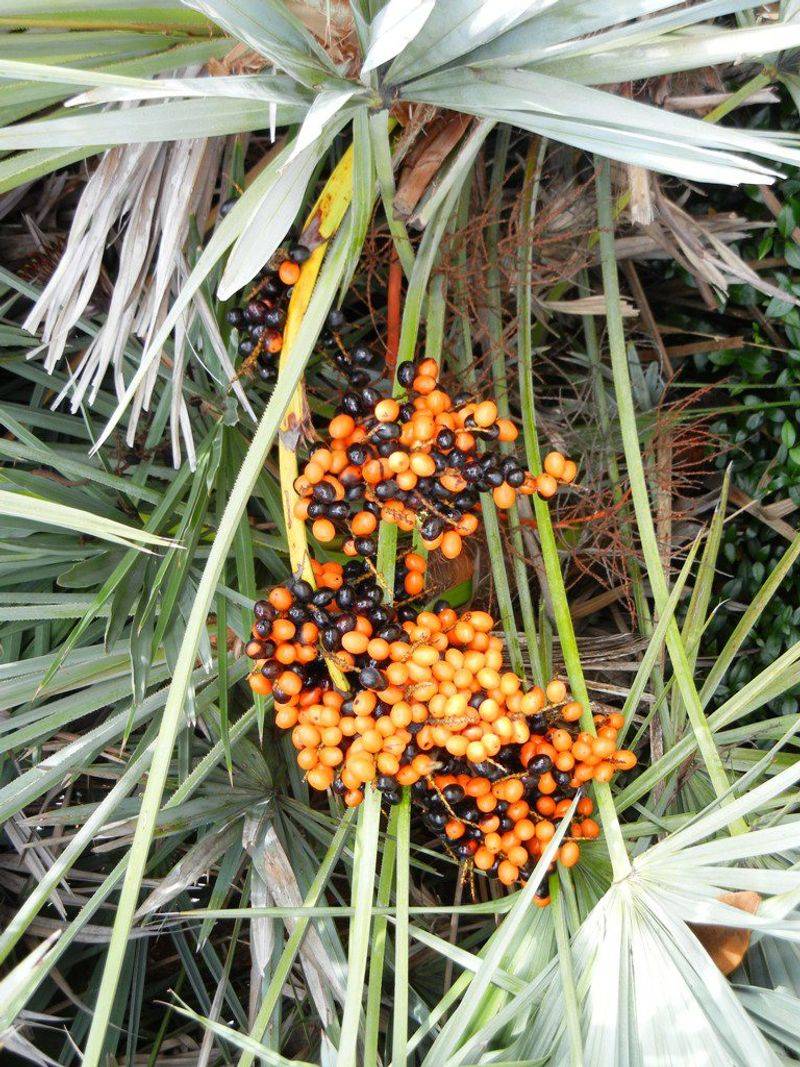
Walk any pine forest in our state, and you will likely brush against the stiff, fan-shaped leaves of saw palmetto. Some clumps are hundreds of years old, creeping slowly across the sandy ground.
Its creamy flowers open in spring and early summer, not September. Still, this hardy palm keeps insects around long after the blooms are gone.
Bees crowd the blossoms so heavily that saw palmetto honey is a Florida specialty. Butterflies like Bartram’s scrub-hairstreak and the Atala also sip nectar here.
The monk skipper and palmetto skipper raise their caterpillars on the leaves. Other bugs, from beetles to katydids, hide in the thick fronds all year.
When fall migration arrives, that shady tangle becomes a reliable place to hunt. Wrens, warblers, and thrashers poke through the leaves and litter for crawling snacks.
From September to October, dark purple fruits ripen in heavy clusters. Robins, blue jays, and many other animals, even black bears, feast on them heading into winter.
Saw palmetto thrives in poor, sandy soil and shrugs off drought once settled in. It also handles salt, fire, and heat better than most garden plants.
Plant it where people will not brush against the sharp stems along the leaf stalks. A single clump near a fence line can quietly feed wildlife for generations.