What Every Oregon Homeowner Should Plant This October Before Winter Rains Arrive
October in Oregon smells like wet leaves, woodsmoke, and a little bit of opportunity. The soil is still warm, but the long gray rains are right around the corner, and that combo gives new plants the perfect chance to grow strong roots before spring.
If you have ever come home from the garden center with more pots than you planned, this is the month your habit finally pays off. Here are nine smart picks that can feed you, brighten your winter, and help the birds and bees that share your yard.
1. Garlic
Ask a handful of Willamette Valley gardeners what they plant on a drizzly October weekend, and garlic comes up almost every time. It is the easiest crop you will ever forget about.
You tuck it in now, walk away through winter, and dig up fat, fragrant heads next July.
Timing is friendly here. Anywhere from early October to early November works west of the Cascades, since our zone 8 winters rarely freeze the ground hard.
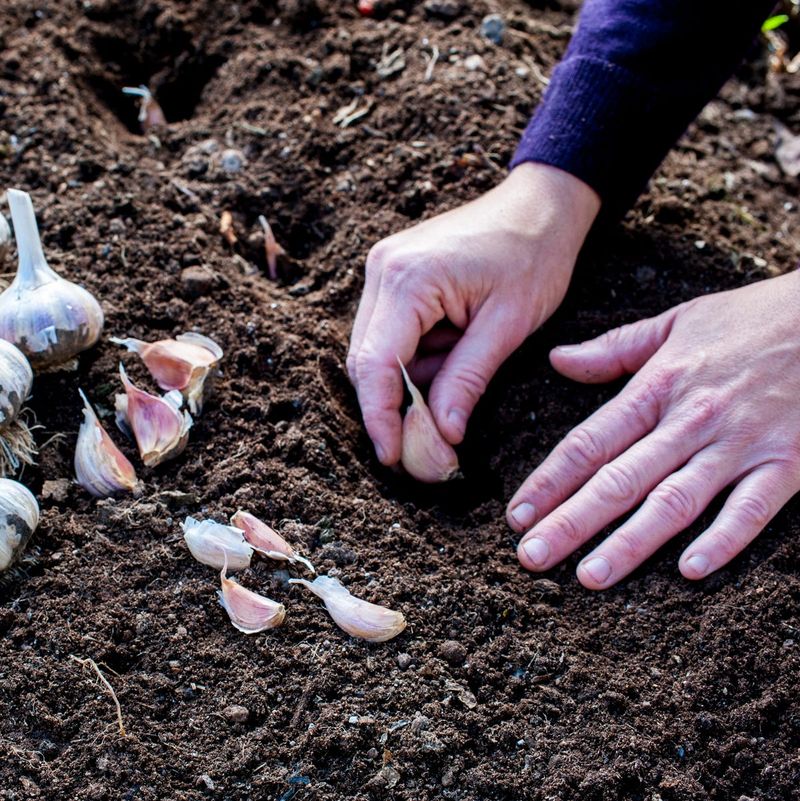
Break the heads into cloves, plant them pointy end up about two inches deep and six inches apart, then top the bed with a few inches of straw.
Drainage matters more than anything else. Oregon clay can hold water like a bathtub, and soggy cloves may rot before they ever sprout, so raised beds or mounded rows are your best friend.
Choose softneck types if you want heads that store well into winter. Hardneck varieties give you a bonus in late spring: curly green scapes that taste amazing in stir-fries and pesto.
And yes, buying five extra heads from the farmers market because they looked too good to pass up absolutely counts as garden planning.
2. Daffodils and Grape Hyacinths
Deer in Oregon neighborhoods can be bold. They stroll down sidewalks in Ashland, nibble roses in Corvallis, and treat tulip beds like a salad bar.
Daffodils are the bulb they usually skip, because the leaves and bulbs contain compounds that taste awful and can make animals sick.
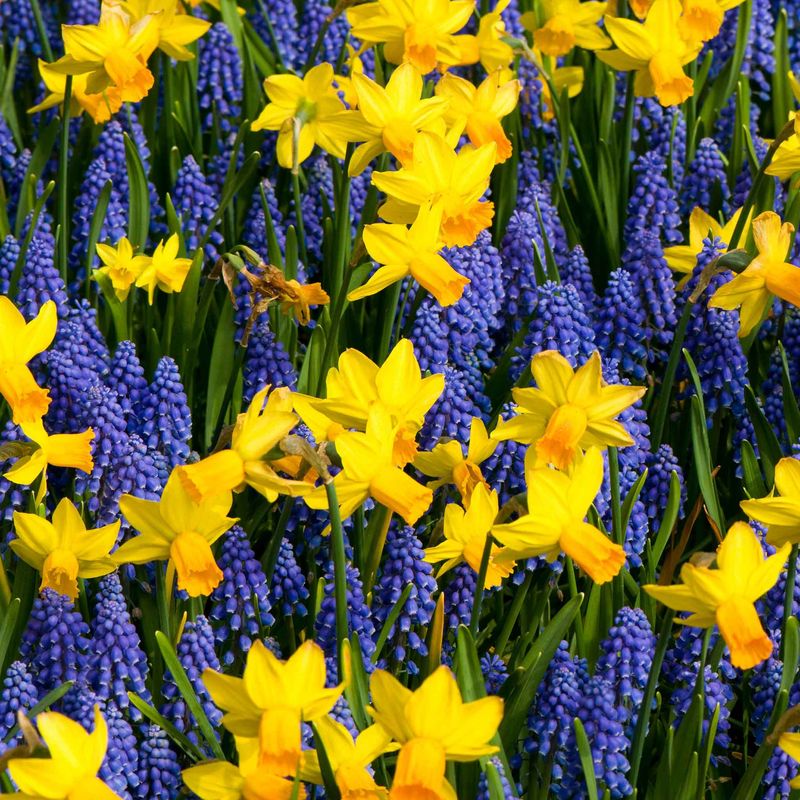
Grape hyacinths tend to get the same pass, which makes the two a natural pairing. Picture sunny yellow trumpets rising above little spikes of cobalt blue in March, right when the gray season feels endless.
Plant daffodils about six inches deep and grape hyacinths closer to three or four. Group them in clusters of five to ten instead of neat single rows, since natural-looking drifts give a much bigger splash of color.
Wet winter soil is the main thing to watch. Mixing in compost or planting on a gentle slope can help keep bulbs from sitting in puddles all season.
Early-flying bees may visit grape hyacinths on the first warm days of spring, so your bulb bed can do double duty as a snack bar for tired pollinators.
3. Camas Bulbs
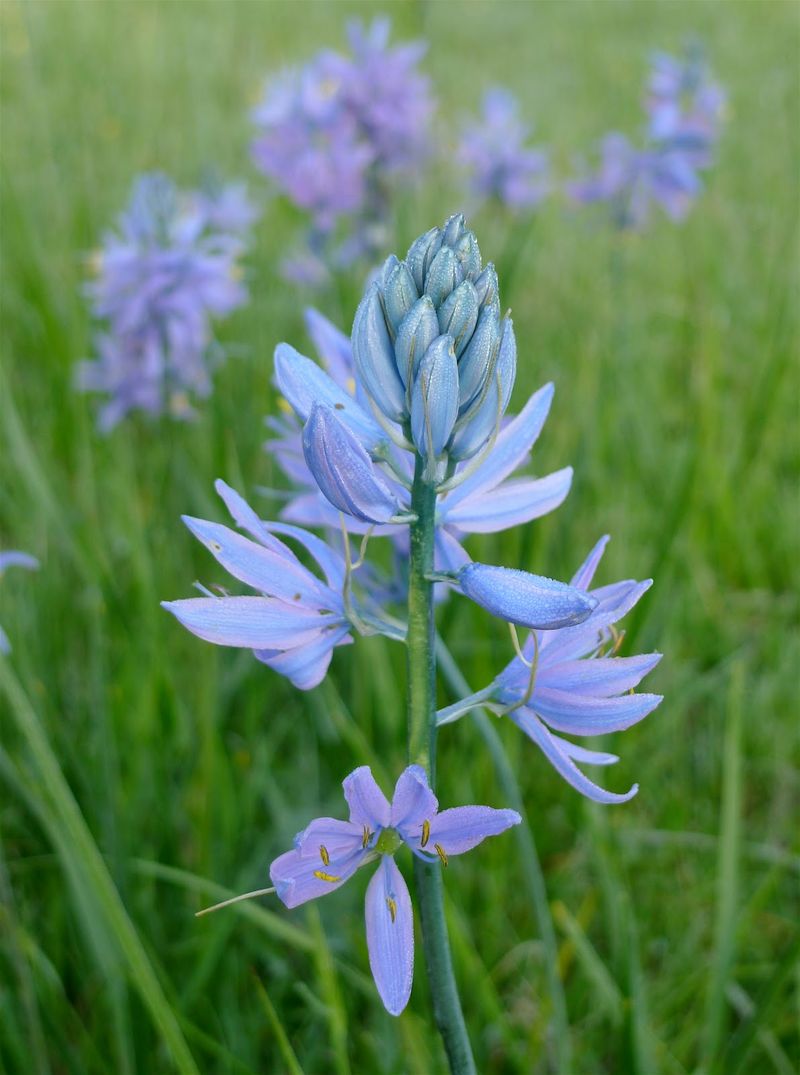
Long before lawns and subdivisions, parts of the Willamette Valley turned blue every spring. Those wide sweeps of color came from camas, a native lily whose bulbs were a treasured food for Indigenous peoples of the region for thousands of years.
Your Oregon Garden Changes Every Week. Your Plan Should Too.
Gardening in Oregon changes quickly throughout the season. Every Friday you’ll receive a simple weekly plan showing exactly what to plant, prune, fertilize, harvest, and protect so you never miss the right timing.
Bringing camas into your yard feels like returning a small piece of that story to the land. It also happens to be one of the few bulbs that actually likes our soggy winters.
Where fancy imported bulbs might sulk in damp clay, camas can settle right in.
Plant the bulbs about four inches deep in a sunny spot, ideally somewhere that stays moist in spring and dries out in summer. By late April or May, you may see starry violet-blue flowers on tall, graceful stems.
Native bees are often drawn to the blooms, which makes camas a lovely pick if you want your garden to give back. After flowering, the foliage fades and the plant goes quiet for the dry season, so pair it with later perennials to fill the space.
Common camas and great camas are both easy to find at native plant sales each fall.
4. Mahonia ‘Charity’
Here is a fact that surprises plenty of newcomers: Anna’s hummingbirds stay in western Oregon all winter long. They zip around in the rain and even through the occasional frost, and they need fuel when almost nothing is blooming.
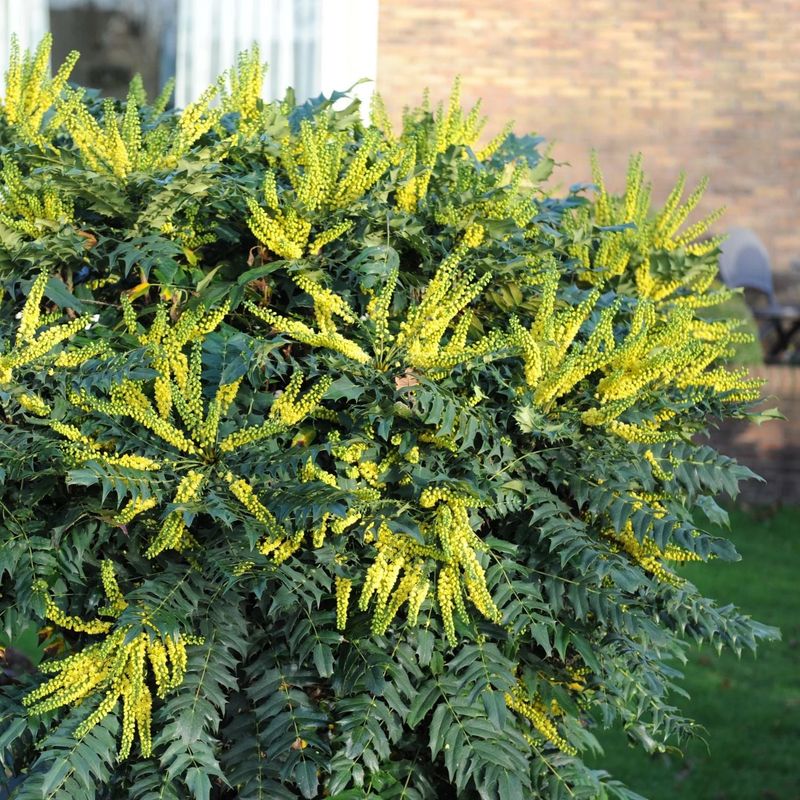
Enter Mahonia ‘Charity’, a tall cousin of our state flower, the Oregon grape. From roughly November through February, it pushes out bold spikes of lemon-yellow flowers that look like fireworks against glossy evergreen leaves.
Many gardeners report that it becomes a favorite feeding stop for their resident hummers.
It is also wonderfully tough. Part shade suits it, established plants handle our dry summers with little fuss, and the spiny leaves tend to discourage deer.
Give it room, since mature shrubs can reach six to ten feet tall. A spot you can see from a kitchen window is ideal, because watching a hummingbird feed on a January morning is pure joy.
Planting in October lets the roots soak up autumn rain and settle in before spring growth. If you have been worrying about doing right by winter wildlife, this shrub is a very good place to start.
5. Camellia sasanqua
Confession time. That slightly lopsided camellia on the clearance rack, the one with a sad tag and a few yellow leaves?
It is probably going to come home with you, and honestly, it should.
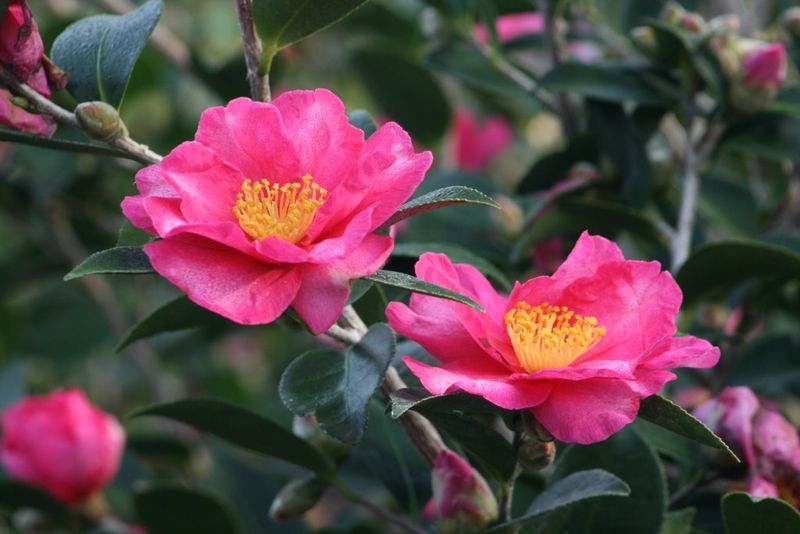
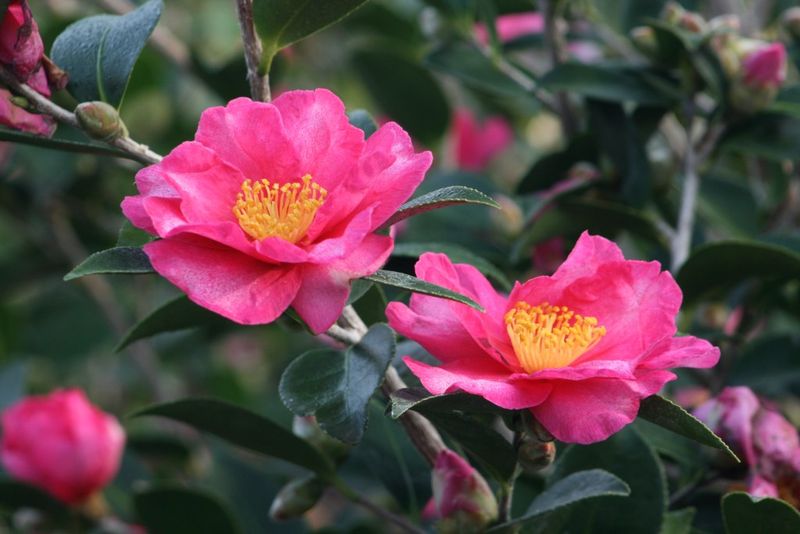
Camellia sasanqua is the winter-blooming member of the family, flowering from about October into February in western Oregon. Blossoms come in white, pink, and rosy red, and some varieties carry a sweet, light scent.
What sets it apart from spring camellias is how it handles our weather. Instead of browning on the branch after a soggy week, the petals tend to drop cleanly, leaving the shrub looking fresh.
Give it well-drained, slightly acidic soil and a spot with morning sun and afternoon shade. Our naturally acidic Pacific Northwest soils are usually a good match already.
The flexible branches make it a great choice for training flat against a fence or wall. Planting now means a rescued shrub can grow new roots all winter and look like a whole new plant by summer.
6. Hellebores
Some plants start friendships. Others start collections.
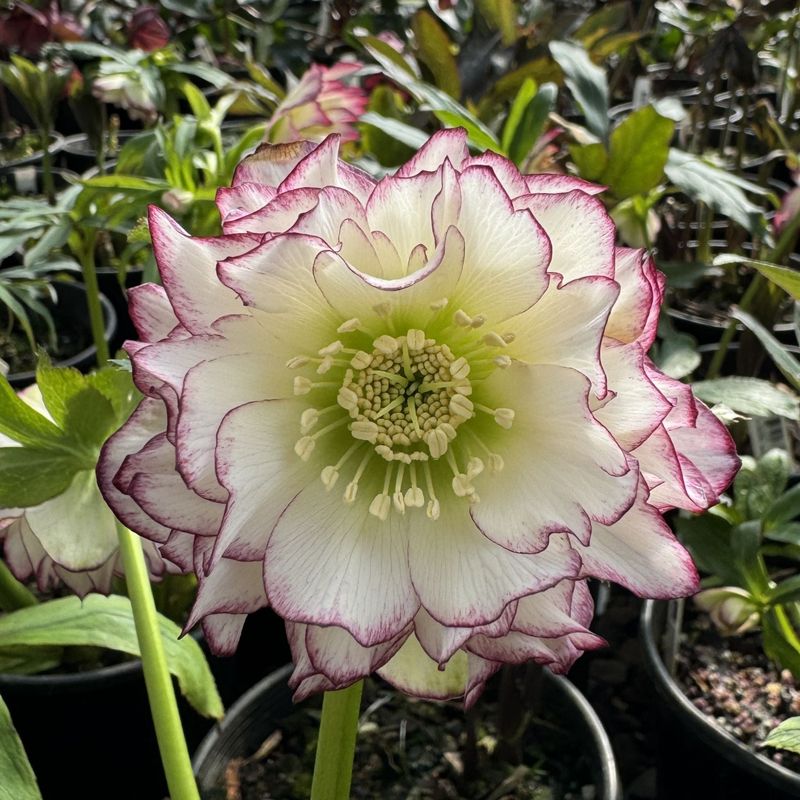
Hellebores, sometimes called Lenten roses, fall firmly into the second group, and many Oregon gardeners admit to owning far more colors than they ever meant to buy.
You can hardly blame them. From late winter into early spring, these shade lovers open cup-shaped flowers in plum, cream, green, slate, and freckled pink, right when the garden feels flattest.
They thrive under trees and along the north side of a house, spots where many other flowers struggle. Deer and slugs usually leave them alone, which is a rare win in the Pacific Northwest.
Plant them in October in rich, well-drained soil with plenty of compost worked in. Set the crown at soil level rather than deep, then mulch lightly.
A simple trick makes the flowers shine: snip off the old, tattered leaves in late winter so the blooms stand out. Early bees may also visit on mild days, grateful for pollen when little else is open.
7. Native Asters and Goldenrod
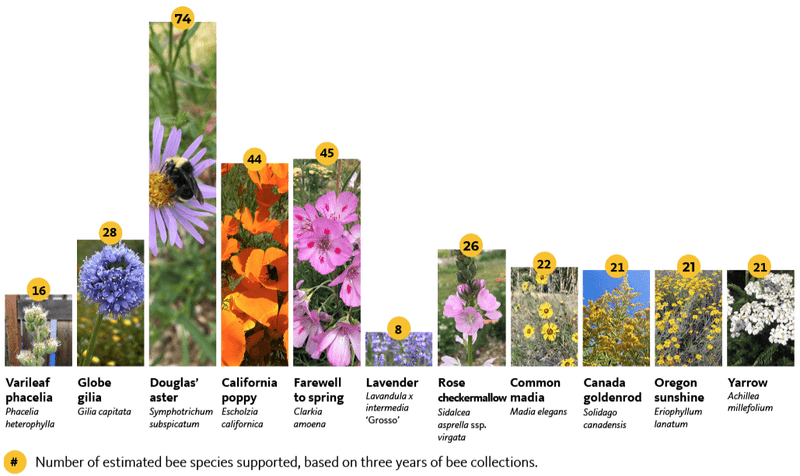
Poor goldenrod has been blamed for fall sneezes for generations. The real culprit is usually ragweed, which blooms at the same time but relies on the wind to spread its pollen.
Goldenrod pollen is heavy and sticky, made for insects, not your nose.
Once you let go of that old myth, goldenrod becomes a treasure. Pair it with Douglas aster or other native Oregon asters, and you get a late-summer and fall buffet of gold and lavender.
Late-season nectar can be scarce, and these plants may give bumblebees, butterflies, and hoverflies a much-needed boost before winter. Watching them buzz across the flowers on a warm September afternoon is its own reward.
October planting gives roots a full rainy season to grow. Both handle full sun and adapt to a range of soils, and once settled they usually need little summer water.
Here is the part that makes a lazy gardener smile. Leave the stems standing through winter, and let fallen leaves collect around the base, because some native bees and other insects may shelter there until spring.
8. Kale and Cold-Hardy Greens
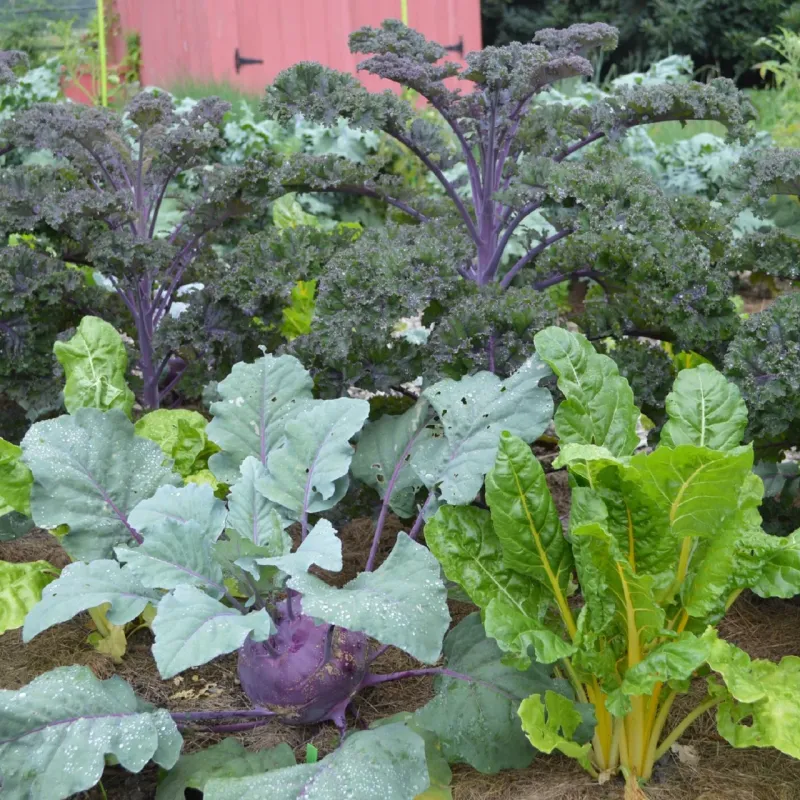
Summer tomatoes get all the glory, but a crisp December kale salad from your own backyard might be the real flex. Western Oregon’s mild winters make it one of the best places in the country for growing greens straight through the cold months.
Kale is the star. Lacinato and Red Russian both handle our weather well, and a light frost can make the leaves taste noticeably sweeter.
Chard, spinach, mizuna, arugula, and collards make great neighbors in the same bed.
Timing is the tricky part. Plant growth slows to a crawl in November and December as the days get short, so set out sturdy starts in early October rather than seeds.
A few Oregon-specific tips help a lot:
Use raised beds so roots do not drown in heavy rain. Keep a floating row cover handy for cold snaps.
Check for slugs on damp evenings, because they love tender greens as much as you do.
Harvest outer leaves and let the center keep growing, and one planting can feed you for months.
9. Crimson Clover Cover Crop
Bare soil in an Oregon winter takes a beating. Months of steady rain can pack it down, wash away nutrients, and leave you with a crusty mess come April.
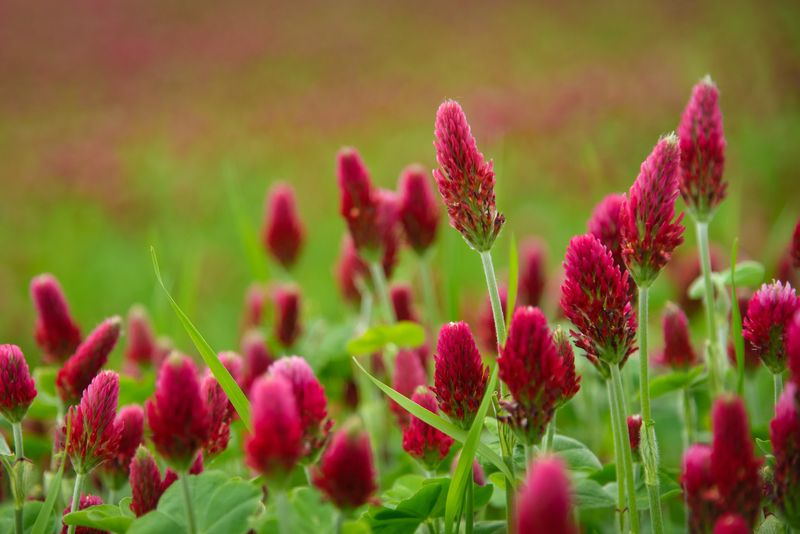
Crimson clover is a simple fix that feels a little like tucking your garden into bed. Scatter the seed over empty vegetable beds by mid-October, rake it in lightly, and let the autumn rain do the watering.
Through winter, the low green leaves help protect the surface from pounding rain and may reduce erosion. Clover also works with soil bacteria to pull nitrogen from the air, which can give next year’s crops a helpful boost.
Then comes the fun part. In spring, the plants burst into bright red, cone-shaped flowers that bees often visit in big numbers.
Cut the clover down before it sets seed and turn it into the soil or leave it as mulch a few weeks before planting. For heavier coverage, some gardeners mix in cereal rye.
It is the perfect closing act for your October to-do list: a planting that takes care of the soil, the pollinators, and future you all at once.