12 Oregon Native Shrubs Homeowners Plant Once for Privacy That Come Back Thicker Every Year
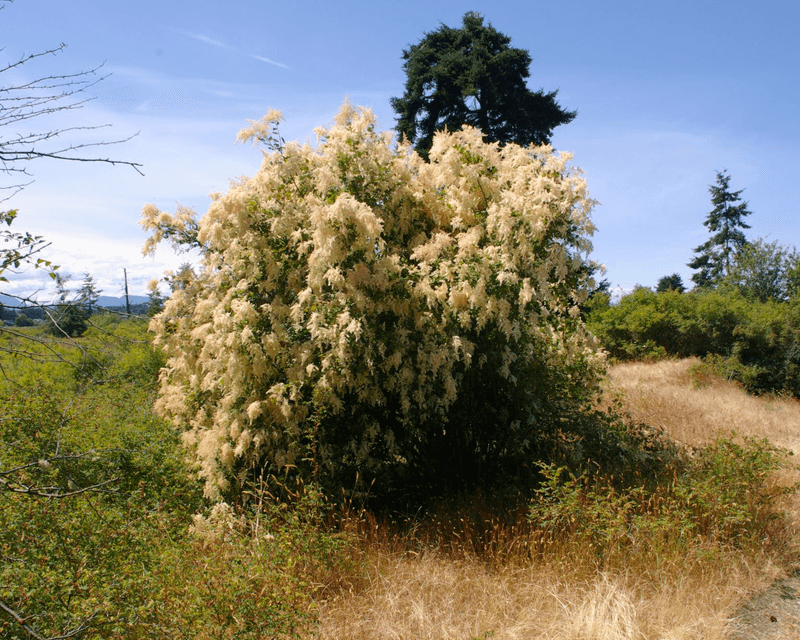
Every Oregon gardener seems to have that one window that looks straight into a neighbor’s kitchen. A living screen of native shrubs fixes that problem while feeding birds, bees, and hummingbirds at the same time.
The best part is that these plants are built for our wet winters and dry summers, so they get fuller each year with very little fuss. Here are twelve tough natives worth planting once and enjoying for decades.
1. Pacific Wax Myrtle
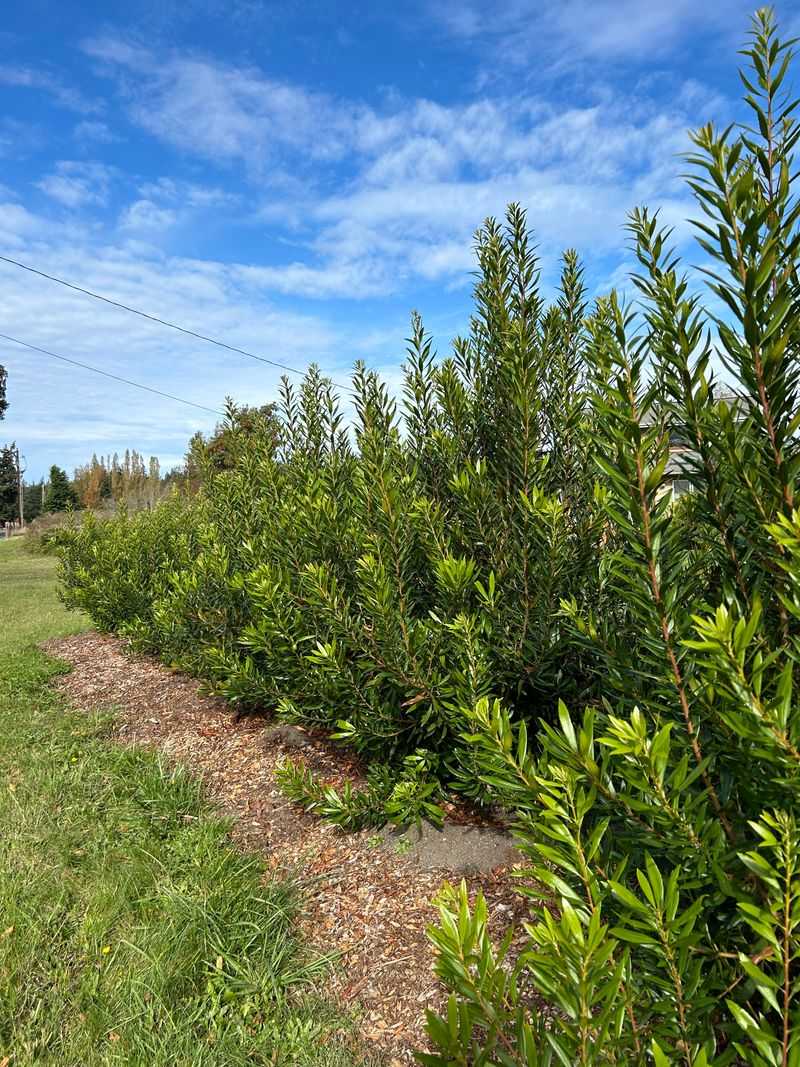
Picture a hedge that stays glossy green in January, laughs at coastal wind, and never asks you to spray it for anything. Pacific wax myrtle is about as close to that dream as Oregon gets.
Native to the westside coast, it grows upright and dense, eventually reaching 10 to 20 feet or more if you let it run.
Homeowners love it because it takes shearing well, so you can keep it as a tidy 8-foot wall or let it relax into a looser screen. It handles sandy soil, heavy clay, and even salt spray, which makes it a favorite from Astoria to Brookings.
In the Willamette Valley, give it a sheltered spot, since a hard freeze in zone 8a can nip the tips in a rough winter.
Come fall, female plants carry small purple-black waxy berries that birds like yellow-rumped warblers may pick through all winter. The leaves have a faint bayberry scent when you brush past them.
Plant in fall once the rains return, water through the first two summers, and then mostly step back. Each year it fills in from the base, and by year four or five most people forget their neighbors ever existed.
2. Tall Oregon Grape
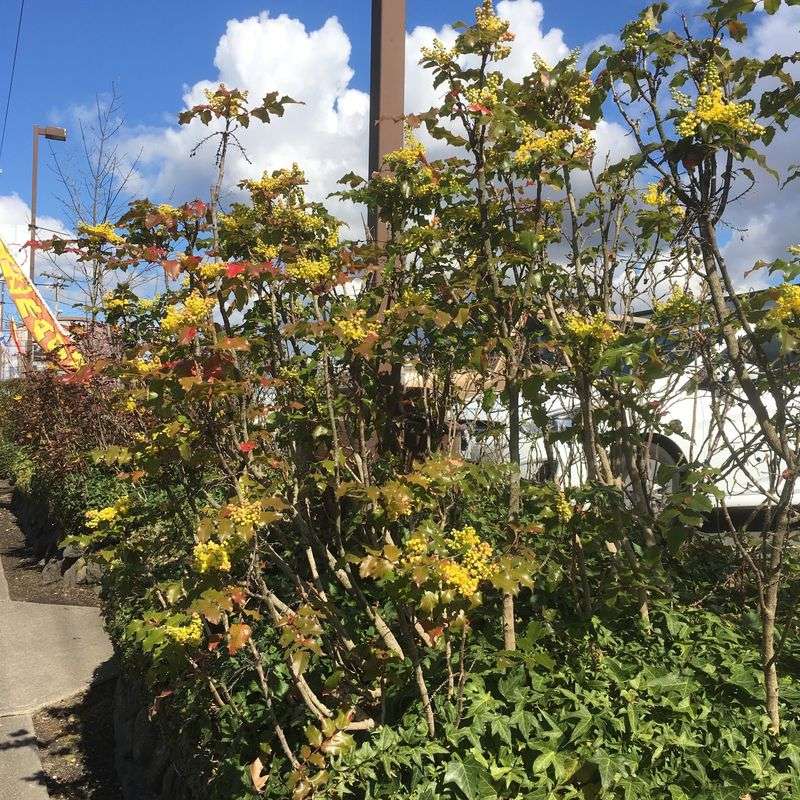
Oregon picked its state flower well, and it happens to double as one of the prickliest privacy plants you can grow. Tall Oregon grape carries holly-like leaves with spiny edges, so deer and wandering visitors tend not to push through it.
It usually settles in around 6 to 10 feet tall and spreads slowly by underground stems, getting fuller with every passing season.
Shade is where it really shines. Under big Douglas firs or along the north side of a house, where so many hedges sulk, it keeps its leathery leaves and often turns bronze or burgundy in winter cold.
It grows happily in zones 5 through 9, so gardeners east of the Cascades can join the fun too.
Late winter brings clusters of bright yellow flowers, one of the first real meals of the year for queen bumblebees and early hummingbirds. By summer those blooms become dusty blue berries that robins and waxwings may strip in an afternoon.
The dense branches also give songbirds a safe place to nest in spring.
A quick tip: wear gloves when planting, because those leaves bite. Once established, it needs little summer water west of the Cascades.
3. Evergreen Huckleberry
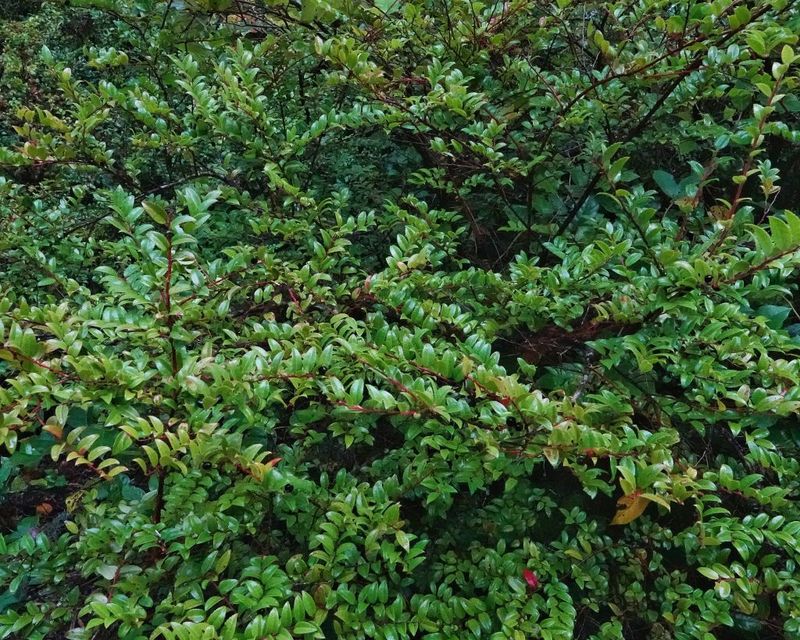
Anyone who has hiked the Oregon coast in August probably remembers grabbing a handful of tiny, dark huckleberries straight off the bush. Evergreen huckleberry brings that same trail snack home, wrapped in a shrub that makes a lovely, fine-textured screen.
Your Oregon Garden Changes Every Week. Your Plan Should Too.
Gardening in Oregon changes quickly throughout the season. Every Friday you’ll receive a simple weekly plan showing exactly what to plant, prune, fertilize, harvest, and protect so you never miss the right timing.
New growth comes in coppery red before settling into deep glossy green.
Here is the honest part: it starts slow. For the first couple of years you may wonder if it is doing anything at all, but once the roots settle, it thickens steadily and rarely looks scraggly.
In full sun it tends to stay around 3 to 4 feet, while in partial shade it can stretch to 6 to 8 feet. That makes it ideal for an informal hedge under tall conifers in zones 7 through 9.
Spring brings little pink-white bells that native bumblebees work eagerly. The blue-black berries ripen in late summer and often hang into fall, so you and the birds can share.
It prefers acidic, well-drained soil, the kind many Willamette Valley and coastal yards already have near firs.
Mulch it with fir needles or bark and keep it watered the first two summers. Florists have long used its leafy sprays in bouquets, so a light trim now and then fills a vase too.
4. Pacific Ninebark
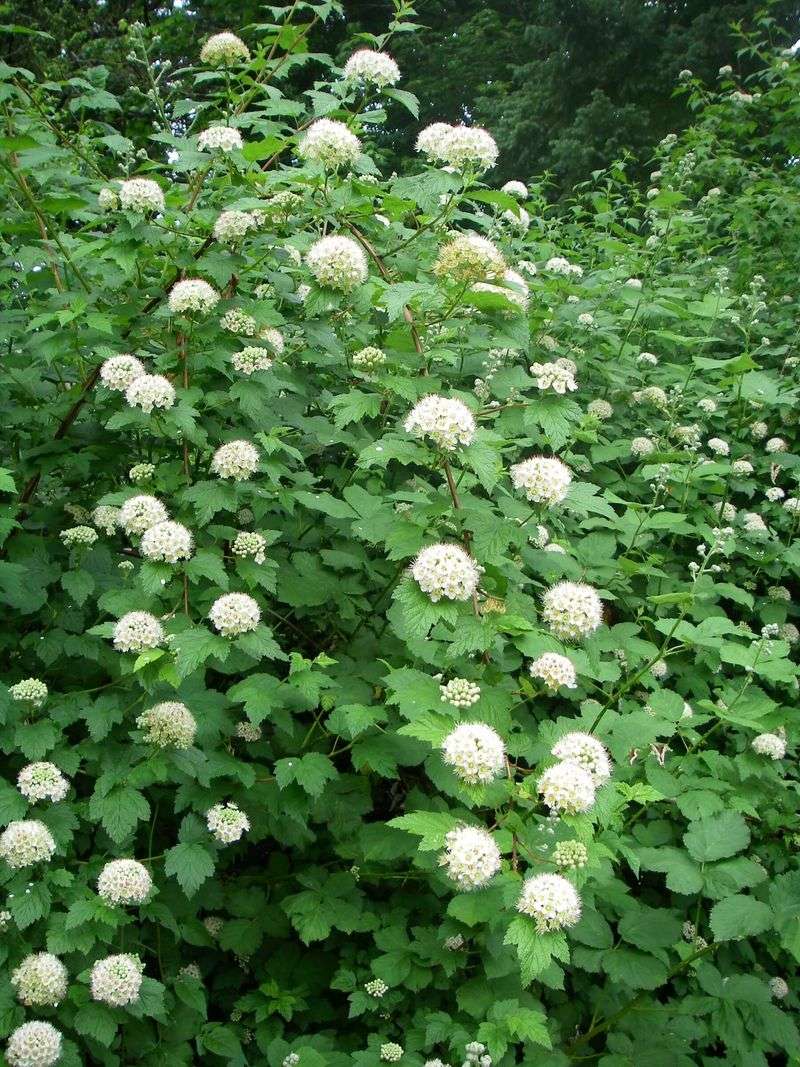
Impatient gardeners, this one is for you. Pacific ninebark is the sprinter of the native shrub world, often putting on several feet in a single season once its roots find moist soil.
If you need a screen by next summer rather than next decade, it belongs near the top of your list.
Maple-like leaves emerge early in spring, followed by round, snowball-shaped clusters of white flowers in May and June. Those blooms tend to buzz with native bees, hoverflies, and small butterflies.
By fall, reddish seed heads can feed sparrows and finches, and the arching branches give birds sheltered nesting spots.
Yes, it drops its leaves in winter. Still, mature plants build up so many layered canes that a thicket keeps offering partial cover, and the peeling, papery bark looks surprisingly handsome against a gray November sky.
The common name comes from that shredding bark, which folks joked had nine layers.
Ninebark loves wet spots, making it a smart fix for soggy corners, rain gardens, or low areas where winter runoff collects. It usually reaches 6 to 12 feet and handles zones 5 through 9.
Plant a few together, prune out the oldest canes every few years, and it keeps coming back fuller from the base.
5. Mock Orange
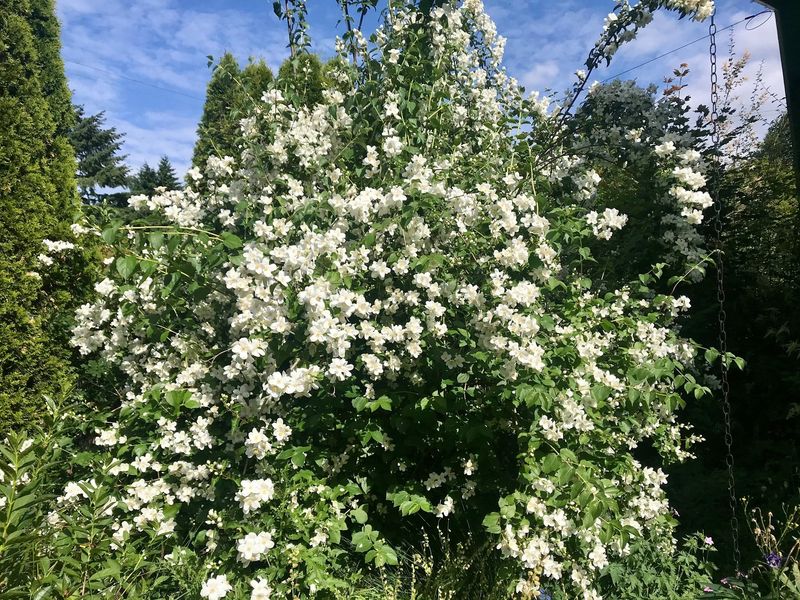
Walk past a mock orange in full June bloom and you will likely stop in your tracks. The scent is sweet and citrusy, a lot like orange blossoms, drifting across the yard on warm evenings.
Many Oregon gardeners first fall for it at a grandparent’s house, then spend years hunting down the exact shrub.
Philadelphus lewisii is named for Meriwether Lewis, who collected it during the famous expedition through the Northwest. It grows as a tall, arching shrub, typically 6 to 10 feet, and fills out fairly quickly once established.
In summer it becomes a full, leafy screen smothered in white flowers.
Winter is quieter, since it is deciduous. Mature plants develop lots of dense canes, though, so they still soften the view even when bare.
Pairing it with an evergreen like wax myrtle or Oregon grape gives you year-round coverage plus that unforgettable summer perfume.
It is surprisingly drought tolerant once settled, which suits dry Willamette Valley summers. Butterflies, bees, and other pollinators may visit the blossoms, and small birds use the twiggy branches for cover.
Prune right after flowering, removing a few old stems to the ground, and it will send up fresh, vigorous shoots the following year.
6. Salal
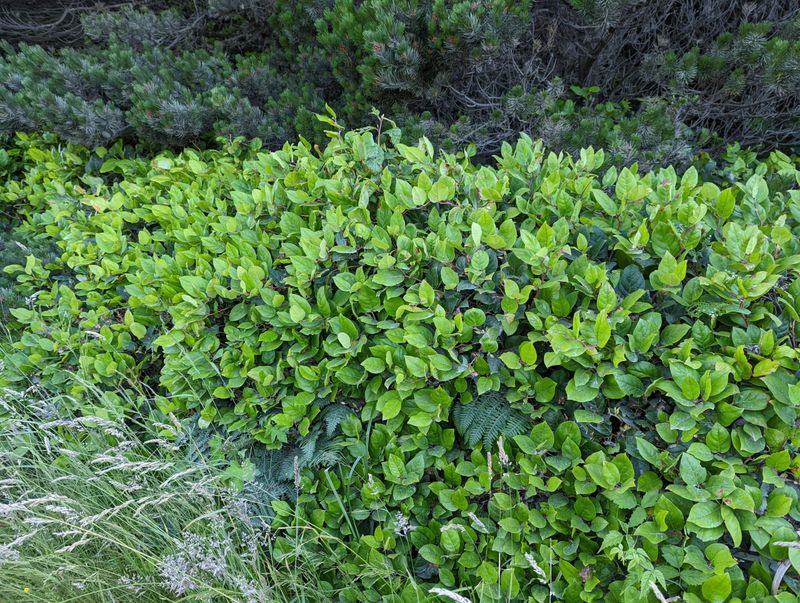
Drive the Oregon coast and you will spot salal nearly everywhere once you know what to look for. Thick, leathery leaves blanket forest floors and roadside banks from Seaside to the California border.
That same toughness makes it a quiet hero in the home garden.
For privacy, think of it as a low to medium screen rather than a tall wall. In sunny inland yards it may stay 2 to 4 feet, while in coastal shade it can reach 5 feet or taller.
It spreads slowly by underground rhizomes, so a row of small plants gradually knits into a solid evergreen drift that thickens every year.
Wind and salt spray barely faze it, and it handles dry shade under big trees better than almost anything. In spring, pinkish urn-shaped flowers dangle in rows and may draw native bees.
The dark purple berries that follow feed birds, chipmunks, and other small mammals, and people have eaten them for generations too.
Give salal acidic soil and plenty of organic mulch. Water regularly for the first year or two, since it can sulk while establishing.
After that it tends to take care of itself, and cut stems look right at home in a bouquet.
7. Ocean Spray
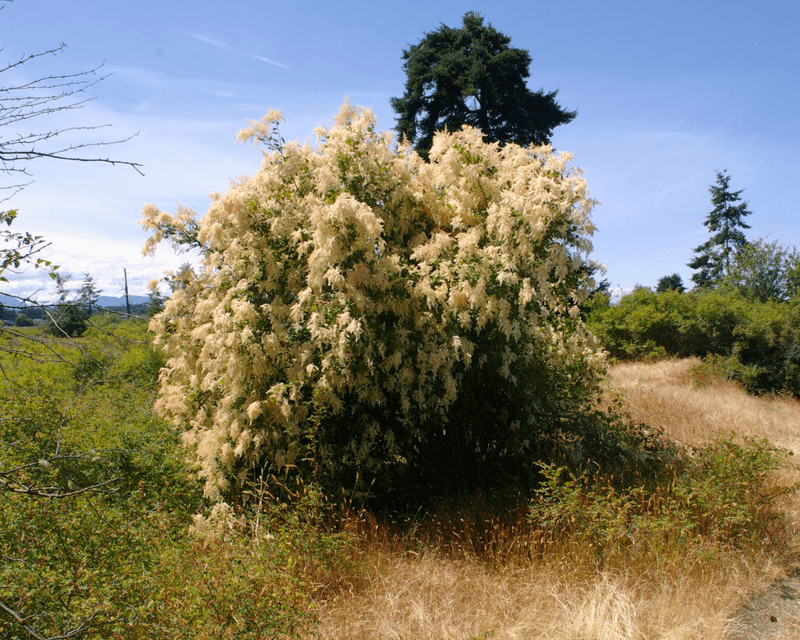
In early summer, drive any backroad in western Oregon and you will see what look like frothy waves of cream breaking over the hillsides. Ocean spray earns its name from those huge, drooping flower clusters, and it ranks among the showiest native shrubs we have.
Bloom time usually lands in June, right when many spring flowers have faded.
Beyond the good looks, it is extremely tough. Ocean spray handles dry shade, poor soil, and summer drought once established, often thriving where thirstier hedges struggle.
Plants commonly grow 6 to 15 feet tall with arching branches that build into a dense, natural-looking screen. Mature wood stays thick enough to offer some winter privacy even without leaves.
Wildlife seems to adore it. The flowers may attract butterflies and native bees, and the shrub can host several butterfly and moth caterpillars.
After blooming, the clusters turn a warm tan and hang on into winter, giving small birds seeds to pick at.
The wood is so hard and straight that it was traditionally used for tools and arrows, which explains another common name, ironwood. Mix it with evergreens like salal or Oregon grape for year-round coverage.
A light trim to remove the oldest stems keeps it thick and vigorous.
8. Red Flowering Currant
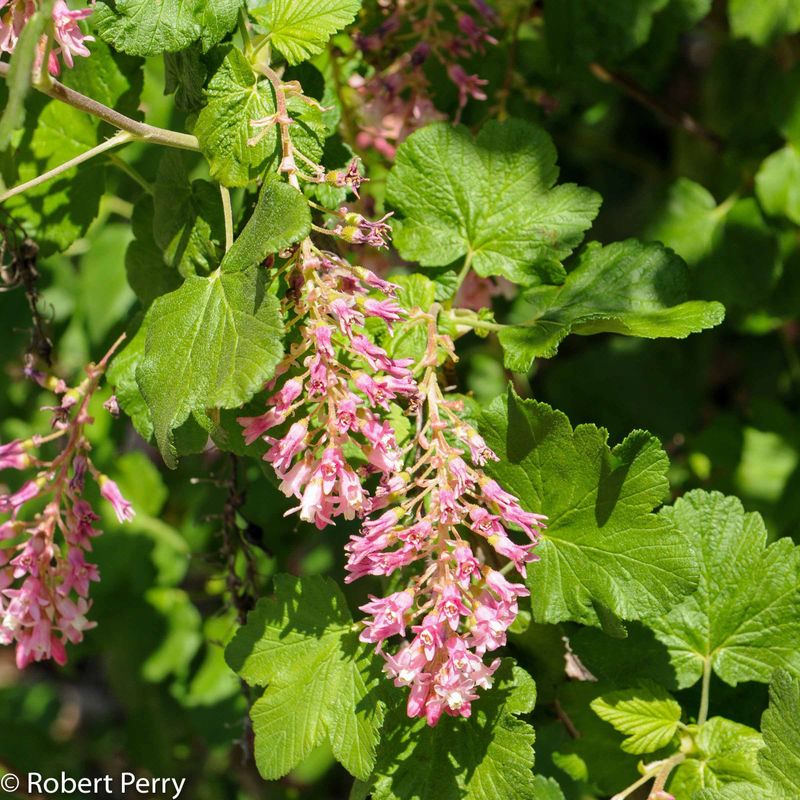
If you have ever stood at the kitchen window in March watching a hummingbird zip back and forth, you already understand why people plant red flowering currant. Its drooping clusters of pink to deep red blossoms open in late winter, often right when Anna’s hummingbirds need food most.
For gardeners who want to do right by wildlife, few shrubs deliver so much joy so early.
It grows fast too. In a sunny spot along a fence line, it can reach 6 to 10 feet within a few seasons and form a loose, full screen.
It handles dry summers once established and tolerates a range of Oregon soils, from Portland clay to looser loam.
Deer sometimes nibble it in winter, but it usually bounces back without much trouble. After flowering, small blue-black berries form, and birds tend to find them fast.
The leaves smell faintly spicy when crushed, a small bonus while weeding nearby.
Plant it in fall or early spring and water through the first dry season. A quick prune after blooming encourages more branching, which means a thicker hedge next year.
Want a real hummingbird hotspot? Tuck one near a window where you can enjoy the show from your coffee chair.
9. Nootka Rose
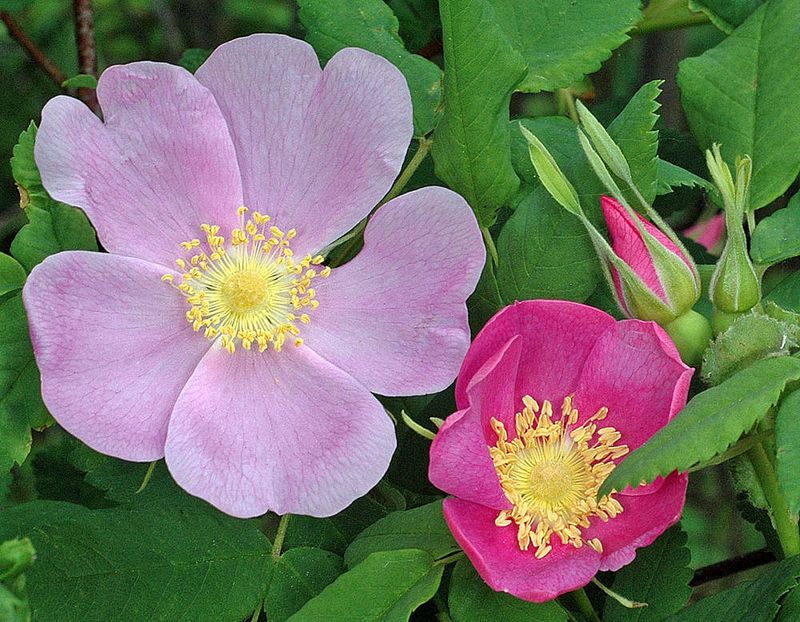
Few plants say ‘keep out’ quite as politely as a thicket of wild roses. Nootka rose is native right here in the Willamette Valley and along the coast, and it has a habit of spreading by suckers into dense, prickly clumps.
Give it a few years and you will have a living fence that most people and many critters will not try to cross.
Plants typically reach 3 to 10 feet, depending on moisture and sun. In late spring, single pink blossoms with bright yellow centers open along the canes, carrying a light, old-fashioned rose scent.
Bees may visit them heavily, since the open flower shape makes pollen easy to reach.
Fall brings the real bonus: plump red rose hips that hang on well into winter. Robins, thrushes, and grosbeaks can feast on them, and the tangled canes offer cover from hawks and cats.
People also make tea and jelly from the hips, which are rich in vitamin C.
Nootka rose tolerates soggy winter soil and grows in sun to part shade. Because it wanders, plant it where you actually want a thicket, like along a back property line, and edge around it if it creeps too far.
10. Indian Plum
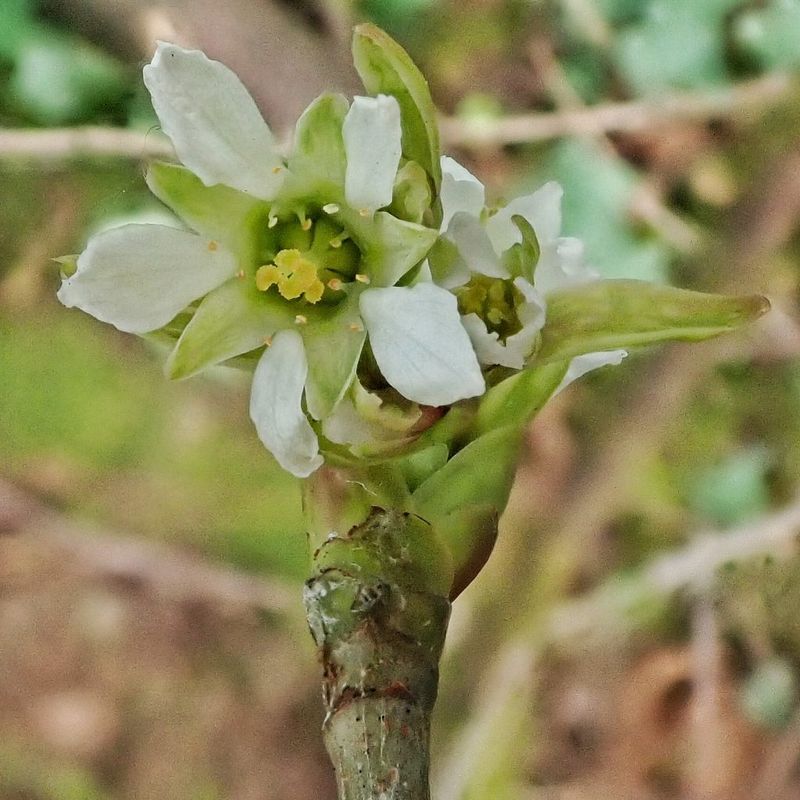
Every February, somewhere in a wet Oregon forest, the first green leaves of the year unfurl on Indian plum. It is often the very earliest native shrub to leaf out and bloom, and seeing it feels like a promise that winter will not last forever.
For a privacy planting, that early start matters, since your screen fills in weeks before most deciduous shrubs.
Dangling clusters of small, white, bell-shaped flowers appear alongside the new leaves. They may provide an early nectar source for hummingbirds and emerging bees when little else is blooming.
The flowers have an unusual scent that some compare to cucumber, and a few folks find it less than charming.
Plants grow into large shrubs about 6 to 15 feet tall, spreading by suckers into fuller clumps over time. Male and female flowers come on separate plants, so only females produce the small orange fruits that ripen to blue-black.
Birds usually snap them up quickly.
One quirk to know: in hot, dry summers, Indian plum may drop its leaves early. Planting it in part shade with evergreens nearby keeps your screen looking good through August.
11. Redtwig Dogwood
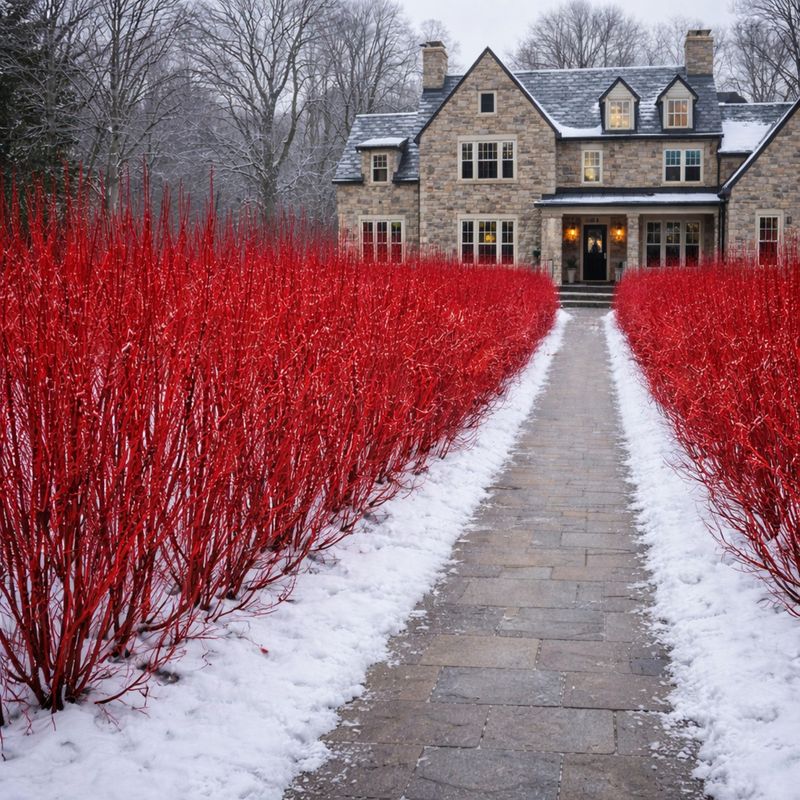
Most privacy plants go dull in winter, but redtwig dogwood saves its best show for the darkest months. Once the leaves drop, bright red stems glow against rain-soaked Oregon backyards like a string of holiday lights.
It is the kind of plant that makes you smile on a soggy January evening.
It also spreads eagerly. Underground stems help each plant form a dense thicket, so a row of several shrubs can become a solid screen within a few seasons.
Most reach 6 to 12 feet tall and wide, and they are happiest in moist to wet soil.
That love of water makes it a great choice for rain gardens, streamside plantings, and those low spots where puddles sit all winter. In spring, flat clusters of white flowers may attract pollinators.
Later, white berries feed birds, and the thick growth provides nesting cover.
To keep those stems vivid, cut out about a third of the oldest canes each late winter. Newer growth has the brightest color, and the plant responds by sending up even more shoots.
It shrugs off cold in zones 3 through 8, so it works both west and east of the Cascades.
12. Serviceberry
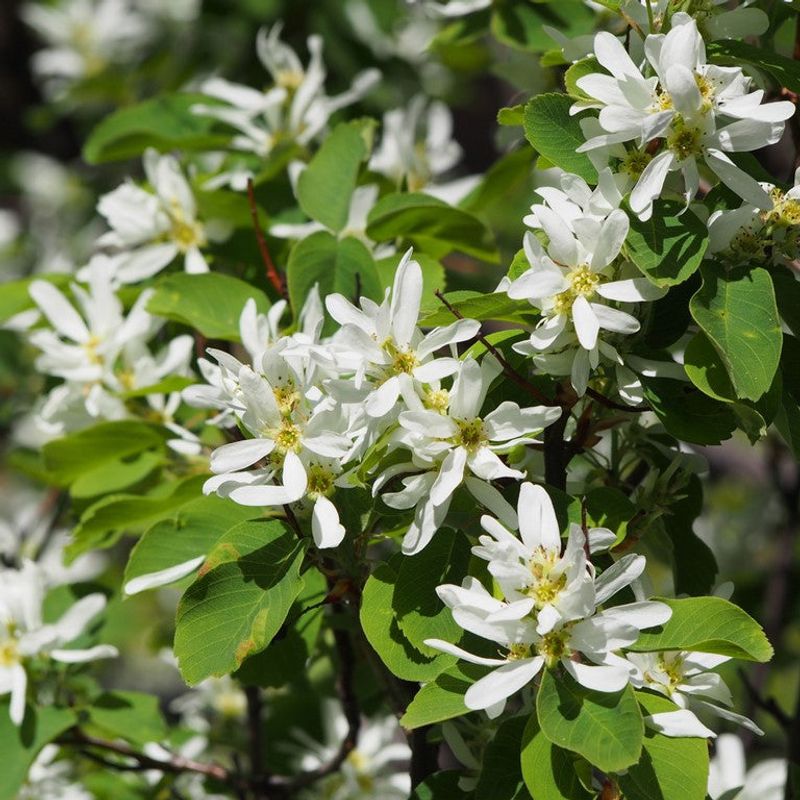
Some shrubs quietly do their job, but serviceberry seems to have something going on every season. Snowy white blossoms cover the branches in April, followed by sweet, dark purple berries in early summer and warm orange-red leaves in fall.
For a native that also offers real height, that is a lot of payoff.
Western serviceberry can grow as a multi-stemmed shrub or small tree, usually 6 to 20 feet tall. Planted in a row, it forms a tall, airy screen that softens views of a neighbor’s second-story window.
It tolerates drought once established and handles zones 3 through 9, so gardeners from the coast to the high desert can grow it.
The berries taste a bit like blueberries with a hint of almond, and they are wonderful in pies or eaten fresh. Birds love them too, so you may need to be quick.
Waxwings, robins, and grosbeaks can clear a shrub in days.
The spring flowers may support early bees and other pollinators. Give it full sun to part shade and decent drainage.
Since it is deciduous, pair it with evergreen huckleberry or salal underneath for a layered hedge that gets thicker and more beautiful each year.