The California Garden Task That Helps Keep Fallen Leaves Useful For Wildlife
A gardener in Sacramento rakes sycamore leaves into a pile on a crisp November morning, then stuffs them into green bags, exactly like every year before.
It feels like the responsible thing to do.
Something small could change that whole routine, though, without adding any real extra work to the process.
That same pile, run through a mower instead of a trash bag, might shelter helpful insects and feed the soil all winter long, doing quiet work most gardeners never think to notice.
Curious what’s actually hiding inside a pile of leaves you were about to throw away? The answer starts with a lawn mower doing a second job nobody assigned it.
Shred Leaves Instead Of Bagging Them
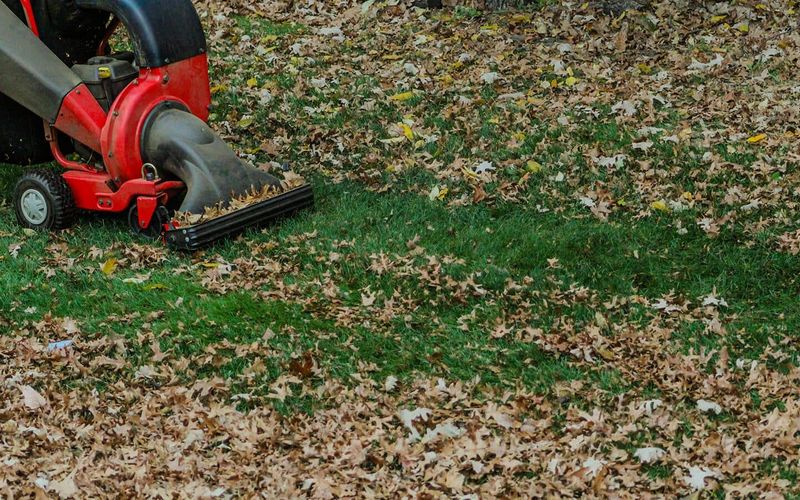
A lawn mower doing double duty might be the simplest fix in this whole story.
The same machine that trims your grass can turn a crunchy pile of sycamore, oak, or maple leaves into soft, crumbly mulch in just a few passes. That simple swap, shredding instead of bagging, is the heart of this whole garden task.
Start on a dry afternoon, since damp leaves clump and clog the mower deck.
Raise the blade to one of its higher settings and roll slowly over a thin spread of leaves rather than a giant heap. If your mower has a bag attachment, use it to collect the chopped bits so you can move them wherever you want.
Aim for pieces about the size of a dime or a quarter.
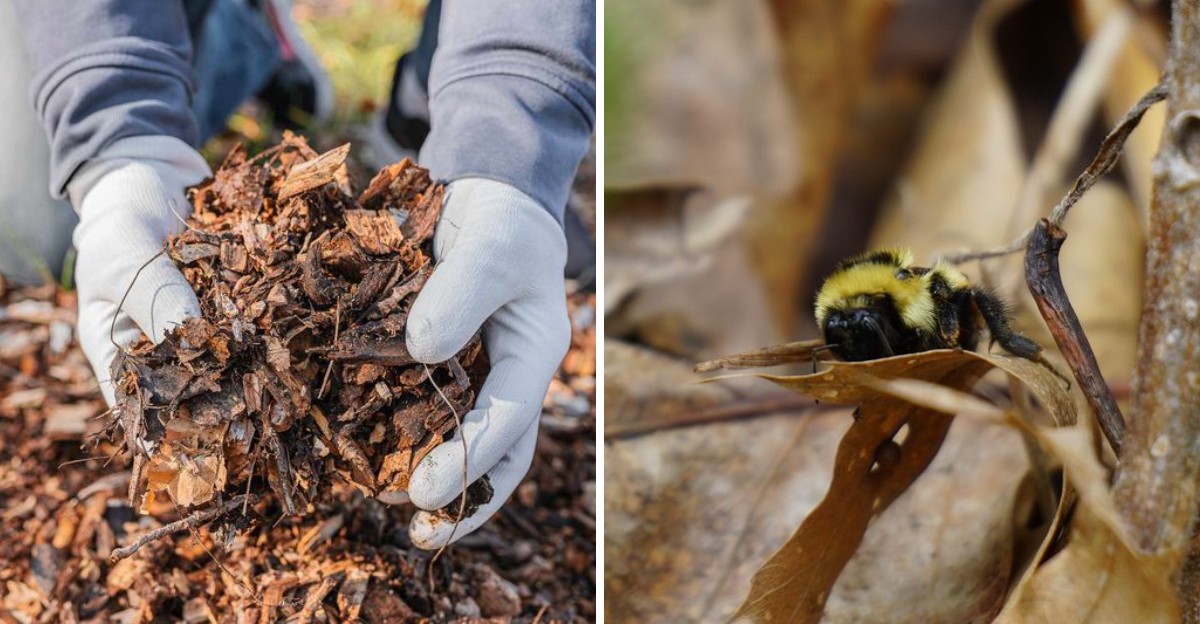
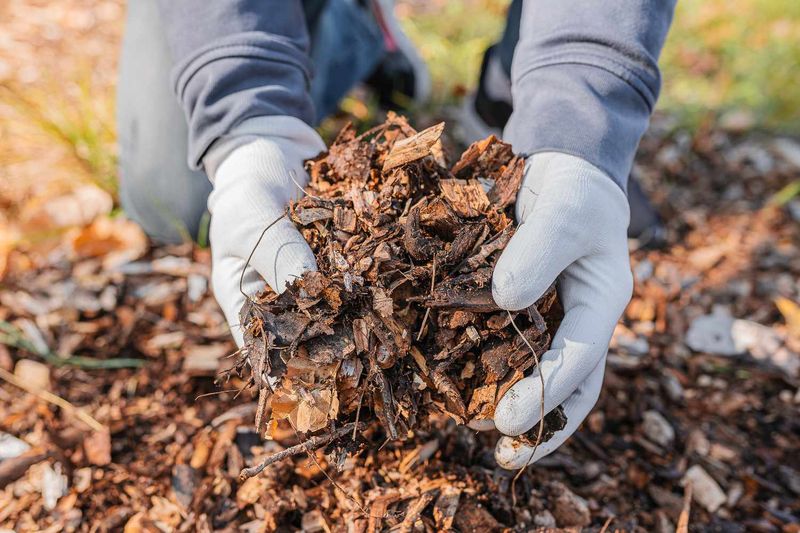
Then spread them across garden beds in a loose layer roughly two to three inches deep. Keep the mulch a few inches back from tree trunks and plant stems so moisture does not sit against the bark.
No mower? A leaf vacuum with a shred setting works, and so does a string trimmer swirled around inside a tall trash can, with safety glasses on.
Chopped leaves make a free, handy mulch that holds moisture and feeds the soil.
Best of all, you skip the heavy bags, the curbside hauling, and the money spent on store-bought mulch.
A Thin Layer Shelters Overwintering Insects
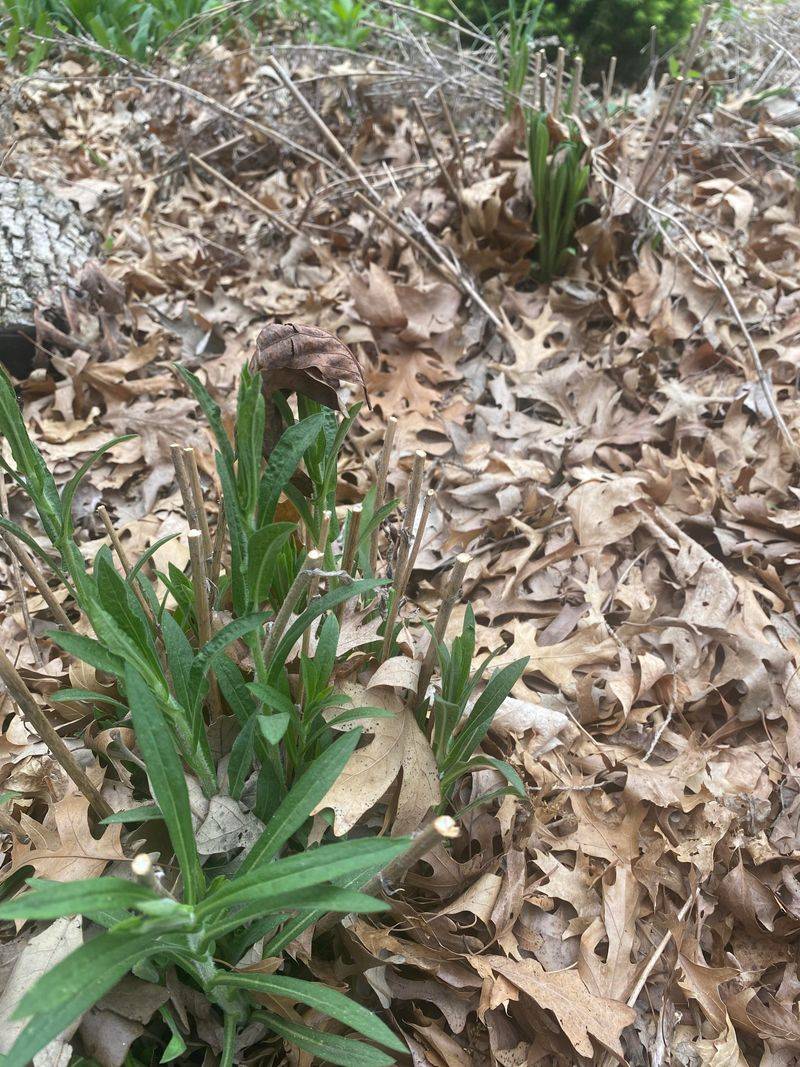
Under that brown blanket, a whole hidden neighborhood is taking a winter nap.
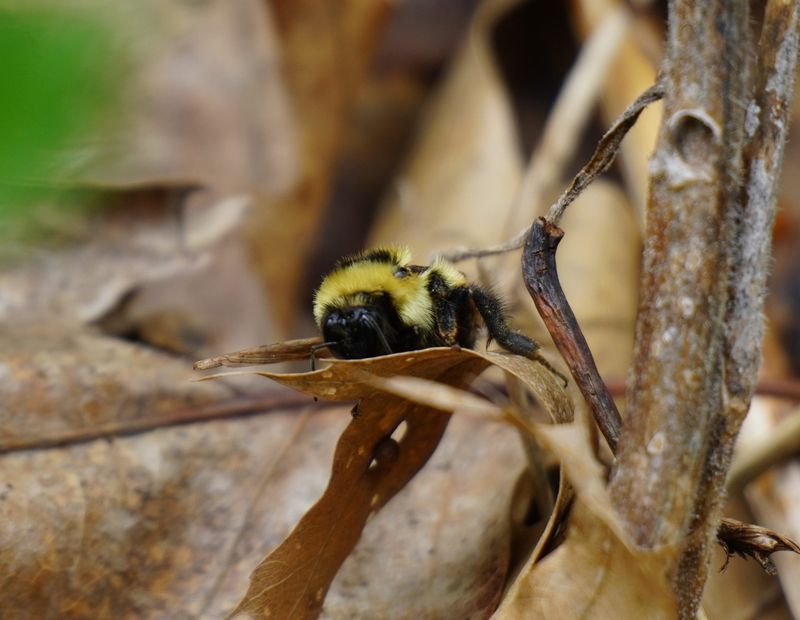
Many butterflies and moths spend the cold months in leaf litter as eggs, caterpillars, or cocoons. Fireflies, beetles, spiders, and the queens of some bumble bee species also rely on fallen leaves or the soil just beneath them.
A shredded layer still offers much of that shelter.
The chopped pieces trap air, block drying winds, and keep the ground a little more even in temperature and moisture. Ground beetles, which gobble up slugs and other pests, can tuck themselves right into the mix.
Here’s an honest catch, though.
Mowing or shredding can harm insects that have already settled into the leaves, so timing matters. Shred soon after leaves drop in fall, before most critters have moved in, and leave a few untouched patches for any early guests.
California winters are mild in many areas, so insects may stay active on warm days and hunker down on chilly nights.
Your California Garden Changes Every Week. Your Plan Should Too.
Gardening in California changes quickly throughout the season. Every Friday you’ll receive a simple weekly plan showing exactly what to plant, prune, fertilize, harvest, and protect so you never miss the right timing.
A thin, fluffy layer lets them move around without getting crushed or stuck. Think of it as a cozy duvet instead of a heavy wet rug.
Those overwintering bugs matter a lot. They become important spring food for songbirds raising hungry chicks.
Whole Leaves Left Alone Can Still Help
Not every leaf needs a trip through the mower.
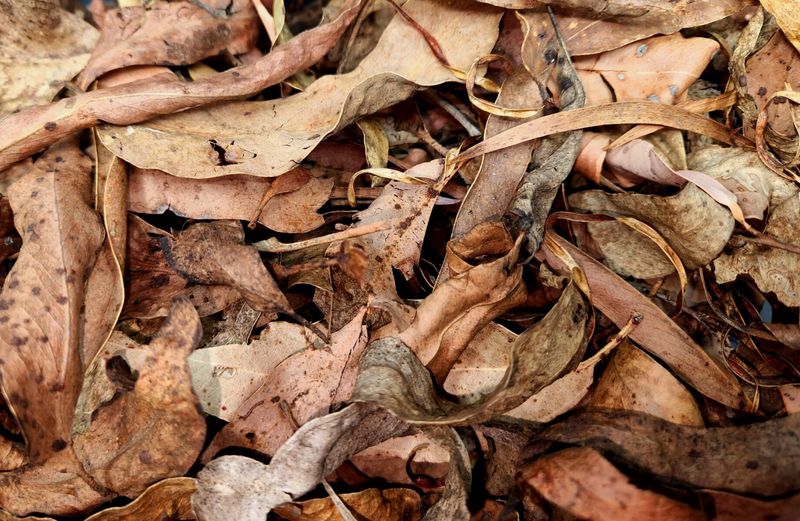
Some corners of your yard are perfect spots to let leaves lie exactly as they landed. Under shrubs, along back fences, and around the base of larger trees, whole leaves can do quiet, useful work.
Unbroken leaves offer the most intact hiding spots.
Some moth caterpillars roll themselves inside a single leaf. Certain butterflies attach their chrysalis to leaves that later tumble to the ground, so a whole leaf might be carrying a tiny passenger.
The trick is choosing the right locations.
Thick piles of whole leaves can mat down into a soggy layer that blocks light and air, which is rough on low-growing plants, seedlings, and lawns. Keep whole leaves away from small perennials and vegetable beds.
Native California shrubs such as manzanita, toyon, and coffeeberry often make great hosts.
The leaves beneath them gather naturally, just as they would in a wild oak woodland or chaparral hillside. You’re basically copying what nature already does.
One California-specific note is worth keeping in mind.
If you live in a high fire-risk area, keeping dry leaves and other burnable material cleared from the first five feet around your home matters more than habitat value in that particular zone.
Leaving Some Litter Beats A Bare Bed
Which would a sleepy beetle rather find in January, a soft pile of leaves or an empty patch of dirt?
The answer is obvious, yet many of us rake our beds bare every fall because it looks neat. That tidy look comes with hidden costs for both wildlife and soil.
Bare soil offers nowhere to hide.
Insects that overwinter on the ground are left exposed to cold snaps, drying winds, and hungry predators with no cover at all. When we bag every leaf, we may also be tossing out eggs, cocoons, and resting critters without realizing it.
The soil suffers too.
Mulch helps reduce erosion, hold in moisture, and limit weed growth, and leaves are one of the easiest mulches around. Heavy winter rain can splash and wash away uncovered topsoil, especially on slopes.
Leaf litter also supports a food web you rarely see.
Earthworms, pill bugs, millipedes, and fungi break down the leaves, and those tiny decomposers feed birds, lizards, and salamanders. California towhees and California thrashers love to scratch through leaf litter looking for snacks.
You do not need to go all in. Even leaving leaves in a few beds gives wildlife more than a spotless landscape would.
Shredding Speeds Up Natural Breakdown
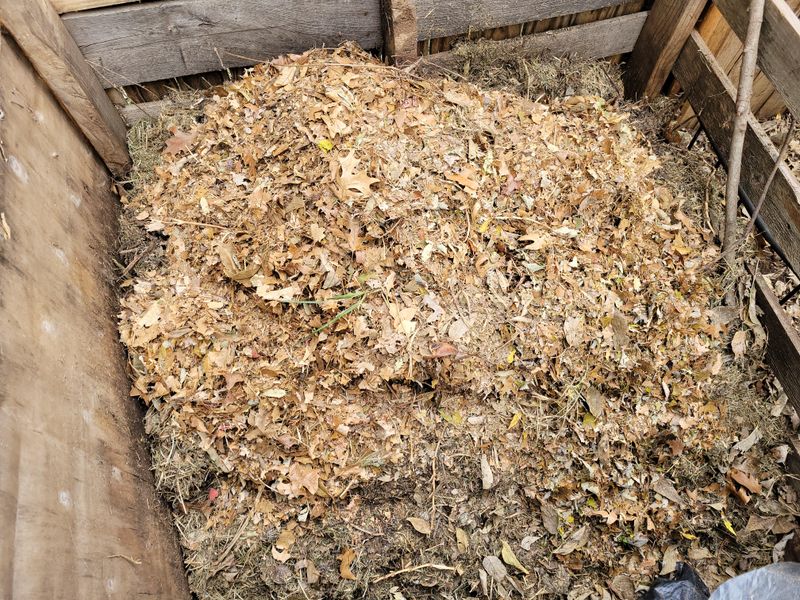
Here’s a fun fact worth knowing. A whole oak leaf can linger on the ground for many months, sometimes more than a year, while shredded pieces often vanish into the soil much faster.
Size makes all the difference.
When you chop a leaf into small bits, you create many more edges for soil life to attack. Bacteria, fungi, and tiny creatures like springtails and mites are the real workers here.
They munch on leaf edges and surfaces, turning tough tissue into rich, dark organic matter.
More surface area means more places to eat, and the whole process speeds up considerably.
As the pieces break down, they slowly return nutrients like nitrogen, potassium, and calcium to the soil.
Organic matter also works like a sponge, helping sandy soil hold water and helping heavy clay drain better. This steady soil building is a big perk of organic mulches.
Shredded leaves also resist matting.
Whole leaves, especially big flat ones like sycamore or magnolia, can stick together into a slick sheet that sheds water and starves roots of air. Chopped leaves settle loosely, so rain and oxygen reach the ground below.
Spring Cleanup Gives Insects Time To Emerge
Patience might be the most underrated garden tool of all.
When the urge to tidy up hits in February, try waiting a little longer. The insects hiding in your leaves are counting on it.
Holding off on final cleanup until spring has truly settled in is generally recommended.
A commonly shared rule of thumb is to wait until daytime temperatures stay above about 50 degrees Fahrenheit for a week or so, giving bees, butterflies, and beetles a chance to wake up and move out.
In much of coastal and Southern California, that can happen earlier than in colder parts of the country, while mountain gardens may need to wait longer.
When you finally clean up, go gently.
Rake lightly or move leaves by hand instead of blasting everything with a leaf blower. Pile the extra leaves in a back corner or compost bin rather than bagging them, since late sleepers may still be inside.
Spring is also a good time to peek under the mulch.
You might spot a beetle scurrying away or an empty cocoon left behind by a moth. Those little signs prove your leaf layer did its job all winter long.
Skipping The Bag Helps More Than You Think
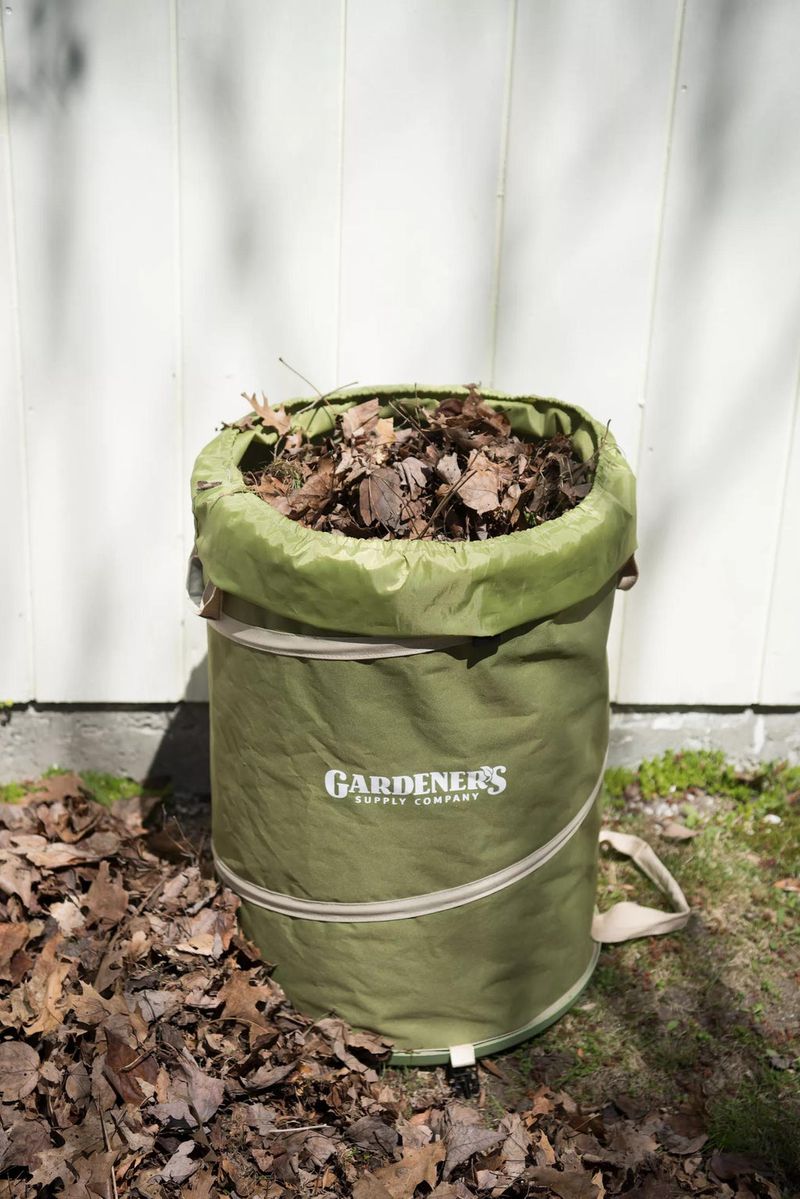
Just imagine every house on your street sending five or six bags of leaves to the curb each fall.
That adds up to a mountain of free habitat and soil food leaving the neighborhood. Now imagine those leaves staying put instead.
One yard might seem small, but yards connect.
Birds, bees, and butterflies travel from garden to garden, and each leafy patch becomes a stepping stone across the city. Home gardens together can form an important network of habitat for pollinators and other insects.
Keeping leaves also saves work and money.
You buy less mulch, haul fewer heavy bags, and water a bit less since covered soil holds moisture longer. California has also been pushing to keep yard waste and other organic material out of landfills.
Over the years, your soil improves quietly, one season stacking on top of the next.
Beds get darker and spongier, plants grow stronger, and you may notice more ladybugs, lacewings, and songbirds around. Small habits, repeated every autumn, create lasting change.