Why Dill Is Worth Growing In A Texas Fall Garden
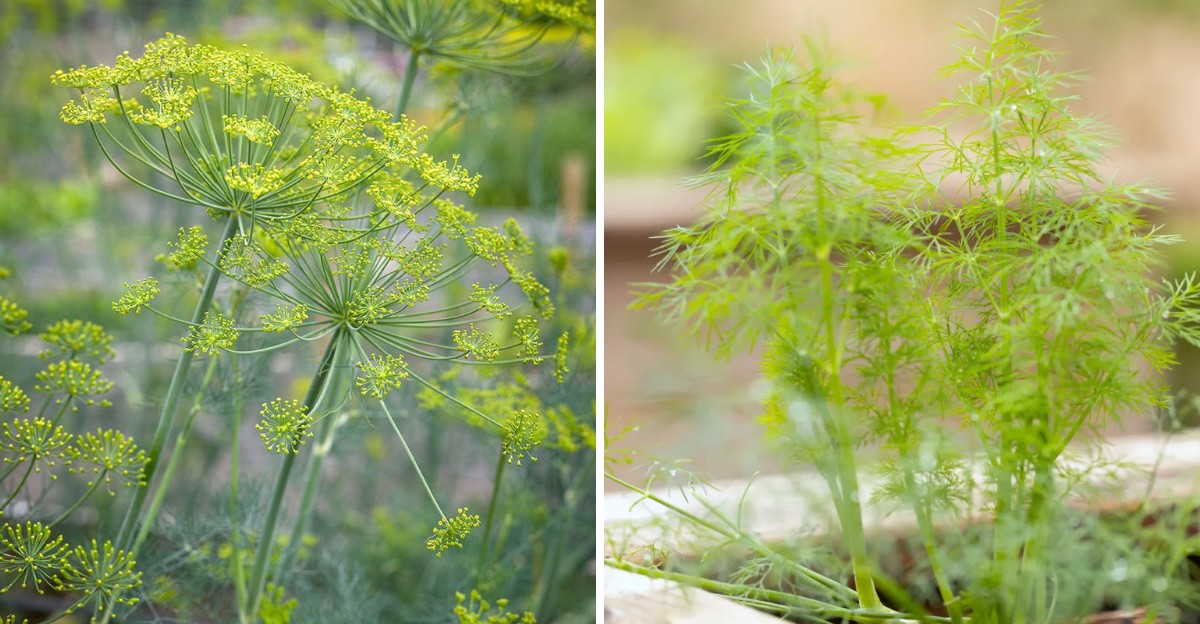
Dill is one of those herbs that most Texas gardeners either grow enthusiastically in spring and then abandon when summer heat arrives.
Or they skip it entirely because they’ve never thought of it as a fall crop. Both are missed opportunities.
Fall is actually one of the best times to grow dill in Texas, and the reasons go considerably further than just having fresh herb on hand for the kitchen.
Dill in a Texas fall garden attracts beneficial insects, supports caterpillars of the black swallowtail butterfly, and produces seeds that self sow reliably.
It grows quickly, handles cooler fall temperatures beautifully, and performs far better in fall conditions than it ever managed through the heat of a Texas summer.
1. It Thrives In Texas’s Cooler Months
Picture a July afternoon in San Antonio. The thermometer reads 102 degrees, and your dill plant has already shot up a tall stalk and started making seeds. Gardeners call that bolting, and it happens fast when dill gets too hot.
Dill is a cool-season herb at heart. It grows best when daytime temperatures sit somewhere between 60 and 75 degrees.
Texas summers push far past that range, so the plant rushes to finish its life cycle. Instead of soft leaves, you end up with woody stems and very little to harvest.
Fall flips the script. From late September through November, most of Texas enjoys warm days and cooler nights.
Dill loves that kind of weather. The plant relaxes and spends its energy growing leafy, feathery fronds instead of flowers.
That shift means a much longer harvest window. A spring crop might give you a few weeks of good leaves before summer hits.
A fall crop can keep going for months. You get more dill for the same amount of work.
Timing matters a lot here. In North Texas, aim to sow seeds in September or early October. Central Texas gardeners can plant from late September into November. Down in South Texas and along the coast, you can keep sowing into December.
A quick tip helps stretch the season even more. Sow a small row every two or three weeks. As one batch starts to slow down, the next one will be ready.
That simple habit keeps fresh dill coming all fall and into winter, right when the weather treats it best.
2. Seeds Sprout With Very Little Fuss
Good news for busy gardeners: dill might be one of the least demanding herbs around. You do not need grow lights, seed trays, or a greenhouse. A packet of seeds and a sunny patch of ground will do the job.
Direct sowing is the way to go. Dill grows a long taproot, which is a single thick root that dives deep into the soil. That root does not like to be disturbed.
Plants started in pots often sulk or struggle after being moved, so it is smarter to plant seeds right where they will grow.
Fall soil in Texas gives seeds a real head start. After a long summer, the ground is still warm. Dill seeds usually pop up in about 7 to 14 days under those conditions. Keep the soil lightly moist until you see little green threads poking through.
Your Texas Garden Changes Every Week. Your Plan Should Too.
Gardening in Texas changes quickly throughout the season. Every Friday you’ll receive a simple weekly plan showing exactly what to plant, prune, fertilize, harvest, and protect so you never miss the right timing.
Planting is simple. Scatter seeds on top of the soil and cover them with about a quarter inch of fine dirt. Dill seeds need some light to sprout, so do not bury them deep. Once seedlings reach a few inches tall, thin them so each plant has 8 to 12 inches of space.
After that, dill asks for very little. Give it at least six hours of sun each day. Make sure the soil drains well, because soggy roots cause trouble.
Heavy clay soil, common in many parts of Texas, works better with a few inches of compost mixed in.
You can skip heavy fertilizer, too. Too much food makes dill grow weak and floppy. A light layer of compost at planting time is usually plenty.
3. Quick Harvests For Your Kitchen
Grandma’s pickle jar always had a sprig of dill floating inside, and for good reason. Few herbs bring such a fresh, tangy flavor to the table. The best part is that you will not wait long to enjoy it.
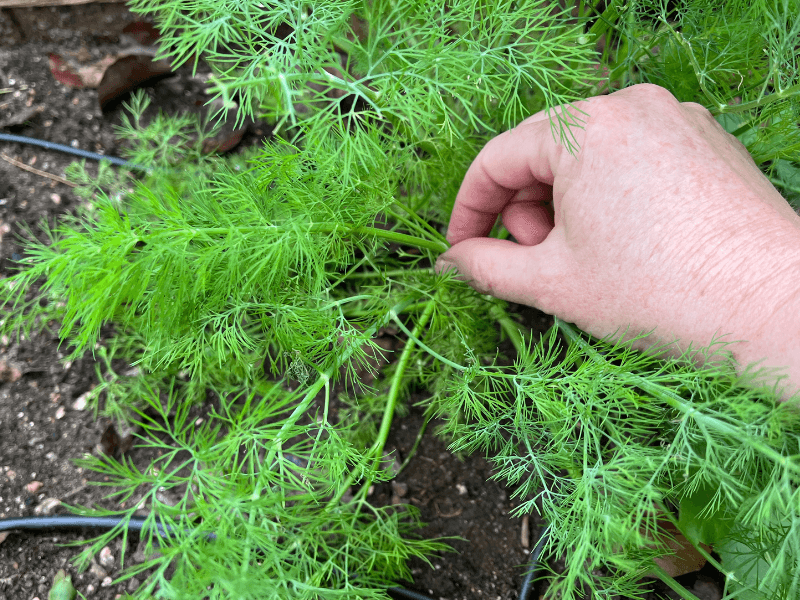
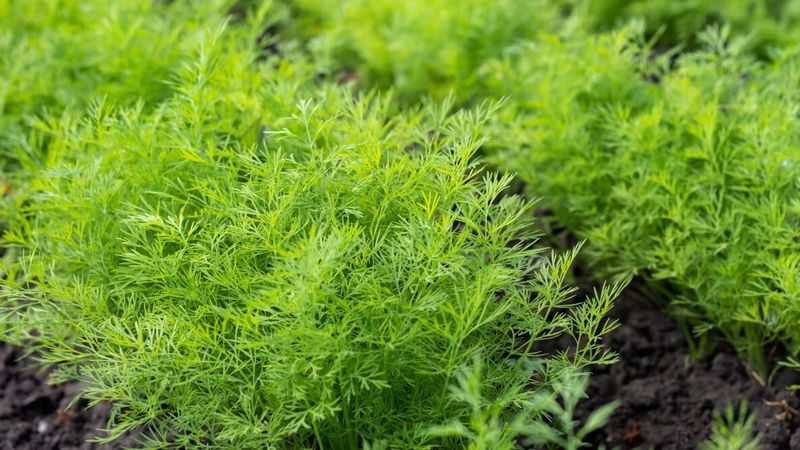
Most dill plants are ready for their first snip about six to eight weeks after sowing. Once a plant stands around 12 inches tall with plenty of leaves, grab your scissors.
Cut the outer fronds first and leave the center to keep growing. Try not to take more than one third of the plant at one time.
Morning is the sweet spot for harvesting. The oils that give dill its flavor are strongest before the afternoon sun warms the leaves. Rinse them gently and use them soon for the best taste.
So what can you make? Fresh dill is amazing on baked salmon or grilled catfish. Stir it into potato salad, sprinkle it over scrambled eggs, or toss it into chicken soup.
Mix chopped dill with sour cream or Greek yogurt for a quick veggie dip. It even brightens up a simple bowl of buttered carrots.
Later in the season, let a few plants flower and form seeds. When the seed heads turn brown, cut them and place them upside down in a paper bag.
The seeds will fall off as they dry. Store them in a jar and use them for pickles, breads, and spice rubs.
Extra leaves freeze well, too. Chop them, pack them into ice cube trays with a little water, and pop out a cube whenever a recipe needs it.
4. A Tough Herb That Shrugs Off Light Frost
Frost warnings on the evening news can make any gardener nervous. Tomatoes and peppers need blankets right away. Your dill, though, might barely notice the chill.
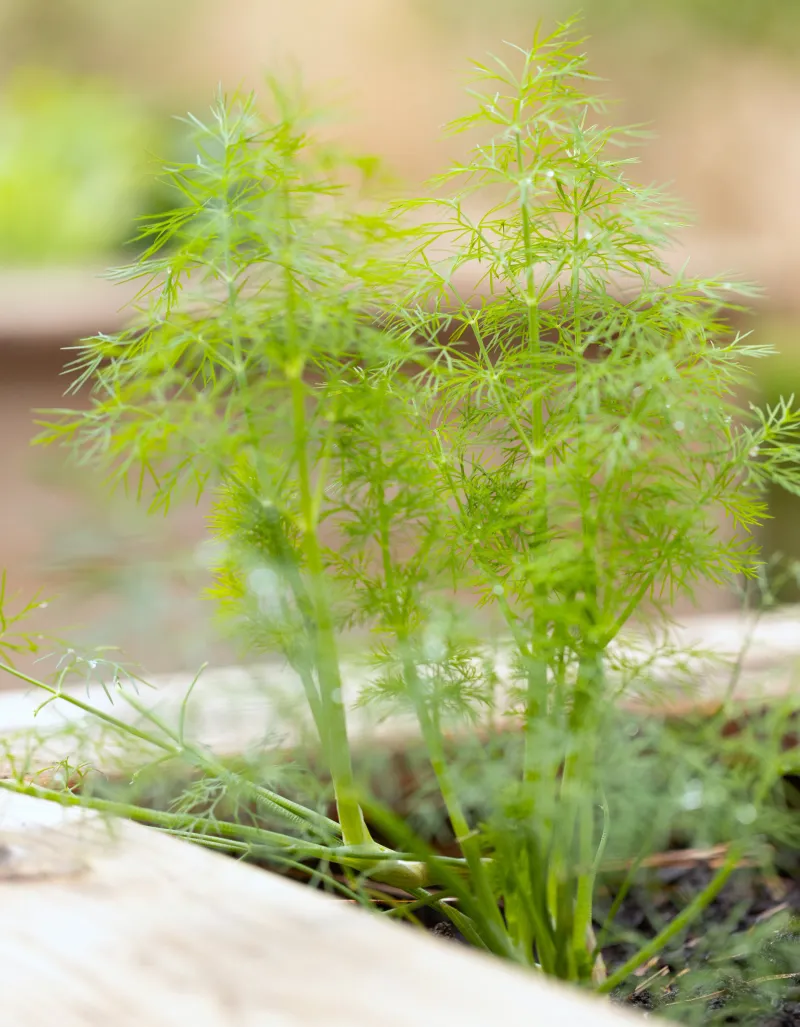
Once dill plants are well established, they can handle light frosts without much trouble. Temperatures dipping to around 28 to 32 degrees for a short time usually leave them standing.
The feathery leaves may look a little droopy in the morning, but they often perk back up as the day warms.
Texas winters are a big help here. In most of the state, cold snaps come and go quickly. A chilly night might be followed by a week of sunny 60-degree days.
That pattern lets dill keep growing and producing leaves through much of the winter.
Where you live makes a difference. Gardeners in Houston, Corpus Christi, and the Rio Grande Valley often see fall-planted dill last well into spring. In Austin and San Antonio, it can hang on through most winters with a little care.
North Texas and the Panhandle get harder freezes, so plants there may need more protection.
Protecting dill during a hard freeze is simple. Cover plants with a frost cloth or an old bedsheet in the evening.
Remove the cover the next morning once temperatures climb. A layer of mulch around the base also keeps roots cozy.
Young seedlings are more delicate than mature plants. If an early cold front shows up right after you sow, cover the baby plants. After a few weeks of growth, they will be much sturdier and ready to face whatever winter brings.
5. A Magnet For Helpful Garden Bugs
Not every bug in your garden is a bad guy. Some of them are tiny heroes that gobble up pests for free. Dill happens to be one of the best ways to invite those heroes over.
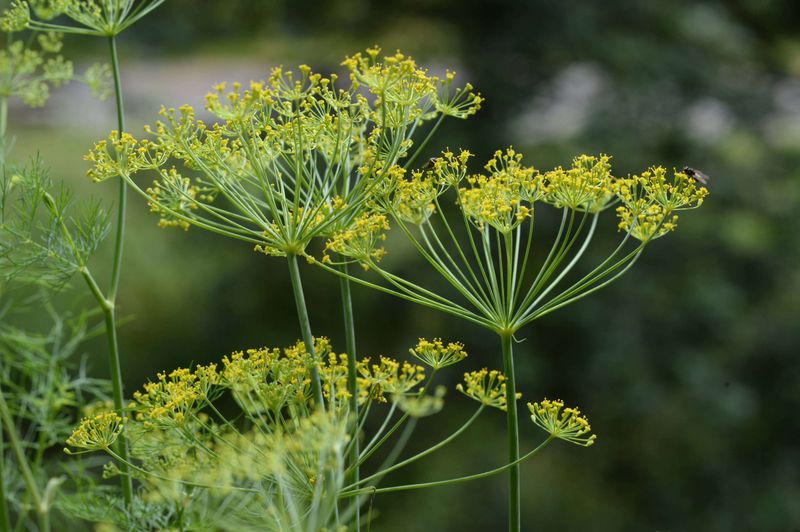
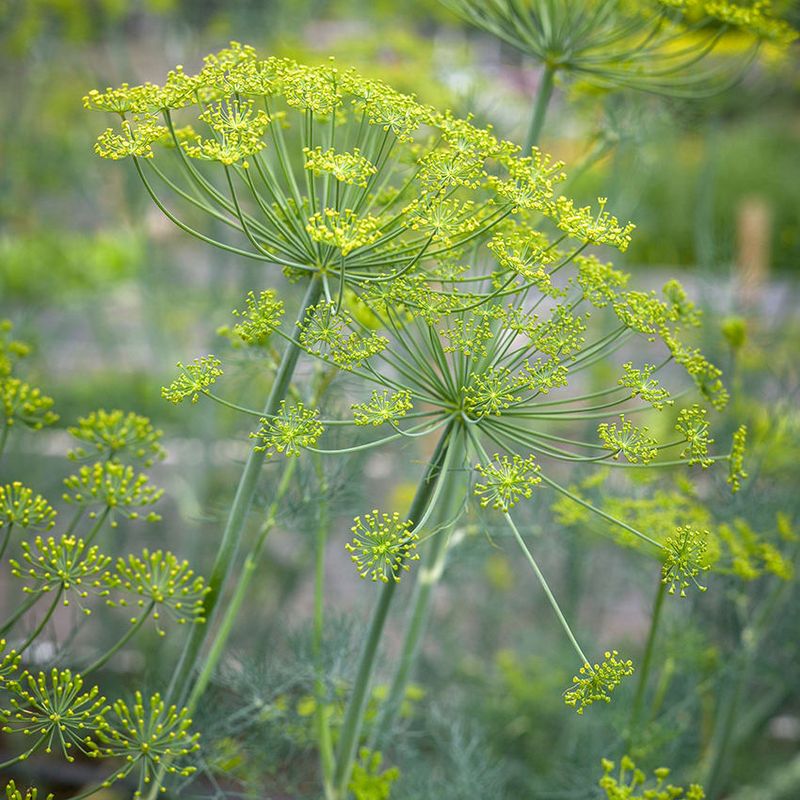
When dill flowers, it forms flat, umbrella-shaped clusters of little yellow blooms. Botanists call this shape an umbel.
The tiny flowers are easy for small insects to reach, and they offer plenty of nectar and pollen. Helpful bugs find them almost impossible to resist.
Ladybugs are some of the most famous visitors. A single ladybug can eat dozens of aphids in one day. Lacewings show up too, and their young are hungry little hunters called aphid lions.
Hoverflies, which look a bit like small bees, lay eggs near pest colonies so their larvae can feast.
Tiny parasitic wasps are another bonus. Do not worry, because these wasps are so small you may never notice them, and they do not sting people.
They lay eggs inside pests like caterpillars and aphids, which stops those pests from causing more damage.
Fun fact: dill belongs to the same plant family as carrots, parsley, and fennel. Many members of this family attract the same crowd of helpful insects.
For the best results, plant dill near crops that often get pests. Cabbage, broccoli, kale, and lettuce are great neighbors in a fall garden. Let a few dill plants bloom while you harvest leaves from the others.
You will enjoy fewer pests and use fewer sprays, which keeps your garden healthier for everyone.
6. A Buffet For Swallowtail Butterflies
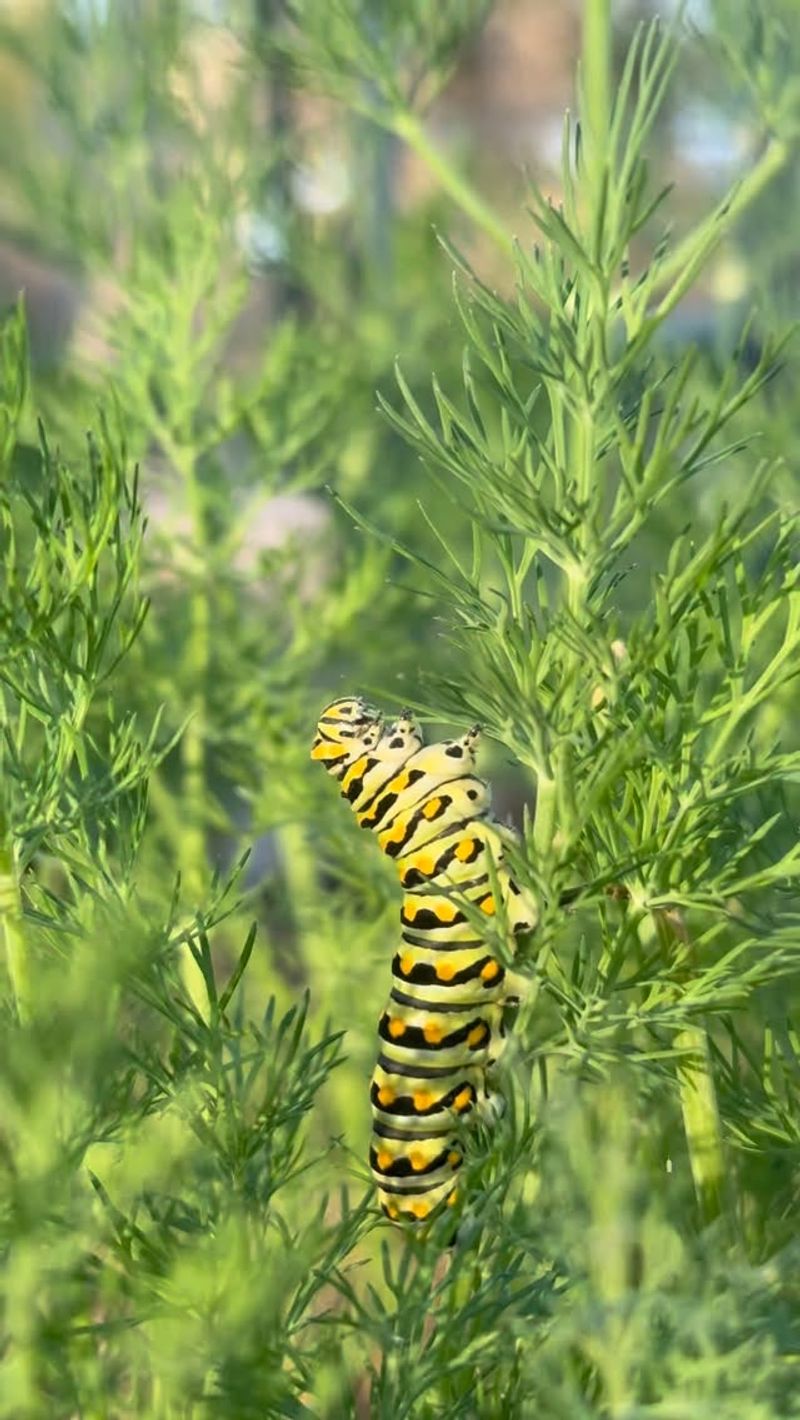
One morning you walk out to your dill patch and spot something surprising. A plump caterpillar with bright green, black, and yellow stripes is chewing on the leaves. Before you reach for it, take a closer look, because you just found a future butterfly.
That little muncher is a black swallowtail caterpillar. Dill is one of its favorite host plants, meaning the adult butterfly lays eggs on it so the babies have food right away. Parsley, fennel, and Texas native plants like prairie parsley serve the same role.
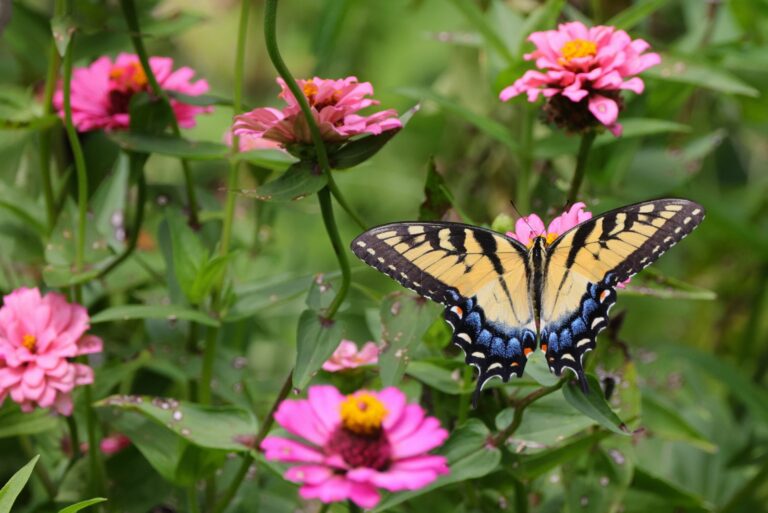
Adult black swallowtails are stunning. Their wings are mostly black with rows of yellow spots and splashes of blue near the bottom. You can spot them across Texas, and they often show up in gardens during fall.
Watching the whole life cycle is a real treat, especially for kids. Tiny round eggs hatch into small caterpillars that look a bit like bird droppings.
Over a couple of weeks, they grow and change into the striped form. Then they form a chrysalis and later come out as butterflies.
Here is a friendly tip. Plant a few extra dill plants just for the caterpillars. That way you can share without losing your whole harvest. Some gardeners even move caterpillars gently to the butterfly patch.
Skip pesticides on your dill if you want to support these beauties. Even mild sprays can harm caterpillars.
A little leaf damage is a small price to pay for a garden that flutters with color and gives you tasty herbs at the same time.