What It Means When Flying Squirrels Are Active In Your Ohio Attic At Night
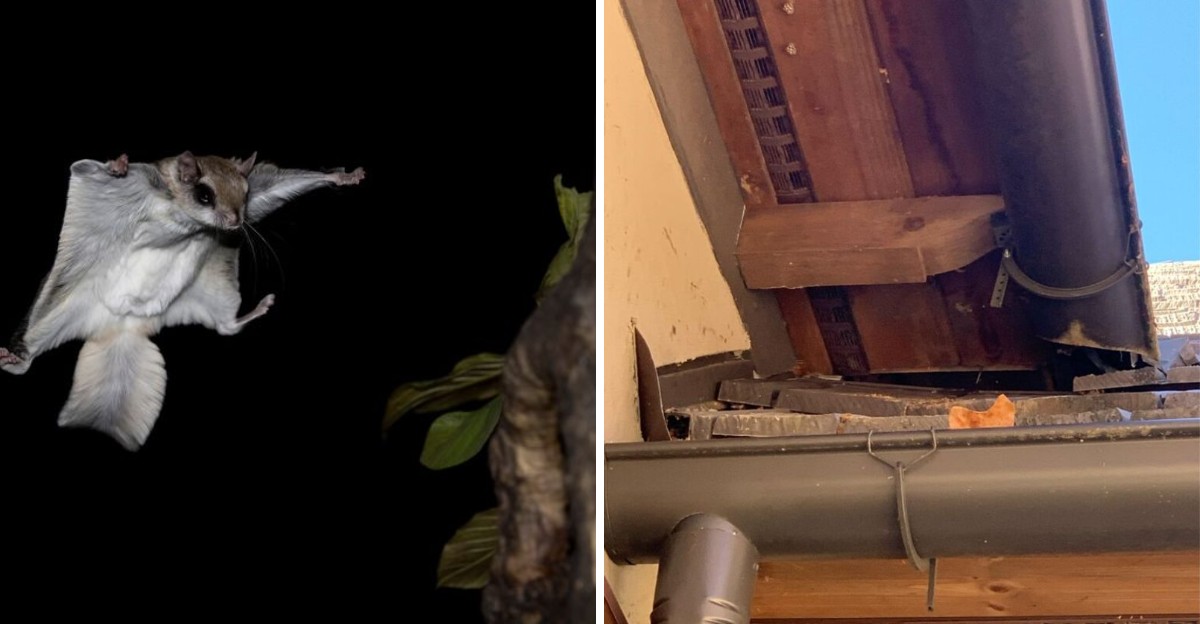
Something’s scurrying around above your ceiling after dark, and it’s probably not the squirrel you’re picturing.
Flying squirrels operate almost entirely at night, which means most Ohio homeowners never actually spot the animal responsible for the noise keeping them up.
That nocturnal habit alone separates them from the daytime squirrels raiding your bird feeder, and it changes how you need to approach the situation once you realize what’s actually living up there.
These animals rarely show up alone either. Where you find one, a small colony is usually not far behind, which changes the scope of what you’re actually dealing with.
Listen closely to the timing and sound of that activity tonight. What’s happening above your head might be a bigger situation than a single squirrel passing through.
1. Meet Ohio’s Nocturnal Flying Squirrels
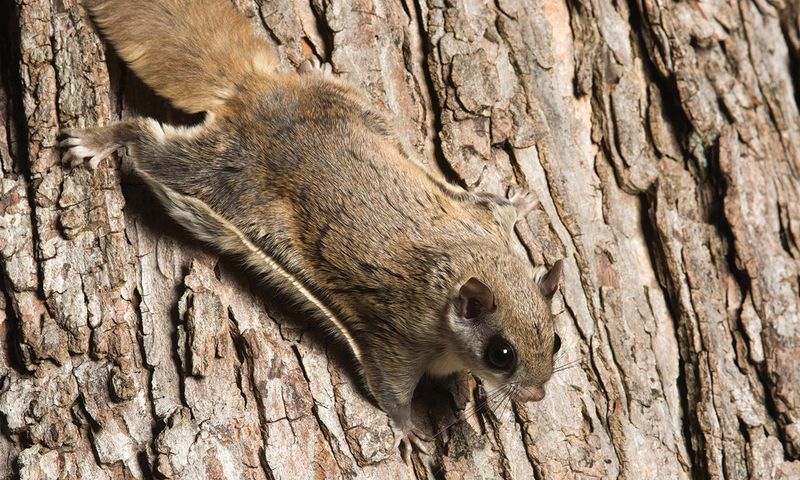
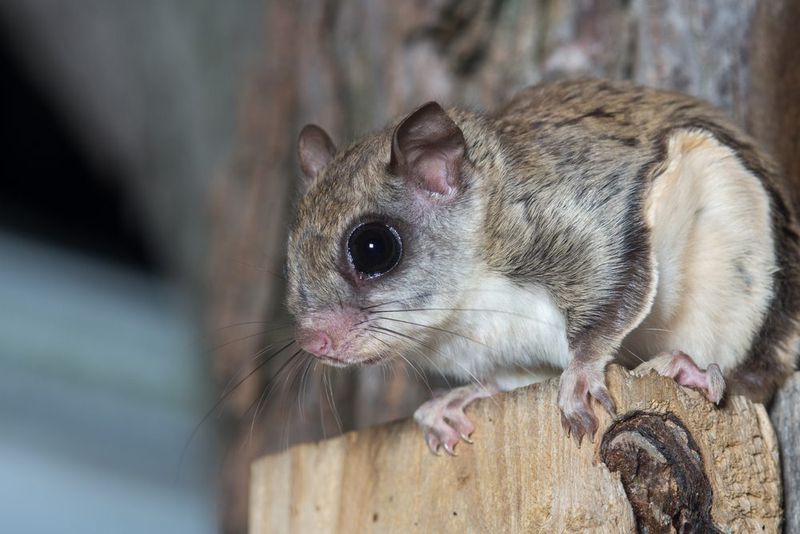
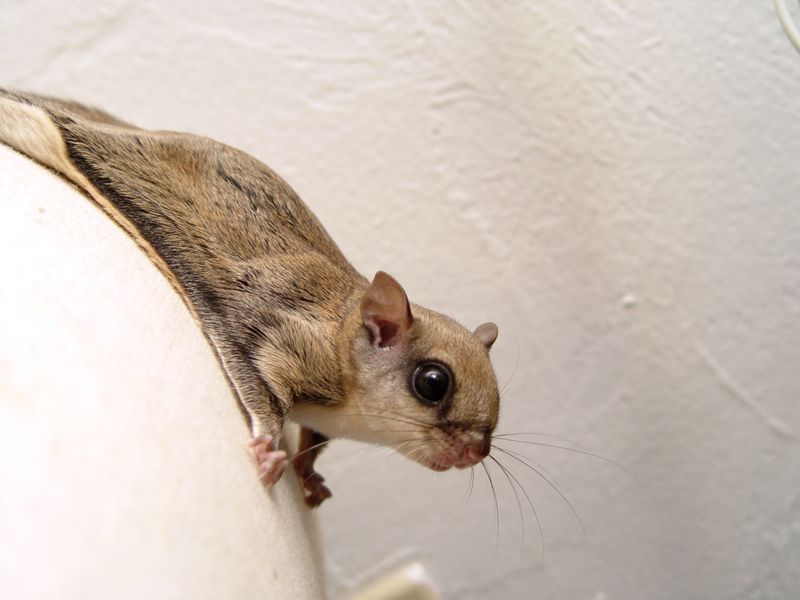
Picture a squirrel small enough to curl up in your palm, with eyes as big and dark as shiny buttons. That is the Southern flying squirrel, and it may be the most common squirrel in Ohio.
Most people have no idea these animals live nearby. They only come out at night, so they slip past us while we sleep.
Compared to a gray squirrel, a flying squirrel is much smaller. Its tail is flat and fluffy, a bit like a feather, which helps it steer through the air.
Here is a fun fact to share at dinner. Flying squirrels do not truly fly, even though the name says they do.
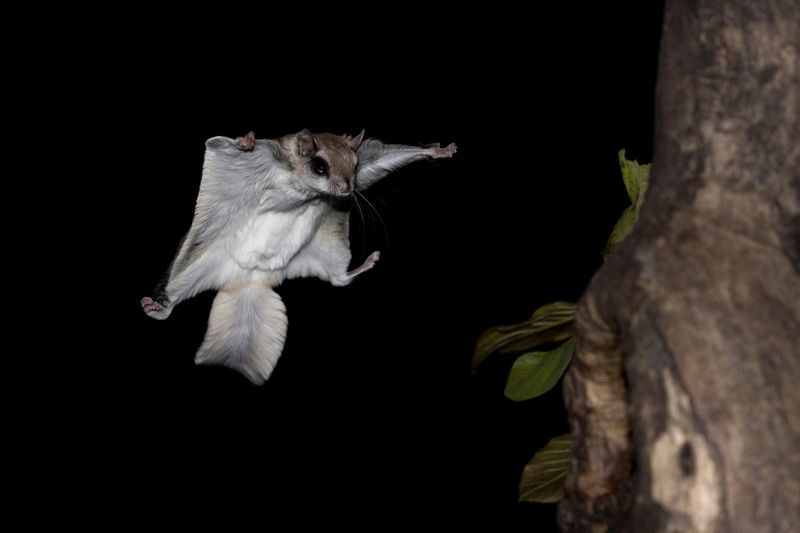
Instead, they glide using a stretchy flap of skin called a patagium. It reaches from their wrists to their ankles, turning them into tiny furry kites.
That special skin is great for sailing between trees. On the ground, though, it makes them a little clumsy and slow.
Their menu is surprisingly varied. They munch on nuts, seeds, fruit, insects, bird eggs, and sometimes even small rodents.
Like many squirrels, they save food for later. Some homeowners discover little piles of stored nuts tucked into attic corners.
Knowing who your guest is helps a lot. Once you can name the noisemaker, you can plan smarter next steps for your home.
2. Nighttime Activity Can Reveal An Attic Entry
Thump. Scurry.
Silence. Then a burst of scratching right over the bedroom.
If that pattern sounds familiar, your attic might have a night shift crew.
Flying squirrels are strictly nocturnal. Noises between dusk and dawn, or in the very early morning, are a strong hint that they have found a way in.
Listen closely and you may notice a certain rhythm. A heavy thud often means a squirrel just landed on the roof after a glide.
Quick running or darting usually follows that landing. The animals head straight for their favorite opening and slip inside within seconds.
Some sounds are almost cute. Flying squirrels talk to each other with high chirps and twittering noises that can seem like birds.
Many people also report a rolling sound, like a nut moving across a wooden floor. In many cases, that is exactly what it is.
Your Ohio Garden Changes Every Week. Your Plan Should Too.
Gardening in Ohio changes quickly throughout the season. Every Friday you’ll receive a simple weekly plan showing exactly what to plant, prune, fertilize, harvest, and protect so you never miss the right timing.
Try keeping a simple sound diary for a week. Write down the time and the spot where you hear the most activity.
Those notes can point toward the entry area. Busy noise near one corner at sunset often means the door is close by.
A calm walk outside at dusk can help too. Watch the roofline quietly, and you might spot tiny gliders heading out for dinner.
3. Small Gaps Give These Gliders An Easy Way Inside
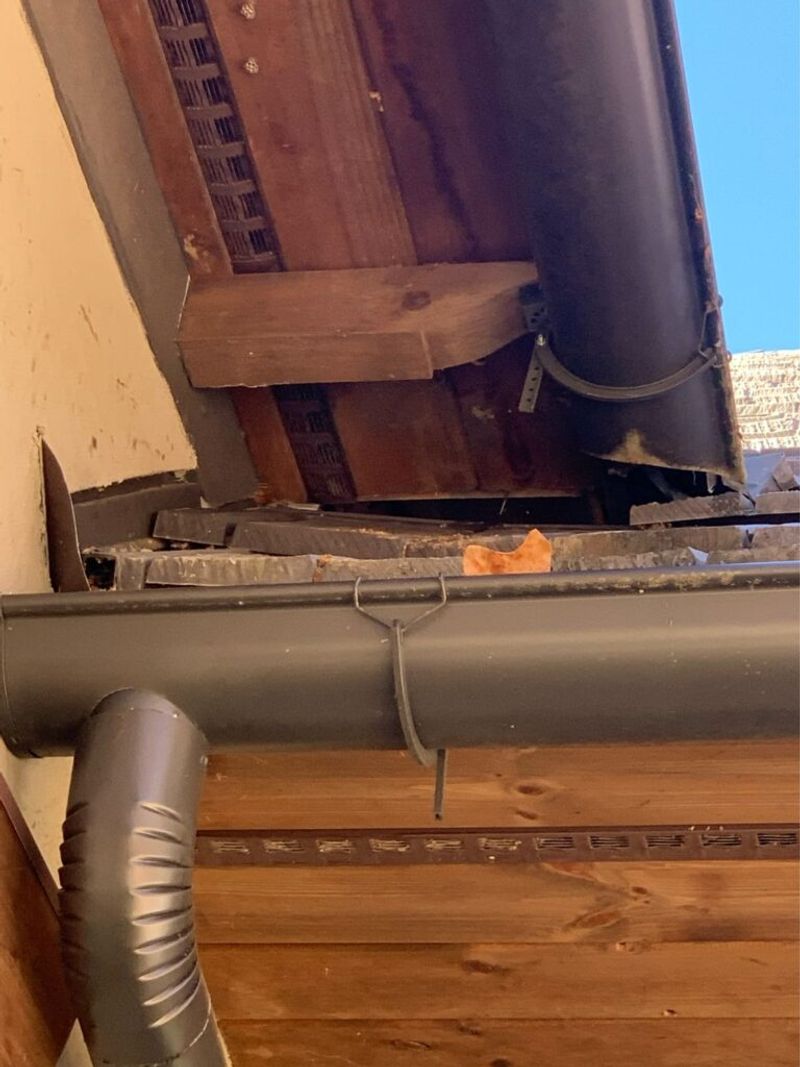
Grab a quarter from your pocket and hold it up. A flying squirrel can squeeze through a hole about that size, and some sources say even smaller.
That shocks many homeowners. They look at their roof and think it is sealed tight, but tiny gaps are easy to miss from the ground.
Openings around rooflines, soffits, and fascia boards are common trouble spots. Some gaps are only a quarter inch wide, yet a determined squirrel can work with that.
Vents are another favorite. Gaps in ridge vents and gable vents without screens act like open windows for these small visitors.
Watch spots where dormers meet the main roof, too. Those corners often shift over time and leave narrow cracks.
Other easy entries include uncapped chimneys, dryer vents, and attic vents. Loose shingles or damaged siding can also create a hidden doorway.
Flying squirrels do not just use holes as they find them. They can chew the edges to make a tight gap roomier and easier to use.
Look for small smudges or dark rub marks near openings. Oils from their fur leave stains where they come and go often.
Binoculars make this search easier and safer. You can scan the whole roofline without climbing a ladder right away.
4. Warm Attics Offer Shelter During Cold Weather
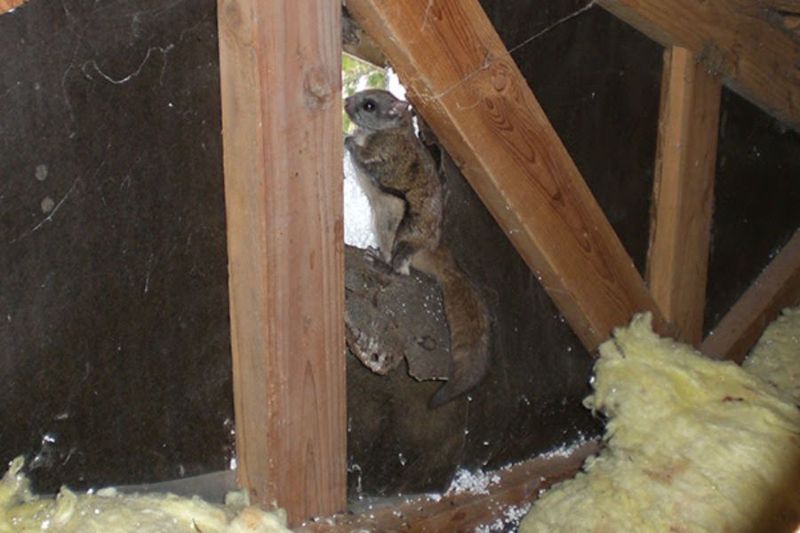
Imagine a freezing November night in Ohio, with wind rattling bare branches. Now imagine a dry, cozy space just a short glide away.
Would you not move in too?
That is how an attic looks to a flying squirrel. When temperatures fall and wild food gets harder to find, your home becomes very tempting.
These little gliders do not hibernate in winter. They stay active through the cold months, so they need a safe, warm place to rest.
Attics check every box on their wish list. The temperature stays steady, predators like owls cannot reach them, and the space is usually quiet.
Late autumn is prime moving season. Many Ohio families first notice the sounds right as they switch on the furnace.
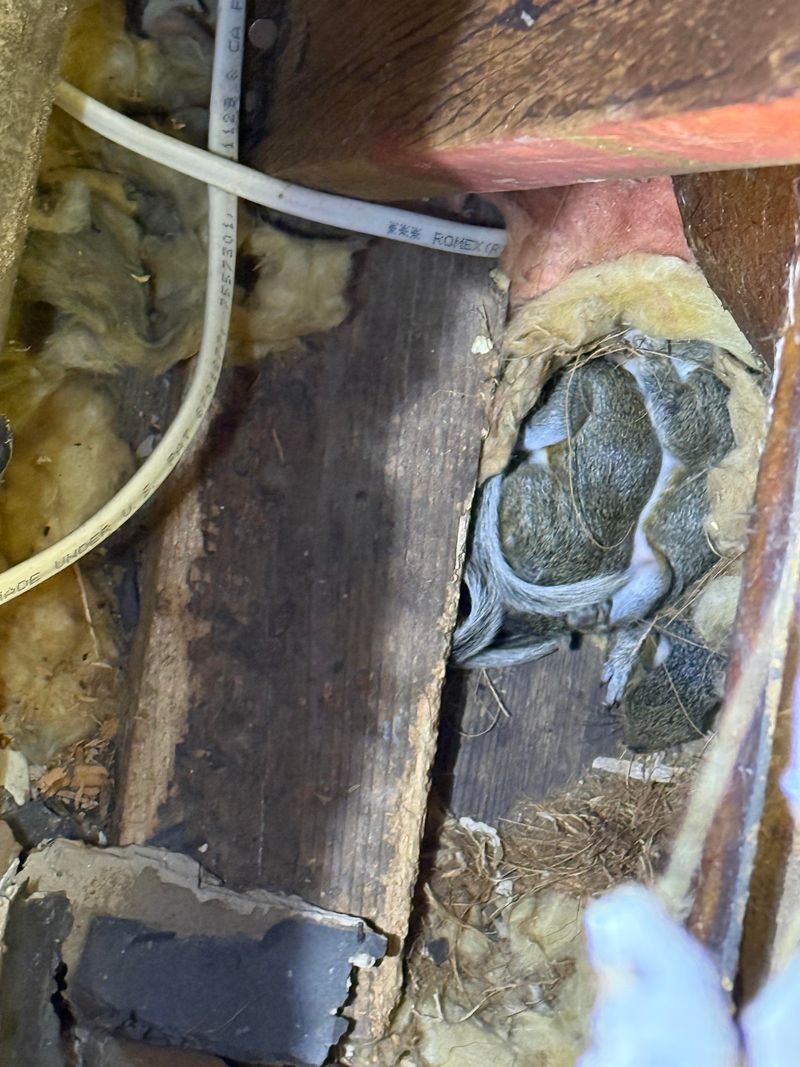
Once inside, flying squirrels get busy decorating. They pull apart insulation and gather it into soft, puffy nests.
That nest building may seem harmless, but it matters. Damaged insulation can make your home lose heat and raise your energy bills.
Early fall is a smart time to act. Checking your roof and vents before the first frost can stop winter guests before they arrive.
Think of it as winterizing your house against more than drafts. A little prep in September can mean peaceful nights in January.
5. Droppings And Gnaw Marks Can Confirm Their Presence
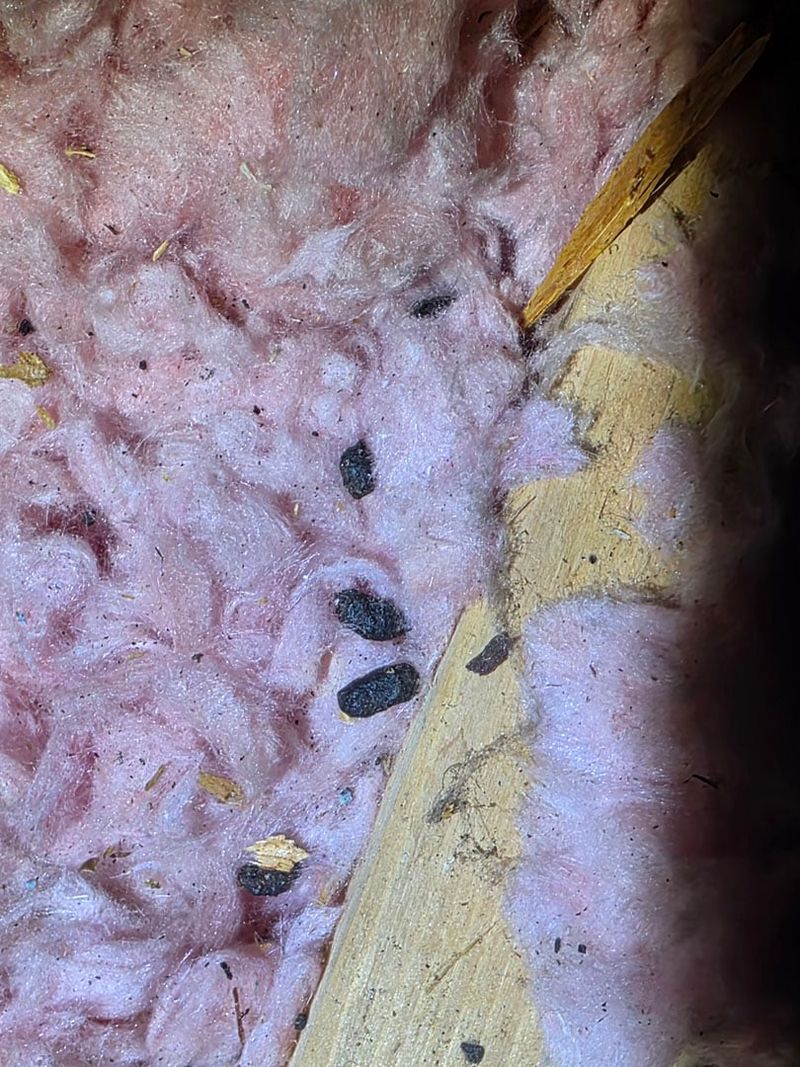
Sounds give you a hunch, but evidence gives you an answer. With a flashlight, gloves, and a mask, a careful attic check can tell you a lot.
Start by looking for droppings. Flying squirrel pellets are small, dark, and rounded or oblong, usually about a quarter to three eighths of an inch long.
Here is the tell-tale detail. Flying squirrels like to use shared bathroom spots, so droppings pile up in a few specific places.
Those piles can grow large and damp over time. In some homes, the moisture soaks through and leaves stains on the ceiling below.
Next, check the wood and wires. Like all rodents, flying squirrels must gnaw to keep their teeth from growing too long.
Chewed rafters, beams, and soffits are common signs. Gnawed electrical wiring is more serious, since it can create a fire risk.
Look at the insulation, too. Torn, flattened, or tunneled insulation often means someone has been building nests.
Your nose can help as well. A musty smell that lingers in the attic is another clue that animals have settled in.
Take photos of anything you find. Pictures help a wildlife professional understand the situation quickly and plan the right fix.
6. Flying Squirrels Often Share Space In Family Groups
Think you have one squirrel upstairs? Plenty of Ohio homeowners thought the same thing, right before a professional counted a dozen or more.
Flying squirrels are social little creatures. They like company, and they often live together in colonies.
During cold months, they huddle in groups to share body heat. It works like a furry sleepover where everyone stays toasty.
Some attics host colonies of 10 to 20 flying squirrels. In certain cases, the number climbs even higher than that.
More squirrels means more noise at night. It also means more droppings, more chewing, and more torn insulation to repair later.
Winter is the busiest season for these group hangouts. Still, surprisingly large clusters can show up during warmer months as well.
This social habit explains why one trap or one blocked hole rarely solves the issue. Several animals may use different paths and schedules.
Pay attention to how the noise moves. Sounds coming from several spots at once usually suggest a crowd, not a lone visitor.
A quick way to estimate numbers is to watch your main exit at dusk. Counting gliders as they leave can surprise you.
Knowing the group size helps you choose the right plan. It keeps you from underestimating the job ahead.
7. Sealing Entry Points Prevents Future Attic Visits
Caulk looks tidy, but to a flying squirrel it is basically a snack with extra steps. Sturdier materials make all the difference.
Once the animals are out, sealing up gaps is the key to keeping them away. Any opening larger than a quarter inch deserves attention.
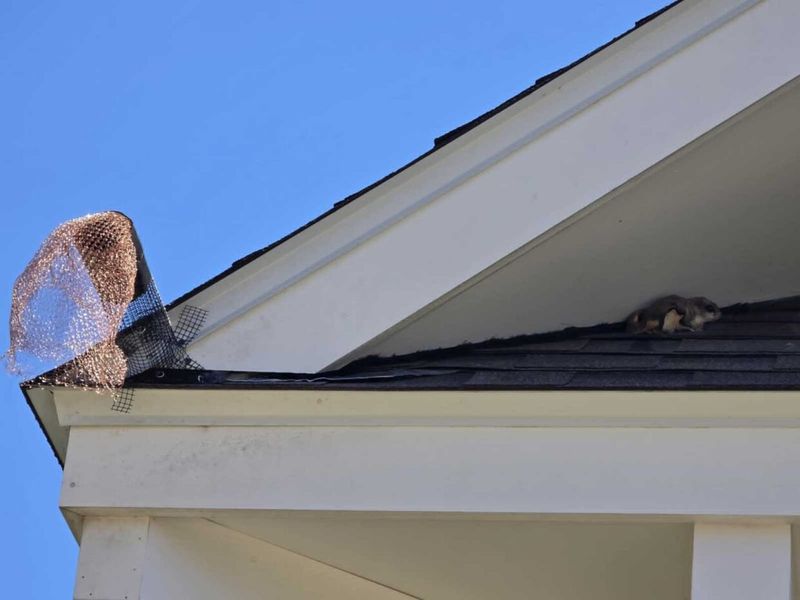
Pick tough materials that teeth cannot beat. Heavy-gauge galvanized steel mesh, hardware cloth, and metal flashing are top choices.
Secure those materials with screws into solid wood. Staples or glue may loosen over time, giving squirrels a chance to pry things open.
Skip using caulk or expanding foam by itself. Flying squirrels can chew right through them in a short time.
Vents need special care. Cover attic, gable, and dryer vents with strong mesh so air can flow but animals cannot.
Chimneys are another open door. A sturdy chimney cap blocks squirrels, birds, and even rain from getting inside.
Make roof checks part of your yearly routine. Loose shingles, cracked trim, and damaged siding can open new gaps over time.
Spring and fall are good times to inspect. Weather shifts during those seasons tend to reveal fresh wear.
A few hours of careful work can protect your home for years. Your future self will thank you during those quiet winter nights.
8. Trim Nearby Branches That Reach The Roof
That lovely maple shading your roof might be doing double duty as a squirrel highway. Trees are one of the most popular routes up to the shingles.
Flying squirrels are expert launchers. A branch close to your house gives them a perfect runway for a quick glide onto the roof.
Most experts suggest trimming limbs so they sit about 6 to 8 feet away from your home. Some recommend at least 10 feet for extra peace of mind.
Keep in mind that gliders can travel impressive distances. Trimming will not stop every visit, but it cuts down on easy access.
Fewer roof visits mean fewer chances for squirrels to find weak spots. It is a simple way to lower the odds of an attic invasion.
Walk around your house and look up. Note any branches that hang over the roof or brush against gutters and siding.
Small limbs can be handled with a pole saw. Big branches near power lines or high rooflines are best left to a trained arborist.
Late fall and winter are great times for trimming. Leaves are gone, so you can see the branch shape clearly.
Bonus perk: trimmed trees also help keep leaves out of gutters. Your roof stays cleaner and drier as a result.
9. Safe Removal Matters More Than Chasing Them Out
A wise wildlife expert once put it simply: seal the house too soon, and you lock the problem inside. That warning saves a lot of homeowners from big headaches.
Prevention steps only work after the squirrels are out. Blocking every hole while animals remain inside can trap them, especially young ones.
Trapped squirrels may suffer and create awful odors. They may also chew new holes trying to escape, causing more damage.
Many people try loud radios, bright lights, or regular traps. Sadly, flying squirrels are sneaky, and these tricks rarely work well.
Professional wildlife control is the smartest route for most families. Experts find every entry, remove animals humanely, and plan to stop repeat visits.
One popular tool is a one-way door or tube. Squirrels can leave for their nightly outing, but they cannot get back in.
After the attic is empty, the cleanup begins. Pros often clean, sanitize, and deodorize the space, then repair chewed wood and wiring.
Replacing soiled insulation may also be needed. Fresh insulation helps your home stay warm and keeps lingering smells from drawing new guests.
Ask any company about their methods before hiring. A good team will explain humane steps and offer a warranty on their exclusion work.