10 Habits That Keep Woodpeckers Coming Back To Virginia Feeders All Winter
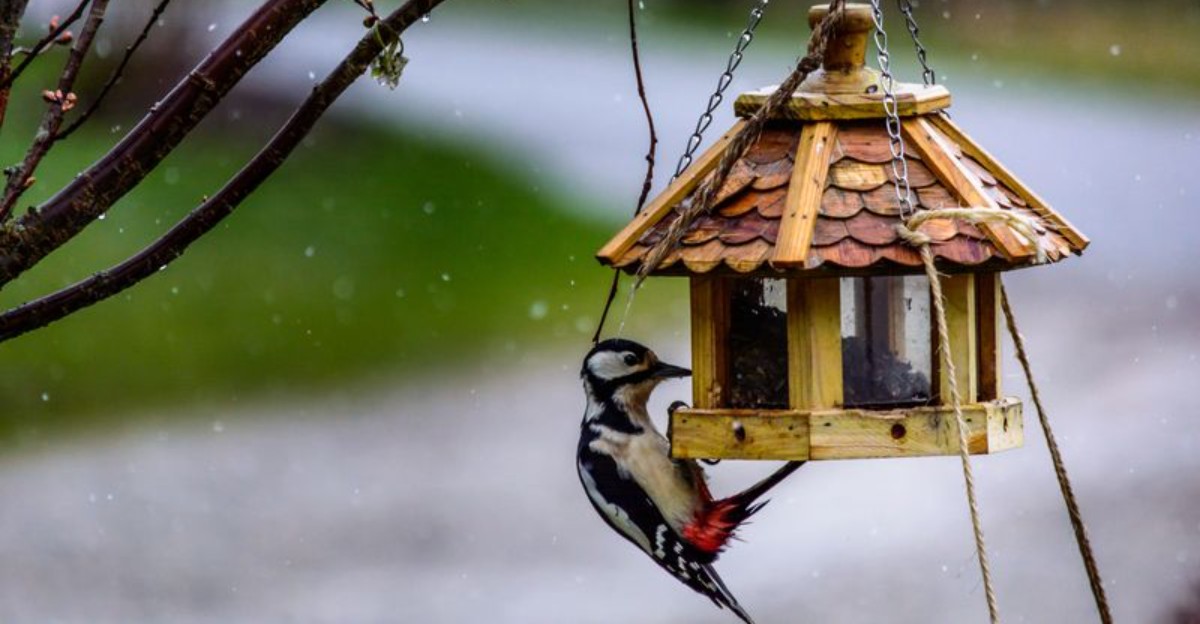
A sharp tap-tap-tap echoes across the yard on a frosty morning. You peek outside, and a red-capped woodpecker is clinging to the oak, eyeing your feeder.
Few moments feel quite as rewarding. Woodpeckers are bold and clever, and they’re surprisingly easy to attract once you know what they crave.
Cold months in Virginia make food and shelter harder to find. A well-planned yard can quickly become their favorite winter hangout.
The habits below can turn occasional visits into daily drop-ins. Most take only a few minutes, and the payoff lasts all winter long.
1. Hang Suet Cakes Close To Tree Trunks
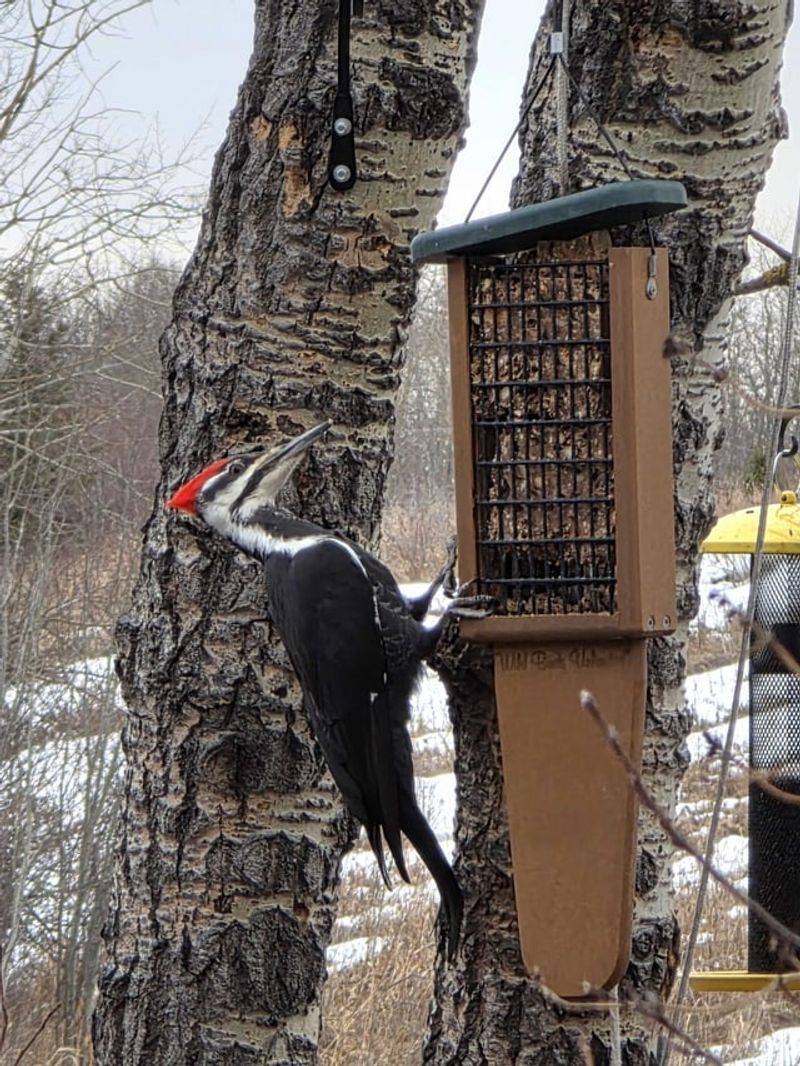
Woodpeckers spend their lives hugging bark, so a feeder floating in open air can feel strange to them. Placing suet right beside a trunk tells them the snack sits in familiar, safe territory.
Picture a Downy Woodpecker hitching up an oak, pausing, then spotting your suet cage within easy reach. Moments like that happen far more often when feeders mimic the places birds already search.
Aim for a spot about 4 to 6 feet off the ground. That height keeps birds comfortable while making sneaky cats and other predators work harder.
Strap the cage to the trunk with a bungee cord or wrap it with soft wire. Avoid nails, since they can harm the tree and loosen over time.
Morning sun makes a big difference during chilly winters. An east-facing trunk warms the suet slightly, so birds can peck without chipping frozen blocks.
Red-bellied Woodpeckers seem especially fond of trunk-side feeders. They often land below the cage, scoot upward, and grab a mouthful before checking the area again.
Here is a fun trick worth trying on a quiet weekend. Smear soft suet or peanut butter straight into rough bark crevices for a natural-looking buffet.
Birds treat those bark smears like hidden treasure and will visit them repeatedly. You may even catch nuthatches and chickadees joining the woodpeckers for a crowded brunch.
Watch from a window for a week and note which trunk gets the most traffic. Shifting feeders toward busy trees can double your sightings with almost no extra cost.
2. Pick A Suet Feeder With A Tail Prop
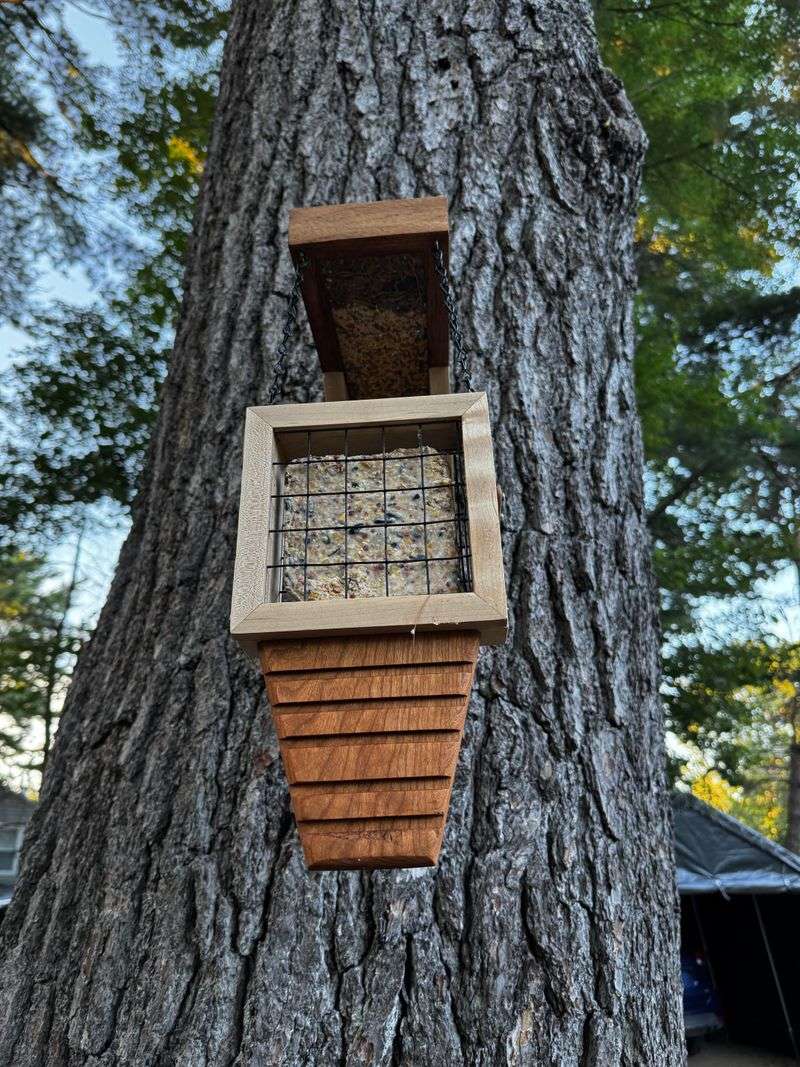
Ever wonder why woodpeckers look so steady on a tree? Their stiff tail feathers act like a built-in kickstand, bracing them as they hammer away.
Standard square cages leave that tail dangling in midair. Birds can still eat, but they often wobble, flap, and leave sooner than you would like.
A tail prop feeder solves the problem with a long board below the cage. Woodpeckers lean their tails against it and settle in for longer, calmer meals.
Larger birds benefit the most from the extra support. Hairy Woodpeckers and Northern Flickers look noticeably relaxed once they have something solid to push against.
Pileated Woodpeckers, the crow-sized giants of forests, may even visit a sturdy double-cake model. Spotting one outside your kitchen window feels like winning a backyard lottery.
Wood or recycled plastic both work well for the prop itself. Recycled plastic lasts for years, shrugs off rain, and wipes clean with little effort.
Your Virginia Garden Changes Every Week. Your Plan Should Too.
Gardening in Virginia changes quickly throughout the season. Every Friday you’ll receive a simple weekly plan showing exactly what to plant, prune, fertilize, harvest, and protect so you never miss the right timing.
Look for a model with a roof if your area gets lots of sleet. Covered cages keep suet drier and help stop greasy drips on the board.
Fun fact: woodpecker tail feathers contain extra-strong shafts that barely bend. Evolution basically gave them their own climbing gear long before people invented ropes.
Hang your new feeder where birds can approach from a nearby trunk or branch. Pair it with the trunk-side tip above, and you might notice visits lasting twice as long.
3. Serve Shelled Peanuts In A Mesh Feeder
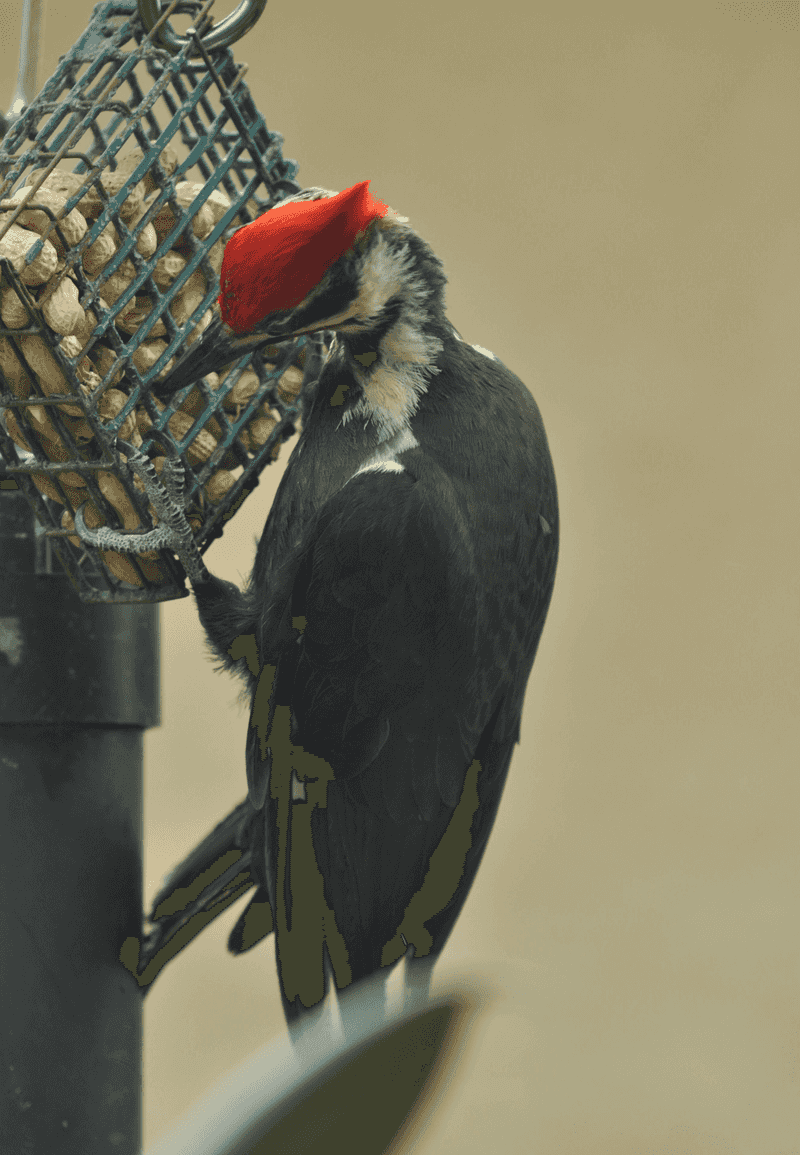
Peanuts pack a serious punch of fat and protein. For a woodpecker burning energy on a freezing day, they work like a hearty bowl of chili.
A wire mesh tube lets birds cling and pick pieces out one at a time. Woodpeckers love the chiseling motion because it feels a lot like prying bugs from bark.
Choose unsalted, shelled peanuts without any coating or seasoning. Salty snack peanuts are fine for people but can upset a small bird’s system.
Freshness matters more than many folks realize. Moldy peanuts can make birds sick, so buy smaller bags and store them somewhere cool and dry.
Mesh openings of about a quarter inch work nicely. Birds can grab bits easily, yet whole nuts will not slip out and choke young birds in spring.
Watch closely and you may see a Red-bellied Woodpecker fly off with a nut. Many tuck extras into bark cracks, saving them for a snowy afternoon.
Blue Jays and Carolina Chickadees will likely show up too. Their busy chatter often signals to woodpeckers that the neighborhood has a reliable food spot.
Hang the tube near cover, like a holly or cedar, so birds can dash away if a hawk passes. Safety plus good food keeps visitors returning daily.
Check the feeder after rain and shake out any clumped pieces. A quick refill every few days keeps your mesh buffet tempting all season long.
4. Keep One Feeder Filled With Black-Oil Sunflower Seed
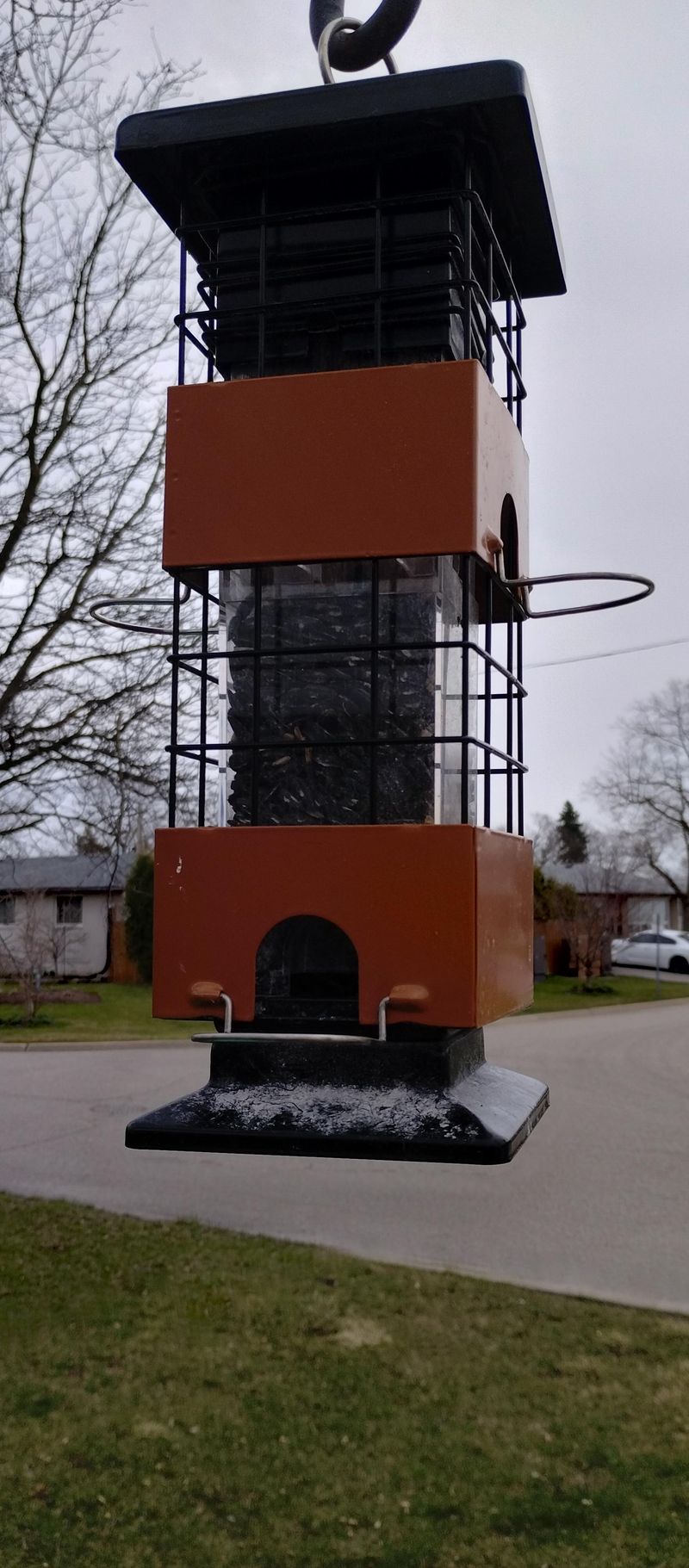
Suet gets most of the attention, but sunflower seed quietly wins plenty of woodpecker fans. Red-bellied Woodpeckers in particular will happily crack open these tiny black shells.
Black-oil sunflower seeds have thin hulls and a rich, oily heart. Birds get lots of calories without wrestling with thick, stubborn shells.
Striped sunflower seeds look similar, yet their tougher coats slow smaller birds down. The black-oil kind simply appeals to more species, including woodpeckers, cardinals, and titmice.
Picture your feeder as the neighborhood diner sign. When songbirds gather and chatter, woodpeckers notice the crowd and swing by to investigate.
Hopper feeders and platform trays suit woodpeckers better than tiny tube perches. Wider ledges give them room to grip and balance while they grab a seed.
Many backyard birders use sunflower hearts during icy weeks. Hulled seeds mean no mess under the feeder and even quicker energy for hungry visitors.
Keep at least one feeder stocked steadily instead of switching seeds often. Birds build routines, and a dependable menu encourages them to plan daily stops.
Quirky bonus fact: woodpeckers sometimes wedge a sunflower seed into bark and hammer it open. Watching this little carpentry trick never gets old.
Scatter a small handful on a stump for ground-feeding flickers as well. Offering seeds in two spots spreads out the crowd and reduces squabbles at the main feeder.
5. Offer Open Water With A Heated Birdbath
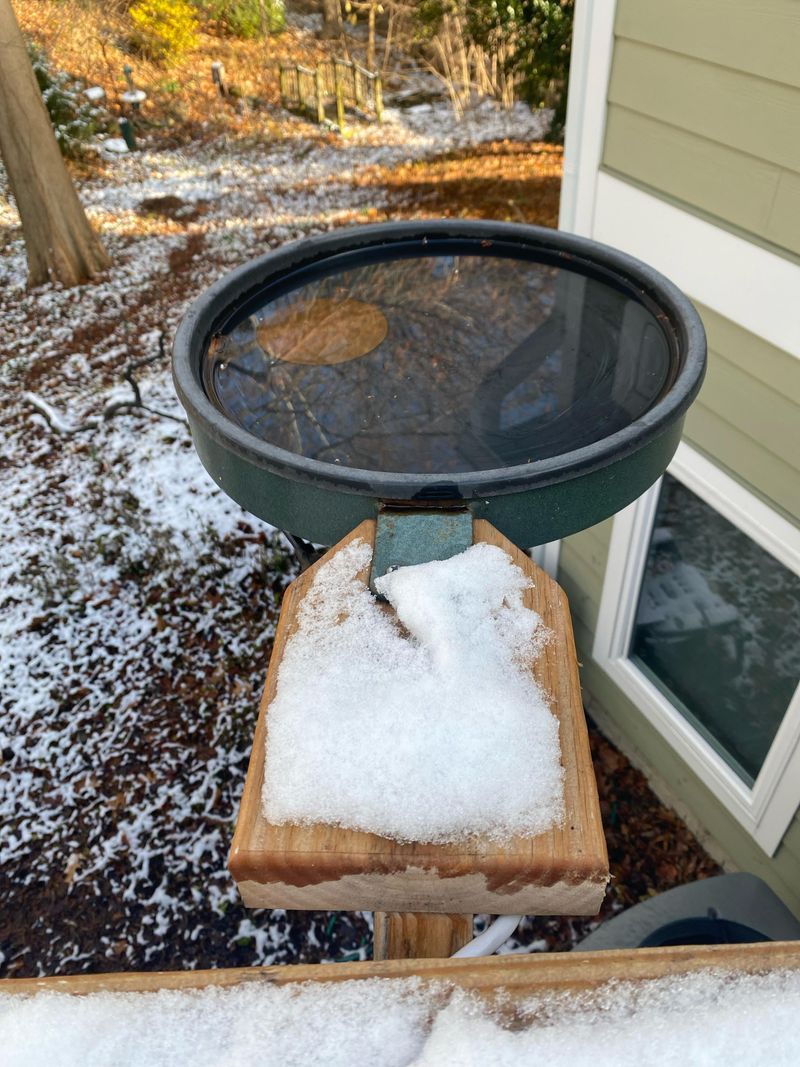
Food grabs the spotlight, but water can be harder to find in January. When puddles freeze solid, a steaming birdbath becomes the hottest spot on the block.
Woodpeckers need water for drinking and for keeping feathers in top shape. Clean feathers trap air better, which helps birds stay warm through long, frosty nights.
A heated birdbath uses a small thermostat that switches on near freezing. Most models sip electricity, so your power bill barely notices the difference.
You can also drop a birdbath deicer into a bowl you already own. Just be sure the cord stays tucked safely and plugs into an outdoor-rated outlet.
Keep the water shallow, around one to two inches deep. Birds feel safer wading in gently rather than facing a deep, slippery basin.
Place the bath within about ten feet of shrubs or trees. Birds like a quick escape route, especially while their feathers are wet and flight feels clumsy.
Here in Virginia, winter swings from mild days to hard freezes overnight. A heated bath covers both extremes, giving birds one reliable drink no matter the forecast.
Scrub the basin every week or so with a stiff brush and plain water. Fresh water attracts more birds and keeps algae and germs from building up.
Expect surprise guests like bluebirds and robins to appear once word spreads. Woodpeckers may linger nearby, turning a simple bath into a lively winter watering hole.
6. Leave Standing Snags Where They’re Safe
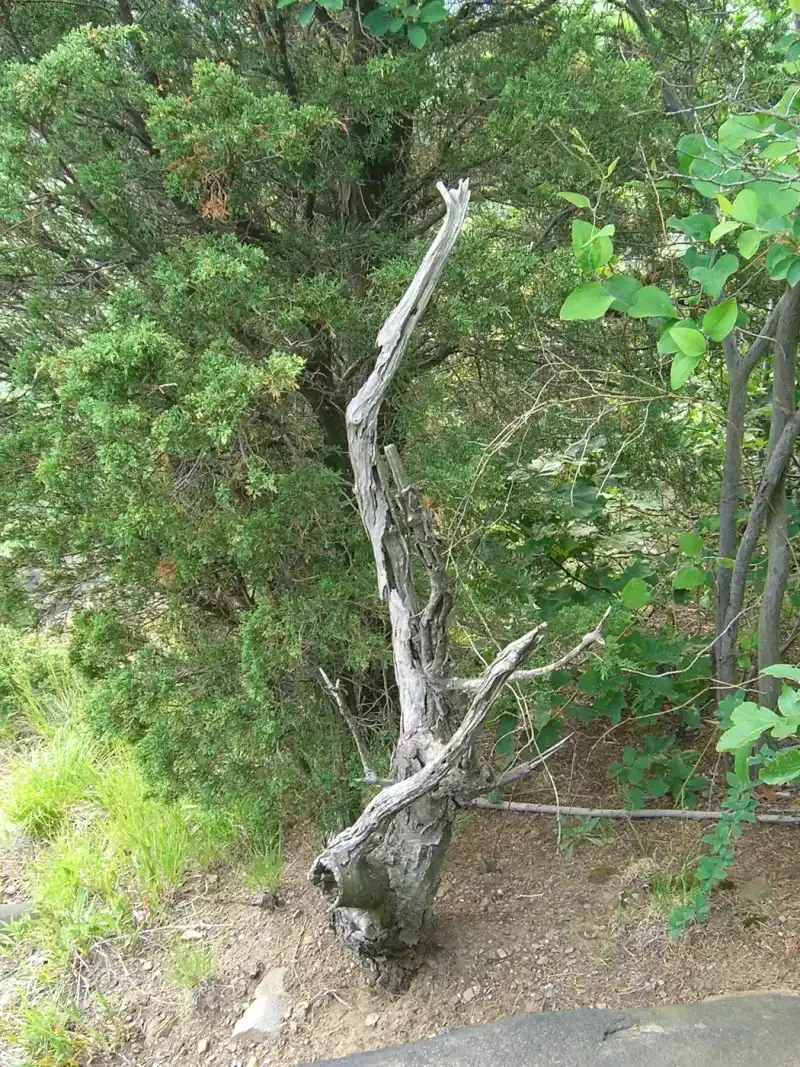
That old, leafless tree at the edge of your yard might look like a chore waiting to happen. To a woodpecker, it looks more like a grocery store and a hotel combined.
Snags are standing trees that have stopped growing. Their softening wood attracts beetle larvae and ants, which are favorite woodpecker foods all year.
Birds also carve roosting holes in snags to escape icy wind. Downy Woodpeckers often sleep inside these cozy cavities during frigid nights.
Safety comes first, of course. Keep only snags that stand well away from houses, driveways, fences, power lines, and play areas.
An arborist can check whether the trunk is stable. Sometimes they will trim the top down to a shorter, sturdier height that still benefits wildlife.
Even a fallen log helps if a standing snag is not practical. Flickers poke around downed wood hunting for ants and other hidden snacks.
Here is a fun detail many people miss. Old woodpecker holes later shelter chickadees, bluebirds, and even flying squirrels, so one snag supports a whole community.
Hang a suet feeder on a nearby live tree for extra appeal. Birds can forage naturally on the snag, then grab a quick treat next door.
Once you start noticing snags, you will spot fresh chip piles beneath them. Those wood shavings are proof your patient, hands-off approach is paying off.
7. Plant Oaks And Other Native Trees For Natural Food
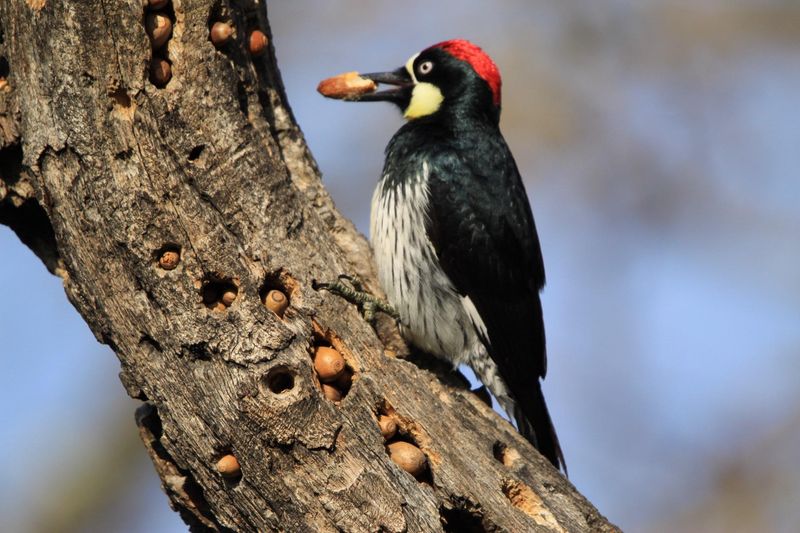
Feeders help, but native trees provide food that restocks itself every year. Think of them as a pantry that never needs a trip to the store.
Oaks support hundreds of caterpillar species, which feed countless birds. They also drop acorns that Red-bellied and Red-headed Woodpeckers eagerly stash for winter.
White oak and northern red oak both grow well across much of Virginia. Plant one this fall, and future generations of woodpeckers will thank you.
Other natives deserve a spot too. Hickories, black cherry, and American beech offer nuts, fruit, and insect-rich bark that woodpeckers explore constantly.
Don’t forget smaller plants for faster results. Flowering dogwood and American holly produce berries that flickers and other birds gobble up in colder months.
Poison ivy vines, surprisingly, feed many woodpeckers with their pale winter berries. You may not want it near paths, but leaving some on distant trees helps birds.
Mix trees and shrubs in layers rather than planting one lonely specimen. Layered habitats give birds food, shelter, and safe travel routes around your property.
Local nurseries and Virginia native plant society sales carry great options. Staff there can suggest trees suited to your soil, sunlight, and yard size.
Patience pays off with oaks, since acorns may take years to appear. Meanwhile, the growing tree still hosts insects that woodpeckers happily pick from its bark.
8. Clean Your Feeders Every Few Weeks
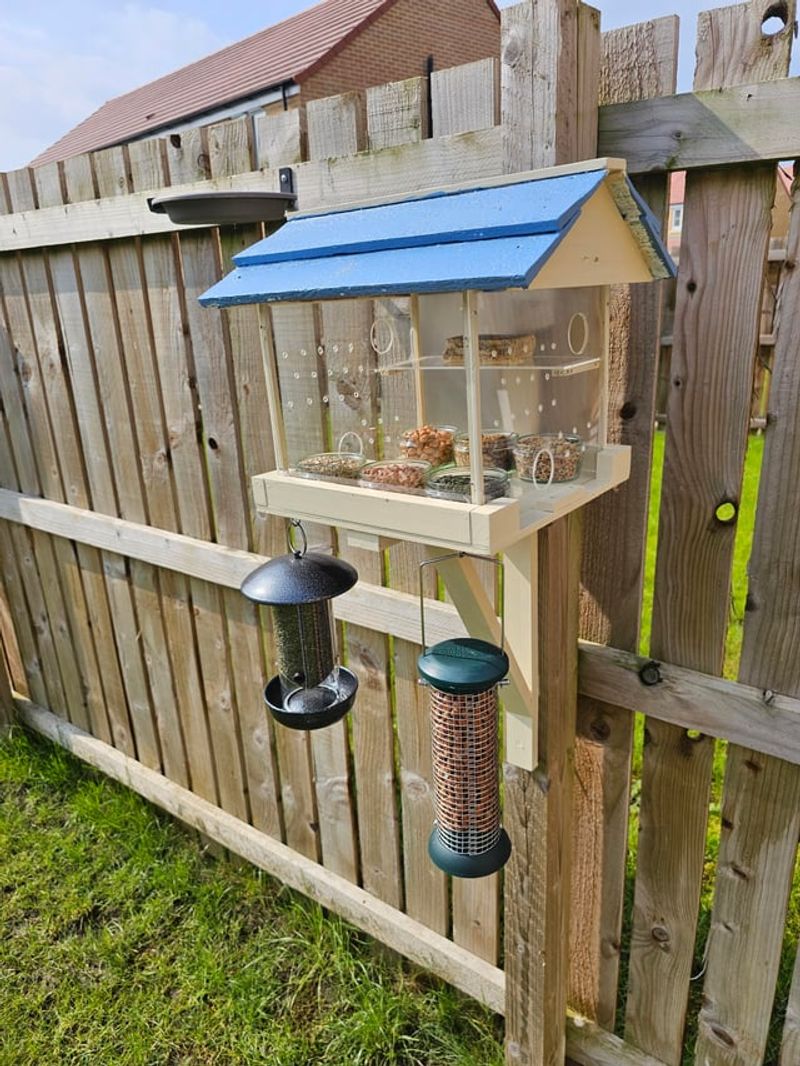
Nobody enjoys eating off a grimy plate, and birds feel the same way. Dirty feeders can spread illness quickly when many visitors share one spot.
Old suet turns rancid, and damp seed grows mold. Woodpeckers may skip a feeder that smells off and look for fresher options elsewhere.
Plan a quick cleaning session every two to three weeks. Wet or mild weather speeds up spoilage, so clean more often during rainy stretches.
Start by emptying leftover food into the trash, not the compost. Then scrub the feeder with hot, soapy water and a stiff bottle brush.
A weak bleach soak works well for extra germ control. Mix about one part bleach to nine parts water, then rinse thoroughly before refilling.
Let everything dry fully in the sun. Moisture trapped inside tubes or cages can spoil fresh food within days.
Rake up hulls and droppings under feeders too. Piles of old seed attract rodents and can harbor germs that sicken ground-feeding birds.
Here is a handy habit many birders swear by. Keep a spare feeder ready, so you can swap in a clean one while the other dries.
Healthy birds tend to return, raise families, and bring friends along. A few minutes with a brush keeps your backyard buffet safe and inviting all season.
9. Add A Baffle So Squirrels Don’t Hog The Suet
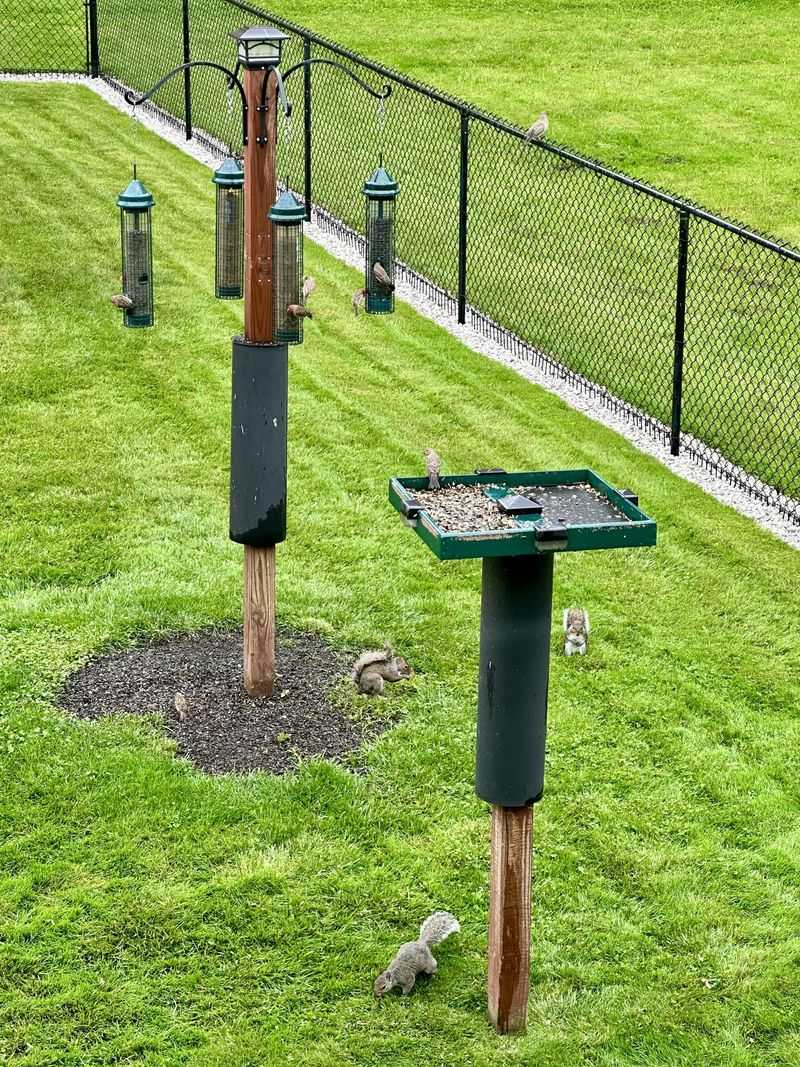
Gray squirrels are acrobats with a serious sweet tooth for suet. Give them a chance, and one hungry squirrel can empty a cake in an afternoon.
A baffle blocks their climbing route to the feeder. Most look like a dome over the feeder or a long cone wrapped around the pole below.
Pole-mounted feeders work best with a baffle about four feet off the ground. Keep the pole at least ten feet from branches, fences, or roofs squirrels could leap from.
Dome baffles hang above feeders on branches. They make squirrels slide right off when they try climbing down the chain from above.
Some birders choose hot pepper suet for extra protection. Birds cannot taste the spice, but squirrels usually lose interest after one fiery bite.
Think of squirrels as clever puzzle solvers rather than villains. They will test every weak spot, so check your setup after a few days of watching.
Feeding squirrels corn in a separate corner can also ease tension. Many folks find a side snack keeps squirrels busy and away from the woodpecker station.
In Virginia suburbs, raccoons may raid feeders at night too. Bringing suet in overnight during mild spells helps keep masked bandits from cleaning you out.
Once the baffle goes up, suet lasts much longer. Woodpeckers get steady meals, and you spend less money replacing stolen cakes every week.
10. Refill Feeders Right Before Every Cold Snap
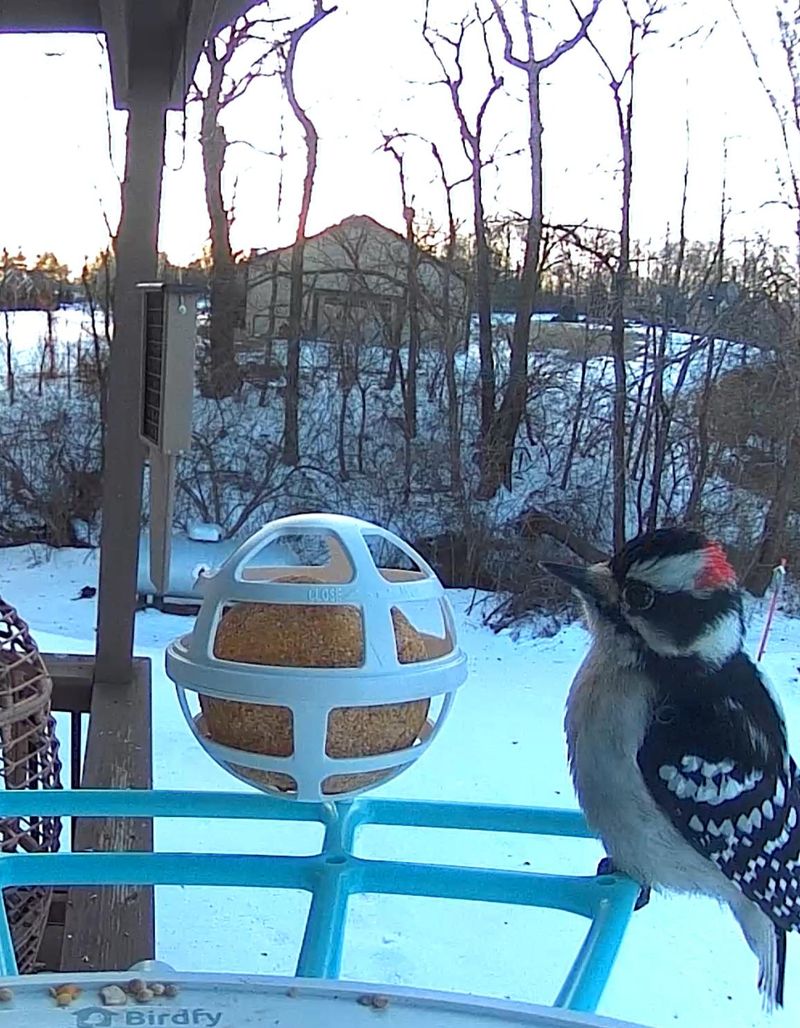
Weather apps can double as helpful birding tools. When forecasters warn of an arctic blast, it is time to stock every feeder you own.
Small birds burn huge amounts of energy just staying warm overnight. A Downy Woodpecker may lose a noticeable share of its body fat during one frigid night.
Topping off suet and peanuts the evening before helps birds fuel up early. Full feeders at dawn let them recover quickly from long, bitter hours.
Snow and ice can hide natural food like bugs in bark. Your feeders may become one of the few dependable meals around for several days.
Add an extra suet cake or two during extended freezes. High-fat, no-melt blends hold up well and give woodpeckers the calories they need most.
Brush snow off feeders and trays each morning. Birds cannot eat what they cannot reach, and a quick sweep makes a big difference.
Across Virginia, winter storms often arrive with ice rather than deep snow. Ice can seal feeder ports shut, so check openings after freezing rain.
Keep backup supplies stored in a garage or shed. Running out mid-storm is frustrating, especially when roads turn slick and stores close early.
Birds remember reliable spots during tough weather. Show up for them on the coldest days, and they will likely keep tapping at your trees well into spring.