Missouri Gardeners Are Splitting Persimmon Seeds This Week To See What Winter Has Planned
September in Missouri smells like warm dirt, cut grass, and something sweet softening politely under a tree. Gardeners know that scent means a strange little ritual is coming.
Kitchen tables fill with sticky fingers, paring knives, and grandmas offering advice nobody asked for. Somebody squints hard at something tiny and announces the weather like a TV meteorologist.
The tradition sounds silly until you try it yourself. Then you are hooked, hunched over a cutting board, hoping the sign points somewhere nice for the coming months.
Some folks swear by it, while others laugh and grab a shovel for later. Either way, the whole family ends up arguing happily about snow days.
Scientists may roll their eyes, but the fun is hard to resist. After all, the local weatherman has been wrong plenty, and he does not have sticky fingers.
An Ozark Folk Forecast Hidden Inside The Fruit
Picture an Ozark porch in the early 1900s, with a bowl of orange fruit and a curious kid holding a knife. That scene has repeated itself for generations across Missouri hills.
The American persimmon grows wild along fence rows, creek banks, and old pastures throughout the state. Its seeds hold a pale shape that folks read like a tiny weather report.
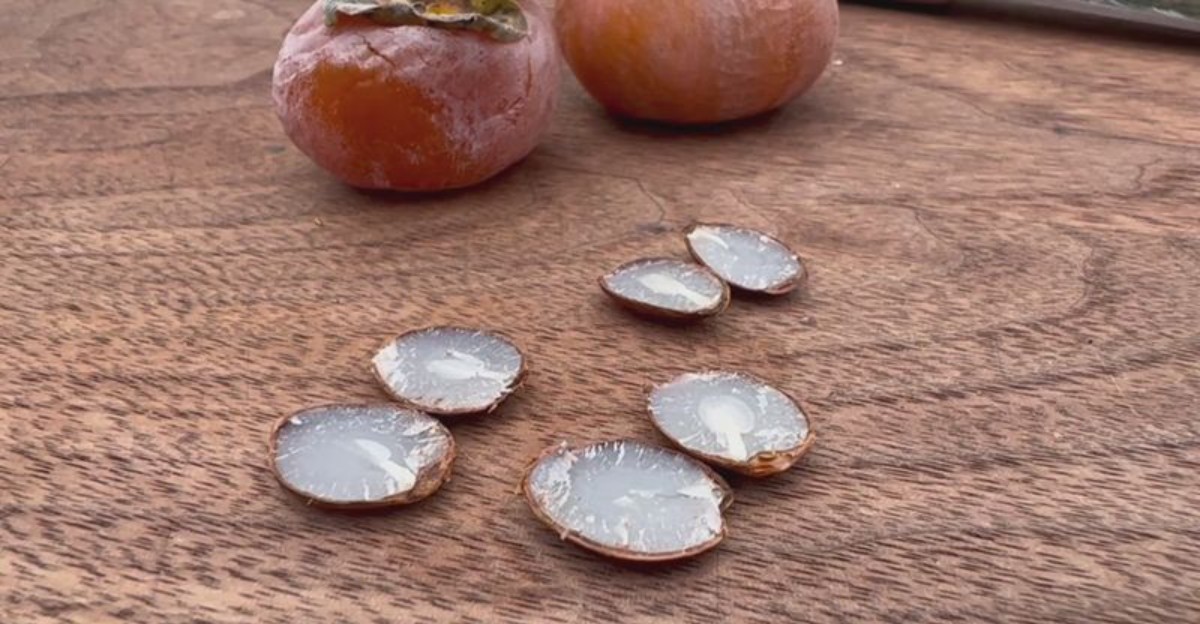
People split the seed lengthwise and look at the white sprout inside, called the cotyledon. Depending on its outline, it might resemble a spoon, a knife, or a fork.
Each shape carries its own prediction for the months ahead. Families compare results, and the most common shape usually wins the argument at the dinner table.
The custom likely blended Native American knowledge of the tree with later settler traditions. Old almanacs and county newspapers helped spread the idea from one farm to the next.
Today, the Missouri Department of Conservation even shares the practice each fall as a fun family activity. It remains a charming way to connect kids with nature and local history.
For the best results, gather several fruits from different trees before you cut anything open. A bigger sample makes the forecast feel a little more fair and a lot more fun.
Keep a small notebook of your yearly findings too. Checking it each spring shows how often the seeds guessed right.
Kids love comparing their notes with grandparents who remember older winters. Those stories often turn out to be the real treasure hiding inside the fruit.
A Spoon Outline Linked To Heavy Snow
Grab a shovel, because a spoon shape might be bad news for your driveway. Folklore says the spoon means plenty of snow is headed your way.
The idea is simple and a bit funny. The spoon is supposedly there to help you scoop all that white stuff off your sidewalk.
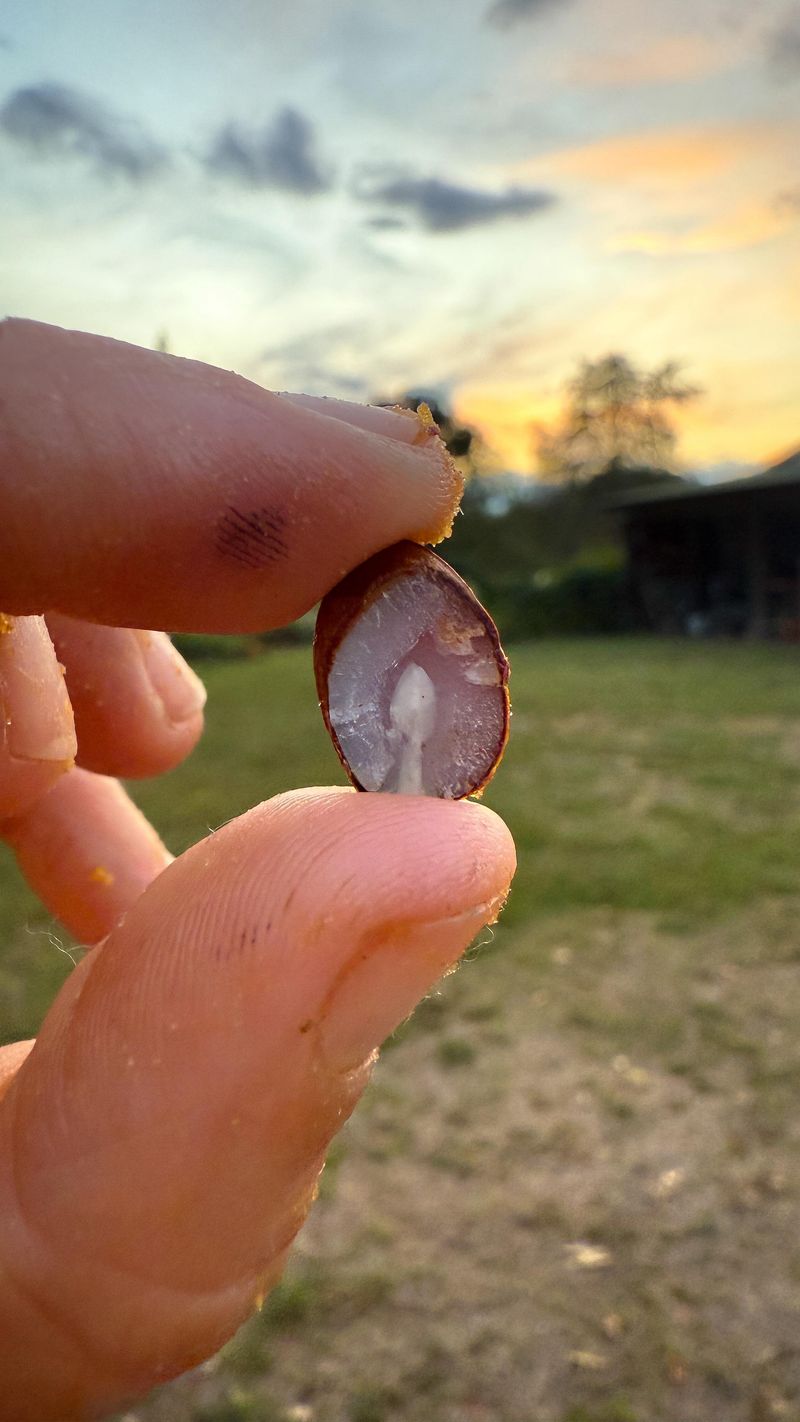
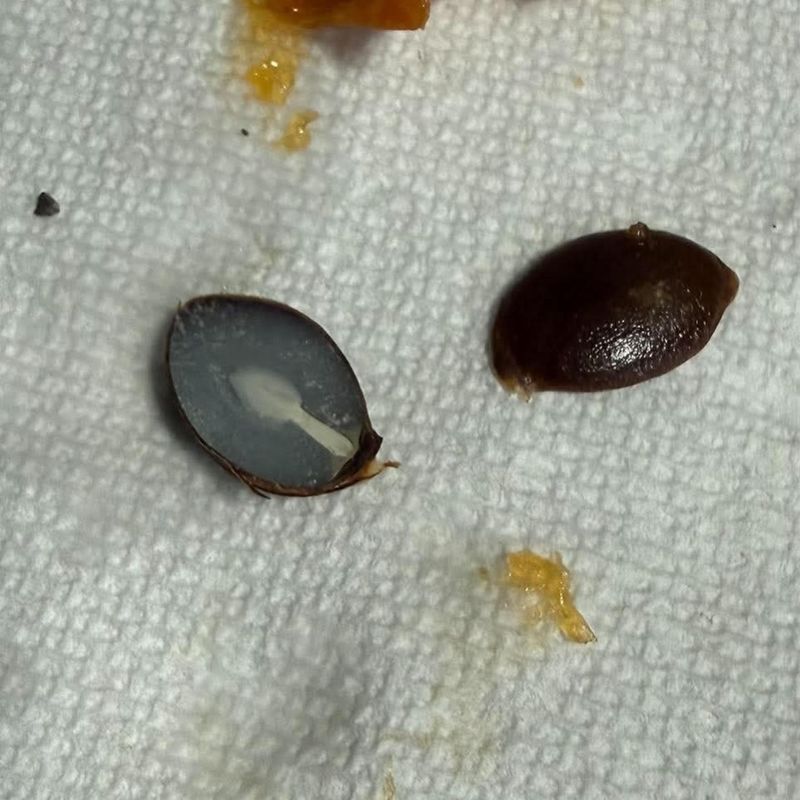
When you split a seed, look for a rounded top with a narrow handle below. It often looks like a tiny white ladle resting inside a brown shell.
Missouri has seen spoon-heavy years that ended with deep drifts and closed schools. Of course, it has also seen spoon years with barely a flurry.
Your Missouri Garden Changes Every Week. Your Plan Should Too.
Gardening in Missouri changes quickly throughout the season. Every Friday you’ll receive a simple weekly plan showing exactly what to plant, prune, fertilize, harvest, and protect so you never miss the right timing.
If spoons show up in most of your seeds, a little early prep is smart anyway. Check your snow shovels, ice melt, and boots before November arrives.
Gardeners can also plan ahead for their plants. Heavy snow can bend shrub branches, so loosely tie upright evergreens like arborvitae with soft garden twine.
Snow is not all trouble, though. A thick blanket insulates the soil and protects perennial roots from harsh temperature swings.
Mulch beds with shredded leaves in late fall for extra protection. That way, your garden stays cozy no matter what the spoon predicted.
Many families snap a photo of every spoon they find. By March, those pictures become proof for bragging rights or friendly teasing.
Bird feeders deserve attention too during a snowy season. Stock up on seed and suet so cardinals and chickadees have steady meals all winter.
Knife-Like Markings Tied To Icy Winds
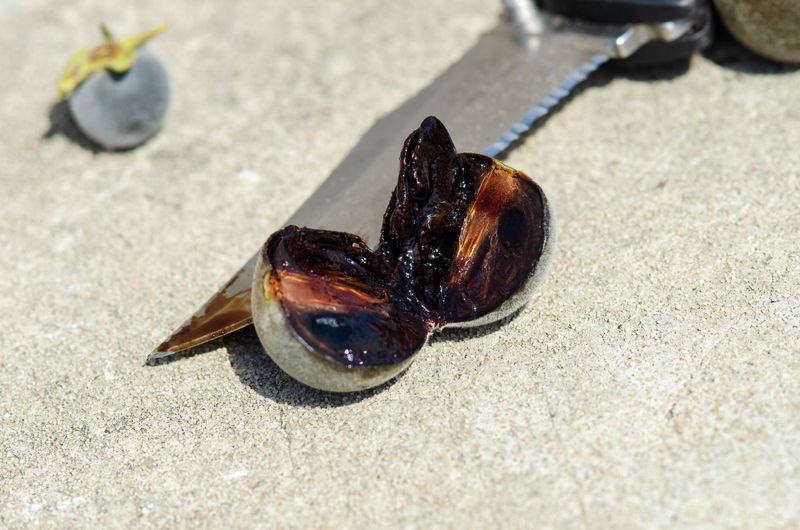
Brrr, that knife shape is not messing around. Old-timers say a blade inside the seed means winds cold enough to cut right through you.
The knife looks long, thin, and straight, with no rounded bowl at the top. Some people describe it as a sliver of white lying flat in the kernel.
According to folklore, it predicts a bitter, icy winter with sharp gusts. Ice storms are a real concern in Missouri, where freezing rain can snap limbs and cut power.
Trees take the hardest hit during ice events. Heavy coating on branches can split trunks, especially on fast-growing species like Bradford pear and silver maple.
A knife year is a good reminder to prune weak or crossing branches. Late winter is ideal for most trees, but remove hazardous limbs as soon as you spot them.
Wind also dries out evergreen needles and leaves during winter. Water boxwoods, hollies, and young pines deeply in fall before the ground freezes.
Burlap screens can shield tender shrubs on the windy side of your home. Simple wooden stakes and a staple gun make the job quick and cheap.
Tender container plants need extra care as well. Move pots against a wall or into a garage when a hard freeze is forecast.
Here is a fun twist on the tradition. Some families say the knife cuts the cold, while others claim it slices through summer warmth.
Either way, a sharp shape earns a sharp plan. Keep flashlights, blankets, and extra batteries handy, just in case the seed turns out to be right.
A Fork Pattern Pointing Toward A Mild Winter
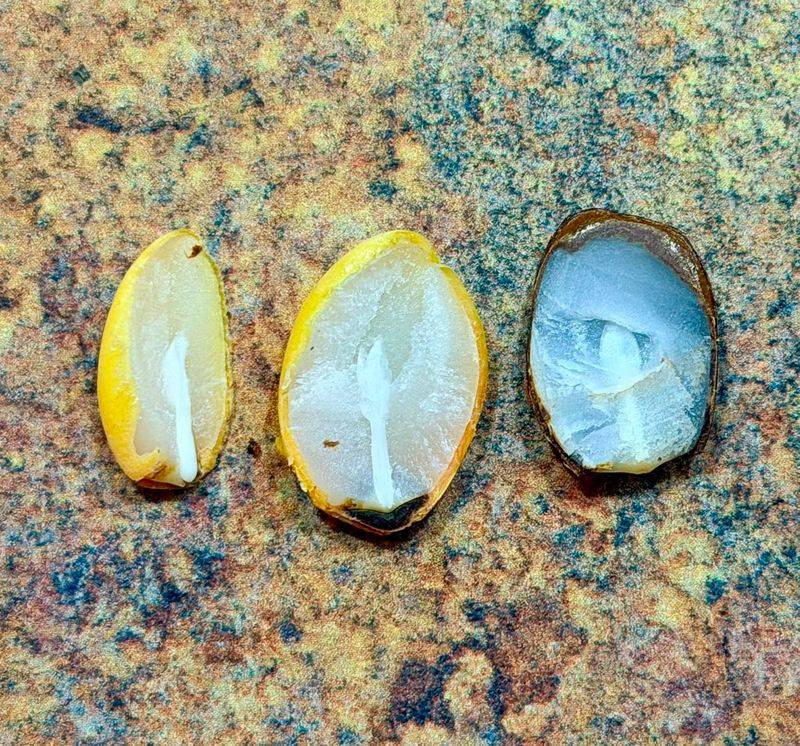
Every seed splitter secretly hopes to find a fork. That little pronged shape is the outcome the folklore rewards most.
A fork usually shows two or three tiny points at the top of the white sprout. Some forks look neat, while others resemble a wobbly cartoon trident.
Tradition says forks mean a mild winter with light, powdery snow. Some people joke that the fork is for eating all the treats you will enjoy indoors.
A mild winter sounds lovely, but it brings its own garden puzzles. Warm spells can trick fruit trees and bulbs into waking up too early.
When a surprise freeze follows, early buds may get damaged. Keep frost cloth or old bedsheets ready to toss over tender plants on chilly nights.
Pests can also survive better when winters stay gentle. Watch for more aphids, ticks, and bagworms next spring after a soft season.
On the bright side, mild weather gives you more time outdoors. You can plant garlic, spread compost, and even build a raised bed in December.
Cool-season crops like spinach and kale may keep producing under a simple cold frame. Fresh salad in January feels like a small miracle.
Watering matters too, since mild winters in Missouri can turn dry. Give shrubs and trees a deep drink during warm, rainless stretches.
Did you know forks are often less common than spoons in Missouri samples? That rarity makes finding one feel like winning a tiny lottery.
Botany Behind The Tiny Figures Inside
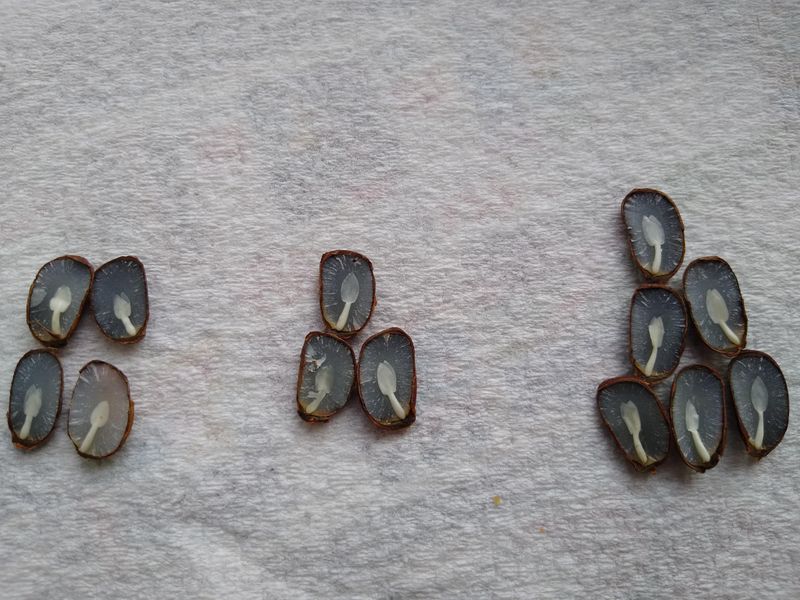
Here is the science secret: that spoon, knife, or fork is actually a baby plant. It is called the embryo, and it is waiting patiently to sprout.
Inside every persimmon seed sits a firm, pale tissue called the endosperm. It stores food that feeds the young plant during its first days of growth.
The embryo includes tiny seed leaves, known as cotyledons. Their shape and angle when you cut the seed create the figures people read.
Researchers have found no proven link between those shapes and winter weather. The outline mostly depends on how the seed developed and how you slice it.
Growing conditions during summer can affect seed development a bit. However, those conditions reflect the past season, not the months still to come.
American persimmon, or Diospyros virginiana, belongs to the ebony family. Its dense wood was once used to make golf club heads before metal took over.
The trees are dioecious, meaning male and female flowers grow on separate trees. Only female trees produce fruit, so a lone tree may stay bare.
Want to see the embryo sprout for yourself? Store cleaned seeds in damp sand in the fridge for about 60 to 90 days.
Plant them outdoors in spring, about an inch deep, in well-drained soil. With patience, you may grow your own forecasting tree someday.
Science and folklore can happily share the same kitchen table. Knowing the botany just makes the tradition more interesting to explain to kids.
Ripe Fruit Makes The Seed Easier To Split
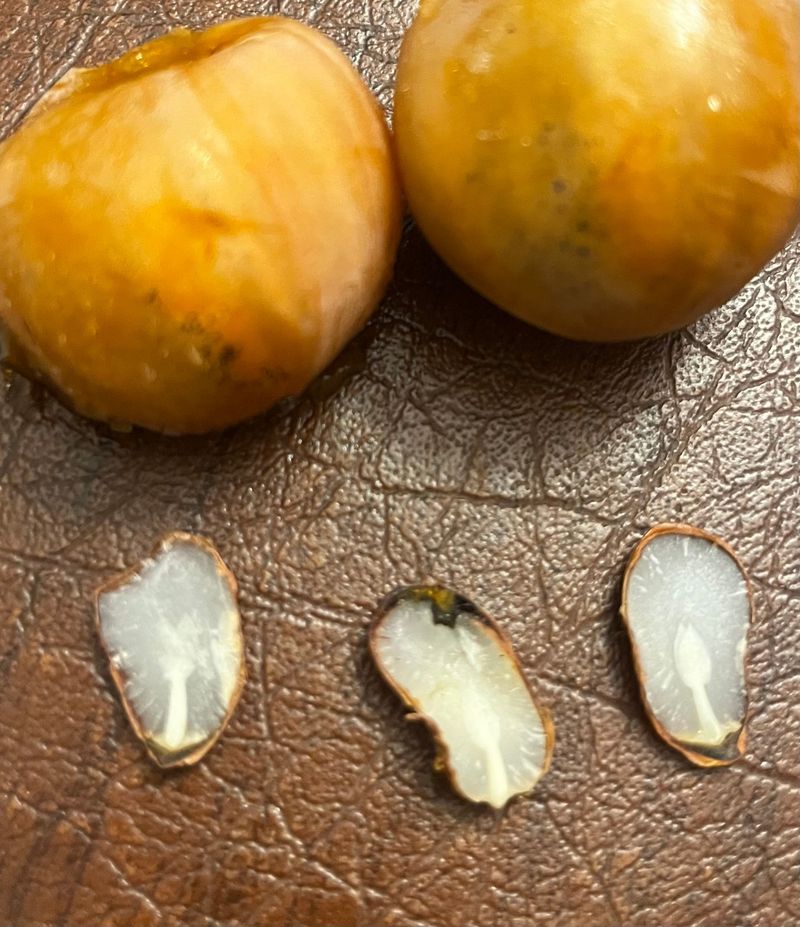
Anyone who has bitten into an unripe persimmon remembers the shock. Your mouth puckers like it just licked a chalkboard eraser.
That harsh taste comes from tannins, which fade as the fruit softens. Ripe persimmons feel squishy, look wrinkled, and often drop to the ground naturally.
In Missouri, most wild fruit ripens from mid-September through October. Some trees hold fruit into November, especially after a light frost.
Soft fruit makes seed removal much easier. Simply squeeze the pulp, pop out the seeds, and rinse them under cool water.
Let the seeds dry on a paper towel for a day or two. Dry seeds are less slippery and safer to handle.
Place a seed on its narrow edge on a cutting board. Carefully press a sharp knife down the center to split it into two halves.
Pliers or a small vise can hold the seed steady if your fingers feel nervous. Adults should handle the cutting when younger kids join in.
Soaking stubborn seeds in warm water for an hour can soften the shell. Some people also clamp seeds gently with a nutcracker first.
Save the leftover pulp for something tasty. Persimmon pudding and bread are beloved fall treats in many Missouri kitchens.
Collect fruit from the ground rather than yanking it from branches. Fallen fruit is usually the sweetest, and it saves you a sour surprise.
Raccoons, deer, and opossums love persimmons too, so gather early in the morning. You may have to beat the local wildlife to breakfast.