Why Ohio Gardeners Cut Back Perennials In October (And Which To Leave)
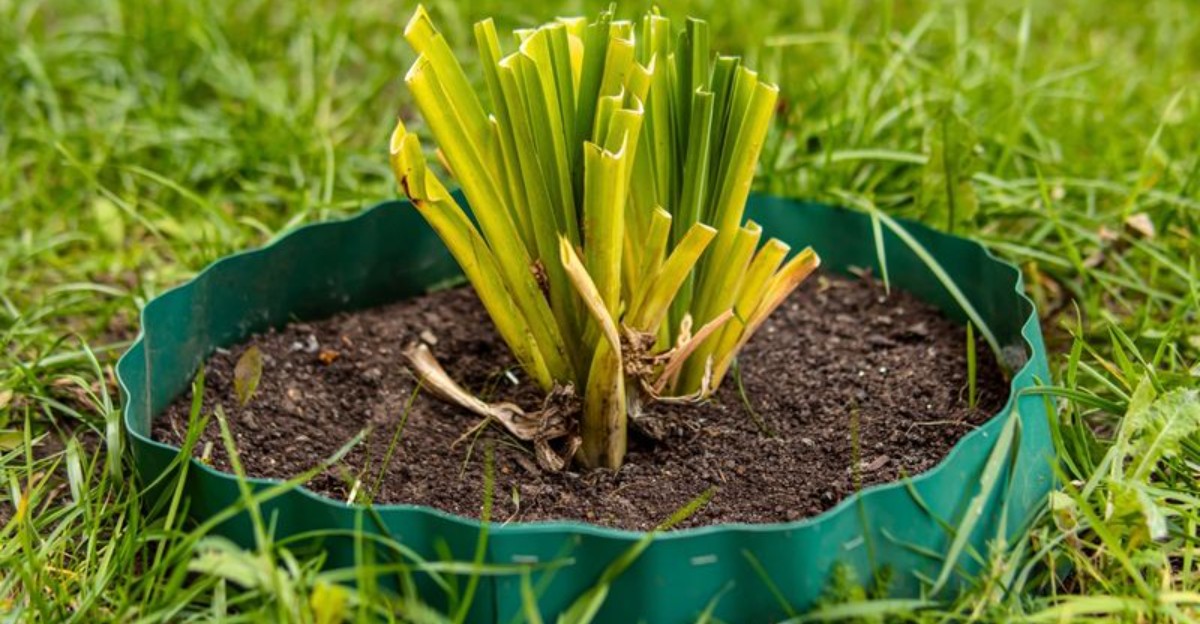
October rolls around, and most Ohio gardeners grab their shears assuming every perennial needs the same treatment.
That assumption costs more than people realize. A cutback now helps some perennials get ahead of disease and pests that would otherwise settle into old growth over winter.
Others need that same growth left standing, either for their own protection against the cold or because local wildlife depends on it more than most gardeners ever consider.
Treating your whole bed the same way splits your perennials into winners and losers without you ever meaning to pick sides.
Sort your bed before you make a single cut this fall. Knowing which plants belong in which camp could be the difference between a strong spring and one you’re playing catch-up on.
1. Black-Eyed Susans Can Stay Standing For Winter
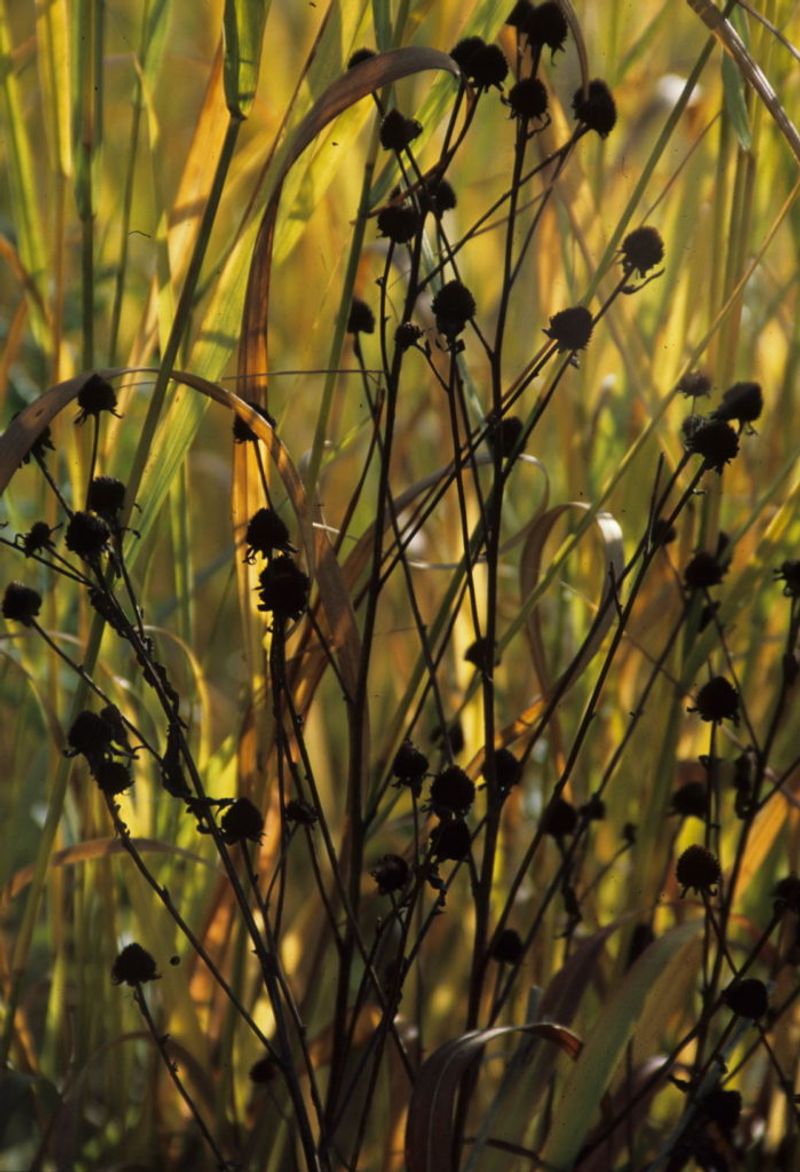
Picture a goldfinch bouncing on a bare stem in January, pecking away happily. Those dark cone tops on your black-eyed Susans are a snack bar for hungry winter birds.
Rudbeckia is native to the Midwest, including Ohio, so it fits right into local nature. When cold weather arrives, the leaves fade back to the ground.
The stiff stems and seed heads, however, can stay upright for months.
Leaving them standing does more than feed birds. The hollow stems give helpful insects a cozy place to spend the winter.
Many of those tiny guests will later help control pests in your garden.
Looks count too. Dried Susans add brown texture to a bed that might otherwise look flat and empty.
When frost coats the seed heads, they sparkle like little ornaments in the morning sun.
So when should you cut them? Wait until early spring, before fresh green shoots pop up at the base.
Snip the old stems close to the soil and toss them in a brush pile or compost.
One small tip helps a lot here. If your plants flopped over this year, you can trim only the messy ones and leave the sturdy stems.
That way you keep things neat while still giving the birds plenty to eat.
2. Peonies Benefit From Fall Cleanup
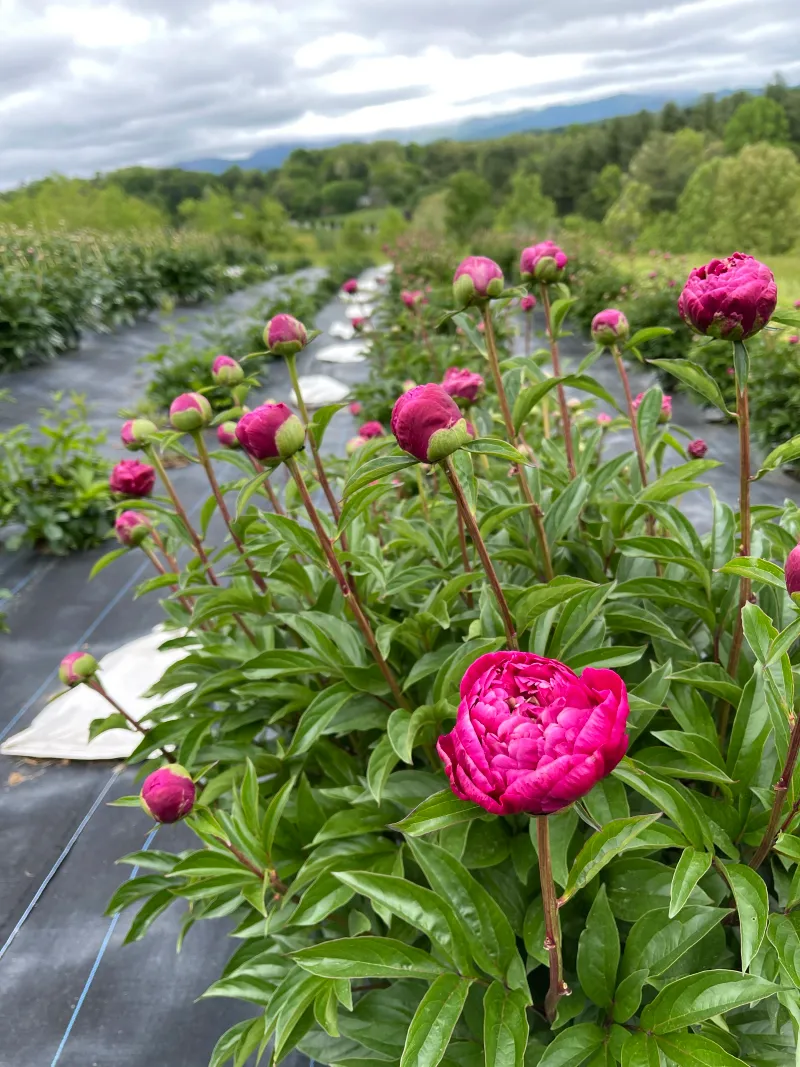
Grandma’s peonies may have bloomed for fifty years, but even tough old plants need a little help. Fall is the season when peonies really want a fresh start.
Peony leaves often pick up fungal troubles like powdery mildew and peony leaf blotch. You might spot gray dust or purple-brown spots by late summer.
Those fungus spores can hide on old leaves and stems all winter long.
The fix is simple and pretty satisfying. In October, cut every peony stem down close to the ground.
This removes the spores before they get a chance to strike again in spring.
Now comes the part many folks skip. Bag up all the clippings and put them in the trash, not your compost pile.
Most home compost piles do not get hot enough to wipe out plant diseases.
Rake up any fallen leaves around the base too. Little bits left behind can still carry trouble into next year.
Your Ohio Garden Changes Every Week. Your Plan Should Too.
Gardening in Ohio changes quickly throughout the season. Every Friday you’ll receive a simple weekly plan showing exactly what to plant, prune, fertilize, harvest, and protect so you never miss the right timing.
After cleanup, spread about 2 to 3 inches of fresh mulch around the area. The mulch acts like a lid that helps keep spores from splashing up in spring rain.
Just keep it loose and avoid piling it deep right over the buds, since peonies like their crowns near the surface to bloom well.
3. Bee Balm Foliage Can Be Cut Back After Frost
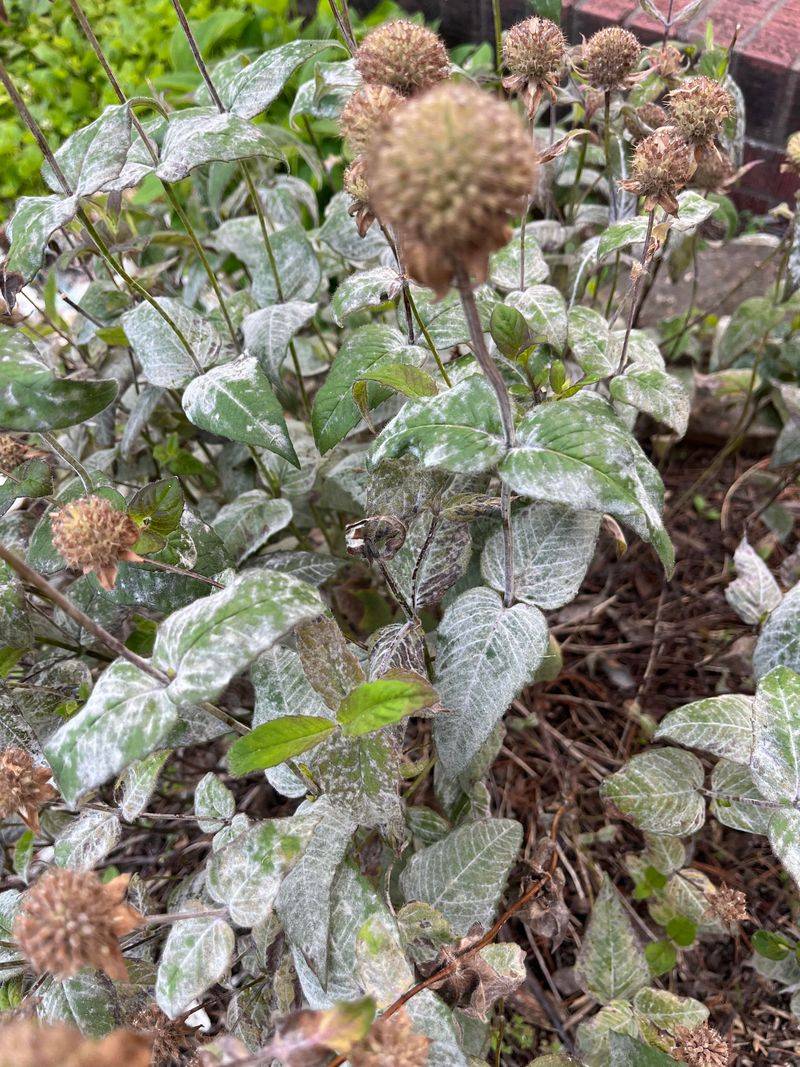
Bee balm is the life of the summer party, buzzing with bees and hummingbirds. By fall, though, its leaves often wear a dusty white coat.
That coat is powdery mildew, a common fungus for Monarda. It shows up most when plants are crowded and air cannot move freely.
The spores can survive winter on old leaves and cause trouble again next season.
Here is where gardeners split into two camps. Some cut bee balm back right after the first frost.
Others wait until late winter or early spring and trim stems to about 2 inches tall.
Both choices have good reasons behind them. Cutting in fall clears away mildewed foliage before it can linger.
Waiting leaves the dried flower heads for birds, which can use the food during lean months.
Why not do a bit of both? Remove and trash the worst mildewed leaves in fall, but leave a few clean stems with seed heads standing.
You get healthier plants and still help your feathered neighbors.
Fun fact: bee balm is also called Oswego tea. Early settlers brewed its leaves after the Boston Tea Party.
Next summer, thin crowded clumps a little so breezes can pass through, which helps keep that mildew in check.
4. Ornamental Grasses Add Winter Structure
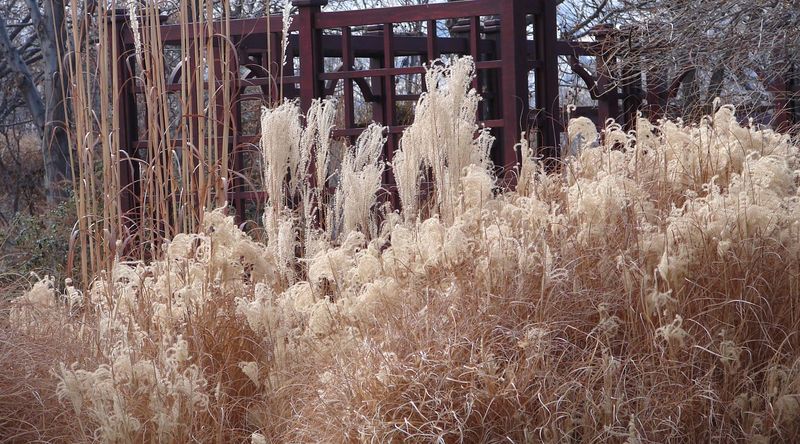
Listen closely on a windy December day, and ornamental grasses almost whisper. Their golden plumes sway and rustle while the rest of the yard sits still.
Many grasses make excellent choices to leave alone in fall. They add height, movement, and shape when flowers have faded.
Snow settling on their curved blades can look like a painting.
Wildlife loves them as well. Helpful insects tuck into the clumps for shelter, and birds nibble the seeds.
Your garden stays busy even in the chilly months.
There is one exception worth thinking about. Very tall grasses, over 3 feet, can get flattened by heavy snow and ice.
If that turns into a messy tangle, a fall trim might suit your yard better.
For most grasses, the best time to cut is late winter or early spring. Trim them down to about 3 to 6 inches above the ground before new blades appear.
A bungee cord wrapped around the clump first makes cleanup much easier.
Cool-season grasses do not need any pruning before winter at all. Warm-season types can wait until spring too.
Either way, you get months of free winter beauty with zero extra work, which feels like a pretty sweet deal.
5. Coneflowers Leave Seeds For Hungry Birds
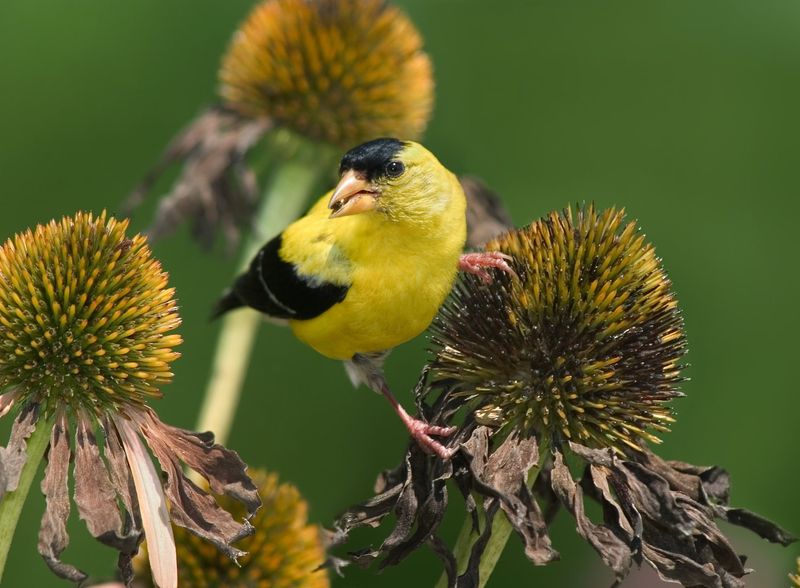
Goldfinches treat a patch of dried coneflowers like a buffet line. They cling upside down to the spiky heads and pull out seeds one by one.
Echinacea is a tough native plant that grows beautifully across Ohio. After the purple petals drop, the center cone turns dark and firm.
Those cones hold dozens of seeds that birds rely on when food runs short.
Leaving the seed heads up also gives your garden a bold look. The blackened cones pop against snow and pale grass.
Many gardeners say their winter beds look more interesting because of them.
Some people still prefer a tidy yard. If that sounds like you, you can cut stems back to about 2 or 3 inches above the soil in fall.
Try leaving a small group standing, even if you trim the rest.
If you skip the fall cut, wait until late winter or early spring. Clear away the old stems before new leaves start to show.
Here is a bonus perk. Seeds that drop to the ground may sprout into new coneflowers next year.
Free plants are a nice reward for doing less work! If too many pop up, simply dig out the extras and share them with friends.
6. Hosta Foliage Belongs On The Fall Cleanup List
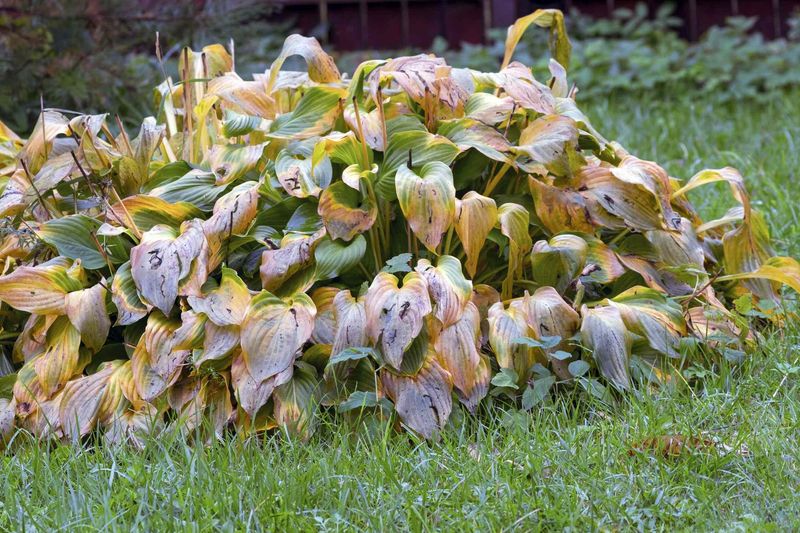
Anyone who has touched hosta leaves after a hard frost knows the feeling. They go from lush and green to soggy, slimy, and sad almost overnight.
That mushy mess is more than an eyesore. Slugs love to lay their eggs in the soft, rotting leaves.
Leave the foliage in place, and you might be hosting a slug nursery all winter.
Come spring, those eggs hatch into hungry little munchers. Your new hosta leaves then end up full of holes.
It is a frustrating cycle that plenty of Ohio gardeners know well.
Luckily, the solution is quick. As soon as frost flattens the leaves, pull or cut them away at the base.
Most will slide off easily with a gentle tug.
Gather everything up and bag it or send it off with yard waste. Clearing the area also removes hiding spots for other pests that like damp, decaying plant material.
A clean hosta bed looks much better in spring too. You will see the fresh pointed shoots poking up without digging through brown slop first.
Think of it as a ten-minute job with a big payoff. Fewer slugs, healthier leaves, and a neater shade garden all come from one simple chore.
7. Sedum Stems Can Stand Through The Cold
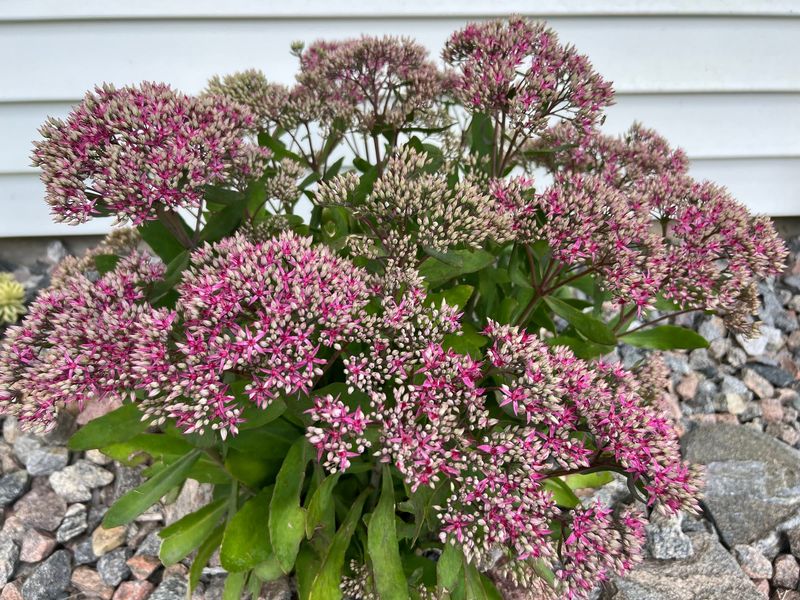
Think of sedum as the snow globe of the perennial world. Its flat, dried flower heads catch frost and snow like little plates on a stand.
Also called stonecrop, sedum is sturdy, easygoing, and handles dry spells like a champ. It grows happily in many Ohio yards with little fuss.
By fall, its blooms fade from pink to a rich rusty brown.
Most gardeners leave sedum standing for winter, and for good reason. The thick stems stay upright even in wind.
They give your garden shape during months when almost everything else lies flat.
There is a practical side too. The old stems and flower heads can help shield the plant’s crown from harsh weather.
It is a bit like wearing a winter hat.
You can still cut sedum back in late fall if you like a clean look. Many folks just wait until early spring, when tiny green buds show at the base.
Snip the old stems right above those buds.
One thing sedum dislikes is soggy soil in winter. Wet roots can rot, so good drainage matters a lot.
If your bed holds water, consider adding gravel or planting sedum on a slight slope next time.
8. Iris Foliage Can Wait Until It Turns Brown
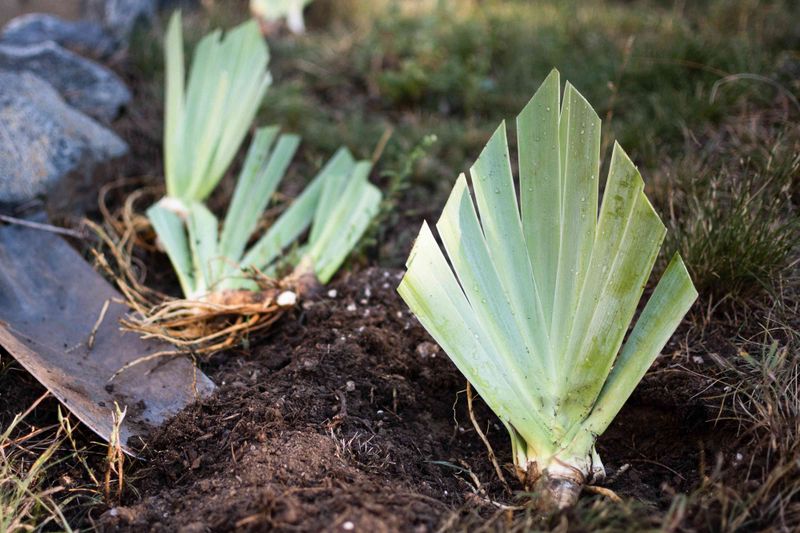
Irises are famous for being low-maintenance, but fall hides a sneaky villain. The iris borer moth lays its eggs right on the leaves this time of year.
If those eggs survive winter, the young borers tunnel into the leaves in spring. They work their way down to the roots, causing rot and weak plants.
Timing your cleanup helps stop them early.
Here is the catch, though. Green iris leaves are still making food for next year’s flowers.
Cutting them too soon can leave plants with less energy for spring blooms.
So be patient and wait for a hard frost and browning leaves. Then trim the foliage down to about 4 to 6 inches tall.
Many people cut them in a neat fan shape.
Collect every clipping and nearby bit of debris. Put it all in the trash so the borer eggs leave with it.
Compost piles are not the place for these leaves.
Before then, you can still remove spent flower stalks or any leaves with obvious disease spots. Just leave the healthy green parts alone.
Skip mulch around bearded irises. Their roots like sun and air, and mulch traps too much moisture, which can lead to rot.
9. Diseased Perennial Foliage Deserves Early Removal
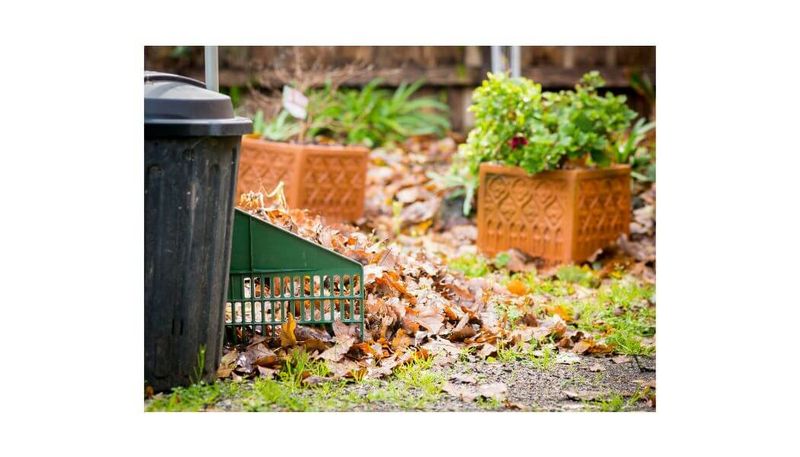
According to Ohio State University Extension, sick plant material should leave your garden before winter settles in. It is one of the most useful fall habits you can build.
Maybe you noticed spotted leaves, gray mildew, or odd blotches this summer. Those problems do not simply vanish when the weather cools.
Fungus and other germs can hang out on old stems and leaves until spring.
When warm, wet days return, those germs spread to fresh new growth. That means the same troubles show up year after year.
Breaking the cycle starts in October.
Cut away the infected foliage and stems as soon as you can. Bag them up and place them in the trash.
Keep them out of your compost, since home piles rarely get hot enough to destroy plant diseases.
Clean tools matter just as much. Wipe your pruners with rubbing alcohol or a mild bleach mix after each cut on a sick plant.
Otherwise, you could carry germs straight to healthy neighbors.
This rule can even outrank the leave-it-standing advice. A coneflower or bee balm with serious disease is better trimmed than saved for winter looks.
Your reward is a cleaner, stronger garden when spring rolls around.