Ohio’s Tree Planting Window Is Closing Before Winter Locks The Ground
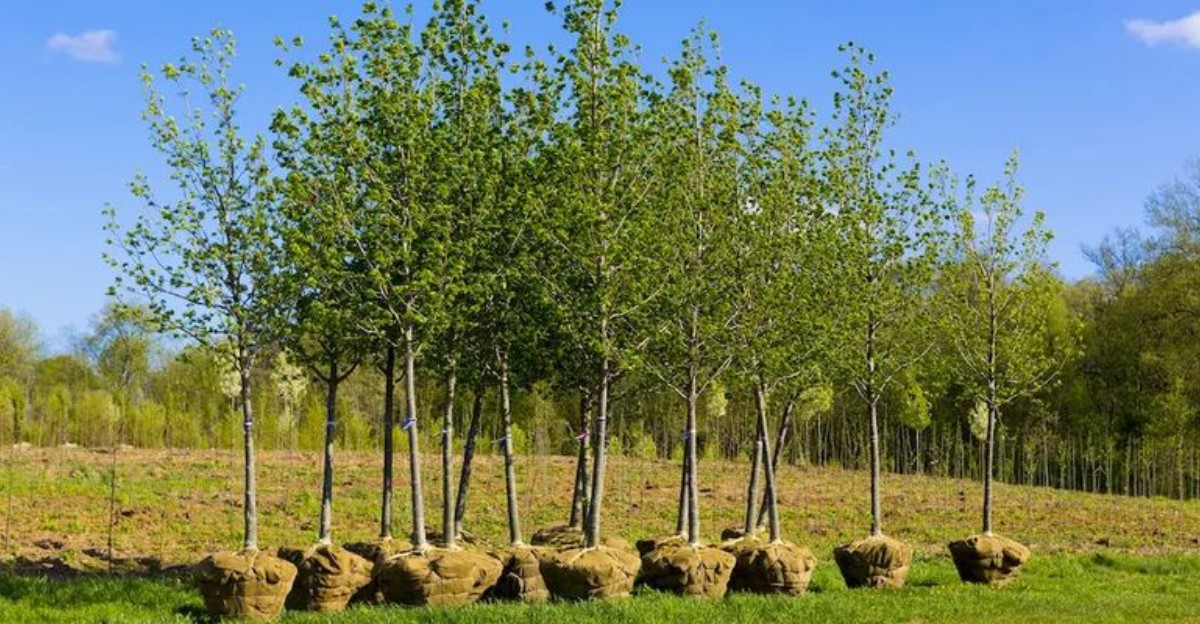
Ohio’s ground is closing its doors for the season, and the next few weeks decide who gets a tree in before it does.
Trees planted too late spend winter with roots that never got the chance to settle in, and that shaky start follows them well into next year.
Soil temperature matters more than the air around it, and window shrinks fast once that number drops past a certain point, regardless of how mild the days still feel.
Miss this stretch and you’re not just risking a rough start. You’re looking at a wait until spring, and even then, catching up takes longer than most people expect.
Check the calendar and get any tree into the ground soon if you’ve been putting it off. Ohio’s window won’t stay open much longer.
1. Late Fall Still Gives Ohio Trees Time To Root
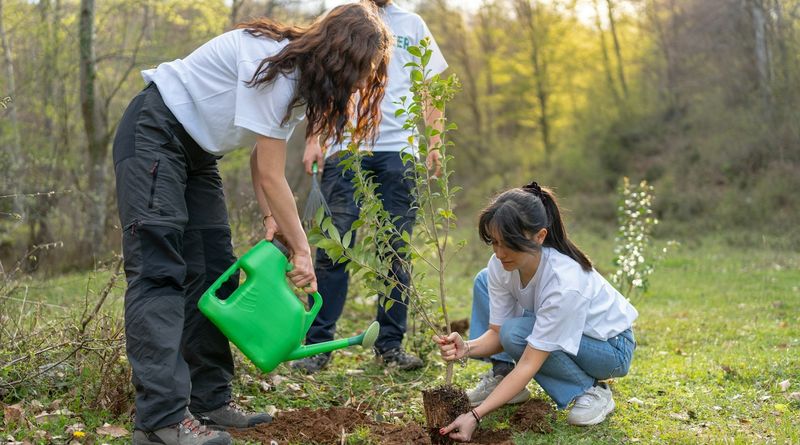
Picture a tree that gets to work underground while the rest of the yard naps. That is the quiet magic of fall planting in Ohio.
Soil stays warm long after summer ends, even when the air turns chilly. Warm dirt tells roots to keep growing and spreading.
Meanwhile, cool air takes pressure off the leaves and branches, so the tree does not lose much water.
Roots keep growing as long as the soil stays above about 40 to 55 degrees Fahrenheit. In many parts of the state, that happens well into autumn.
So a tree planted now can spend weeks building a strong base before winter rest begins.
Here is the fun part. When spring arrives, a fall-planted tree is already ahead of the game.
It has a thicker, denser root system than a tree planted in April. That extra muscle helps it handle hot, dry July weeks much better.
Think of it like studying before a big test instead of cramming the night before. The tree gets time to prepare, settle in, and get comfortable in its new home.
If you have been waiting for the right moment, this could be it. Just keep an eye on the calendar and the weather report.
The window is open, but it will not stay that way for long.
2. Wait Until The Ground Is Cool But Workable
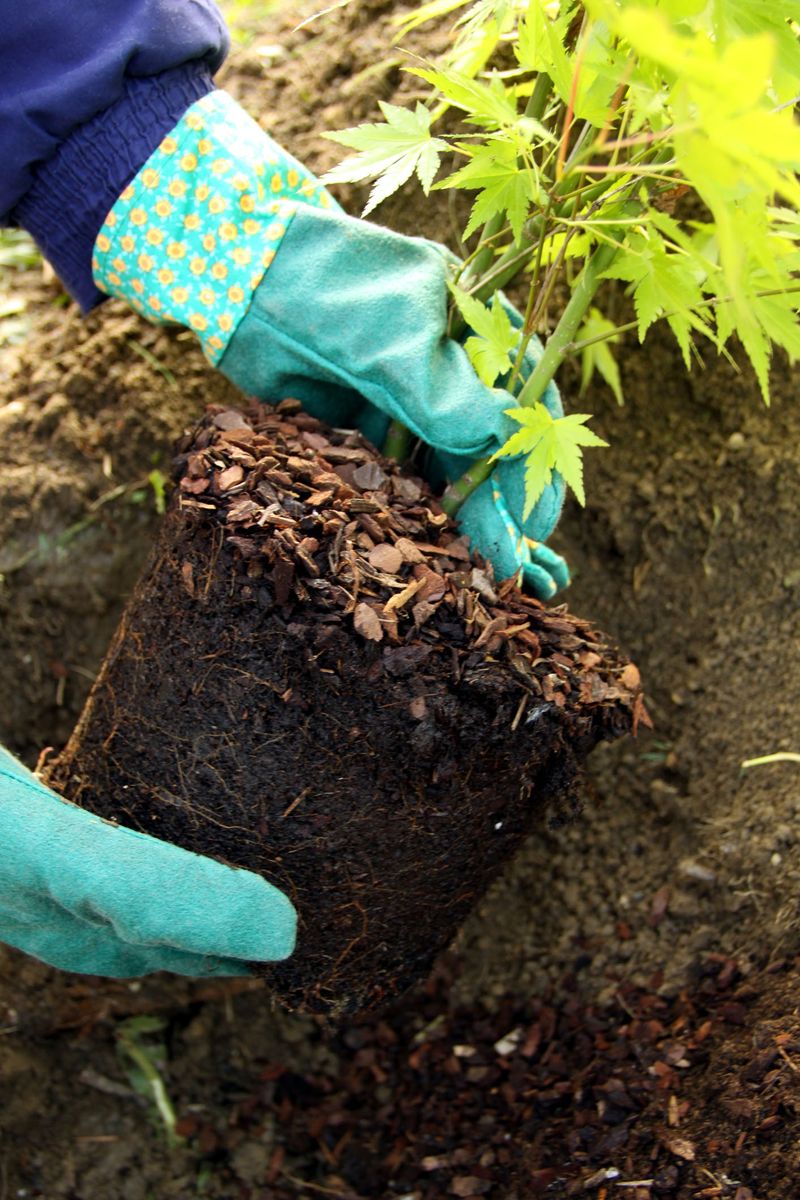
Timing a tree planting is a bit like baking cookies. Too early or too late, and things just do not turn out right.
In our state, the sweet spot for fall planting usually runs from late August or early September through mid-October or early November. Northern parts of the state tend to cool off sooner.
Southern Ohio often gets a little extra time.
Here is a tip many people miss. The first frost on your windshield does not end planting season.
Soil temperature matters far more than air temperature. The ground cools slowly, so roots can keep growing after the first chilly mornings.
A cheap soil thermometer can be your best friend here. Push it about four to six inches deep and check the reading in the morning.
Your Ohio Garden Changes Every Week. Your Plan Should Too.
Gardening in Ohio changes quickly throughout the season. Every Friday you’ll receive a simple weekly plan showing exactly what to plant, prune, fertilize, harvest, and protect so you never miss the right timing.
If the soil is still in the 50s, roots are ready to grow.
You also want soil that crumbles in your hand. If it feels like wet clay or dusty powder, wait a few days for better conditions.
Most trees need about six to eight weeks in the ground before it freezes solid. Count backward from your area’s usual deep freeze.
That simple math tells you when your personal cut off date lands. Planning ahead beats rushing with a shovel in the sleet.
3. Choose Container Trees For Flexible Fall Planting
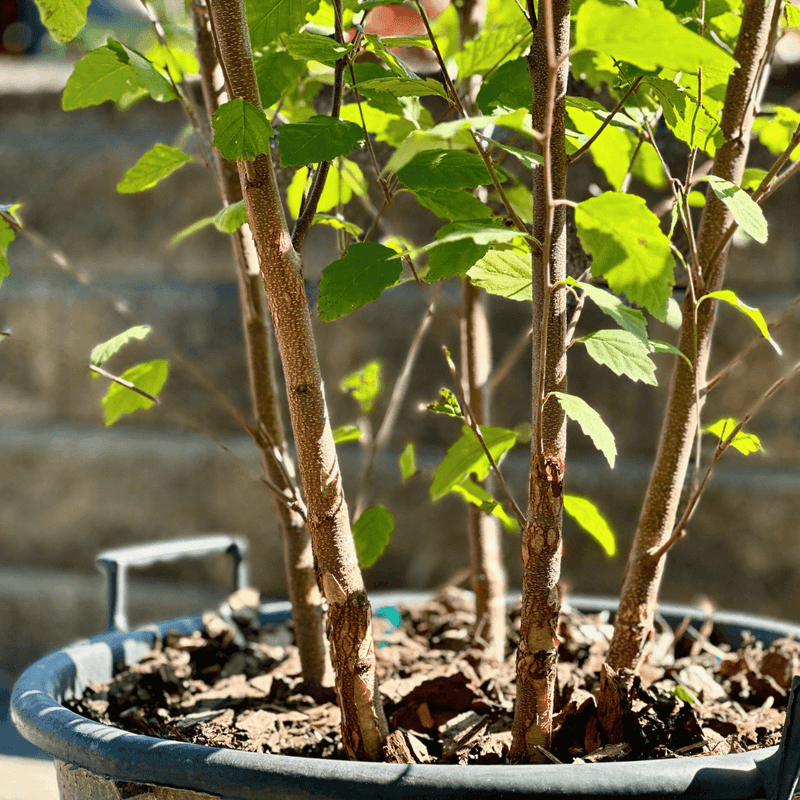
Walk into any garden center in October and you will spot rows of trees sitting in plastic pots. Those container trees are the late-season planter’s secret weapon.
Because their roots are already snug in a pot, container trees handle moving day well. They can go in the ground anytime the soil is not frozen and you can water them.
That gives you more wiggle room than bare-root trees.
Most deciduous trees, the kind that drop their leaves, do great with fall planting. Maples, oaks, and many flowering trees settle in nicely when the weather cools.
Evergreens are a little pickier. Pines and spruces like to be planted in late summer or early fall.
Some experts suggest getting them in before the end of September. Their needles keep losing water all winter, so they need roots in place early.
Broadleaf evergreens, like hollies and rhododendrons, often do better in spring. Some narrow-leaf types feel the same way.
When shopping, gently tip the pot and peek at the roots. Look for healthy, light-colored roots that are not wrapped tightly in circles.
If they circle, loosen them with your fingers before planting. A little care at the store saves a lot of worry later.
4. Give Newly Planted Roots A Thorough Watering
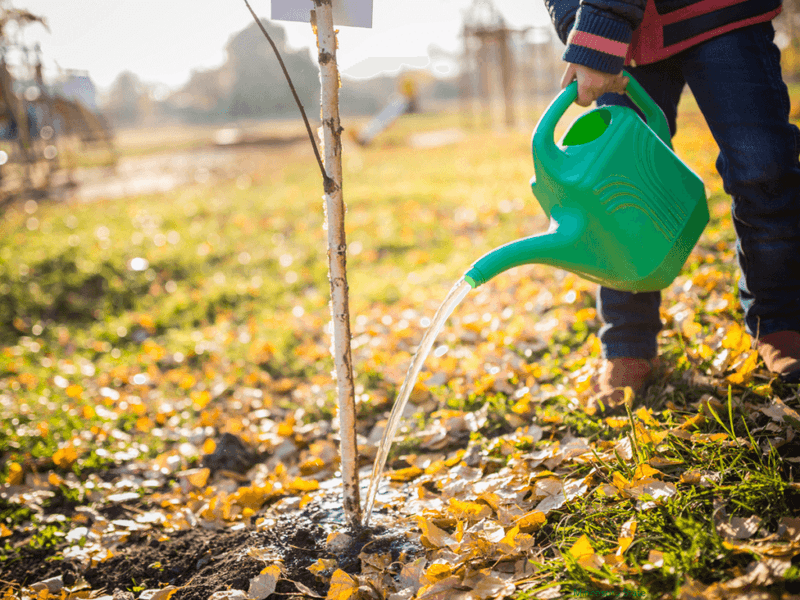
Cool weather fools a lot of gardeners into skipping the hose. Yet a new tree gets thirsty even when you are wearing a sweatshirt.
Keep watering deeply until the ground freezes. Moist soil actually helps hold warmth, which protects roots during cold nights.
Dry soil freezes faster and harder.
So how much is enough? A handy rule is 5 gallons per week for each inch of trunk width, plus 5 more gallons.
A tree with a 2-inch trunk would need about 15 gallons each week.
For young trees, aim for deep watering about three times a month in fall. During dry winter stretches when the ground is not frozen, twice a month works well.
Slow and steady wins here. A soaker hose or a garden hose on a gentle trickle lets water sink down to the roots.
Blasting water fast just sends it running across the lawn.
Watch out for the opposite problem, too. Soggy soil squeezes out air, and roots need oxygen to breathe.
Before watering, poke a finger a few inches into the soil. If it feels damp, give it another day or two.
Fun fact: a 5-gallon bucket with a few small holes drilled in the bottom makes a cheap, easy tree waterer.
5. Keep Mulch Away From The Trunk

Ever seen a tree wearing a big cone of mulch piled up around its trunk? Folks call that a mulch volcano, and trees are not fans.
Mulch itself is wonderful. A 2 to 4 inch layer of shredded bark or wood chips keeps soil temperatures steady.
It holds in moisture and blocks weeds that fight for water and food. All of that helps roots grow strong.
The trick is shape. Spread the mulch in a wide circle, at least 3 to 4 feet out from the trunk.
Going all the way to the drip line, where the outer branches reach, is even better.
Then pull the mulch back a few inches from the trunk itself. You should end up with a donut, not a volcano.
That gap keeps moisture from sitting against the bark.
Why does that matter? Wet bark can rot, and soft spots invite insects, fungi, and hungry mice looking for a cozy winter home.
A little breathing room keeps the trunk dry and healthy.
Here is a quick check you can do. Look at the base of your tree.
You should see the slight flare where the trunk widens into the roots. If mulch hides that flare, grab a rake and gently pull it back.
6. Skip Fertilizer When Trees Are Heading Into Dormancy
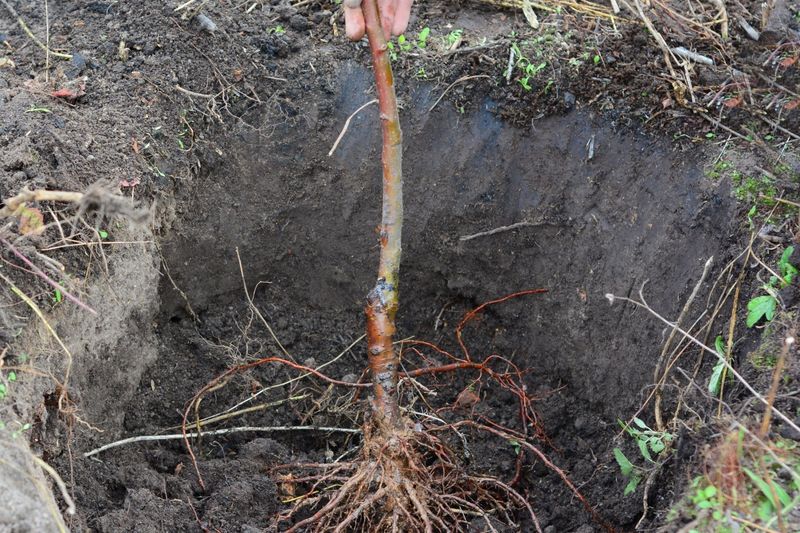
It feels generous to feed a brand-new tree. Honestly, though, a freshly planted tree wants rest more than a snack.
Fertilizer can push out tender new shoots at the wrong time. If that fresh growth appears in early fall, the first hard freeze can easily damage it.
The tree then wastes energy repairing itself instead of growing roots.
For newly planted trees, the best move is usually to wait. Let them settle in and focus on getting established.
Good soil, water, and mulch give them most of what they need right now.
What about older, established trees? Some Ohio tree experts do suggest feeding in mid to late fall, often between late October and mid-December.
By then, trees send energy down to their roots and store nutrients for spring.
If you do fertilize an established tree, pick a slow-release product. Look for one lower in nitrogen and higher in phosphorus and potassium.
Those nutrients support roots rather than leafy growth.
The smartest first step is a soil test. Your county’s OSU Extension office can help you find one for a small fee.
The results show what your soil truly lacks, so you are not guessing. Sometimes the answer is that your tree needs nothing extra at all.
7. Protect Young Trunks From Winter Damage
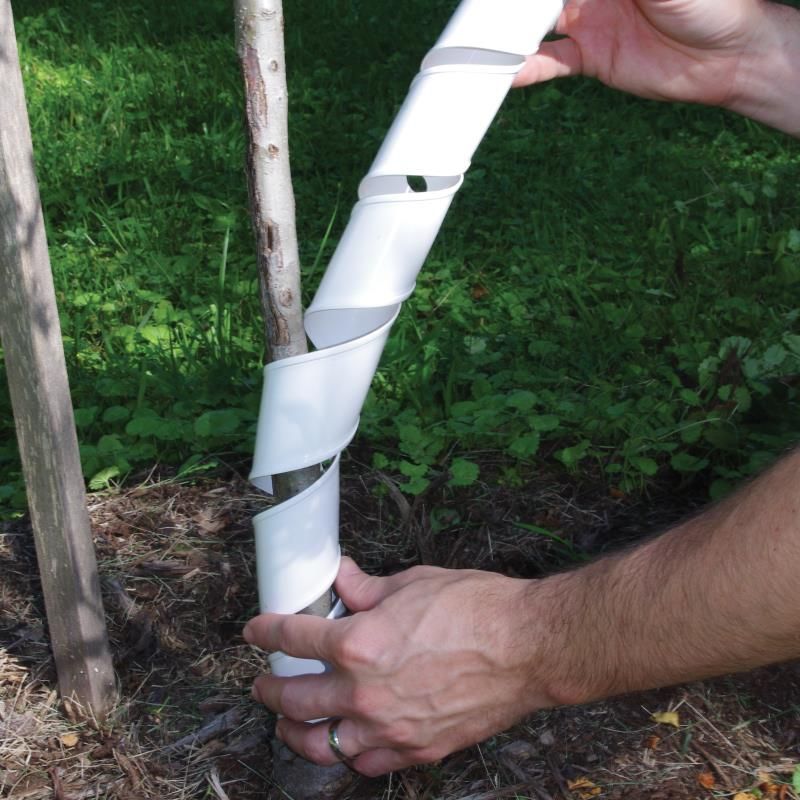
A sunny February afternoon sounds lovely, right? For a young tree with thin bark, it can cause real trouble.
Bright winter sun can warm one side of a trunk, usually the south or southwest side. When the sun drops, the bark cools down fast.
That quick swing from warm to freezing can crack and split the bark. Gardeners call it sunscald.
The fix is pretty simple. Wrap young trunks with white plastic tree guards or commercial tree wrap in late fall.
The light color reflects sunlight and keeps bark temperatures steady. Take the wrap off in spring so the trunk can breathe and grow.
Guards pull double duty, too. Deer, rabbits, and voles get hungry when snow covers their usual food.
Tender bark and buds start looking like a tasty buffet. A sturdy guard or a ring of hardware cloth keeps those nibblers away.
Newly planted evergreens have their own winter worries. Dry winds pull moisture from their needles, and road salt can spray onto them near driveways.
A simple burlap screen on stakes blocks wind, sun, and salt.
Maple, cherry, and linden trees are known for thin bark. If you planted one this fall, consider it first in line for a cozy winter coat.
8. Avoid Planting When Soil Is Frozen Or Waterlogged
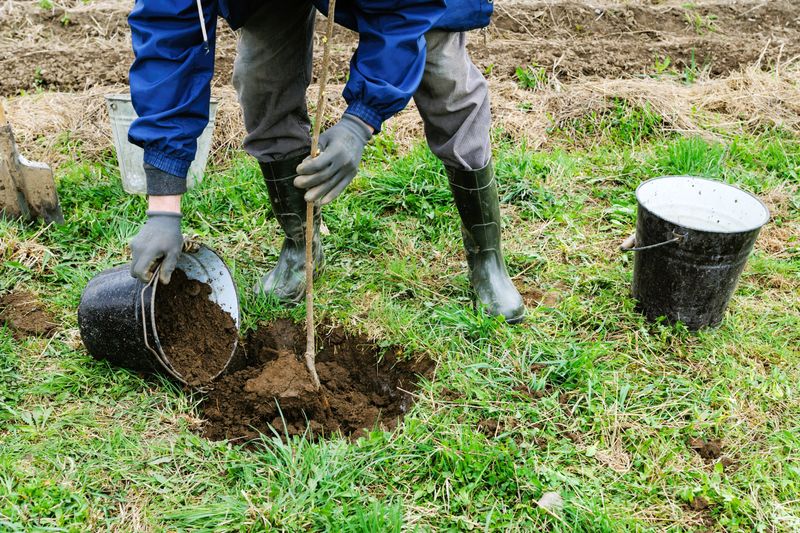
“Just dig and hope for the best” is not a great tree plan. Some days, the ground simply says no.
Frozen soil is the obvious one. Roots cannot grow into ice, and chunks of frozen dirt leave air pockets around them.
Those gaps dry roots out and leave the tree struggling all winter.
Waterlogged soil is sneakier. After a week of cold November rain, your yard might feel like a sponge.
Roots need oxygen, and soggy soil pushes that oxygen out. Weak roots and soil-borne problems often follow.
Try the squeeze test. Grab a handful of soil and squeeze it.
If water drips out, wait. If it forms a ball that crumbles when poked, you are good to go.
Some Ohio yards stay wet no matter what, especially spots with heavy clay. In those places, choose trees that like damp feet.
Red Maple, River Birch, and Swamp White Oak handle wet ground better than most.
Fun fact: Swamp White Oak is native to the state and often grows along streams and low areas. It can shrug off soggy springs that would trouble other oaks.
If conditions stay poor, keep your container tree in a sheltered spot and water it. Waiting a few days beats a rough start.
9. Finish Fall Planting Before The Ground Becomes Unworkable
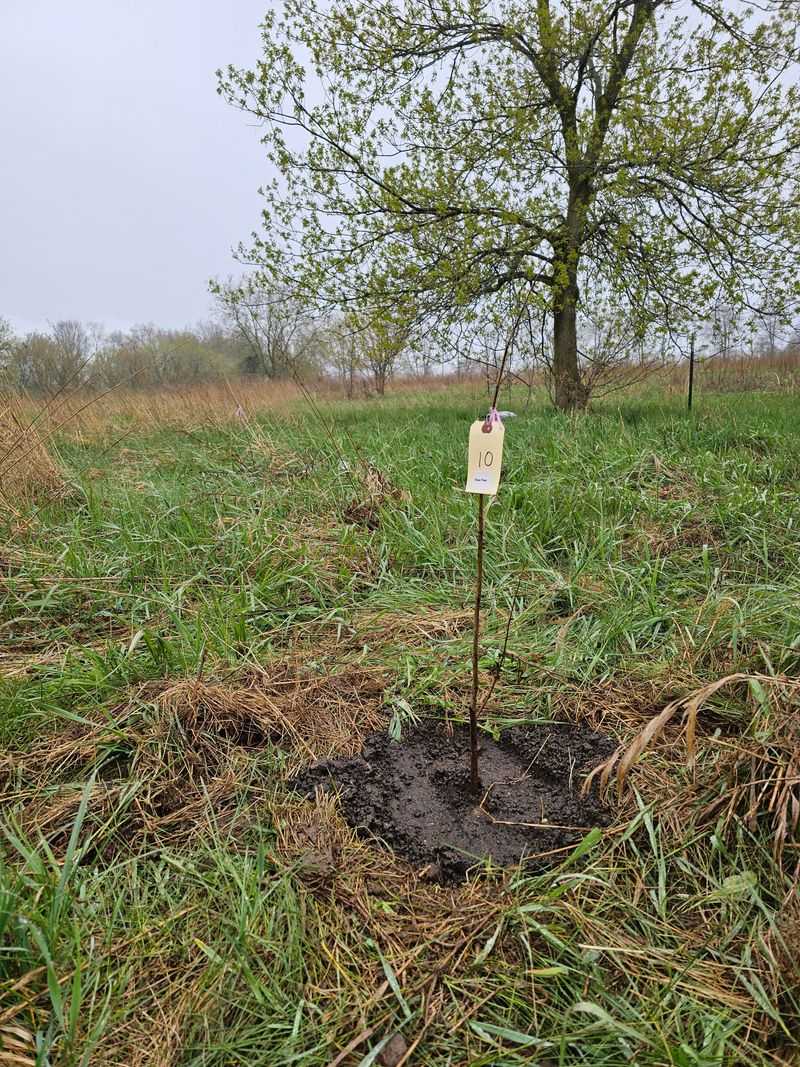
Every Ohio gardener knows that one week when the weather flips. Monday feels like a light-jacket day, and by Friday the hose is frozen to the spigot.
That is why finishing on time matters so much. The fall planting window usually closes somewhere between mid-October and mid-November.
Your exact cutoff date depends on where you live and how quickly soil temperatures fall.
Trees need roughly six weeks to build their roots before the ground freezes solid. Plant too late, and the tree heads into winter with a thin, weak root system.
It may struggle to wake up and thrive in spring.
So make a plan now. Check the ten-day forecast and pick a dry, mild day.
Have your tree, shovel, mulch, and hose ready so the job goes fast.
Dig a hole two to three times wider than the root ball but no deeper. Set the tree so the trunk flare sits right at ground level.
Backfill with the soil you removed, then water well.
Planting a tree is a small act with a long reach. The one you plant this week could shade a porch or hold a tire swing for decades.
That is worth an afternoon before the cold settles in.