The Invasive Pest Spreading Across Southeastern Pennsylvania Crape Myrtles
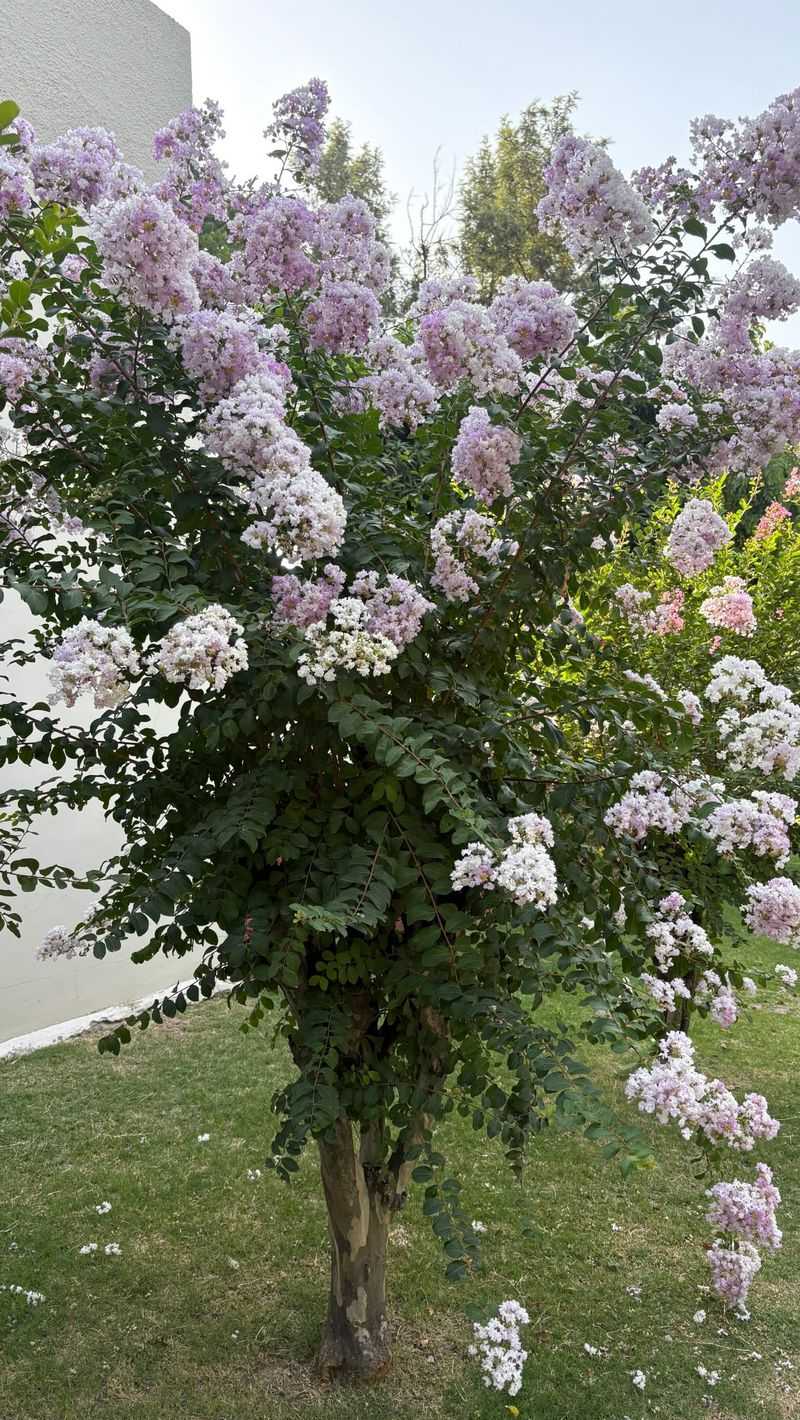
Crape myrtles are the showoffs of the summer garden. Bright blooms, smooth peeling bark, and hardly any fuss.
For years, gardeners in Southeastern Pennsylvania have counted on them for a pop of color when everything else starts to fade. But lately, something strange has been showing up on their trunks.
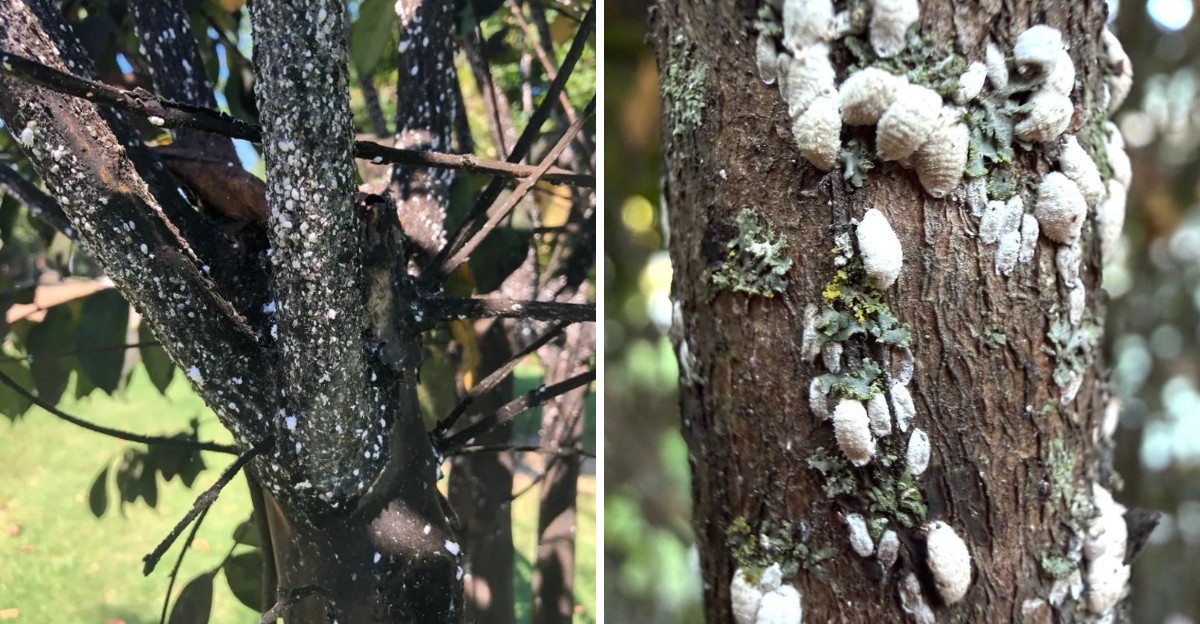
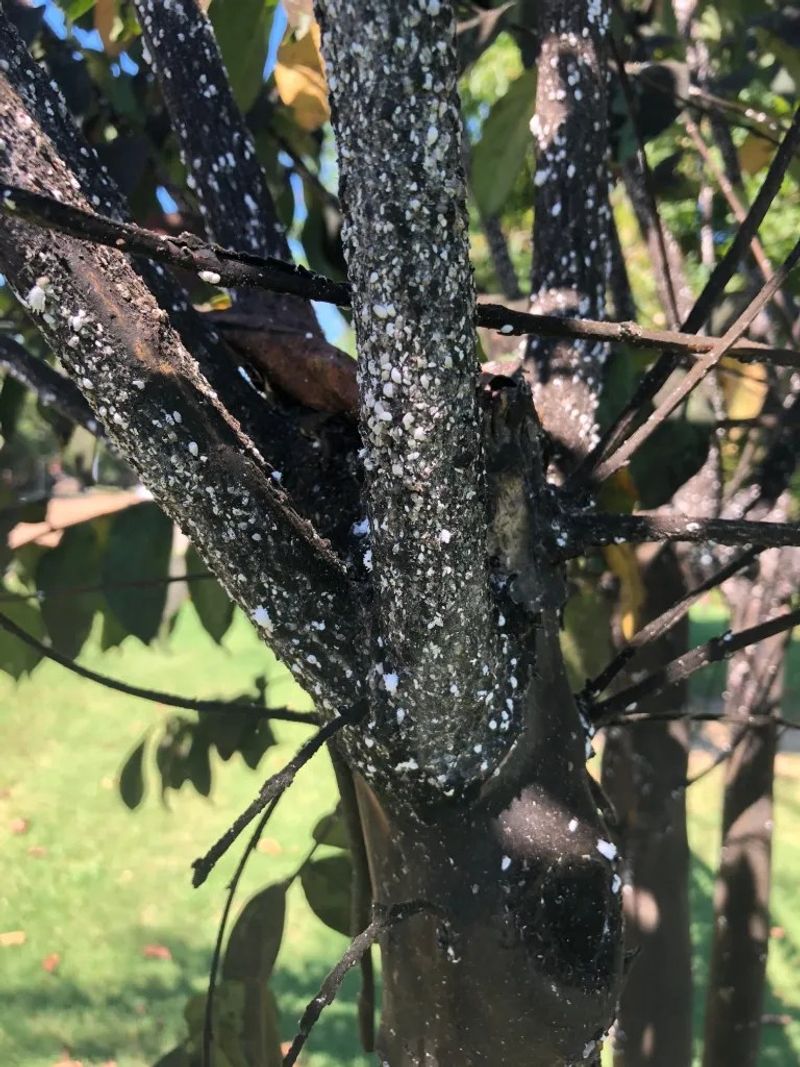
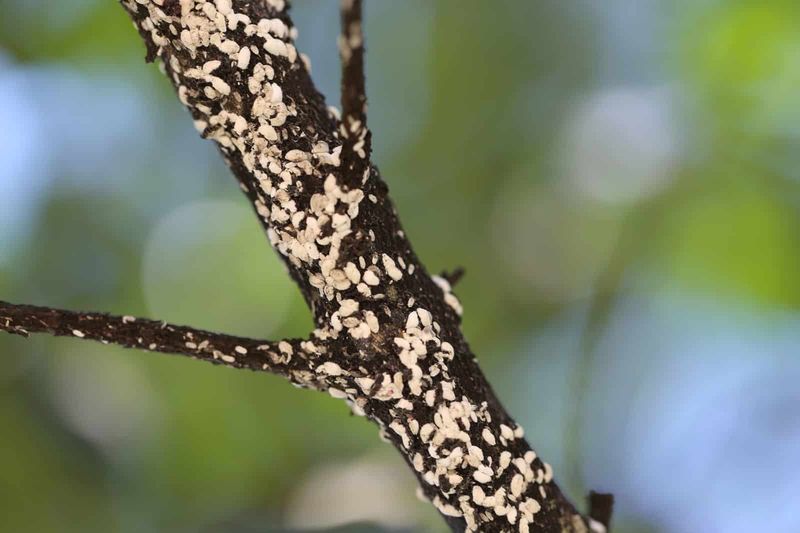
It begins as tiny white or gray specks tucked into the bark. Then the branches turn sticky. Soon, a sooty black coating spreads across the trunk, and those gorgeous blooms start to look a lot less impressive.
The culprit is a tiny invader from Asia, and it’s been quietly moving north for years. Now it’s settling into Pennsylvania neighborhoods, one tree at a time.
The sooner you catch it, the easier it is to handle. Here’s how to spot the signs and protect your crape myrtles.
The Invasive Pest Targeting Crape Myrtles
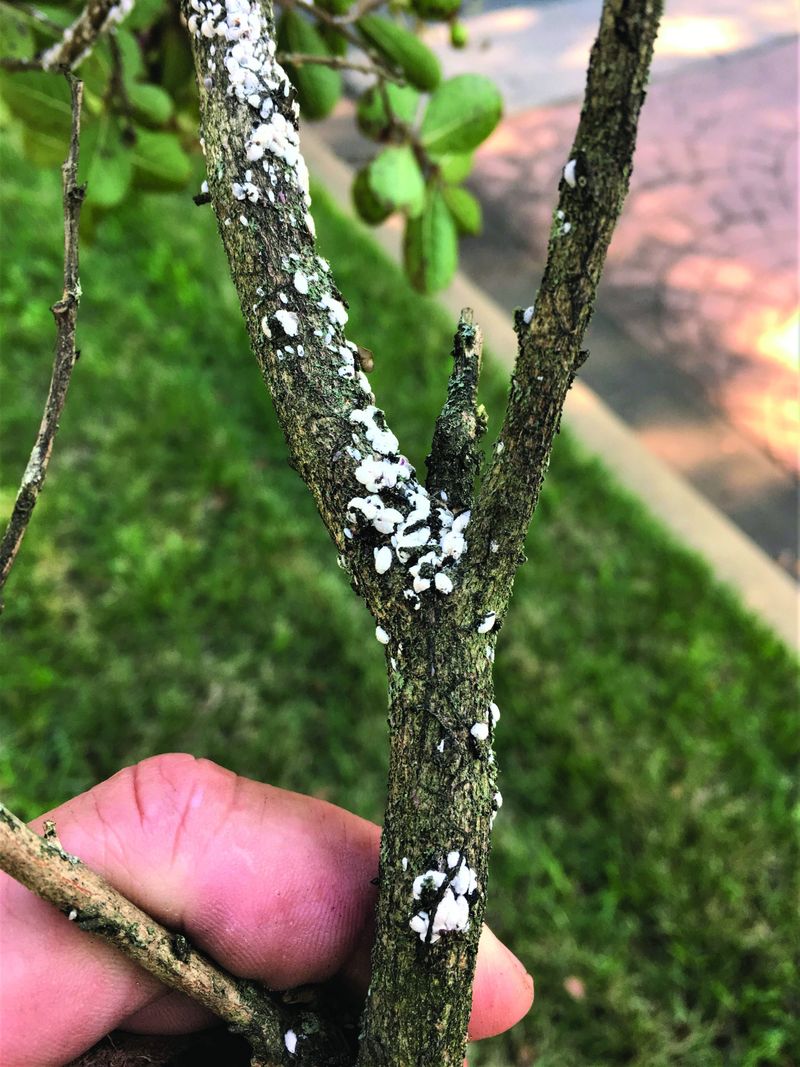
Back in 2004, gardeners near Dallas, Texas, noticed something odd on their crape myrtles. Small white bumps were crusting the bark. Experts soon confirmed it was a new insect for the United States.
The bug is called crape myrtle bark scale. It comes from Asia, where it lives in places like China, Japan, and Korea. Somehow it hitched a ride across the ocean and settled into American landscapes.
Since that first sighting, the pest has moved far beyond Texas. It has been found in many southern states and now reaches up the East Coast.
Pennsylvania joined the list in recent years. So far, it has turned up in the southeastern corner of the state.
Philadelphia and Delaware County are two areas where it has been confirmed. Those spots make sense.
They have lots of homes, lots of landscaping, and lots of crape myrtles lining streets and yards. Warmer city spaces may also help the insect settle in.
Scale insects are a little strange. Most of them barely move once they grow up. They stick to one spot on a branch and feed on plant sap all day long.
Over time, they cover themselves with a waxy shell that works like armor.
Here is a fun fact. Female scales never grow wings. Only the males can fly, and they live for just a short time. The females stay put and focus on making eggs.
Why should you care? Crape myrtles are a big part of the local landscape. Learning about this pest now gives you a head start. You can protect your trees before the problem gets worse in your neighborhood.
How It Spreads From Yard To Yard
Think about the last time you bought a plant. You probably picked a healthy-looking one, paid, and drove it home. That simple trip is exactly how crape myrtle bark scale travels.
The pest does not fly long distances on its own. Instead, it rides along on infested trees sold through the nursery trade. A young tree with a few hidden scales can carry a whole colony to a new town.
Tiny baby scales, called crawlers, can also move short distances. They crawl along branches and can be carried by wind, birds, or even people brushing past. Garden tools and clothing can help them hop to nearby plants.
Your Pennsylvania Garden Changes Every Week. Your Plan Should Too.
Gardening in Pennsylvania changes quickly throughout the season. Every Friday you’ll receive a simple weekly plan showing exactly what to plant, prune, fertilize, harvest, and protect so you never miss the right timing.
Speed is another big part of the story. In warmer regions, the insect can produce two to four generations each year.
Each female lays many eggs, so numbers climb fast. A small problem in spring can become a serious crust by fall.
So what can you do? Start by checking plants carefully before you buy them. Look closely at the trunk, the branch joints, and the spots where twigs meet. White or gray crusty patches are a red flag.
Ask the nursery where their trees came from. Good sellers will be glad to answer. If something looks off, walk away and pick another plant.
Once a new tree is home, keep an eye on it for the first year. Early checks make a huge difference.
Sharing plant cuttings with neighbors is kind, but only share from trees you know are clean. A little caution can stop the pest from marching down your whole street.
How To Spot It
Detective work is fun, and your crape myrtle is a great place to practice. Grab a magnifying glass if you have one. You are hunting for clues on the bark.
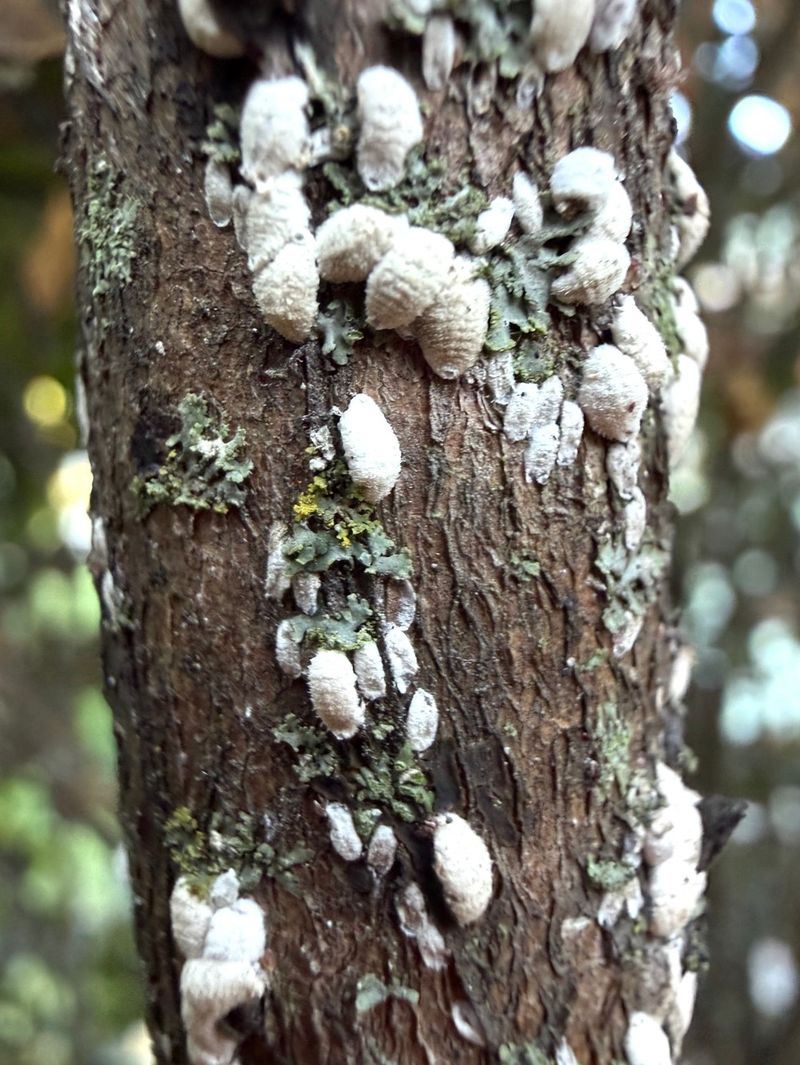
The insect itself is small and pinkish. As it grows, it builds a whitish-gray waxy coat over its body.
That coat gets thicker as the scale matures. On a badly infested tree, the trunk and branches can look caked with layers of white crust.
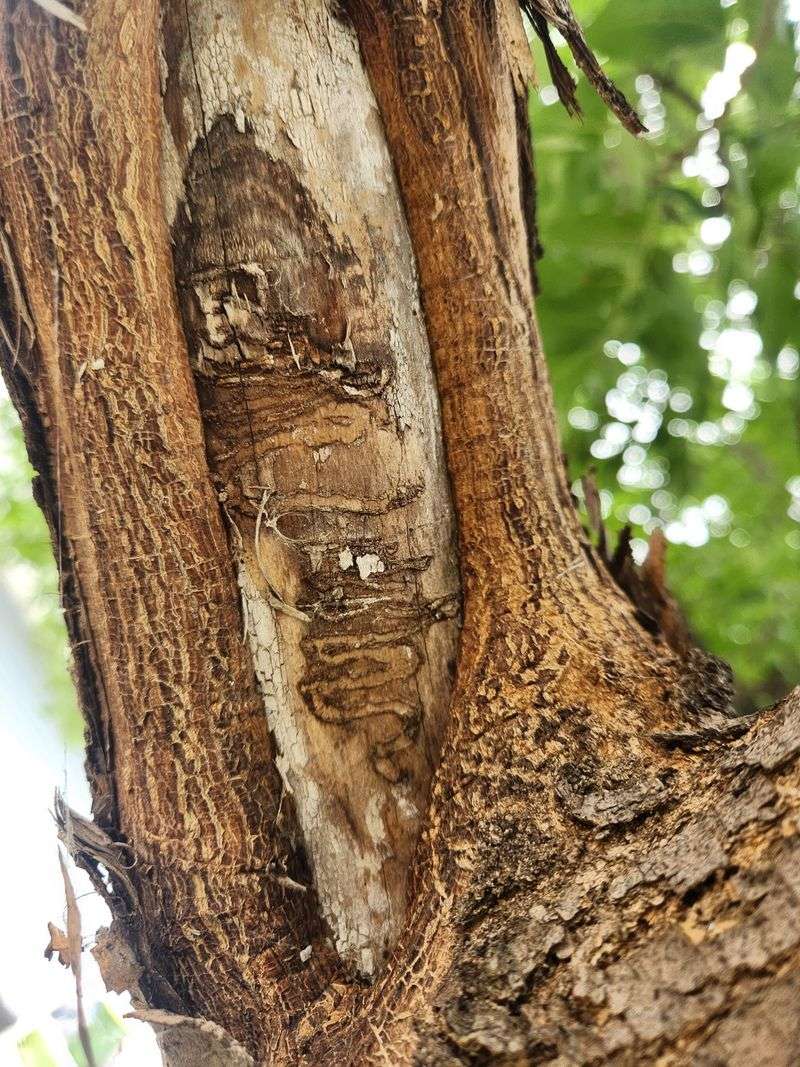
Check the branch forks and pruning cuts first. Scales love those hidden, protected spots. Rough areas and places where bark peels are also popular hangouts.
Often the very first clue is not white at all. It is black. The insects make a sticky liquid called honeydew, and a dark fungus called sooty mold grows on it. Suddenly the bark looks like someone smeared soot on it.
Here is the tricky part. Many people see that black mold and blame aphids. Aphids are a more common pest, and they are much easier to control. If you treat for aphids but the real problem is bark scale, the scales will keep going.
To tell them apart, look under the black mess. Aphids usually crowd on leaves and new shoots. Bark scale sits right on the woody trunk and branches with its white, felt-like cover.
You can also watch for ants. They love honeydew and will march up and down trees to collect it.
Lots of ants on your crape myrtle is a hint that something sweet is being made up there. Take a photo of anything suspicious to share with experts.
The Damage It Causes
Nobody plants a crape myrtle for its boring side. People want those big, bright flower clusters. Sadly, bark scale goes after the very thing we love most.
The good news first. This pest rarely takes a crape myrtle down for good. Most trees survive even when they are covered. But surviving is not the same as thriving.
Infested trees tend to make fewer flowers. The blooms that do show up are often smaller than normal. A tree that once looked like a fireworks show may look tired and plain.
Growth can slow down, too. Trees may become stunted and fail to fill out. Some branches may lose their leaves and wither back from the tips, which experts call dieback.
Then there is the mess. The sticky honeydew drips onto leaves, cars, patio chairs, and sidewalks. Black sooty mold grows on it and turns everything dark and grimy.
That smooth, colorful bark crape myrtles are known for can become ugly and stained.
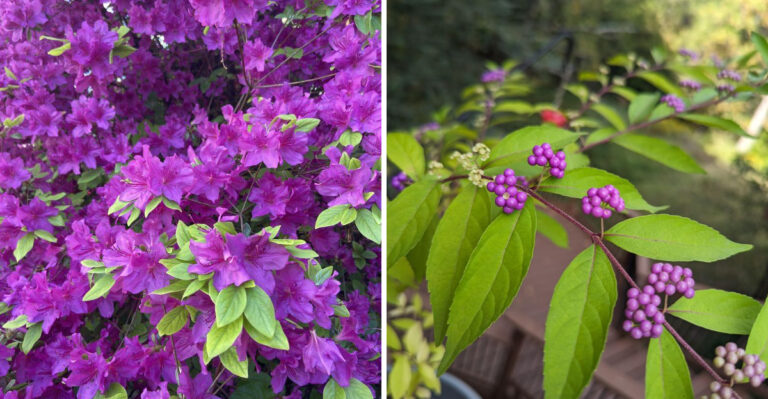
Crape myrtles are not the only target, either. The scale has also been reported on other plants. Spirea, American beautyberry, and hypericum have all shown up on that list.
If you grow those shrubs near infested trees, check them often.
A weak tree also has a harder time fighting other problems. Drought, heat, and other bugs hit stressed plants harder. Keep your trees watered during dry spells and avoid heavy fertilizing.
A healthy tree bounces back much better once you start treating the scale.
Why It Could Spread Beyond Southeastern Pennsylvania
Many people hope a cold Pennsylvania winter will wipe this pest out. It sounds reasonable. Unfortunately, the science tells a different story.
Researchers have used computer models to predict where the insect could live. These studies suggest the scale could survive across most or all of Pennsylvania. Anywhere crape myrtles can grow, the pest can likely grow too.
Here is the surprising part. Cold weather usually harms the tree before it harms the bug. Crape myrtles are a bit tender in harsh northern winters. The scale, on the other hand, is tough.
It can make it through winter at any life stage. Eggs, young crawlers, and adults can all hang on until spring. That waxy coat acts like a little winter jacket.
So the pest is not stuck in Philadelphia and Delaware County. As people move plants around the state, it could show up in places like Lancaster, Harrisburg, or even Pittsburgh. Warmer winters in recent years may help it along.
Gardeners in other parts of Pennsylvania should stay alert. If you live outside the southeast, you are not off the hook. Checking trees now is much easier than fixing a heavy problem later.
One smart habit is to report anything unusual. Early reports help experts track where the pest is going. They can then warn nurseries and homeowners in new areas.
Think of it like a neighborhood watch for trees. The more eyes looking, the better the chance of catching new spots early. Your quick photo could help protect trees across the whole state.
How To Manage It
Try this quick trick next time you see white crust on your tree. Run your fingernail across the scales. If you see pinkish-red fluid, the scales are alive and active.
Dry, crumbly scales with no fluid are no longer a threat. That simple test tells you whether treatment is needed. It also helps you check if your efforts are working later.
Start with some old-fashioned elbow grease. Mix mild dish soap with water in a bucket. Use a soft brush to scrub the trunk and lower branches you can reach.
You will remove many scales and a lot of that black mold, too.
Next, consider dormant oil. Apply it in late winter when the tree has no leaves. The oil coats the scales and smothers them.
Make sure to cover the bark well, especially in cracks and branch forks.
For heavy infestations, systemic insecticide soil drenches are another option. You pour the product around the base of the tree. The roots take it up and carry it to the sap the scales feed on.
Always follow the label closely and water well. Be careful with sprays near blooming plants. Bees and other helpful insects visit crape myrtles. Timing treatments before flowering helps protect them.
Not sure what you have? Reach out to Penn State Extension. Their experts can confirm an infestation and suggest the best plan for your yard.
Many county offices accept photos or samples. A quick check can save you time, money, and a lot of worry.