What To Plant In Virginia Gardens Before The First October Frost
Cool mornings, crunchy leaves, and the smell of wood smoke don’t mean the planting season is over. In Virginia, October might be the smartest time of year to get your hands dirty.
Warm soil and cooler air give new plants a cozy head start before winter settles in. Roots keep growing long after the leaves above them slow down.
Some picks will feed you next summer, while others will paint your yard with color through the gray months. A few work quietly underground, building roots or improving your soil all winter.
First frost arrives weeks earlier in the mountains than it does near the coast. That timing shapes which plants make sense for your yard right now.
The picks below cover food, flowers, lawns, and more. Frost is on the way, but there’s still time to make this month count.
1. Garlic Cloves For Next Summer’s Harvest
Picture pulling up a fat, papery bulb of garlic next July. Every bit of that summer reward starts with a tiny clove tucked into cool fall soil.
Timing matters more than most people expect. Aim for soil temperatures between 50 and 65 degrees, about four to six weeks before a hard freeze.
Gardeners in the Shenandoah Valley and western highlands should plant in early October. Folks around Richmond and Northern Virginia can wait until mid-to-late October.
Down in Virginia Beach and the Tidewater region, planting can stretch into mid-November. Warmer coastal soil gives you a little extra breathing room.
Picking the right type makes a big difference. Hardneck garlic handles the colder Piedmont and western areas, while softneck types enjoy milder coastal spots.
Central Virginia growers get lucky here, since both kinds grow well. Try a few of each and compare the flavors next summer.
Skip the grocery store bulbs for planting. Many are treated to stop sprouting, so buy seed garlic from a garden center or trusted online seller.
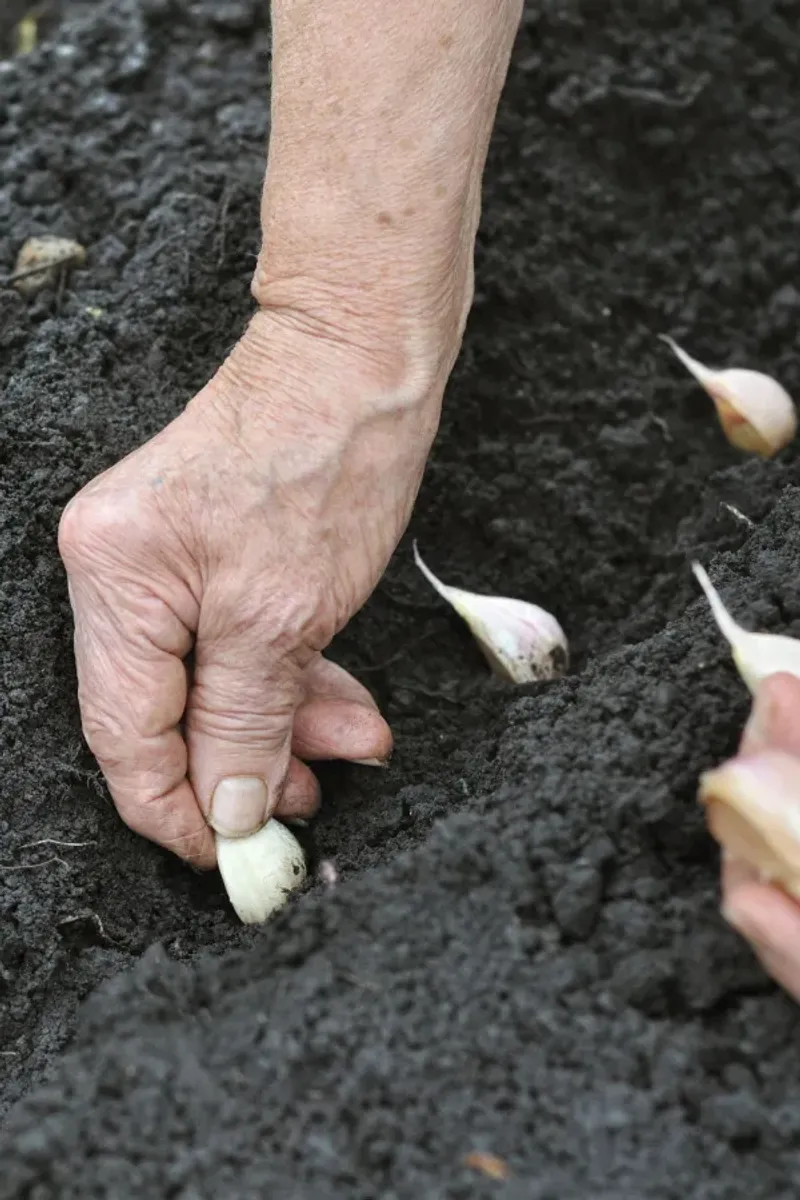
Break the bulb apart just before planting, keeping the papery skins on. Set each clove three to five inches apart with the pointy end facing up.
Cover the cloves with about an inch of soil. Garlic loves loose, well-drained ground that is rich in compost or aged leaves.
Once planted, the cloves quietly grow roots all winter long. A layer of straw mulch keeps them snug and helps block early spring weeds.
Fun fact: garlic has been grown for over 5,000 years. Ancient Egyptian workers reportedly ate it for strength while building the pyramids.
2. Daffodils, Tulips, And Other Spring Bulbs
Think of bulbs as little gifts you wrap in October and open in April. Few garden tasks feel more hopeful than tucking them into cool ground.
Here is a twist that surprises many beginners. Bulbs actually prefer planting after the first frost, once soil stays below 60 degrees.
Planting too early can backfire. Warm soil may trick bulbs into sprouting before winter, or cause them to rot underground.
So why mention them now? Late September and early October are the best weeks to shop, while garden centers still have the best selection.
Your Virginia Garden Changes Every Week. Your Plan Should Too.
Gardening in Virginia changes quickly throughout the season. Every Friday you’ll receive a simple weekly plan showing exactly what to plant, prune, fertilize, harvest, and protect so you never miss the right timing.
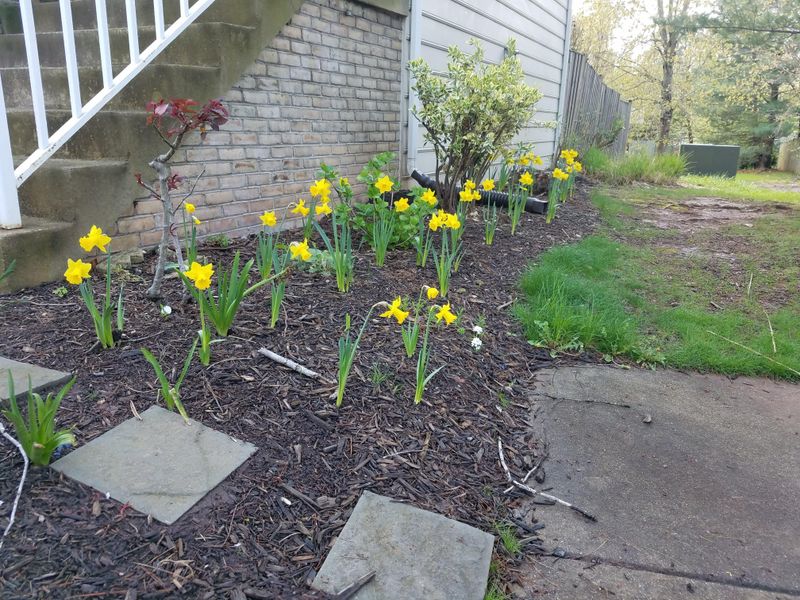
Daffodils usually go in from late October through November across the state. Richmond growers often hit the sweet spot between late October and mid-November.
Tulips like it even cooler, around 55 degrees or below. Many gardeners plant them from late October right up through December.
Bulbs need 12 to 16 weeks of cold to form roots and prepare their blooms. Skipping that chill often means weak flowers or none at all.
Dig each hole about three times deeper than the bulb is tall. Point the flat root end down and the pointy tip toward the sky.
Deer can be a real headache in rural areas. Luckily, daffodils taste bitter to them, while tulips are more like a salad bar.
Finish with a light layer of mulch over the bed. It keeps moisture steady and protects bulbs from wild temperature swings.
Try planting in groups of seven or more for a bold spring show. Clusters look far more natural than neat single rows.
3. Trees And Shrubs While Roots Keep Growing
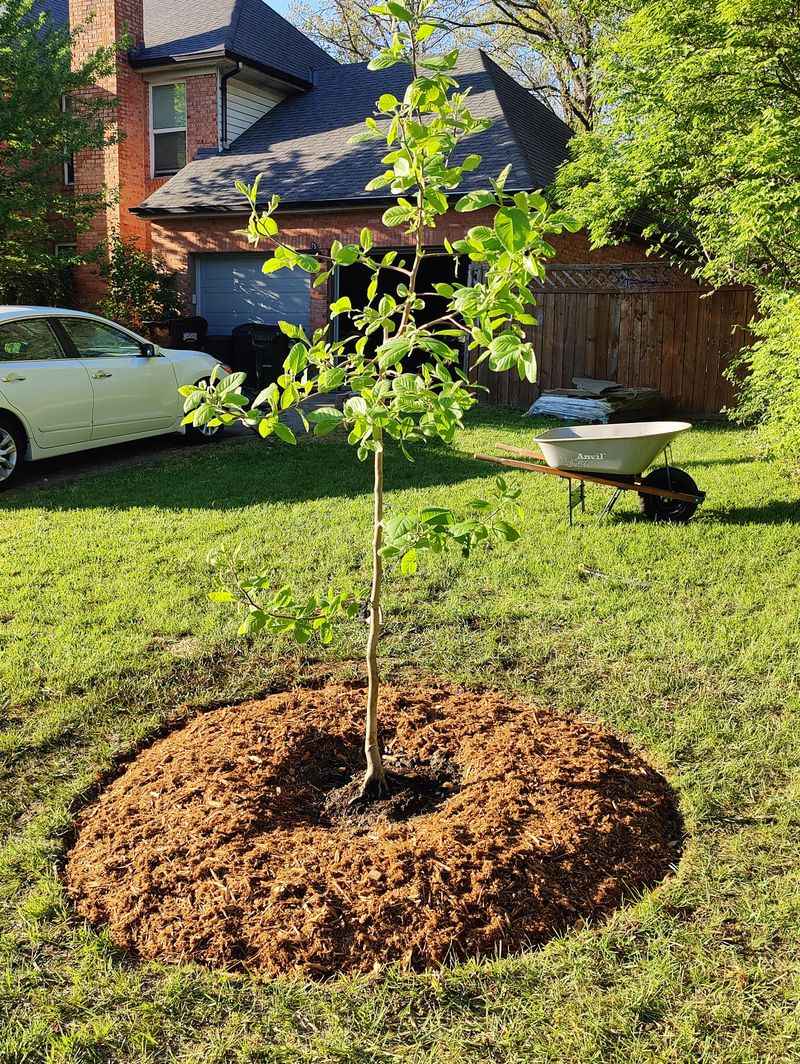
Old gardeners have a saying: fall is for planting. Trees and shrubs are the best proof of that friendly bit of wisdom.
Above ground, a new tree may look like it is resting. Below the surface, its roots stay busy in the warm autumn soil.
From mid-September through early November, conditions are nearly ideal here. Cool air eases stress on leaves, while warm dirt encourages roots to spread.
By the time summer heat arrives, those roots are settled and ready. Spring-planted trees often struggle through their first hot July.
Digging the hole correctly matters most. Make it three to five times wider than the root ball, but not any deeper.
Roots grow outward far more than downward. A wide, loose hole lets them stretch into the surrounding soil with ease.
Set the top of the root ball level with the ground or a bit higher. Planting too deep is one of the most common mistakes around.
Check drainage before you commit to a spot. Soggy clay can suffocate roots, so avoid low areas that hold water after rain.
Spread pine straw or shredded bark around the base. Keep mulch a few inches away from the trunk, like a donut instead of a volcano.
Water deeply once a week until the ground freezes. Fall rains help, but dry spells still happen across the state.
Native choices like redbud, serviceberry, and winterberry holly fit local conditions well. They also feed birds and pollinators for years.
4. Cool-Season Lawn Seed In The Early Weeks
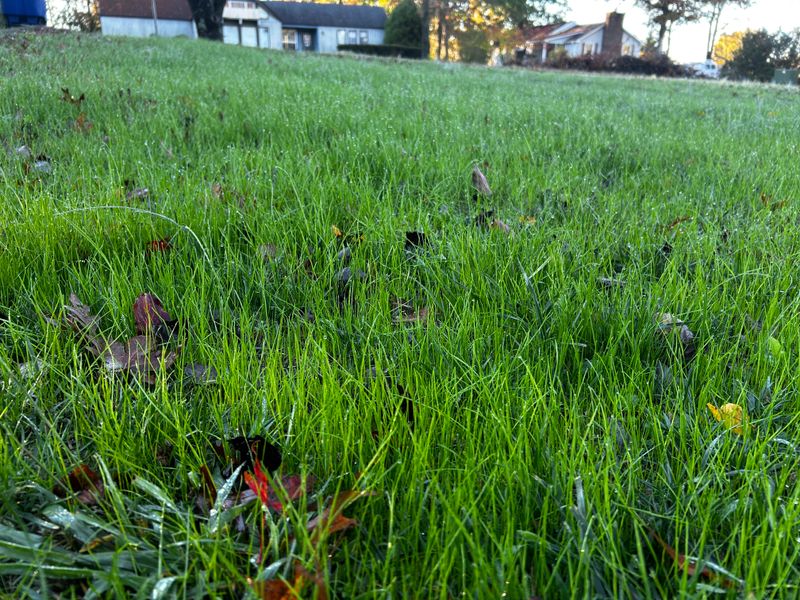
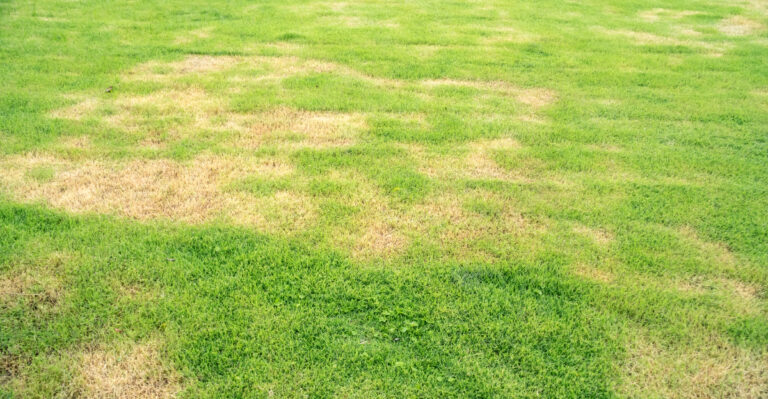
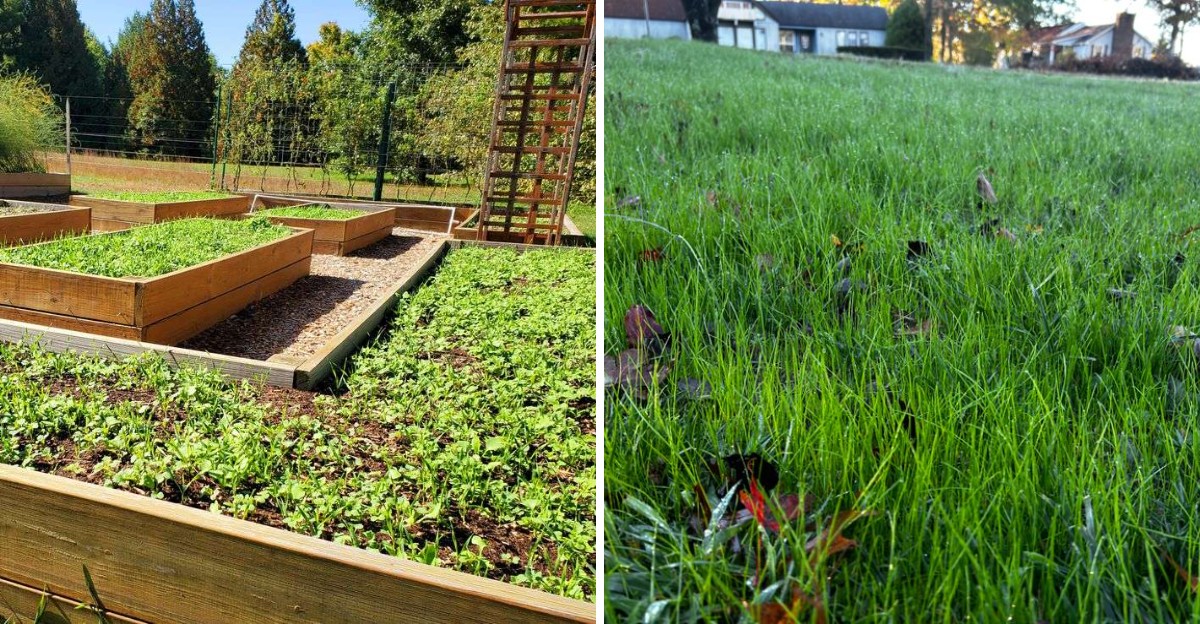
Tired of patchy, thin grass that looks rough by August? Early fall is your best shot at a thick, healthy lawn.
Cool-season grasses love this time of year. Tall fescue, bluegrass, and ryegrass all suit the state’s mild, in-between climate.
Virginia Tech experts point to mid-August through mid-September as prime time. Seeding can stretch to mid-October if the fall stays warm.
Waiting too long is risky, though. Young grass needs several weeks of growth before cold weather slows it down.
Fall seeding also means fewer weeds to fight. Many pesky weeds sprout in spring, so your grass gets a quiet head start.
Before spreading seed, consider renting a core aerator. Pulling small plugs of soil loosens hard ground and helps seeds reach good contact.
Rake the area lightly after aerating. Then spread seed evenly with a broadcast spreader, crossing the lawn in two directions.
Keep the top layer of soil moist, not soaked. Light watering once or twice a day works well until sprouts appear.
Hold off on mowing until new blades reach about four inches. Cutting too soon can pull tender seedlings right out of the ground.
A soil test from your local extension office is cheap and helpful. It shows whether your lawn needs lime or specific nutrients.
Patience pays off with lawn seed. Next spring, you may find yourself admiring the greenest yard on the block.
5. Pansies And Violas For Winter Color
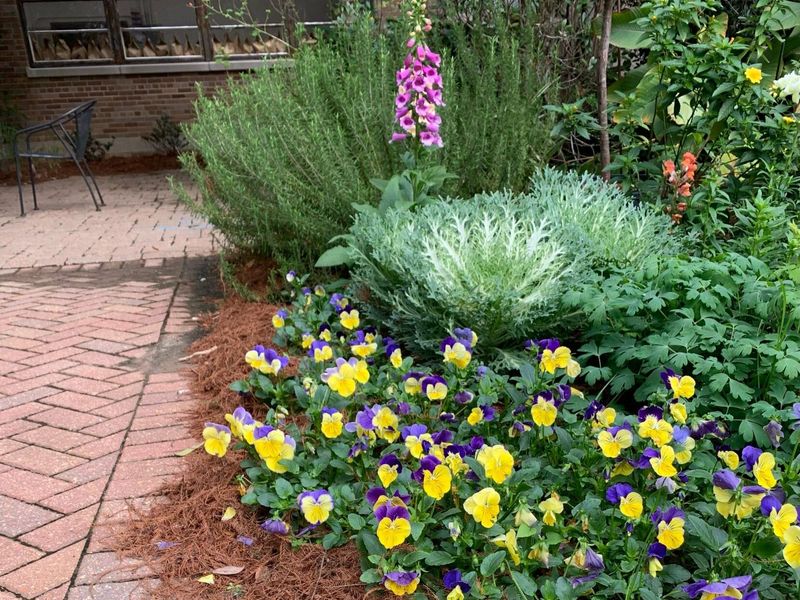
Frost on the windshield, and a burst of purple by the front steps. Pansies have a funny way of brightening even the gloomiest January morning.
Most flowers fade when cold weather rolls in. Pansies and their smaller cousins, violas, seem to shrug it off with a grin.
Once settled, these tough little plants can handle temperatures near 2 degrees. Their blooms may droop on icy nights, then perk up by lunchtime.
Plant them from mid-September to early October for the best results. Early planting gives roots time to grow before winter gets serious.
They thrive when nights stay below 65 degrees. With good care, your flowers can keep blooming until April or later.
Choose a sunny, well-drained spot for planting. Mixing compost into the soil helps them grow sturdy and full.
Right after planting, water deeply and add a layer of mulch. Mulch keeps roots warmer and holds moisture during dry, windy weeks.
Violas produce more blooms, though each flower is smaller. Pansies offer bigger, bolder faces that are easy to spot from the street.
Pinch off faded blooms every week or so. Doing so encourages fresh flowers instead of seed pods.
Fun fact: pansy petals are edible and taste mildly sweet. Many cooks use them to decorate cakes and salads.
Tuck a few in window boxes or containers near the door. You will thank yourself during those short, chilly days.
6. Crimson Clover Or Winter Rye As A Cover Crop
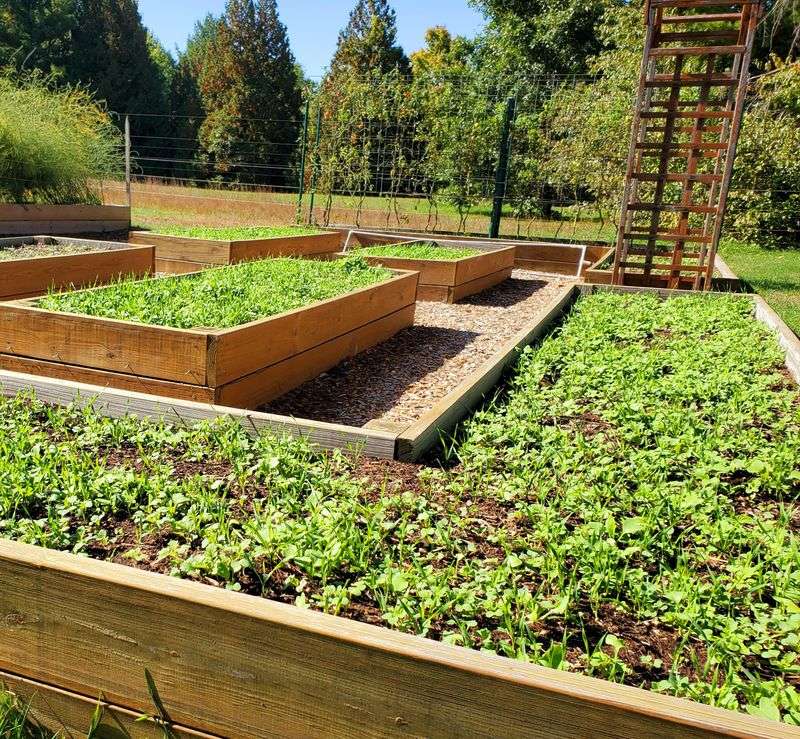
Bare soil over winter is like leaving your front door wide open. Rain washes it away, and weeds move right in.
Cover crops fix that problem neatly. They blanket empty beds, hold soil in place, and feed it while you rest.
Crimson clover is a favorite among home gardeners. As a legume, it pulls nitrogen from the air and stores it in the soil.
In spring, it bursts into deep red, cone-shaped blooms. Bees flock to those flowers when little else is blooming.
Timing is key for clover, though. It needs four to six weeks of growth before cold weather hits, so sow by mid-October.
Running late this year? Winter rye is the forgiving option and much tougher in the cold.
You can sow rye up to four weeks after your first frost. Its thick roots break up heavy clay and trap leftover nutrients.
Planting is simple for either crop. Rake the soil loose, scatter seed evenly, and gently rake it in.
Water lightly if rain is not in the forecast. Most seeds sprout within a week or two in warm fall soil.
Some gardeners mix both seeds together for extra benefits. The rye offers structure, while the clover adds nitrogen.
Come spring, cut the plants down and turn them into the soil. Wait about two to three weeks before planting summer vegetables.
7. Spinach To Overwinter For Early Spring Salads
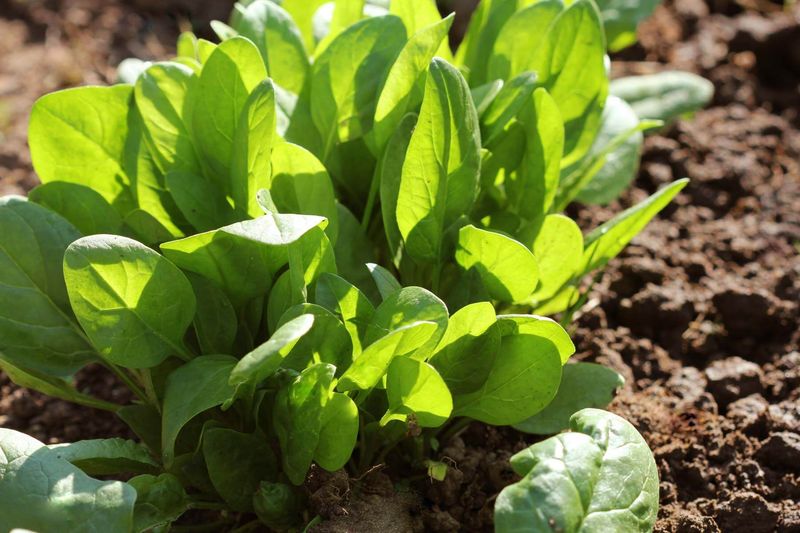
Imagine picking fresh, sweet spinach in March while neighbors are still buying salad greens at the store. Overwintered spinach makes that little bragging moment possible.
Spinach is one of the hardiest greens you can grow. It shrugs off frost and handles temperatures down to about 15 degrees.
Here is a handy trick many local growers use. Sow seeds in early October, around Columbus Day.
By Thanksgiving, plants should have two to six small leaves. At that size, they rest through winter and wake up early in spring.
Want a fall harvest too? Plant another batch by early September, about 50 days before frost.
Cold weather actually improves the flavor. Plants store sugars to protect themselves, making leaves taste sweeter.
Snow is not a problem either. It acts like a blanket and adds moisture as it melts.
Spinach likes fertile, well-drained soil with a pH between 6.0 and 7.0. Work in compost before sowing for stronger growth.
Sow seeds about half an inch deep and one inch apart. Thin seedlings later so each plant has room to spread.
A simple row cover gives extra protection on bitter nights. It also keeps hungry rabbits and deer from nibbling.
Varieties like Bloomsdale and Winter Giant handle cold especially well. Look for savoyed, crinkly leaves, which tend to be tougher.
Start picking outer leaves as soon as spring growth takes off. The plant will keep producing for weeks.
8. Native Perennials That Settle In Over Winter
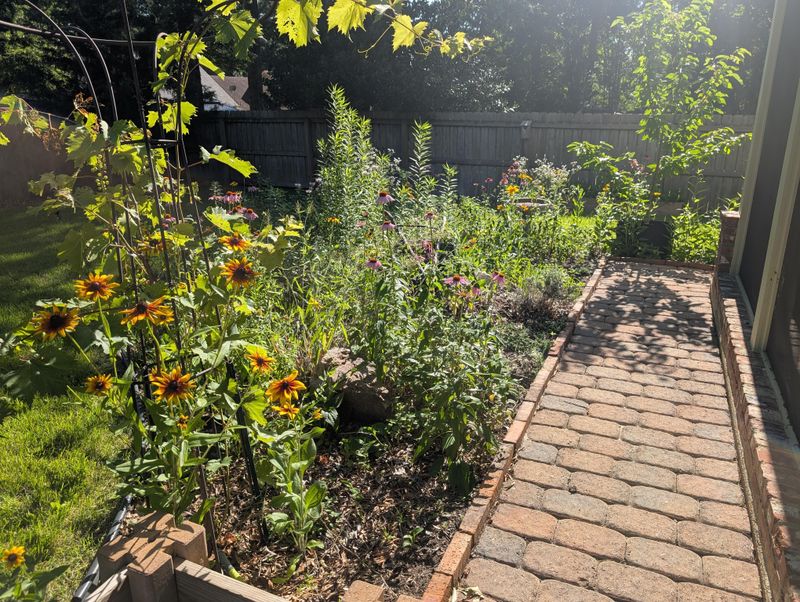
Some plants just feel at home from the start. Native perennials grew here long before any of us arrived, and it shows.
Fall planting gives these hardy locals a real advantage. Warm soil pushes root growth, while cooler air keeps leaves from wilting.
Many local experts suggest planting between Labor Day and Thanksgiving. That window lets roots settle before summer heat and dry spells return.
Fewer pests are around in autumn as well. Insect and fungus activity slows down, giving new plants a calmer start.
Wondering which ones to try? Purple coneflower, black-eyed Susan, and wild bergamot are cheerful, easy options.
For shady spots, consider wild columbine or Virginia bluebells. Both brighten woodland corners in early spring.
Native grasses like little bluestem add texture and winter interest. Their copper color glows beautifully on frosty mornings.
Once established, natives usually need little extra water or fertilizer. Their deep roots find moisture far below the surface.
Leave seed heads standing through winter instead of cutting them back. Goldfinches and other birds love snacking on them.
Plant in groups of three or five for a fuller look. Pollinators find clusters of the same flower much easier to spot.
Water new plantings well each week until the ground cools. Add a thin layer of shredded leaves as a natural mulch.
Many local nurseries hold fall native plant sales. They are great places to find healthy plants and friendly advice.
9. Wildflower Seeds That Need Winter’s Chill
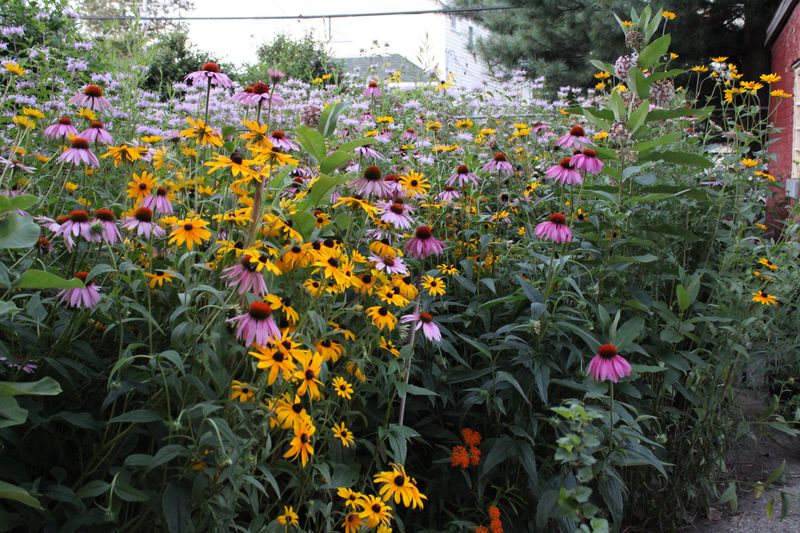
Nature has been sowing wildflowers in autumn for thousands of years. Seeds drop from plants in fall, then wait patiently under winter snow.
Many wildflower seeds actually need that cold period to sprout. Gardeners call the process cold stratification, and winter handles it for free.
Without a chill, some seeds just sit in the soil and do nothing. Months of freezing and thawing soften their tough outer coats.
Good candidates include milkweed, coneflower, blazing star, and wild lupine. Monarch butterflies especially depend on milkweed for raising their young.
Pick a sunny spot and clear away grass and weeds first. Seeds need direct contact with bare soil to succeed.
Rake the surface lightly to loosen the top layer. Then mix tiny seeds with sand so they spread more evenly.
Scatter the mix by hand across the area. Press seeds down gently with your feet or a board, but do not bury them deeply.
Many small seeds need light to germinate. A light tamp is usually enough to keep them from blowing away.
Late fall is often ideal for this job. Sowing too early may cause sprouting before winter, which wastes the chill.
Expect some patience in the first year. Many native wildflowers focus on roots before showing off big blooms.
By the second summer, your patch may be buzzing with bees and butterflies. Few projects offer such a colorful payoff for so little effort.