Why Pennsylvania Gardeners Are Quietly Replacing Emerald Green Arborvitae
Why did the hedge guarding your fence suddenly look chewed and lopsided? You planted arborvitae because it grew fast and hid your trash cans.
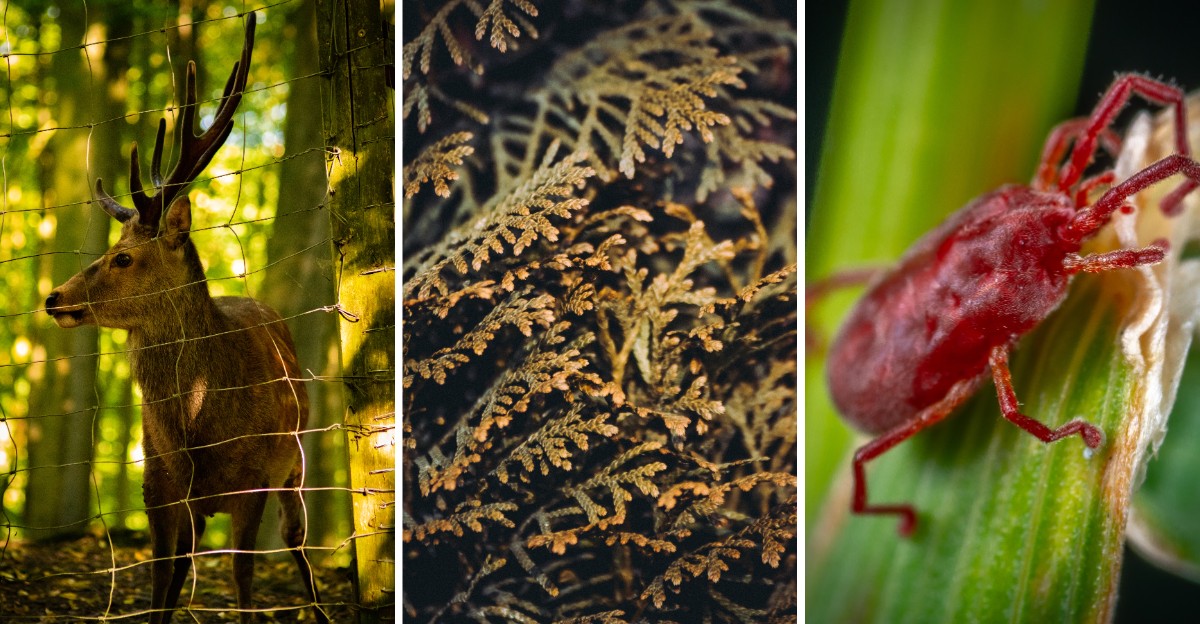
Deer across Pennsylvania noticed your shrub too, treating it like a winter pantry. Hungry herds strip lower branches, leaving a browse line you spot from the street.
Bagworms pile on next, dangling silk sacks from your branches. Harsh winter winds scorch your exposed foliage into crispy bronze patches. Plenty of gardeners like you question whether arborvitae deserves the space.
Instead, you hear neighbors praising inkberry, American holly, and eastern red cedar. These evergreens give you tough foliage that deer browse far less often.
Nobody called a meeting, yet you can watch the switch spread. Tonight, a deer in Pennsylvania glares at the new menu in your driveway. Your next planting decides who wins this standoff.
1. Bagworms Build Homes In The Branches
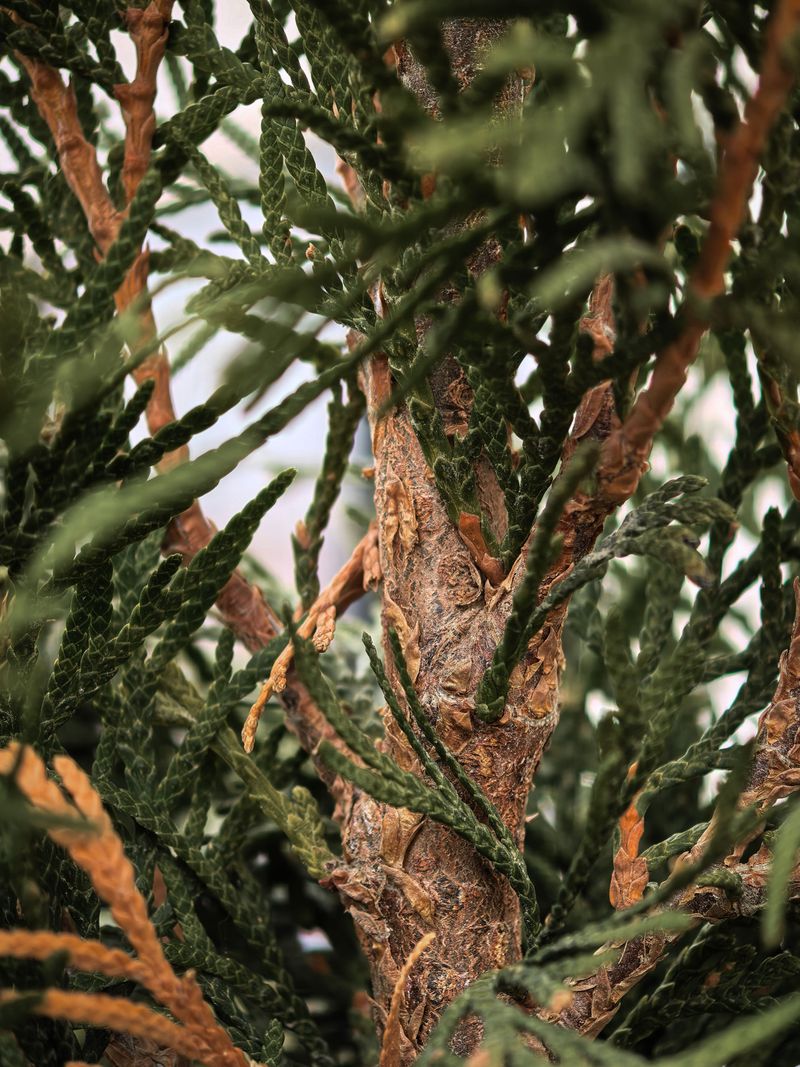
Those little brown pinecones hanging from your shrub might not be pinecones at all. They are often bagworms, tiny caterpillars that wrap themselves in silk and bits of chewed foliage.
Bagworms adore arborvitae, and Pennsylvania summers give them plenty of long, warm days to feed and grow. A single bag can hold hundreds of eggs, ready to hatch the following spring.
Once they hatch, the young caterpillars spin silk threads and float on the breeze to new branches. Before long, a whole hedge can be covered with munching bags, each one eating steadily.
Heavy feeding leaves brown, bare patches that arborvitae struggles to fill in again quickly. Smaller or younger shrubs can lose so much foliage that they fail to recover at all.
September is a great time to hunt for bags, since the feeding season is winding down. Pick them off by hand and drop them into a bucket of soapy water.
Many gardeners find this chore tedious, especially on tall hedges that stretch across a whole yard. Missing just a few bags means the cycle starts all over again next June.
Plants like ninebark, viburnum, and native hollies usually see far less bagworm damage.
Swapping to these sturdy shrubs means fewer weekend hours spent picking silk sacks off branches.
Take a slow walk around your yard this month and look closely at every evergreen. Catching bagworms early can help you decide whether to fight them or change plants.
2. Heavy Snow Splits Them Open
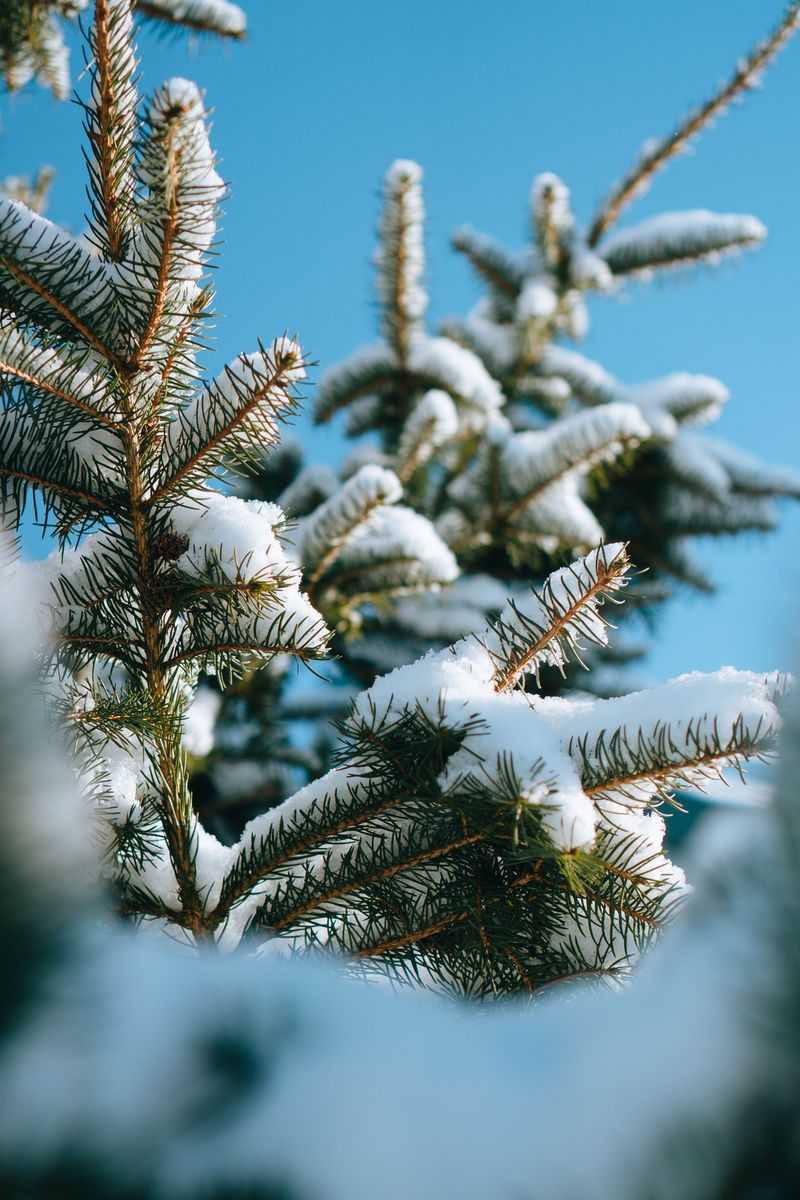
Remember the storm when your hedge looked like it was doing the splits? You are not alone, since heavy wet snow and thick ice love to pry arborvitae apart.
Emerald Green arborvitae grows with several upright stems packed tightly together in a narrow column. When wet snow piles on top, those stems bend outward and sometimes snap at the base.
Pennsylvania gets plenty of heavy, slushy snow, especially in the central mountains and northern counties. Ice storms add even more weight, coating each branch in a shiny, heavy, frozen shell.
Once a stem splits away, the shrub may stay open unless you tie or cable it back quickly. That ugly gap can ruin the neat privacy screen you worked so hard to grow.
Your Pennsylvania Garden Changes Every Week. Your Plan Should Too.
Gardening in Pennsylvania changes quickly throughout the season. Every Friday you’ll receive a simple weekly plan showing exactly what to plant, prune, fertilize, harvest, and protect so you never miss the right timing.
Some gardeners tie their shrubs with soft garden twine or stretchy tree tape each fall. It works fairly well, but wrapping twenty tall shrubs on a chilly afternoon gets old quickly.
Brushing snow off gently with a broom also helps, as long as you push upward. Pounding hard on frozen branches can crack them, so patience matters much more than muscle.
Many homeowners are switching to shrubs with stronger, more flexible branches that bounce back after storms. Eastern red cedar, inkberry, and some junipers usually handle snow loads better, though heavy ice can still bend them.
If you still love your arborvitae, plan your winter wrapping now, before the first flakes fall. September is a calm time to buy supplies and check for weak or leaning stems.
3. Deer Treat Them Like A Free Meal
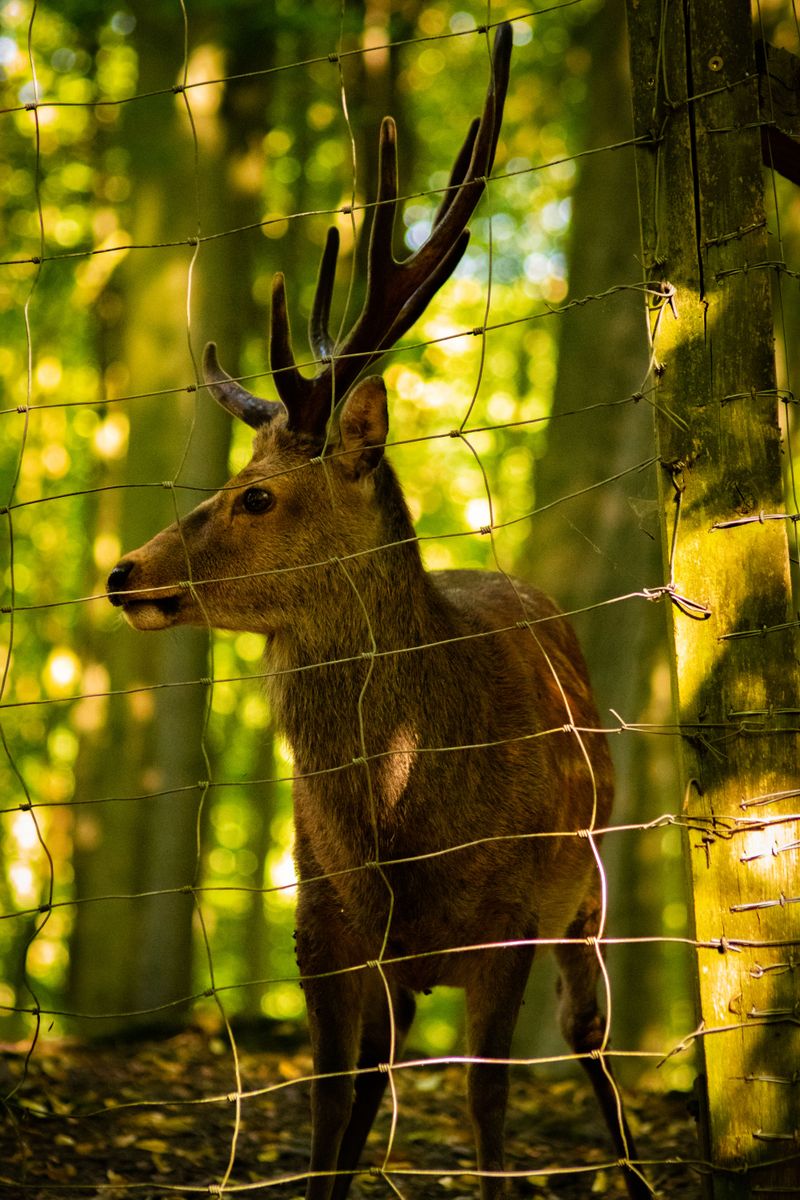
Ask any gardener in Chester County about their arborvitae hedge, and you might hear a long sigh. Deer love Emerald Green arborvitae so much that some folks call it deer candy.
Pennsylvania has one of the largest deer herds in the country, and hunters harvested an estimated 505,600 deer in the 2025-26 seasons, according to the Pennsylvania Game Commission.
In winter, when food runs short, these hungry visitors strip the soft, flat foliage right off. The damage usually shows up as a bare band from the ground to about five feet high. Above that line, the shrub stays bushy and green, which creates a strange lollipop look.
Arborvitae rarely regrows from bare wood, so chewed spots often stay empty for good. One heavy browsing season can set a hedge back by several years.
Sprays and netting help, but they cost money and need regular attention through the cold months. Many homeowners simply get tired of wrapping their yard like a holiday present every November.
Deer-resistant choices like American holly, inkberry, and boxwood are getting more attention at local nurseries. Their tough, bitter, or prickly leaves tell hungry deer to keep walking down the street.
If you live near woods or open fields, think about deer before you plant anything new. A smart choice this fall could save you a lot of heartbreak next February.
Watch for fresh hoof prints and nibbled twigs near your beds this autumn. Those small clues can tell you how much pressure your garden will face this winter.
4. Summer Drought Scorches The Foliage
Pennsylvania summers usually bring regular rain. Lately, many July and August stretches have brought long, stressful dry spells.
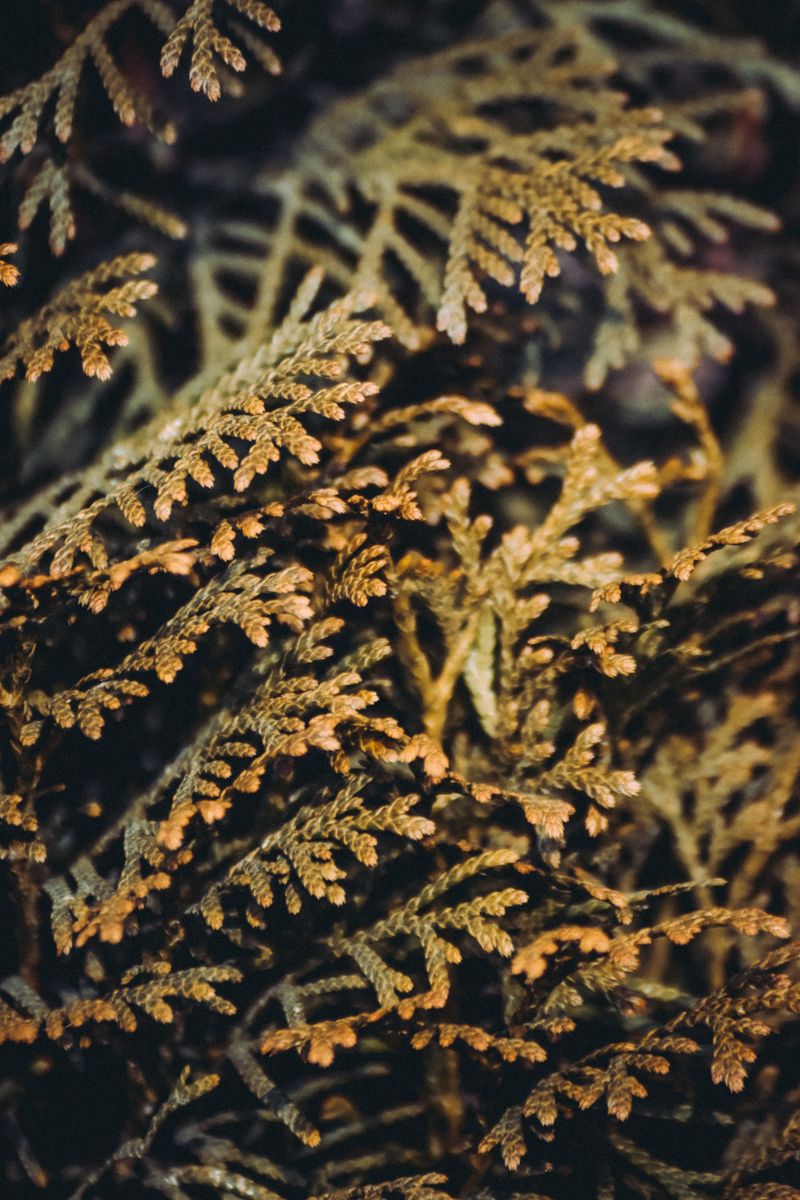
Emerald Green arborvitae has shallow roots that dry out fast when rain disappears for weeks. Without regular watering, the foliage turns orange or brown, starting from the inside of the shrub.
Some browning inside the plant is normal each fall, so do not panic right away. Worry starts when the outer tips turn crispy and snap when you bend them.
Young shrubs planted within the last three years struggle most during dry spells. Their roots have not spread far enough to find deeper moisture in the soil.
Watering a long hedge every few days can feel like a part-time job with no paycheck. Water bills climb, hoses tangle, and vacation plans suddenly depend on a friendly neighbor.
Many gardeners now choose shrubs that handle dry spells better once they settle in. Junipers, bayberry, and eastern red cedar shrug off hot summers with surprising grace.
If you keep arborvitae, give it a deep soak once a week during dry weather. A three-inch layer of mulch helps hold moisture in and keeps roots cooler.
September is a key month, because shrubs need plenty of water before the ground freezes. A well-watered evergreen heads into winter much stronger than a thirsty one.
Keep the hose handy until late fall. Your future spring hedge will thank you for every extra gallon.
5. Spider Mites Strike In Spring And Fall
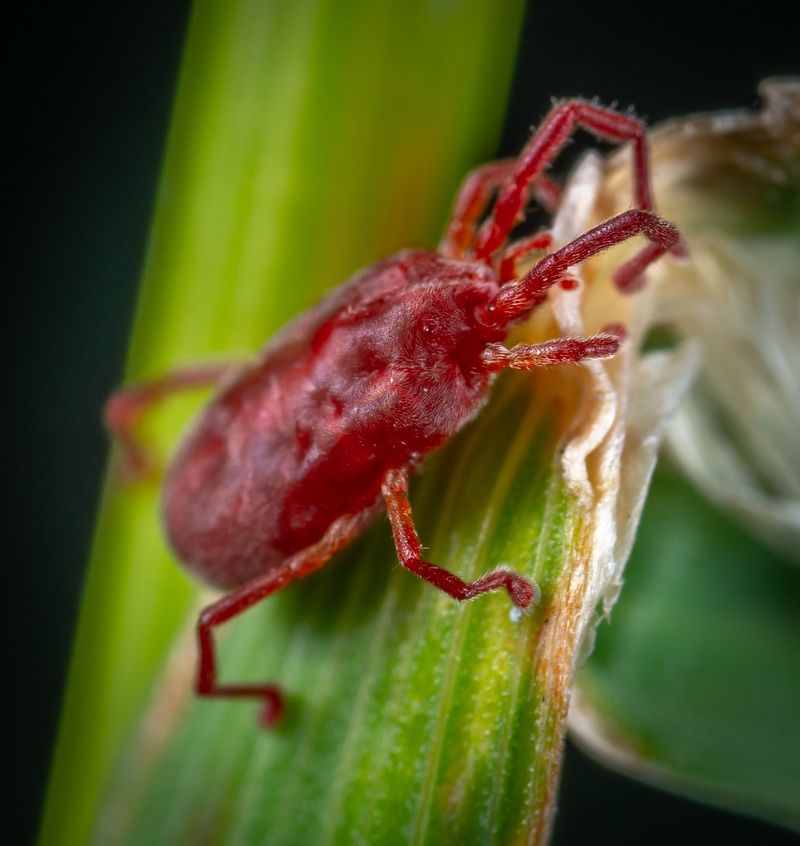
Grab a sheet of white paper, hold it under a branch, and give the branch a tap. If tiny specks start crawling around, you have just met spider mites.
Spider mites are smaller than the period at the end of a sentence. Even so, a big crowd of them can suck the color right out of a hedge.
The spruce spider mite, the main mite on arborvitae, prefers the cool weather of spring and fall. Summer heat slows them down, but damage from spring feeding often shows up in July.
Damaged foliage turns dull, speckled, and grayish, almost like it was dusted with ash. In bad cases, you may even spot fine webbing tucked between the branches.
A strong spray of water from the hose can knock many mites off quickly. Insecticidal soap or horticultural oil works too; repeat treatments every week or so, and avoid oil sprays on hot days.
Many homeowners get frustrated when the mites return year after year, no matter what they try. Crowded plantings with poor airflow make the problem worse, and hedges are crowded by design.
Some gardeners mix in different shrubs, such as inkberry holly and viburnum, so one pest cannot sweep through the whole row. Planting a variety of shrubs also invites predatory mites and tiny lady beetles that feed on spider mites.
A second wave often arrives in early fall, once temperatures cool down again. Do the paper test this month to see what is hiding in your hedge.
It takes only a minute and a steady hand. The results might surprise you, or at least make you itch a little.
6. Hedges All Look The Same
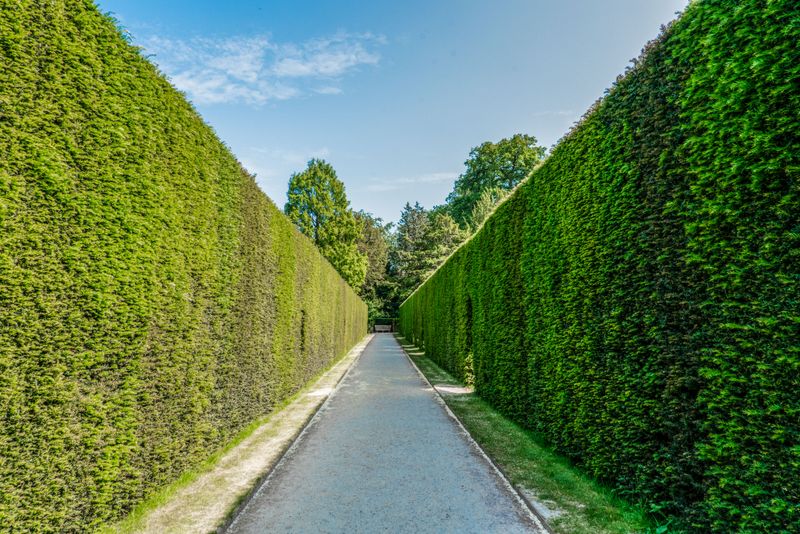
Drive through almost any new housing development in Pennsylvania, and you will spot the same green columns. Rows of identical shrubs line fences like soldiers waiting for a parade to begin.
Emerald Green arborvitae became hugely popular because it is narrow, affordable, and easy to find. Builders and landscapers planted it widely, making it a familiar sight in new neighborhoods.
Planting a single type of shrub everywhere is called a monoculture, and it carries real risks. When one pest or disease arrives, it can spread down the whole row like gossip.
Beyond the risk, many gardeners simply feel bored looking at the same flat green wall. There are no flowers, no berries, and no changing colors to enjoy through the seasons.
Mixed hedges offer an appealing alternative, blending different heights, textures, and bloom times. Imagine a screen with spring flowers, summer leaves, fall color, and winter berries all together.
Popular picks include winterberry holly, red twig dogwood, serviceberry, and native eastern red cedar. Winterberry, dogwood, and serviceberry drop their leaves, so pair them with evergreens for winter privacy.
Winterberry also needs a male plant nearby to produce berries. Adding just three or four kinds makes a yard feel far more personal and alive.
Mixed plantings also handle trouble better, since one sick shrub does not ruin the whole look. Neighbors might even stop you on the sidewalk to ask what you planted.
Fall is a wonderful time to sketch out a mixed hedge on paper. Try pairing tall evergreens with shorter flowering shrubs for year-round interest and plenty of charm.
7. Native Shrubs Feed Local Wildlife
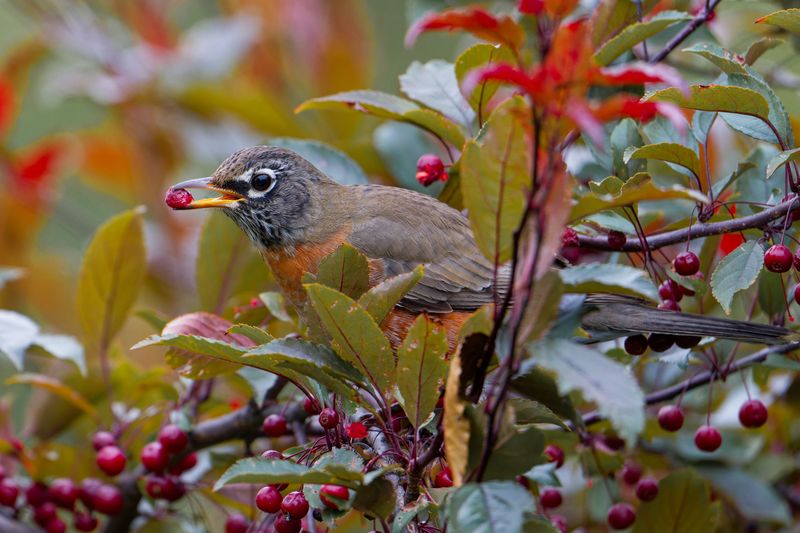
A mockingbird perched in your hedge is a sweet sight, but what is it actually eating? Emerald Green arborvitae offers shelter, yet it provides very little food for local birds and insects.
Arborvitae is native to parts of Pennsylvania, but the Emerald Green variety was bred mostly for looks. It produces few cones and supports far fewer caterpillars than many native shrubs do.
Caterpillars might not sound exciting, but baby songbirds depend on them to grow. A single nest of chickadees can need thousands of tiny caterpillars before the chicks leave home.
Native shrubs like spicebush, elderberry, and arrowwood viburnum host dozens of butterfly and moth species. Their bright berries also feed hungry robins, cardinals, and bluebirds when fall and winter arrive.
Pennsylvania groups and state programs have encouraged homeowners to plant more natives in their yards. Every small backyard can become a stepping stone for local birds and pollinators moving across the state.
Many gardeners say their yards feel livelier after swapping even a few shrubs. Morning coffee on the porch suddenly comes with birdsong, fluttering wings, and busy, buzzing bees.
Keep a few evergreens for winter cover, since birds need places to hide from wind and hawks. Eastern red cedar and American holly give shelter and food at the same time, though only female plants produce berries.
September is a busy month for migrating birds passing through Pennsylvania on their way south. Planting berry shrubs now helps set a much better table for next year’s travelers.
8. September Planting Makes Swapping Easy
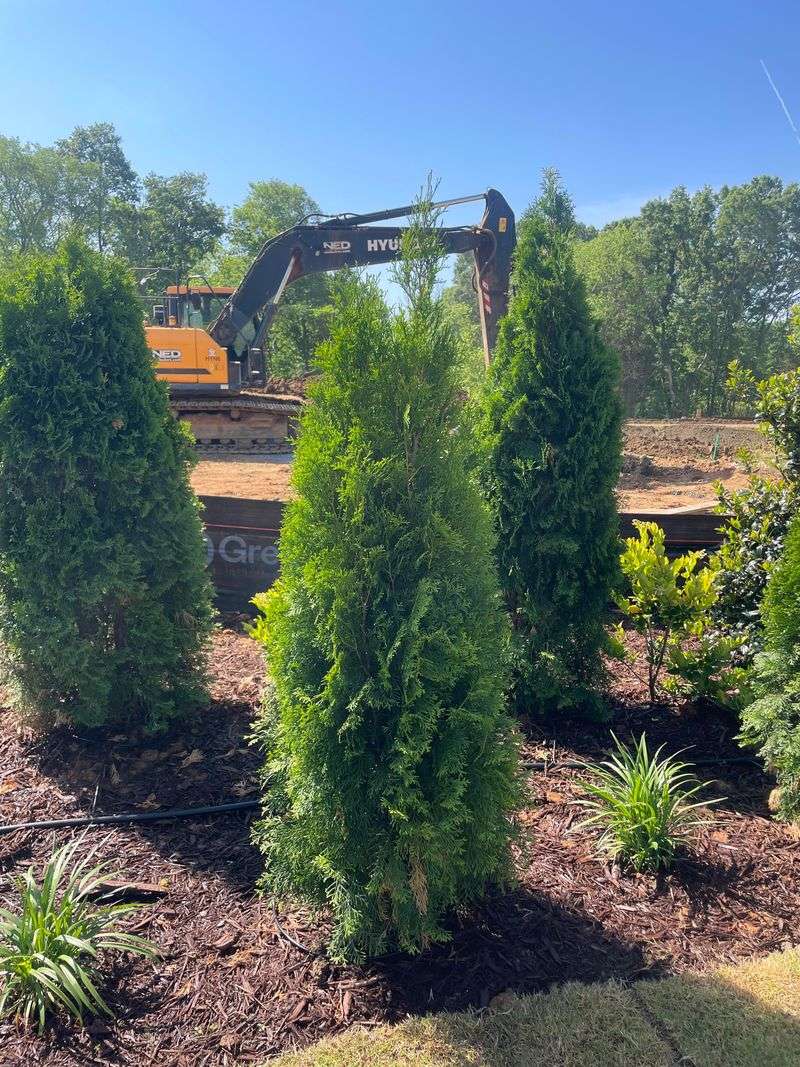
Cooler mornings and warm afternoons make September a secret sweet spot for Pennsylvania gardeners. Nurseries often hold end-of-season sales, so shrubs cost less than they did in May.
Fall planting gives roots several weeks to grow before the ground freezes solid. The soil stays warm even as the air cools, which helps new shrubs settle in comfortably.
Start by removing arborvitae that look thin, chewed, or badly damaged from bagworms or snow. Healthy ones can stay, giving you a mix of old and new while plants grow.
Dig the planting hole two to three times wider than the root ball but not deeper. Loosen circling roots gently with your fingers so they spread out into the surrounding soil.
Water each new shrub deeply right after planting, then about once a week until the ground freezes. Add a ring of mulch, but keep it a few inches away from the trunk.
Space plants according to their grown size, not their cute nursery size. Crowding shrubs together may look full at first, but it invites pests and poor airflow later.
Local extension offices, like Penn State Extension, offer free guides about shrubs that thrive in each region. Their advice can help you match plants to your soil, sunlight, and deer pressure.
Swapping a hedge does not have to happen all at once or break your budget. Replace a few shrubs each fall, and within a few years your yard will feel brand new.