What It Means When Texas Citrus Leaves Start Curling In Early Fall
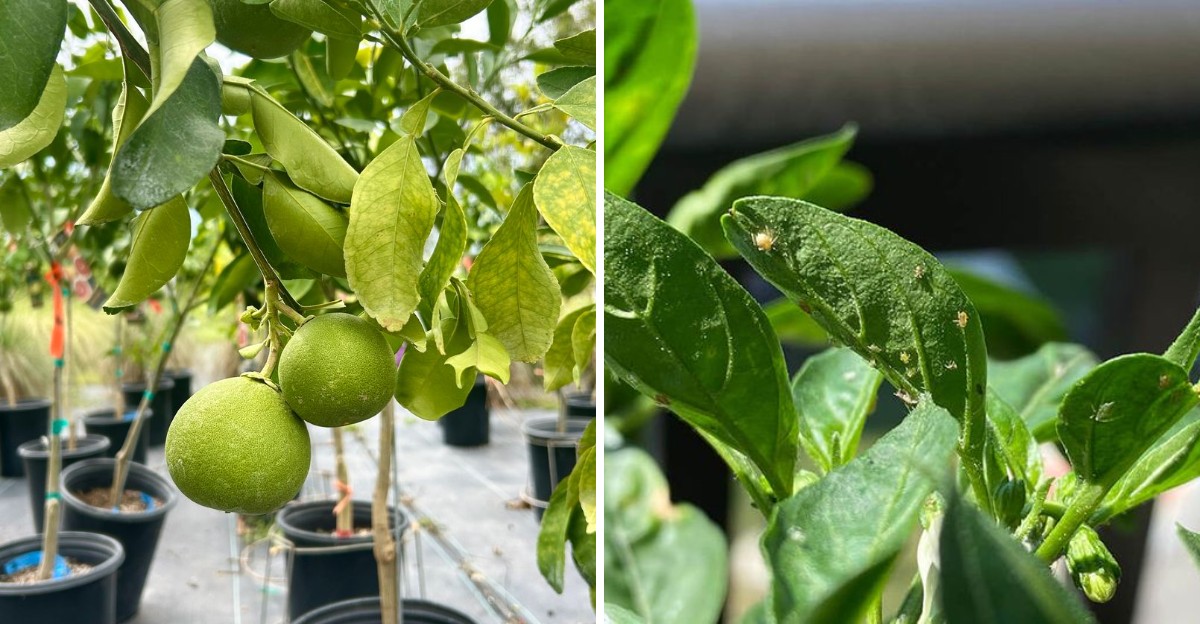
Few things beat a juicy grapefruit or a handful of Meyer lemons picked right from your own backyard. That’s why it’s so worrying when those glossy green leaves suddenly start to curl.
In Texas, early fall is a tricky time for citrus. The calendar says autumn, but the heat often hangs on well into September.
At the same time, many trees push out a fresh round of tender new growth. That new growth is exactly what certain pests have been waiting for.
Curled leaves can point to several different issues. It might be water stress from uneven watering. It could be tiny insects feeding on the leaves. Sometimes, it’s a sign the tree is missing key nutrients.
The good news is that most causes are easy to fix once you know what to look for. Here’s how to figure out what’s going on with your tree.
1. The Tree Is Heat And Drought Stressed
September in Texas can feel like July wearing a new name tag. Temperatures still climb into the high 90s, and rain can vanish for weeks. Your citrus tree feels every hot day.
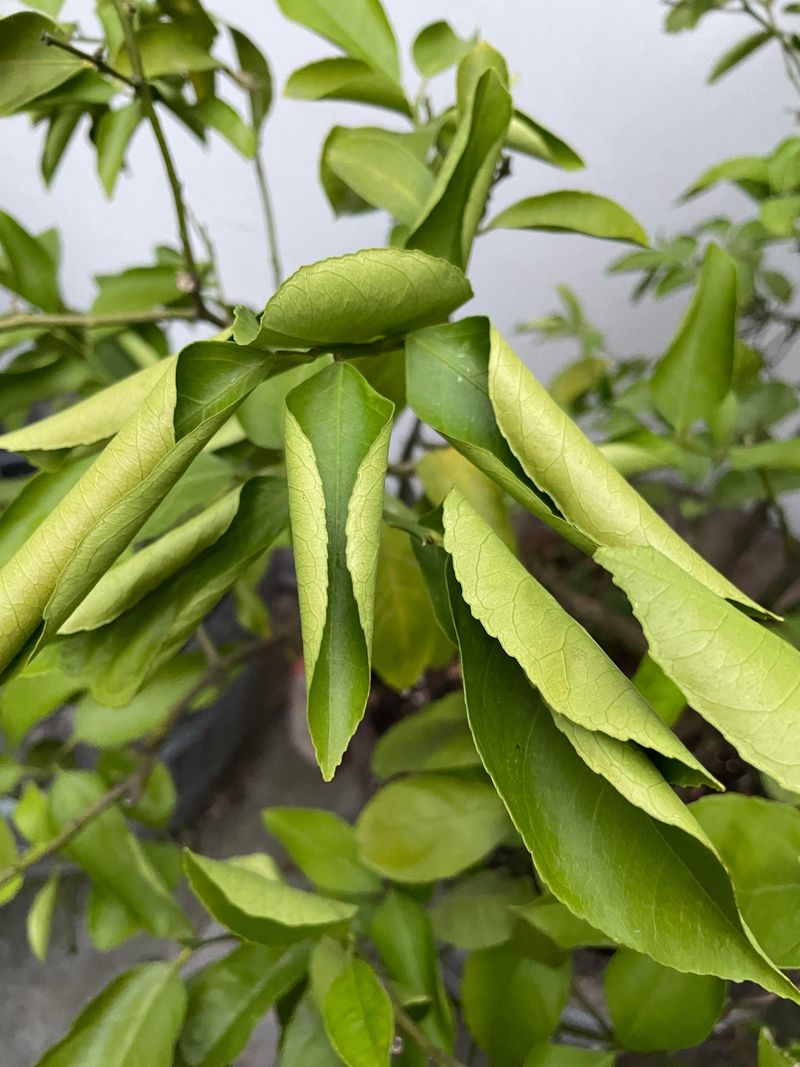
When water runs short, citrus leaves fold inward along the center vein, called the midrib. Folding cuts down the leaf surface that faces the sun.
Less surface means less water escapes into the air. It is a clever survival trick, a bit like you squinting on a bright day.
You can usually spot drought stress by timing. Leaves curl most in the afternoon heat and may relax a little by morning.
The soil will also feel dry a few inches down. Stick your finger in to check. If it feels like dusty flour, your tree is thirsty.
The fix is deep, steady watering. Short sprinkles only wet the top of the soil, so roots stay shallow and weak. Instead, water slowly until moisture reaches about 12 inches deep.
For in-ground trees, that often means a long soak once or twice a week during hot spells.
Young trees and potted citrus need extra attention. Their roots are small and dry out fast. A potted lemon on a sunny patio may need water every day or two in a heat wave. Try moving pots where they get afternoon shade.
Mulch helps too. Spread two to three inches of wood chips or shredded bark around the tree. Keep it a few inches away from the trunk so the bark stays dry.
Once the tree gets enough water, most curled leaves flatten out within a few days. That quick recovery is a happy clue that thirst was the problem all along.
2. The Roots Are Too Wet
Too much love can hurt a citrus tree. Many gardeners see curled leaves and grab the watering can right away. Sometimes that makes things worse.
Roots need air as much as they need water. Tiny pockets between soil grains hold oxygen that roots breathe.
When the ground stays soggy, water fills those pockets. Roots begin to suffocate, and harmful fungi move in and cause root rot.
Your Texas Garden Changes Every Week. Your Plan Should Too.
Gardening in Texas changes quickly throughout the season. Every Friday you’ll receive a simple weekly plan showing exactly what to plant, prune, fertilize, harvest, and protect so you never miss the right timing.
Early fall in Texas can bring surprise downpours. A tropical storm or a few days of heavy rain can drench the ground. Add a sprinkler system still running on its summer schedule, and the soil never gets a break.
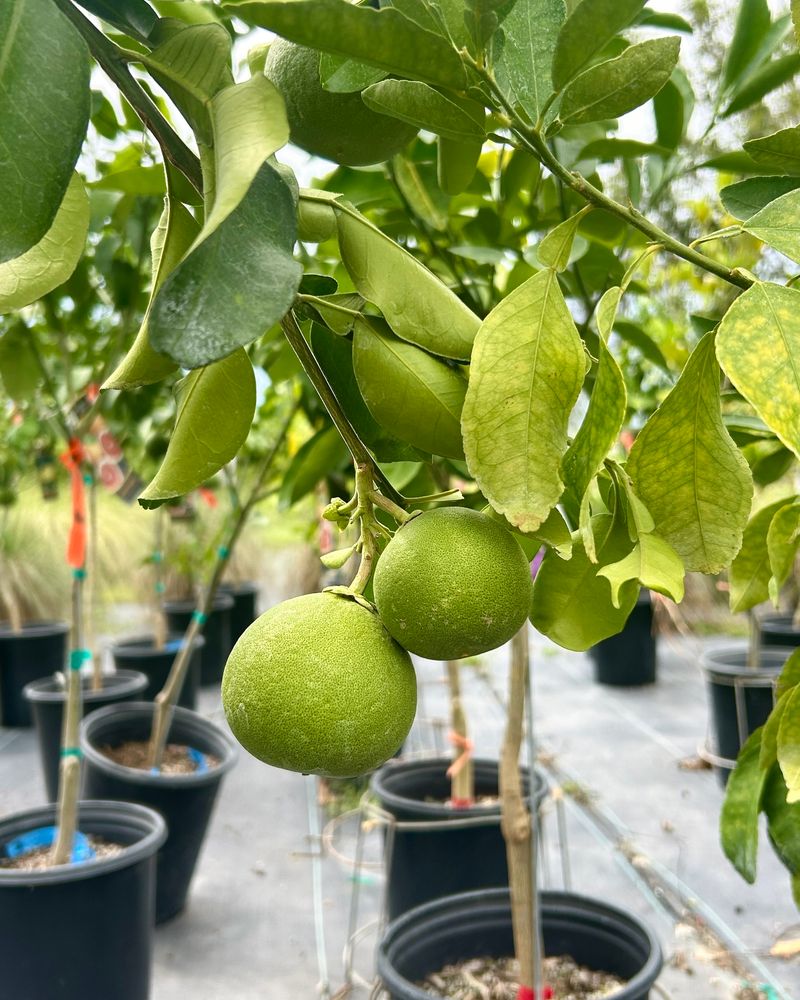
So how do you tell wet roots from dry ones? Look at the color. Curled leaves that also turn yellow, especially older ones, often point to soggy soil.
The soil will feel cold and muddy, and it may smell sour. In bad cases, the bark near the soil line gets dark or oozes sap.
Start by checking drainage. Potted trees should have open holes in the bottom. Dump any water sitting in the saucer. Raise pots on small feet or bricks so water can escape.
For trees in the ground, avoid planting in low spots where puddles form. Clay soil, common across much of Texas, holds water like a sponge. Planting on a raised mound or berm helps a lot.
Let the top few inches of soil dry before watering again. Turn off automatic sprinklers after big rains.
Fun fact: citrus trees are native to parts of Asia with loose, well-drained soils, which is why they hate wet feet so much.
3. Citrus Leafminers Are Tunneling Inside The Leaves
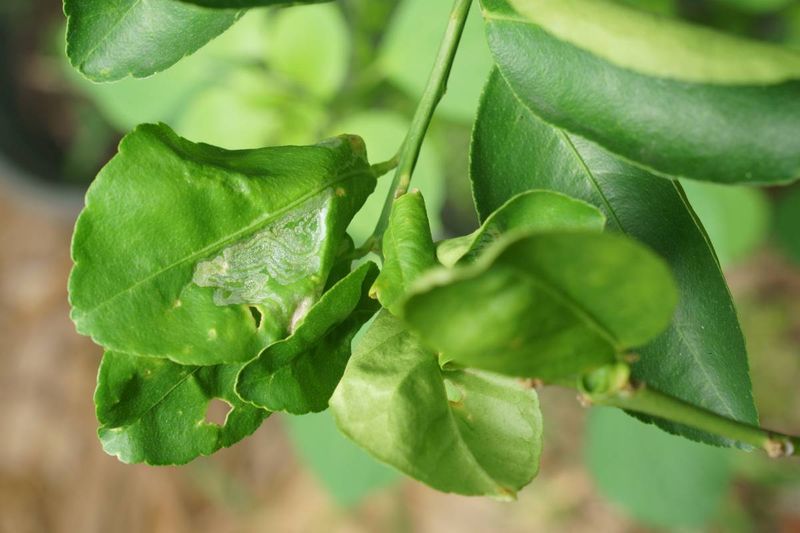
Ever noticed shiny, squiggly lines on a citrus leaf? They look like someone doodled on it with a silver marker. That artwork belongs to the citrus leafminer.
The adult is a tiny moth, smaller than a grain of rice. You will almost never see it because it flies at night. The female lays eggs on soft new leaves.
When the eggs hatch, the larvae burrow between the top and bottom layers of the leaf and eat as they go.
Those tunnels leave silvery, winding trails. As the leaf grows, the damaged spots cannot stretch like the healthy parts. The result is a leaf that curls, twists, and puckers.
Some leaves roll up almost completely, and the larva tucks itself inside to change into an adult.
Leafminers love late summer and fall. That is when citrus trees push out a fresh flush of growth. Older, tough leaves are safe, since the larvae only attack young, tender ones.
Here is some good news. On a mature tree, leafminer damage is mostly about looks. The tree still makes plenty of fruit. Young trees are a different story, because heavy damage can slow their growth.
Skip strong bug sprays for this one. They often harm helpful insects like tiny wasps that feed on leafminers. Do not prune off damaged leaves either, since they still make food for the tree.
For young trees, spinosad or horticultural oil sprayed on new growth can help. Also avoid heavy fertilizing in late summer. Extra nitrogen triggers more soft leaves, which is basically a buffet for these little tunnel diggers.
4. Asian Citrus Psyllids Are Feeding On New Growth
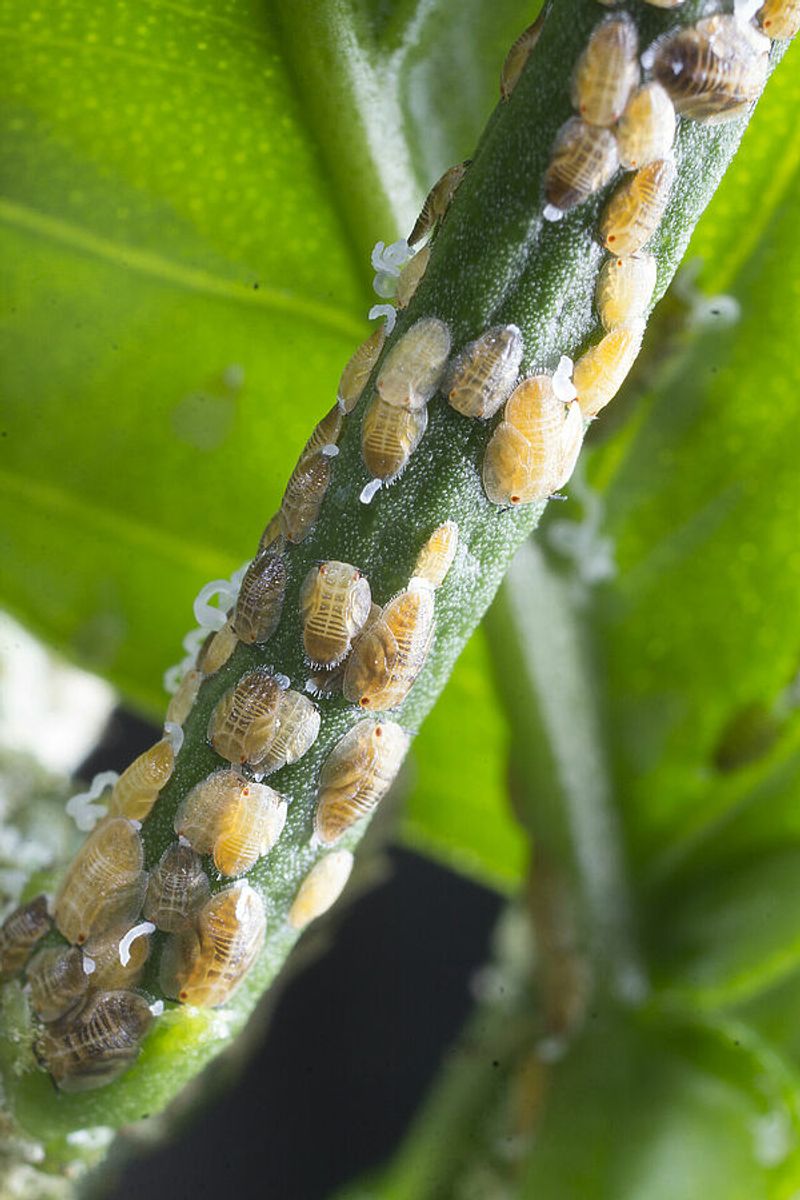
Of all the reasons on this list, this is the one to take most seriously. The Asian citrus psyllid is small, but it carries a big threat to Texas citrus.
Adults are about the size of an aphid, with mottled brown wings. Here is a neat trick for spotting them.
They feed with their heads down and their rear ends tipped up at a 45-degree angle, like a tiny thorn sticking out of the stem.
Psyllids feed on tender new shoots. Their feeding makes young leaves curl, twist, and grow in odd shapes.
Young psyllids, called nymphs, are yellow-orange and leave behind white, waxy strands. If you see curly white bits on a new shoot, look closer.
The real danger is a disease called citrus greening, also known as huanglongbing or HLB. Psyllids spread it from tree to tree as they feed. Infected trees make small, lopsided, bitter fruit that stays partly green.
There is no cure, and the disease has hurt citrus farms in Florida badly. It has already been found in parts of Texas, especially in the Rio Grande Valley.
If you suspect psyllids, do not wait. Report it to Texas A&M AgriLife Extension or the Texas Department of Agriculture. They can confirm what you found and help protect nearby orchards.
You can also help by buying citrus trees only from licensed Texas nurseries. Never move citrus plants or cuttings from areas under quarantine.
Check new growth weekly during fall flush. Your careful eyes might be the first line of defense for a whole neighborhood of trees.
5. Aphids Are Clustering On Tender Leaves
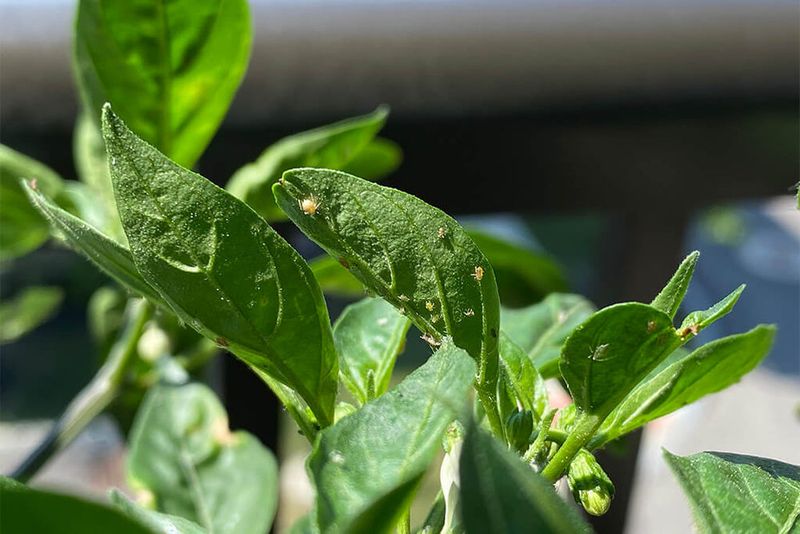
Flip a curled leaf over, and you might find a crowd. Aphids love to party in groups on the undersides of fresh citrus leaves. There can be dozens packed together.
These soft-bodied bugs are tiny and pear-shaped. On citrus they are often green, brown, or black.
They poke into the leaf with needle-like mouths and suck out the sap. As they drain the juice, new leaves curl, crinkle, and grow twisted.
Aphids also leave a sticky mess. They give off a sugary liquid called honeydew. Leaves below them get shiny and tacky.
Soon a black fungus called sooty mold can grow on that sugar, making leaves look like they were dusted with soot. Ants often show up too, because they love honeydew and will even guard aphids from predators.
Fun fact: many aphids are born already pregnant. That is why a few can turn into a big colony in just days.
Luckily, aphids are among the easiest pests to handle. Start with a strong blast of water from your hose. Aim at the undersides of leaves. Many aphids will fall off and cannot climb back up.
If they return, try insecticidal soap. Spray in the cool morning or evening, not in the hot afternoon sun. Cover the bugs directly, since soap only works when it touches them.
Nature offers helpers as well. Ladybugs, lacewings, and hover fly larvae eat aphids by the hundreds.
Avoid harsh sprays that chase away these good guys. Keeping ants off the trunk with a sticky band also lets predators do their job.
6. Spider Mites Are Thriving In Hot, Dry Weather
Some pests are so small you need a magnifying glass to see them. Spider mites are one of them, and hot, dry Texas weather is their dream vacation.
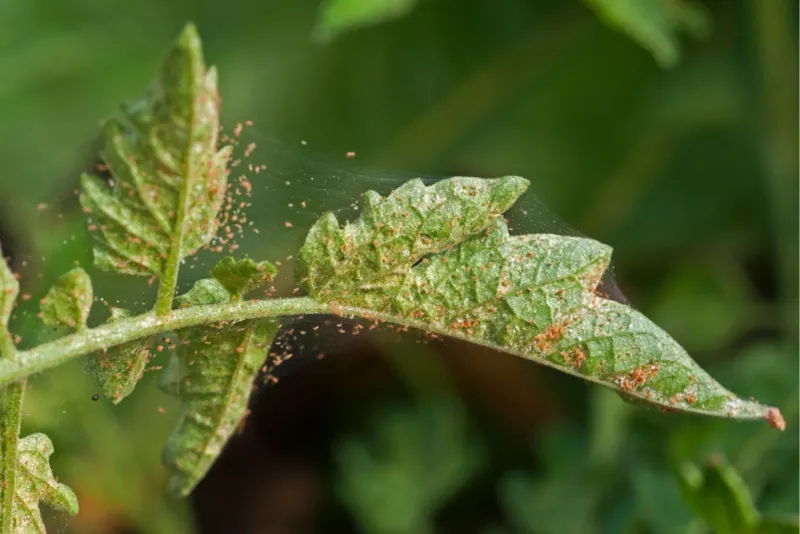
They are not insects at all. Spider mites are tiny relatives of spiders, with eight legs. They gather on the undersides of leaves and scrape at the cells to drink the juices. Each bite leaves a tiny pale dot.
Over time, all those dots add up. Leaves look speckled, dull, or dusty instead of shiny green. They may curl and drop early.
In heavy cases, you will see fine webbing, almost like thin silk, stretched across leaves and stems.
Want a quick test? Hold a sheet of white paper under a branch and tap the branch sharply. Watch the paper. If tiny specks start crawling around, you have spider mites.
These mites breed fast when it is hot and dry. A new generation can grow in about a week. Dusty trees near roads or driveways often get hit harder, because dust seems to shelter the mites.
Water is your first tool. Rinse the foliage with a firm spray, paying close attention to the undersides.
Mites hate moisture, so regular rinsing can knock their numbers way down. Keeping the tree well watered also makes it stronger.
Horticultural oil is another great choice. It coats the mites and their eggs so they cannot breathe. Apply it when temperatures are below about 90 degrees to avoid burning the leaves.
Repeat in a week or so to catch newly hatched mites. With steady care, your leaves should look glossy and healthy again soon.