The Easy-Care Texas Plant That Keeps Blooming Through The Hottest Months
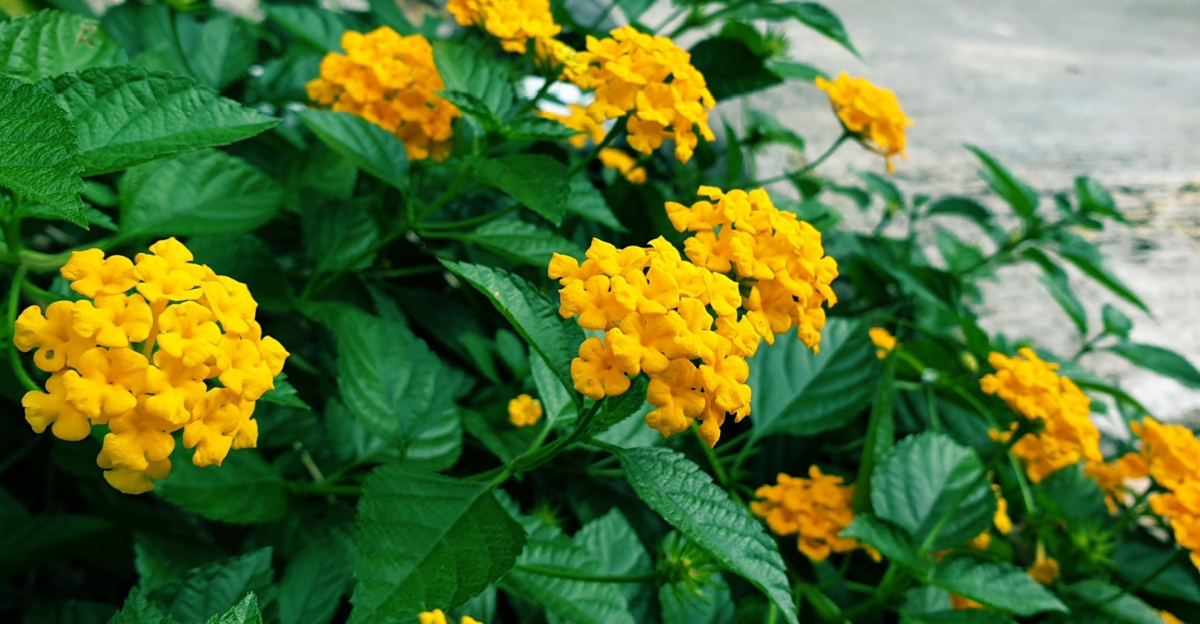
Most plants take one look at a Texas July and quietly give up. The scorching afternoons, the dry spells, the kind of relentless sun that makes you question your own life choices out in the garden.
And then there’s New Gold lantana, just absolutely thriving through all of it like the heat is no big deal. Honestly, a little impressive.
This cheerful, golden-blooming plant has built up a serious loyal following across Texas landscapes, and it’s not hard to see why. While everything else in the garden starts looking worn out and crispy, New Gold just keeps going.
Bright blooms, low water needs, minimal fuss, and the kind of reliable color that makes your garden look intentional even in the middle of summer. Consider this your sign to make some room for it.
1. New Gold Lantana Brings Color Through Texas Heat
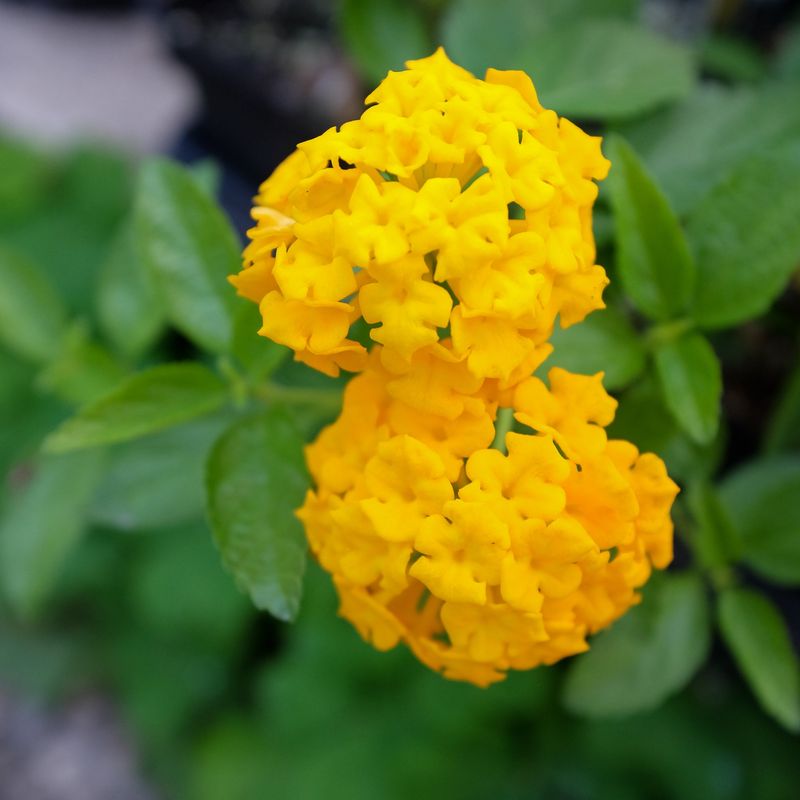
Sunny borders across Texas light up every summer with the bold golden blooms of New Gold lantana, and it is easy to see why gardeners keep coming back to this plant year after year.
While other flowering plants fade or slow down once the real heat arrives, New Gold lantana seems to thrive under those same tough conditions.
The more sun it gets, the more flowers it tends to produce.
New Gold lantana is a sterile triploid variety, which means it puts very little energy into forming seeds or fruit. Instead, that energy goes back into producing flowers, which is a big reason why it blooms so heavily and for such a long stretch of time.
Gardeners often notice the plant looks its best right in the middle of summer when conditions are at their most intense.
The flowers are a warm, rich golden yellow that holds its color well even through weeks of relentless heat. They appear in tight clusters across the entire plant, giving it a full, rounded look that works beautifully in flower beds, along walkways, and near driveways.
Gardeners who want consistent color from late spring all the way through fall tend to find that New Gold lantana delivers that better than many other warm-season options available at local nurseries.
2. Why New Gold Lantana Is So Easy To Grow
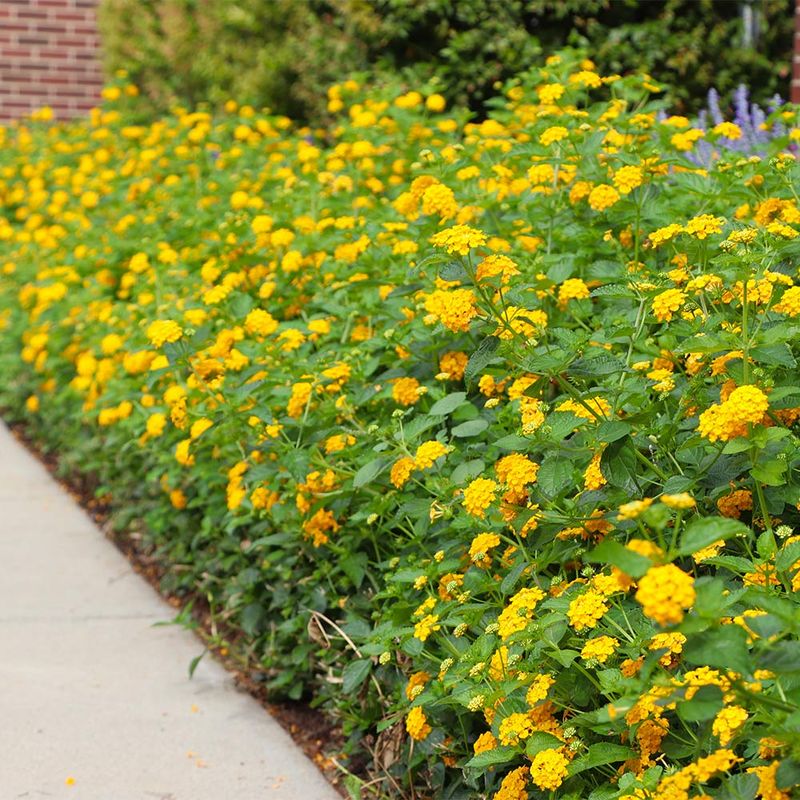
Few flowering plants earn the title of easy-care quite as honestly as New Gold lantana. Once it is settled into the right spot, it asks for surprisingly little from the gardener.
No complicated fertilizer schedules, no fussy soil amendments, and no daily watering routines are needed to keep it looking great through the hottest part of the Texas growing season.
New Gold lantana actually prefers lean soil conditions over rich, heavily amended beds. Soil that is too fertile can push the plant to grow lots of foliage at the expense of flowers, which is the opposite of what most gardeners want.
Sandy or loamy soils with decent drainage tend to suit it well, and many Texas landscapes already have soil conditions that naturally work in this plant’s favor.
Your Texas Garden Changes Every Week. Your Plan Should Too.
Gardening in Texas changes quickly throughout the season. Every Friday you’ll receive a simple weekly plan showing exactly what to plant, prune, fertilize, harvest, and protect so you never miss the right timing.
The plant is also quite forgiving of occasional neglect, which makes it a smart choice for busy homeowners or anyone who wants attractive landscaping without spending hours maintaining it.
It handles brief dry spells without major stress once it has had a chance to settle in after planting.
Gardeners new to Texas summers often appreciate how resilient it is compared to other bedding plants that need coddling through heat waves.
Its combination of toughness and low-demand care makes it genuinely one of the more reliable warm-season flowering plants available for home landscapes.
3. Full Sun Helps New Gold Lantana Bloom Better
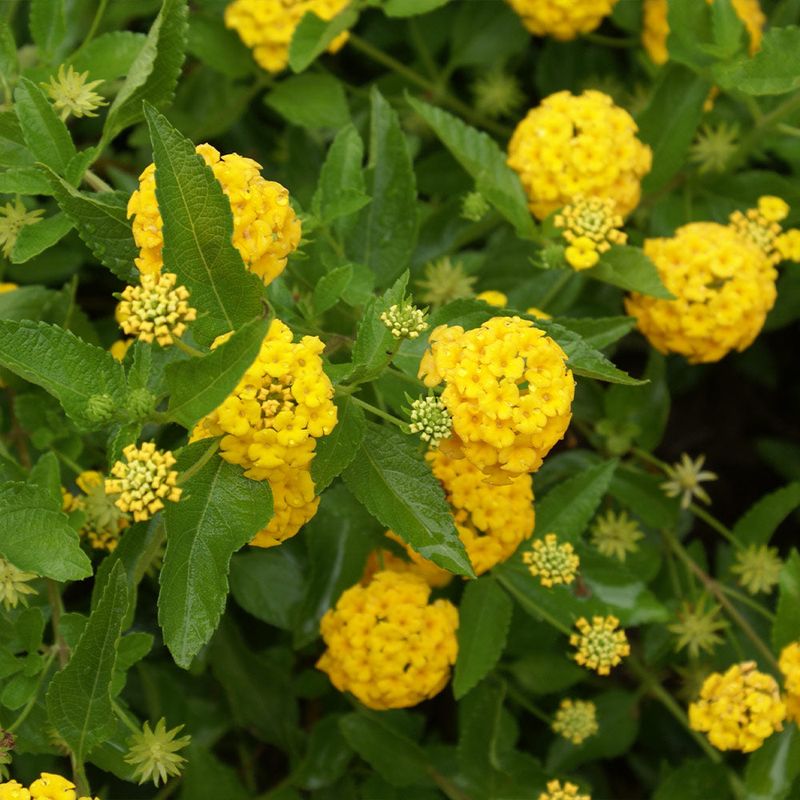
Planting New Gold lantana in a spot that gets six or more hours of direct sun each day makes a noticeable difference in how well it blooms.
Unlike shade-tolerant plants that can get by in dim corners, this lantana is built for open, sunny spots where nothing blocks the light.
Texas yards often have plenty of those kinds of locations, especially along south-facing borders, open driveways, and wide front beds.
When it does not receive enough sun, the plant may still grow but tends to produce fewer flowers and can develop a looser, less compact shape.
Gardeners sometimes notice that plants tucked near a fence or partially shaded by a tree never quite match the performance of those growing out in the open.
Moving it to a sunnier location often brings a quick improvement in bloom density.
Full sun exposure also helps the foliage dry out faster after rain or irrigation, which reduces the chance of fungal problems developing on the leaves.
Summers can bring sudden heavy rains between dry stretches, and plants growing in good air circulation and full light tend to recover and dry off more quickly.
Choosing the right sun exposure from the start is one of the simplest ways to set New Gold lantana up for a strong, flower-packed season without needing extra intervention later on.
4. How To Water New Gold Lantana Without Overdoing It
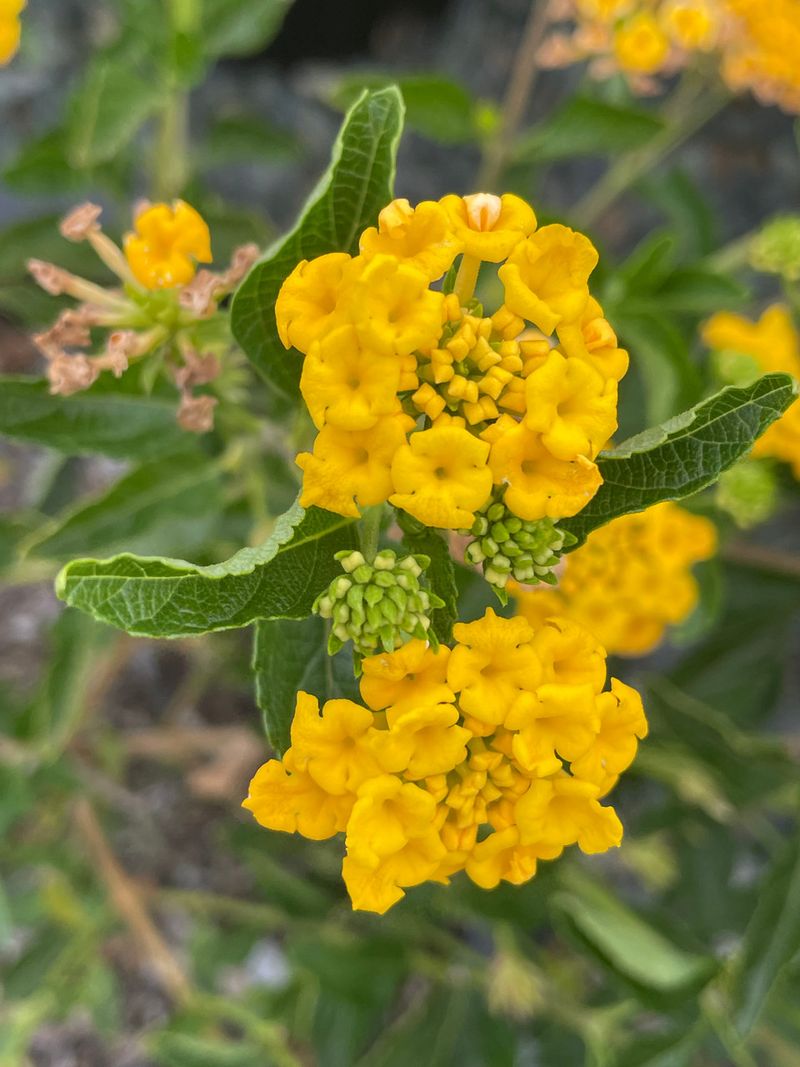
Overwatering is one of the most common mistakes gardeners make with New Gold lantana, especially those who are used to caring for thirstier bedding plants like impatiens or petunias.
This lantana has much lower water needs, and giving it too much moisture too often can cause more trouble than a dry spell would.
Soggy soil around the roots is something it handles poorly, particularly during the heat of a summer.
After planting, regular watering helps the roots establish, but once the plant is settled in, it can handle longer stretches between watering sessions.
Established plants in Texas landscapes often do well with deep, infrequent watering rather than light, frequent applications.
Letting the soil dry out somewhat between waterings encourages the roots to reach deeper and makes the plant more capable of handling dry conditions on its own.
Gardeners using irrigation systems should be careful not to run their zones too frequently for lantana beds. Drip irrigation that delivers water directly to the root zone works better than overhead sprinklers that wet the foliage repeatedly.
During extended dry spells in Texas, a slow, deep soak every week or so is often enough to keep established plants healthy and blooming well.
Paying attention to soil moisture rather than following a rigid watering schedule tends to produce much better results with this plant.
5. Why New Gold Lantana Works So Well In Texas Beds
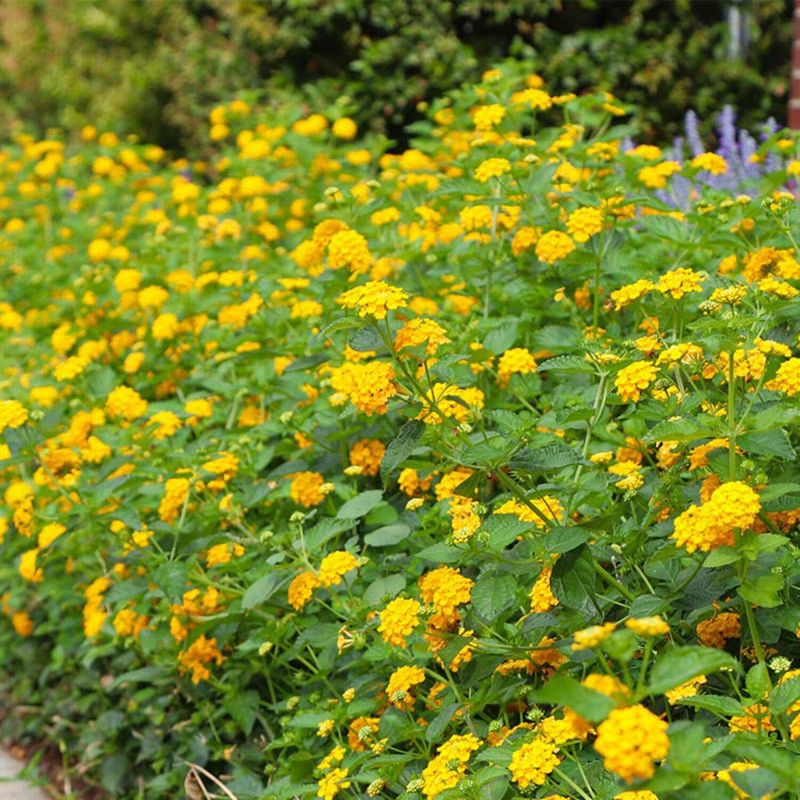
Walk through almost any established Texas neighborhood in July, and there is a good chance you will spot New Gold lantana holding strong in a sunny bed while other plants look tired and wilted.
Its ability to maintain consistent color and a tidy appearance through the hottest stretch of the year makes it especially well-suited to the demands of Texas landscaping.
Most other warm-season annuals need frequent deadheading, heavy watering, or replacement midseason to keep looking decent.
New Gold lantana also has a naturally mounded growth habit that fills in beds nicely without sprawling out of control. It typically reaches around two to three feet tall and spreads a similar distance, which makes it useful as a low border plant or as a mid-height filler in mixed beds.
That predictable shape means less trimming and more time enjoying the color it provides.
Because it blooms so freely without needing much encouragement, it works well in foundation beds, entry plantings, curbside strips, and patio edges where long-season color matters most.
Gardeners who want a bed that looks good in photos from May through October often find that New Gold lantana anchors those plantings reliably.
Its golden color also pairs well with purple or blue flowering plants, purple fountain grass, and other warm-season companions that share its preference for sun and heat.
6. How To Keep New Gold Lantana Looking Full And Fresh
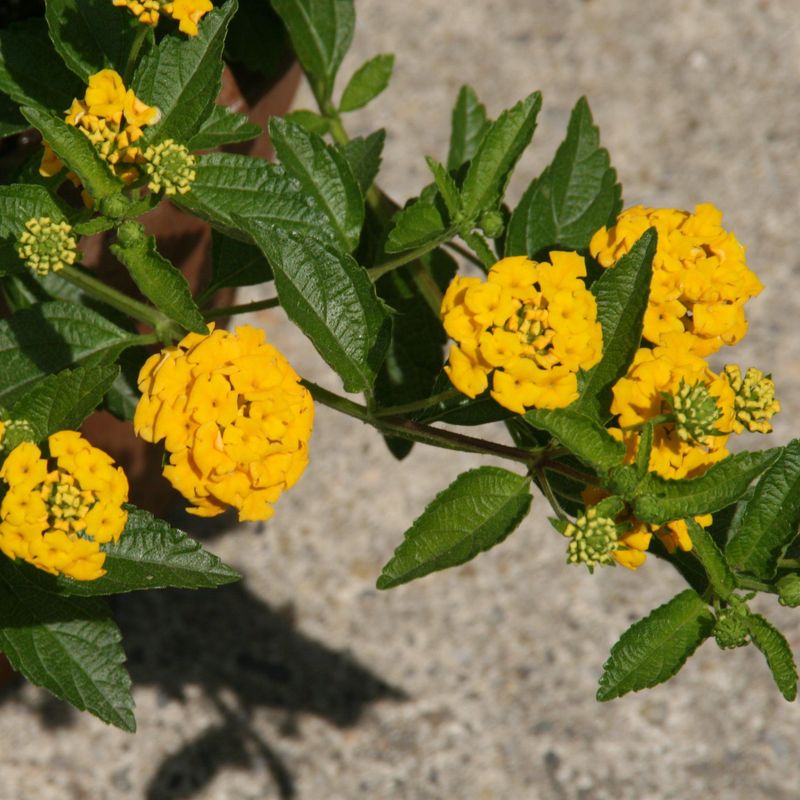
Light trimming can do a lot for New Gold lantana when it starts to look a little leggy or less tidy after a long stretch of summer heat.
Cutting back the tips of the stems by a few inches encourages fresh new growth and often triggers a new flush of flowers within a couple of weeks.
This kind of light shearing does not need to be done on a strict schedule, but doing it once or twice during the growing season can keep the plant looking its best.
Avoid cutting the plant back too severely during the hottest part of summer, as heavy pruning during peak heat can stress the plant and slow its recovery. A light touch works better than an aggressive cutback when temperatures are at their highest.
Waiting until early fall to do any major reshaping gives the plant time to recover before cooler weather arrives.
Removing old or spent flower clusters is not strictly necessary since New Gold lantana is sterile and does not set viable fruit, but a quick pass over the plant to tidy up any brown or ragged-looking areas can improve its appearance.
Keeping the area around the base of the plant clear of heavy mulch that traps moisture near the stems also helps the plant stay healthy through wet periods.
Simple, occasional attention is really all this lantana needs to stay full and attractive through the long Texas growing season.
7. New Gold Lantana Adds Long-Lasting Color With Less Fuss
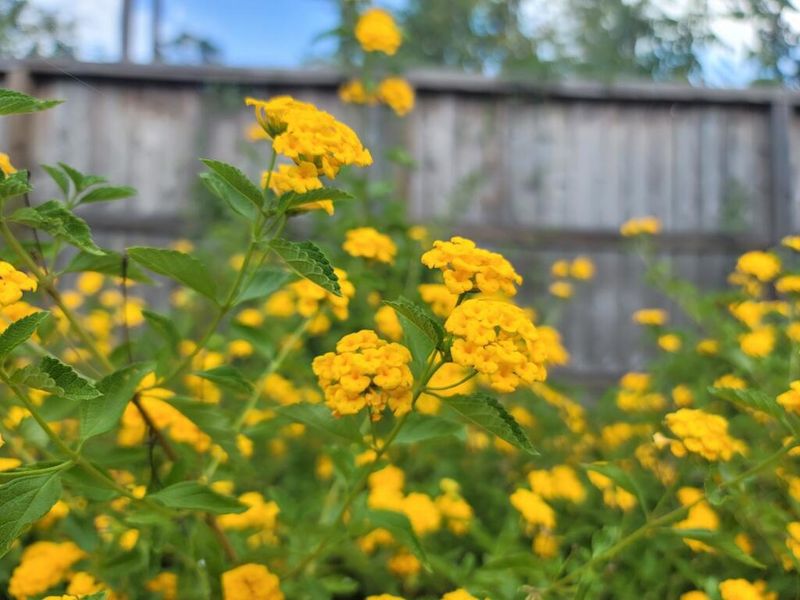
One of the most appealing things about growing New Gold lantana in a Texas yard is how little effort it takes to get a lot of color in return.
Many flowering plants require regular fertilizing, deadheading, pest control, and frequent watering just to look presentable through summer.
New Gold lantana sidesteps most of those demands, which makes it a natural fit for gardeners who want attractive outdoor spaces without spending every weekend maintaining them.
Because it is a sterile variety, it channels most of its energy into producing flowers rather than seeds, which is a big part of why it blooms so prolifically and for such a long stretch.
From late spring through the first cool nights of fall, the golden clusters keep coming without much prompting.
That kind of dependable, long-season performance is something gardeners genuinely appreciate when other plants have already given up for the year.
Fertilizing New Gold lantana is generally not necessary when it is growing in average garden soil, and adding too much nitrogen can actually reduce flowering by pushing leafy growth instead.
If the plant seems to be growing slowly or the foliage looks pale, a light application of a balanced slow-release fertilizer in early spring can help.
For most established Texas plantings, though, the plant does well without any supplemental feeding and continues to produce steady color well into the season.
8. Where New Gold Lantana Fits Best In A Texas Landscape
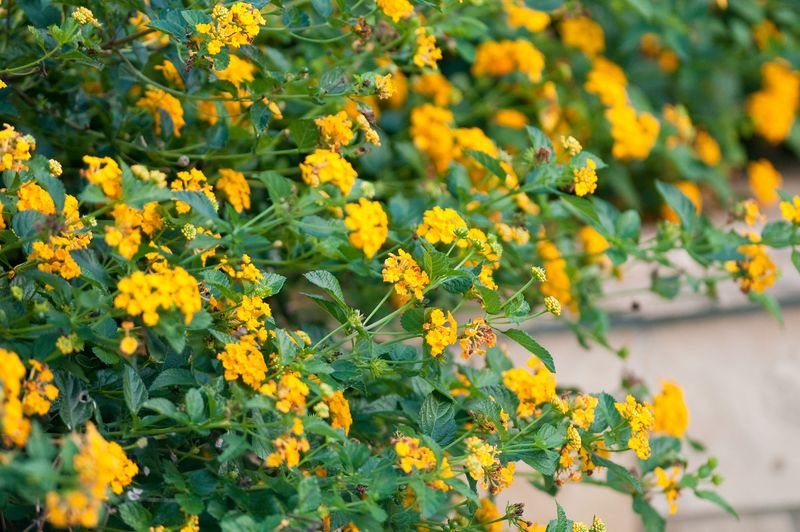
Choosing where to place New Gold lantana in a Texas yard is mostly about finding spots that offer plenty of sun and good drainage.
It thrives along south-facing or west-facing borders where heat and light are most intense, and it holds up especially well in spots that might be too hot or dry for other flowering plants.
Curbside beds, median strips, entry plantings, and spots near driveways or reflective surfaces are all places where it tends to perform reliably.
Along patio edges and walkways, the mounded shape of New Gold lantana creates a tidy, finished look that does not require constant grooming to maintain.
It works well as a low border plant in front of taller shrubs or ornamental grasses, and its golden color adds warmth and brightness that carries well from a distance.
Gardeners who want their landscaping to look attractive from the street often find it useful as a front-of-bed anchor plant.
Raised beds and sloped areas with good natural drainage are also excellent spots for this plant in Texas landscapes. Slopes that drain quickly after rain suit its preference for drier soil conditions between waterings.
Container planting is another option for patios and entryways, though containers dry out faster and may need more frequent watering than in-ground plantings.
With the right placement, New Gold lantana can become one of the most dependable sources of warm-season color in a home landscape.