White Fluff Drifting Through Indiana Yards Is Actually Alive
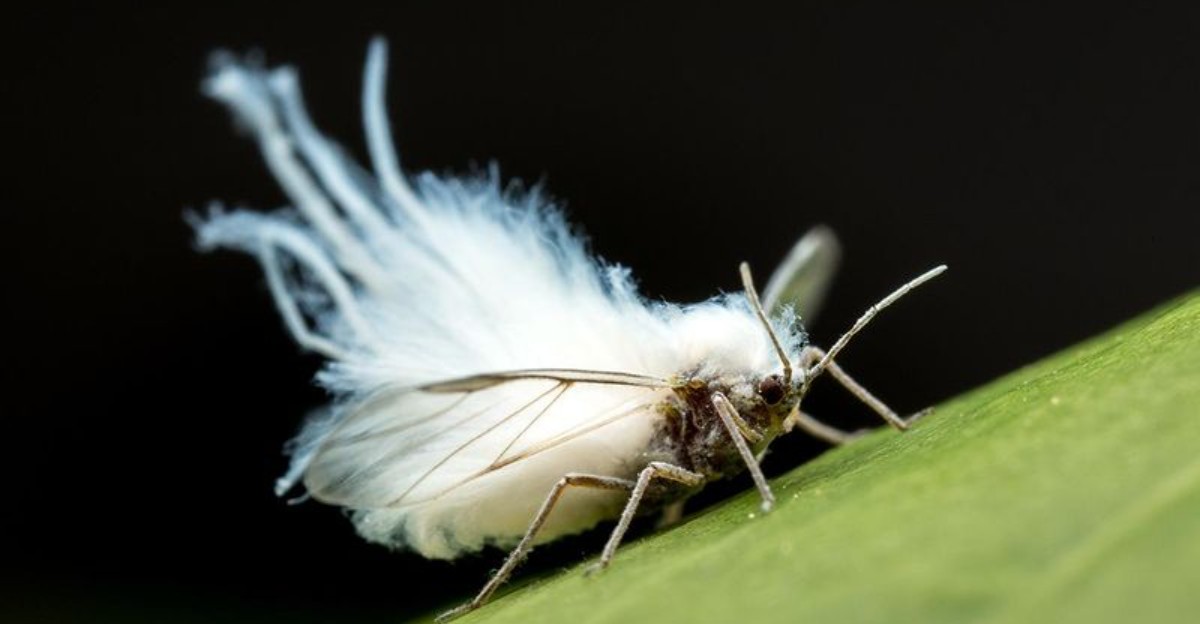
You step outside on a crisp September afternoon, and tiny white puffs float past your nose. They look like snowflakes that showed up two months early.
Across Indiana, people swat at these drifting specks and wonder if a pillow exploded nearby. Some folks blame the neighbor’s tree, which seems fair.
Look closer, though, and the fluff seems to wobble with purpose. It lands on your sleeve and just sits there, like it paid rent.
Kids chase the puffs across the lawn while grown-ups squint and mutter. Dogs snap at them and then look confused about the flavor.
Here in Indiana, late summer is full of surprises, but this one has legs. Your fancy fall sweater may have just become a tiny airport.
Tiny Bugs Wearing Waxy Coats
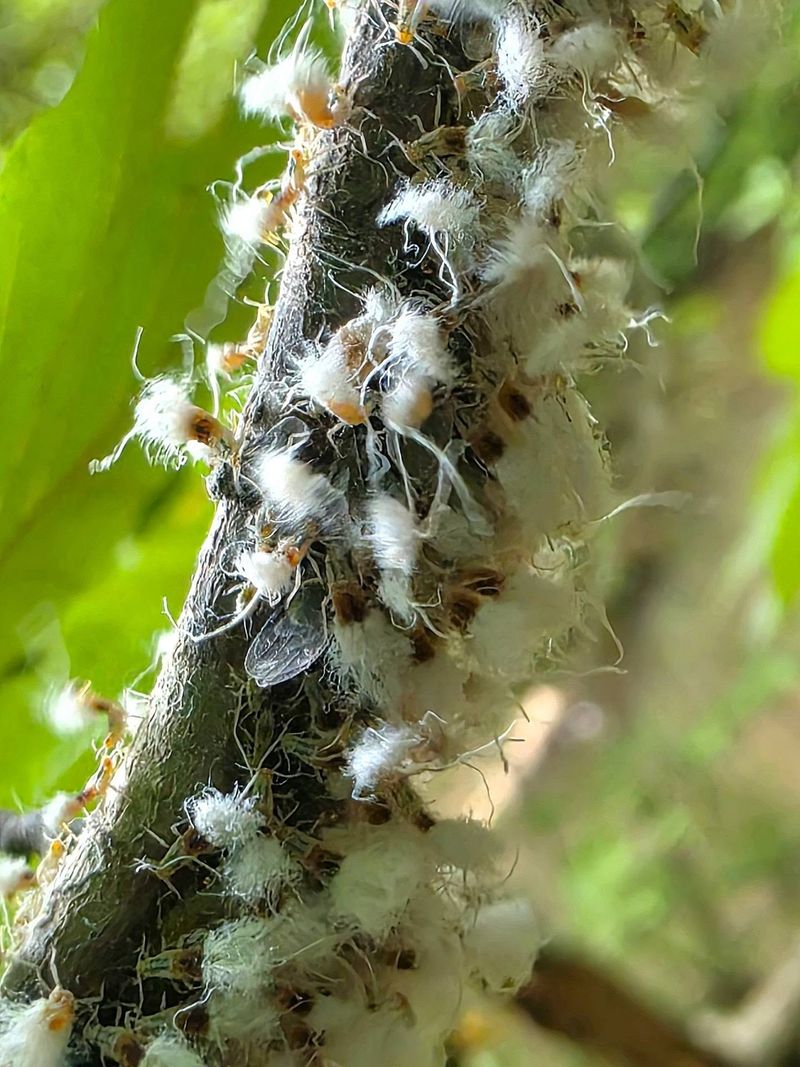
Believe it or not, that floating fluff is a small insect called a woolly aphid. Each one wears a fuzzy coat made of white wax.
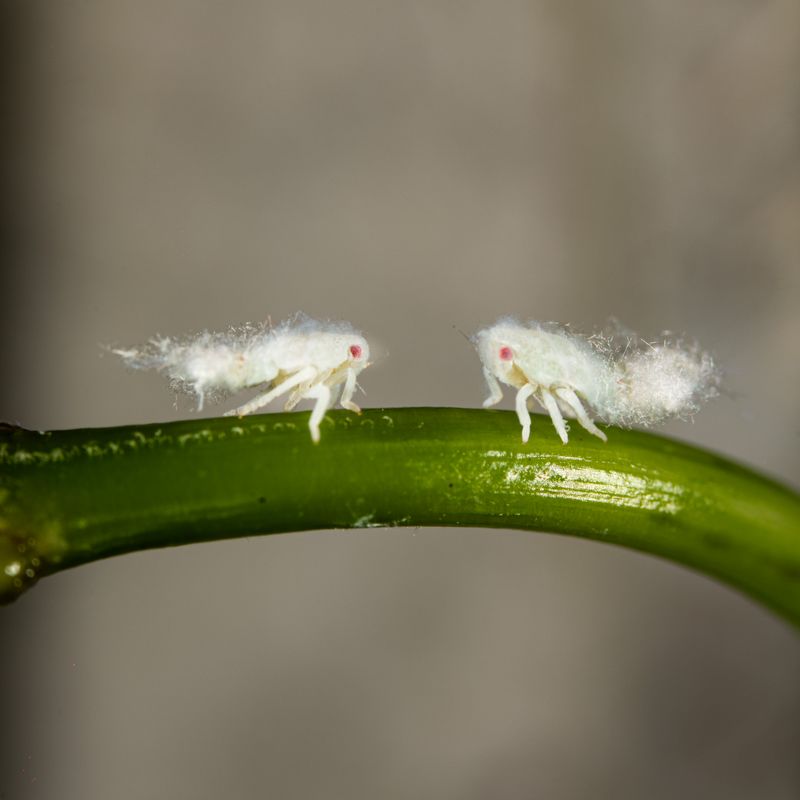
The bug makes this wax from special glands on its body. Strands of it stick out like a messy wig, hiding the soft bug underneath.
Underneath all that fluff, the aphid is often bluish or dark gray. It is only a few millimeters long, smaller than a grain of rice.
The waxy coat does more than look silly. It helps protect the aphid from some predators and from drying out.
Many kinds of woolly aphids live in Indiana, and each one likes certain trees. Some prefer alder, beech, or maple, while others choose apple trees.
Aphids feed by poking a tiny straw-like mouth into plant stems. Then they sip the sweet sap, a bit like kids with juice boxes.
Fun fact, some people nickname the flying ones fluff bugs or fluffy aphids. In some places they are even called snow bugs for obvious reasons.
If one lands on you, stay calm because it will not bite or sting. You can gently blow it away or let it wander off.
Spotting a cluster up close is a neat science lesson right in your yard. Grab a magnifying glass and you might see tiny legs moving under the wax.
Learning what the fluff is takes away the mystery. Now you can tell curious friends exactly what is drifting past their faces.
Early Autumn Flight Season
Picture a warm September evening with the sun sitting low over the trees. Suddenly the air fills with tiny white specks drifting like slow snow.
Late summer and early fall are the peak flying months for woolly aphids in Indiana. Most of the year, they stay put on branches or roots.
As late summer arrives, some of the aphids start growing wings. Their bodies sense that it is time to move to new host trees.
Many kinds switch between two different plants during the year. They might spend summer on one tree, then fly to another for winter egg laying.
Calm, warm afternoons are when you are most likely to see fluff in the air. Strong winds tend to keep them tucked safely on their branches.
Your Indiana Garden Changes Every Week. Your Plan Should Too.
Gardening in Indiana changes quickly throughout the season. Every Friday you’ll receive a simple weekly plan showing exactly what to plant, prune, fertilize, harvest, and protect so you never miss the right timing.
The flights usually last a few weeks before cooler weather slows everything down. By the first hard frost, the drifting show mostly fades away.
Here is a helpful tip for anyone planning outdoor fun. If you host a fall cookout, the late afternoon may bring surprise guests to your food.
Bright yellow can attract aphids, so a sunny shirt may draw a few extra visitors. It is a small detail, but it explains why some people notice more fluff than others.
Keeping track of when they appear each year can be fun. Write the date on a calendar and compare next September to see patterns.
Soon enough, the fluffy season ends and the leaves take center stage. Enjoy the odd little show while it lasts.
The Spray Bottle Overreaction
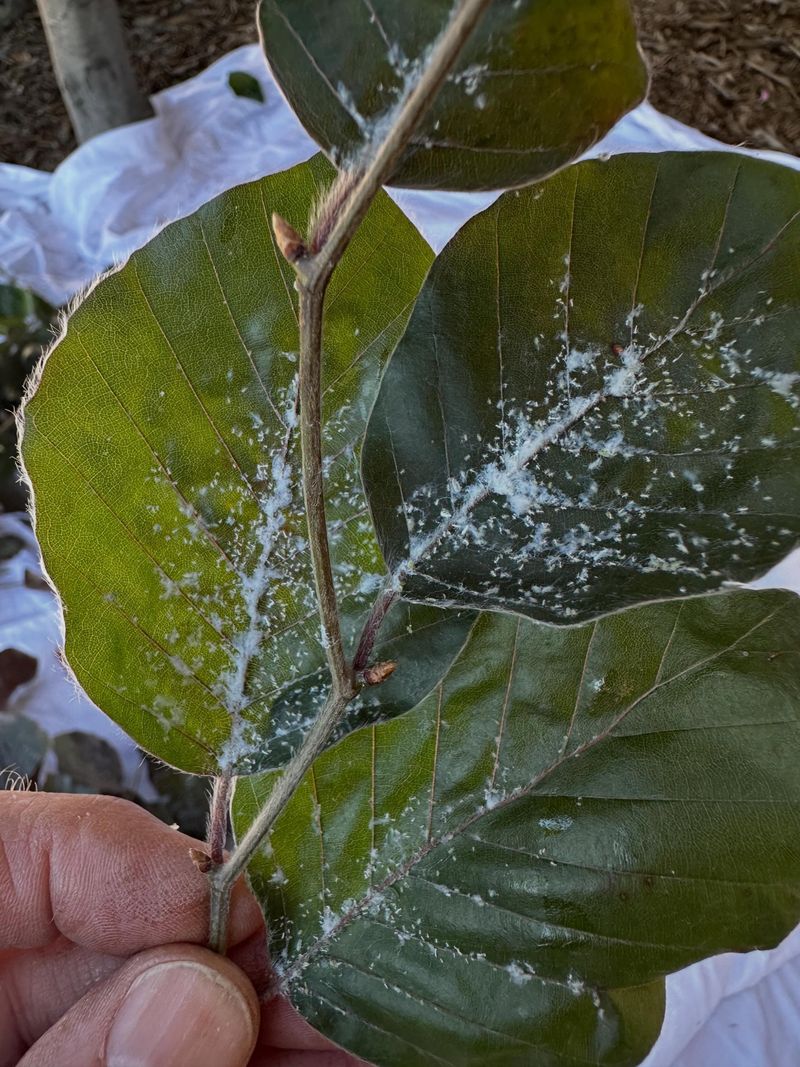
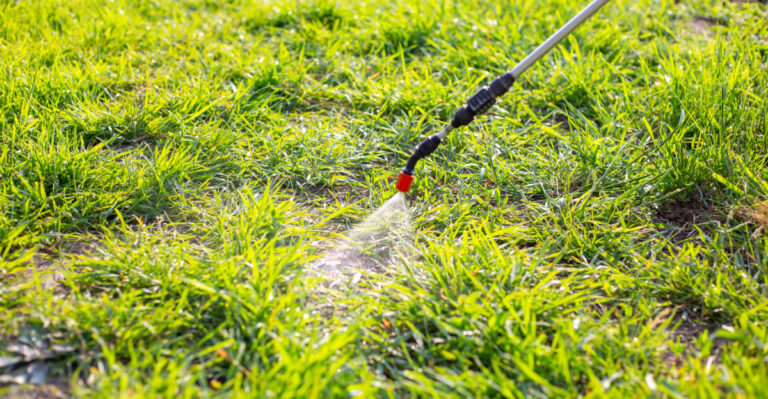
Plenty of homeowners panic the moment they spot white fuzz on a branch. They rush to the garage and grab the strongest spray they can find.
That quick reaction often causes more trouble than the bugs ever would. Harsh chemicals can harm the helpful insects that naturally eat aphids.
Ladybugs, lacewings, and tiny wasps are the real heroes here. They munch on aphids for free and keep numbers under control.
When strong sprays remove those helpers, the aphids can bounce back even faster. Now you have more fluff and fewer friends in the garden.
Another common mistake is cutting off big branches too soon. A few fuzzy spots rarely hurt a healthy tree in any serious way.
Some people also mistake the fluff for mold or disease. They may treat the tree for the wrong problem and waste money.
Before doing anything, take a slow, careful look at the tree. Check if the leaves still look green and the branches seem strong.
Snapping a clear photo can help too. Your county extension office in Indiana can often identify pests from a picture.
Remember that a few aphids are part of a normal backyard. Nature has its own way of balancing things out when we give it time.
Patience may feel boring, but it often wins. Put the spray bottle down and let the ladybugs take their shift.
Gentle Fixes For Fuzzy Branches
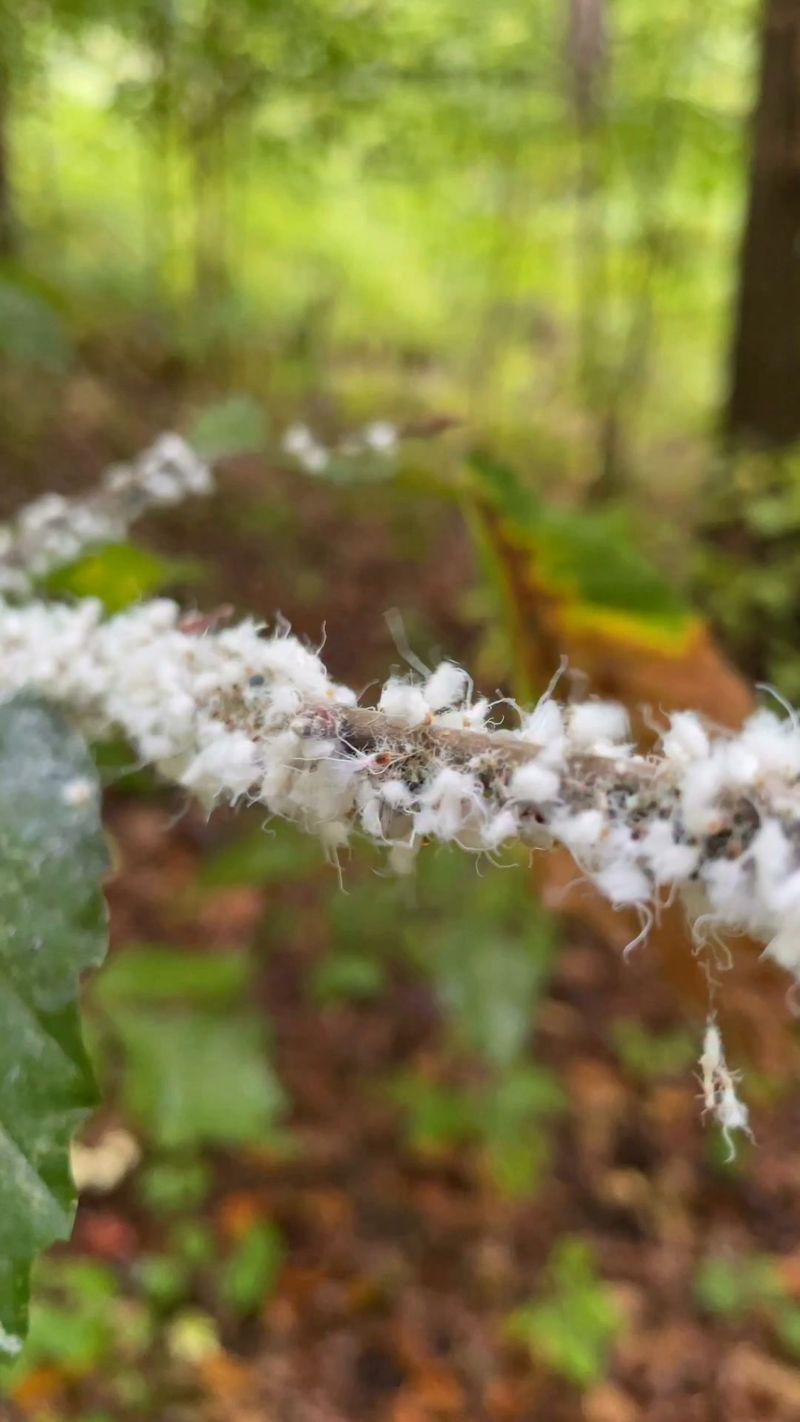
Handling woolly aphids does not need fancy tools. A regular garden hose might be your best friend this month.
A strong blast of water knocks the aphids right off the branches. Many of them do not make it back up afterward.
Try spraying in the morning so the leaves dry quickly in the sun. Wet leaves overnight can invite other plant problems.
For smaller clusters, a soft brush or old toothbrush works nicely. Gently scrub the fluff away and wipe your tool clean between branches.
Insecticidal soap is another mild choice you can buy at garden centers. It breaks down the soft bodies of aphids and washes away easily.
Read the label and follow directions closely. Spray only where the aphids gather, not the whole tree.
Neem oil is a plant-based option some gardeners like. It can slow aphid feeding and is easier on helpful insects.
Sticky honeydew may coat leaves, cars, or patio furniture below the tree. Warm soapy water cleans it off without much fuss.
Black sooty mold sometimes grows on that sticky layer. Once the aphids are gone, rain usually washes most of it away.
Take things one step at a time and check progress each week. Small, steady efforts add up over a few weeks.
A Healthy Tree By Spring
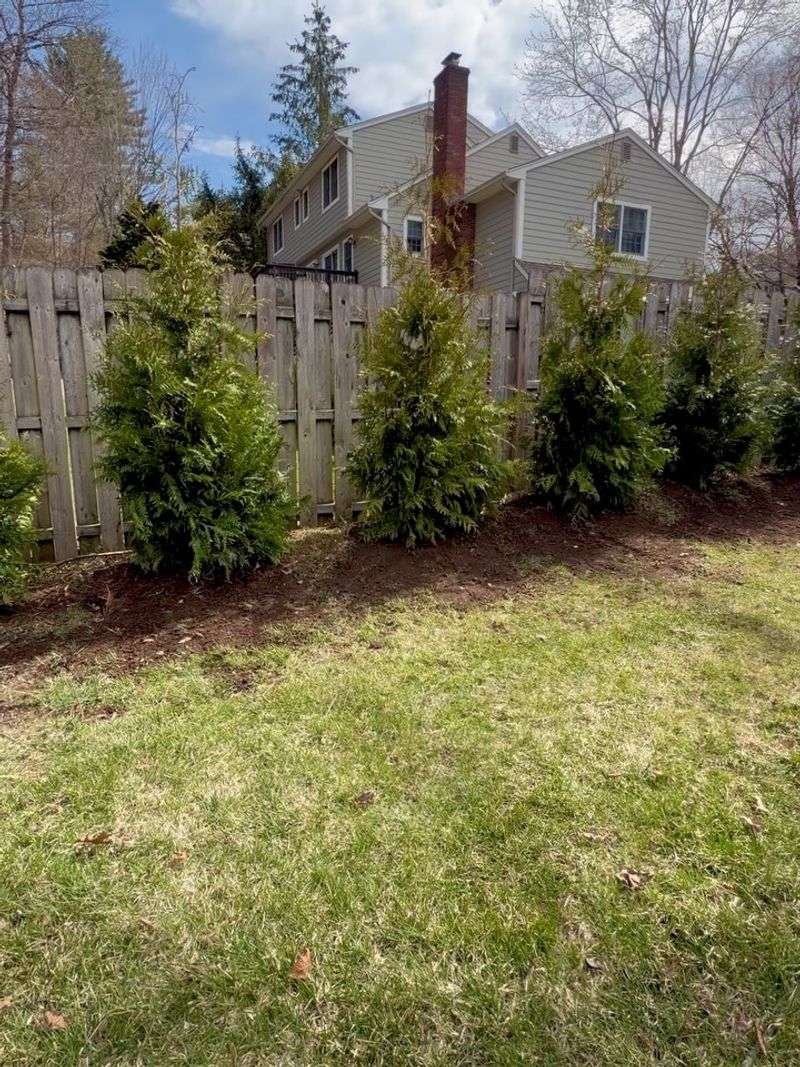
Here is some comforting news for worried tree owners. Most trees handle woolly aphids just fine and look great by spring.
Big, mature trees have plenty of energy stored in their roots and trunks. A few sap-sipping bugs barely make a dent.
You might notice some curled leaves or sticky spots this fall. Those signs are mostly cosmetic and fade as the season changes.
Once cold weather arrives, the flying aphids disappear from sight. Many leave behind eggs tucked into bark cracks for next year.
Younger trees may need a little extra care, though. Their thinner branches can feel more stress from heavy clusters.
Watering during dry spells helps young trees stay strong. A deep soak once a week works better than light daily sprinkles.
Adding a ring of mulch around the base keeps roots cozy. Keep it a few inches away from the trunk to avoid rot.
Apple trees deserve a closer look because some woolly aphids feed on their roots. Knobby swellings underground can weaken these trees over time.
Watching your trees through the seasons is a rewarding habit. You start to notice new buds, bird nests, and small changes.
By next April, fresh green leaves will likely cover every branch. The fuzzy fall visitors will feel like a funny memory.
Smart Habits For Next Year
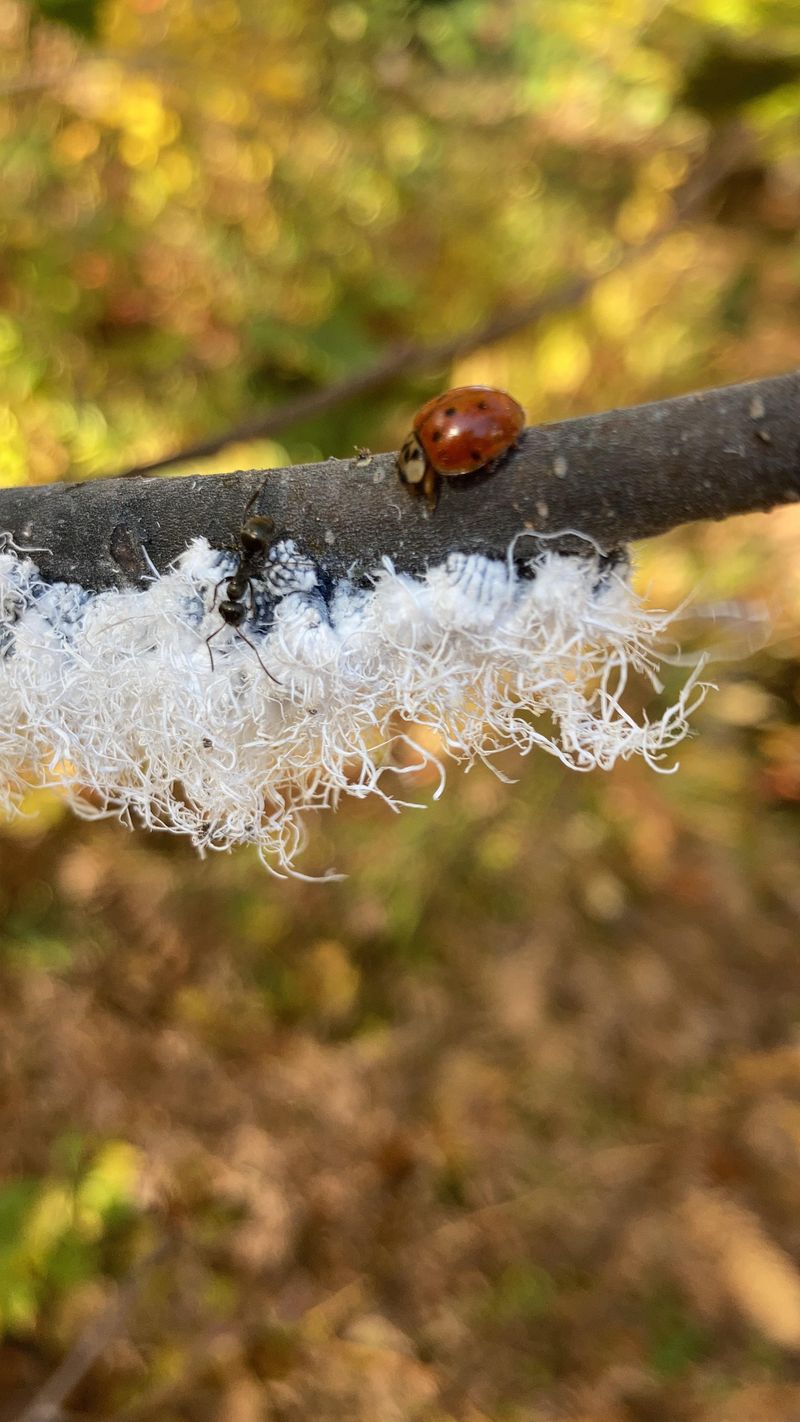
Think of your yard as a tiny neighborhood where everyone has a job. When the right helpers live there, pests stay small.
Planting flowers like yarrow, dill, and sweet alyssum draws in ladybugs and lacewings. These bugs love the nectar and stick around to hunt aphids.
Skipping heavy fertilizer is another smart move. Too much nitrogen creates soft, juicy growth that aphids find irresistible.
Check branches in early summer before the fluff starts flying. Catching small groups early makes them much easier to handle.
Ants can be clever partners to aphids. They stay close to collect sweet honeydew, a bit like tiny farmers.
Wrapping a sticky band around the trunk can block ants from climbing. Without the ants, predators can reach the aphids more easily.
When planting new trees, pick types known to resist woolly aphids. Local Indiana nurseries can suggest good choices for your area.
Birds help too, so a feeder or birdbath nearby is a bonus. Chickadees and wrens happily snack on aphids between seeds.
Winter is a great time to prune crowded or damaged branches. Better airflow makes the tree less cozy for pests next season.
With a few simple habits, next September may bring far less fluff. You might even miss your odd little floating neighbors.