The Meaning Behind Finding A Wolf Spider Inside Your Florida Home
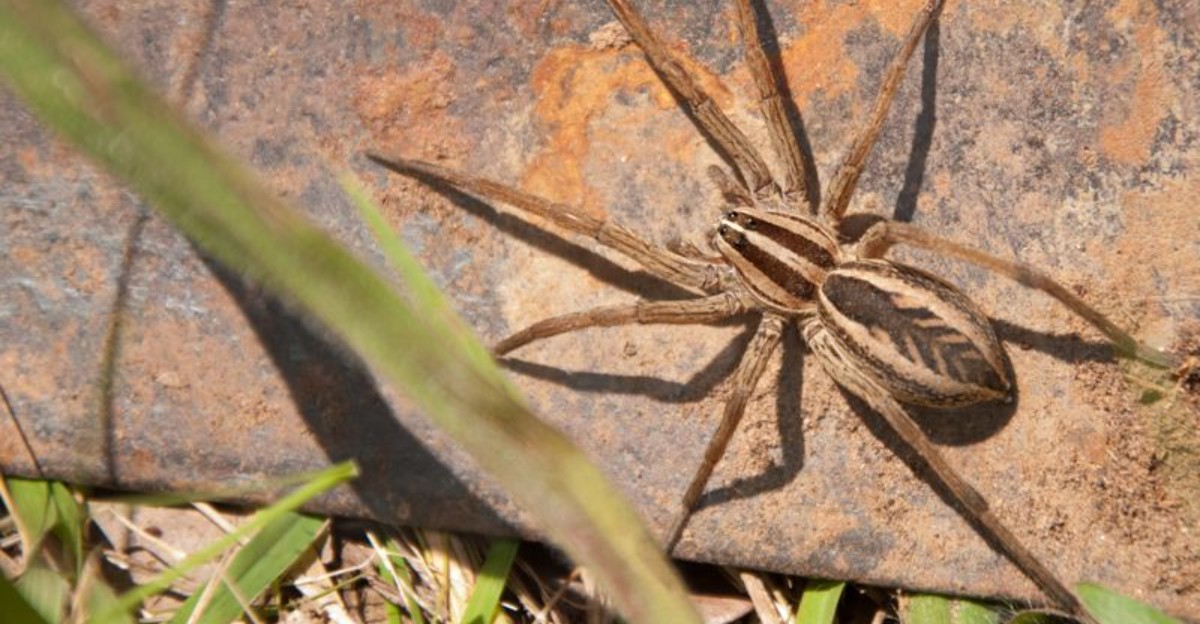
A wolf spider doesn’t show up at your Florida place by chance. It shows up because dinner already got there first.
Unlike most spiders, this one skips the web entirely and hunts on foot, which means every sighting indoors comes with a built-in clue you’re probably ignoring. Something smaller and easier to catch already made its way inside, and the spider just followed the trail.
Location tells you more than the spider itself ever will. Near a door means one thing.
Deep in a closet or bathroom means something else entirely, and that gap changes where you should actually be looking.
Next time one crosses your floor, skip the panic and follow the logic instead. The spider’s just the messenger.
The real problem is whatever sent it looking.
1. Wolf Spiders Usually Follow Their Prey Indoors
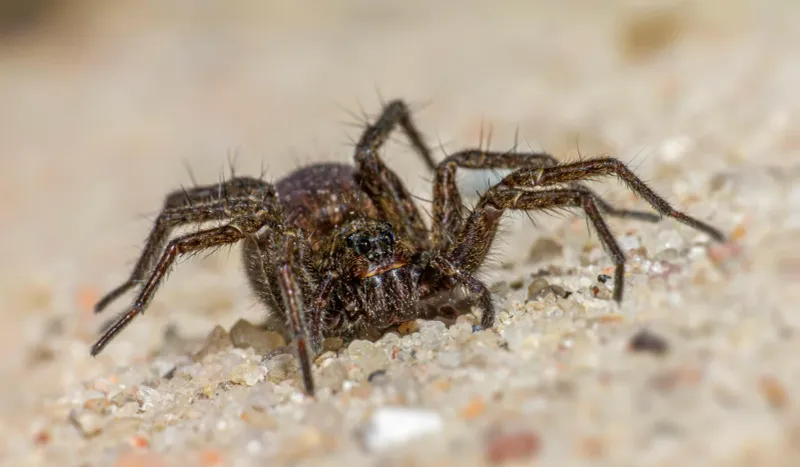
Picture a tiny hunter on patrol with no web and no plan to stay put. Wolf spiders chase food on foot, and they go wherever the snacks lead.
In Florida, those snacks are often crickets, roaches, silverfish, and ants. When those bugs slip inside, a hungry spider may trail right behind them.
So a wolf spider in your living room is often a clue. It hints that other insects are already moving around your home.
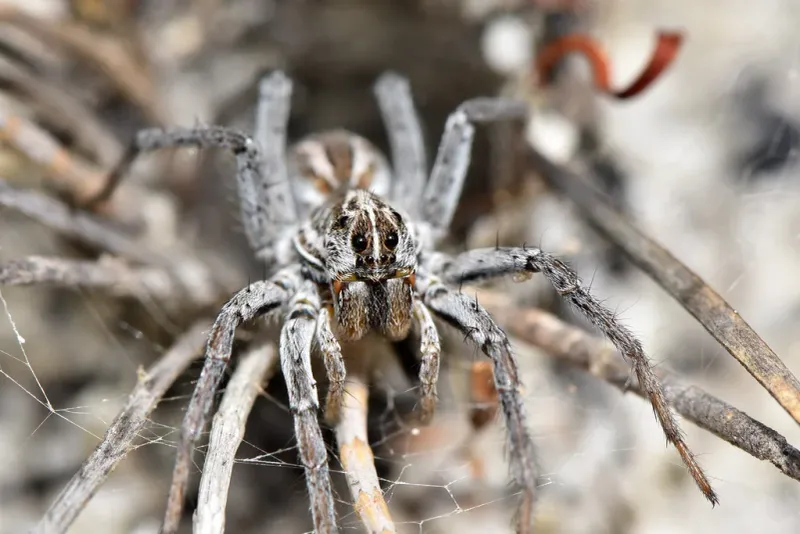
Fun fact: wolf spiders have eight eyes, and two of them are large and shiny. Shine a flashlight across your yard at night, and you may see their eyes glow like little green sparks.
That strong eyesight helps them spot movement fast. They do not wait for dinner to fly into a trap, which makes them quick and active.
Here is a helpful move. Look around the spot where you found the spider for signs of other bugs.
Check under sinks, near the fridge, and along the garage wall. Small droppings, wings, or chewed crumbs can point to the real reason your visitor showed up.
Fixing the insect problem can cut down on future spider sightings. Fewer snacks inside means fewer reasons for a hunter to wander in.
Think of the spider as a messenger. It is pointing you toward a bigger clue.
2. Cracks And Door Gaps Give Them Easy Entry
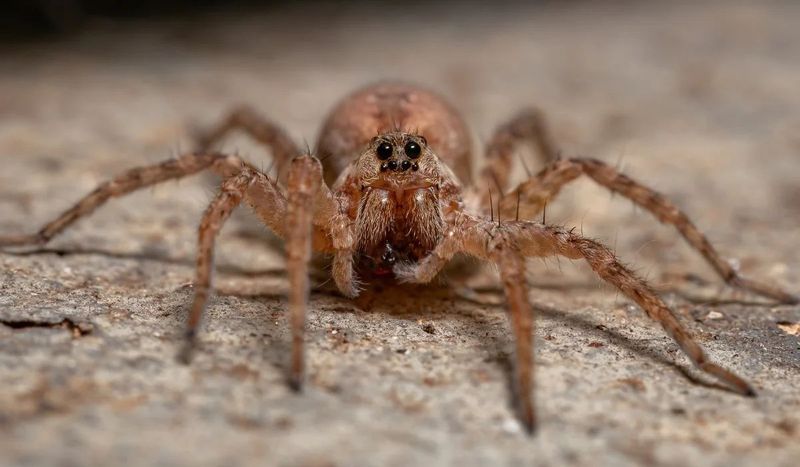
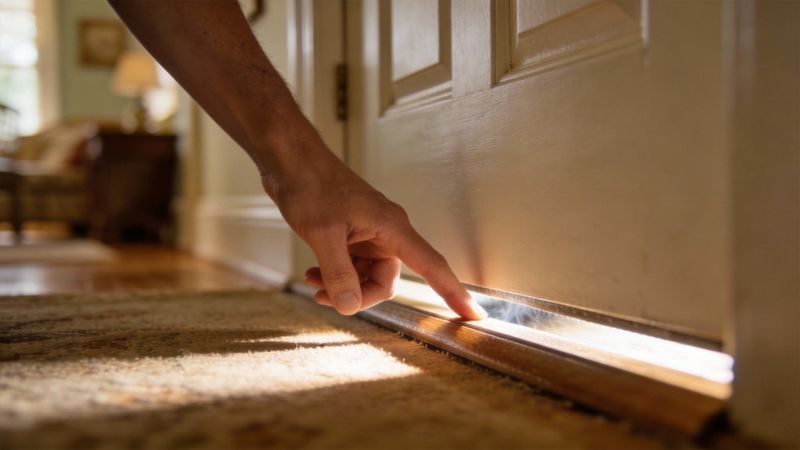
Kneel down by your front door on a sunny afternoon. Do you see a sliver of daylight peeking under it?
If light can get in, a wolf spider can too. Many of these spiders are flat enough to squeeze through spaces thinner than a pencil.
Florida houses face a lot of weather. Heat, heavy rain, and salty air can wear down weatherstripping and door sweeps over time.
Older homes often have small cracks in stucco or foundation walls. Sliding doors can also shift on their tracks and leave narrow openings.
Wolf spiders do not chew their way in. They simply find the easiest path and stroll through it like a guest with a spare key.
A quick home check can help a lot. Walk around the outside of your house and look closely at door bottoms, window frames, and places where pipes enter walls.
Your Florida Garden Changes Every Week. Your Plan Should Too.
Gardening in Florida changes quickly throughout the season. Every Friday you’ll receive a simple weekly plan showing exactly what to plant, prune, fertilize, harvest, and protect so you never miss the right timing.
Mark any gaps with painter’s tape so you remember them. Then plan a weekend to fix them with a new door sweep or some caulk.
Garage doors deserve special attention too. The rubber seal at the bottom often cracks in the Florida sun.
Closing these tiny doorways helps with more than spiders. It can also keep out roaches, ants, and even some of that humid air.
Your energy bill might thank you as well. A tighter home stays cooler, which feels great during a long summer.
3. Outdoor Lights Can Draw In Their Insect Prey
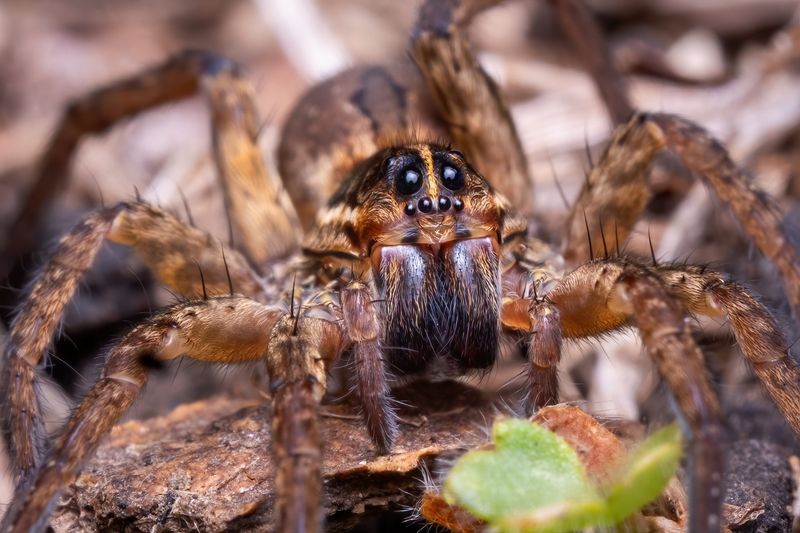
Moths dancing around a porch light look almost magical on a warm Florida night. To a wolf spider, though, that glowing bulb is like a dinner bell.
Bright lights pull in flying insects from all around the yard. Some of those bugs drop to the ground, tired and easy to catch.
Wolf spiders notice that buffet quickly. They gather near doors and windows where the light shines brightest.
Once they are that close, a small gap is all it takes. One step inside, and your hallway becomes their new hunting ground.
You do not need to sit in the dark to fix this. A few easy changes can make your home much less tempting.
Try swapping white bulbs for yellow bug lights or warm LED bulbs. Many insects are less drawn to those softer colors.
Motion sensor lights help too. They switch on only when needed, so bugs have less time to crowd around.
Another trick is to move lights away from doors. A light on a post a few feet out pulls bugs away from your entryway.
Close your blinds at night as well. Indoor light spilling through windows can attract insects to the glass.
Small lighting changes can mean fewer bugs. And fewer bugs mean fewer eight-legged guests stopping by for a late meal.
4. Damp Areas Offer Better Hunting Conditions
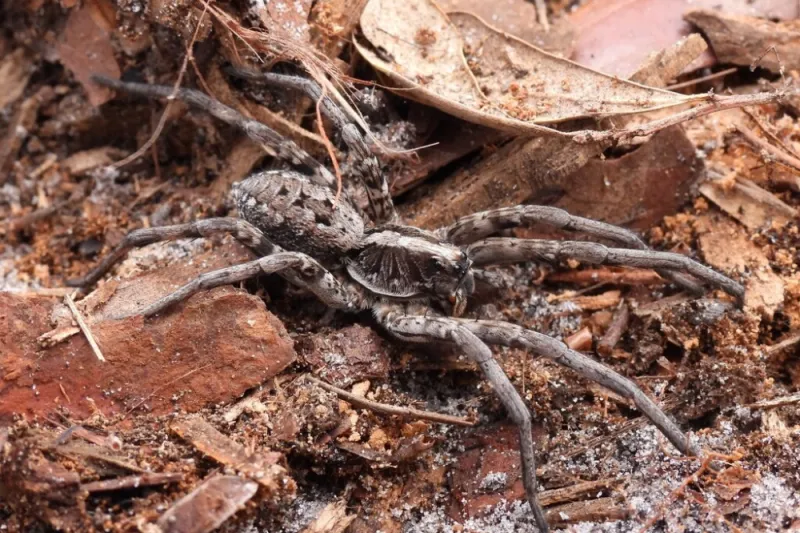
Florida is famous for sticky air that makes your hair frizz by lunchtime. Bugs love that moisture, and so do the spiders that eat them.
Damp spots inside your home can turn into busy hunting zones. Think about laundry rooms, bathrooms, and the space under your kitchen sink.
Leaky pipes and sweaty air conditioning lines add even more moisture. Roaches, silverfish, and springtails often gather in those wet places.
Where those insects gather, wolf spiders are likely to follow. It is a simple food chain happening right beside your washing machine.
So if you spot a spider in the same damp corner again and again, pay attention. That area may need some drying out.
Start by checking for drips under sinks and around toilets. Even a slow leak can keep a floor damp enough to attract bugs.
Run exhaust fans during and after showers. A dehumidifier can also help in garages, closets, or rooms that feel muggy.
Outside, make sure gutters and downspouts carry water away from your walls. Puddles near the foundation can pull bugs close to your home.
Drying things out has extra perks. It helps prevent mold, musty smells, and water damage.
A drier house is a comfier house for you. It is also a far less exciting place for hungry hunters and their prey.
5. A Wolf Spider Sighting Does Not Mean An Infestation
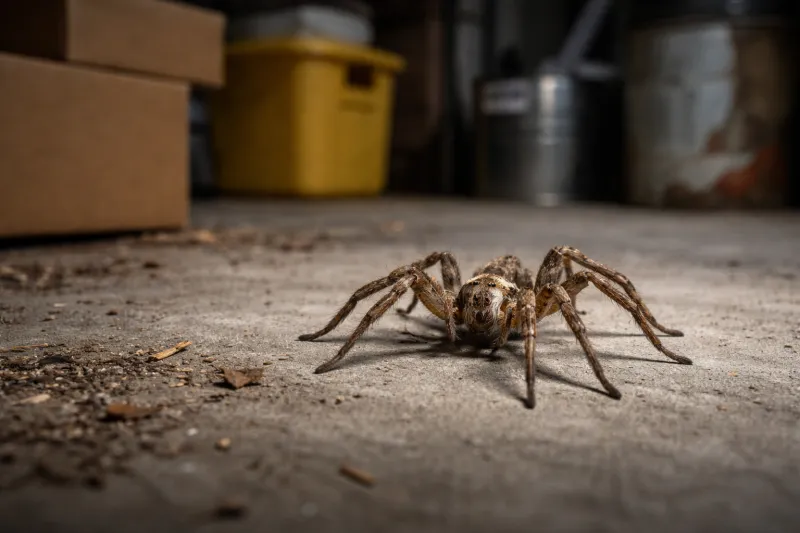
Take a deep breath. One wolf spider in your home is usually just one wolf spider.
These spiders are loners by nature. They do not build big webs or live in large groups inside walls.
Most of them wander in by accident while chasing food. After a while, they often head back out or hide in a quiet corner.
Now, here is a neat bit of trivia. Mother wolf spiders carry their babies on their backs for about a week after they hatch.
If you ever see a spider that looks fuzzy and lumpy, it may be a mom with dozens of tiny riders. Those babies usually scatter outdoors, not into your closets.
So when should you worry more? If you see several spiders every week, that could mean lots of insects are living inside.
In that case, the real issue is the bug population, not the spiders. A pest professional can help you find the source.
Wolf spiders can bite if trapped or handled, but they are not aggressive. Their bite may sting like a bee and cause mild redness in most people.
Keep a calm mind and a watchful eye. One visitor is a small surprise, not a sign that your house has been taken over.
6. Check Baseboards For Easy Entry Points
Grab a flashlight and pretend you are a detective for a few minutes. Your baseboards might be hiding tiny clues.
Wolf spiders like to travel along walls. Edges feel safer to them than open floor, so they hug the base of each room.
Small gaps between baseboards and floors can lead to hidden spaces. Those spaces may connect to wall voids, plumbing lines, or the outdoors.
In many Florida homes, tile floors and concrete slabs shift a little over the years. That movement can open narrow cracks behind trim.
Shine your light low and slowly along each wall. Look for dark lines, loose trim, or spots where the caulk has pulled away.
Pay extra attention to corners, closets, and areas near exterior walls. Rooms beside the garage or patio are common trouble spots.
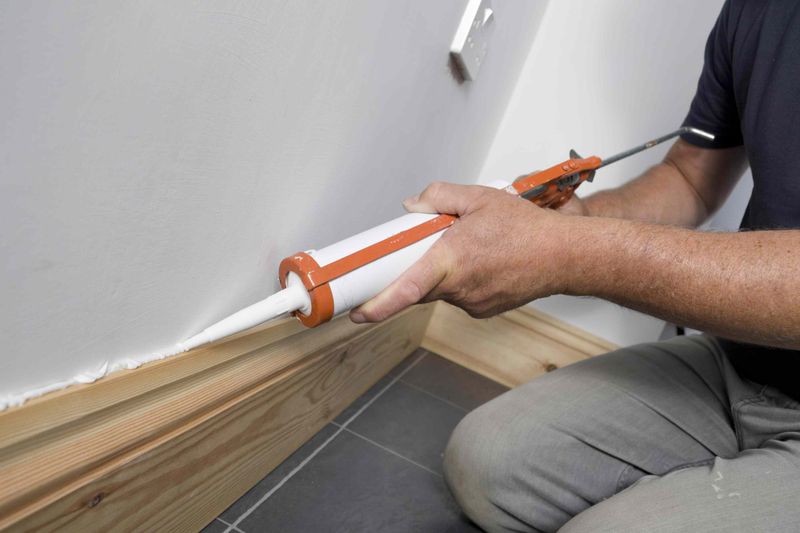
A tube of paintable caulk can fix most of these gaps quickly. Smooth it with a damp finger, let it dry, and paint over it if needed.
This small project can also make rooms look cleaner and more finished. Bonus points for keeping out dust and ants.
Kids can help too by spotting gaps with their own flashlights. Turn it into a spider-proofing scavenger hunt.
By sealing these sneaky paths, you make it harder for any crawler to roam freely.
7. Clear Clutter Where Spiders Can Stay Hidden
Remember that pile of boxes in the garage you keep meaning to sort? A wolf spider might think it is the coziest apartment in town.
These spiders like dark, quiet places to rest during the day. Clutter gives them lots of hiding spots and shelter.
Cardboard boxes are a big favorite. They soak up moisture, attract silverfish and roaches, and create perfect little caves.
Piles of shoes, laundry, or newspapers work the same way. So do stacks of firewood or pots near the back door.
Here is a simple plan. Tackle one area at a time, like the garage, a closet, or the space under the bed.
Swap cardboard boxes for plastic bins with snug lids. Lift them off the floor using shelves so you can clean underneath.
Shake out shoes, gloves, and gardening boots before putting them on. That quick habit can save you from a surprise pinch.
Outside, move leaf piles, mulch, and wood stacks away from your walls. Keeping a clear strip around your home helps a lot.
Vacuuming often is another handy trick. It removes spiders, egg sacs, crumbs, and the tiny bugs they hunt.
A tidier space feels calmer for everyone. It also leaves hiding spiders with far fewer places to set up camp.
8. Seal Gaps Without Reaching For Broad Pesticide Sprays
It is tempting to grab the strongest spray at the store. Still, a gentler plan often works better for wolf spiders.
Broad sprays can harm helpful insects, pets, and even the spiders that eat pests for free. Wolf spiders actually help control roaches and crickets.
Many sprays also fade fast in Florida heat and rain. That means you may keep spending money without solving the problem.
Blocking entry points is a smarter, longer lasting fix. Think of it as locking the doors instead of chasing burglars inside.
Start with door sweeps and fresh weatherstripping. These are cheap, easy to install, and last for years.
Use silicone caulk around windows, vents, and pipe openings. Fine mesh screens can cover attic vents and crawl spaces.
Check window screens for small tears too. A patch kit fixes holes in just a few minutes.
Sticky traps placed along walls can help you watch activity. They show where bugs and spiders travel without spraying chemicals.
If you still see lots of pests, call a professional. Many offer targeted treatments that focus only on problem areas.
This approach protects your family and the garden critters outside. It keeps your home safer while still keeping unwanted visitors out.
9. Move Wolf Spiders Outside When You Can Do So Safely
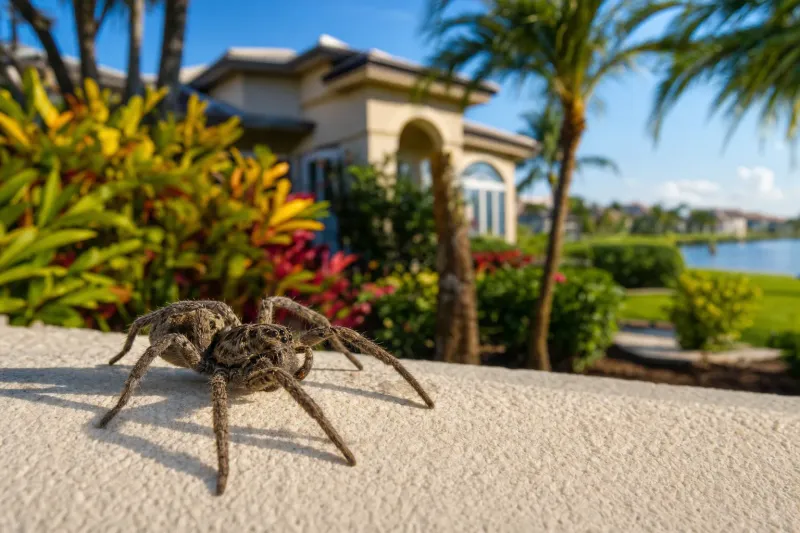
Here is a trick your grandma may have used. All you need is a cup, a piece of paper, and a little bit of courage.
Gently place the cup over the spider. Slide the paper underneath slowly so the spider walks onto it.
Hold the paper tight against the cup and carry it outdoors. Release your guest in a garden bed or near some bushes, away from your doors.
This catch-and-release method is safe and simple. It also lets the spider keep doing its job outside, eating pests in your yard.
Try not to grab a wolf spider with bare hands. A frightened spider may bite, and while it is rarely serious, it can sting and swell a bit.
If you feel nervous, wear gloves or ask another adult to help. Some people also use a long-handled spider catcher from the hardware store.
Young kids should watch from a safe distance. It can be a great chance to teach them respect for wildlife.
Did you know Florida has more than a dozen types of wolf spiders? Some even live in sandy areas and dig little burrows.
Moving them outside is kind and practical. You get your home back, and nature keeps a helpful little hunter.