When To Prune Pomegranate Trees In North Carolina For Stronger, Healthier Growth
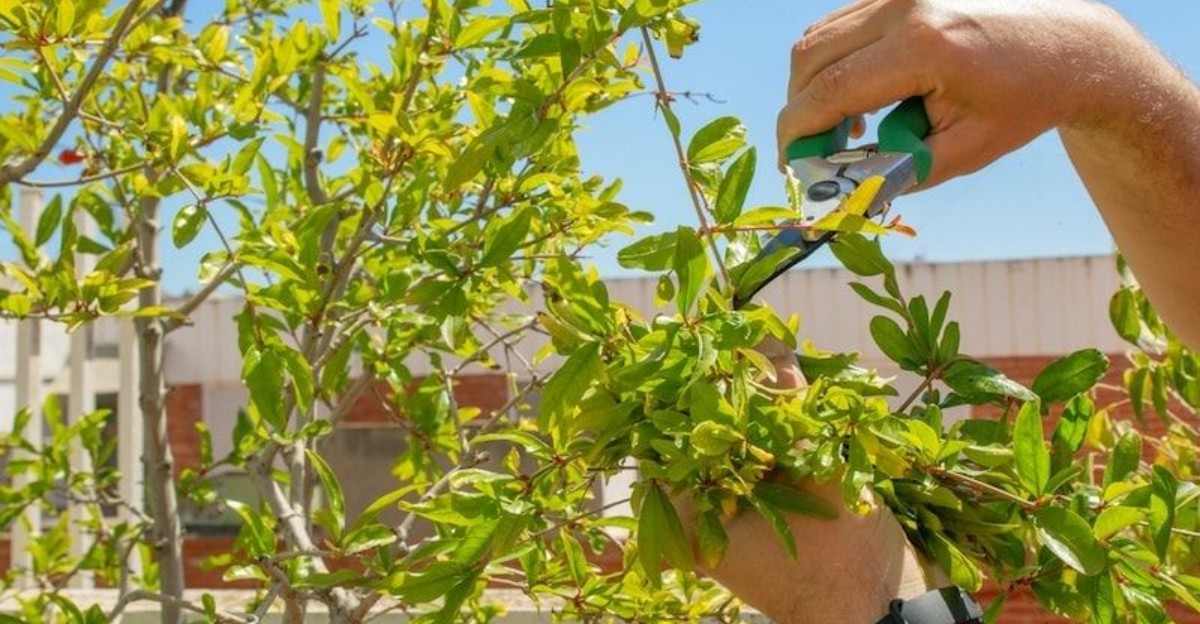
Pomegranate trees respond dramatically differently depending on exactly when pruning happens, making timing one of the most overlooked factors in whether a North Carolina tree produces abundant fruit or barely any at all.
Cutting during active growth can interrupt flower and fruit development for the current season, while pruning too late in fall leaves fresh cuts vulnerable to cold damage before they’ve had time to properly heal.
The ideal window typically falls during dormancy, when the tree has fully finished its yearly cycle but hasn’t yet begun pushing new growth for the coming season.
Because pomegranates bear much of their fruit on short spurs along older branches, understanding which branches to remove versus which to preserve directly shapes how much fruit the tree produces going forward.
Getting this timing right transforms pruning from a routine chore into one of the most impactful things a grower can do for long-term tree health.
1. Late Winter Is The Main Pruning Window
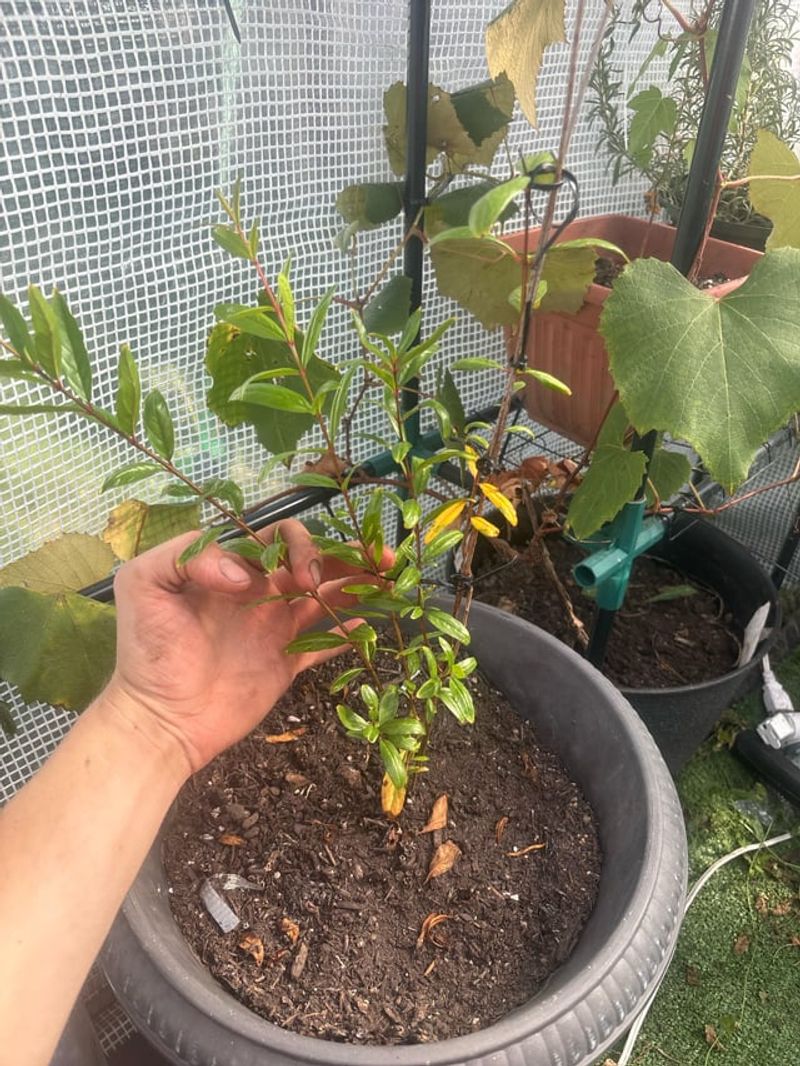
Sleepy trees make the best pruning partners. In late winter, your pomegranate is still dormant, which means it is resting and not pushing out fresh shoots.
Any cut you make now stays quiet instead of waking up tender growth that a cold night could hurt.
Bare branches give you another big advantage. With no leaves in the way, you can see every stem, crossing limb, and crowded spot clearly.
Choosing what stays and what goes feels much easier when the whole shape of the plant is right in front of you.
Good timing matters here. Plan your main pruning for the stretch just before the buds begin to swell.
Look closely at the branches every week or so as winter winds down, because plump, slightly puffy buds are your signal that spring is close.
Aim to finish before any new leaves unfold. Once the tree starts growing, it sends its stored energy out into the branches.
If you have already removed the extra stems, all that spring power flows into the branches you chose to keep, giving you stronger shoots and more flowers.
North Carolina pomegranates tend to wake up early. Our springs warm quickly, and plants here often start growing sooner than those in cooler states.
Pruning in late winter lines up perfectly with that early start, so your plant heads into a long growing season with a clean, balanced shape.
Mark your calendar, sharpen your tools, and keep an eye on those buds. A single well-timed session sets the tone for the whole year.
2. Wait Until The Worst Cold Has Passed
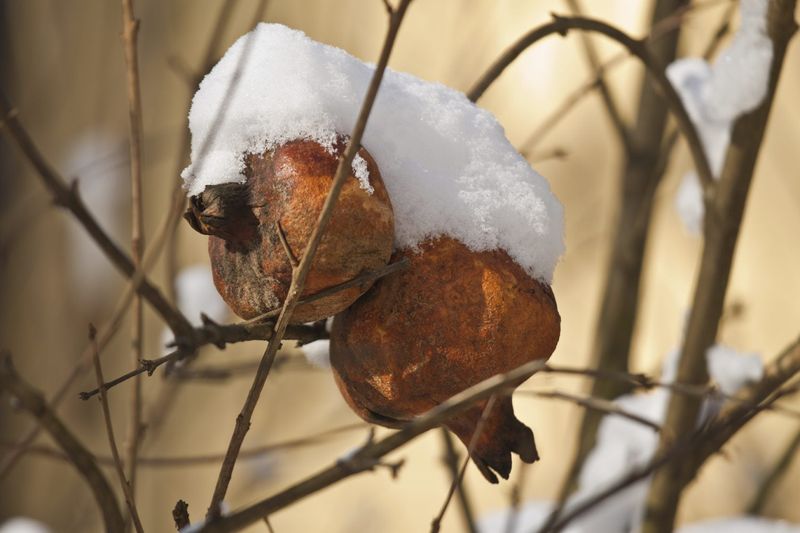
Patience pays off with pomegranates. A warm January afternoon can make any gardener itch to grab the pruners, but jumping in too early often backfires.
Fresh cuts made in the heart of winter leave open wounds right when the harshest weather may still be on the way.
Early pruning can also nudge buds to start moving. If a hard freeze follows, those eager buds can get hurt, and the branch loses its head start. Holding off keeps the plant snug and protected until conditions settle.
Your North Carolina Garden Changes Every Week. Your Plan Should Too.
Gardening in North Carolina changes quickly throughout the season. Every Friday you’ll receive a simple weekly plan showing exactly what to plant, prune, fertilize, harvest, and protect so you never miss the right timing.
Waiting has a bonus, too. By the time the coldest weeks are behind you, it becomes easier to spot which branches handled winter well and which ones struggled.
Your cuts become smarter because you have better information. So when should you start? In the Coastal Plain, where winters are milder, February usually works well.
In the Piedmont, late February to early March is a safer bet, since cold air tends to hang around longer there. Mountain growers should wait even later.
Always check the forecast before you begin. If a hard freeze is expected within the next week or two, put the pruners down and wait a little longer. A short delay costs you nothing, while a badly timed cut can set the plant back.
North Carolina winters love to play tricks. A string of sunny, sixty-degree days can be followed by a sudden plunge into the teens.
Watching the weather closely helps you dodge those surprises and keep your pomegranate on track.
3. Remove Suckers Throughout The Growing Season
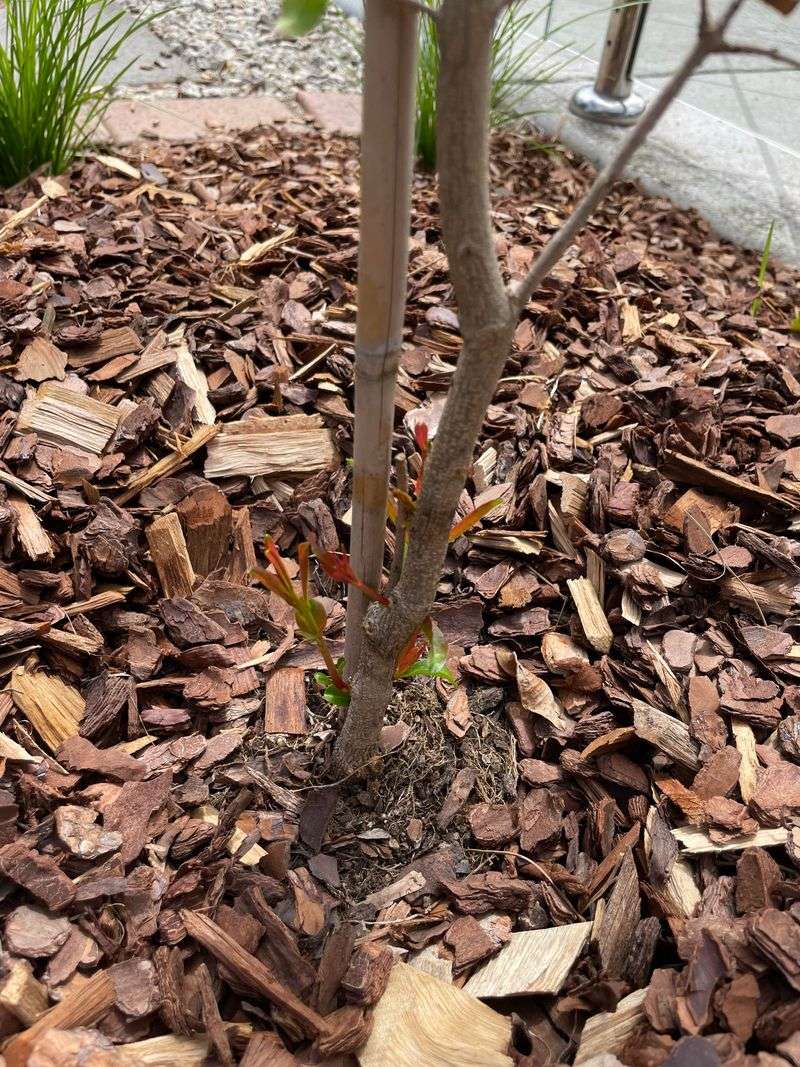
Pomegranates are enthusiastic growers, especially down low. From the base and even the roots, they keep sending up thin, fast-growing shoots called suckers. Left alone, a neat shrub can turn into a tangled thicket in just one season.
Those extra shoots cause real trouble. They crowd the center of the plant and steal energy that could go toward flowers and fruit on your main branches.
They also block airflow, and still, damp air around the base makes it harder for the plant to stay healthy.
Staying ahead of suckers is simple once it becomes a habit. From spring through summer, check the base of your plant every couple of weeks.
When you spot a new shoot, cut it off right at the ground or pull it while it is still small and soft.
Keep only the trunks you have chosen as the plant’s main framework. Everything else coming up from below can go. Small suckers are much easier to remove than woody ones, so quick action saves you work later.
Clean, sharp pruners make a big difference. A smooth cut heals faster than a ragged tear, and wiping your blades with rubbing alcohol between plants helps prevent spreading disease.
North Carolina summers bring plenty of heat and humidity, and pomegranates respond by pushing out even more suckers than usual. A quick walk around the plant with your pruners during your regular garden rounds keeps things tidy, open, and focused on fruit.
4. Keep Several Trunks For Cold Protection
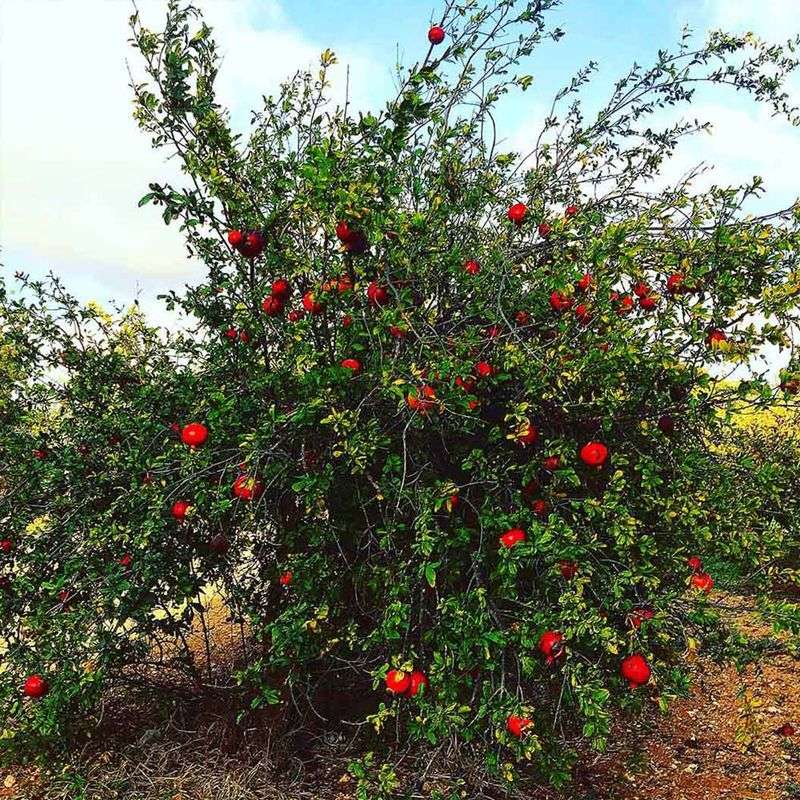
Think of extra trunks as a backup plan built right into the plant. Many North Carolina growers skip the single-trunk tree look and train pomegranates as multi-trunk shrubs instead.
That choice comes from experience with our unpredictable winters. A single trunk puts all your eggs in one basket. If a hard freeze damages it, your whole plant suffers and you may lose years of growth.
With several trunks, one can take a hit while the others keep growing and producing fruit. Multi-trunk plants also bounce back more easily.
Pomegranates naturally send up new shoots from the base, and one of those can grow into a fresh trunk to replace any that were hurt. The plant stays productive instead of starting over.
Setting this up is not complicated. Pick about three to five strong trunks that are spaced nicely around the base, with room between them for light and air. Remove any extra stems at ground level so your chosen trunks get the energy.
Over time, some trunks will get old, slow down, or pick up damage. When that happens, let a healthy young sucker grow in the right spot for a season or two. Once it is sturdy, cut the old trunk out at the base and let the new one take over.
Deep cold snaps visit North Carolina now and then, and the Piedmont feels them more than the coast. A multi-trunk pomegranate handles those rough winters with far less drama.
5. Prune Lightly To Protect Fruiting Wood
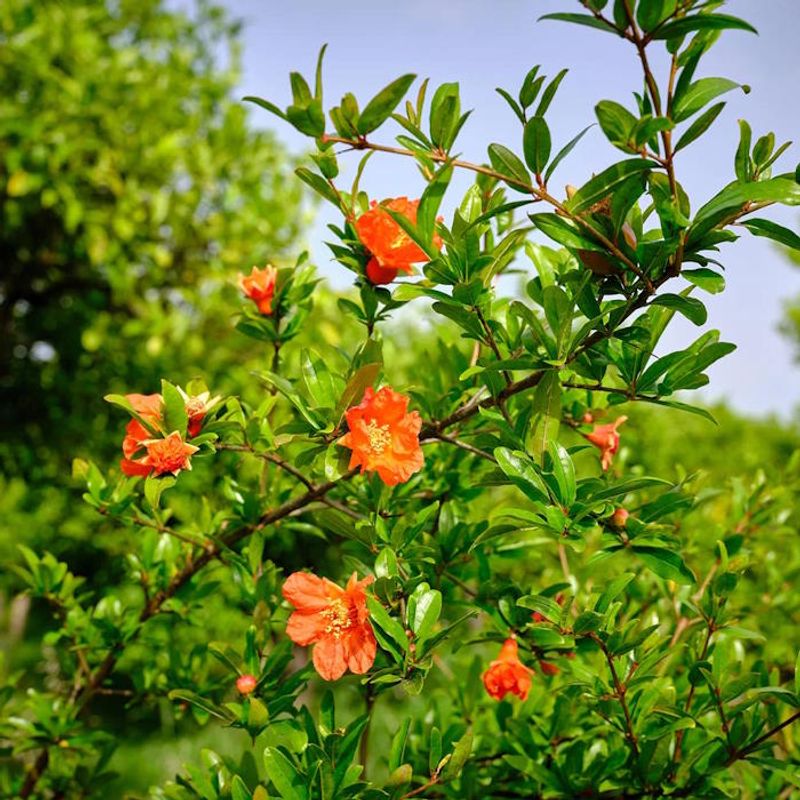
Less really is more once a pomegranate settles in. Plenty of gardeners give their plants a heavy trim each year, then wonder why the harvest keeps shrinking. The answer usually hides in the way pomegranates make their fruit.
Much of the crop forms on short spurs along older branches. Those little knobby shoots produce the flowers that turn into pomegranates.
Cut away too much older wood, and you remove the very parts that would have given you fruit.
Heavy pruning also sends the plant into overdrive. It responds with lots of long, leafy shoots that look lush but carry few flowers. You end up with a big green bush and a small basket of pomegranates.
A lighter touch works better. Each year, remove only what truly needs to go, such as broken branches, stems that cross and rub, or spots that feel crowded. Step back often while you work so you can judge the overall shape.
Skip the hedge trimmers. Shearing a pomegranate into a tight ball or box shape chops off countless flowering tips and fruiting spurs all at once. Hand pruners let you make careful, thoughtful cuts instead.
Keep most healthy older branches right where they are. They are your fruit factories, and they get more productive with age.
North Carolina gives pomegranates a long growing season with plenty of warmth. Light pruning helps the plant use that time wisely, balancing new growth with steady flowering so you enjoy both a healthy shrub and a generous harvest.
6. Thin The Center For Better Airflow
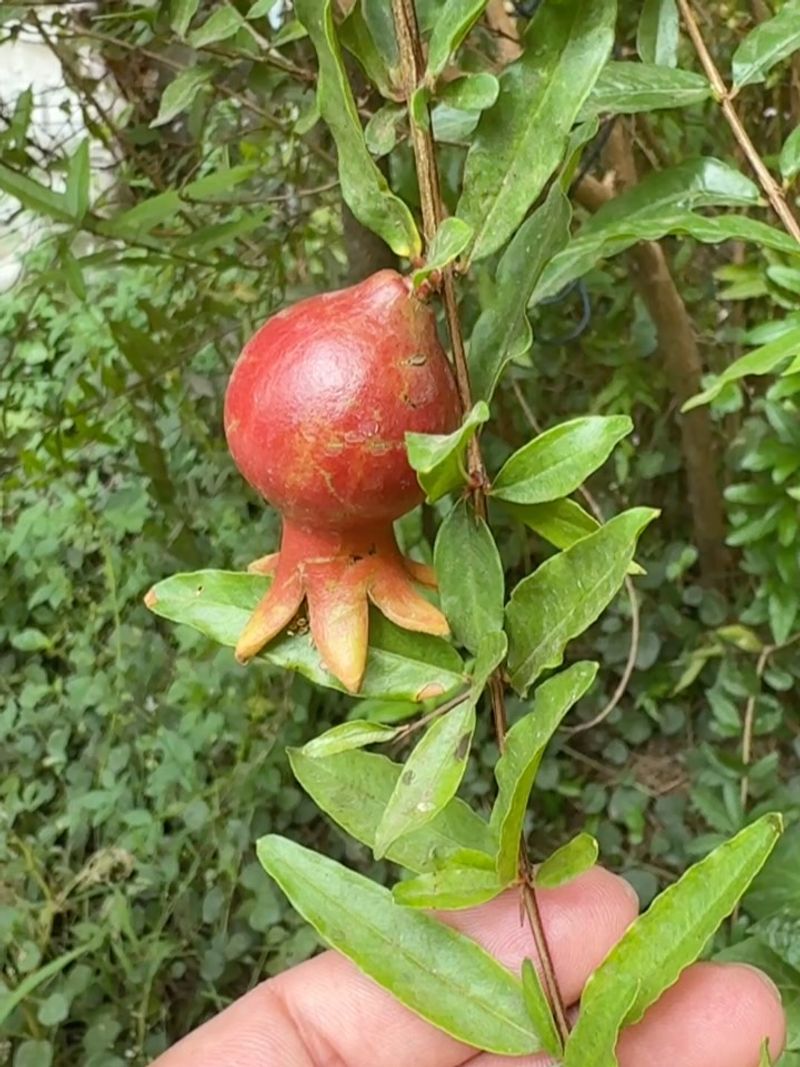
Sunlight and fresh air are two of the best medicines a pomegranate can get. When the inside of the plant becomes a thick jumble of branches, both of those helpers get locked out. Trouble often follows close behind.
Dense growth holds moisture after rain and morning dew. Leaves and fruit stay wet longer, which gives fungal diseases a perfect place to settle in.
Leaf spots and fruit spots are common problems on crowded pomegranates, and they can ruin the look and quality of your harvest.
Shade inside the canopy causes another issue. Branches that sit in constant shadow produce fewer flowers, so the center of the plant ends up mostly bare of fruit.
Opening things up lets the whole plant join in. Late winter pruning is the ideal time to thin. Look for branches growing inward toward the middle, and remove them first.
Next, find limbs that cross over each other or rub together, since that rubbing wears away bark and creates entry points for disease.
Keep going until light can reach the inside of the plant and a breeze could pass through easily. A simple test works well: you should be able to see some sky through the canopy from the outside.
Stop before the plant looks sparse, though. North Carolina summers are famous for sticky heat and heavy humidity. Those conditions are exactly what fungal problems love, especially on packed, shady plants.
A well-thinned pomegranate dries quickly and stays much healthier through the steamy months.
7. Cut Back Cold Damage After New Growth Appears
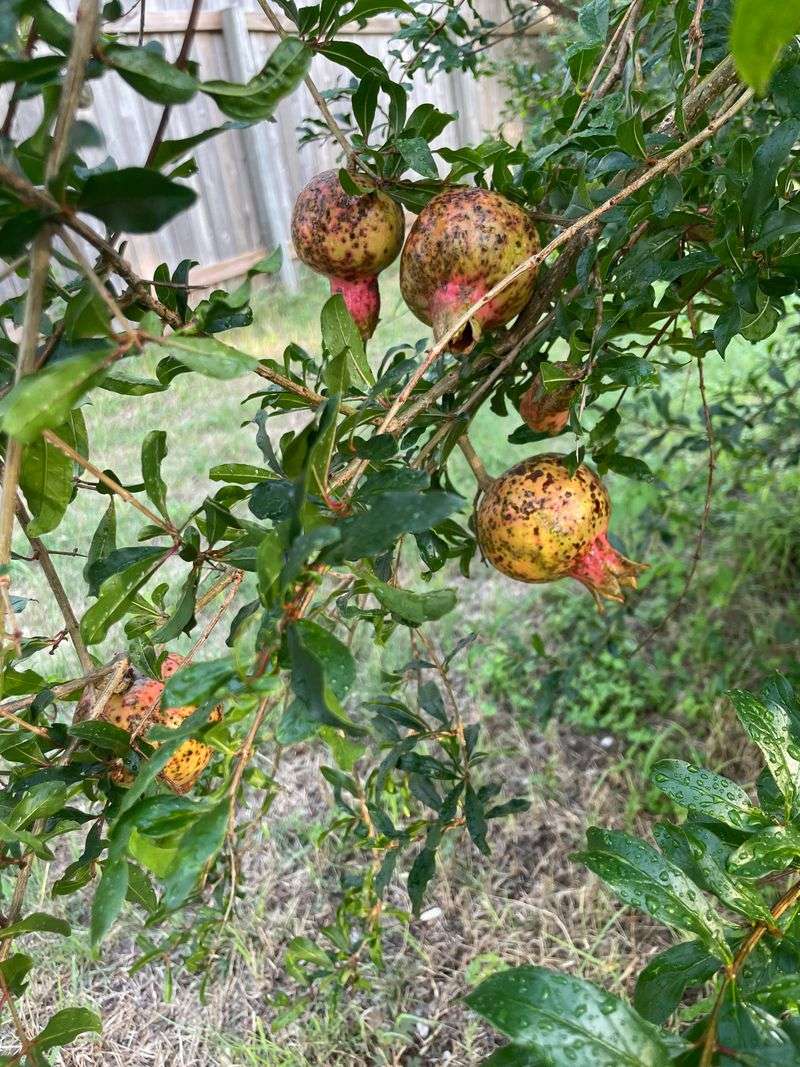
After a rough winter, a pomegranate can look pretty rough, with gray, brittle-looking branches everywhere. Your first instinct might be to cut it all back right away. Hold that thought for a few more weeks.
Telling damaged wood from healthy wood is tricky before spring growth starts. Branches that look hopeless in February often surprise you by leafing out in April. Cutting too early can remove wood that would have recovered just fine on its own.
Let the plant show you what it needs. Wait until new leaves begin appearing in spring, then take a careful walk around your pomegranate.
Branches with fresh growth are clearly fine, while silent ones need a closer look. A quick scratch test helps. Use your thumbnail or a small knife to gently scrape a tiny bit of bark.
Bright green tissue underneath means the wood is alive, while brown, dry tissue means that section was hurt by cold.
Work your way down each damaged branch, testing as you go. Cut back to the point where you find healthy green wood, making your cut just above a bud or side shoot. If an entire stem shows no new growth at all, remove it at the base.
Across North Carolina, cold damage has a sneaky way of hiding until warm weather returns. A branch may seem okay in winter and only reveal problems once the rest of the plant greens up.
Waiting keeps you from guessing and helps you save every healthy branch possible.
8. Avoid Pruning In Late Summer And Fall
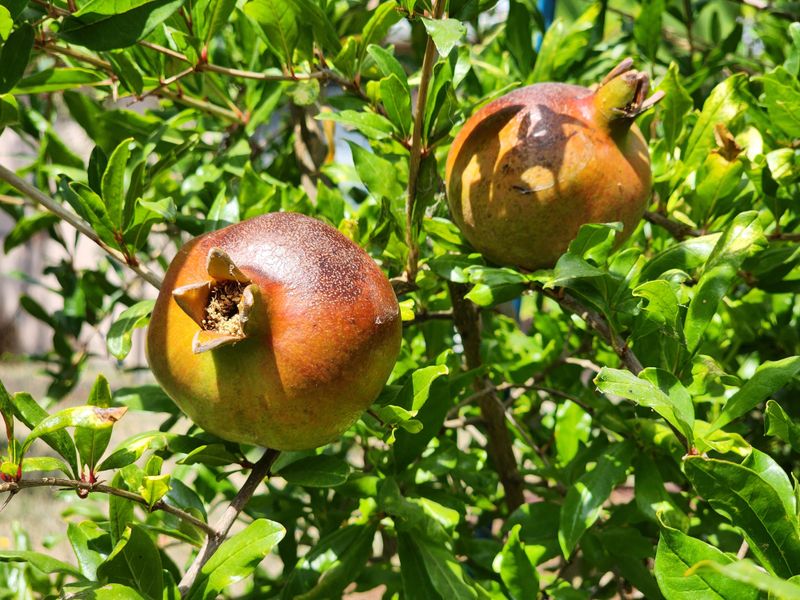
Autumn brings ripe pomegranates, cooler mornings, and a strong urge to tidy up the garden. For your pomegranate, though, this is a season to keep the pruners mostly in the shed.
Heavy cuts now can create headaches later. Here is why. Pruning signals the plant to grow, and late in the year that response comes at a bad time.
Fresh shoots pop out, but they have only a few weeks before cold weather arrives. Tender new growth needs time to harden, which means its tissue toughens up to handle cold. Shoots that start in late summer or fall simply run out of time.
When the first freeze hits, that soft growth gets damaged easily, and sometimes the harm spreads further into the branch.
Some light work is still fine. Go ahead and remove suckers popping up from the base, since they only steal energy.
Snap off or trim broken branches, too, especially after a storm, because a clean cut beats a torn limb.
Save everything else for later. Shaping, thinning, and any bigger structural cuts belong in your late winter pruning session.
Jot down a quick note about branches you want to change so you remember when the time comes.
North Carolina falls tend to be long and warm, stretching well into October and sometimes beyond. That mild weather can keep a pomegranate growing if late pruning encourages it.
Letting the plant slow down naturally helps it head into winter tougher and better prepared.
9. Shape Young Trees In Their First Few Years
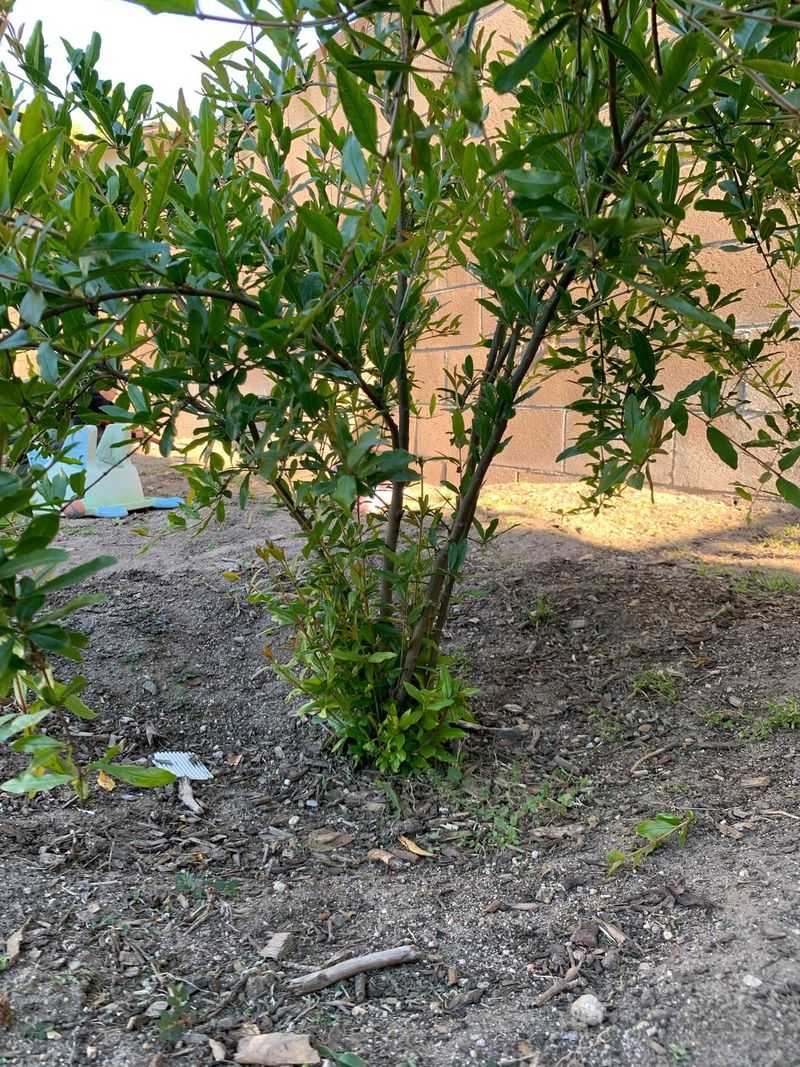
Every great pomegranate starts with a few smart cuts. The choices you make in the first few years build the frame your plant will lean on for decades. Get the foundation right, and future pruning becomes quick and easy.
Early training creates a sturdy structure of well-spaced trunks and branches. That strong framework holds heavy fruit without breaking and stands up better to wind, ice, and summer storms.
A plant left to grow wild often ends up weak and cluttered. Start right at planting time. Cut the young plant back a bit, which encourages it to branch low and send up several new shoots.
Low branching gives you more choices when picking your main trunks. Over the next season or two, choose three to five strong shoots that are evenly spaced around the base. Those become your main trunks.
Remove weaker or crowded stems so the chosen ones get plenty of energy and room. Each late winter, give the young plant a gentle checkup. Take out thin, weak, or tangled stems, and remove any branches heading into the center.
Keep your cuts modest so the plant can build size and start flowering. Stay on top of suckers all season long, too. Young pomegranates push out plenty of them, and quick removal keeps your shape clean.
In North Carolina, cold snaps and strong storms roll through from time to time. A well-shaped young pomegranate recovers from those setbacks much more easily, rewarding your early effort with many seasons of beautiful fruit.