Yard Mistakes North Carolina Gardeners Make That Turn Their Property Into A Tick Hotspot
Tick pressure across North Carolina has intensified in recent years, and while some of that increase comes down to broader environmental factors, a significant portion of it is driven by specific yard conditions that homeowners are creating without realizing it.
Certain landscaping habits, plant choices, moisture patterns, and lawn care routines produce exactly the kind of environment ticks need to survive, reproduce, and stay active through more of the year than they otherwise would.
The frustrating part is that most of these mistakes look completely reasonable on the surface and are often made by gardeners who are otherwise quite attentive to their outdoor spaces.
Identifying and correcting even a few of them can meaningfully reduce tick activity across the entire property within a single season.
1. Overgrown Shrubs And Dense Undergrowth

Walk along the edge of a yard with untrimmed shrubs and tangled undergrowth, and you are basically stepping through prime tick territory.
Ticks absolutely love shaded, damp spaces where humidity stays high and sunlight barely reaches the ground.
In North Carolina, where summers are steamy and rainfall is generous, overgrown shrubs and dense understory plants create exactly those conditions along fences, tree lines, and garden borders.
Ticks do not jump or fly. They wait on low vegetation with their legs outstretched, a behavior called questing, and latch onto passing hosts.
Dense shrubs give them countless perches and protect them from drying out in the heat. When you let native bushes, ornamental shrubs, or wild undergrowth grow unchecked, you are essentially building a tick apartment complex right next to your patio.
The good news is that regular pruning makes a big difference. Trim shrubs so their lower branches sit at least a foot above the ground, allowing air and sunlight to reach the soil beneath.
Clear out any tangled vines, wild saplings, or volunteer plants growing along your property edges at least twice a year.
In North Carolina, aim for a thorough cleanup in early spring before tick season peaks and again in late summer.
Keeping these border zones open, sunny, and well-ventilated removes the sheltered, humid microhabitat that ticks depend on for survival.
A neatly maintained shrub line is genuinely one of the simplest and most effective steps you can take.
2. Tall Grass And Unmown Lawns
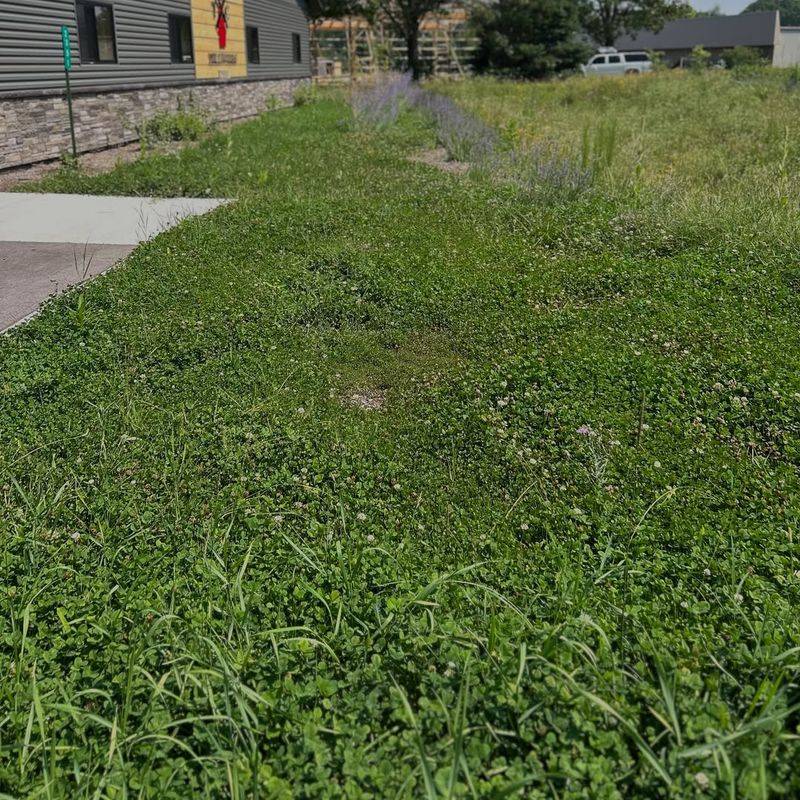
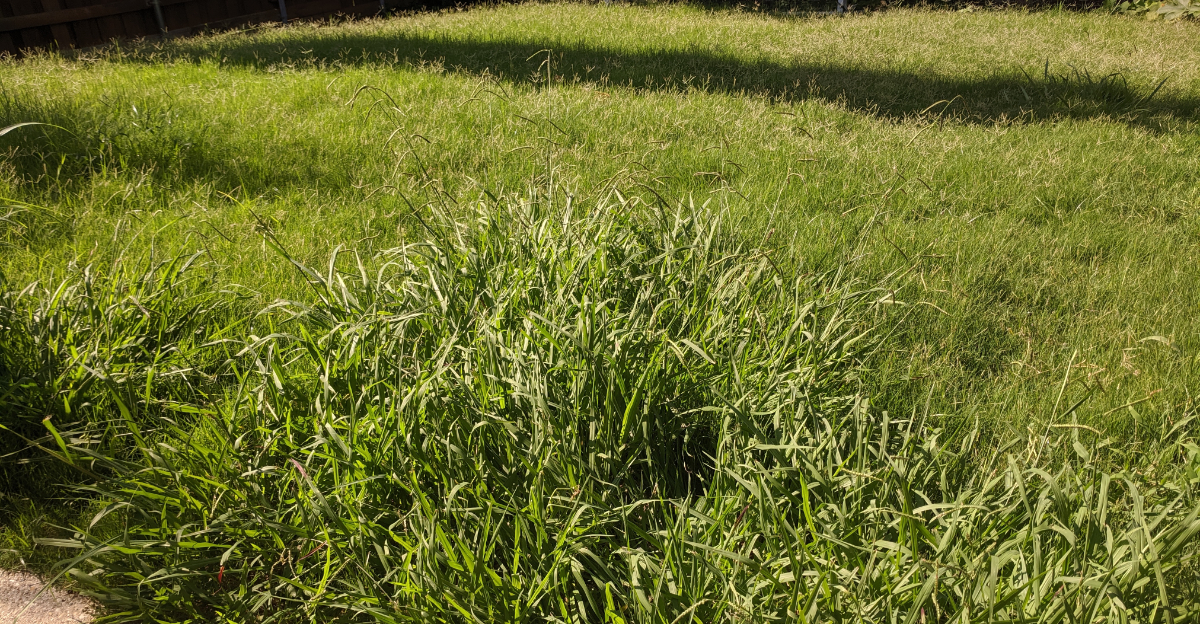
Tall grass is one of the most common tick traps hiding in plain sight.
When your lawn grows beyond three to four inches, the dense grass blades trap moisture close to the ground and create a shady, cool layer at soil level.
That combination of humidity and shade is exactly what ticks need to stay hydrated and active.
North Carolina’s warm growing season means grass can shoot up fast, especially after spring rains, making regular mowing more important than most people realize.
American dog ticks, lone star ticks, and black-legged ticks are all common across North Carolina.
All three species prefer to quest from tall grass stems and weedy patches rather than short, open turf.
A well-mowed lawn with grass kept at two and a half to three inches dramatically reduces the surface area where ticks can hide and wait for a host.
Your North Carolina Garden Changes Every Week. Your Plan Should Too.
Gardening in North Carolina changes quickly throughout the season. Every Friday you’ll receive a simple weekly plan showing exactly what to plant, prune, fertilize, harvest, and protect so you never miss the right timing.
Short grass also dries out faster after rain, cutting off the humidity ticks need to survive. For North Carolina yards, plan on mowing every five to seven days during peak growing season, which typically runs from April through October.
Pay extra attention to areas near wooded edges, fence lines, and garden beds where grass tends to grow taller and get missed.
After mowing, bag your clippings rather than leaving them on the lawn, since clumps of cut grass can hold moisture and create small pockets of humidity at ground level.
Consistency with mowing is one of the easiest, most budget-friendly tools in your tick-prevention toolkit.
3. Leaving Leaf Litter And Debris

Picture a thick pile of fallen leaves sitting in the corner of your yard all winter long. Beneath that cozy layer, moisture builds up, temperatures stay mild, and the perfect tick refuge takes shape.
Leaf litter is one of the most overlooked tick habitats in residential yards, and in North Carolina, where oak, maple, and sweetgum trees drop enormous quantities of leaves each fall, the problem can get out of hand quickly if you skip cleanup season.
Ticks, particularly the black-legged tick responsible for Lyme disease transmission, actively seek out leaf litter to overwinter and lay eggs.
Piles of leaves, old wood chips, and garden debris like spent plant stalks all create layered, insulated environments where ticks can hide from temperature swings and dry conditions.
Even a modest pile near a play area or garden path can harbor a surprising number of ticks waiting for spring. Raking and removing leaves promptly in fall is the most effective strategy.
In North Carolina, aim to complete your major leaf cleanup by late November before ticks settle in for the cooler months.
Avoid letting leaves accumulate against the house foundation, along fence lines, or under dense shrubs.
If you compost, keep your compost pile well away from high-traffic areas and turn it regularly to disrupt any ticks that may have moved in.
For wood chip mulch in garden beds, keep the layer thin, around two inches or less, and refresh it annually so it does not become a thick, damp mat that ticks find irresistible.
4. Planting Tick-Attracting Species Near Play Or Seating Areas
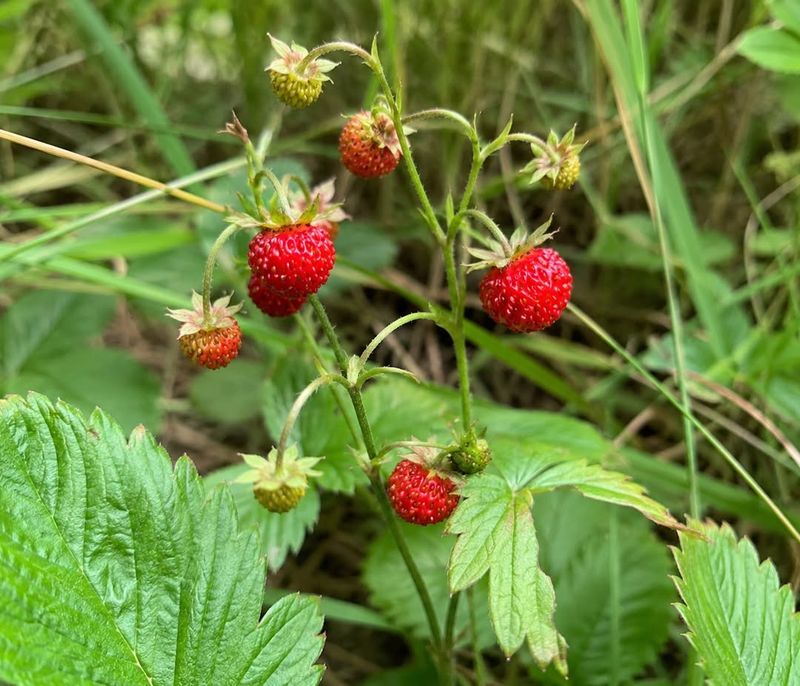
Beautyberry, pokeweed, wild strawberry, and dense berry-producing shrubs might look charming in a North Carolina garden, but placing them right next to your deck, play set, or fire pit area can quietly invite trouble.
These plants attract deer and small rodents like mice and voles, which are two of the most important tick host animals in the eastern United States.
More hosts nearby means more ticks feeding, reproducing, and eventually questing in your yard. Deer are incredibly efficient tick carriers.
A single white-tailed deer can carry thousands of ticks at once, and when deer browse through your garden near seating areas, they drop ticks directly into spaces where your family spends the most time.
Rodents play a similar role, especially with black-legged ticks, since mice are actually the primary reservoir for the bacteria that causes Lyme disease.
Planting rodent and deer favorites close to high-use zones essentially rolls out a welcome mat for both the animals and the ticks they carry.
Relocating these plants to the far edges of your property, away from where people gather, significantly reduces the risk.
Consider replacing fruiting shrubs near patios with less attractive alternatives like lavender, rosemary, or native ornamental grasses, which do not draw deer or rodents in the same way.
If you love berry-producing plants, keep them trimmed and plant them at least 30 feet from play or seating zones.
Adding a gravel or mulch buffer between garden plantings and lawn areas can also help slow tick migration toward the spaces your family uses most.
5. Ignoring Perimeter Maintenance

The border between your yard and the surrounding woods or brush is ground zero for tick migration. Ticks do not typically breed in the middle of a sunny, well-mowed lawn.
They move in from the edges, traveling through vegetation that connects wild areas to maintained spaces.
In North Carolina, where many neighborhoods sit right alongside forests, creek corridors, and natural buffer zones, ignoring your property perimeter is one of the fastest ways to invite a tick population into your garden.
Research from the Centers for Disease Control and Prevention and university extension programs consistently shows that the majority of tick encounters happen within a few feet of the lawn edge nearest to wooded or brushy areas.
When you allow weeds, tall grass, and wild plants to grow unchecked along your fence line or property boundary, you create a seamless highway for ticks to travel from wild habitat directly into your yard.
Deer and rodents use these same corridors, compounding the problem. Creating a defined barrier zone along your perimeter is one of the most practical upgrades you can make.
A strip of wood chip mulch or pea gravel about three feet wide placed between your lawn and any adjacent wooded area acts as a physical and environmental barrier.
Ticks prefer not to cross open, dry surfaces, so that buffer zone interrupts their movement effectively. Keep the vegetation along your property edge trimmed short and clear of debris.
In North Carolina, inspect and refresh your perimeter barrier each spring before tick season ramps up for the most consistent protection throughout the year.
6. Overwatering And Poor Drainage
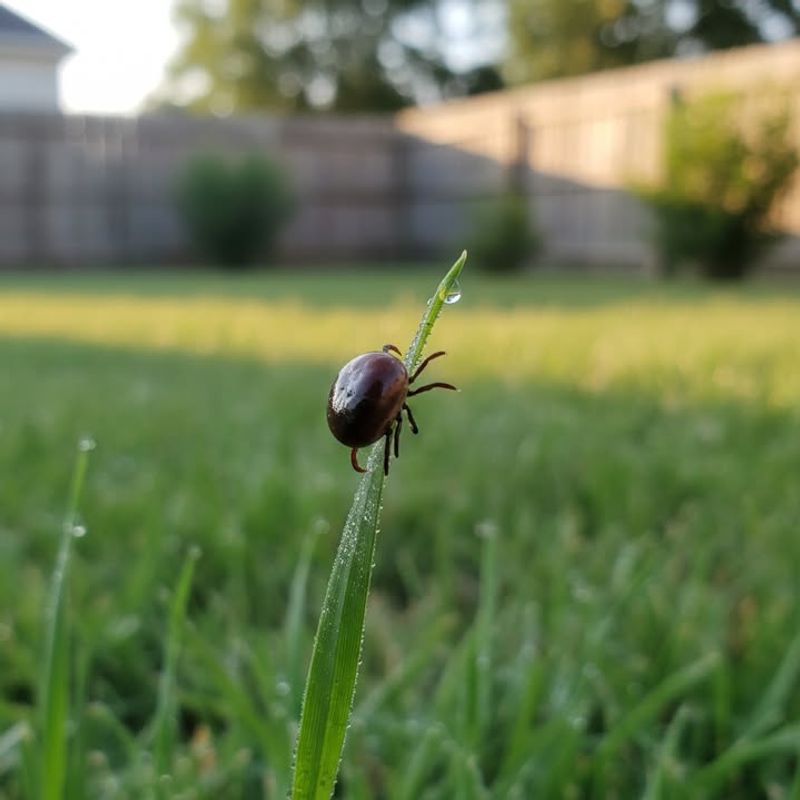
Moisture is the single biggest factor in tick survival. Ticks are highly vulnerable to drying out, a process called desiccation, and they actively seek environments where humidity stays above 80 percent.
Yards with overwatered lawns, clogged gutters, low-lying soggy patches, or poor soil drainage create exactly the moist, humid conditions that allow ticks to thrive even during dry spells.
In North Carolina’s already humid climate, adding extra moisture through overwatering can tip a manageable yard into a genuine tick hotspot.
Many homeowners water their lawns on a fixed timer schedule without adjusting for rainfall or seasonal changes.
That habit leads to chronically wet soil, especially in shaded areas or spots with clay-heavy soil, which is extremely common across the Piedmont and coastal plain regions of North Carolina.
Soggy ground also encourages the growth of dense moss and low groundcover plants that further shelter ticks from sun and wind.
The result is a microclimate where ticks can stay active and reproduce well beyond what the surrounding environment would normally allow.
Fixing drainage issues and updating your irrigation habits can genuinely change the tick population dynamics in your yard.
Water your lawn deeply but infrequently, aiming for about one inch per week including rainfall, and always water in the morning so the soil surface has time to dry before evening.
For chronically wet areas, consider regrading the soil to improve runoff, installing French drains, or replacing turf with drought-tolerant native plants that do not need supplemental watering.
Reducing standing moisture removes one of the core resources ticks depend on to stay active across North Carolina’s long warm season.
7. Dense Groundcover Without Airflow
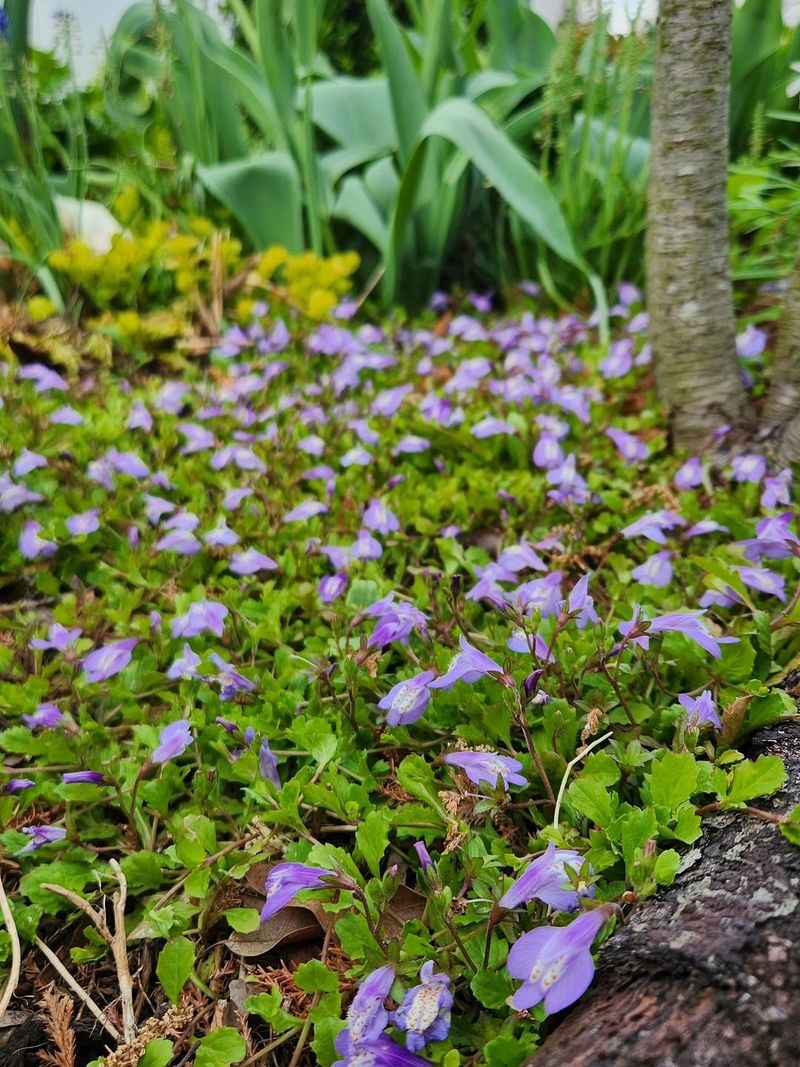
Ivy, vinca, pachysandra, and creeping Jenny are popular groundcover choices in North Carolina yards because they fill in bare spots quickly and look tidy with minimal effort.
The downside is that these dense, low-growing plants form a thick mat close to the soil surface that traps moisture, blocks sunlight, and creates a dark, humid layer that ticks absolutely favor.
When groundcover plants grow wall to wall without any gaps for air circulation, the environment beneath them stays cool and damp even on warm, breezy days.
Unlike taller plants where sunlight and wind can reach the soil, dense groundcovers essentially seal the ground from drying conditions.
Tick nymphs, which are the smallest and hardest-to-spot life stage, are especially dependent on moisture-rich microhabitats like these.
Finding dozens of nymphs hiding under a solid mat of English ivy near a patio is not unusual in North Carolina gardens where these plants have been left to spread unchecked for several seasons.
Swapping out invasive or ultra-dense groundcovers for native alternatives with better spacing makes a meaningful difference.
Native plants like wild ginger, green-and-gold, or lyre-leaf sage offer attractive ground coverage while allowing more airflow and light to reach the soil.
If you want to keep existing groundcovers, thin them out every year or two by pulling back sections to create open patches that allow the ground to dry.
Keeping groundcover plants away from high-traffic areas like walkways, patios, and play zones also reduces the chance of casual tick contact during everyday outdoor activities in your North Carolina garden.
8. Attracting Deer And Rodents

Deer and rodents are the two most important tick hosts in North Carolina, and many well-meaning gardeners unknowingly roll out the red carpet for both.
Bird feeders that drop seeds on the ground, vegetable gardens without fencing, deer-favored ornamentals like hostas and arborvitae, and open compost bins all send a clear invitation to wildlife.
When deer and rodents visit regularly, they bring ticks with them and leave newly fed ticks behind in the very spaces where your family spends time outdoors.
White-tailed deer populations in North Carolina are substantial, and suburban deer have become remarkably comfortable browsing in residential yards.
A deer moving through your garden can drop hundreds of ticks in a single visit.
Mice and voles are equally problematic because they are the primary host for black-legged tick larvae, essentially serving as a tick nursery that keeps populations growing season after season.
Reducing wildlife traffic on your property is not about harming animals.
It is about making your yard less appealing so they choose to browse elsewhere. Practical steps make a real impact here.
Switch to covered or squirrel-proof bird feeders mounted high enough that fallen seeds do not pile up on the ground.
Fence vegetable gardens with wire mesh or deer netting at least eight feet tall to deter deer effectively.
Replace deer-favored plants near the house with deer-resistant species like catmint, salvia, or ornamental alliums. Keep compost in a sealed bin rather than an open pile.
These adjustments reduce the wildlife traffic that fuels tick populations, making your North Carolina yard safer and more enjoyable for the whole family throughout the outdoor season.