What October Rain Means For Powdery Mildew On Your North Carolina Squash
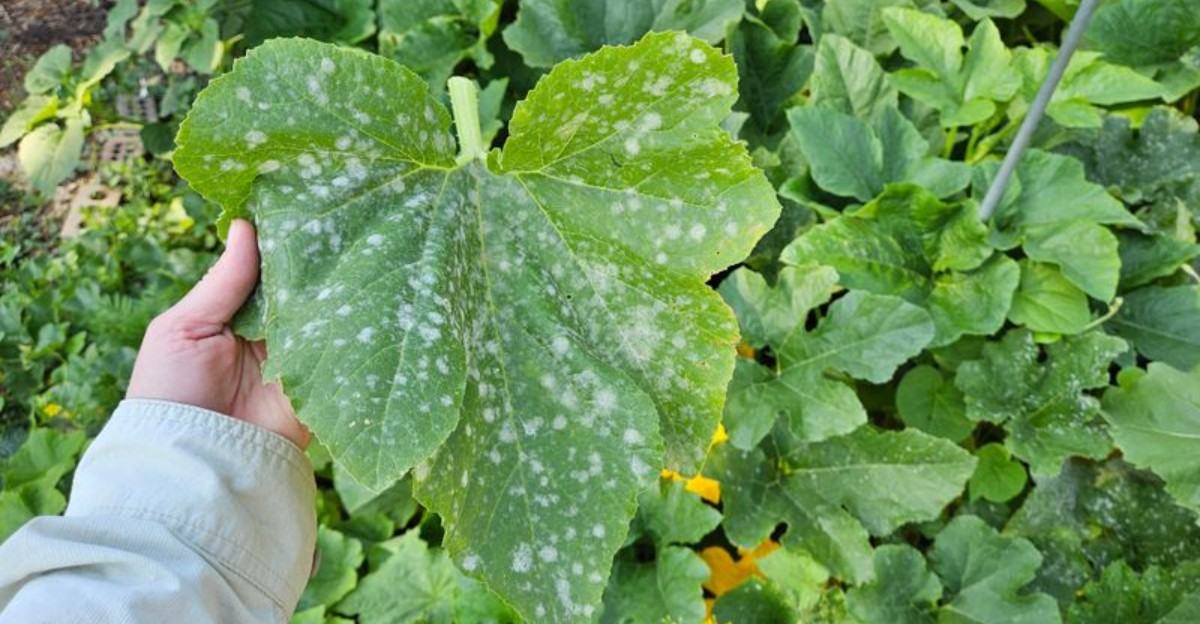
A wet October might feel like a relief after a dry summer, but for squash plants still producing in North Carolina gardens, extended rain often sets the stage for a serious powdery mildew outbreak.
This fungal disease thrives in the humid, overcast stretches between rain events, when warm days, cool nights, and still air let it spread without needing wet leaves at all.
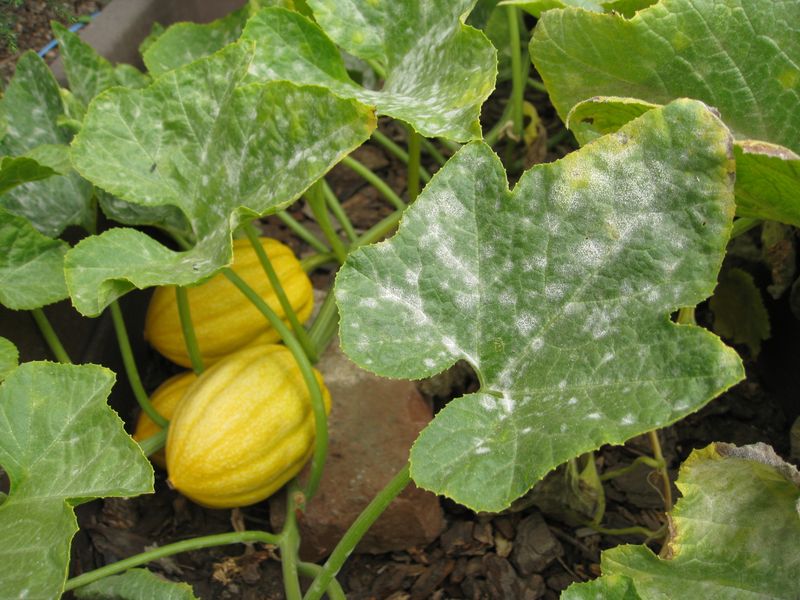
Once established, the telltale white, powdery coating spreads rapidly across leaf surfaces, blocking photosynthesis and weakening plants right as they should still be producing a final harvest.
Because October’s warm days, cool nights, and humid air suit this fungus so well, a muggy fall stretch can spread it faster than many gardeners expect.
Watching the forecast and adjusting watering habits accordingly can mean the difference between salvaging the last of a squash harvest and losing it to mildew almost overnight.
1. Rain Doesn’t Help Powdery Mildew The Way You Might Think
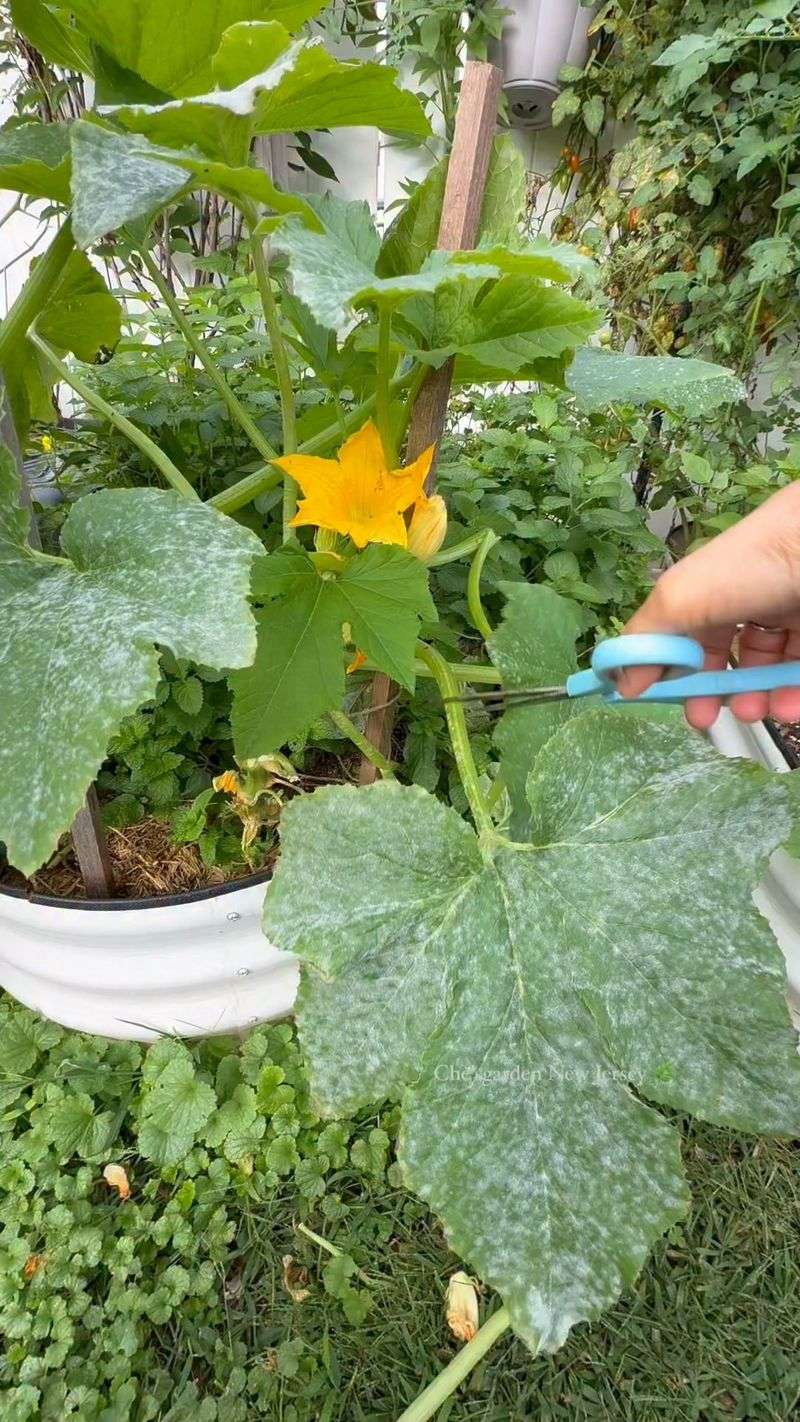
Most leaf diseases love a good soaking, but powdery mildew plays by a different set of rules. Its spores do not need wet leaves to start an infection. In fact, water sitting on a leaf can slow spore sprouting and even rinse some of the spores away.
That surprises a lot of gardeners. After a heavy October storm, your squash leaves might look cleaner and greener for a few days. You may even think the problem has cleared up on its own.
Sadly, the break rarely lasts. Once the clouds move out and humid, drier weather settles in, those white, flour-like patches usually creep right back. The fungus was still living on the leaf, just waiting for better conditions.
Understanding this pattern helps you plan smarter. Instead of worrying during every rainy stretch, pay closer attention to the calm, muggy days that follow. That is when new spots tend to appear and spread from leaf to leaf.
North Carolina gardeners often point the finger at October rain for every yellow or spotted leaf in the patch. It makes sense, since fall storms can be frequent and dramatic across the Piedmont and coastal plain.
Still, powdery mildew does its best work in the dry, sticky gaps between those storms. So the next time a front rolls through, use the clean-looking leaves as a chance to inspect your plants closely.
Jot down which ones had the most white growth before the rain. Those plants will likely need attention first once the sun returns.
2. Humid Air And Cool Nights Are The Real Drivers
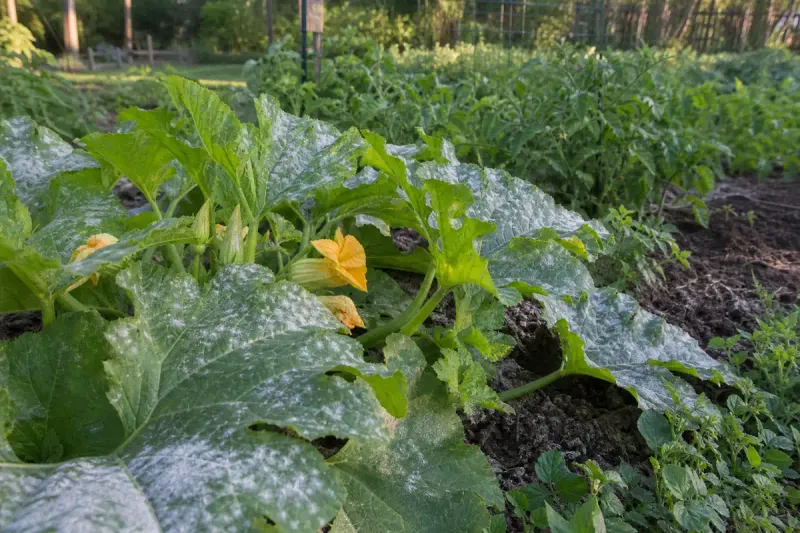
Warm afternoons, crisp nights, and sticky air make a perfect recipe for powdery mildew. The fungus grows fastest when days feel pleasant, nights cool down, and humidity stays high, all without leaves staying soaked.
Fall delivers that exact mix almost every year. Think about a typical October week in North Carolina.
Afternoons might reach the upper 70s, nights drop into the 50s, and you wake up to lawns sparkling with dew. Your squash plants feel that swing too, and the fungus thrives on it.
Your North Carolina Garden Changes Every Week. Your Plan Should Too.
Gardening in North Carolina changes quickly throughout the season. Every Friday you’ll receive a simple weekly plan showing exactly what to plant, prune, fertilize, harvest, and protect so you never miss the right timing.
Good news, though. A few simple habits can make your garden far less friendly to this unwanted guest. Start by giving plants enough room so breezes can move through the leaves and dry the air around them.
Weeds matter more than many people realize. Tall grass and weeds crowding a squash bed trap moist air close to the plants, so pull them regularly and keep the area tidy. You will also make it harder for pests to hide.
Watering style makes a difference as well. Aim your hose or drip line at the base of each plant, and water in the morning so any splashes dry quickly during the day. Evening watering keeps the air around leaves damp through those cool nights.
Finally, make scouting a routine. Every few days, flip a few leaves and check both the tops and undersides for tiny white spots about the size of a pencil eraser. Catching powdery mildew early gives you many more options for keeping it under control.
3. Don’t Confuse It With Downy Mildew
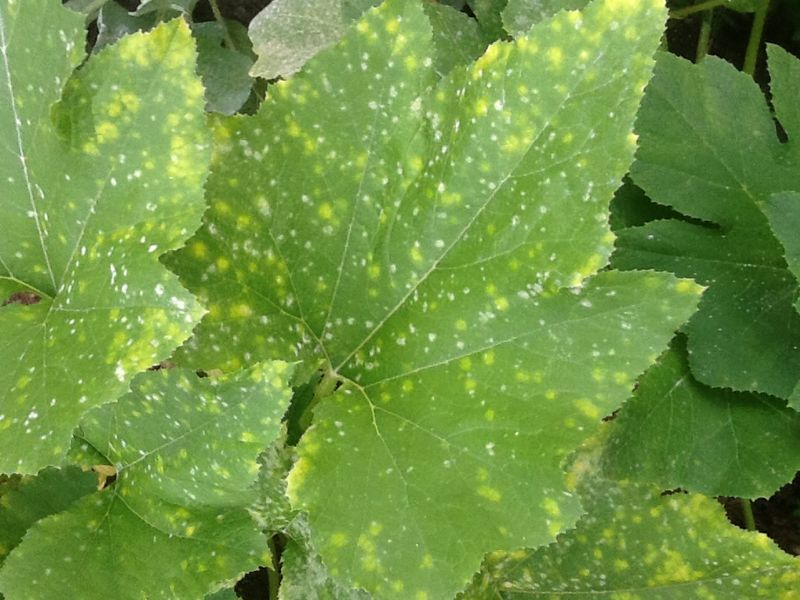
Two diseases, similar names, very different behavior. Downy mildew and powdery mildew both attack squash, cucumbers, melons, and pumpkins, and gardeners mix them up all the time. Telling them apart can save your crop.
Here is why the difference matters so much. Downy mildew actually loves rain and wet leaves, and it can race through a planting and badly damage leaves in just a few days. Powdery mildew, on the other hand, usually builds up at a slower, steadier pace.
Luckily, a quick look is often enough to know which one you have. Powdery mildew forms white, dusty patches on the upper side of the leaf, and you can often rub some of it off with your finger. It looks almost like someone sprinkled baby powder on your plants.
Downy mildew tells a different story. You will see yellow spots on top of the leaf that have sharp, angular edges, often boxed in by the leaf veins. Turn the leaf over, and you may find grayish or purplish fuzzy growth underneath, especially in the morning.
North Carolina gets a fresh wave of downy mildew most years. The spores ride in on weather systems moving up from southern states, and rainy fall weather helps them settle in fast.
That means October storms are much more of a threat for downy than for powdery. If you suspect downy mildew, act quickly and consider reaching out to your local NC State Extension office.
Staff there can help confirm what you are seeing and suggest the right next steps.
4. Older Leaves And Crowded Plants Show It First
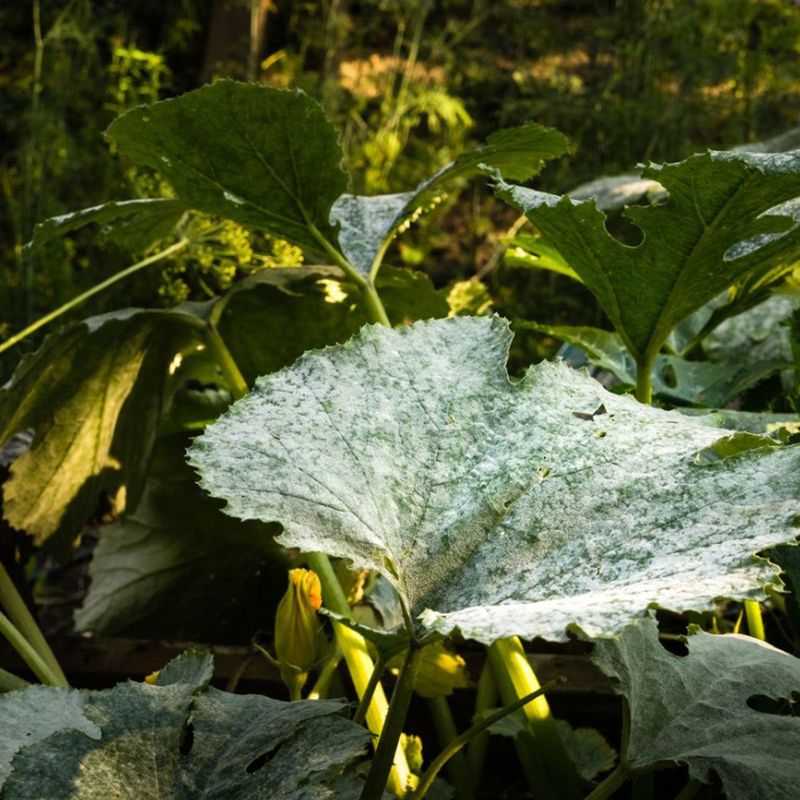
Lift the big umbrella leaves of a mature squash plant, and you will often find the first clues hiding down low.
Powdery mildew nearly always starts on older, lower leaves and in the shady middle of a crowded plant. The fresh leaves at the tips usually stay clean the longest.
Age plays a big role here. Older leaves are simply more open to infection than young, fast-growing ones. On top of that, thick foliage holds in humid air and blocks sunlight, and the fungus happily takes advantage of both.
You can fight back with a pair of clean pruners. Snip off the oldest leaves that are heavily coated in white, since they are unlikely to recover and can spread spores to healthier neighbors.
Leave enough healthy leaves in place to keep feeding the plant and shading the fruit. Spacing is your best friend for future plantings.
Squash vines grow much larger than they look as seedlings, so follow the spacing listed on your seed packet, even if the bed looks empty at first. Giving each plant its own space means better airflow and more sunshine reaching the leaves.
Sun matters just as much. Squash should grow in a spot with full sun for most of the day, because shade gives powdery mildew an easy head start.
By October, squash planted in North Carolina summer gardens has grown into a thick, sprawling jungle. That crowding makes lower leaves a prime target, so a quick thinning now can buy your plants extra productive weeks.
5. Protect The Harvest That’s Still Coming
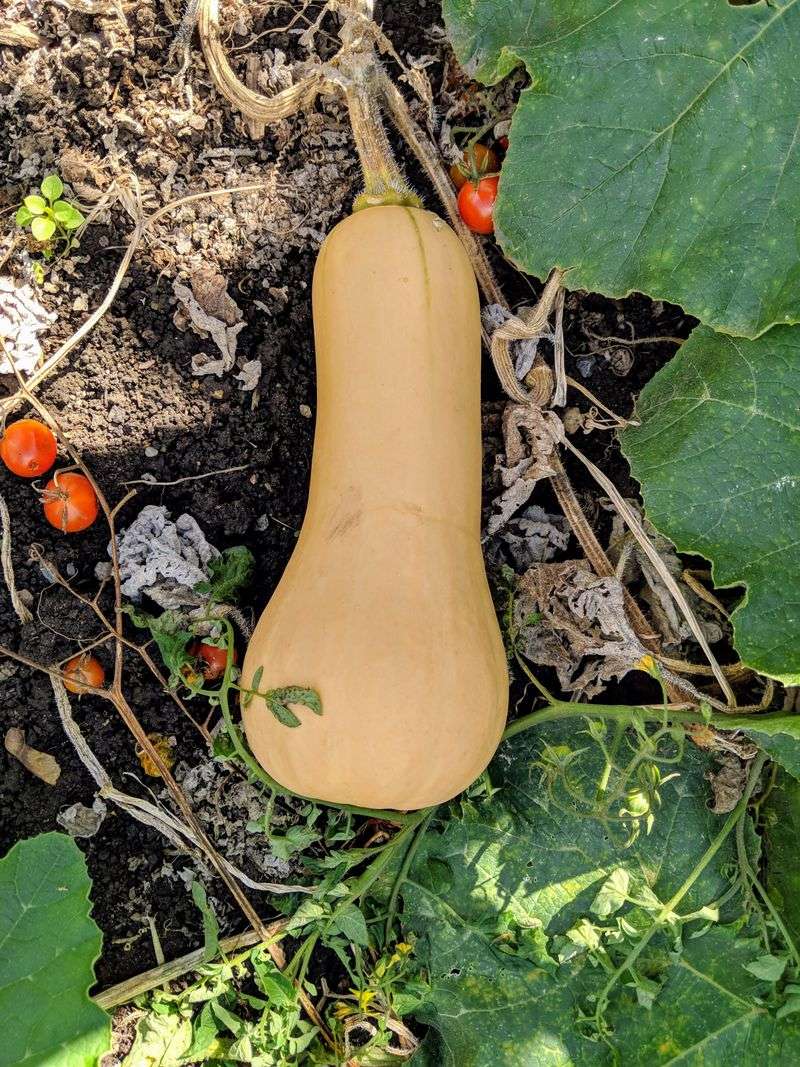
A late-season squash basket feels like a small victory, and powdery mildew would love to shrink it.
As infected leaves weaken and fall off, the plant loses the power it needs to keep producing. Fewer leaves means fewer squash and less sugar flowing into the fruit you already have.
Flavor can take a hit too. Winter squash on struggling vines may ripen poorly and taste bland instead of sweet and nutty. Fruit that suddenly loses its leafy cover can also get sunscald, a pale, tough patch on the skin caused by too much direct sun.
Summer squash like zucchini and yellow crookneck need a different approach than winter types. Keep picking them often while the plants are still flowering and setting fruit. Small to medium squash taste best, and regular harvesting keeps the plant busy.
Winter squash, such as butternut, acorn, and spaghetti, need more patience. If the leaves are holding up fairly well, let the fruit stay on the vine until it fully matures. Ripe winter squash has a hard rind that you cannot easily dent with your fingernail.
Watch the calendar and the weather forecast closely. Harvest those hard-rinded squash before the vines decline too much or before the first frost arrives, leaving a short piece of stem attached for better storage.
Plenty of North Carolina gardeners plant a second round of squash in midsummer just for fall eating. With a little attention, those October harvests can still fill your kitchen counter and your freezer.
6. Choose Treatments That Hold Up Between Rains
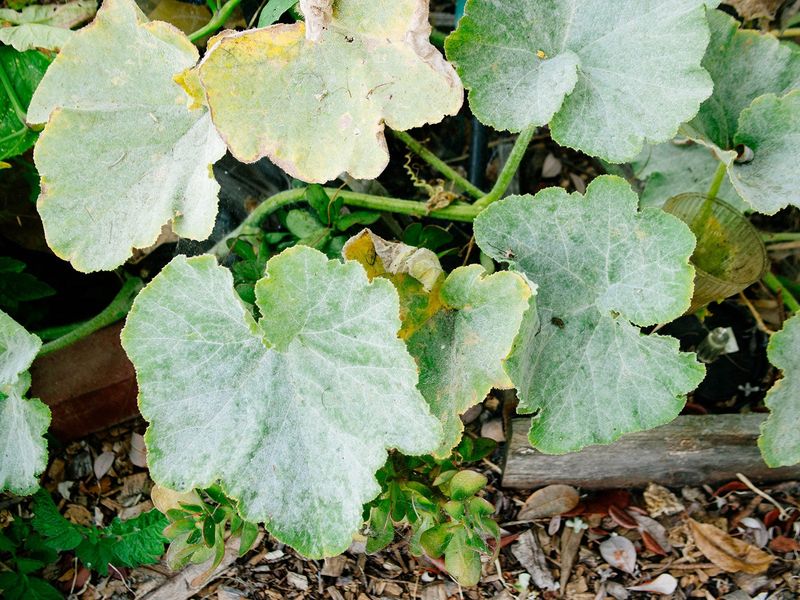
Timing is everything when you treat powdery mildew. Most home garden products work best when you start using them at the very first sign of white spots. Waiting until leaves are fully coated makes control much harder.
Rain adds another twist. Many contact products sit on the leaf surface, so a strong shower can wash them right off. That means you will likely need to spray again after each round of wet weather.
Always pick a product with a label that lists powdery mildew and squash or cucurbits. Common home garden choices include potassium bicarbonate, horticultural oils such as neem oil, and sulfur.
Each one works a bit differently, so read the directions carefully before mixing anything.
Plan your spray days around the forecast. Apply treatments once the rain has passed and the leaves have dried, ideally when no storms are expected for at least a day. Then reapply on the schedule the label gives, since skipping rounds lets the fungus bounce back.
Sulfur needs special care. Avoid using it on hot days, usually above about 90 degrees, and never within a few weeks of an oil spray, because the combination can burn leaves. Some squash varieties are also sensitive to sulfur, so test a small area first.
North Carolina falls can bring rain every few days, especially when tropical systems or cold fronts pass through. Keep your sprayer clean and handy, and think of treatment as a steady routine rather than a one-time fix.
7. Clean Up Plants After The Final Harvest
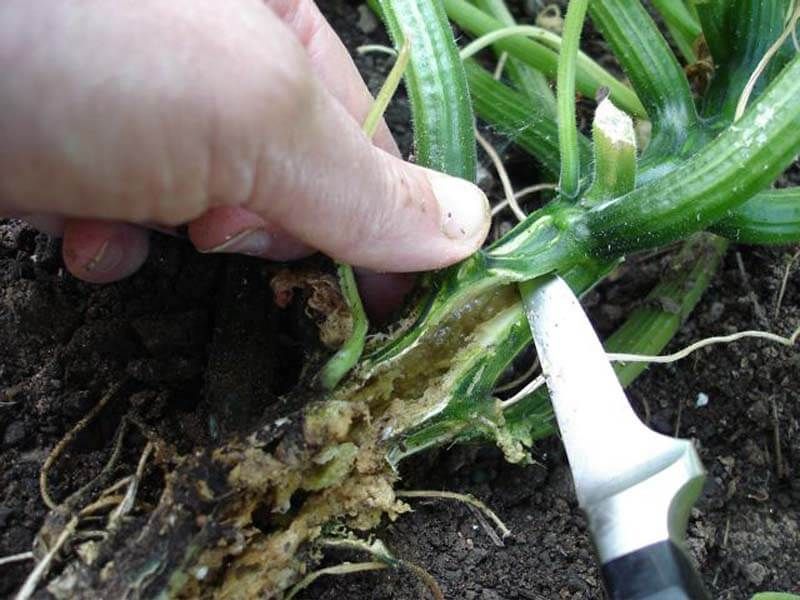
Once the last squash is in the kitchen, the garden bed still has one more job for you. Old vines and leaves might look harmless lying there, but they can cause trouble next season. A good cleanup now pays off big in spring.
Powdery mildew spores blow in from other places every year, so cleanup alone will not stop that disease completely.
Still, leftover plant debris gives squash bugs and other pests a cozy place to spend the winter. It can also carry other diseases forward into your next planting.
Start by pulling up spent squash plants right after your final harvest or after the first frost turns them limp. Roots, vines, and leaves should all come out. Shake off loose soil so it stays in the bed where it belongs.
Heavily diseased leaves deserve extra care. Bag them up or send them out with yard waste instead of tossing them on a backyard compost pile, since home piles often do not heat up enough to break down pests and disease organisms.
Healthy plant parts can still go into the compost. Rotation is the final piece of the puzzle. Next year, plant squash, cucumbers, melons, and pumpkins in a different part of the garden than this year.
Moving them around helps break the cycle for pests and soilborne problems. North Carolina winters are usually mild, which is lovely for gardeners but also great for pests.
Squash bugs and disease organisms can easily survive in leftover debris, so a tidy bed gives you a real head start.
8. Plan Resistant Varieties For Next Year
Seed catalogs arrive in winter, and they hold one of the best tools against powdery mildew. Choosing resistant squash varieties can make next fall look very different. Healthier leaves mean longer harvests and far fewer headaches.
Resistant and tolerant varieties do not make plants completely immune. Instead, they slow the disease down, so leaves stay green and working much longer.
That extra time can mean several more weeks of zucchini or a better crop of sweet, fully ripened winter squash.
Look for the letters PMR on seed packets and in catalog descriptions. PMR stands for powdery mildew resistance, and some companies use terms like tolerant or intermediate resistance as well.
Many popular zucchini, yellow squash, butternut, and pumpkin types now come with this feature.
A resistant variety works best with good growing habits. Plant it in full sun, give each plant the spacing listed on the packet, and keep the bed free of weeds. Those simple steps help the built-in resistance do its job.
Scouting still matters too. Check leaves every few days, especially from late summer onward, so you can respond quickly if spots appear. Even resistant plants benefit from early attention.
In North Carolina, powdery mildew shows up on squash nearly every single year. It is especially common in late summer and fall plantings, when warm days, cool nights, and humid air line up perfectly.
Planning ahead with the right seeds lets you enjoy those October harvests with a lot more confidence.