The Full Sun Virginia Vine That Covers Hot Fences In Flowers With Little Water
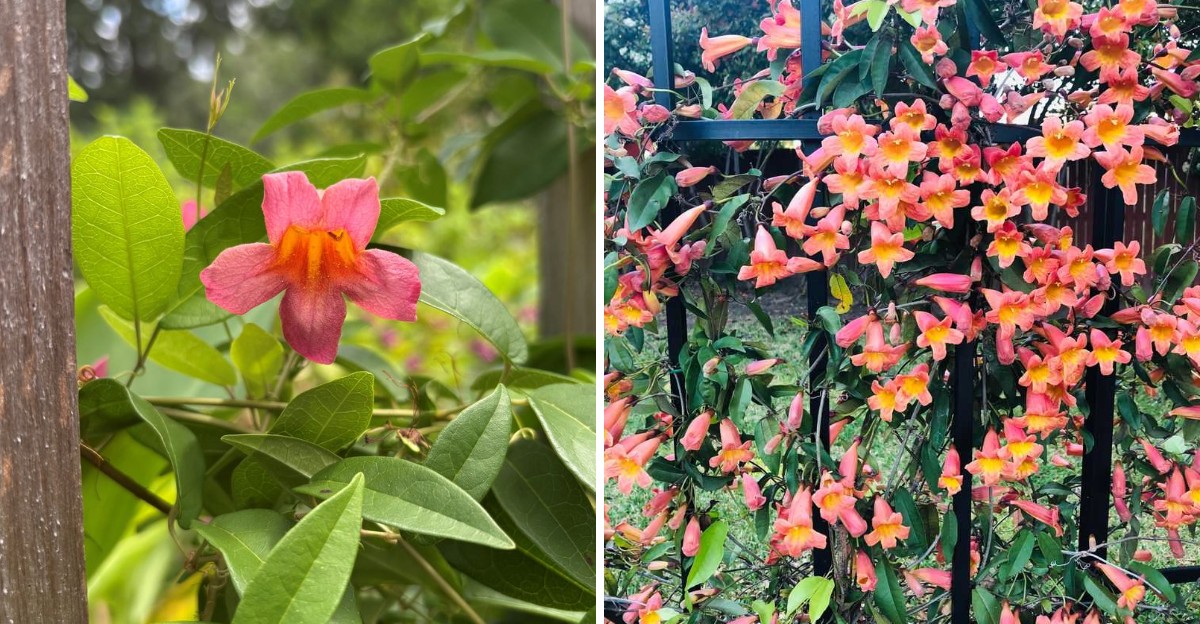
A bare fence baking in the July sun can get hot enough to fry an egg. Now imagine it buried under glossy leaves and bright orange trumpets humming with hummingbirds.
That swap is possible, and it doesn’t take a hose running all summer. Virginia has a native vine that laughs at heat and asks for surprisingly little.
It climbs on its own, bursts into bloom each spring, and holds some color even in winter. Once it settles in, your sunniest, driest spots become its favorite places to grow.
You may have walked past it in the woods without knowing its name. After you meet it, though, you’ll start spotting it everywhere.
The guide below covers how to plant it, where it thrives, and how to keep it blooming. Your toughest fence line may be one vine away from a makeover.
Crossvine Is The Vine To Know
Slice a crossvine stem in half, and you will find a tiny cross hidden inside. That quirky pattern in the pith gave the plant its common name.
Botanists call it Bignonia capreolata, and it is a woody perennial vine. It grows wild across the southeastern United States, including Virginia, Maryland, and Florida.
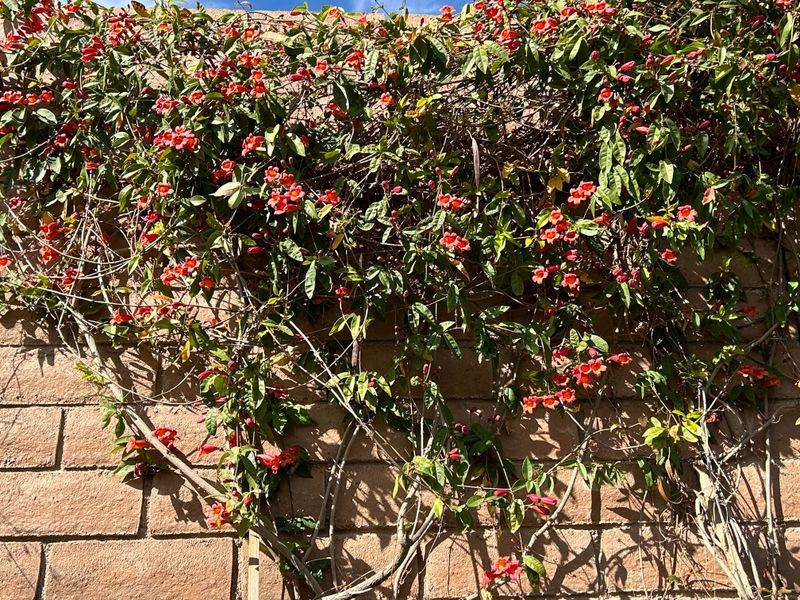
Given room, crossvine can climb 30 to 50 feet high. It usually spreads about six to nine feet wide, which suits a long fence nicely.
Being native matters more than many people realize. Local insects, birds, and soil life already know how to use it, so it fits right into your yard.
Native plants also tend to handle local weather better. Virginia summers bring heat, humidity, and dry spells, and crossvine has handled them for ages.
You can often buy it at native plant sales each spring. Look for named types like Tangerine Beauty for orange blooms or Atrosanguinea for deeper red.
Check the tag carefully before you buy anything. Some stores mix up crossvine with trumpet creeper, and those two plants behave very differently.
Start with a small potted plant rather than a big one. Smaller vines settle in quickly and often catch up to larger plants within a season or two.
Pick a spot where the vine can climb without blocking windows or gutters. A sturdy fence, arbor, or old stump works well for most homes.
Think of crossvine as a long-term neighbor. Plant it once, give it a good start, and it can brighten your fence for many years to come.
Trumpet Flowers Cover It Each Spring
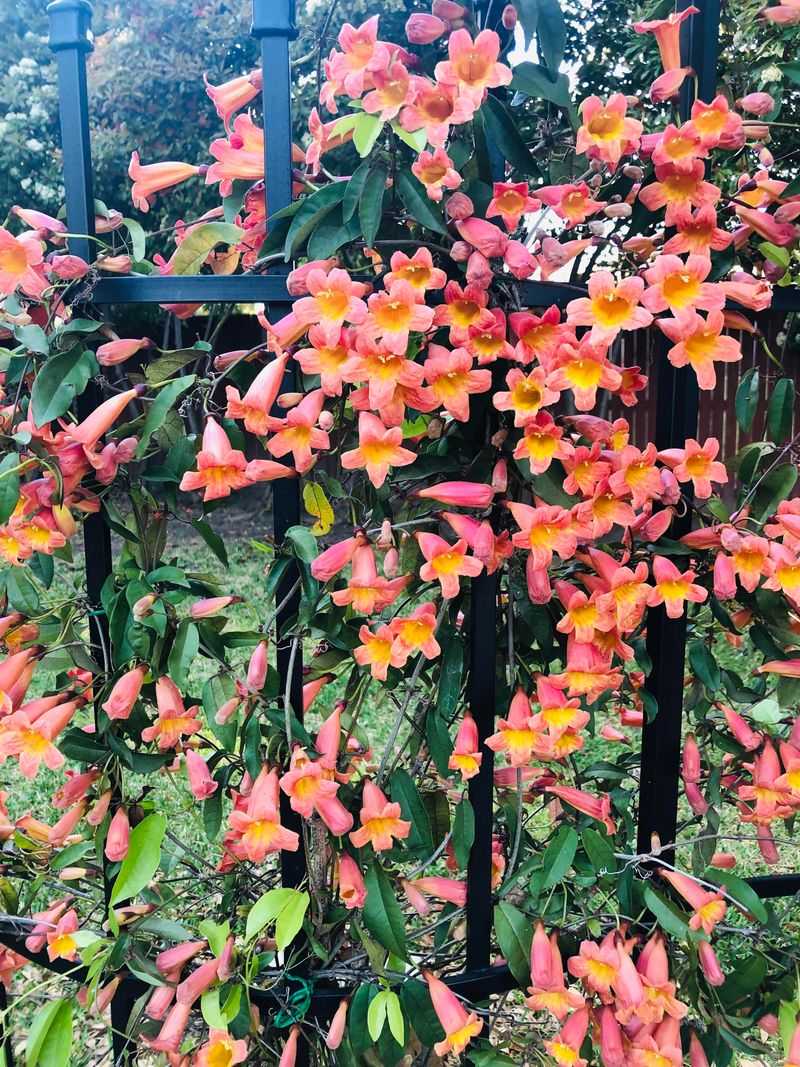
Blink in April, and a green fence can turn orange overnight. Crossvine flowers open in a rush, and the effect is pure springtime drama.
Each bloom is shaped like a little trumpet about two inches long. Most are orange-red on the outside with a sunny yellow throat.
Some varieties offer solid yellow or deep red flowers instead. You can match your fence to your house paint or just pick your favorite color.
Flowers show up in cute clusters of two to five. Stacked together, they make the whole vine look like it is wearing a party outfit.
Your Virginia Garden Changes Every Week. Your Plan Should Too.
Gardening in Virginia changes quickly throughout the season. Every Friday you’ll receive a simple weekly plan showing exactly what to plant, prune, fertilize, harvest, and protect so you never miss the right timing.
Lean in close and take a sniff. Many people say the scent reminds them of mocha or sweet coffee, which is a fun surprise.
The show often lasts up to four weeks in spring. A few extra blooms may pop up later in summer, but spring is the main event.
Early flowers matter for wildlife too. Bees and other pollinators wake up hungry, and crossvine offers them a meal when little else is blooming.
Want the biggest spring show? Avoid heavy fertilizer, since too much nitrogen pushes leaves instead of flowers.
Snap a photo each year from the same spot. Watching your fence fill in season after season is one of the best parts of growing this vine.
Share cuttings or photos with neighbors who admire it. Around here, one blooming fence often inspires two or three more down the street.
It Shrugs Off Drought Once Established
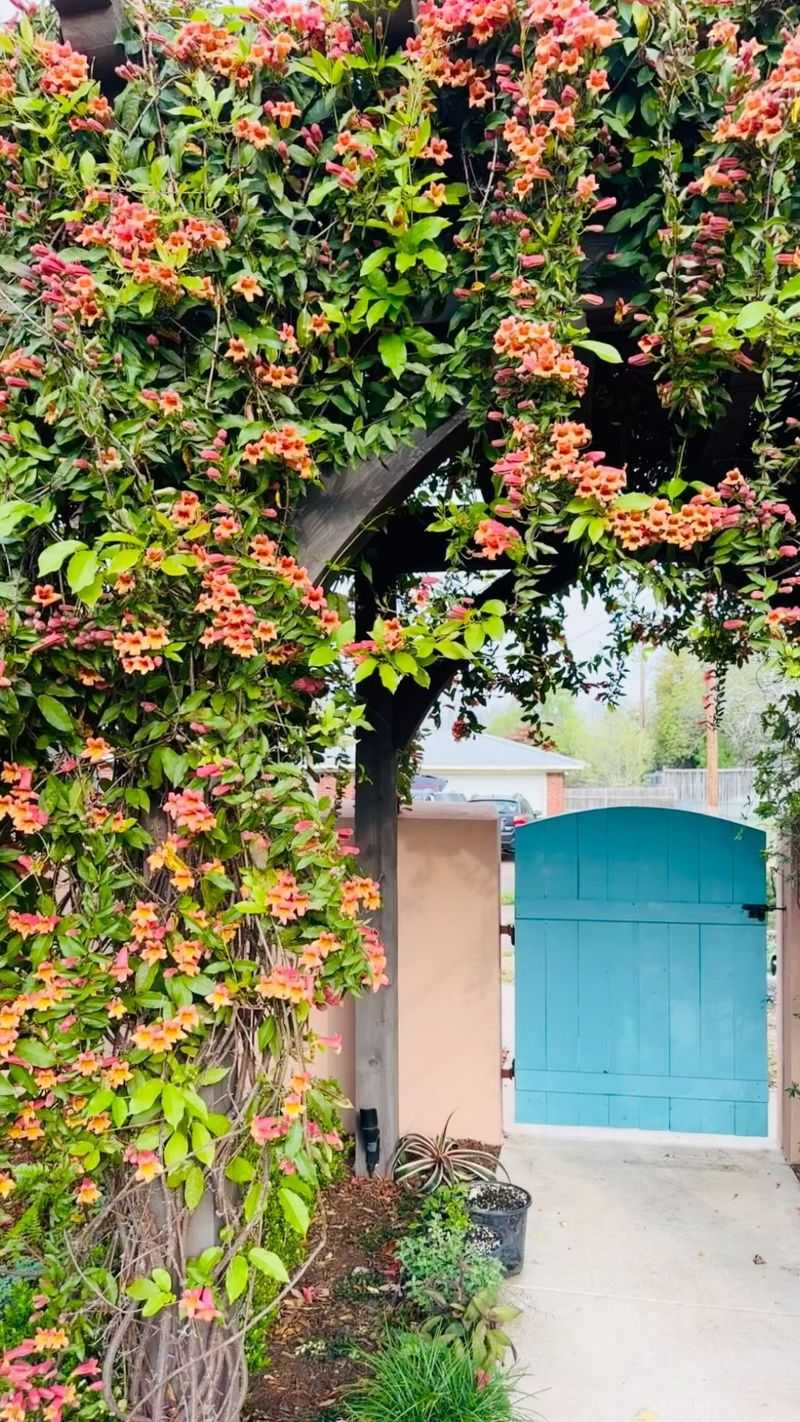
My neighbor’s lawn turned crispy brown last August, yet her crossvine stayed glossy green. The difference came down to deep, tough roots.
Once settled in, crossvine handles dry spells with ease. Its roots reach down to find moisture that shallow plants simply cannot touch.
Soil drainage is the real secret to success. Crossvine can handle brief standing water, but soggy ground for weeks makes it unhappy.
Test your spot by digging a hole and filling it with water. If it drains within a few hours, you have a good home for the vine.
Heavy clay is common in many Virginia yards. Mix in some compost when planting to loosen the soil and help water move through.
The plant likes a near-neutral pH, roughly 6.8 to 7.2. Still, it adapts well to many soil types, so you rarely need fancy testing.
Spread two or three inches of mulch around the base. Mulch keeps roots cool and slows water loss on scorching days.
Keep the mulch a few inches away from the stem itself. Piling it against the trunk can trap moisture and invite rot.
Skip the daily sprinkler once the vine is established. Frequent shallow watering keeps roots lazy and near the surface.
Think of drought tolerance as a reward you earn. A little care early on pays you back with years of low-water beauty.
Full Sun Brings The Heaviest Bloom
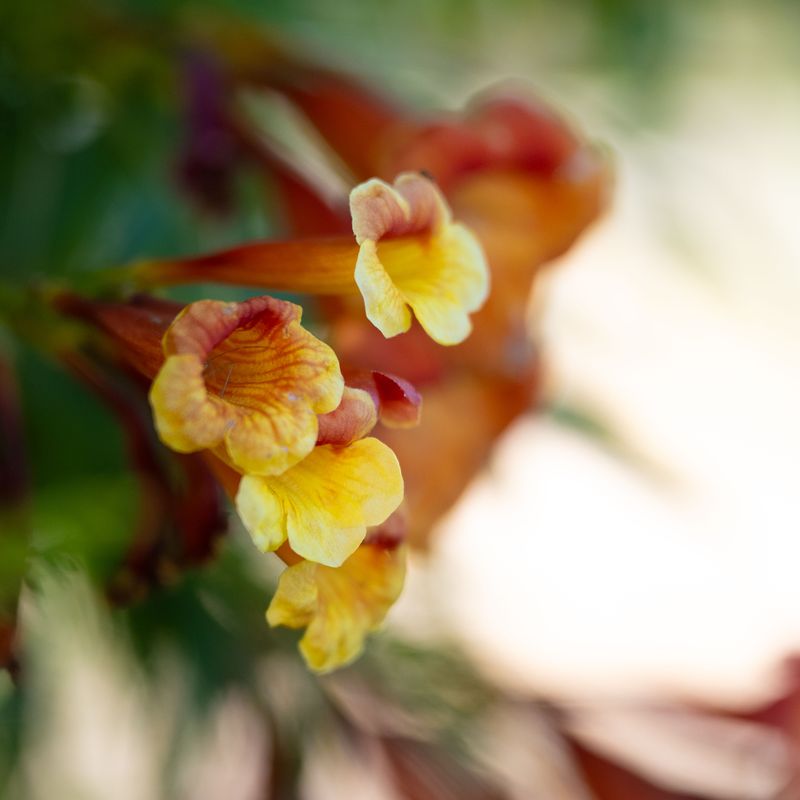
Sunshine is basically crossvine fuel. The more light it gets, the more flowers it packs onto every stem.
Aim for at least six hours of direct sun each day. A south or west facing fence is often the perfect match.
Crossvine will grow in partial shade without much fuss. You will just see fewer blooms and more leafy stretches.
Many gardeners notice this when they plant near trees. The sunny side of the vine blooms heavily while the shady side stays mostly green.
In the hottest southern regions, a little afternoon relief can help. Morning sun with dappled shade later is a fine option there.
For most of the state, though, full sun works beautifully. Our summers are warm, but crossvine handles them without scorched leaves.
Hot surfaces like metal fences or brick walls are no problem. Reflected heat that fries tender plants barely bothers this tough climber.
Watch the sun path in your yard for a full day. Mark where shadows fall at morning, noon, and late afternoon before you plant.
Remember that trees grow and shade changes over time. A spot that is sunny now might get shadier in ten years.
If blooms fade year after year, check the light first. Trimming nearby branches can bring back the flowers faster than any fertilizer.
Hummingbirds Arrive Right On Cue
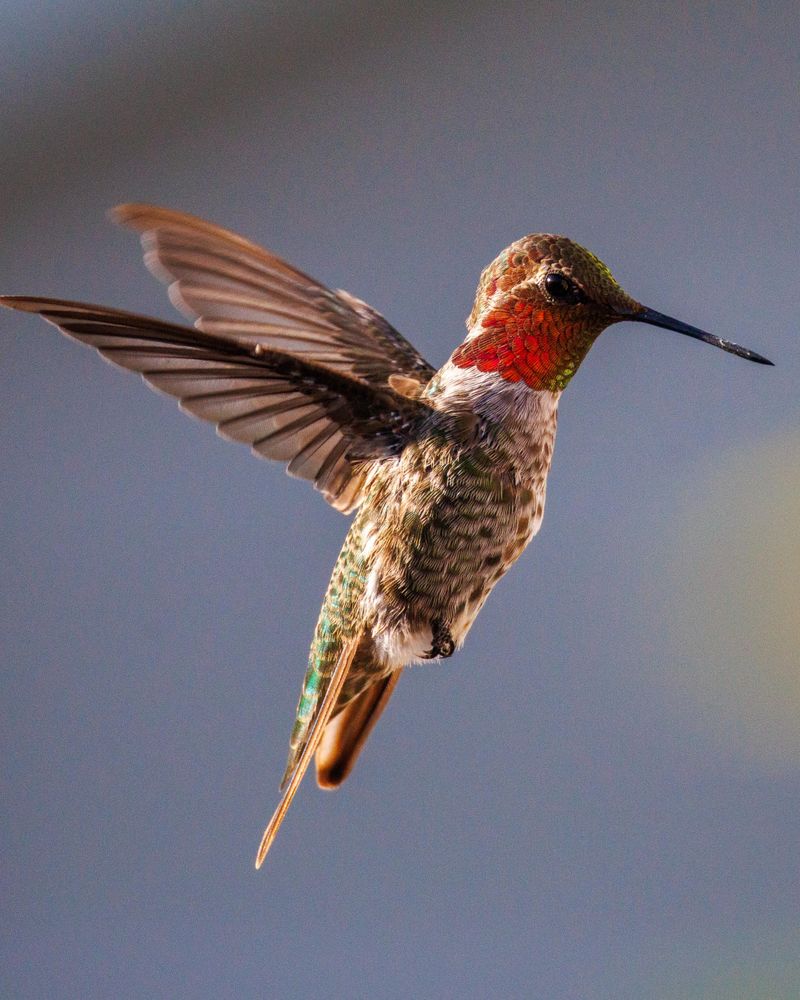
Tiny wings buzzing past your ear might be the first sign. Ruby-throated hummingbirds seem to know exactly when crossvine opens.
Their spring migration often lines up with the bloom. After a long flight from Central America, they need fast energy, and crossvine delivers.
Hummingbirds love red and orange flowers most. The long trumpet shape also fits their slender beaks like a glove.
Butterflies and bees visit too, turning your fence into a busy snack bar. Bumblebees sometimes crawl right inside the trumpets to reach the nectar.
Here is a fun fact to share with kids. A hummingbird’s heart can beat over 1,000 times a minute while flying.
Place a chair or bench where you can watch the action. Early morning and late afternoon are usually the busiest feeding times.
Skip pesticides on and around the vine. Hummingbirds also eat tiny insects, and chemicals can harm the very visitors you want.
Add a shallow birdbath or mister nearby for extra appeal. Birds appreciate a quick drink or splash on hot days.
Plant other native nectar flowers for later in the season. Coral honeysuckle and cardinal flower can keep hummingbirds around after crossvine finishes.
Keep a simple notebook of the first sighting each year. Over time, you will see how closely the birds follow the blooms.
Leaves Hang On Through Much Of Winter
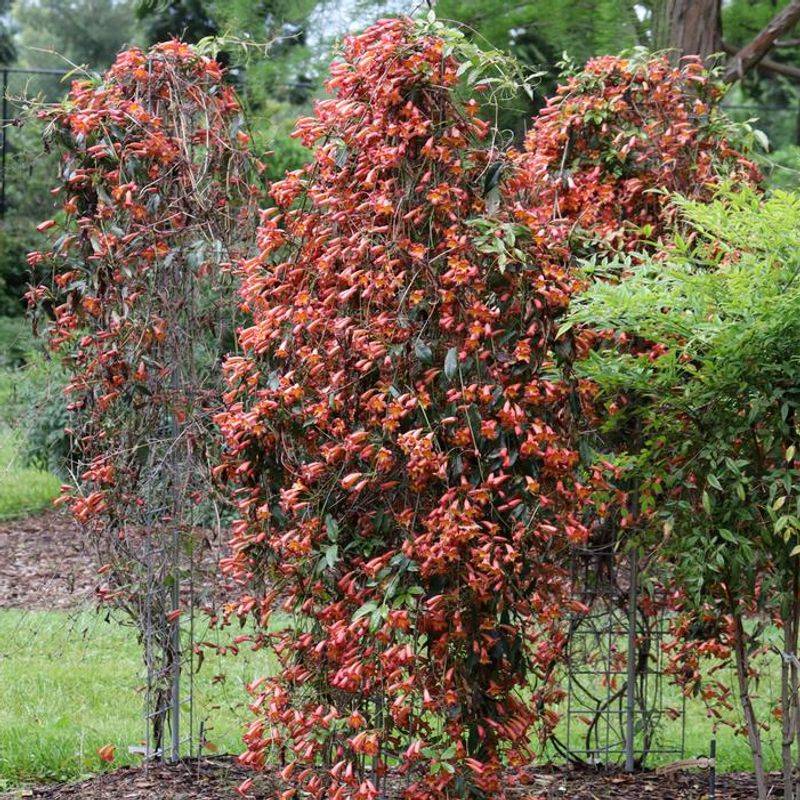
January fences tend to look bare and a little sad. Crossvine refuses to go quietly, keeping its leaves long after most vines drop theirs.
Depending on your climate, the foliage is evergreen or semi-evergreen. Warmer areas may keep green leaves all winter long.
Cooler spots bring a lovely color change instead. Glossy summer leaves shift to maroon or reddish-purple when cold weather arrives.
Across much of Virginia, you get that handsome winter shade. It adds warmth to the yard when everything else looks gray.
Privacy is a nice bonus of these lingering leaves. Your fence stays screened even when neighbors’ shrubs are bare.
During a very harsh winter, top growth may pull back. The roots usually survive and send up fresh shoots once spring warms the soil.
Resist the urge to cut back brown stems too early. Wait until new growth appears so you can see what is truly gone.
Birds often shelter in the dense tangle on cold nights. Cardinals and wrens like the cover, which makes the vine a winter hideout.
Pair crossvine with evergreen shrubs below for layered color. Hollies or wax myrtles look great beneath those purple leaves.
Take a winter walk and notice where your vine keeps the most leaves. Protected, sunny spots usually hold foliage best.
Tendrils Grip Without Extra Support
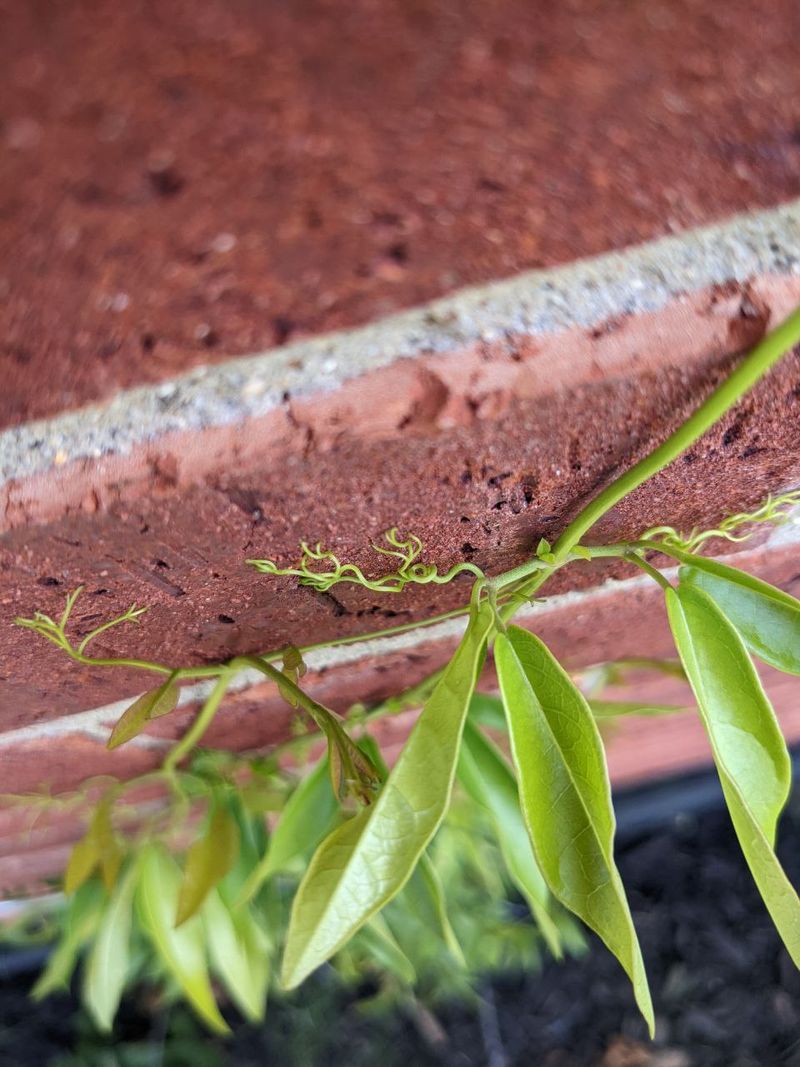
No wire, no ties, no fuss. Crossvine climbs like a tiny rock climber with sticky fingers.
Look closely where two leaflets meet, and you will spot a branched tendril. The tips often end in small adhesive pads or disks.
Those pads press onto rough surfaces and hold tight. Fences, walls, trees, and arbors all make easy targets.
Leaves grow in opposite pairs along the stem. Each pair has two leaflets with that curly tendril tucked between them.
Young plants may need a gentle nudge at first. Lean the stems toward the fence and tuck them in until they catch hold.
Wood and brick give the tendrils plenty to grab. Smooth vinyl can be trickier, so a strip of mesh helps early on.
Be thoughtful about where you let it climb. The pads can leave marks on painted siding if you pull the vine off later.
Keep it off gutters, shutters, and window screens. A quick redirect every few weeks keeps growth where you want it.
Chain-link fences are a dream for crossvine. The open weave lets tendrils wrap and stick, filling gaps fast.
Watch new shoots on a summer morning. You can almost see them reaching for the next spot to grab.
It’s Far Tamer Than Trumpet Creeper
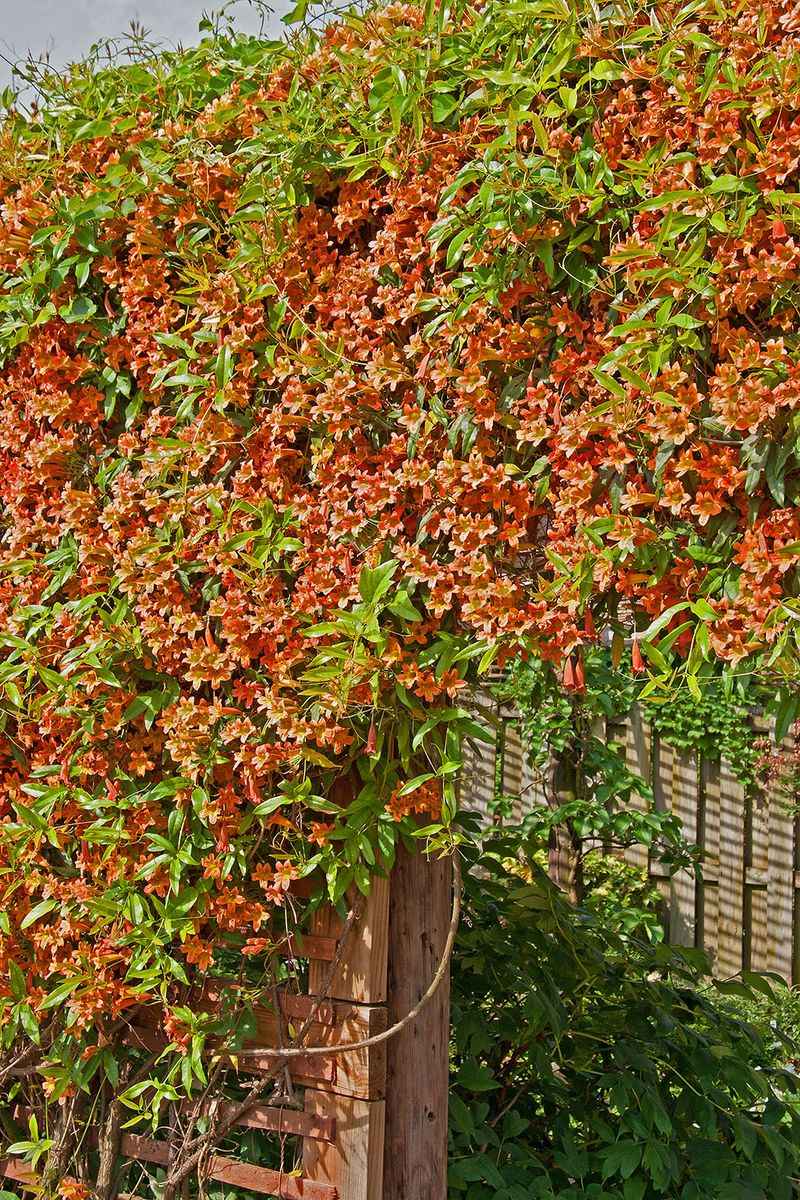
Ask anyone who has battled trumpet creeper, and you may hear a groan. That relative, Campsis radicans, is famous for running wild.
Trumpet creeper sends shoots in every direction. Long underground runners pop up in lawns, flower beds, and even cracks in the driveway.
Crossvine behaves much better by comparison. It does make some suckers, but they stay close to the base of the plant.
Both vines grow naturally in Virginia, so confusion is common. Knowing the difference can save you years of pulling sprouts.
Here is an easy way to tell them apart. Crossvine leaves have just two leaflets, while trumpet creeper leaves have many small leaflets.
Flowers differ a bit too. Crossvine trumpets are wider with yellow throats, while trumpet creeper blooms are longer and narrower.
Bloom time offers another clue. Crossvine flowers in spring, but trumpet creeper usually waits until midsummer.
Pull any crossvine suckers while they are small. A quick tug in spring keeps the base tidy with almost no effort.
Plant a few feet away from beds you want to keep clean. That small buffer makes stray shoots easy to spot and remove.
For small yards, crossvine is the friendlier pick by far. You get the trumpet flowers without the constant fight.
Prune Right After Flowering
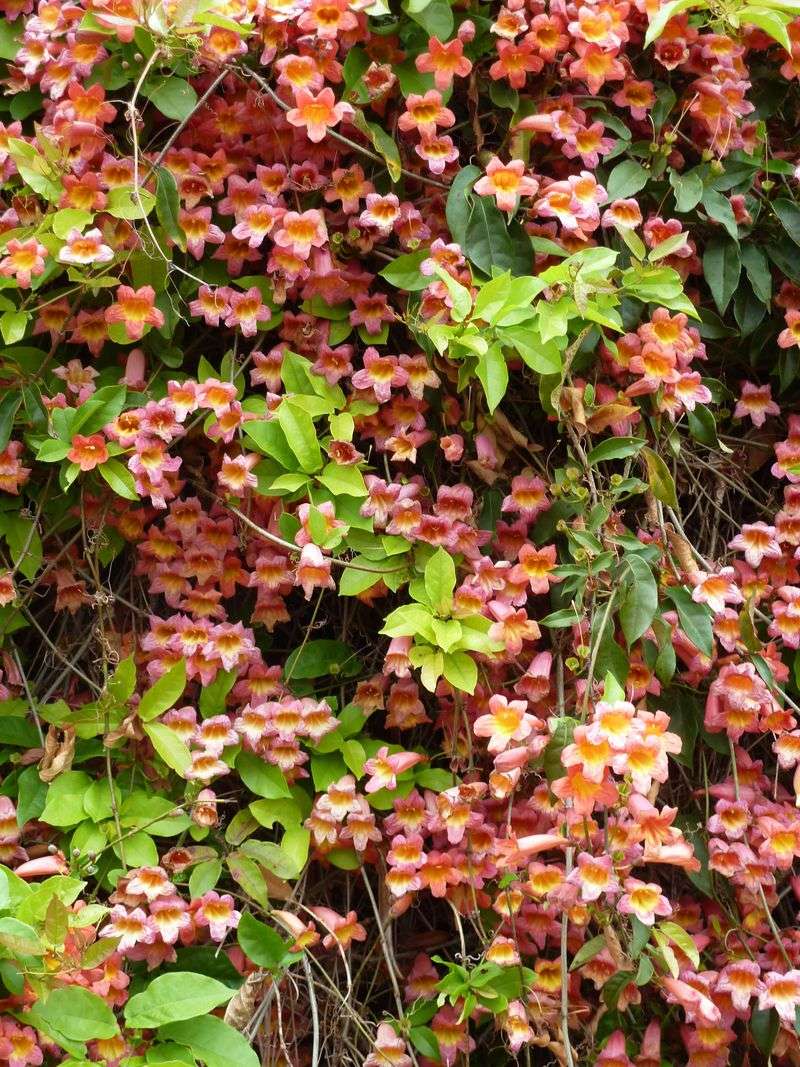
Timing is everything with pruners in hand. Cut crossvine at the wrong moment, and you might snip away next spring’s flowers.
The vine blooms on old wood, meaning last year’s growth. Buds form on those stems well before spring arrives.
Winter pruning removes those hidden buds. You would end up with a green vine and very few blossoms.
Instead, grab your pruners right after the flowers fade. Late spring or early summer is the sweet spot here.
Start by removing any broken or weak stems. Next, trim back pieces that wander onto roofs, gutters, or walkways.
Shape the rest to fit your fence line. Cutting a stem back encourages branching, which means more places for future flowers.
Use clean, sharp bypass pruners for neat cuts. Wipe the blades with rubbing alcohol between plants to avoid spreading problems.
Wear gloves and long sleeves during the job. Vine tangles can scratch arms, and sap may bother sensitive skin.
An overgrown vine can handle a hard trim too. Cut it back by about a third to renew growth without stressing the plant.
Toss healthy clippings into your compost pile. They break down nicely and feed the soil for next year.
Water Only Through The First Summer
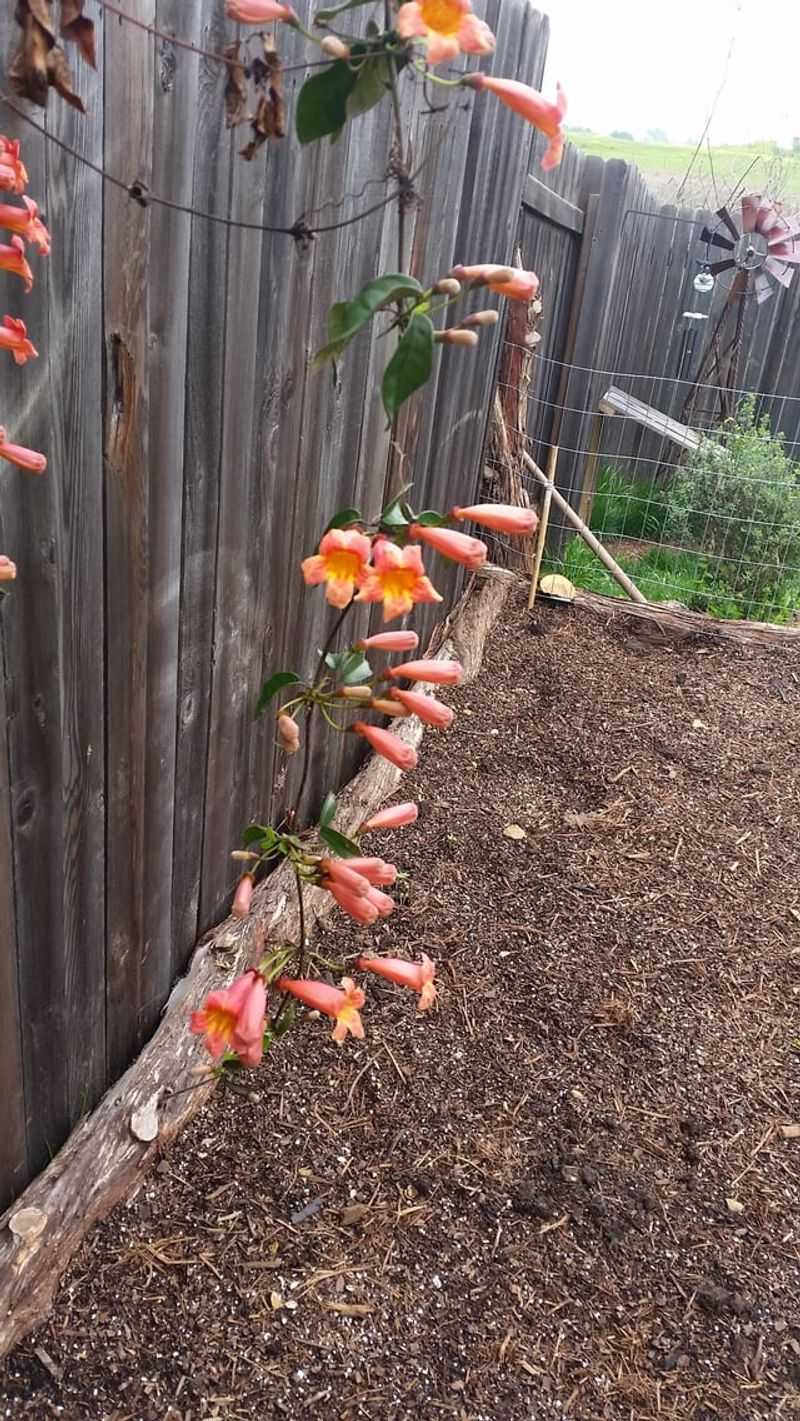
Think of the first summer as crossvine’s training camp. What you do now decides how tough the vine becomes later.
New plants need steady water to build strong roots. Give them a deep soak about once a week during the first growing season.
Deep means slow and thorough, not a quick splash. Let a hose trickle at the base for several minutes so water soaks down.
Hot, dry stretches may call for a little extra. Check the soil with your finger before adding more.
Let the top inch dry slightly between waterings. Constantly wet soil can cause roots to rot instead of grow.
Some vines need help into a second summer. If growth looks slow or leaves droop often, keep up the weekly soak another year.
After that, you can mostly put the hose away. Mature crossvine only needs water during long droughts or extreme heat waves.
A soaker hose or drip line makes early care easy. Set a timer and let it do the work while you relax.
Planting in fall or early spring gives roots a head start. Cooler weather means less stress and less watering for you.
Across the state, that small early effort pays off big. Soon your hot fence will bloom year after year with barely a drop.