When Should You Actually Take Down Your North Carolina Hummingbird Feeders
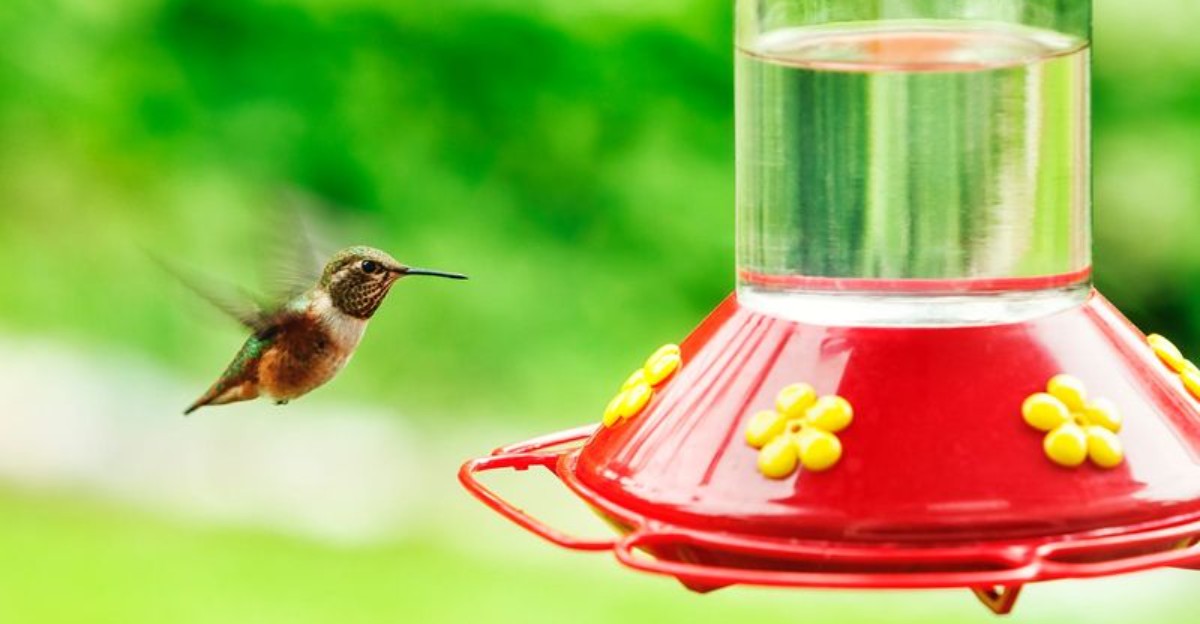
Every fall, a tiny green jet buzzes past your North Carolina porch and vanishes before you can lift your phone. You stand there holding sugar water, wondering if that was the last goodbye of the year.
The October air smells like fallen leaves and wood smoke, and the maples are turning orange. Still, the red feeder hangs there like a tiny diner, open for any late customer.
Some neighbors pack theirs away on Labor Day, while others wait for the first hard frost. Everyone seems sure they are right, and everyone has a friend who swears by their method.
The truth sits somewhere between old garden gossip and what the birds themselves are actually doing each fall. Timing matters more than most people think, because a few small travelers still show up late.
So before you scrub that bottle and toss it into a closet, pause for one more minute. Take it down too soon, and a late traveler may circle your yard looking for a meal that vanished.
Two Weeks After The Last Sighting Is The Safe Cutoff
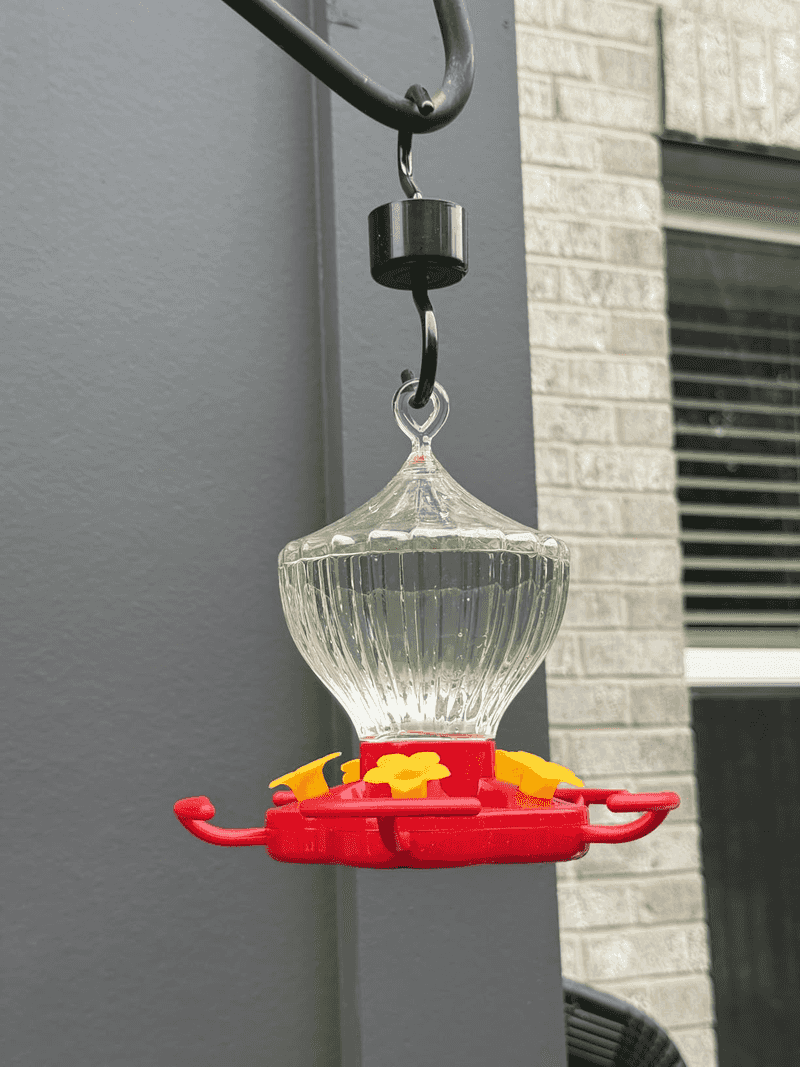
Many bird experts recommend one simple rule for taking feeders down each fall. Wait until you have gone two full weeks without seeing a single hummingbird, then take your feeder down.
The reason is simple, because stragglers from farther north often pass through after your regular birds have left. A feeder that is still full can give a tired traveler the energy boost it needs for the trip.
Keep a small notebook or phone note near the window and write down the date of each visit. Once you notice a quiet stretch, start counting the days and check the feeder at least twice daily.
If a bird shows up on day ten, reset the clock and begin your two week count again. It might feel a little silly, but those surprise guests are exactly who this rule is meant to help.
Most North Carolina backyards see their last regular visitor between late September and mid October, so the two week count usually ends in late October or early November. Coastal homes often see visitors a bit longer, while mountain towns usually go quiet a few weeks sooner.
Keep the nectar fresh during this waiting period by changing it every four to five days in cool weather. Fill the feeder only halfway so you waste less sugar water while you watch and wait for stragglers.
Patience costs you almost nothing, just a few cups of sugar and a couple of extra cleanings. For a hungry bird flying hundreds of miles, that small effort can make a very big difference.
The Migration Timeline Across North Carolina
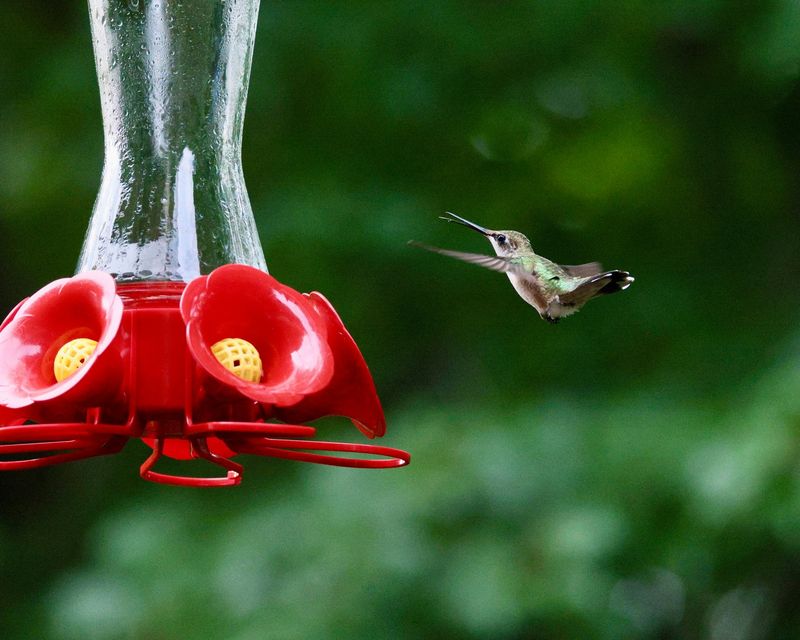
Picture North Carolina as a giant highway, with the mountains, Piedmont, and coast each running on different schedules. Ruby-throated hummingbirds, the main species here, start heading south as early as late August in many years.
Adult males usually leave first, often slipping away before most people even notice the feeder traffic dropping. Females and young birds hang around longer, fattening up on nectar and tiny insects before their big journey.
Your North Carolina Garden Changes Every Week. Your Plan Should Too.
Gardening in North Carolina changes quickly throughout the season. Every Friday you’ll receive a simple weekly plan showing exactly what to plant, prune, fertilize, harvest, and protect so you never miss the right timing.
In the Blue Ridge Mountains, cooler nights push most birds out by late September or the first week of October. Towns like Boone and Asheville can go quiet early, so watch your feeder closely right now.
The Piedmont, including Charlotte, Raleigh, and Greensboro, typically sees its last regular visitors around mid October. Warm spells can stretch that window a little, especially when the fall flowers are still blooming nearby.
Along the coast, from Wilmington to the Outer Banks, stragglers can linger into late October or even November. Mild ocean air keeps flowers and bugs going longer, which gives travelers more reasons to stop and rest.
Here is a fun fact that surprises many people who feed these tiny birds in their backyards. Many ruby-throats fly nonstop across the Gulf of Mexico, a trip of about five hundred miles.
Knowing your region helps you plan, but let the birds themselves have the final say on timing. Your calendar is a helpful guide, yet your own window view is the most honest report you will get.
The Myth About Feeders Delaying Departure
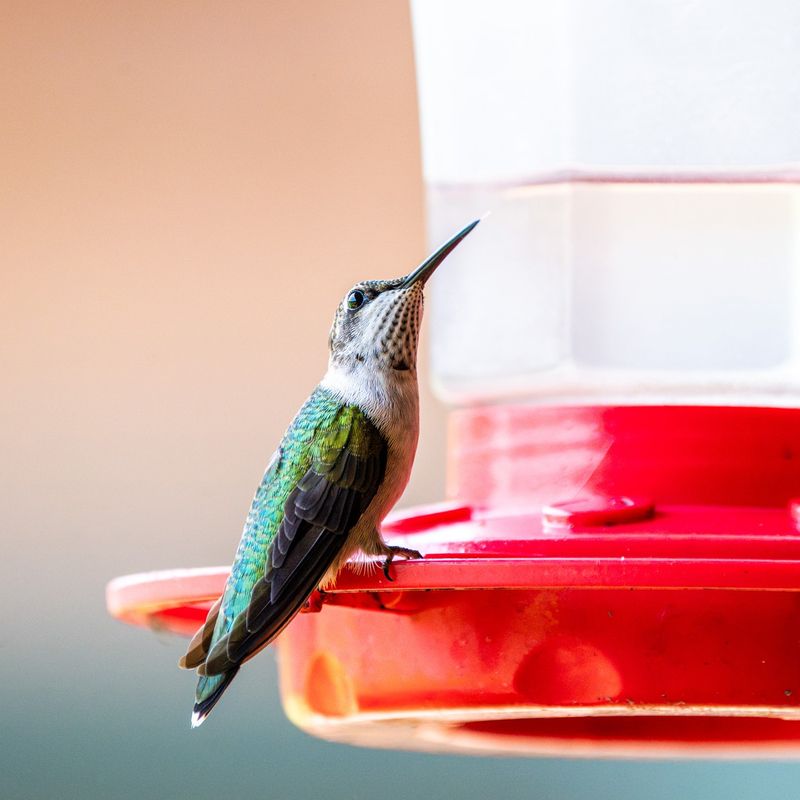
Somebody at the garden center probably told you that leaving feeders up will trick hummingbirds into staying too long. It sounds reasonable, like a buffet so good that nobody wants to leave, but science tells another story.
Feeders are not known to change when hummingbirds migrate, because the main trigger is shorter daylight hours. As fall days shrink, hormones kick in and create a strong restless urge to head south.
Scientists even have a name for that feeling, calling it Zugunruhe, a German word meaning migration restlessness. Migratory birds studied in captivity show the same restlessness and orient in their migration direction, even with plenty of food.
So your feeder is not a lure, and it is very unlikely to keep a healthy bird from leaving on time. Think of it more like a gas station along the highway, a helpful stop rather than a final destination.
Hummingbirds can nearly double their body weight before migrating, packing on fat to power their long flight. A steady supply of nectar helps them bulk up faster, so they can leave in better shape.
The National Audubon Society and other bird groups say fall feeders do not delay migration and can offer helpful fuel. Taking yours down early only removes a snack bar from tired travelers who are counting on quick fuel.
Next time someone repeats this myth at a cookout, you can politely share the real science with them. Just try not to sound too smug while you explain what Zugunruhe means over a plate of barbecue.
Late Visitors That Still Need Fuel
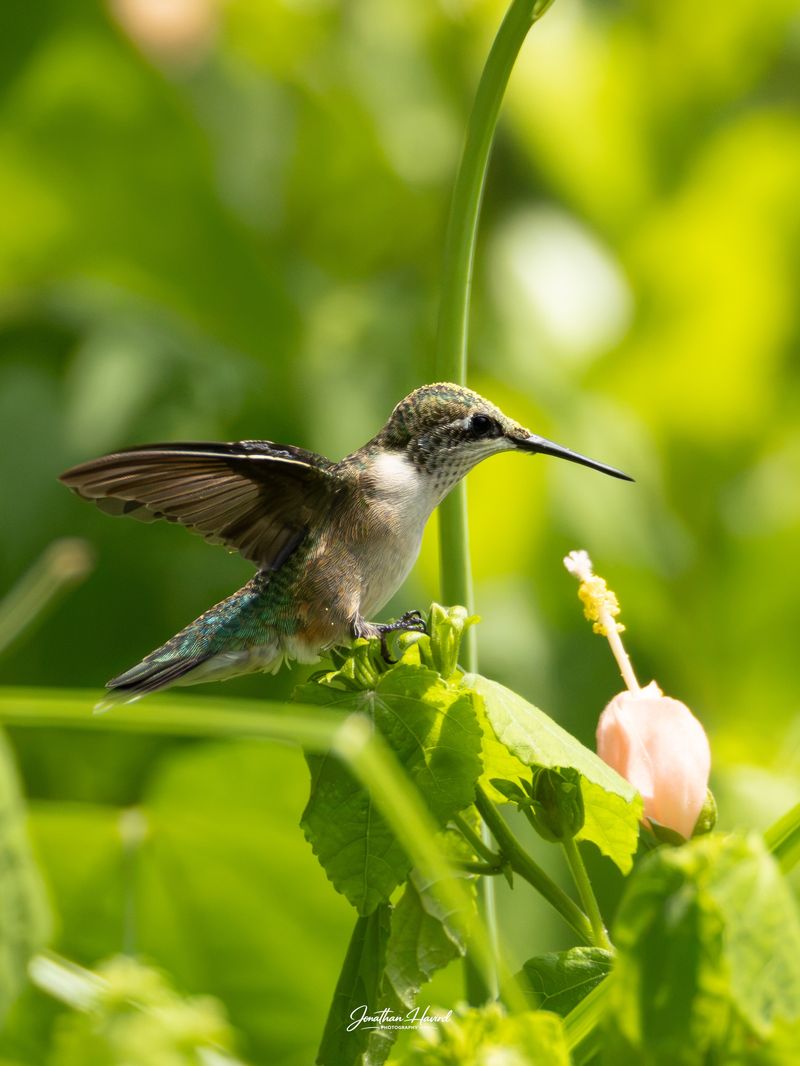
Imagine glancing outside in November and spotting a rusty orange hummingbird sipping from your feeder in the chilly air. For some North Carolina bird watchers, that surprise happens in many fall and winter seasons.
Rufous hummingbirds nest as far north as Alaska, and a growing number now wander east instead of south. They tolerate cold well, including frosty mornings.
Other western species, like the black-chinned, Allen’s, and calliope hummingbirds, have also shown up in the state. Some of these rare guests stay for weeks, even months, as long as they find a reliable food source.
That is where your feeder becomes a real lifeline, since very few flowers bloom once cold weather settles in. Late visitors also catch tiny spiders and gnats, but nectar gives them the quick sugar their bodies crave.
If you spot one, keep the feeder filled with the usual mix of one part sugar and four parts water. Skip red dye and honey, because plain white table sugar is the safest choice for these tiny birds.
On freezing nights, bring the feeder inside after dark and hang it back up before sunrise the next morning. Some people wrap a small outdoor light or hand warmer near the base to keep the nectar flowing.
You can also report winter sightings to eBird or the Carolina Bird Club. Licensed banders may even visit to measure your guest, which turns your backyard into a small science station.
Feeder Cleaning Routine For The Cold Months
Nobody loves scrubbing sticky feeders, but a clean one is the best gift you can give visiting birds. Sugar water spoils quickly, and mold can make hummingbirds sick.
The good news is that cooler October weather slows spoilage, so you get a little break from constant cleaning. When temperatures stay below seventy degrees, changing nectar every four to five days usually works just fine.
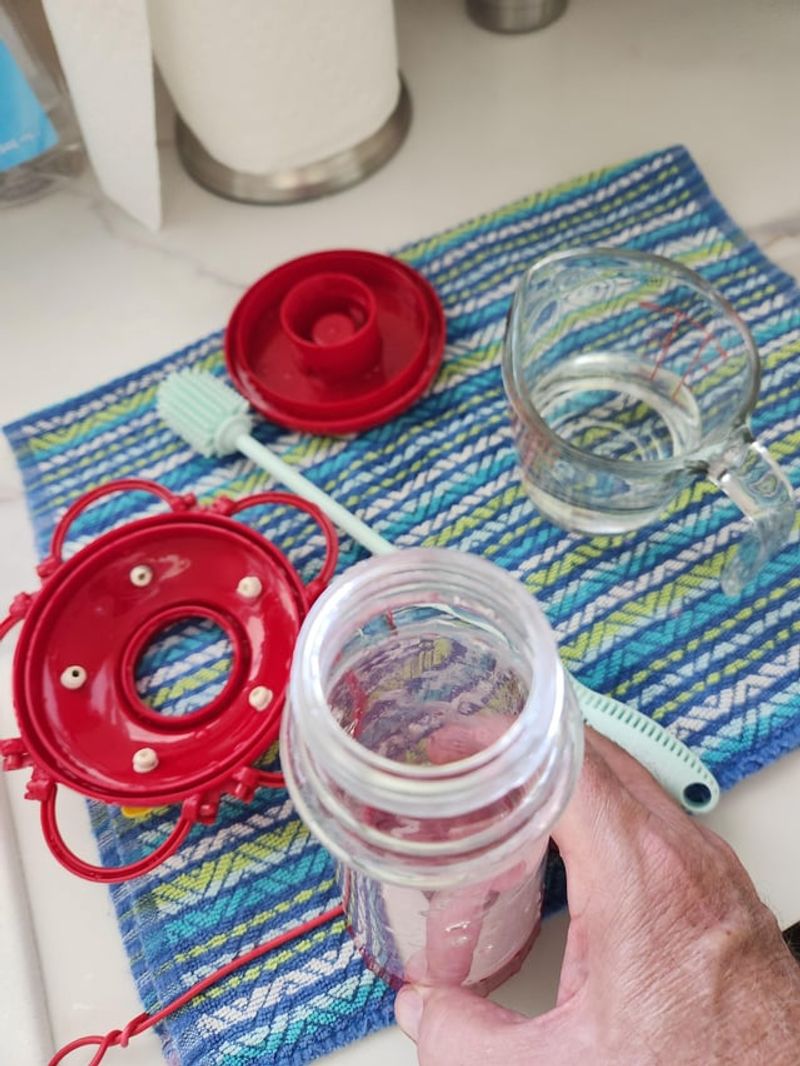
Start each cleaning by pouring out old nectar and taking the feeder apart piece by piece over the sink. Hot water and a small bottle brush can reach the feeding ports, where gunk loves to hide and grow.
Skip strong dish soaps, because leftover residue can leave a flavor that birds dislike and may even avoid. Instead, soak the parts once a month in a mix of one part white vinegar and four parts water.
Rinse everything well and let the pieces air dry on a towel before you put the feeder back together. Saucer style feeders are much easier to clean than bottle types, which makes cold weather chores feel quicker.
Once the season wraps up, give the feeder a final deep clean with vinegar and a thorough rinse. Store it dry in a sealed plastic bin, so dust, spiders, and curious mice are less likely to move in over winter.
Think of it as tucking your feeder into bed, ready to wake up fresh when spring flowers return. Future you will be very thankful to find a sparkling feeder instead of a crusty science experiment in April.
Signs The Season Has Truly Ended
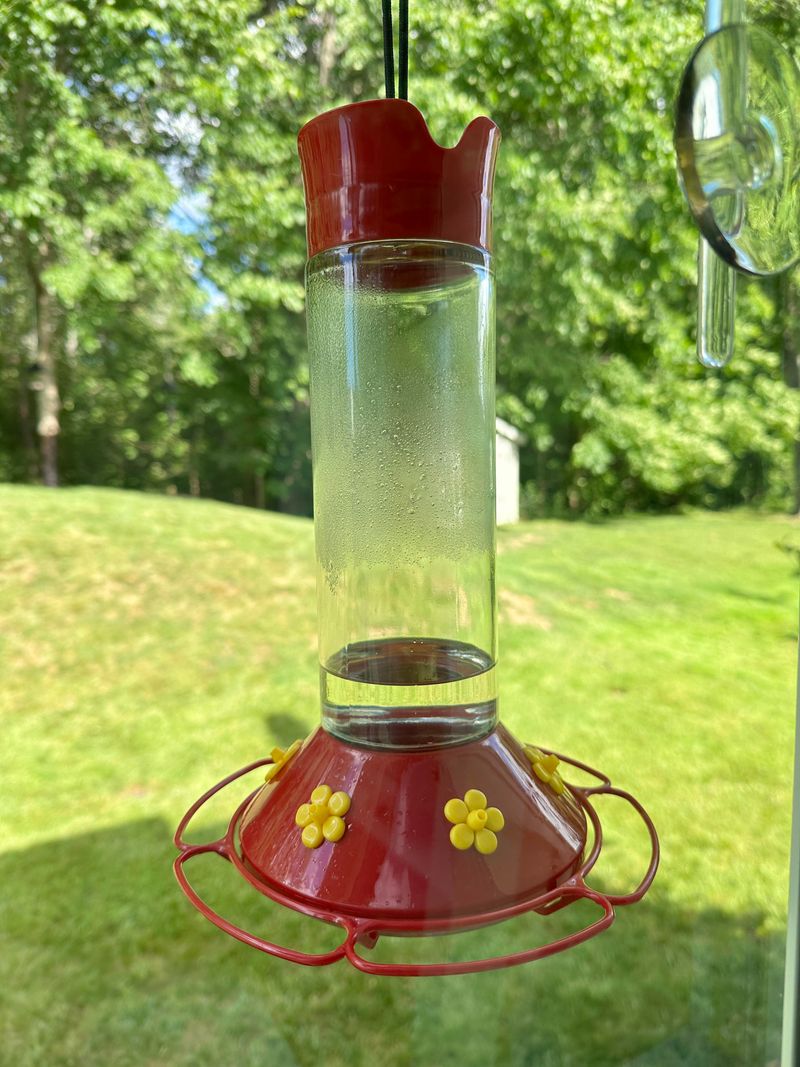
There is a certain hush that settles over the yard when the last buzzing wings finally head south for good. Learning to read that quiet is the final step before you can pack your feeder away with confidence.
The first clue is a nectar level that stays the same for days, even after you refill it fresh. Evaporation takes a tiny bit, but a busy feeder usually drops fast when birds are still stopping by.
Another sign is the lack of that familiar chattering squeak, which hummingbirds make while chasing rivals away from food. When the garden goes silent and no tiny bullies guard the feeder, the crowd has mostly moved on.
Check your fall flowers too, because blooms like salvia, pineapple sage, and cardinal flower attract lingering travelers. Once frost browns those plants and nobody visits them for two weeks, the season is almost surely over.
Online tools like the Journey North map and eBird show where hummingbirds are being reported across the country. If sightings near your county have faded, you can feel good about bringing the feeder inside for winter.
Weather gives hints as well, since a string of freezing nights usually sends any remaining birds packing quickly. Coastal gardeners should still watch for winter rufous visitors, who seem to enjoy breaking every rule in the book.
Saying goodbye can feel a little bittersweet, like closing up a cabin after a favorite family trip. Mark your calendar for late March or early April, when the first ruby-throats usually return to North Carolina yards.