What New York Hosta Owners Should Do This Week For Bigger Plants Next Spring
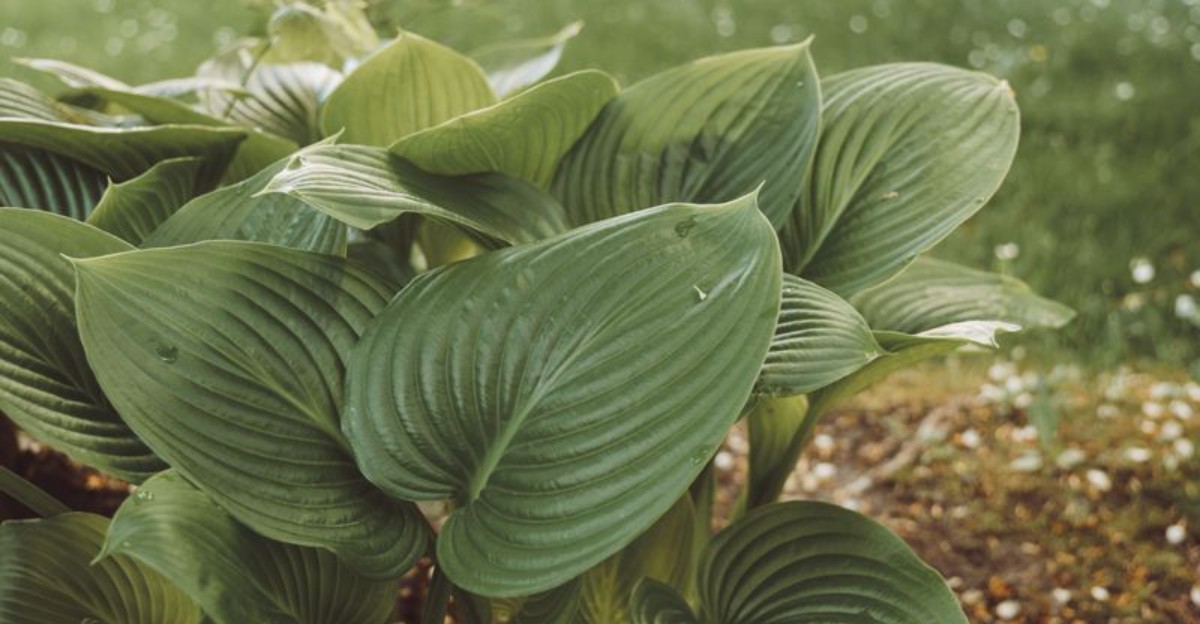
Those big, lush hostas you admired all summer have a sneaky enemy waiting underfoot. Right now, cool New York nights and damp leaves are creating a cozy nursery for slugs.
What you do in the next few days could decide how your hostas look next spring. They’ll either unfurl like green umbrellas or show up in May looking like Swiss cheese.
Luckily, the fix is simple, cheap, and oddly satisfying. It takes a rake, a few bags, and a little curiosity about what hides under your garden clutter.
Plenty of gardeners skip this chore, then wonder why spring leaves arrive full of holes. A quick cleanup now puts you a step ahead of them.
Clearing Slug-Hiding Debris Is The Task
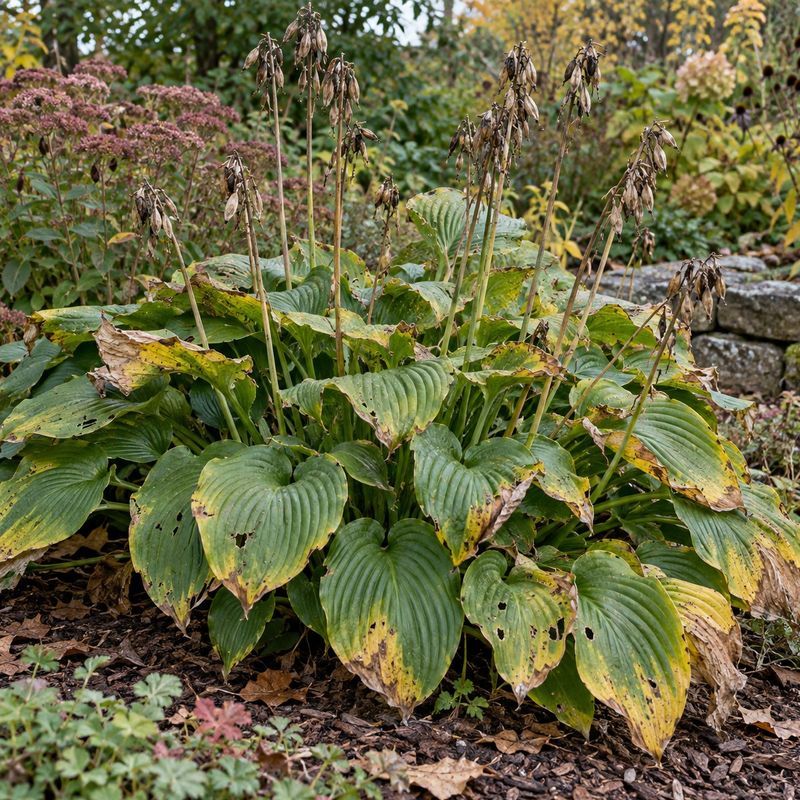
Picture a slug searching for a hotel room on a chilly October day. Your hosta bed, full of damp leaves and clutter, looks like a five-star resort.
Slugs hide from daylight in cool, moist spots. Thick leaves, old stems, boards, and stones give them exactly the shelter they crave.
Hostas grow best in shade and moisture too. Sadly, slugs love those same conditions, so your favorite plants sit right next to their favorite hideouts.
Here is the big idea for this week. Removing those shelters now wipes out many hidden eggs before they ever hatch.
Fall cleanup works better than spring panic for a simple reason. Every slug egg you remove today equals dozens of chewed leaves you avoid later.
Start by walking your beds slowly with a bucket or bag. Pick up broken stems, soggy leaf piles, and anything that stays wet underneath.
Many New York gardens get steady fall rain, which keeps debris damp for weeks. Those soggy layers become perfect slug apartments if left in place.
Aim for tidy, not bare. You want the soil near your hostas open enough to dry out between rains.
Plan on about an hour for an average shade bed. Bigger yards might need two short sessions spread across the weekend.
Think of this job as changing the rules of your garden. When slugs cannot find a safe place to rest, fewer of them stick around.
Once the clutter is gone, the rest of this list gets much easier. Each step builds on a cleaner, drier, less welcoming bed.
Slugs Lay Their Eggs In Fall Leaf Litter
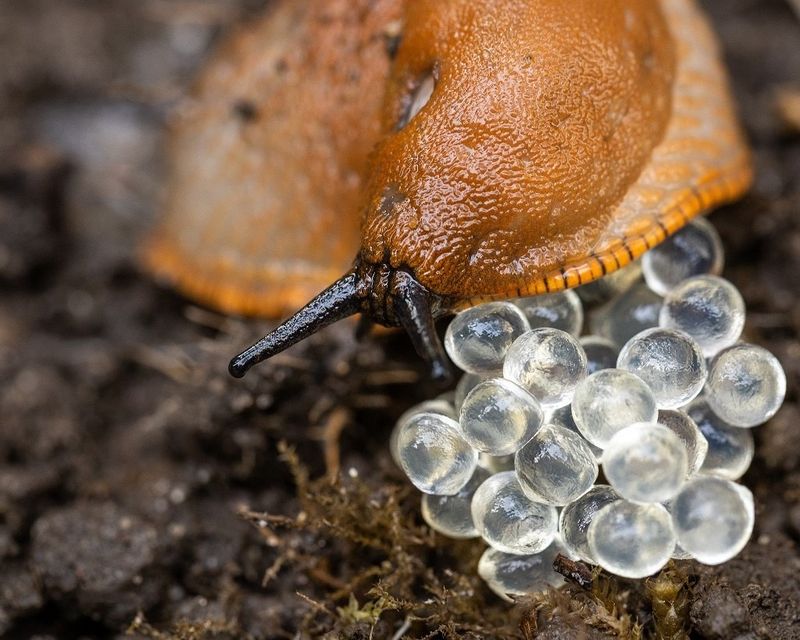
Most folks think slug season ends when summer does. In truth, autumn is one of the busiest egg-laying times of the whole year.
Slugs lay eggs several times each year. Some species ramp up their egg-laying in September and October, right when leaves start falling.
So where do those eggs end up? Mothers tuck them under rocks, logs, loose plants, and damp soil.
Leaf litter and mulch are top choices too. Compost piles also make great nurseries because they stay moist and full of food.
Here is the tricky part. Eggs laid in fall can survive winter and hatch as soon as spring warms up.
Imagine thousands of baby slugs waking up just as your hosta shoots poke through the soil. Tender new growth becomes their very first meal.
Your New York Garden Changes Every Week. Your Plan Should Too.
Gardening in New York changes quickly throughout the season. Every Friday you’ll receive a simple weekly plan showing exactly what to plant, prune, fertilize, harvest, and protect so you never miss the right timing.
Winters in New York can be tough, but eggs sheltered under leaves stay surprisingly protected. A blanket of snow on top only adds extra insulation.
Fun fact for curious gardeners: most garden slugs carry both male and female parts. Any two adults can mate, so populations grow fast.
Knowing their schedule gives you an edge. You can strike while eggs are sitting still and easy to reach.
Timing matters more than effort here. A quick cleanup in fall beats weeks of hand-picking slugs in late spring.
Once you see leaf litter as a slug nursery, you will never look at a pile of wet leaves the same way again.
Look For Clusters Of Tiny, Pearl-Like Eggs
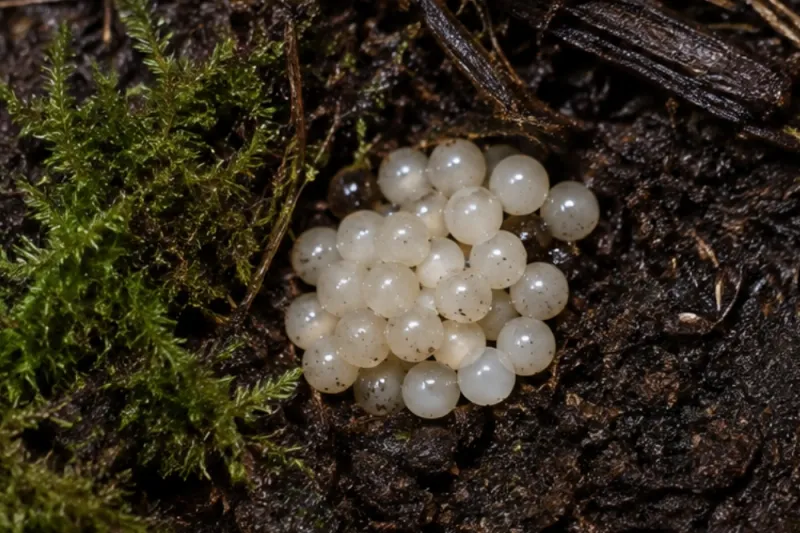
Treasure hunting in the garden sounds fun, right? Your prize this week is a little less glamorous, but far more useful.
Slug eggs look like tiny pearls, each about 1/8 to 1/4 inch across. Colors range from white to pale yellow or cloudy and see-through.
Clusters are the giveaway. A single batch usually holds 20 to 30 eggs, so they stand out against dark soil.
Some gardeners compare them to miniature caviar. Others describe them as slimy, brownish-gray bundles tucked in damp corners.
Round or slightly oval shapes are common. Each egg has a soft, jelly-like feel when you touch it.
Worried you might confuse them with fertilizer pellets? Give one a gentle squeeze with gloved fingers.
Slug eggs feel soft and squishy. Slow-release fertilizer beads feel firm and hold their shape.
Check spots where moisture lingers the longest. Look under leaf piles, beneath stones, along bed edges, and near hosta crowns.
Bring a small trowel and a flashlight, even during the day. Shadows under debris can hide clusters surprisingly well.
When you find a batch, scoop it into a bag or bucket. Crushing them works too if you prefer a quick fix.
Leaving eggs exposed on top of the soil also helps. Birds and hungry beetles will happily snack on them.
Every cluster you remove means up to 50 fewer slugs next spring. That math adds up fast across a whole shade garden.
Rake Out Soggy Leaves Around Each Crown
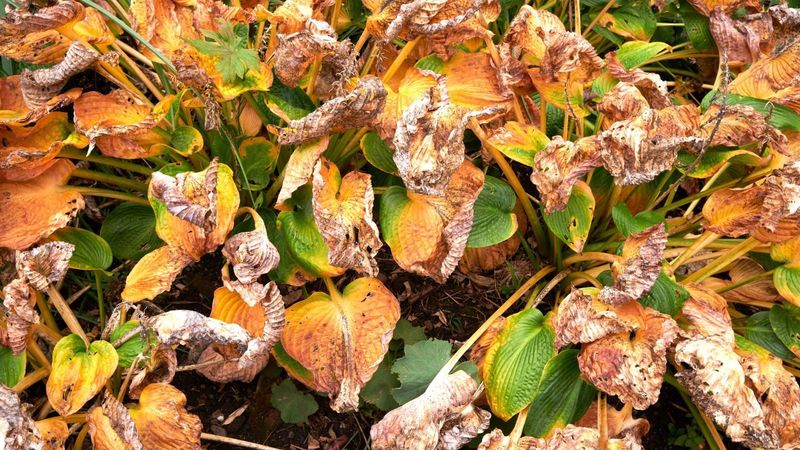
Ever stepped on a wet leaf pile and felt it squish like a sponge? Slugs feel right at home in that kind of mess.
Late autumn is the time to clean up hosta foliage fully. Once frost flattens the leaves, they turn mushy and start breaking down.
Decaying hosta leaves are prime real estate for slugs and their eggs. Clearing them before spring hatching removes a huge source of trouble.
Grab a leaf rake or a small hand rake. Work gently around each crown so you do not scrape the buds resting just below the surface.
Pull the soggy leaves away in every direction. You want a clear circle around the base of each plant.
Old hosta stems can be snipped off near the ground. They pull free easily after a hard frost.
Gardeners often face matted leaves from nearby maples and oaks too. Those heavy layers trap water and deserve removal just like hosta leaves.
A quick tip from experienced growers is to rake on a dry afternoon. Dry leaves are lighter, easier to move, and less messy to bag.
Wear gloves, because you may meet a few slugs along the way. Toss them into your debris bag as you go.
Keep an eye out for egg clusters as leaves lift away. Rake time doubles as egg-hunting time.
When you finish, each crown should sit in open, airy soil. Sun and wind can then dry the area between fall showers.
Pull Mulch Back From The Crowns
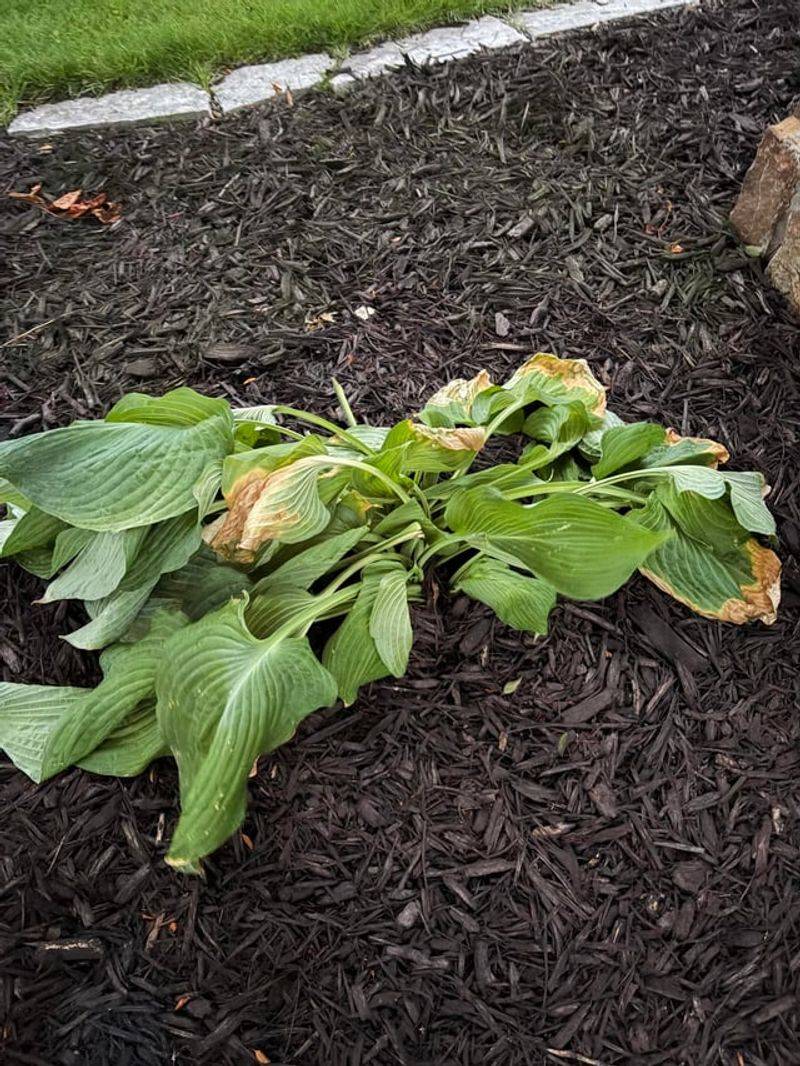
Mulch is a garden hero most of the year. Around hosta crowns in fall, though, it can quietly switch sides.
Thick, damp mulch creates the perfect slug hideout. During the day, slugs burrow underneath and wait for nightfall.
Deep mulch also traps moisture against the crown. That constant dampness invites egg-laying right where new shoots will appear.
The fix is easy. Use your hands or a small rake to pull mulch back a few inches from each plant base.
Leave a ring of open soil around every crown. A gap of three to four inches usually works well for most clumps.
You do not need to remove mulch from the whole bed. Just keep it away from the spot where slugs would love to camp.
Check your mulch depth while you are at it. Two to three inches is plenty for most shade gardens.
Winter can bring freezing and thawing cycles. Some gardeners add mulch in fall for protection, which is fine if it stays off the crowns.
Here is a smart spring reminder. Redistribute any leftover mulch before new hosta shoots begin poking through.
Mark your calendar for early April as a check-in date. A quick adjustment then keeps emerging buds dry and harder for slugs to reach.
Think of it as giving your hostas a little breathing room. Healthy crowns plus fewer hiding spots make a winning combination.
Flip Boards And Pots Where Slugs Shelter
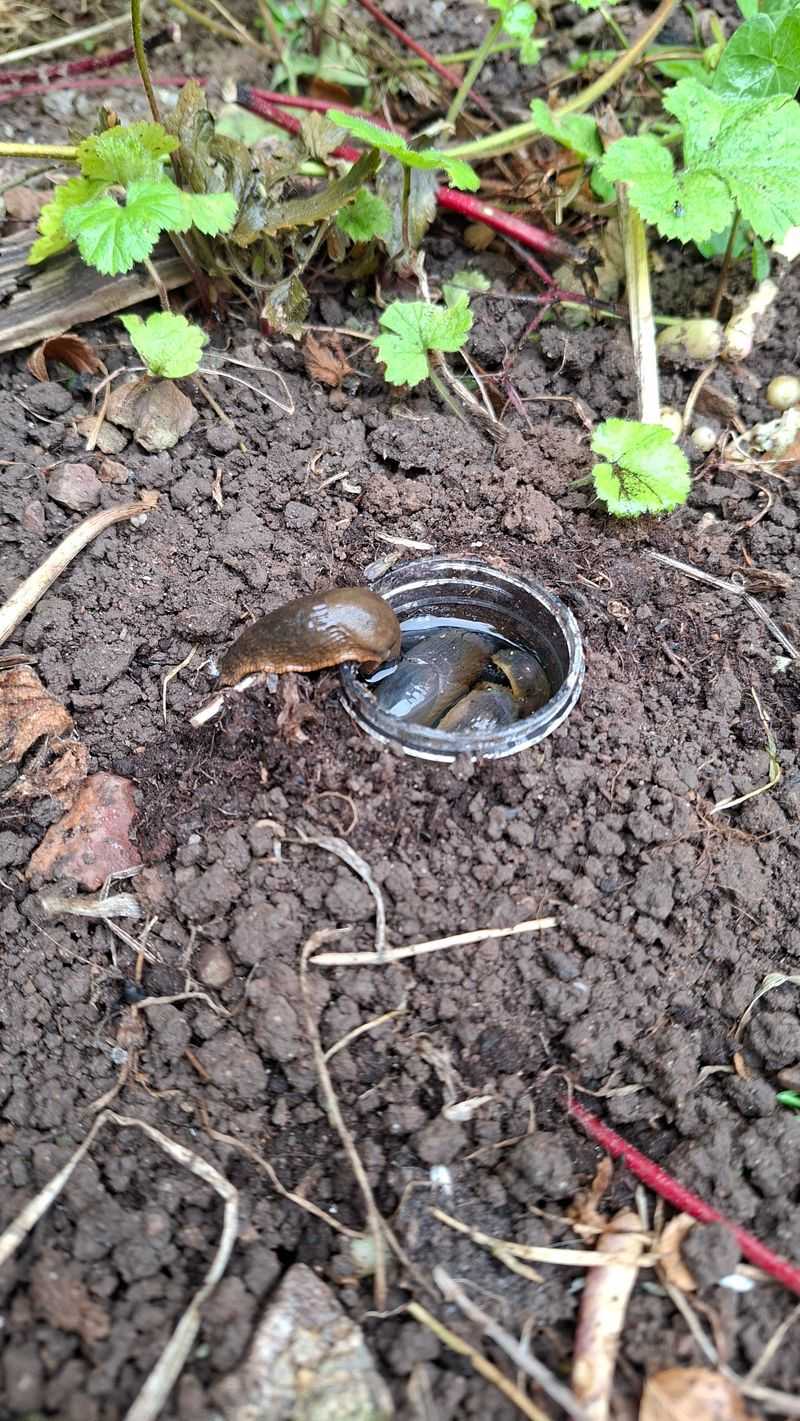
Kids love flipping rocks to see what crawls underneath. Grown-up gardeners get to play the same game this week, with a useful twist.
Slugs spend daylight hours under boards, stones, and flowerpots. Those flat, cool surfaces keep them moist and hidden.
Walk around your yard and lift anything sitting on the soil. Check old lumber, stepping stones, pots, bricks, and rain barrels.
You may uncover slugs, eggs, or both. Scoop them into a bucket of soapy water or a sealed bag.
Items you do not need should move off the ground for good. Stack pots on a shelf and store extra wood in the garage.
Here is a clever trick seasoned gardeners use. Place a board or upside-down pot near your hostas on purpose.
Slugs will gather underneath overnight, thinking they found a safe spot. Each morning, flip the trap and remove your catch.
Surprisingly, this simple method can collect dozens of slugs in a single week. It costs nothing and uses materials you probably already own.
Keep traps in shaded, damp corners where slugs roam. Checking early in the day gives the best results.
Plenty of New York yards have side paths lined with pavers or old timbers. Those edges deserve a close look too.
Once the easy shelters are gone, slugs have fewer places to lay eggs. Your hosta bed becomes a much less friendly neighborhood.
Bag The Debris Instead Of Composting It Nearby
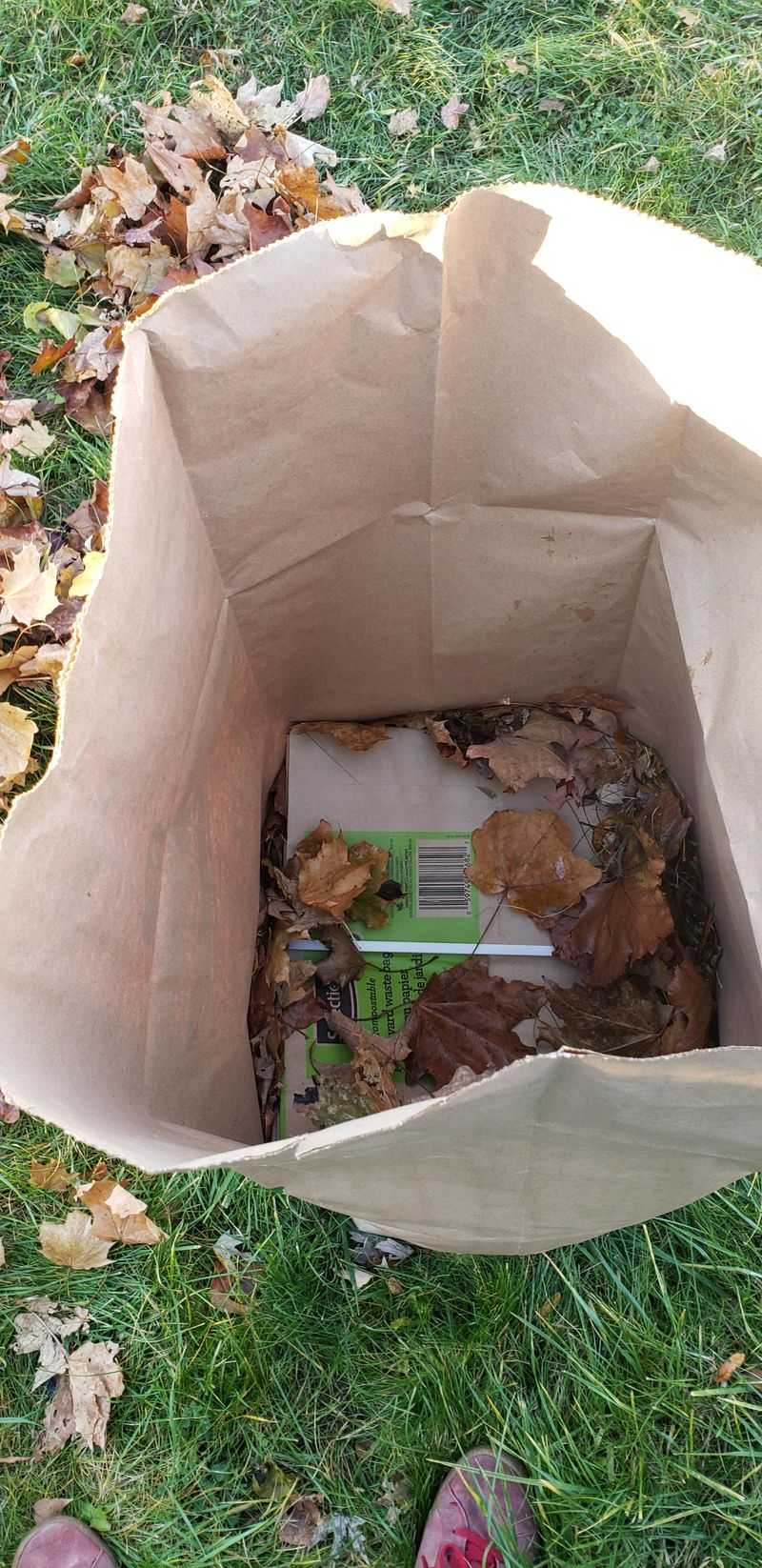
Tossing leaves on the compost pile feels like the eco-friendly choice. When slugs are involved, though, the story gets a little more complicated.
Disposing of garden debris in fall helps stop pests and diseases from spending winter in your yard. Slug eggs are a big part of that picture.
Compost piles do have some built-in defenses. Predators may eat eggs, and the pile’s weight can crush some of them.
Slugs mostly favor the fresh, loose material on top. Deeper layers are less appealing to them.
Trouble starts when a pile never heats up properly. Cool compost lets slug eggs survive and hitch a ride back to your beds.
Most backyard piles stay fairly cool, especially during autumn. That makes them risky when slug numbers are high.
For gardens with serious slug problems, bagging is the safer bet. Paper yard waste bags work well for curbside pickup.
Many towns offer fall leaf collection. Check your local schedule so bags do not sit for weeks.
Set filled bags on pavement rather than on soil or grass. Slugs cannot easily crawl back out and settle in nearby.
Still want to compost? Place the pile far from hosta beds and turn it often to build heat.
A hot pile reaching around 130 degrees Fahrenheit handles eggs much better. Keeping debris far from your plants gives you extra peace of mind.
Let Birds And Ground Beetles Finish The Job
Nature runs its own pest control service, and it works for free. Your job is simply to invite the right workers.
Robins, thrushes, blackbirds, and starlings all enjoy a slug snack. Ducks are champions too, especially Indian Runner and Muscovy breeds.
Birds visit yards that offer food, water, and cover. A birdbath, a feeder, and a few shrubs can make a big difference.
Nesting boxes encourage birds to stick around through spring. By then, they will be hunting for protein to feed hungry chicks.
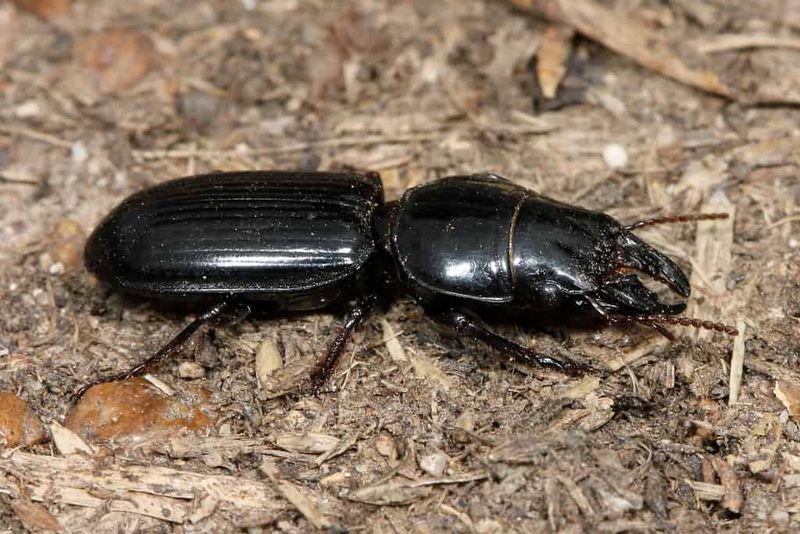
Ground beetles might be the most underrated helpers in any garden. These shiny, dark insects hunt slugs and gobble their eggs at night.
Here is a funny twist. Beetles love some of the same shelter slugs do, like leaf litter and moist soil.
So keep a small pile of leaves in a far corner, away from hostas. Beetles get a home without giving slugs a spot near your plants.
Planting a mix of flowers and shrubs helps beetles thrive. Variety creates more hiding places and more food for them.
Skip broad insecticides whenever you can. Those sprays harm the very predators working hardest on your behalf.
Many New York suburbs host plenty of robins well into fall. Watching them tug at the soil is a great sign your cleanup is paying off.
Leave a few exposed eggs after raking. Your feathered and six-legged friends will take care of the rest.
Fewer Slugs Mean Fuller Leaves By May
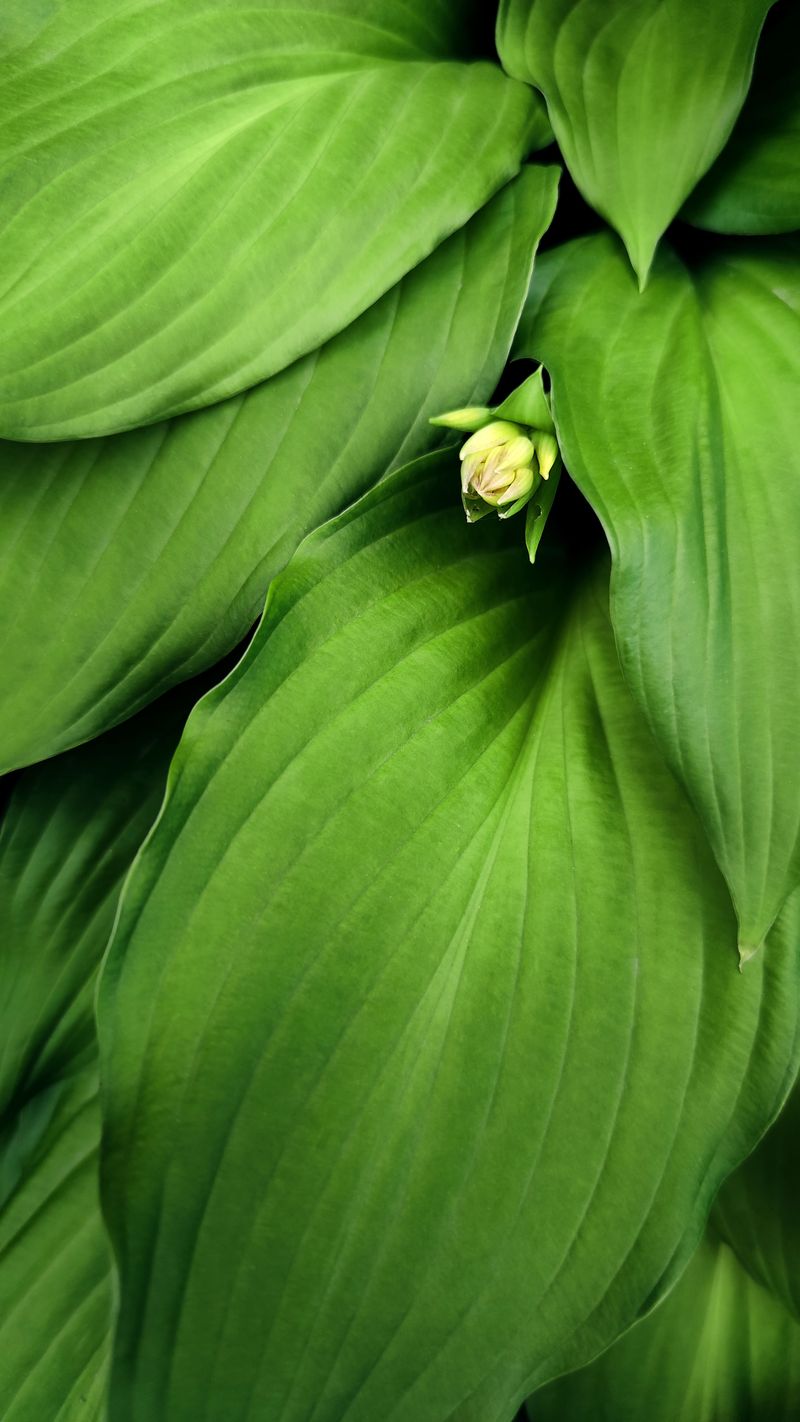
Close your eyes and picture a May morning. Your hostas stand tall, their leaves smooth and glossy without a single ragged hole.
That picture starts with the work you do this week. Slug damage shows up as uneven holes and chewed, torn edges across the leaves.
Hostas are most vulnerable in early spring. Young shoots emerge tightly rolled, and slugs can munch straight through several layers at once.
One bite on a curled shoot can leave a row of holes once the leaf opens. Early damage stays visible all season long.
Preventing trouble early beats fixing it later every time. You cannot repair a shredded leaf, but you can stop the slug before it hatches.
Fewer slugs also means your plants save energy. Instead of replacing lost foliage, hostas pour that strength into growing bigger clumps.
Over a few seasons, the results really stack up. Many gardeners notice fuller plants within one or two years of steady fall cleanup.
Keep a simple garden journal to track your progress. Jot down cleanup dates, egg clusters found, and how leaves look each spring.
Across New York, spring can arrive wet and cool, which slugs adore. A fall head start keeps you ahead of that soggy season.
Pair your fall efforts with quick spring checks. Look under traps and around crowns as shoots appear in April.
With a little effort now, your shade garden can become the neighborhood showpiece. Those big, beautiful leaves will be worth every rake stroke.