Florida Nurseries That Stock Cold-Hardy Tropicals For North Florida Yards
North Florida gardeners get the short end of the stick with tropicals, watching South Florida yards pull off looks that would freeze solid up here by January.
That gap is closing. A handful of nurseries now stock tropical varieties bred or selected to handle North Florida’s occasional hard freezes.
That used to mean driving hours south or gambling on plants never built for local cold snaps.
Not every nursery carries this lineup either. Ask the wrong garden center and you’ll walk out with the same fragile stock that struggles every winter, no matter how well you protect it.
Track down a nursery that actually specializes in this before buying another tropical on a whim. Surviving January often comes down to where you shopped, not how you cared for it.
1. Find Exotic Surprises At Esposito Garden Center In Tallahassee
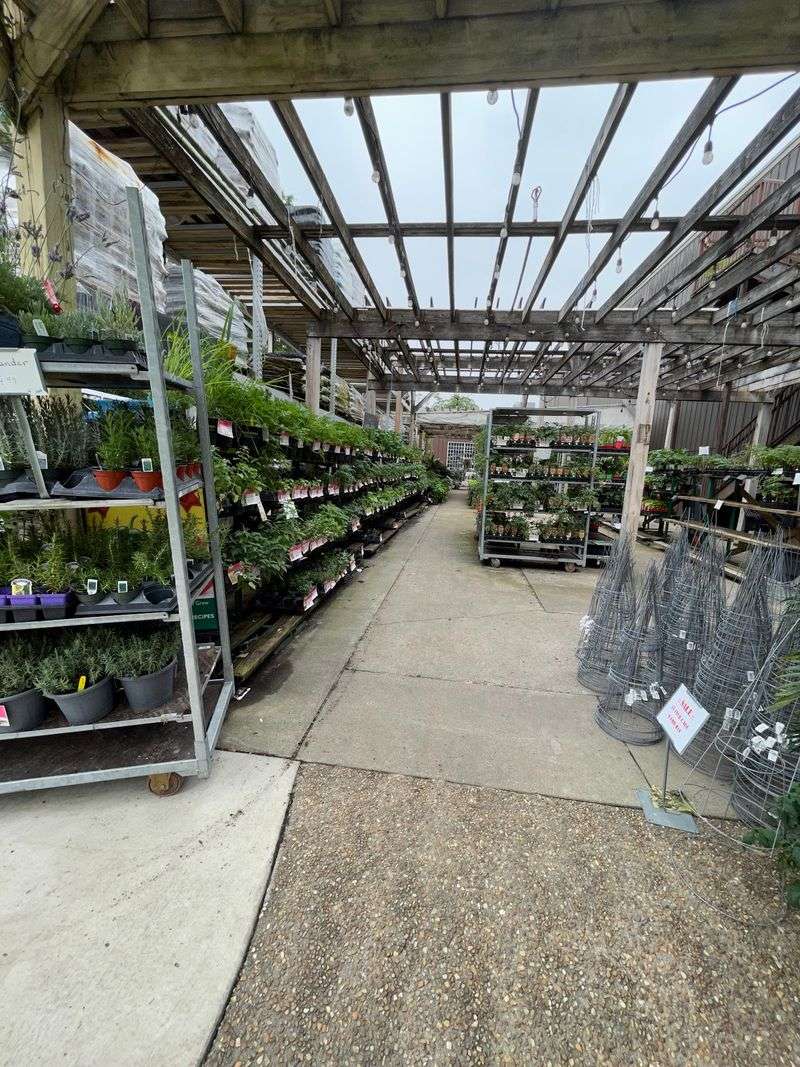
Walking into Esposito feels a bit like a treasure hunt. You come for one plant, and you leave with three you did not know existed.
This family-run Tallahassee garden center has been a local favorite for decades. Its aisles mix classic Southern shrubs with bolder picks that bring a tropical mood to a Zone 9A yard.
Inventory shifts with the seasons, so each visit can look a little different.
Since stock changes often, call ahead if you have a specific plant in mind. Ask the staff which tropical-looking choices handle the 20 to 25 degree lows that Tallahassee sees most winters.
Good candidates to ask about include Lady Palm, European Fan Palm, hardy gingers, and tree-form philodendrons.
Here is a helpful tip for Big Bend shoppers. Tallahassee often runs colder than Jacksonville or Gainesville because it sits farther inland.
That means a plant labeled hardy for Central Florida may need extra care here.
Try placing tender picks on the south side of your house. Brick walls and patios soak up daytime heat and release it at night, creating a cozy pocket of warmth.
Plants tucked into these spots often come through cold snaps with fewer brown leaves.
Keep a stack of old sheets or frost cloth near the garage door, too. When the forecast drops below freezing, drape plants loosely to the ground in the evening.
Pull the covers off the next morning once the sun warms things up, and your tropical corner will thank you.
2. Go Native For A Tough Tropical Look At Native Nurseries
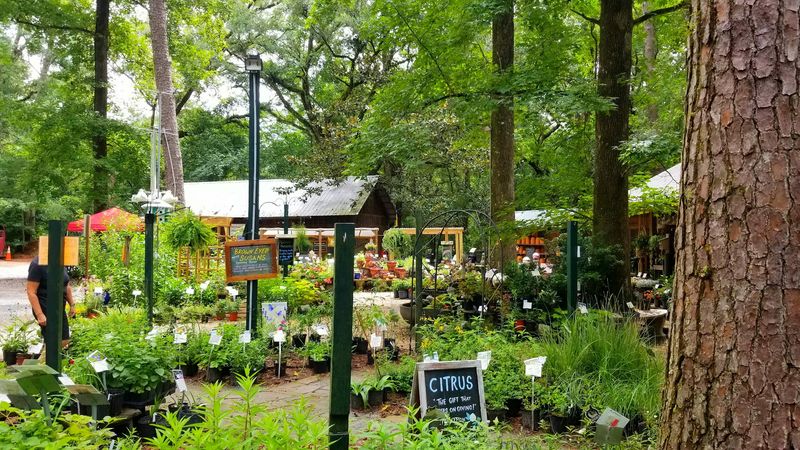
Who says tropical style has to come from far away? Some of the jungle-like plants that suit North Florida best have been growing here all along.
Native Nurseries in Tallahassee focuses on plants that fit the local climate. Their fern collection alone could turn a shady side yard into a green hideaway.
They carry both native and non-native ferns that need little fussing once settled in.
Ferns layered under pines or oaks create that soft, leafy look people love in tropical gardens. Pair them with broad-leaf plants for contrast, and you get depth without a big water bill.
Fruit lovers will find plenty to enjoy here as well. The nursery stocks Satsuma, Kumquat, Meyer Lemon, Calamondin, and Limequat, all known to handle Tallahassee winters.
Your Florida Garden Changes Every Week. Your Plan Should Too.
Gardening in Florida changes quickly throughout the season. Every Friday you’ll receive a simple weekly plan showing exactly what to plant, prune, fertilize, harvest, and protect so you never miss the right timing.
Glossy citrus leaves and bright fruit add a sunny, island feel to any patio.
You may also spot Rabbiteye blueberries, Red Mulberry, and figs like Brown Turkey and Celeste. Guthrie Plum and Mayhaw show up at times too.
These edibles give your yard a lush look while filling your kitchen with snacks.
Here is a fun idea. Plant a Satsuma near your back door and pick sweet fruit in late fall.
Satsumas are among the most cold-tolerant citrus around, which is why so many Big Bend families grow them.
Chat with the staff about pairing natives and edibles. They know which plants partner well in local soil and weather.
3. Make The Drive To Blue Star Nursery In Hawthorne
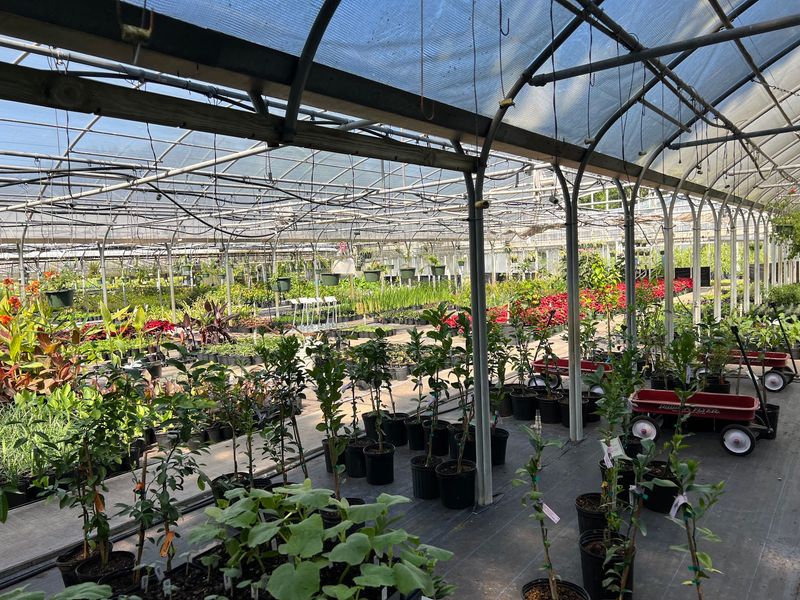
Some of the best plant finds hide down quiet country roads. Hawthorne, a small town east of Gainesville, is that kind of place.
Blue Star Nursery sits in this rural pocket of Alachua County. Small-town nurseries like this one often surprise shoppers with plants the big-box stores skip.
Details on current stock can be hard to find online, so a phone call before the trip is smart.
Make a day of it. Pack a cooler, bring a friend, and plan to stop at nearby farm stands on the way home.
A road trip turns plant shopping into a mini adventure.
When you arrive, ask about palms and shrubs grown locally. Plants raised in the same climate as your yard tend to adjust faster after planting.
They have already felt North Florida cold snaps and summer storms.
Bring a list of your yard conditions, too. Note how much sun each spot gets and whether water puddles after rain.
This info helps staff steer you toward the right choices.
Look for plants with firm stems, healthy roots, and no yellowing leaves. Gently tip the pot to peek at the roots if the staff allows it.
White, spreading roots are a good sign, while circling roots may need loosening before planting.
Measure your car before you go. Palms and big shrubs take up more room than you expect, and nobody wants to leave a prize plant behind.
4. Get Expert Plant Advice At Grassroots Nursery In Gainesville
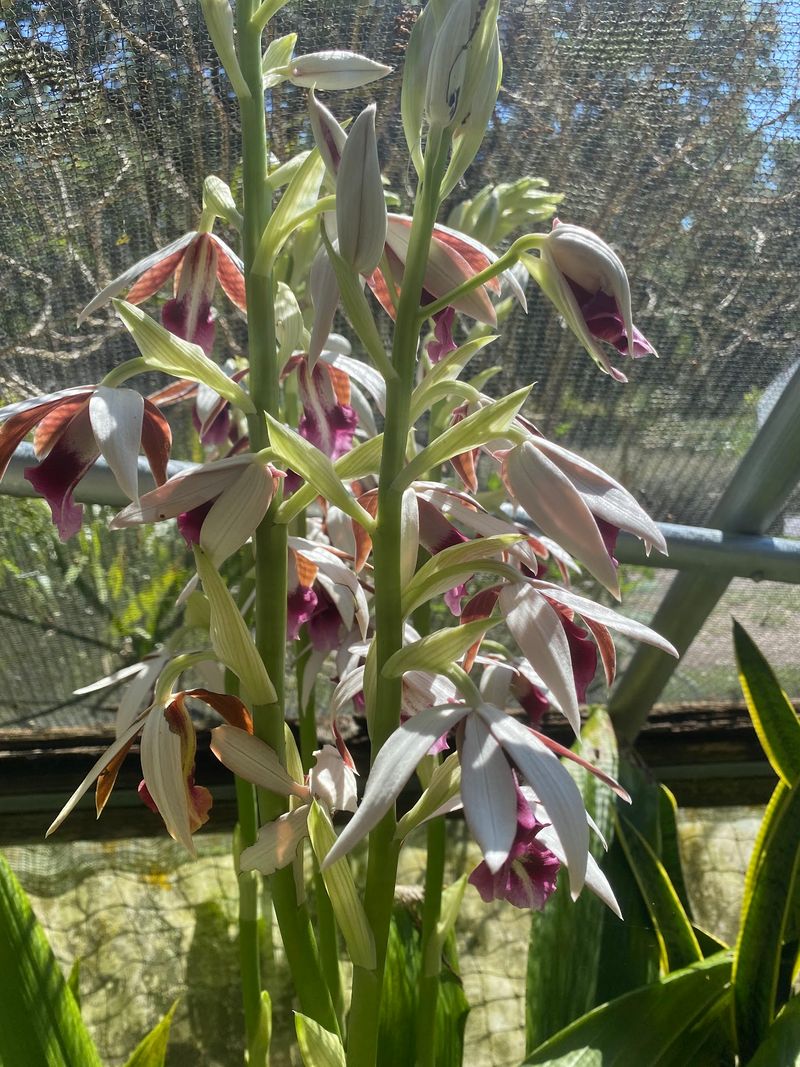
Imagine a nursery where the staff actually asks what you need before handing you a plant. That is the everyday vibe at Grassroots Nursery in Gainesville.
This shop specializes in unique, easy-to-grow plants, many of them unusual. You will find gingers, palms, bamboos, vines, ferns, and camellias.
Florida-Friendly and native flowering plants fill the shelves too.
Gingers are a standout for North Florida. Many types fade to the ground in a hard freeze, then pop back up in spring with fresh leaves and spicy blooms.
They give you a tropical look with very little stress.
Fall brings some showstoppers. Purple Devil’s Trumpet, Confederate Rose, and drought-tolerant Orange Zest Cestrum often get the spotlight.
Confederate Rose is famous for flowers that shift from white to pink in a single day.
The real gem might be the advice. Owner Bill Copenhaver offers on-site consultations for garden problems, design tweaks, or brand new landscape plans.
Having an expert walk your yard can save you money on plants that would struggle.
Staff members also share tips right at the counter. Ask them which plants handle wet spots, which need shade, and which will return after a cold night.
They want your purchase to work in your real yard.
Grassroots is open Monday through Saturday. Stop by with photos of your garden, and you will likely leave with fresh ideas and a trunk full of leafy friends.
5. Garden Gate Nursery Has Served Gainesville Since 1967
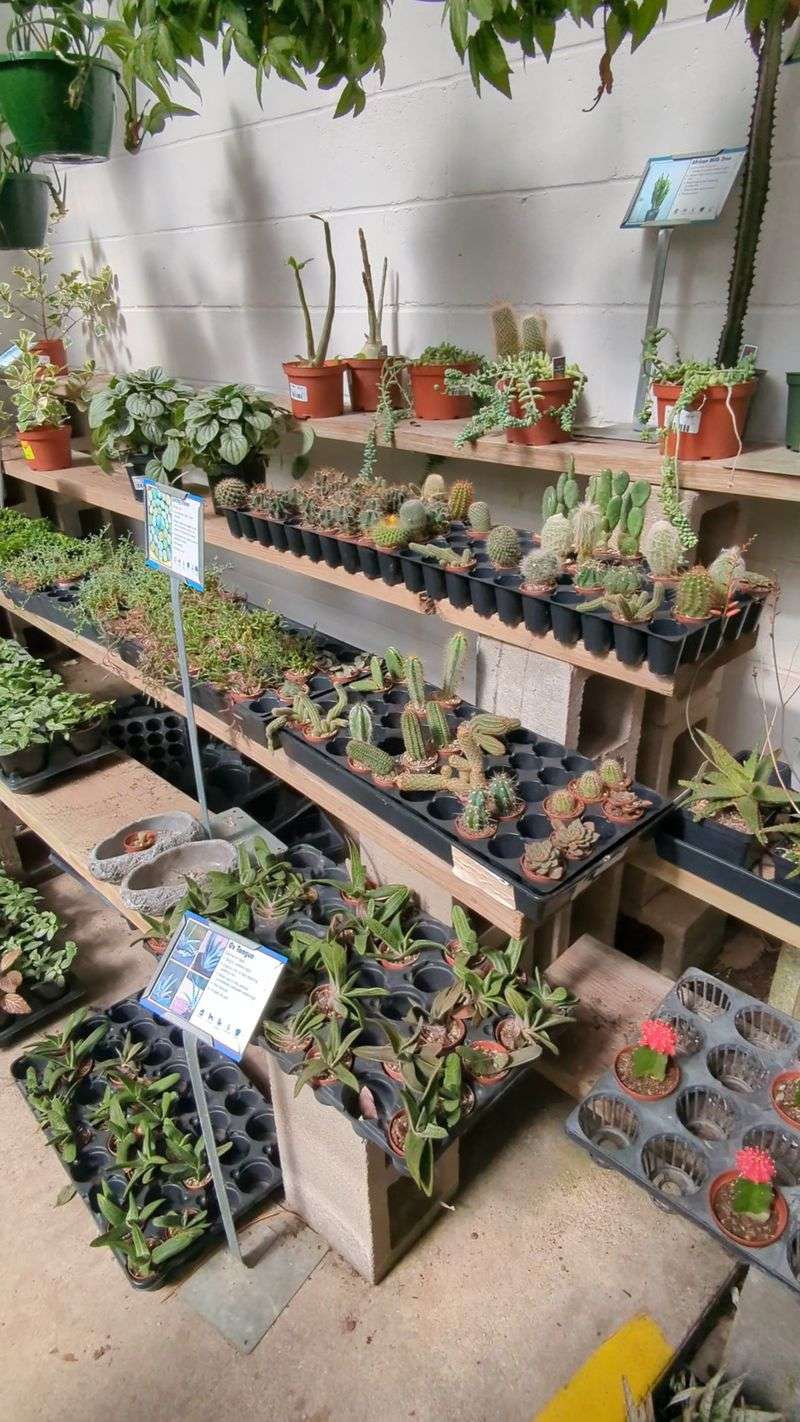
Back in 1967, gas cost about 33 cents a gallon, and Garden Gate Nursery opened its doors. Decades later, Gainesville gardeners are still driving over for plants.
You will find the nursery at 2406 NW 43rd Street. Hours run Monday through Saturday from 9 am to 6 pm and Sunday from noon to 5 pm, all year.
That makes weekend plant runs easy to fit in.
Their shelves hold plenty of tropical-looking favorites. Cycads, bamboo, aloe, ferns, succulents, and mondo grass are all part of the mix.
Cycads, like the sago, have an ancient look that instantly adds a prehistoric jungle feel.
Fun fact: cycads have been around since the time of dinosaurs. Many types handle North Florida chills better than their tropical looks suggest.
Shoppers often praise the helpful staff and strong selection. Some even describe their finds as fantastic plants.
That kind of reputation does not come from luck, it comes from years of care.
Before you go, check out the online catalog. You can search by size, climate zone, flowers, and fall colors.
Filtering by climate zone is a handy way to find picks rated for Zone 9A.
Try pairing spiky aloe with soft ferns and mondo grass for a layered bed. The mix of textures gives a lush, resort-style look.
Plus, most of these plants ask for little water once they settle in.
6. Earth Works Brings The Palms To Jacksonville’s Beach Boulevard
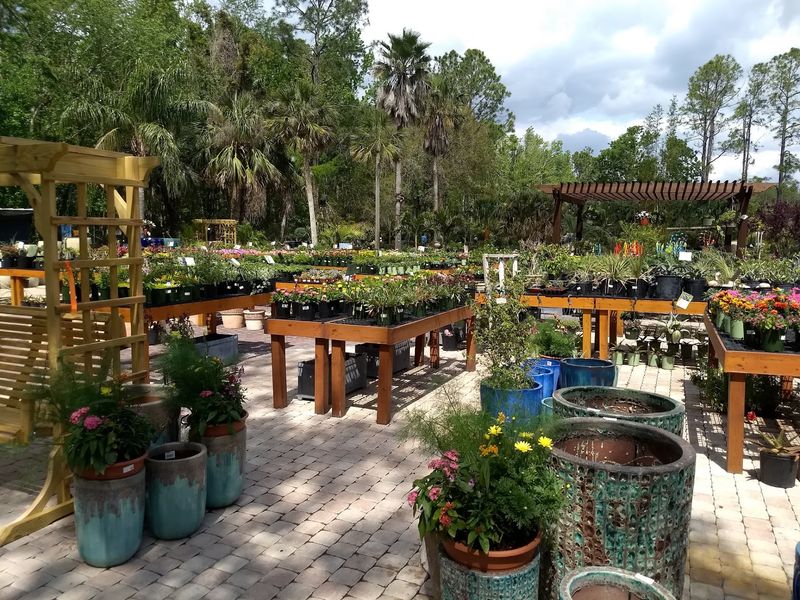
Palm lovers, this stop might become your happy place. Earth Works on Beach Boulevard has been growing Jacksonville yards since 1988.
The address is 12501 Beach Boulevard, and the palm lineup is impressive. Cold-hardy options include Mule Palm, Pindo Palm, Windmill Palm, Needle Palm, and Sabal Palm.
You will also see European Fan, Chinese Fan, Sylvester, Canary Island Date, Queen, and Pygmy Date Palms.
So which palm should you pick? Needle Palm ranks among the toughest palms on the planet, handling cold far below North Florida lows.
Mule Palm, a cross between Pindo and Queen, offers graceful feathery fronds with extra toughness.
Sabal Palm is the state tree, so it fits right in. Windmill Palm stays slim and works well in small yards.
Queen and Pygmy Date Palms are a bit more tender, so give them a sheltered spot.
Big palms can be tricky to plant yourself. Earth Works offers delivery and installation, which saves your back and your weekend.
Proper planting depth matters, and the crew knows what they are doing.
Beyond palms, the garden center stocks tropical shrubs, perennials, herbs, veggies, natives, aquatic plants, succulents, and houseplants. You can plan a whole tropical bed in one trip.
Tip for coastal yards: salt spray and wind can be rough. Ask staff which palms hold up best near the beach before you buy.
7. Order Tropicals To Your Door From Top Tropicals In Fort Myers
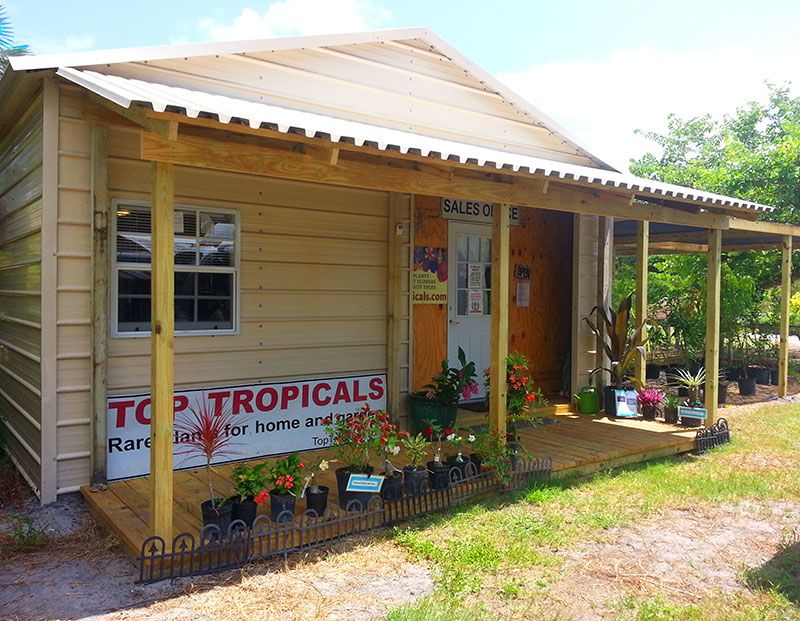
Can’t find a rare plant nearby? Let the plant come to you instead.
Top Tropicals is based in Fort Myers with a nursery in Sebring. They are known as a leading authority on tropical plants, and their online store is huge.
They are certified to ship plants across the country, including right to North Florida.
For northern Florida gardeners, the cold-hardy section is the star. Look for cold-hardy avocado trees and cold-hardy mulberries.
Growing your own avocados in Gainesville or Tallahassee sounds like a dream, and the right variety can make it happen.
The catalog goes way beyond fruit. You will find fragrant plants, flowering trees, vines, orchids, succulents, bonsai, and natives.
Browsing it feels a bit like window shopping in a botanical garden.
Plants usually arrive mature and well developed, often in 3-gallon pots or bigger. That means a head start compared to tiny starter plants.
Shipping costs show up automatically in your cart, so there are no surprises.
Here is a smart move. Order in spring, after your last frost.
That gives new plants a full warm season to grow strong roots before winter.
When your box arrives, open it right away and water the plant. Keep it in bright shade for a few days before moving it into full sun.
This short rest helps it adjust to its new North Florida home.