How To Spot A Young Timber Rattlesnake In Your Virginia Yard Before It’s Too Close
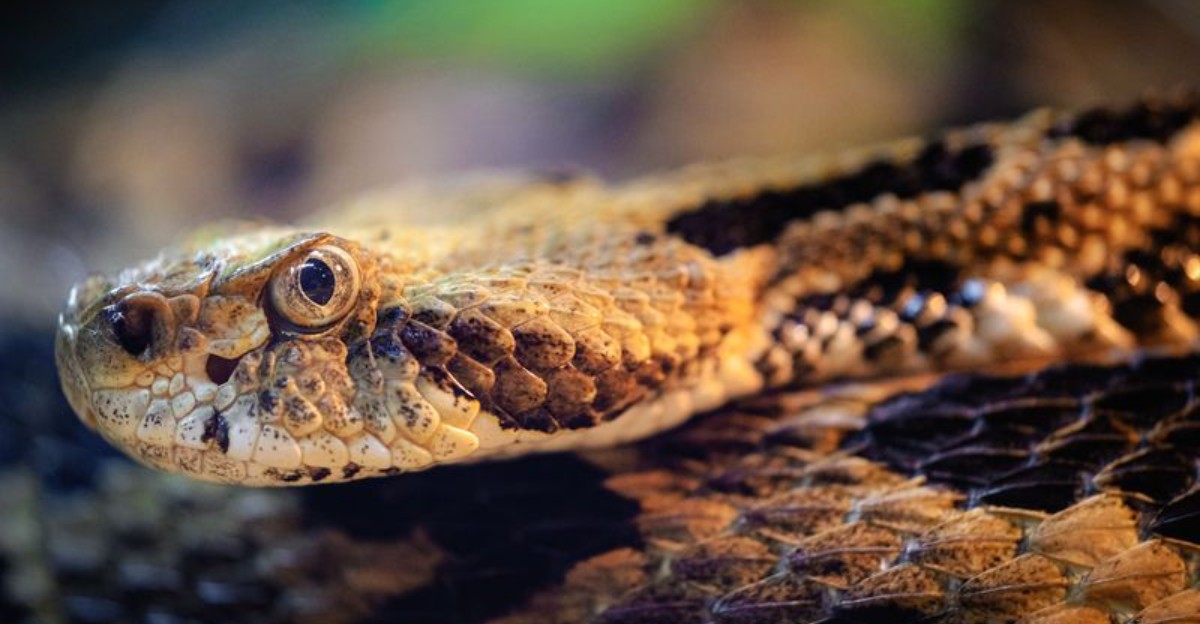
A dry rustle in the leaves can make your heart jump faster than a squirrel on a fence. In wooded parts of Virginia, that sound might come from something small, gray, and easy to overlook.
Young timber rattlesnakes are masters of hiding in plain sight among rocks and fallen leaves. Many are too young to rattle loudly, so they can’t always warn you they’re there.
They aren’t out to cause trouble, but a surprise meeting is never fun for anyone. Knowing what to look for gives you a big head start.
Timing, color, shape, and habitat all tell part of the story. Even state law plays a role in what you should do next.
The clues below help you spot one long before your foot lands nearby. Once you know them, your next walk to the garden will feel a lot more confident.
Know When Young Timber Rattlesnakes Appear
Picture a crisp September morning with golden leaves starting to fall. Late summer into early fall is when baby timber rattlesnakes arrive in Virginia.
Most births happen between September and early October. Some reports stretch that window from August through October, so stay alert all season.
Here is a surprise for many folks. Timber rattlesnakes skip the egg stage and give birth to live babies instead.
Scientists call that ovoviviparous, which is a fancy word worth learning. The eggs develop inside the mother, and the young come out ready to move.
Litters usually hold between three and thirteen babies. An average group has about seven or eight little snakes wriggling around.
Mothers do not give birth every year, though. Most females only have young every two to four years, which keeps numbers fairly low.
So why does timing matter for your yard? Knowing the season helps you decide when to take extra care outdoors.
During early fall, rake leaves with a long tool rather than bare hands. Wear sturdy boots when you move woodpiles or step into tall grass.
Kids and pets deserve a little extra attention during these weeks too. Keep dogs on a leash near brushy edges and wooded borders.
A simple calendar note can help your whole family remember. Mark late August through October as snake season and review safety tips together.
Fall is lovely for yard work and hayrides. A little awareness lets you enjoy it without any unwelcome surprises underfoot.
Look For The Single Rattle Button
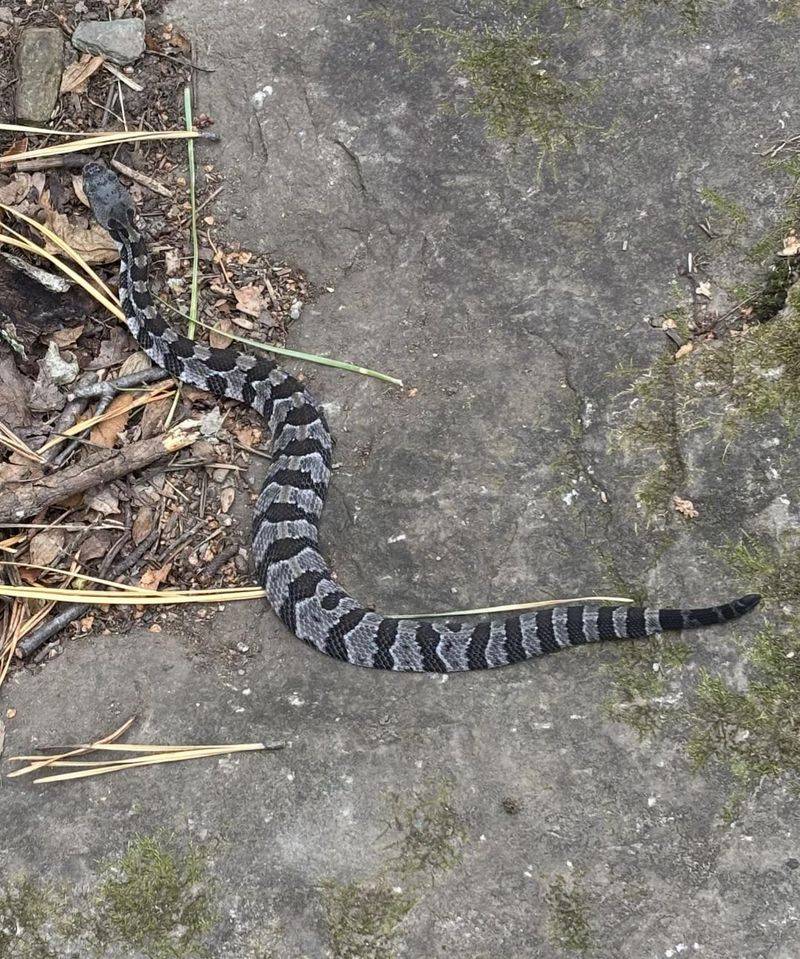
Tiny, rounded, and silent, the baby rattle is more like a pebble than a noisemaker. Newborn timber rattlesnakes have just one segment at the tail tip.
People call that first piece the button. It looks like a small, smooth bead attached to the end of the tail.
Here is the tricky part for homeowners. A single button cannot make the famous buzzing sound adults use as a warning.
New segments get added each time the snake sheds its skin. After a few sheds, the rattle finally grows large enough to buzz.
So a young snake may sit quietly while you walk right by. You cannot count on hearing a warning from a baby.
Your Virginia Garden Changes Every Week. Your Plan Should Too.
Gardening in Virginia changes quickly throughout the season. Every Friday you’ll receive a simple weekly plan showing exactly what to plant, prune, fertilize, harvest, and protect so you never miss the right timing.
Fun fact time. Many people think you can count rattle segments to learn a snake’s age.
Sadly, that trick does not really work. Rattles can break off, and snakes may shed more than once a year.
How can you use this detail safely? Look at the tail only from a distance, ideally with binoculars or a phone zoom.
If you spot a stubby tail ending in a small knob, treat it seriously. Other harmless snakes have pointed tails that taper to a thin tip.
Getting close enough to study the button is not worth the risk. Snap a photo from at least several feet away and zoom in later.
That little bead is a clue worth remembering. Quiet does not mean harmless when it comes to baby rattlers.
Watch For Gray And Tan Coloring In Leaf Litter
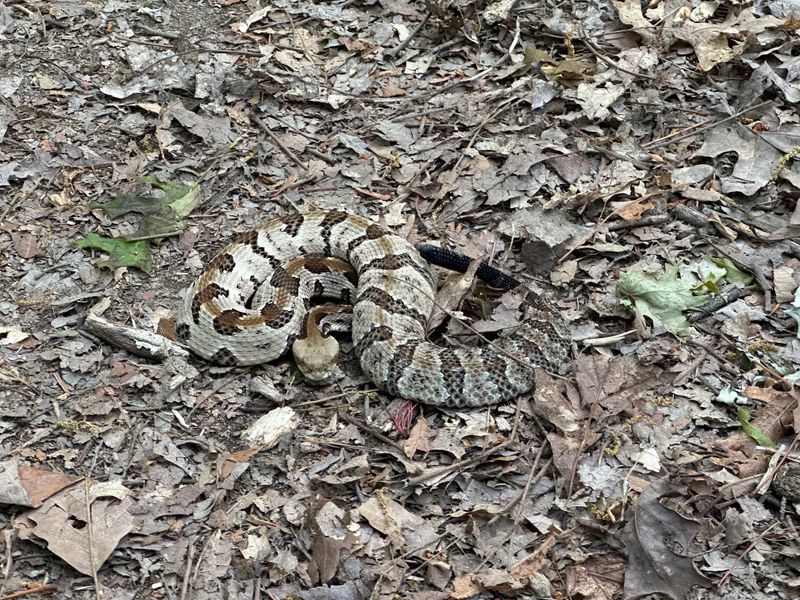
Ever lost your keys in a pile of fall leaves? A young timber rattlesnake can vanish just as easily in that same crunchy mess.
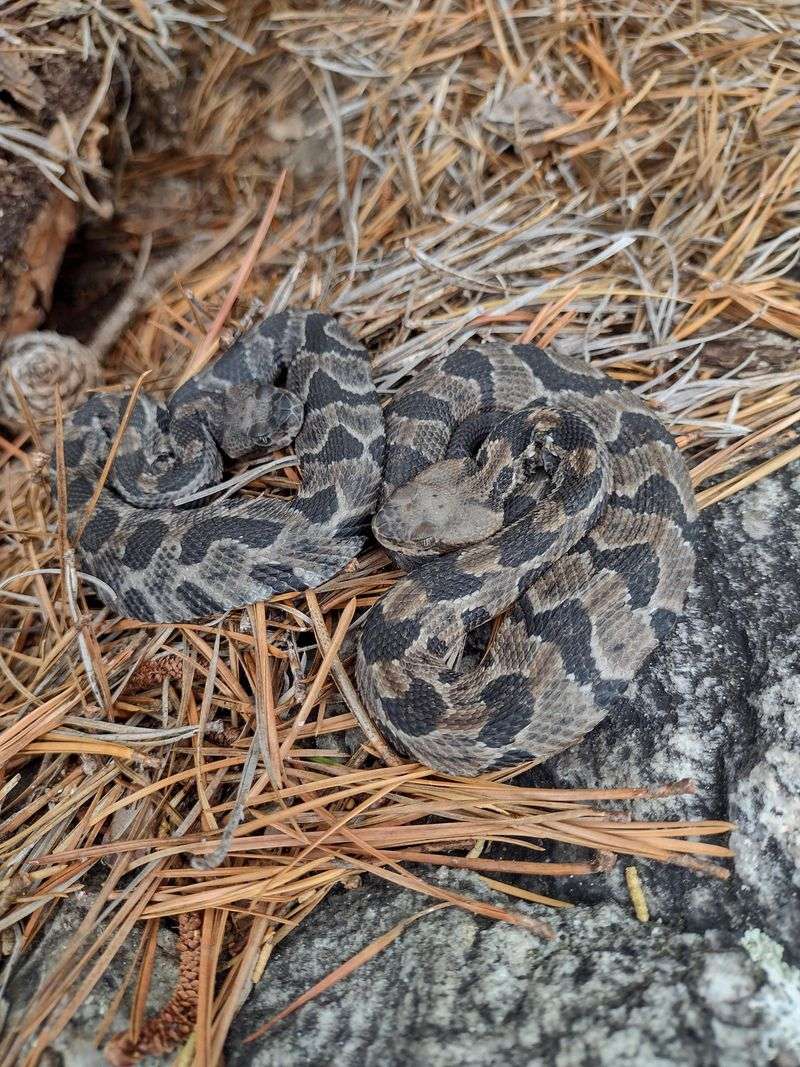
Babies usually look lighter than adults. Many appear gray, soft brown, or even slightly pink.
Some newborns show a gray body with a faint rosy glow. For about their first year, most stay mostly gray while keeping adult markings.
Color can shift a lot from snake to snake. You might see pinkish, gray, yellowish, or light brown babies in the same area.
Along the coastal plain, the local form is called the canebrake rattlesnake. Those snakes often wear gray tones with a gentle pink tint.
Why is gray such a clever color? Dry oak leaves, weathered bark, and old mulch all share those dusty shades.
A practical habit helps a lot here. Scan the ground slowly before stepping into leaf piles or flower beds.
Try looking for shapes rather than colors alone. A smooth coil or an S-curve stands out once your eyes know what to find.
Keeping leaf litter trimmed near doors and walkways also helps. Fewer hiding spots means fewer chances for surprise meetings.
Consider moving leaf piles away from patios and play areas. A compost bin with a lid works better than open heaps near the house.
Your eyes will get sharper with practice. Soon those gray and tan tones will jump out instead of blending in.
Look For Dark Chevron Bands Along The Back
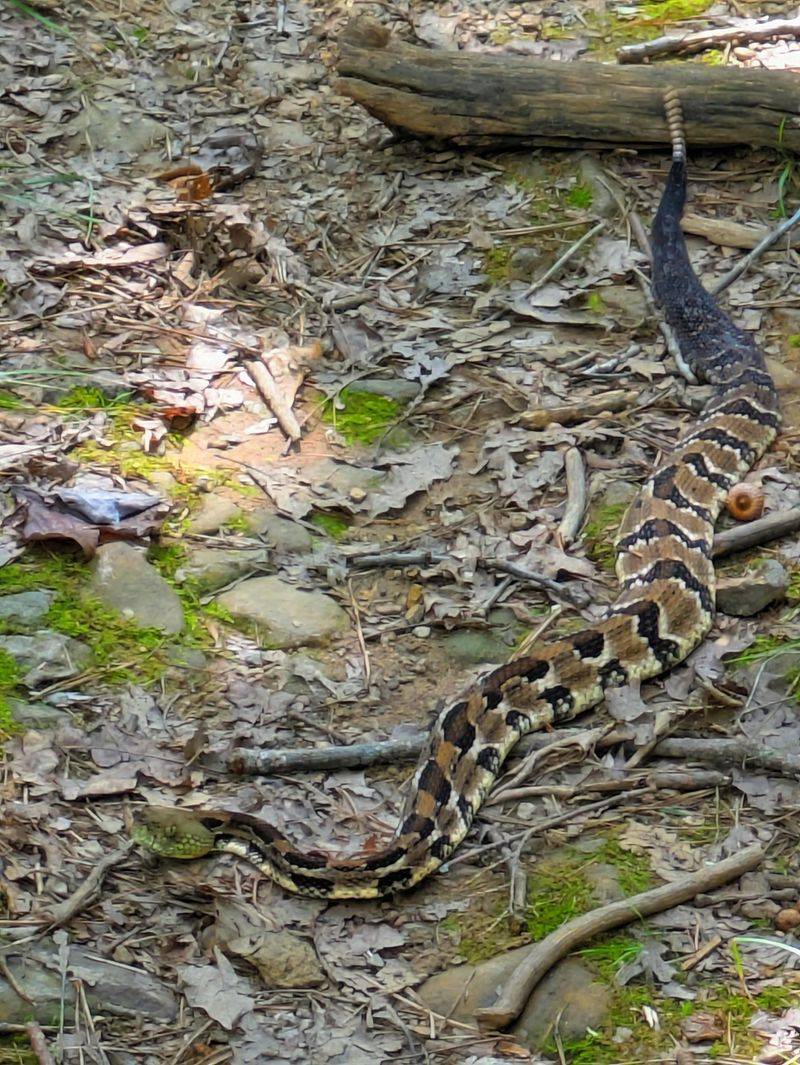
Zig, zag, repeat. That jagged pattern is one of the easiest ways to recognize a timber rattlesnake, young or old.
Dark brown or black bands cross the back in bold V or M shapes. Their edges look ragged, almost like torn paper.
Point direction matters too. The tip of each V faces toward the head.
Many snakes also carry a stripe running down the center of the back. That stripe may look reddish, orange, yellow, or brown.
Good news for spotters here. Babies share the same pattern as adults, so the chevrons show up from day one.
Harmless look-alikes cause plenty of confusion. Rat snakes and water snakes often have blotches, not crisp chevrons.
Copperheads wear hourglass bands that are wide on the sides and narrow on top. Timber rattlers show zig-zag crossbands instead.
Want a handy memory trick? Think of a mountain range drawn by a child, with sharp peaks marching down the body.
Toward the tail, the pattern often darkens. Many timber rattlesnakes have a nearly black tail, sometimes called a velvet tail.
Use a phone camera with zoom to study the pattern safely. Later, you can compare your photo with trusted guides from local wildlife groups.
Once you know those chevrons, you will spot them faster. Pattern recognition is a skill that grows each time you practice.
Check For A Wide, Triangular Head And Thick Body
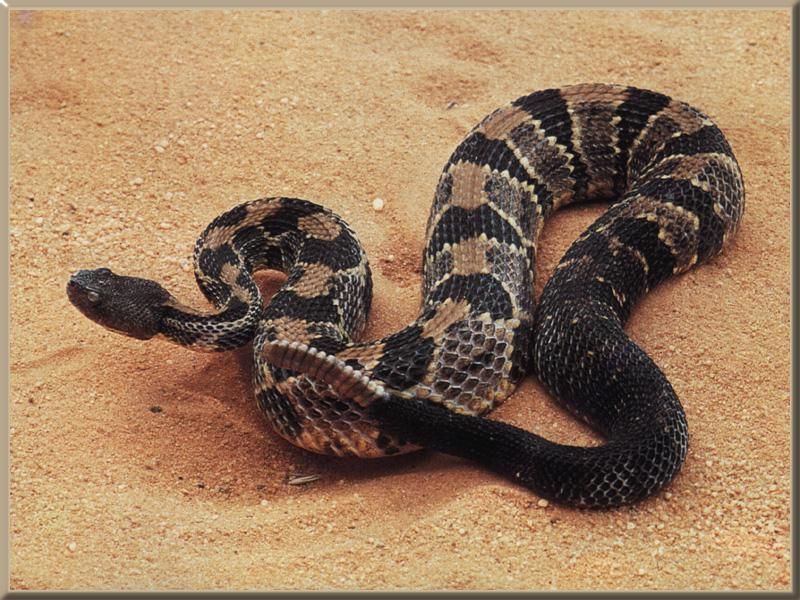
Shape tells a story all by itself. Timber rattlesnakes carry a broad, triangular head that looks much wider than the neck.
Behind that head sits a thick, heavy body. Even babies look chunky compared to slim garter snakes.
Newborns measure around one foot long. Most range from about eight and a half to just over thirteen inches.
Like other pit vipers, they have special heat-sensing pits. Each pit sits between the eye and the nostril.
Those pits help them find warm prey in the dark. Picture built-in night vision goggles for mice.
Their eyes have vertical pupils, a bit like a cat. Many harmless snakes have round pupils instead.
A word of caution helps here. Checking pupils means getting far too close, so skip that clue in real life.
Some harmless snakes flatten their heads when scared. That bluff can make a rat snake or hognose look triangular for a moment.
So use several clues together. Head shape, thick body, chevrons, and a stubby tail make a stronger match.
Size matters for yard safety too. A foot-long snake hides easily under a garden hose, a doormat, or a flowerpot.
Lift outdoor items with a stick or gloved hand first. That small step keeps fingers safe during busy fall chores.
Know Where Young Snakes May Linger Near Their Mother
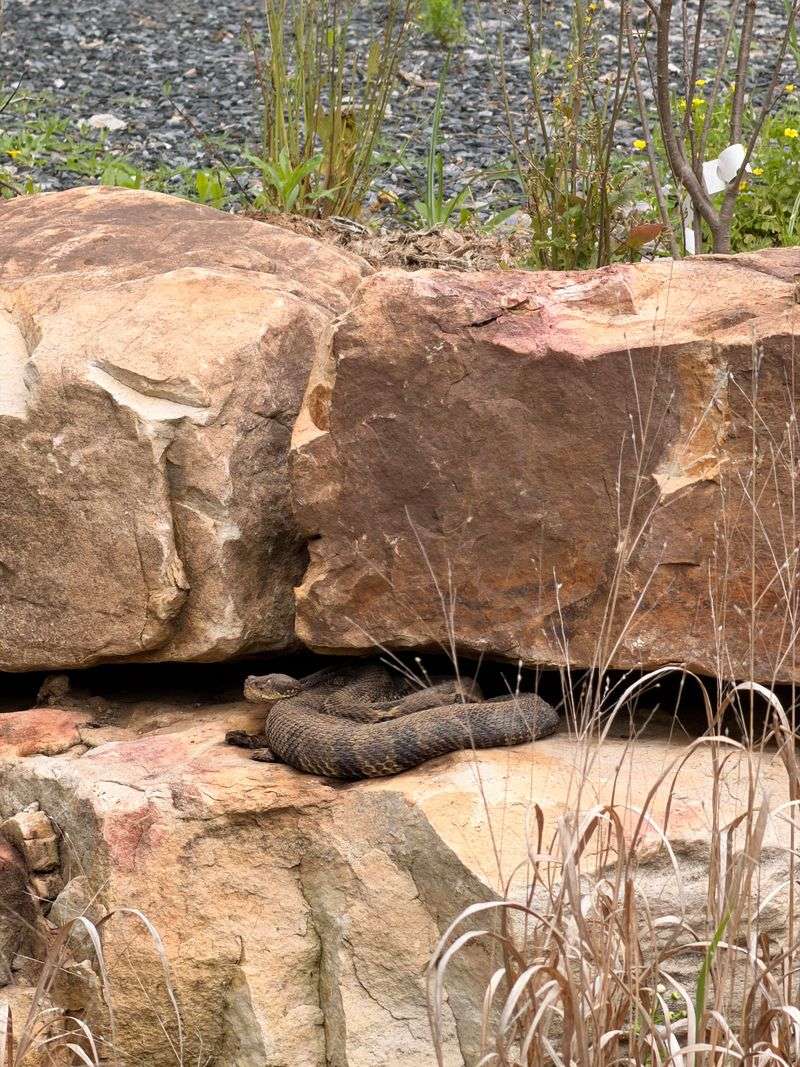
Surprisingly, rattlesnake moms stick around for a little while. Newborn timber rattlesnakes often stay near their mother after birth.
That family time usually lasts about one to two weeks. Some sources say seven to ten days is more typical.
Mothers tend to leave once babies finish their first shed. After that, the youngsters are on their own.
Pregnant females favor warm, open, rocky ledges. Sunny spots help them stay cozy while the babies develop.
What does that mean for your yard? If you find one baby, others could be close by.
Spotting one small snake is a signal to pause. Look around carefully before taking another step.
Here is another neat detail. Young snakes follow the scent trails of adults to find winter dens.
So a baby crossing your yard may be heading somewhere specific. Stone walls, rock piles, and old foundations may lie along that route.
Homes near rocky ledges or stone steps deserve a closer look in fall. Keep pets away from sunny rock areas during September and October.
Avoid reaching into cracks or under flat stones. Those hideaways make perfect nurseries for tiny snakes.
Most importantly, leave any group of snakes alone. Give them space, and they will usually move on once the family breaks up.
Check Rocky, Wooded Slopes For Their Preferred Habitat
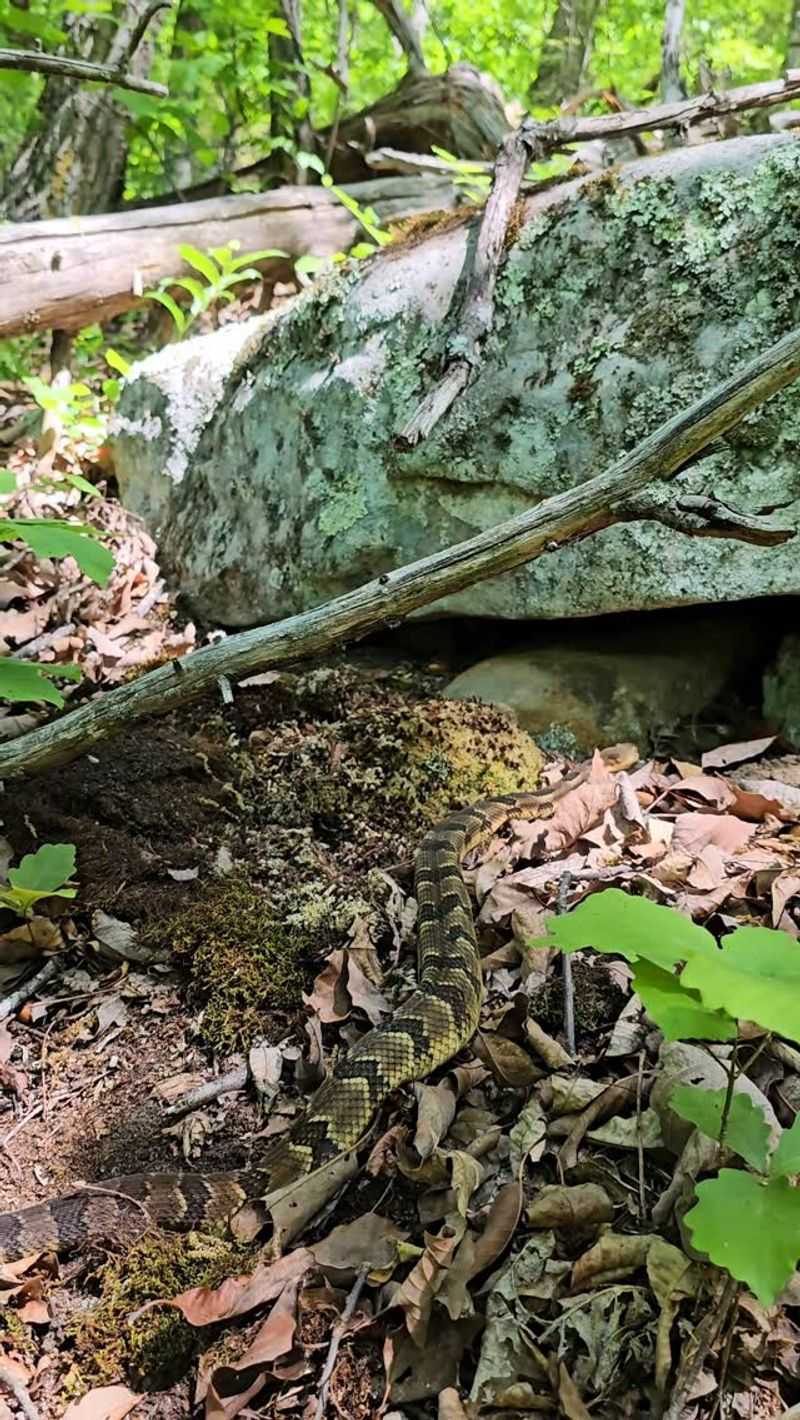
Mountains, forests, and old stone ledges feel like home sweet home to a timber rattlesnake. Habitat is a big clue to whether one might visit.
In Virginia, these snakes are common in the western mountains. A small population also lives in the far southeastern corner of the state.
They live in many places, including thickets, swamps, farms, and river floodplains. Still, mature forests with rocky slopes top their wish list.
South-facing hillsides soak up plenty of warm sunshine. Bluffs and ledges nearby add even more appeal.
Western snakes prefer thick woods, talus slopes, and rocky outcrops. Talus means loose piles of broken rock at the base of cliffs.
Winter dens usually sit on steep slopes. Many hide in rock cracks or rubble between about 650 and 3,900 feet.
Some snakes spend winter alone, while others gather in small groups. Communal dens and birthing spots can shape their whole lives.
So does your property match this picture? Homes backing onto wooded hills or rock walls see more visits.
Tidy up what you can control. Move firewood away from the house and stack it off the ground.
Clear brush piles and seal gaps under sheds or porches. Keep grass mowed short near doors, paths, and play spaces.
Controlling mice matters too. Fewer rodents means fewer reasons for a hungry snake to explore your yard.
Learn How Mountain And Swamp Snakes Differ
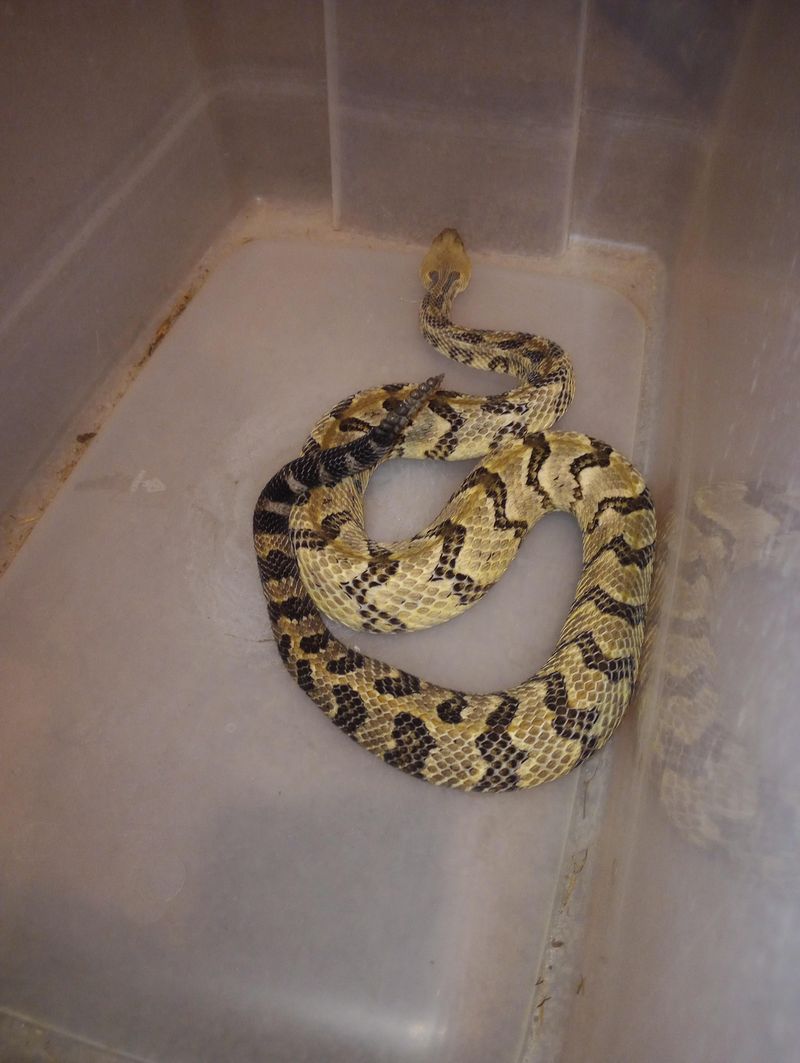
Same species, two very different looks. Virginia actually hosts two main groups of timber rattlesnakes.
One group lives in the mountains and piedmont. The other lives in the southeastern swamps and is called the canebrake rattlesnake.
Canebrakes usually look gray, sometimes with a soft pink wash. A stripe down the back may be pinkish, yellow, orange, or brown.
Adult canebrakes often show a dark stripe from the eye to the jaw. Their center stripe tends to stand out clearly too.
Mountain snakes lean toward brown, yellowish, or even black tones. Some wear bright yellow, while others look nearly all dark.
Those yellow and black phases only appear in western Virginia. Canebrakes in the southeast do not show them.
Lifestyles differ a bit as well. Canebrakes hunt in different areas and spend winter in more varied spots.
Instead of rocky dens, they may tuck into stumps, root holes, or swampy ground. Mountain snakes stick closer to rocky hillsides.
Here is a fun bit of history. Scientists debated for years whether canebrakes deserved their own subspecies name.
For homeowners, the takeaway is simple. Know which region you live in so you know which colors to expect.
A Chesapeake or Dismal Swamp neighbor should watch for gray snakes. A Blue Ridge resident might see yellow or black ones.
Know When The Law Protects Them
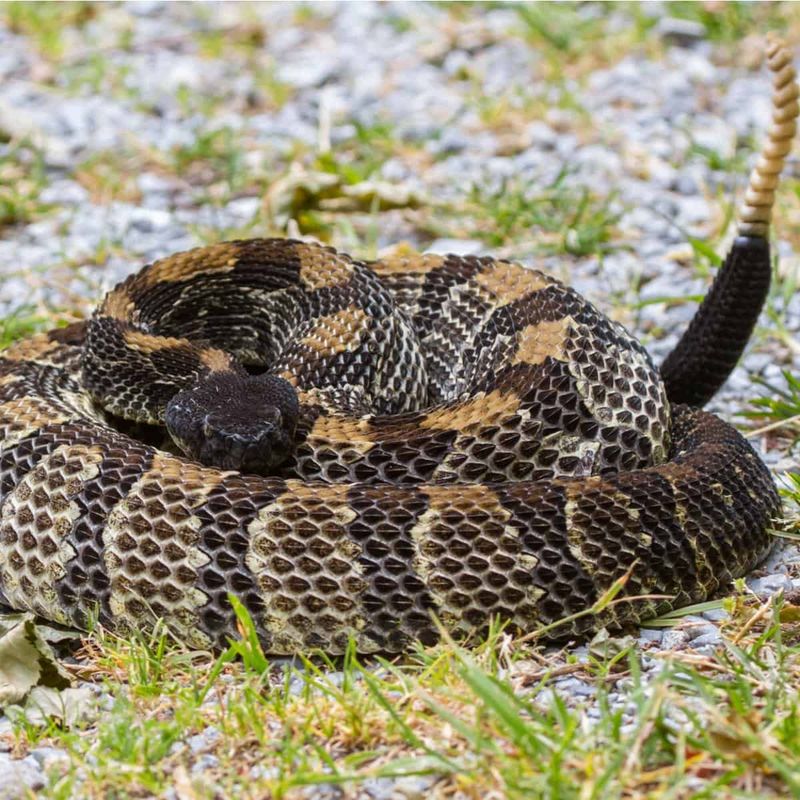
Grabbing a shovel might feel like a quick fix. In Virginia, though, the law has a lot to say about snakes.
Mountain timber rattlesnakes fall under the state’s general wildlife rules. The coastal plain canebrake population has extra protection as State Endangered.
That listing comes from the Virginia Department of Wildlife Resources. Canebrakes have held endangered status since 1992.
Catching, moving, processing, or selling canebrakes is illegal. The rules exist because their numbers have dropped sharply.
Protection goes further than you might expect. State law says you cannot harm any snake unless it threatens people or livestock right away.
Penalties can be serious. Fines may reach $1,000, and jail time can run up to six months.
Why protect a venomous animal at all? Rattlesnakes eat lots of mice and rats, which helps control disease and crop damage.
They also reproduce slowly, with females giving birth only every few years. Losing even a few adults can hurt a local population.
A smart step is saving the DWR phone number in your contacts. Their staff can answer questions and point you toward help.
If you live in southeastern Virginia, take extra care. A gray snake in your yard may be one of the state’s rarest reptiles.
Respecting the law protects your wallet and a valuable species. Everyone wins when snakes and neighbors keep a safe distance.
Keep Your Distance And Call A Professional
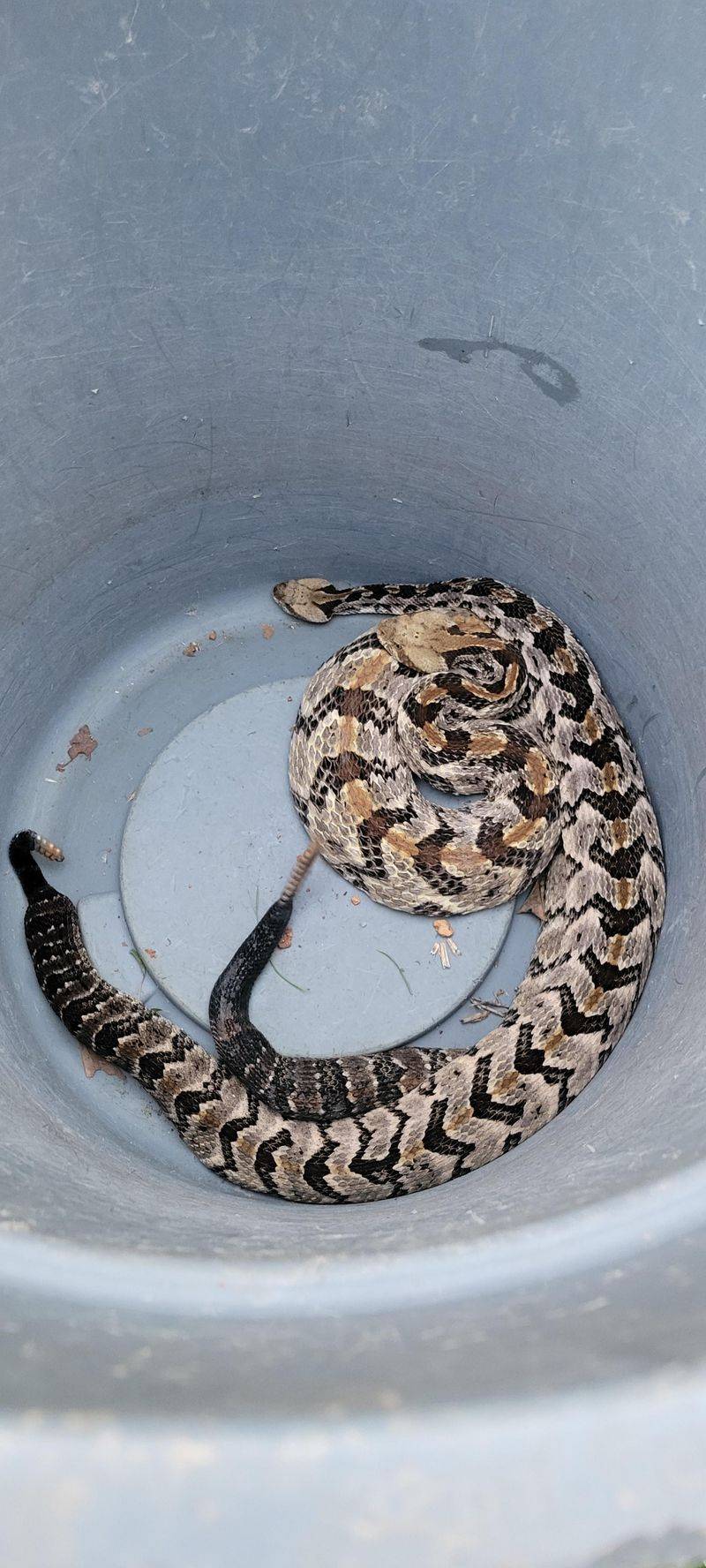
Stay calm, step back, and breathe. Timber rattlesnakes are shy creatures that would rather hide than argue.
They rarely act aggressive. Most strike only when stepped on, grabbed, or cornered.
Adults usually rattle loudly before striking. Some prefer to freeze and trust their camouflage instead.
That quiet habit creates the biggest risk. Most trouble starts when someone accidentally steps on a hidden snake.
Babies are born with venom, even though bites are rare. A snake would much rather be left alone than waste its venom.
So what should you do after spotting one? First, look around for other snakes, especially in early fall.
Next, snap a few photos from a safe distance. Pictures help experts confirm what you saw.
Then back away slowly and give the snake room. Bring children and pets inside until the area is clear.
Removal should be handled by trained wildlife control experts. Trying to catch or injure the snake yourself is illegal and risky.
Keep a local snake removal number handy during warm months. Quick help makes the whole situation much less stressful.
If a bite happens, seek medical care right away. Call 911, stay still, and remove rings or tight items near the bite.
Skip old myths like cutting the wound or using ice. Fast hospital care is the best plan.
With patience and a good phone contact, your yard can stay peaceful for everyone.