Missouri Trees Covered In Orange Clusters At Dusk Are Hosting Overnight Travelers
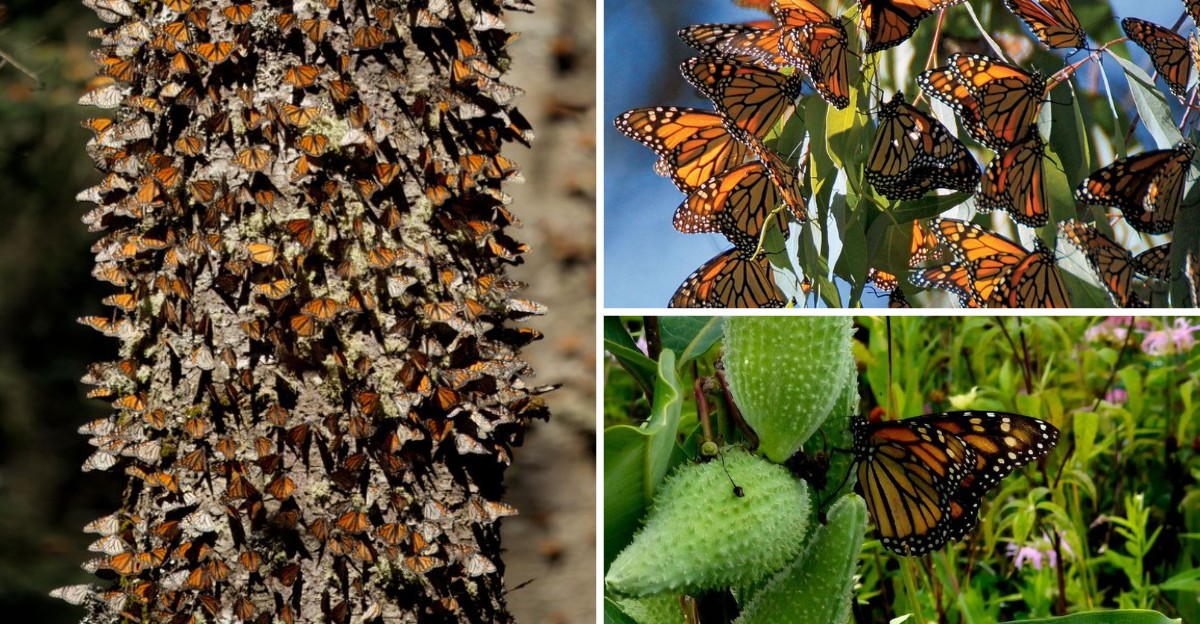
Picture a quiet Missouri evening where the trees suddenly glow orange from top to bottom. Then the branches flutter, the orange shifts, and you realize those leaves have tiny wings attached.
In early October, some backyard oaks and pecans turn into temporary hotels with no front desk at all. Guests arrive around sunset, crowd onto the same limbs, and check out politely after a sunny breakfast.
The sight feels magical, and honestly a little strange if you have no idea what is happening. Neighbors stop mowing, kids point upward, and even the family dog tilts its head in confusion.
These visitors travel thousands of miles, and Missouri sits right in the middle of their route. A good roost tree often offers shelter from wind, a safe resting spot, and warmth from crowded neighbors.
Nobody booked a reservation, nobody tipped the staff, and nobody asked to borrow the backyard maple. Somehow the squirrels still act like they were the ones kicked out of their own house.
Orange Travelers Sharing Warmth On Sturdy Limbs
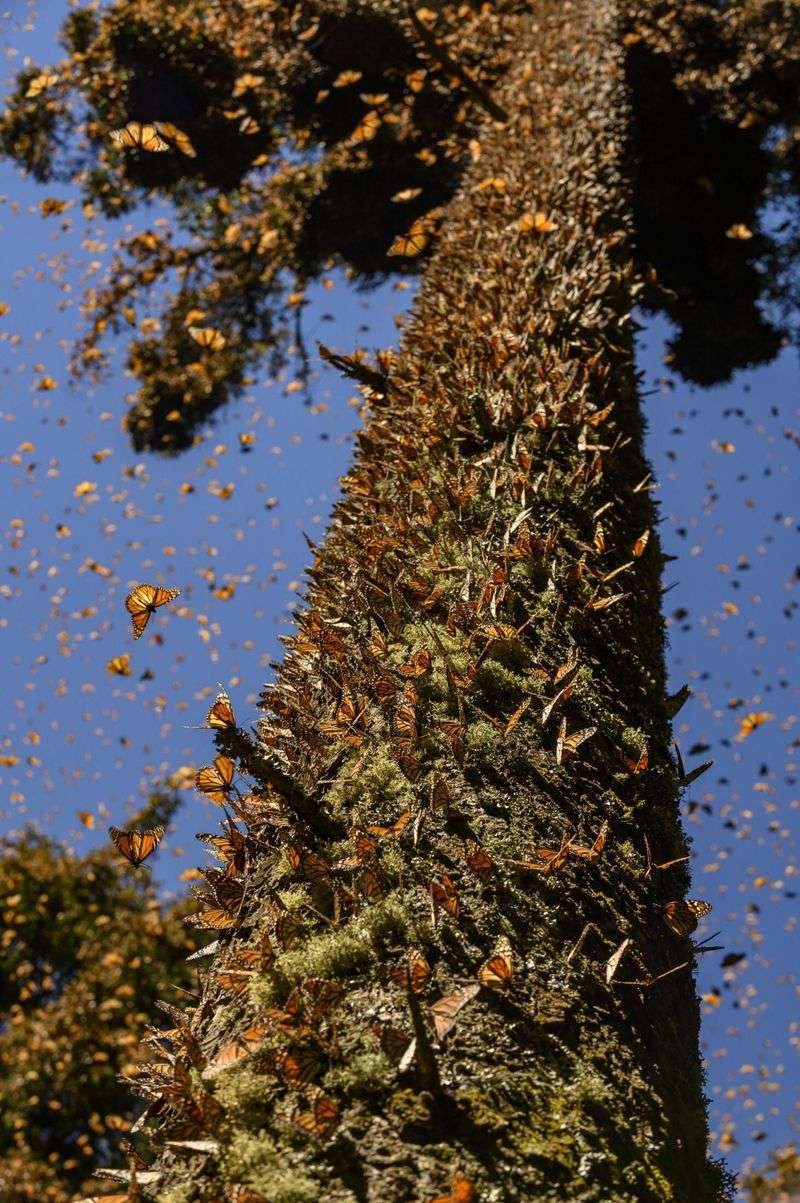
Picture a single pecan tree holding hundreds of butterflies, each one folded shut like a tiny orange book. Those glowing clusters are monarch butterflies resting overnight during their fall migration south toward the mountains of Mexico.
Monarchs gather in groups called roosts because sharing a branch helps them stay warmer through chilly October nights. A lone butterfly loses heat quickly, but a packed cluster holds warmth a bit longer until the sun returns.
They mostly choose trees with sturdy limbs, some shelter from strong wind, and nearby flowers for a quick snack. Pecans, oaks, maples, and cedars are common picks, especially near creeks, fields, or quiet edges of town.
Their wings look bright orange when open, but the undersides are paler, so resting clusters can resemble dried leaves. Around sunset they flutter in circles before settling, which is often when neighbors first notice something unusual happening.
Here is a fun fact that surprises many people who spot these roosts in their own backyards each year. The butterflies you see this fall are often the great-grandchildren of monarchs that flew north earlier in the year.
Nobody teaches them the route, yet they find their way using the sun and an internal sense of time. Scientists are still studying exactly how such a small brain handles a trip that can stretch up to three thousand miles.
If you find a roost, grab binoculars, stay back, and enjoy the show from your porch or yard. By midmorning, once their wing muscles warm up, the whole group usually lifts off and continues its journey.
Early October Peak Along The Flyway
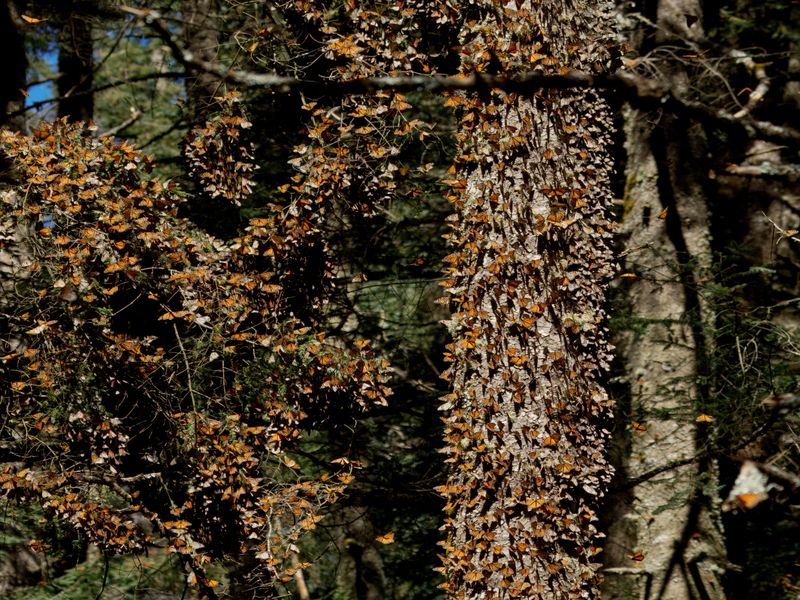
Mark your calendar, because Missouri sits along the main monarch migration route during early October. Most roosts in the state appear between mid-September and the middle of October, with numbers peaking around now.
Northern Missouri usually sees the first big waves, while southern counties often host stragglers later into the month. Weather plays a huge role, since strong north winds can push large groups through faster than people expect.
Your Missouri Garden Changes Every Week. Your Plan Should Too.
Gardening in Missouri changes quickly throughout the season. Every Friday you’ll receive a simple weekly plan showing exactly what to plant, prune, fertilize, harvest, and protect so you never miss the right timing.
Monarchs rarely fly when temperatures drop below about fifty-five degrees, so cool mornings keep them on branches longer. Warm, sunny afternoons with a gentle breeze from the north are perfect traveling days for these light flyers.
A rainy or windy evening can also hold a roost in place for two or three nights in a row. That is great news for curious families, since it gives everyone extra chances to see the clusters again.
Try checking trees around five or six in the evening, when butterflies drift in and begin searching for spots. Another good window is early morning, when they stay packed together, wings closed, waiting for sunlight to warm them.
Many volunteers track these sightings online through projects like Journey North, which maps roosts across the whole continent. Adding your own report helps scientists understand how the migration shifts from year to year across the Midwest.
Keep a small notebook by the window and jot down dates, weather, and how many butterflies you notice. Over a few seasons, your notes might reveal patterns about when your yard becomes a favorite stopover spot.
A Common Mistake With Roost Trees
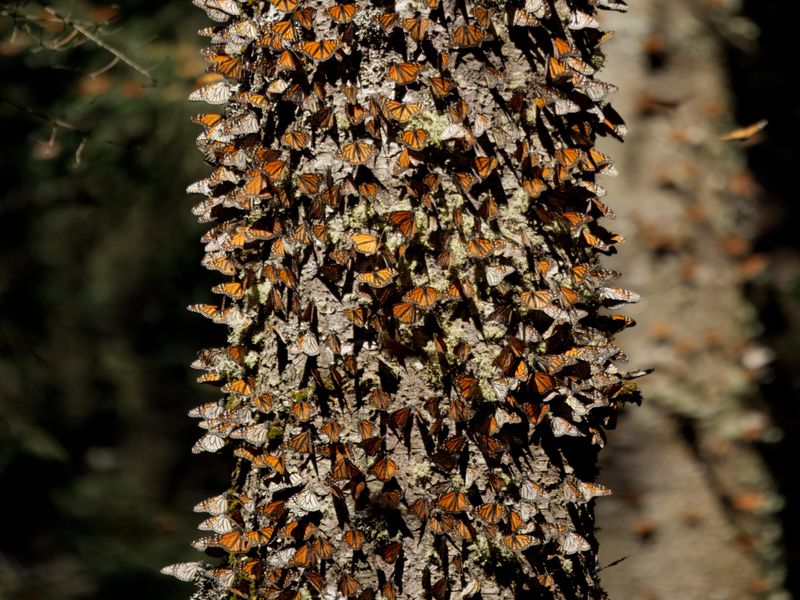
Nobody means to cause trouble, but excited people often shake branches just to watch the butterflies swirl upward. It looks beautiful for a moment, yet it burns energy that tired travelers badly need for the long trip.
Monarchs store fat in their bodies for migration, and every unplanned flight uses up a little of that fuel. On a cool evening, a scattered butterfly may struggle to find a warm spot again before full darkness arrives.
Bright lights cause problems too, since floodlights and flashlights aimed at clusters can confuse and wake resting insects. Keep porch lights off or dimmed near roost trees, and use a red flashlight if you want nighttime peeks.
Another common slip is using insect spray on nearby flowers, which can harm the very visitors you enjoy watching. Even products labeled safe for gardens may linger on petals where monarchs sip nectar the next morning.
Pets can also be a surprise problem, especially curious cats that love chasing anything fluttering near the ground. Keeping animals indoors around sunset gives the butterflies a calmer evening while they settle onto their chosen branches.
Some people try to catch monarchs for a closer look, but handling rubs scales off their delicate wings. Those tiny scales help them fly and shed rain, so it is kinder to look without touching at all.
The best approach is simple patience, a comfortable chair, and a little distance from the busy tree limbs. Your quiet respect helps the roost stay put, and you get a longer, better show because of it.
Fall Nectar Gardens For Tired Wings
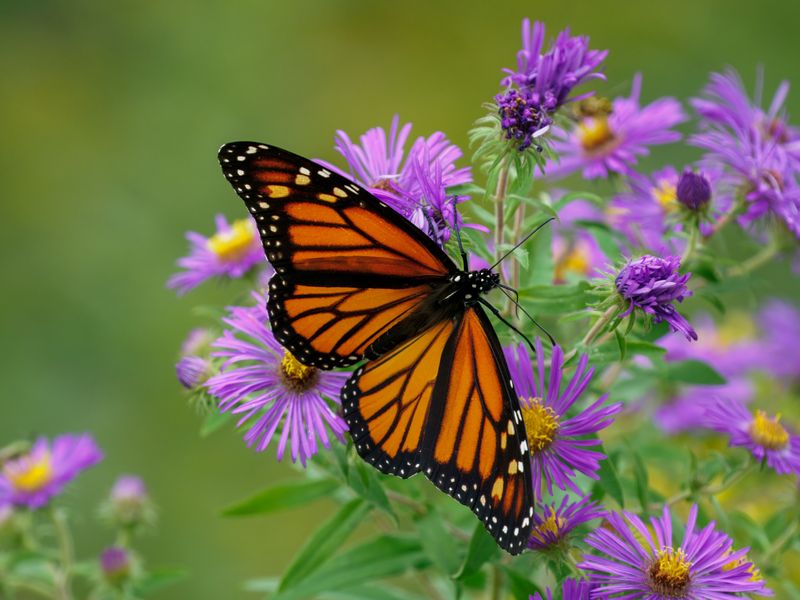
Think of your flower bed as a roadside diner, open late in the season for hungry travelers passing through. Monarchs need sugary nectar during migration, and early October flowers can make a real difference for their energy.
Native asters are superstars right now, with purple and blue blooms that stay open well into the cool weeks. Goldenrod is another great choice, and despite its reputation, it rarely causes allergies since its pollen is heavy.
Missouri gardeners can also rely on ironweed, late blazing star, and native sunflowers for bright, nectar-rich fall color. Plant them in sunny patches, since butterflies prefer feeding where warm light helps their muscles stay active.
Group flowers together in larger clumps rather than scattering single plants, so monarchs spot them easily from above. A shallow dish with wet sand or pebbles offers a place to sip water on dry autumn afternoons.
Early fall is actually a smart time to plant many native perennials, since cooler soil helps roots settle in. Local nurseries and native plant sales across Missouri often carry plants suited to your region and soil type.
Try leaving a few messy corners where stems and leaves stay standing, since many helpful insects use that cover. A tidy yard looks nice, but a slightly wild edge gives visiting wildlife more places to rest safely.
You do not need acres of land, because even a few pots on a patio can help. Every blooming spot along the route acts like a small fuel stop for butterflies heading far south.
The Long Road To Mexico
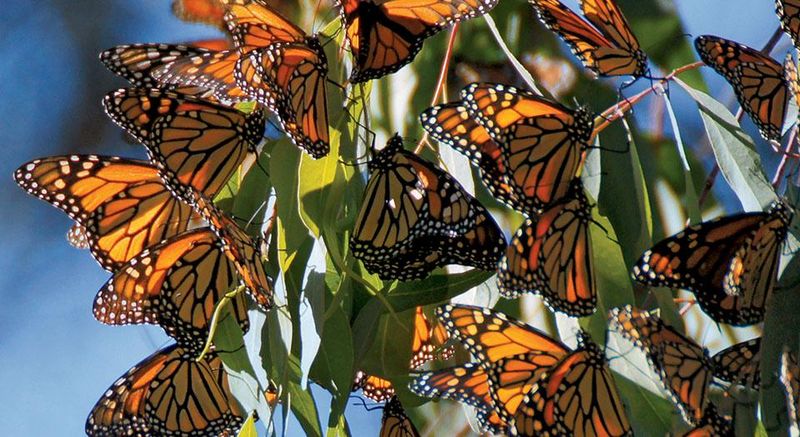
Imagine flapping paper-thin wings from a Missouri backyard all the way to a forest high in central Mexico. That is the trip ahead for the butterflies resting in your trees, and many will finish it by November.
Their destination is a cluster of fir forests in the mountains west of Mexico City, sitting nearly two miles high. Millions of monarchs gather there so tightly that branches bend under their weight, creating an orange winter blanket.
Cool mountain air lets the butterflies slow down and save energy, almost like pressing pause for several months. They mostly rest through the winter, flying only on warm days to sip water or find a sunnier perch.
In late winter, these same butterflies start moving north, laying eggs on fresh milkweed in Texas and nearby states. Their children and grandchildren continue the trip, eventually reaching Missouri and places farther north by late spring or early summer.
Here is a wild detail that many readers enjoy sharing at dinner with friends or curious younger siblings. Fall migrants can live around eight months, while summer monarchs usually last only a few weeks as adults.
The trip is not easy, since storms, drought, and missing flower stops can make the journey much harder. Healthy roosts along the way improve the odds that more butterflies arrive safely at their mountain home.
So when your roost lifts off one sunny morning, you are watching the start of something truly epic. Wave goodbye if you like, because some of those same wings may rest in Mexican forests within weeks.
Milkweed Plans For Next Year
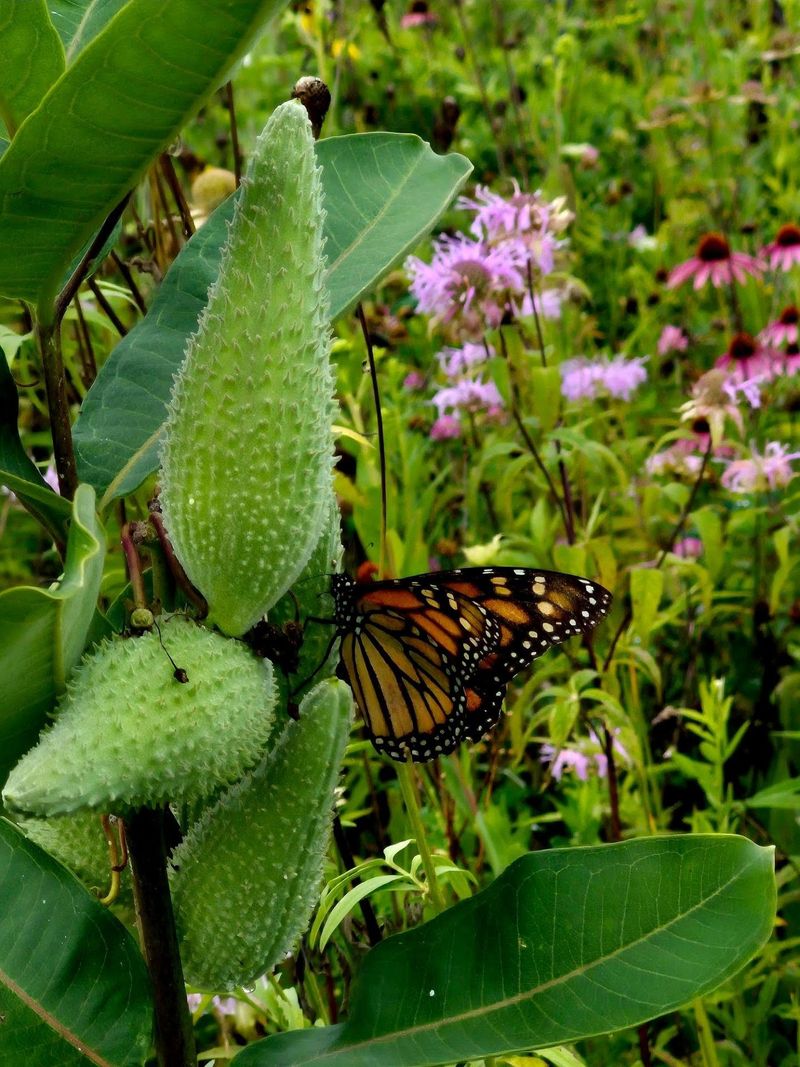
Anyone hoping for more orange clusters next fall should start planning around one very special plant today. Monarch caterpillars eat only milkweed, so without it, the next generation has nowhere to grow up.
Missouri is home to several native types, including common milkweed, swamp milkweed, and bright orange butterfly weed. Each one fits different spots, from damp ditches to dry sunny slopes, so pick what matches your yard.
Early October is a great time to collect seed pods as they turn brown and begin splitting open. Gently pull out the fluffy seeds, remove most of the silk, and store them somewhere cool and dry.
Many native milkweeds need a cold period before sprouting, so you can scatter seeds outdoors in late fall. Winter chill and moisture naturally wake them up, and tiny seedlings often appear once the ground warms again.
Skip tropical milkweed, the kind with red and yellow flowers, since it can confuse migrating monarchs in some areas. Native plants go dormant in fall, which signals butterflies to keep moving south instead of lingering too long.
Consider talking with neighbors, schools, or churches about planting small milkweed patches along fences or open lawns. A connected set of little gardens can support more butterflies than one lonely patch in a single yard.
Your efforts this autumn may not show results right away, but patience pays off in bright, fluttering ways. Next October, those caterpillars could be the travelers filling your trees with glowing clusters at sunset.