Large Hairy Spiders Are Crossing Missouri Roads This Month For A Surprising Reason
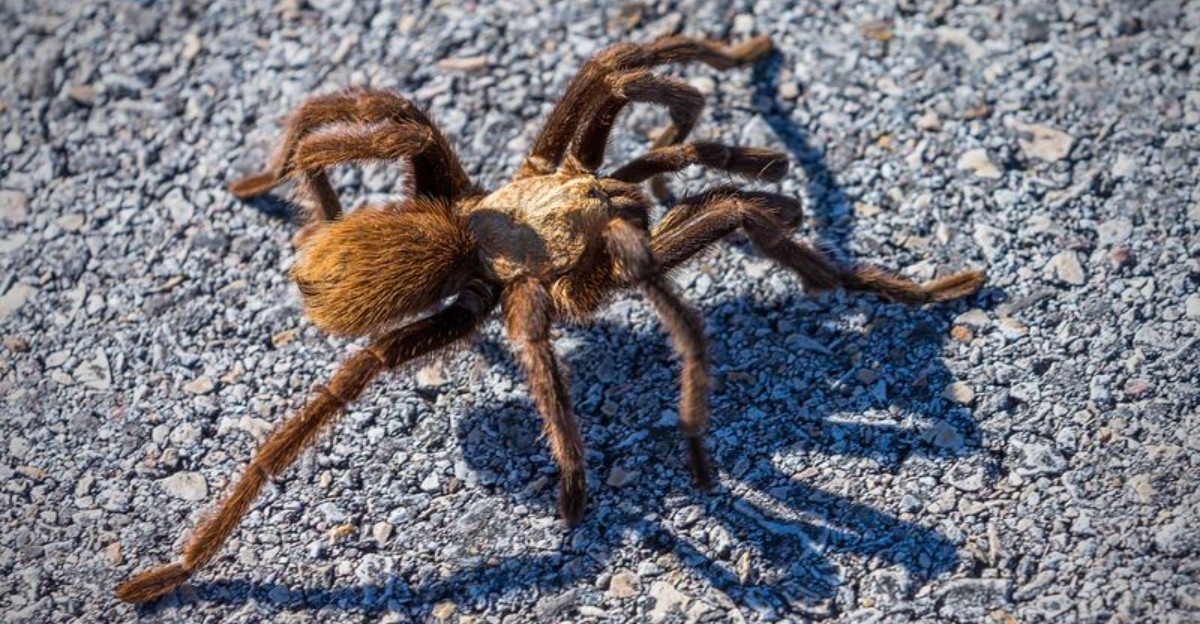
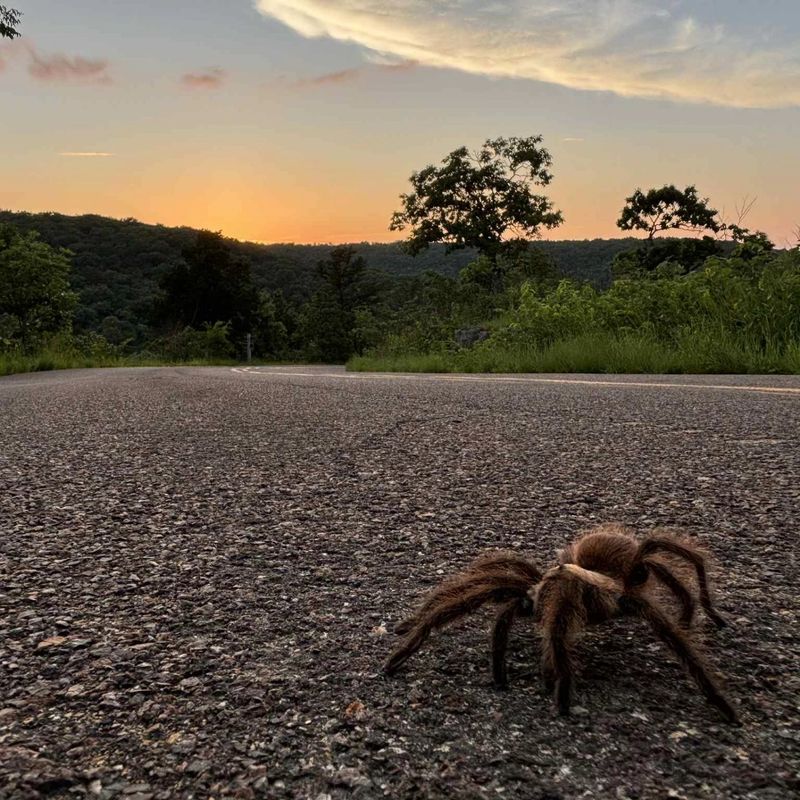
Picture a quiet country road at dusk, with warm pavement, chirping crickets, and an orange sky. Suddenly something the size of your palm strolls across the lane like it owns the county.
Drivers across Missouri are slowing down this fall to stare at fuzzy travelers on eight legs. Some folks squeal, some grab their phones, and a few sit frozen with engines humming nervously.
These hairy hikers are not lost, confused, or hunting for a snack inside your parked car. Each one is following a seasonal instinct that plays out in the Missouri hills every fall.
You might feel a shiver down your spine, but these creatures are far calmer than they look. Most would rather tiptoe past you quietly than start any kind of roadside drama with anyone.
Even the calmest driver may be surprised by how unhurried these travelers look as they cross the gravel. Most simply keep walking, as if the road were just another patch of rocky ground.
Lovesick Males On A Mission
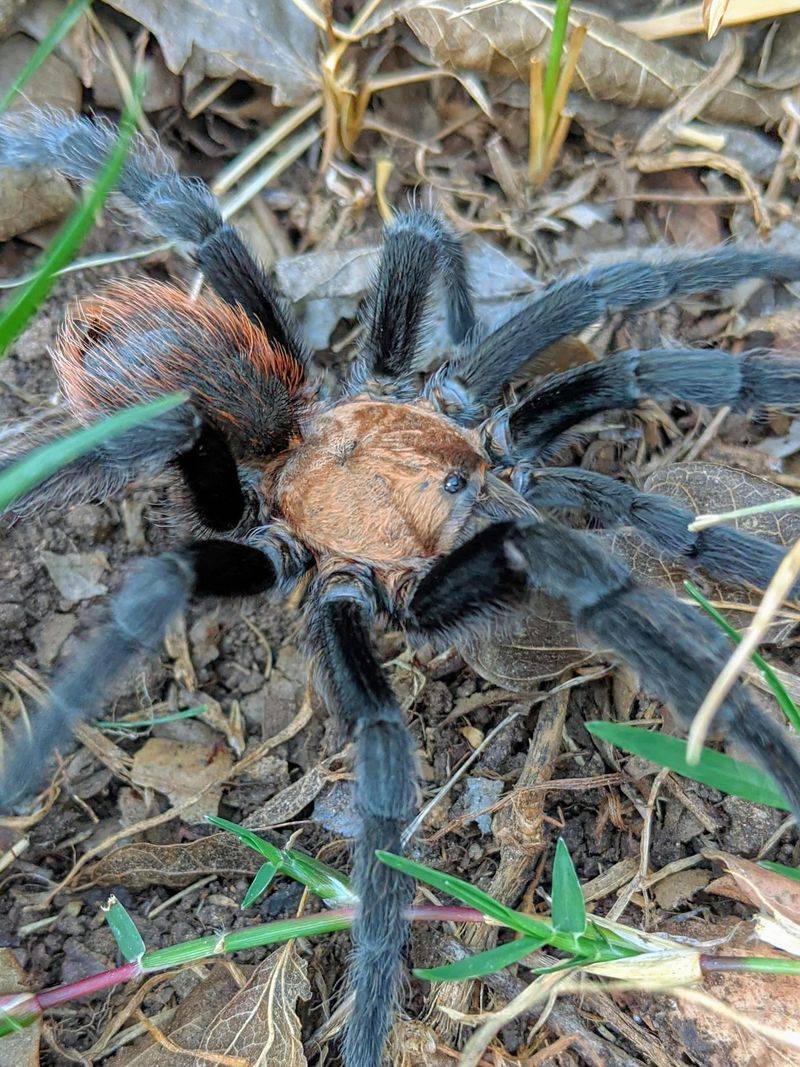
Romance is the real reason you are spotting so many big fuzzy spiders on Missouri blacktop right now. Nearly every wanderer you see is an adult male searching for a female hidden in her burrow.
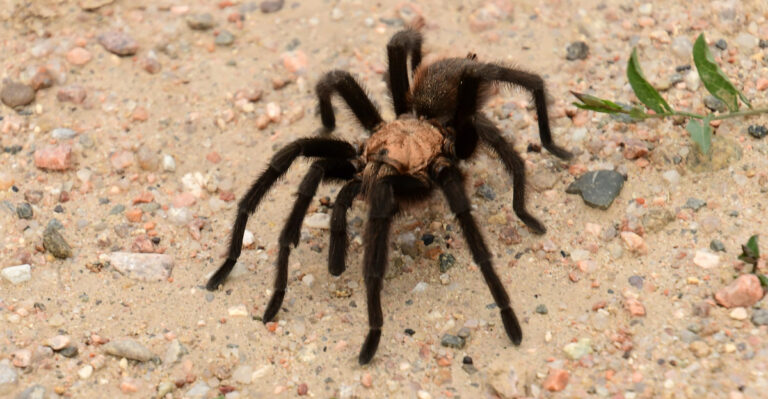
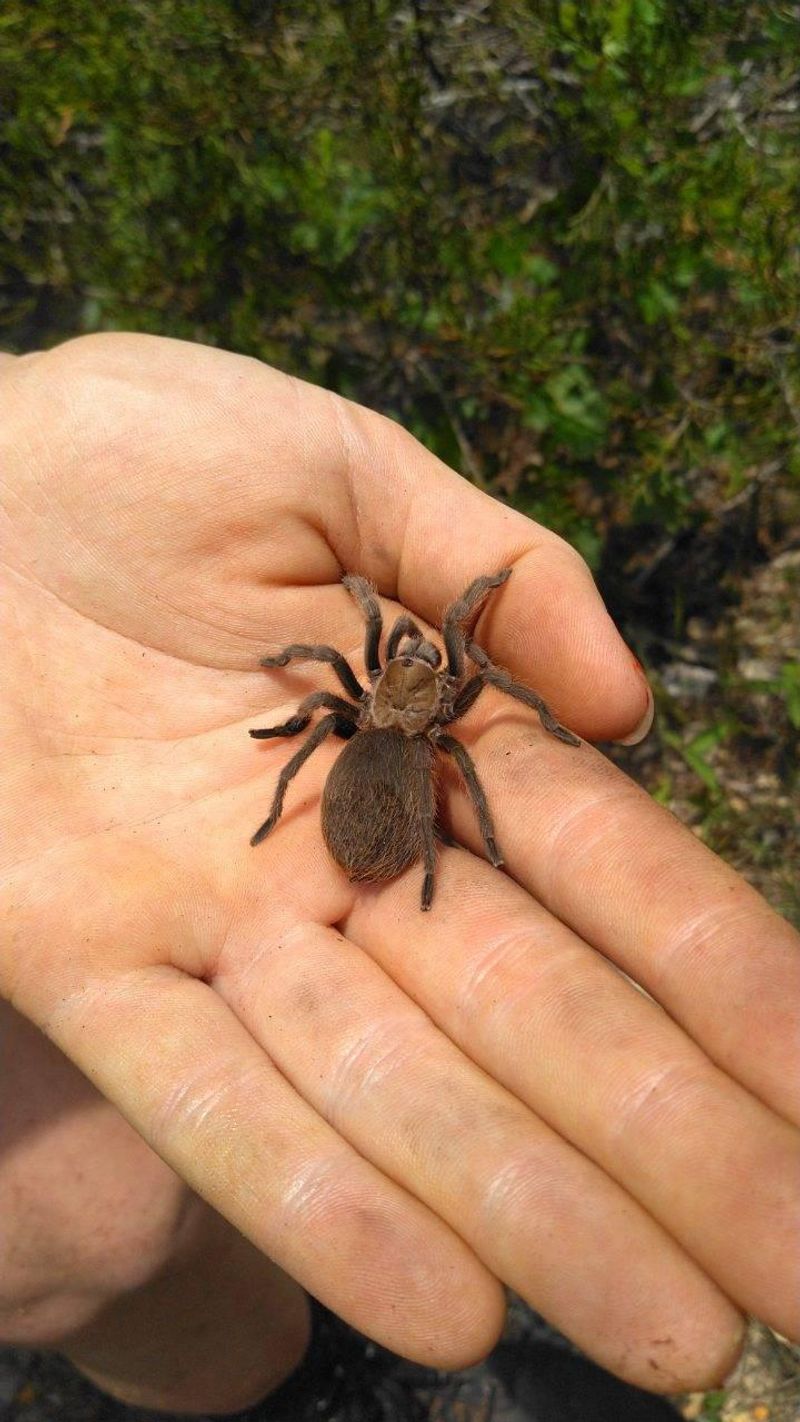
Missouri’s only native tarantula is often called the Texas brown tarantula, and it lives mainly in the southern and central parts of the state. Scientists know it by the name Aphonopelma hentzi, which sounds fancy but simply labels one hairy neighbor.
Males spend around seven to ten years growing up quietly underground before they finally reach adulthood. Once mature, they leave home for good and start roaming the countryside with one clear goal in mind.
Females stay put, sitting near silk-lined tunnels that may be only a few inches wide at the entrance. They leave silk and scent cues that may help traveling males find them across rocky ground.
So when a male marches across the road, he is following clues that lead toward a possible mate. He is not chasing your dog, invading your garage, or plotting anything sneaky against your family tonight.
Think of him as a shy teenager walking across town to knock on a crush’s front door. He is nervous, focused, and far too busy with his mission to bother with curious human onlookers.
Seeing one on the road can feel less startling once you know what it is doing, turning a surprise into a sweet little nature story. Next time one crosses your path, you can smile and quietly wish the little guy good luck.
Early Fall Timing In The Ozarks
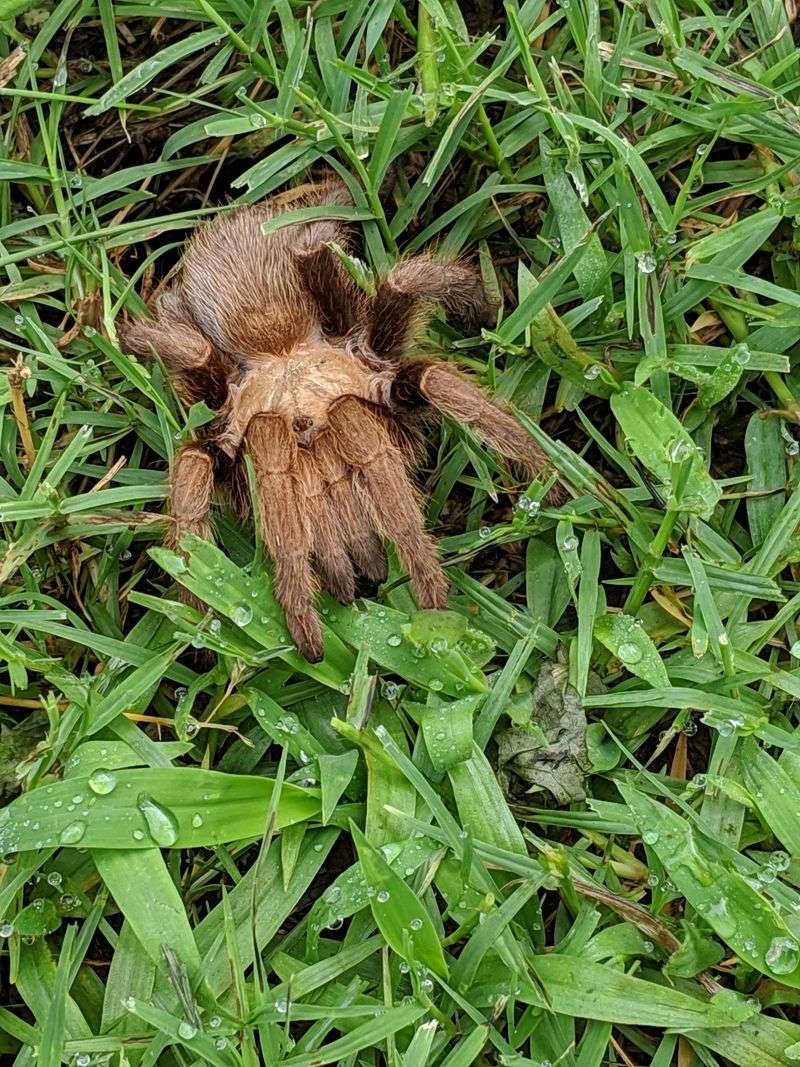
Every year, just as sumac leaves turn scarlet and nights grow crisp, the great spider parade begins. Late September through October is peak season, and early October often brings the busiest roadside traffic of the year.
Cooler temperatures seem to signal males that the time is right to leave their burrows and wander. Warm afternoons still give them enough energy to cover real distance before frost slows everything down.
Your Missouri Garden Changes Every Week. Your Plan Should Too.
Gardening in Missouri changes quickly throughout the season. Every Friday you’ll receive a simple weekly plan showing exactly what to plant, prune, fertilize, harvest, and protect so you never miss the right timing.
Evening and dusk are prime viewing hours, especially on sunny days followed by mild, clear, calm nights. You may also spot them in the late afternoon, strolling along warm country gravel or sun-soaked asphalt.
Rocky glades in the Ozarks are hot spots, since these open, dry hillsides make perfect burrow real estate. Roads near glade areas like Ha Ha Tonka State Park or Taum Sauk Mountain can see tarantula activity in fall.
Some families plan fall drives to look for these travelers. Bring a flashlight, drive slowly on back roads, and keep your eyes on the edges of the pavement.
By the time Halloween decorations go up, the show usually starts winding down for the year. A hard freeze in November mostly ends the wandering, and the roads grow quiet again until next fall.
The timing lands just before Halloween, so many people spot these travelers while picking pumpkins or hanging decorations. It makes for an easy seasonal reminder to keep an eye on the road.
Common Mistakes Around These Wanderers
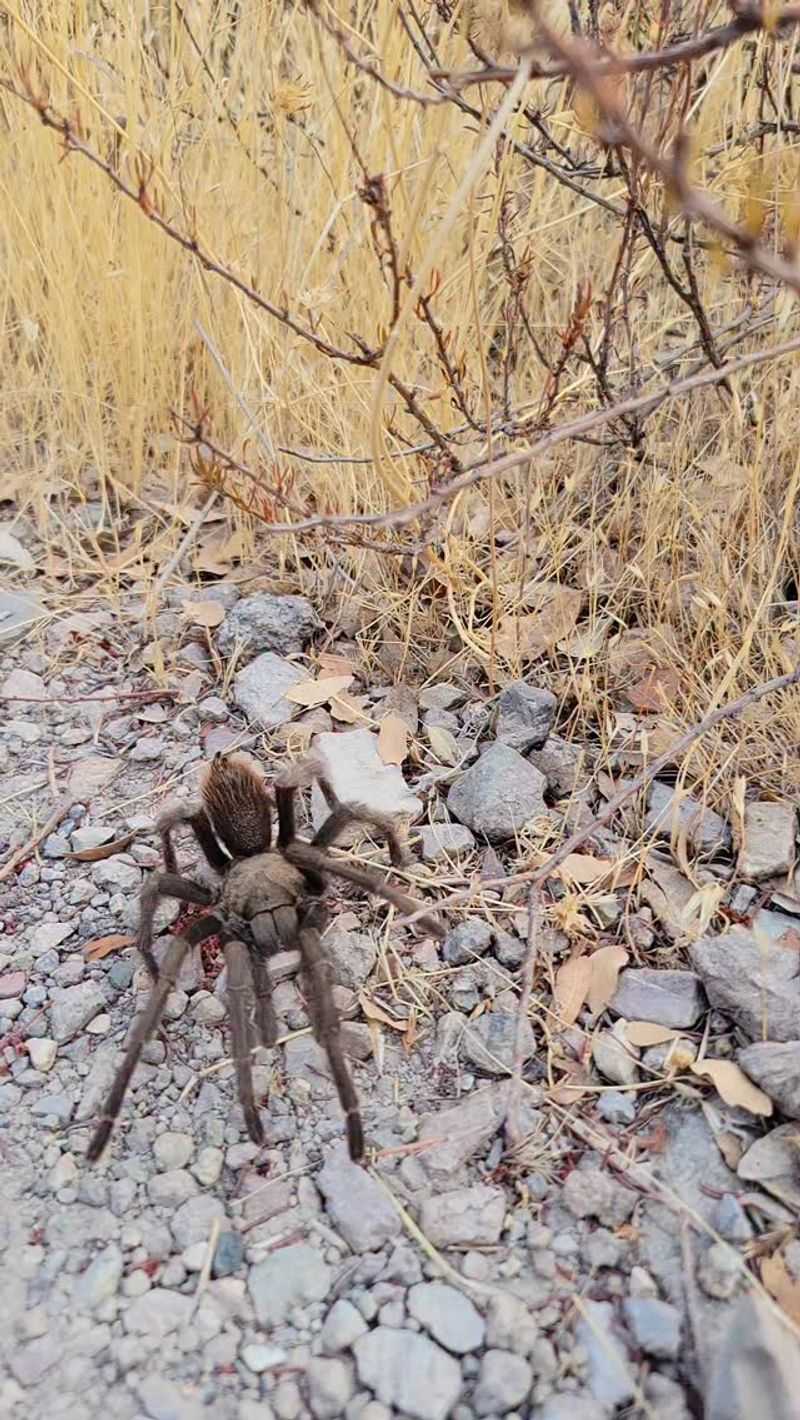
Some drivers swerve to hit spiders out of fear, and that hurts a population that grows back very slowly. Sadly, it happens more often than you might think.
Each male on the road spent roughly seven to ten years growing up underground. Losing him means one less chance for a female to produce the next generation of glade dwellers.
Many people squash them out of fear, believing these big spiders carry dangerous venom like a black widow. In truth, a bite from this species feels roughly like a bee sting for most healthy adults.
Bites are rare anyway, because these spiders prefer to raise their front legs as a warning first. They may also flick tiny itchy hairs from their belly, which can irritate skin or eyes briefly.
Another common mistake is scooping one up as a pet, especially after seeing a cute video online. Wild males rarely do well in a plastic tank, and taking them removes a breeder from the wild. Collecting them from public land without a permit is also illegal in Missouri.
Spraying pesticide on them or around your yard can also harm helpful insects, pets, and birds nearby. These spiders actually help you by eating crickets, beetles, and other critters that bug homeowners each fall.
Honestly, the smartest reaction is the easiest one, which means doing nothing at all except watching. Let him finish his walk, and you will have a cool story to tell.
Safe Moves For A Road Encounter
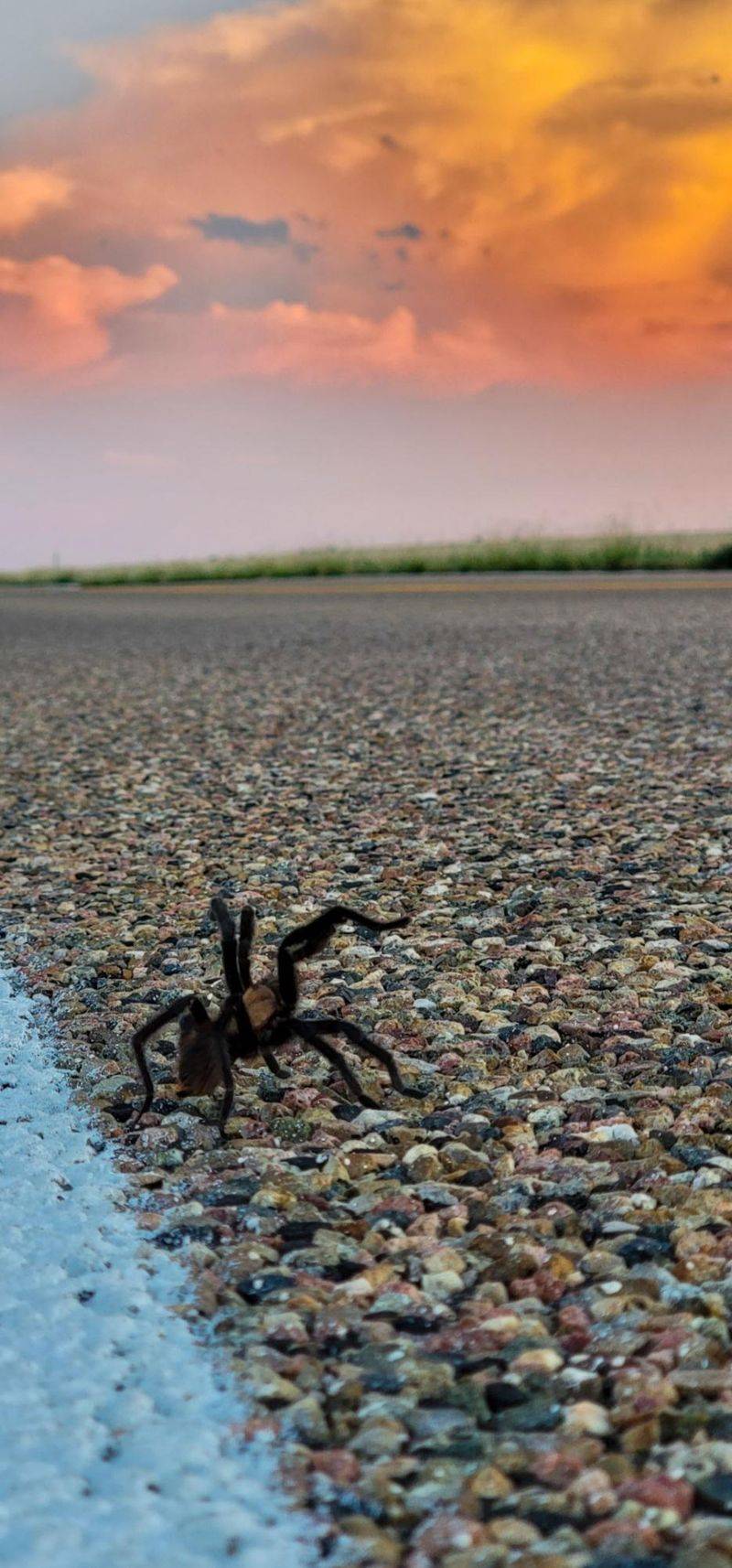
Here is a simple rule for drivers: if it is safe, tap the brakes and let him pass. Check your mirrors first, since slamming on the brakes for a spider can cause a real accident.
Cyclists and walkers can simply step around the spider, giving it a few feet of friendly space. He will usually keep moving in the same direction while searching for a mate.
If one lands on your porch or driveway, grab a wide cup and a stiff piece of cardboard. Gently place the cup over him, slide the cardboard underneath, and carry him toward nearby grass or woods.
Release him in the direction he was already heading, since turning him around may confuse his search. Avoid handling him with bare hands, because those itchy belly hairs can leave your skin red and prickly.
Kids will want a close look, so teach them to crouch down and observe without poking or grabbing. Point out the fuzzy tan legs, the velvety dark body, and the way each leg moves in rhythm.
Pets are another story, since curious dogs and cats may paw at the spider and earn a sore nose. Keep leashes short on evening walks this month, and steer your furry buddy around any eight-legged hikers.
Snapping a photo is fine, and local nature groups often welcome sighting reports. Share your sighting with friends, then let the little adventurer continue his long walk through the dark.
The Life Cycle After The Long Walk
This part of the story is a little more sobering for the males. Most wandering males live only a few months after they leave their burrows in search of romance.
They eat very little during the trip, burning stored energy as they cover surprising distances each night. When the first hard freeze arrives, very few of these tired travelers make it through to spring.
Females tell a much happier tale, and some of them live for more than thirty years. After mating, a female seals her burrow for winter and waits patiently for warmer weather next year.
In early summer she lays hundreds of eggs, wrapping them in a silky sac she guards closely. Tiny spiderlings hatch weeks later, then scatter across the glade to dig their own snug little homes.
Only a small share of those babies survive predators and rough weather to reach adulthood. That is why each male that completes his walk matters to the local population.
After mating, most males keep wandering until the cold finally slows them down. Their part is done, and the next generation now depends on the females waiting in their burrows.
It may sound sobering, but this cycle has helped tarantulas persist in Missouri glades for a very long time. Each male on the road spent years growing up underground.
Protecting Glades For Future Generations
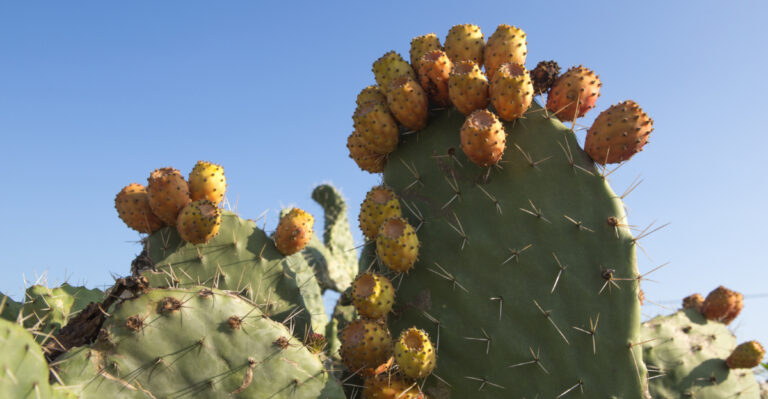
Missouri glades are sometimes described as desert-like, because they feel so hot and dry. These rocky openings host prickly pear cactus, collared lizards, scorpions, and of course our hairy friends.
Over the years, many glades have filled in with cedar trees after natural fires grew less common. Shady cedar thickets crowd out the open, sunny ground that tarantulas need for digging safe, snug burrows.
Conservation crews now clear extra cedars and use careful controlled burns to bring these special habitats back to life. The Missouri Department of Conservation manages many glade areas that welcome hikers during these cool autumn months.
You can help by staying on marked trails and leaving rocks where you found them during visits. Flipping stones may expose a burrow or hiding spot, leaving its owner open to predators and weather.
At home, cutting back on yard chemicals keeps more insects around, which means more food for spiders. A brush pile or patch of native plants can also give small wildlife a cozy place to hide.
Slowing down on rural roads each October is maybe the easiest conservation project anyone can join. Spreading the word helps too, since a calm neighbor is less likely to reach for a shoe.
Teachers, scout leaders, and parents can turn these sightings into fun science lessons about amazing local wildlife. With a little care from all of us, fuzzy road crossers will keep marching through Missouri for generations.