White Balls Appearing Overnight In Indiana Lawns Are Not Something Anyone Planted
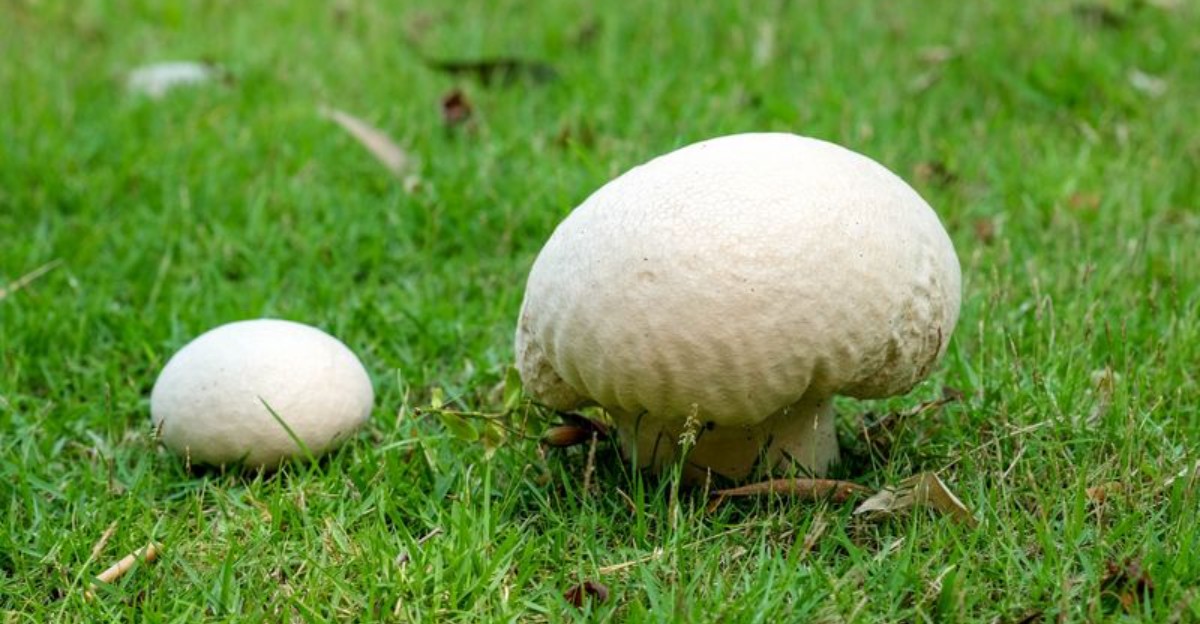
You step onto the porch on a damp autumn morning, and the front yard looks like someone scattered baseballs across the grass. Nobody in the house admits to anything, and the dog sniffs one suspiciously before backing away slowly.
Across Indiana, these smooth white orbs show up after cool rainy nights, sometimes growing as large as a soccer ball. They feel spongy and slightly cool under your fingertips, almost like a marshmallow left out in the fridge.
Neighbors start guessing wildly, blaming golf balls, pranksters, alien eggs, or a very confused Easter bunny in October. The truth is stranger and much more natural than any of those theories floating around the block.
Early fall in Indiana brings crisp mornings, damp soil, and the earthy smell of leaves starting to turn. Those conditions wake up hidden life underground, and the lawn becomes a stage for a surprising performance.
Nobody on the street has a good explanation yet. By lunchtime, at least one neighbor will probably wonder if a big one can be returned to the sporting goods store.
Puffball Mushrooms Rising From Hidden Roots
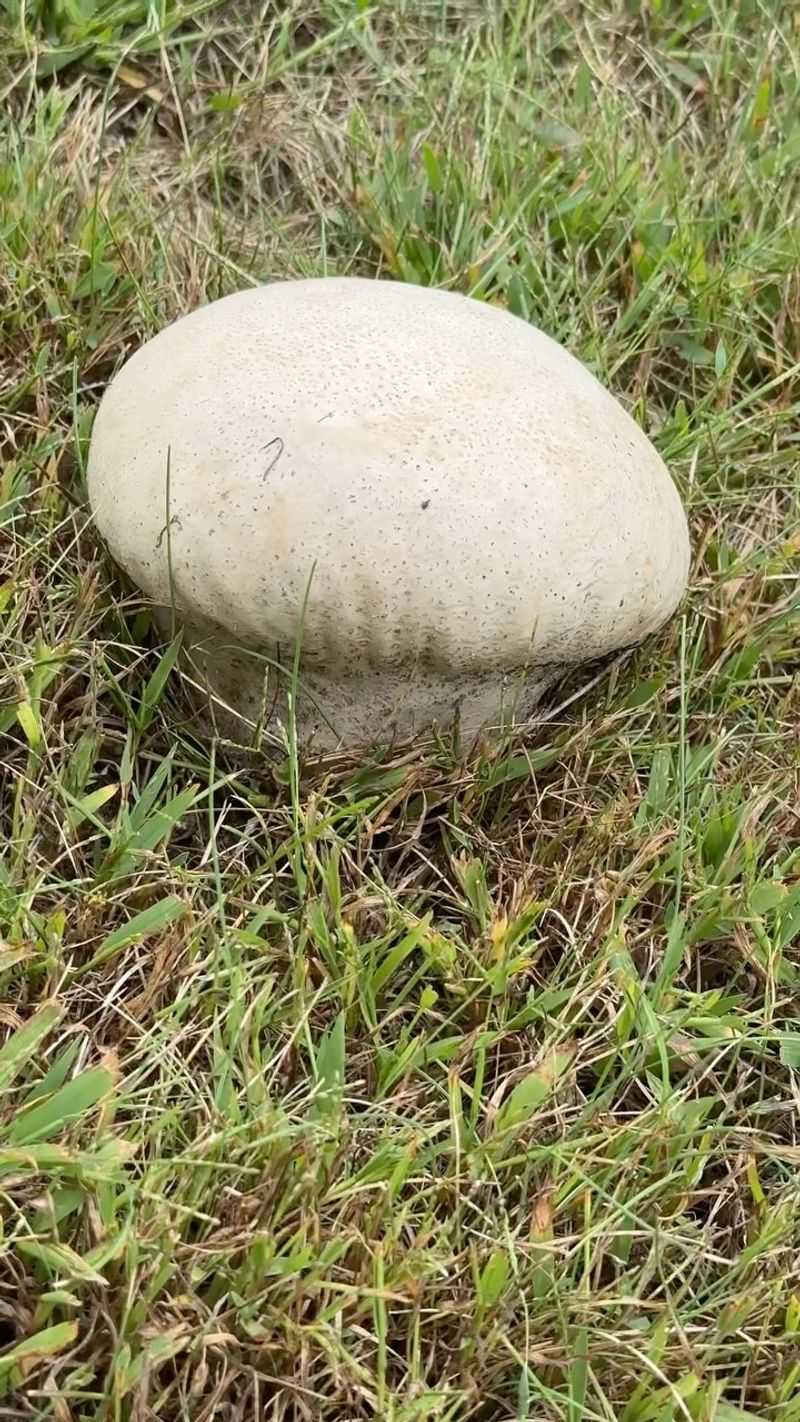
Picture a secret web of threads spreading under your grass, quietly feeding on old roots and buried wood. Those white balls are puffball mushrooms, the fruiting bodies of a fungus that lives mostly out of sight.
Nobody planted them, because the fungus arrived on its own through tiny spores carried by wind and rain. Spores are so small that millions can float through the air without anyone noticing a single one.
Once the underground network gathers enough energy, it pushes up round white mushrooms almost overnight in damp weather. The common kinds in Indiana range from golf ball size to the giant puffball, which can outgrow a basketball.
Unlike most mushrooms, puffballs have no cap, gills, or stem that you can easily see from above. They look like smooth eggs or dinner rolls, which is exactly why so many homeowners feel puzzled at first.
Here is a fun fact that surprises most people who stumble across one of these odd lawn visitors. A single giant puffball can hold trillions of spores, which puff out like smoke when the mushroom finally ripens.
Old tree stumps, buried lumber, or roots from trees removed years ago often give the fungus its food. That explains why puffballs sometimes appear in the same spots season after season, like loyal guests returning home.
So if your yard suddenly looks like a bowling alley spilled its supplies, you can relax and blame nature instead. The fungus was quietly working below the surface long before those white balls ever showed their faces.
Early Fall Weather Across Indiana
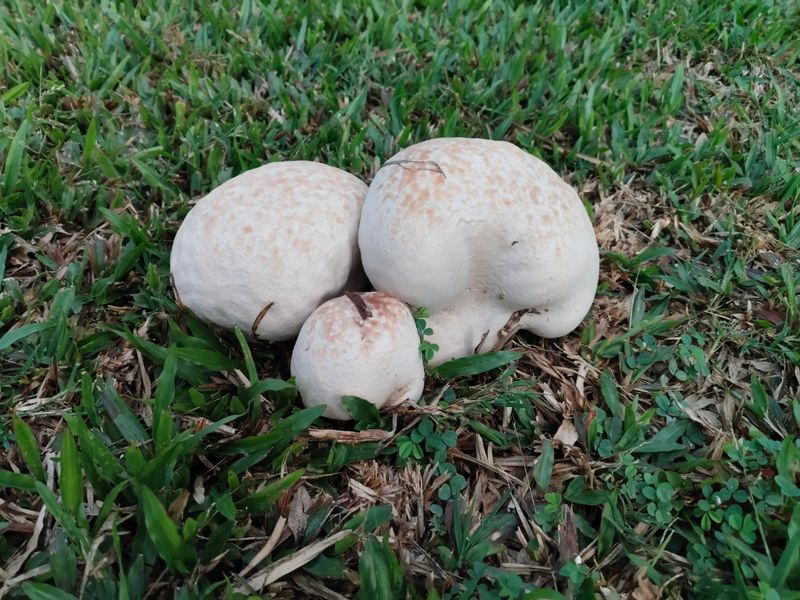
Think of early October in Indiana as the perfect recipe, with cool nights, warm afternoons, and plenty of moisture. Puffballs love that mix, and they often pop up within a day or two after a soaking rain.
Hot, dry stretches slow mushroom growth, because dry soil makes it hard for mushrooms to form. When nights turn cooler and rain returns, the network below your lawn starts sending up its white surprises.
Your Indiana Garden Changes Every Week. Your Plan Should Too.
Gardening in Indiana changes quickly throughout the season. Every Friday you’ll receive a simple weekly plan showing exactly what to plant, prune, fertilize, harvest, and protect so you never miss the right timing.
Morning dew also plays a big part, keeping the grass damp long after the sun climbs over the trees. Yards with buried wood or plenty of organic matter in the soil may see more puffballs than others.
The speed can surprise people, since a puffball may grow noticeably in just a few days. A lawn that looked clear over the weekend can have several white lumps by midweek.
Puffballs can appear in many parts of Indiana during wet autumns, from the wooded hills in the south to yards that border farm fields in the north. Yards near old fence rows or former woodland often have plenty of buried plant material for the fungus to feed on.
Keep an eye on the local forecast, because a rainy week in October usually means more mushrooms ahead. Checking your yard each morning helps you spot new puffballs before kids or pets find them first.
The first hard frost, which often arrives in late October or November, slows the whole show down. Until then, think of each fresh puffball as a little weather report growing right in your front yard.
The Slice Test Every Homeowner Should Know
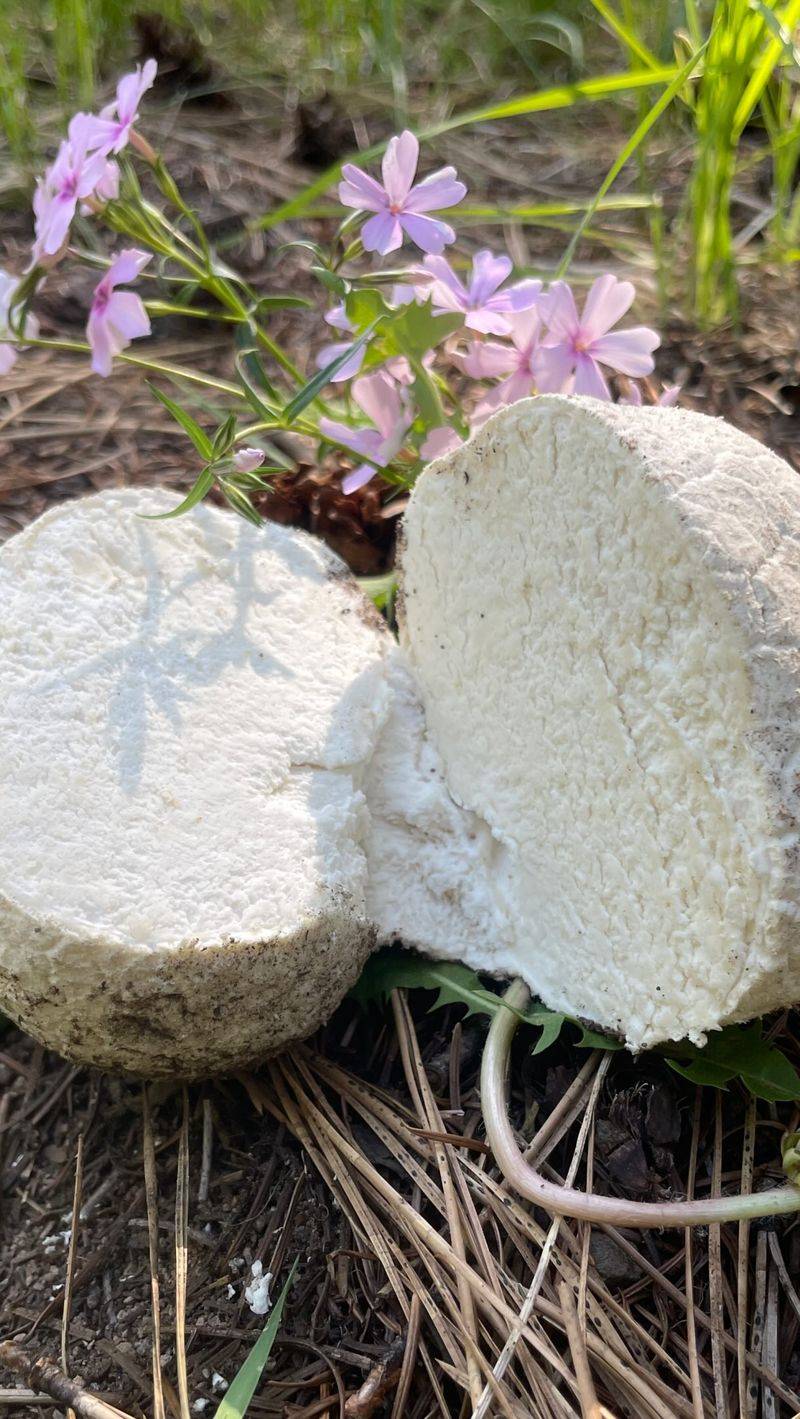
Grab a kitchen knife and a paper towel, because the easiest way to identify a puffball is surprisingly simple. Slice the white ball straight down the middle, from the top all the way to the bottom.
A true puffball looks like fresh mozzarella or white bread inside, smooth and solid with no hidden shapes. The texture should feel firm and even, a bit like cutting into a soft block of tofu.
If you see the outline of a tiny mushroom inside, with a cap and stem, stop right there. That silhouette points to a young Amanita, a poisonous mushroom that can hide inside a round egg.
Color matters too, since yellow, green, or brown flesh tells you the puffball is past its prime, while purple or black flesh points to a different mushroom. Older puffballs turn into dusty powder inside, which is the spore mass getting ready to float away.
Wear gloves if you like, and wash your hands afterward, especially if younger kids are watching you closely. Doing the test together can turn a strange yard mystery into a fun science lesson on a crisp afternoon.
Take a clear photo of the inside and outside, then compare it with a trusted mushroom reference book or app. Your local Purdue Extension office may be able to point you toward mushroom identification help if you share clear pictures and details.
A few seconds with a knife can clear up most of the guesswork about those white visitors. Still, the slice test is only a first step, not permission to toss anything into a frying pan.
Lookalikes Worth Real Caution
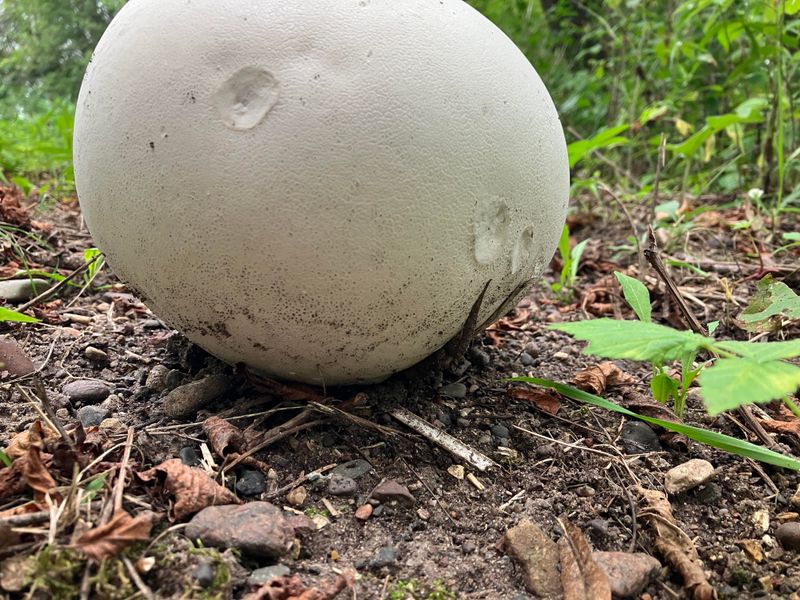
Plenty of experienced foragers have a rule they repeat often, which is when in doubt, throw it out. That advice matters with puffballs, because a few dangerous lookalikes can fool even careful eyes in dim light.
Young Amanita mushrooms start life wrapped inside a white egg shape that looks a lot like a puffball. Some of these Amanitas are highly toxic, and species in this group grow in Indiana.
Earthballs are another tricky group, with thick tough skin and dark purple or black flesh inside. They can cause serious stomach trouble, so a dark center is a clear signal to leave them alone.
Earthballs also tend to have a warty or scaly surface, while giant puffballs usually feel smoother and softer. Running a fingertip across the skin can give you an early clue before you even pick up the knife.
Pets deserve special attention, since curious dogs sometimes chew on mushrooms they find during backyard romps. Removing unknown mushrooms quickly is the safest habit, especially after rainy October nights bring a fresh batch.
If a child or pet eats a wild mushroom, call Poison Control or your veterinarian right away. Save a piece of the mushroom in a paper bag, since experts can identify it faster that way.
Caution may sound a little dull, but it keeps a harmless lawn mystery from becoming a real emergency. Treat every white ball as unknown until the slice test and an expert both give a clear answer.
Simple Lawn Cleanup Choices
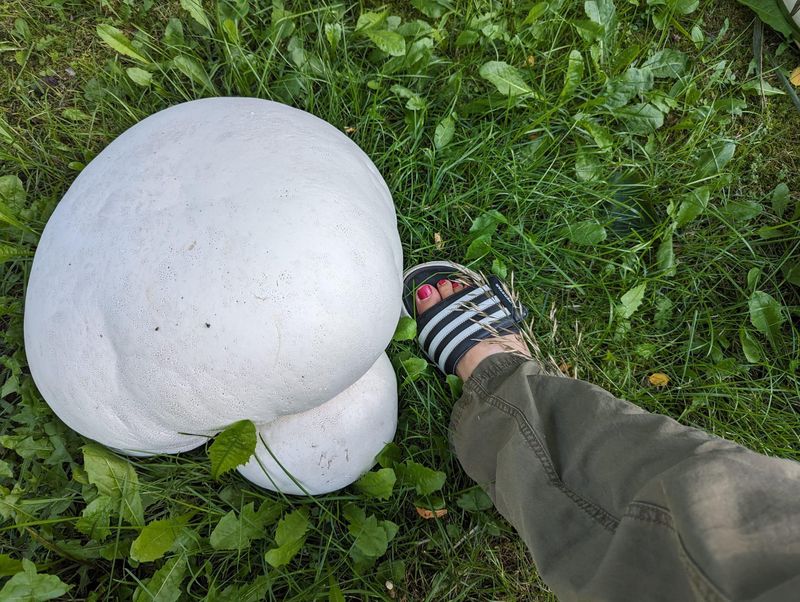
Tidy homeowners can relax, since puffballs rarely harm grass and there is no need to panic. You can leave them alone, pick them up, or mow over them, depending on your family and pets.
Picking them by hand works best, especially while they are young, firm, and still pure white inside. Slip on garden gloves, twist each one gently from the soil, and drop it into a trash bag.
Older puffballs release a brown cloud of spores when squeezed or kicked, a bit like a puff of cocoa powder. Breathing in lots of that dust can bother your nose and lungs, so handle ripe ones with care.
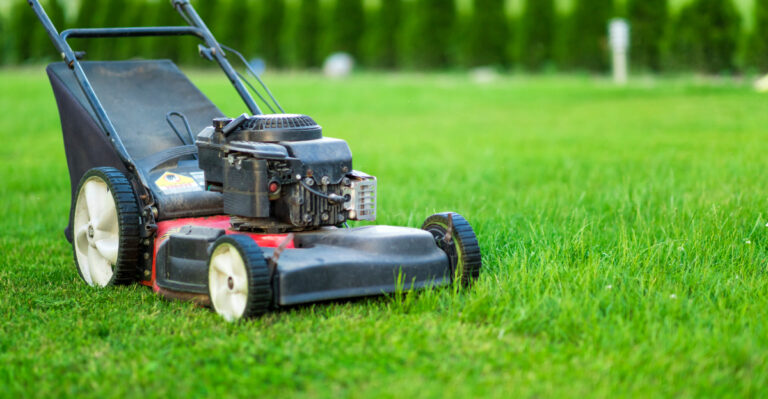
Mowing over puffballs is quick, but it can scatter spores around the yard. If you choose to mow, bag the clippings instead of letting chopped mushroom bits scatter across the lawn.
Fungicide sprays rarely help, because the fungus lives deep in the soil where sprays cannot easily reach. Money is better spent on grass seed or leaf bags this October.
Compost piles are a fine home for young puffballs, as long as your pile stays away from pets. Mushrooms break down fast in warm compost, adding nutrients that your garden beds can use next season.
A quick morning walk with a bucket can become a calm fall ritual, coffee mug in the other hand. Within a few minutes, the lawn looks neat again, and the neighbors stop asking about the mysterious golf balls.
A Healthy Sign Beneath The Grass
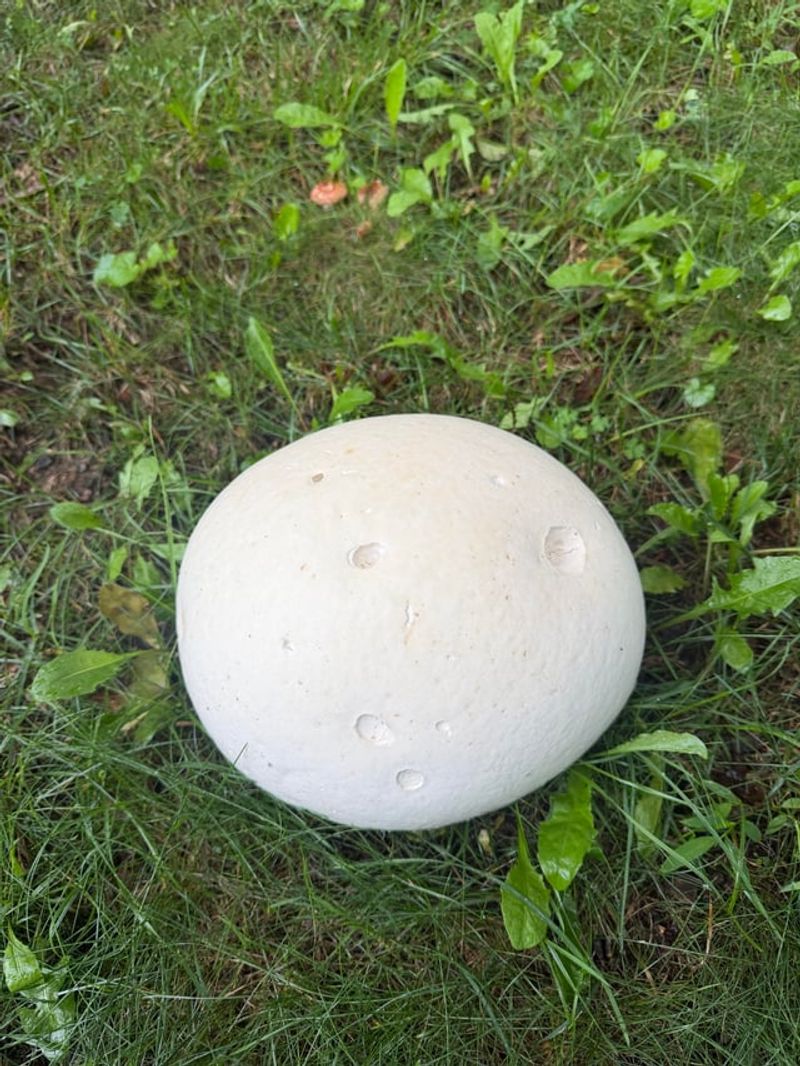
Believe it or not, those white balls might be a compliment from your soil rather than a complaint. Puffballs show up where the ground is full of life, rich in organic matter, and busy with tiny helpers.
The fungus acts like a cleanup crew, breaking down old roots, wood chips, and buried leaves into nutrients. Those nutrients return to the soil over time, where grass roots can use them.
Earthworms, beetles, and helpful bacteria often thrive in the same soil where puffballs like to grow. Think of the mushrooms as flags waving from an underground city that works hard every single day.
Many Indiana lawns sit on former farmland or woodland, so there is plenty of old buried material to recycle. Newer subdivisions built over cleared forests often see puffballs for several years as those roots slowly break down.
People long ago found clever uses for puffballs, and their stories might make you smile next time. Some Native American groups used dried puffball spores to help treat small wounds and stop minor bleeding.
Puffballs are not known to spread disease to grass, trees, or garden plants, so your flowers are unlikely to be affected. The worst they usually do is surprise the person pushing the mower on a cool October afternoon.
A little patience now lets the fungus finish its work in the soil before the growing season returns next year. Your yard is quietly doing some excellent work, even when it looks a bit strange.