The Texas Native Shrub That Blocks Wind Without Constant Trimming
Strong winds can be brutal in Texas. They dry out soil, batter tender plants, and send patio furniture sliding across the deck.
Many homeowners plant fast-growing hedges to help, only to end up trimming them every few weeks just to keep them in shape.
This native shrub takes a different approach. It grows thick and full on its own, holds its leaves all year, and handles heat, drought, and tough soil without complaint.
In winter, bright red berries on female plants bring in cardinals, mockingbirds, and other hungry birds.
It’s the kind of hardworking shrub that quietly does its job while you enjoy the view.
The Native Windbreak Shrub
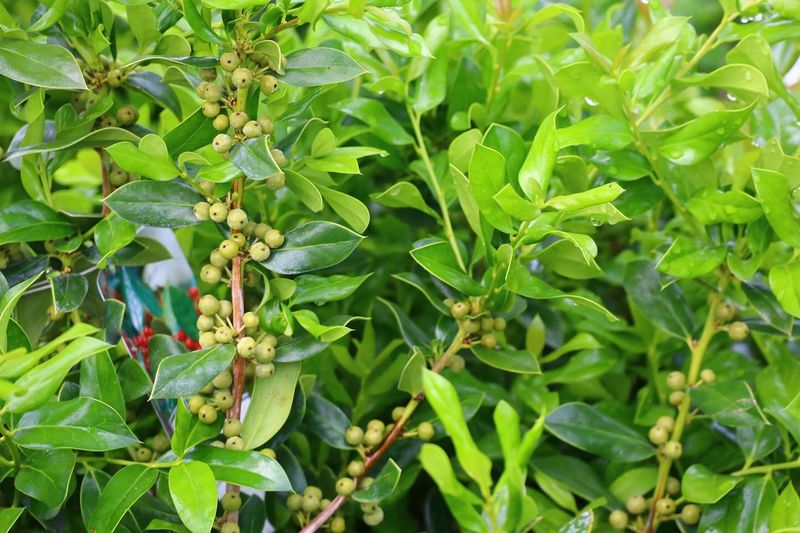
Long before anyone planted fancy hedges, yaupon holly was already standing guard across Texas.
It grows wild in East and Central Texas and all the way down the Gulf Coast. Early settlers and Native peoples knew it well.
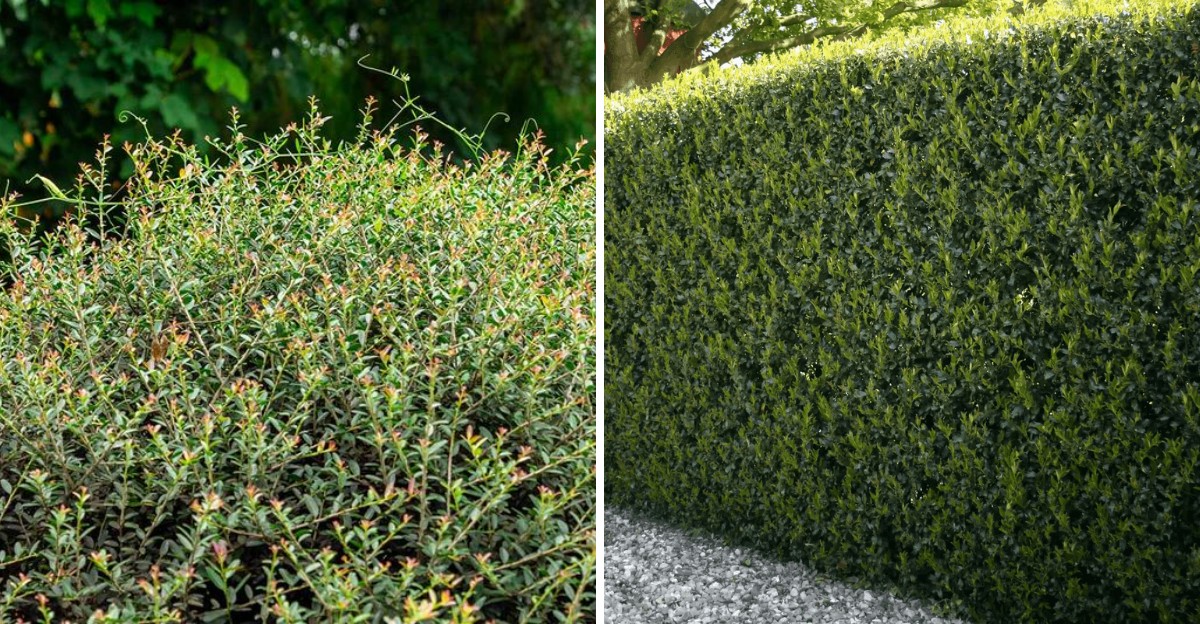
Yaupon is an evergreen shrub that can also grow into a small tree. Its branches are thick and twiggy, and they grow close together.
The leaves are small, oval, and shiny, almost like they were polished. Put all of that together, and you get a dense green screen.
So why does that matter for wind? A solid wall, like a fence, makes wind bounce and swirl over the top. A thick shrub works differently. It lets a little air slip through while slowing the rest down.
Experts say a windbreak that is about half open and half solid often works best. Yaupon fits that job nicely.
Here is a fun fact. Yaupon is the only plant native to North America that has caffeine in its leaves.
Native tribes brewed it into a tea, and some Texas farms still sell yaupon tea today. Its scientific name is Ilex vomitoria, which sounds gross, but the name came from a misunderstanding about old rituals.
Because yaupon grew up in Texas, it already knows how to handle the local weather. You do not have to baby it with special soil or tons of fertilizer. It simply does what it has done for thousands of years.
If you want a windbreak that feels natural in your landscape, start with a plant that belongs here. Yaupon holly checks that box. It is local, sturdy, and ready to slow down those gusty days.
Naturally Dense Without Heavy Pruning
Honestly, who wants to spend every Saturday trimming hedges? Plenty of popular shrubs look great only if you shear them again and again. Skip a few weeks, and they turn shaggy and thin.
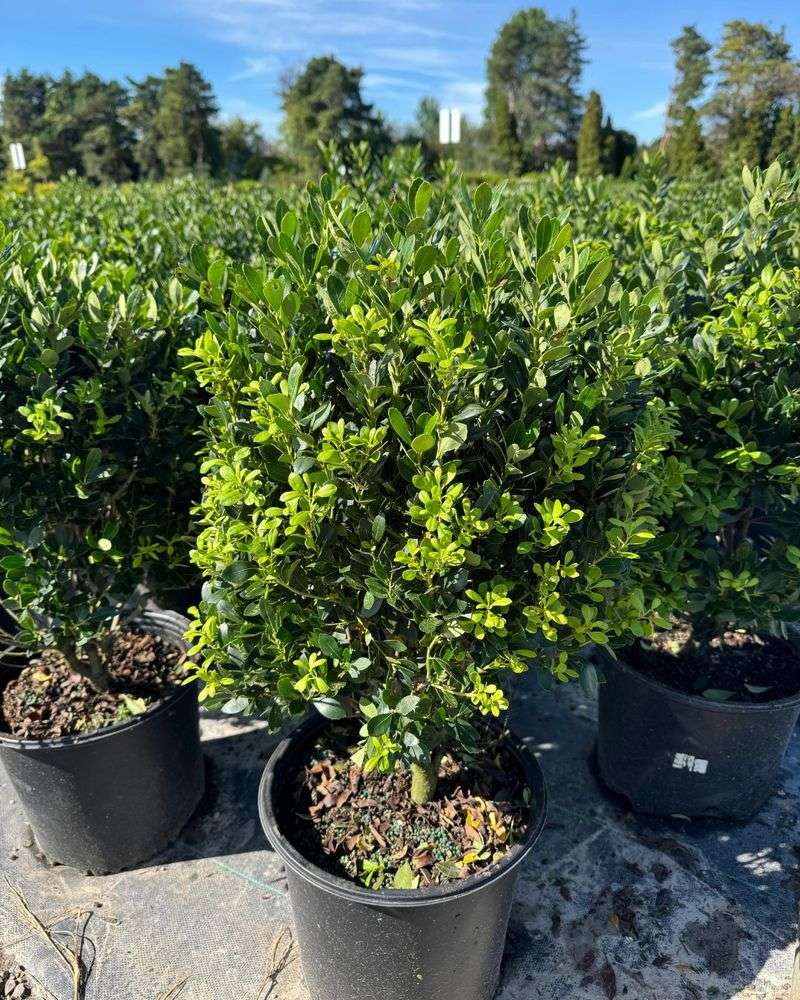
Yaupon holly plays by different rules. It branches out on its own and fills in from the ground up. Over time, it forms a full, natural shape without much help from you. That means fewer weekends spent sweating with clippers in your hand.
The secret is giving it enough room. When you crowd yaupon into a tight spot, you will end up cutting it back to keep it in line.
When you plant it with space to spread, you can mostly let it be. Check the mature width on the plant tag before you dig.
Your Texas Garden Changes Every Week. Your Plan Should Too.
Gardening in Texas changes quickly throughout the season. Every Friday you’ll receive a simple weekly plan showing exactly what to plant, prune, fertilize, harvest, and protect so you never miss the right timing.
Of course, no plant is totally hands-off. Once a year or so, take a quick walk around your shrubs. Snip off any broken, dead, or stray branches that stick out.
Late winter is a good time, before new spring growth kicks in. Here are a few easy pruning tips.
Use clean, sharp pruners so cuts heal fast. Cut back to a side branch instead of leaving stubs. Avoid heavy shearing on the outside, since that can make the inside thin and bare.
Leaving yaupon in its natural form also helps it block wind better. Unsheared branches stay layered and thick all the way through. A heavily trimmed hedge can be green on the outside but hollow inside.
In the end, less trimming means more time to enjoy your yard. Your windbreak keeps working, and you get to sit back and watch it grow.
Evergreen Protection In Every Season

Ask any Texan about a blue norther, and you will probably hear a story. The sky turns dark blue, the temperature drops twenty degrees in an hour, and icy wind whips across the yard. These fast cold fronts can hit hard in winter.
That is exactly when many shrubs let you down. Deciduous plants drop their leaves in fall. By the time the coldest winds show up, they are just bare sticks. Wind blows right through them like they are not even there.
Yaupon holly keeps its leaves all year long. Its green wall stays in place from January to December.
So when a cold front rolls in, your windbreak is ready and waiting. It can help protect your home, your garden beds, and even your pets.
A good windbreak can also help with energy bills. When cold wind slams into a house, it pulls heat away from walls and windows.
Slowing that wind down may help your home stay a bit warmer. Plant yaupon on the north and northwest sides, where winter winds usually come from.
There is another perk. Because the leaves stay put, yaupon gives you privacy in every season. Neighbors, busy roads, and ugly views stay hidden, even in the middle of winter. You do not have to wait for spring to feel tucked in.
Winter gardens can look dull and brown. A row of glossy green yaupon adds color when most plants are resting. Add a few red berries, and your yard looks cheerful on even the grayest day.
Year-round leaves mean year-round help. That makes yaupon a smart pick for anyone who wants steady protection.
Tough Enough For Texas Conditions
Summer in Texas does not play nice. Temperatures soar past 100 degrees, rain disappears for weeks, and soil can bake as hard as brick. Many plants give up by August.
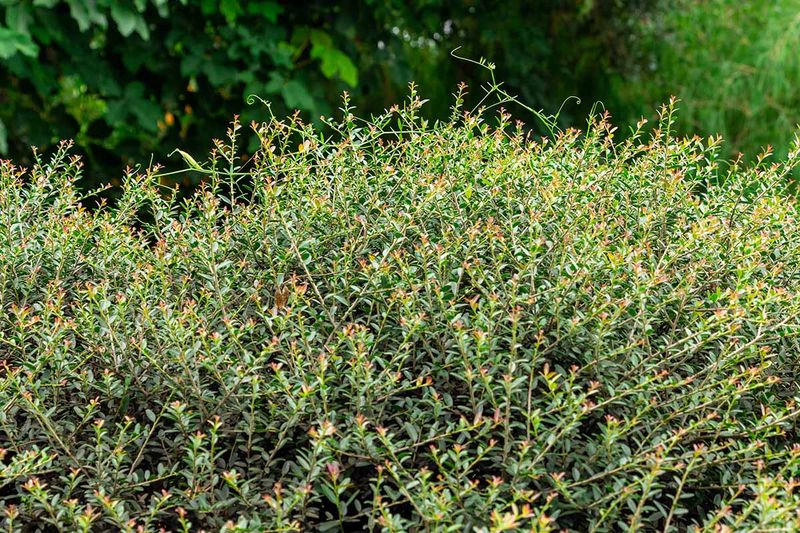
Yaupon holly is built for this kind of challenge. Once it settles in, it can handle long dry spells without much extra water.
It shrugs off heat that would make other shrubs droop and brown. That toughness comes from growing in Texas for ages.
Soil is another big deal. Some parts of Texas have alkaline soil full of limestone, like the Hill Country. Other areas, like East Texas, have acidic, sandy soil. Lots of shrubs only like one type, but yaupon grows well in both.
It also handles different light levels. Yaupon does fine in full sun and also in part shade. For the thickest growth, give it at least a few hours of sun each day. Heavy shade can make it grow thinner.
Here is a surprise. Yaupon can put up with soggy, poorly drained spots where many shrubs struggle. If you have a low corner that stays wet after storms, it might be the answer.
Just remember that new plants need some care at first. Follow these steps during the first year:
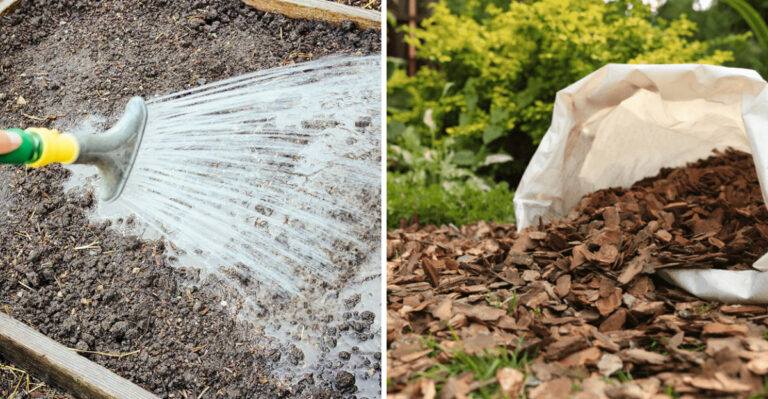
Water deeply once or twice a week, especially in summer. Spread two to three inches of mulch around the base to hold moisture. Keep mulch a few inches away from the trunk.
After a year or two, the roots dig deep and the plant can mostly take care of itself. That is when yaupon really shows off its Texas grit.
Choosing The Right Form For A Windbreak
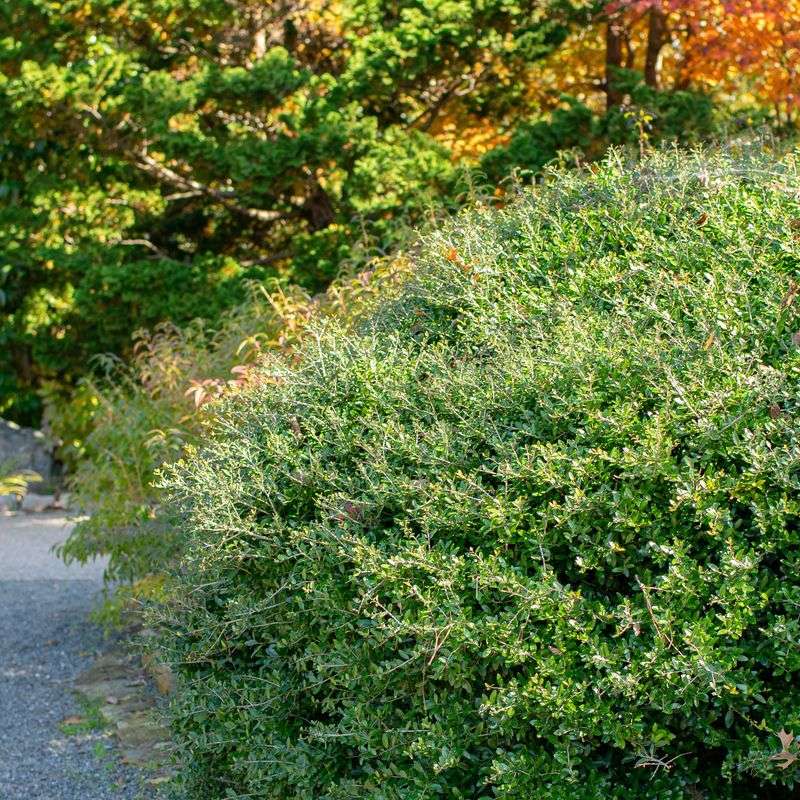
Walk into a Texas nursery, and you might find several kinds of yaupon side by side. They all share the same family name, but they grow in very different ways. Picking the right one makes a huge difference.
For a true windbreak, full-sized yaupon is the star. It can grow into a small tree about 15 to 25 feet tall.
That height lets it block wind for a good stretch of yard behind it. A windbreak usually protects an area several times as long as it is tall.
Planting style matters too. Try a staggered row instead of one straight line. Picture a zigzag pattern, with plants in the back row filling the gaps of the front row. Space them about six to ten feet apart so they can grow together.
Short on room? Upright or weeping forms grow tall but stay narrow. They work great along side yards, driveways, or tight fence lines. You still get height without losing half your lawn.
Dwarf yaupon is a different story. These little plants stay round and low, often around three or four feet tall. They make neat borders and short hedges.
However, they are simply too small to stop strong wind. Before you buy, ask yourself a few questions.
How tall does my screen need to be? How much width can I spare? Do I want berries? If so, make sure you choose female plants, and have a male nearby.
Taking a little time to plan will save you headaches later. Choose the right form once, and your windbreak will fit your space for years.
A Bonus For Birds And Wildlife
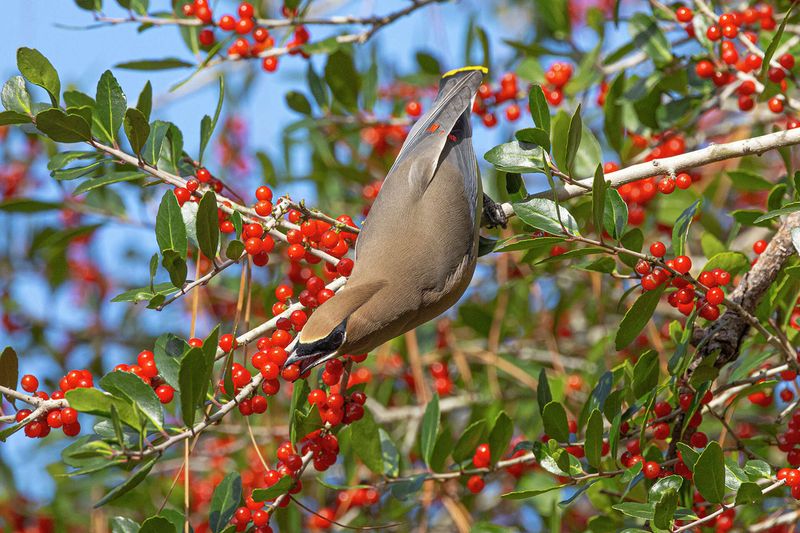
One chilly morning, you might glance outside and see a flock of cedar waxwings swarming your hedge. They chatter, flutter, and gobble bright red berries one after another. Moments like that turn a simple windbreak into a backyard show.
Only female yaupon plants make berries. The fruit turns shiny red in fall and hangs on through winter. That timing is perfect, because food gets scarce for birds when insects vanish in cold weather.
Lots of birds visit for a snack. Cedar waxwings, American robins, and northern mockingbirds are big fans.
Bluebirds, cardinals, and other feathered friends may stop by too. Keep a bird guide handy and see how many you can spot.
Food is only half the story. Yaupon’s thick, twiggy branches make a cozy hideout. Birds duck inside to escape icy wind, freezing rain, and hungry hawks or cats.
Some even build nests deep in the leaves during spring. Want to make your yaupon even more wildlife friendly? Try these simple ideas.
Skip chemical sprays so insects and birds stay healthy. Add a shallow birdbath nearby for fresh water. Leave some fallen leaves under the shrubs, where small critters can find shelter.
Here is a helpful tip for parents. The berries are great for birds but not safe for people or pets to eat. Teach kids to look and enjoy, not taste.
A windbreak that feeds and shelters wildlife is a win for everyone. You get calmer air in your yard, and local birds get a safe place to rest. That is a pretty sweet deal from one hardworking Texas shrub.