What Every Pennsylvanian Should Plant This October Before Winter Nights Arrive
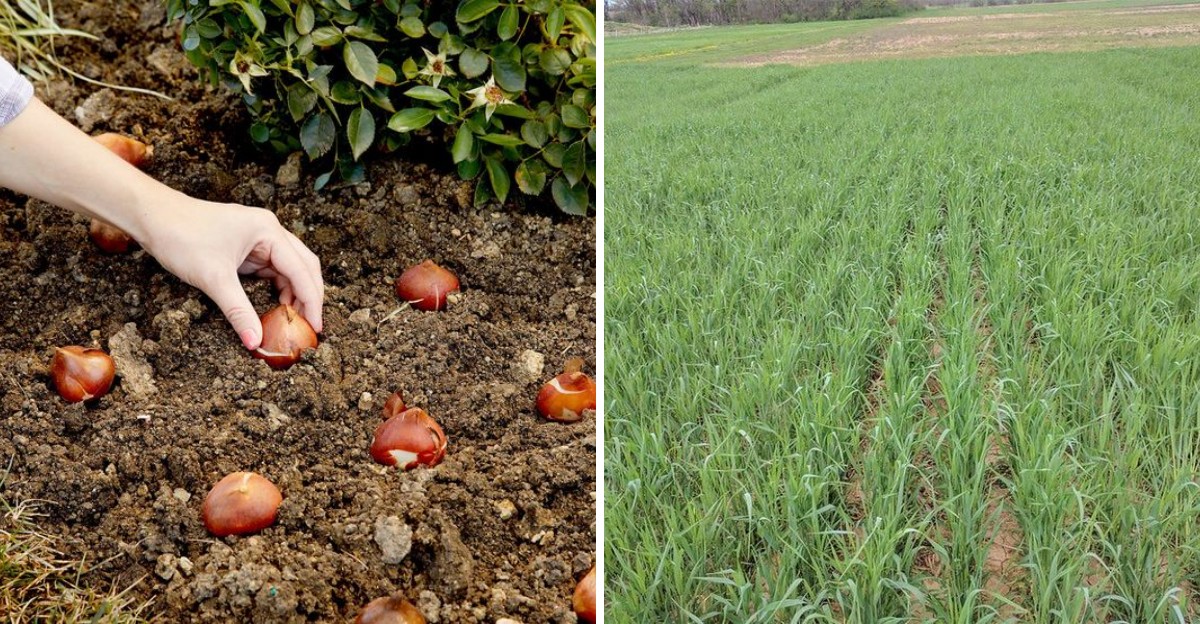
For Pennsylvania gardeners, this short stretch between summer and winter is a golden opportunity.
The soil is still warm enough for roots to grow, but the air is cool enough to keep new plants from getting stressed. It’s a combination that won’t stick around for long.
What you plant now can shape your yard for months to come. Some choices will brighten the first days of spring. Others will feed birds through the cold season or give you a head start on next year’s harvest.
Once those long winter nights settle in, the window closes. These are the plants worth getting in the ground while you still can.
1. Garlic Cloves For Next Summer’s Harvest
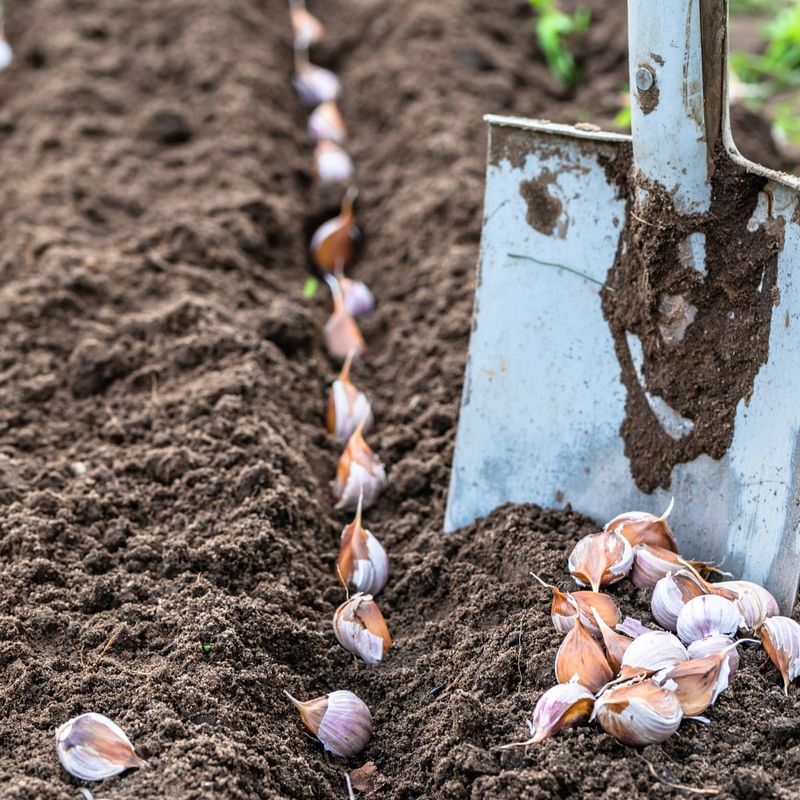
Few crops are as easy as garlic. You tuck a single clove into the dirt, walk away, and come back months later to find a whole new bulb. It almost feels like magic.
In Pennsylvania, the sweet spot for planting runs from mid-October to early November. That timing lets roots grow a few weeks before the ground freezes. Leaves may poke up a little in fall, and that is perfectly fine.
Start by buying seed garlic from a garden center or local farm. Grocery store garlic is often treated so it won’t sprout.
Hardneck types, like German White or Music, handle our cold winters best. They also give you tasty curly stalks called scapes in early summer.
Pick a sunny spot with loose soil that drains well. Mix in some compost to give the bulbs a good start. Break the bulbs into single cloves, but keep the papery skins on.
Plant each clove pointy end up, about two inches deep. Space them six inches apart in rows about a foot apart. Water them once if the soil is dry.
Next comes the most helpful step. Spread four to six inches of straw over the bed. The straw acts like a warm blanket. It keeps the soil from freezing and thawing over and over, which can push cloves right out of the ground.
In spring, pull back some straw if shoots struggle to get through. Keep weeds away and water during dry spells.
By July, when about half the leaves turn brown, dig up your bulbs. Let them dry in a shady, airy place for two weeks.
Then enjoy homegrown garlic in your cooking all year long. Save the biggest cloves to plant again next October.
2. Spring-Flowering Bulbs For A Colorful Wake-Up
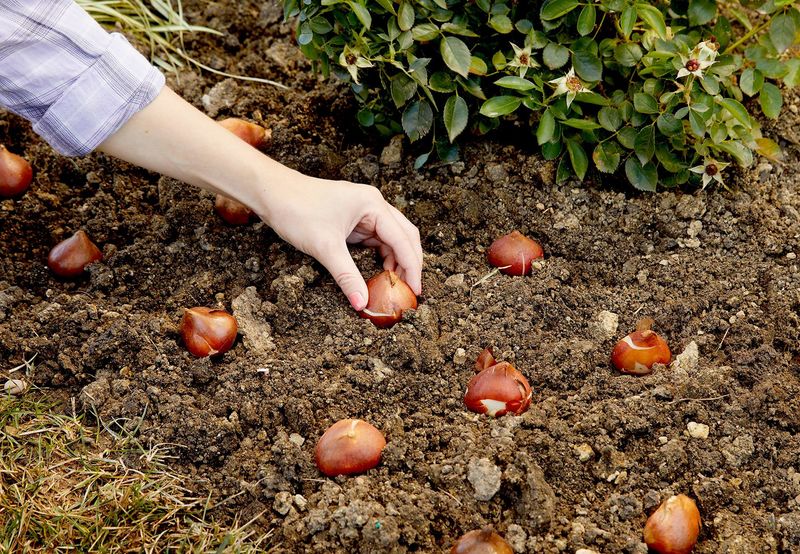
My grandmother used to say that planting bulbs is like writing a letter to spring. You drop it in the ground now, and it gets delivered in April. She was right every single time.
Tulips, daffodils, crocuses, and hyacinths all need a long, cold winter to bloom. The chill tells them when it is time to wake up. That is why October is the ideal month to plant them in Pennsylvania.
Buy firm bulbs with no soft or moldy spots. Bigger bulbs usually mean bigger flowers. Choose a spot that gets at least six hours of sun and doesn’t stay soggy.
Your Pennsylvania Garden Changes Every Week. Your Plan Should Too.
Gardening in Pennsylvania changes quickly throughout the season. Every Friday you’ll receive a simple weekly plan showing exactly what to plant, prune, fertilize, harvest, and protect so you never miss the right timing.
A simple rule helps with depth. Plant each bulb about three times as deep as it is tall. Most tulips and daffodils go six to eight inches down, while tiny crocuses need only three or four inches.
Set bulbs pointy side up and cover them with soil. Water them well to help roots begin growing. For a natural look, plant them in groups of ten or more instead of neat lines.
Critters can be a real headache, though. Deer love tulips, and squirrels dig up crocuses like buried treasure.
Daffodils are the smart choice for yards with these visitors. Their bulbs and leaves taste bitter, so animals usually leave them alone.
Want to protect tulips anyway? Lay chicken wire over the bed before covering it with mulch. Sprinkling crushed gravel in the planting hole can also discourage digging.
Fun fact: in the 1600s, tulip bulbs in Holland once sold for more than a house! Today they cost much less, but the joy of seeing them bloom after a gray winter feels just as priceless.
3. Pansies That Laugh At Frost
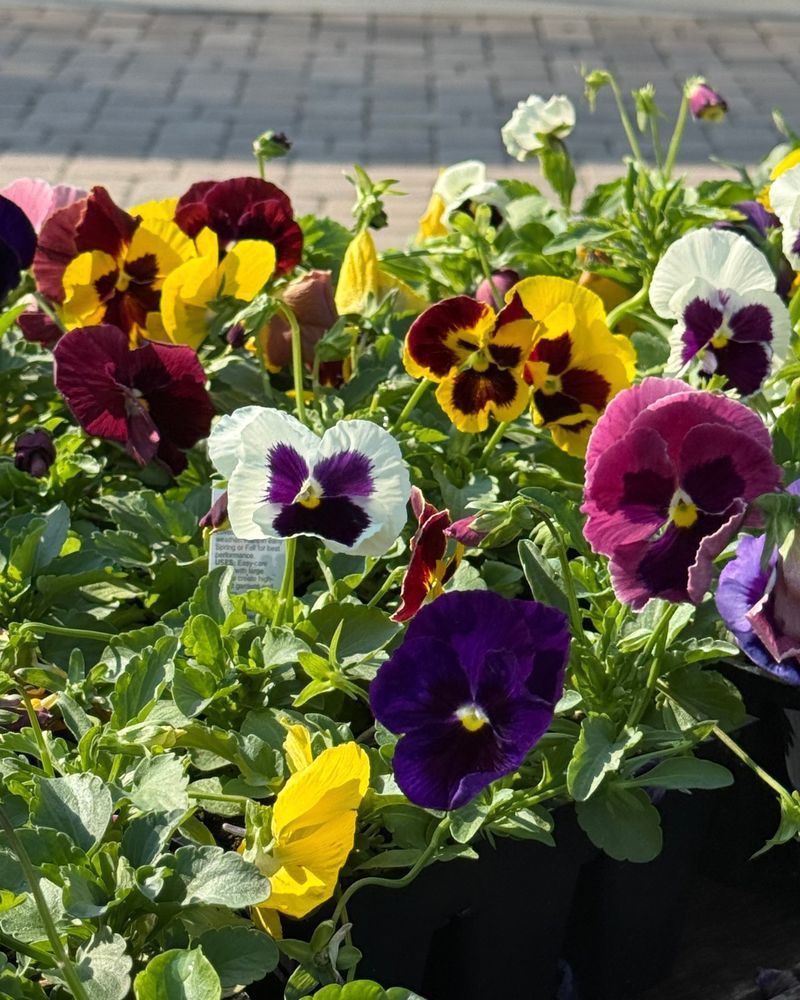
Tough little flowers with cheerful faces, pansies are the brave ones of the garden. While other annuals give up at the first frost, these guys keep smiling. Some even look like they are winking at you.
Pansies love cool weather. They bloom happily in fall, and in much of Pennsylvania they often make it through winter. Come March, they start blooming again, sometimes before anything else in your yard.
Planting in October is key. It gives the roots several weeks to settle in before hard freezes arrive. A plant with strong roots handles cold much better than one that was just popped in.
You can find pansies at almost any garden center this time of year. Look for plants with lots of buds, not just open flowers. Green, healthy leaves are a good sign too.
Place them where they get morning sun and some afternoon shade. They work great in flower beds, window boxes, and porch pots. Mix them with mums and pumpkins for a fun fall display. Here are a few tips for success.
Space plants about six to eight inches apart. Water them after planting and whenever the soil feels dry. Add a thin layer of mulch around beds to protect roots in winter.
Containers need a little extra care. Pots freeze faster than the ground, so move them close to the house during very cold snaps.
Pinch off faded flowers to keep new ones coming. Did you know pansy petals are edible? Many cooks use them to decorate cakes and salads. Just be sure your plants were not sprayed with chemicals first.
4. Serviceberry, A Native Tree For All Seasons
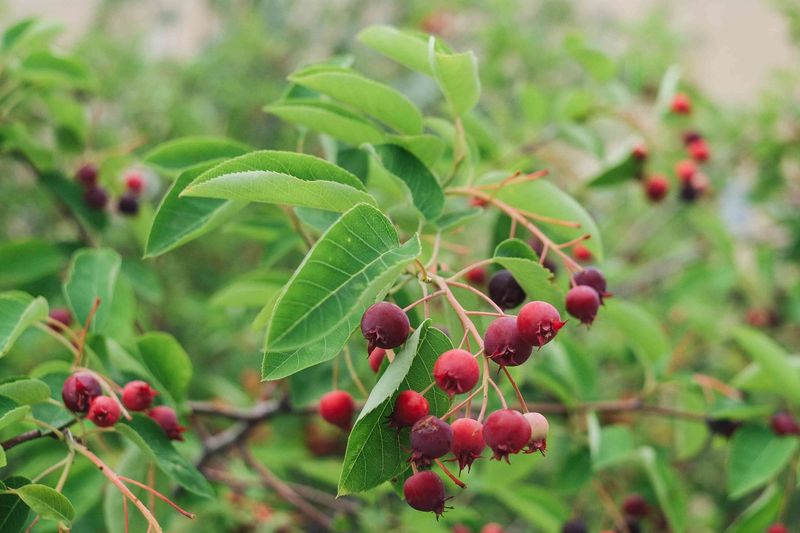
Long before Pennsylvania had cities and highways, serviceberry trees grew wild along its forests and streams.
Early settlers noticed their white blossoms each spring. Many folks still call them shadbush, because they bloomed when shad fish swam up the rivers.
Serviceberry, known by scientists as Amelanchier, is a native tree. That means it already knows how to handle our weather, soil, and bugs. It is a great pick if you want something beautiful that doesn’t need fussing.
Early fall is a smart time to plant one from a container. The soil is still warm, which helps roots spread out. Cool air means the tree loses less water through its leaves.
To plant, dig a hole two times wider than the pot but no deeper. Gently loosen circling roots before setting the tree in. The top of the root ball should sit even with the ground.
Fill the hole with the soil you removed. Water deeply, then add two to three inches of mulch in a ring. Keep the mulch a few inches away from the trunk.
Water once a week until the ground freezes if rain is scarce. Next year, keep watering during dry spells while it gets established.
What makes this tree so rewarding is that it shines in every season. White flowers cover it in early spring. In June, it offers small purple berries that taste a bit like blueberries.
Birds adore those berries, so you may need to share. Robins, cedar waxwings, and catbirds will visit often. Then in fall, the leaves flash bright orange and red, giving your yard one last blaze of color.
5. Common Milkweed Seeds For Monarch Butterflies
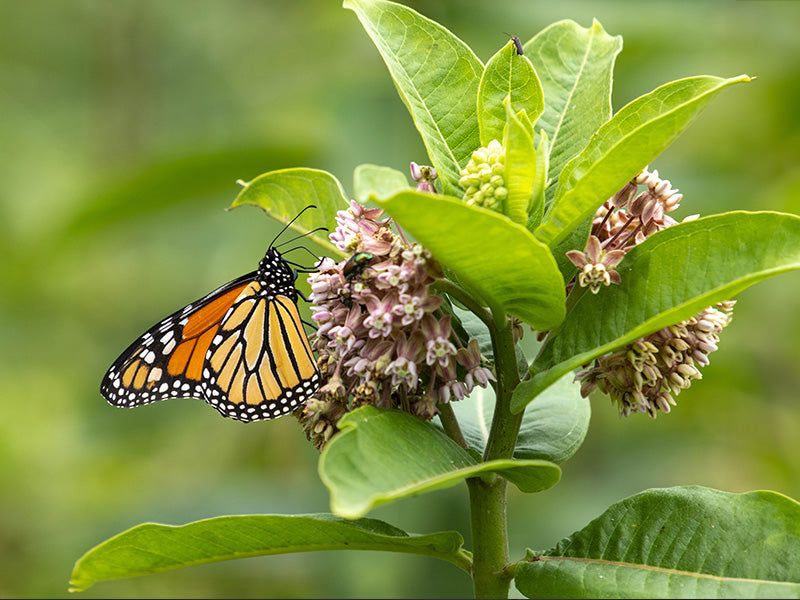
Monarch butterflies are picky eaters. Their caterpillars will only munch on one kind of plant, and that plant is milkweed. No milkweed means no monarchs.
So how can you help? Sow common milkweed seeds in your yard this fall. It is simple, cheap, and makes a real difference for these orange-and-black travelers.
Milkweed seeds have a funny trick. They won’t sprout until they spend some time in cold, wet conditions. Gardeners call this cold stratification. Sowing seeds outdoors in late fall lets winter handle that job for you.
Choose a sunny spot where the plants can spread. Common milkweed sends out underground runners, so give it room. A corner of the yard or a wildflower patch works nicely.
Clear away grass and weeds first. Scatter the seeds on top of the soil, then press them down with your hand or foot. Cover them lightly with about a quarter inch of soil.
That’s it! Snow, rain, and freezing nights will prepare the seeds. When the ground warms up in spring, little green sprouts will start popping through.
Where can you get seeds? Many nurseries sell them, and some groups give them away free. You can also gather pods from wild plants in October.
Wait until the pods turn brown and begin to split. Pull out the brown seeds and remove the silky fluff. Kids usually love helping with this part.
Here’s a cool fact. Monarchs born in late summer fly all the way from Pennsylvania to Mexico, around 2,000 miles. Your milkweed patch could help fuel that amazing journey.
6. Spinach For The Earliest Spring Salads
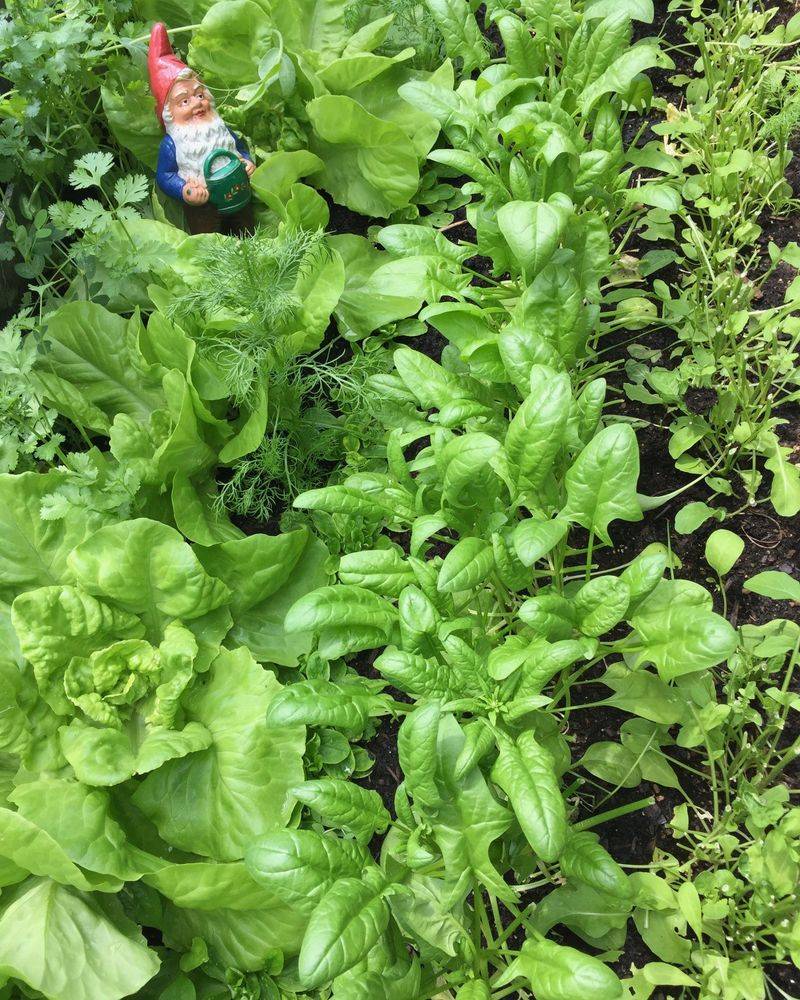
Nothing beats a salad picked from your own garden in March. While neighbors are still flipping through seed catalogs, you could be eating fresh spinach. All it takes is a little planting now.
Spinach is one tough leafy green. Young plants can handle temperatures well below freezing, especially with some protection. They simply rest during the coldest weeks and wait for warmer days.
For best results, sow seeds in early October. That gives plants enough time to grow a few leaves before winter. Small plants with four to six leaves survive the cold better than bigger ones.
Pick a sunny bed with rich, loose soil. Work in compost to feed the plants. Sow seeds about half an inch deep and two inches apart.
Keep the soil moist until sprouts appear, usually within a week or two. Thin seedlings to about four inches apart once they come up.
Toss the thinned baby leaves in your dinner. Now comes winter protection. You have two easy choices:
First, you can cover the plants with a loose layer of straw or shredded leaves. Second, you can use a row cover, which is a light fabric that lets in sun and rain but holds in warmth. Some gardeners use both for extra safety.
When days lengthen in late February or March, your spinach will start growing again. Remove heavy mulch so the leaves can soak up sunlight. Harvest outer leaves first and let the center keep producing.
Popeye was onto something. Spinach is packed with iron and vitamins, and cold weather actually makes the leaves taste sweeter.
7. Cereal Rye, The Soil’s Winter Coat
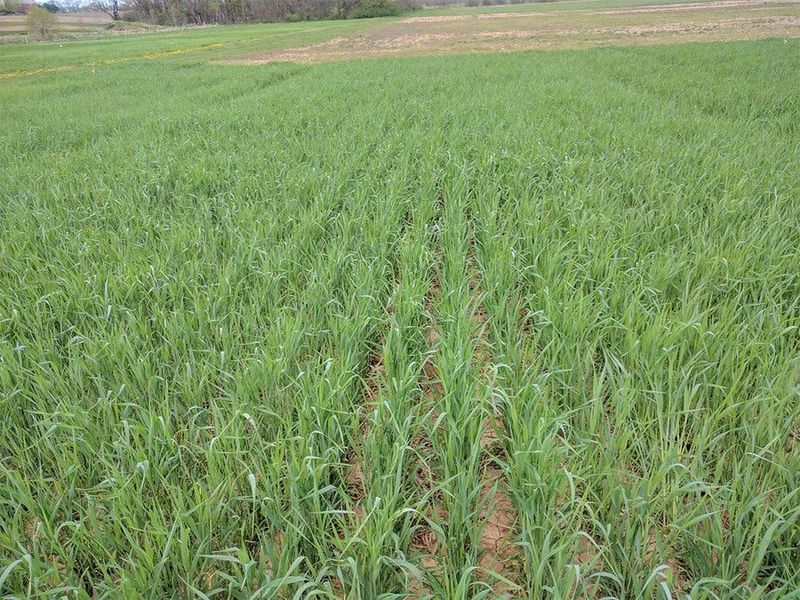
Think of bare soil in winter like a person standing outside without a coat. Wind blows it away. Rain washes it downhill. Over time, your garden loses the rich topsoil it needs.
Cereal rye fixes that problem. It is a cover crop, meaning you grow it to protect and feed the soil instead of eating it. Farmers across Pennsylvania have trusted it for generations.
What makes rye special is its toughness. It is one of the few cover crops you can still sow in October. It sprouts fast and keeps growing even when the weather turns chilly.
Once your summer vegetables are done, pull out old plants and weeds. Rake the soil smooth. Then scatter rye seed across the bed, about a handful for every ten square feet.
Rake the seed lightly into the top half inch of soil. Water it if rain isn’t expected soon. In a week or so, you will see a green carpet start to form.
Through winter, its roots hold the soil in place. They also soak up leftover nutrients that might otherwise wash away. The green blades may even peek out from under the snow.
Spring is when the payoff happens. About three weeks before planting vegetables, cut the rye down low. Chop it up and turn it into the soil with a shovel or tiller.
As the plant material breaks down, it adds organic matter. That makes soil darker, spongier, and better at holding water. Worms love it too.
One tip: don’t let rye grow too tall or form seeds. Cut it before it gets knee-high, or it can become hard to manage.