The Reason North Carolina Gardeners Are Leaving Brush Piles For Wildlife This October
Every October, North Carolina yards start sounding like crunchy cereal bowls as leaves pile up underfoot. Most of us grab rakes and bags, eager to make everything look tidy before the neighbors notice.
But some gardeners now leave one particular corner of the yard alone. Their neighbors raise eyebrows, but the birds, rabbits, and toads seem to think it is brilliant.
It sounds lazy at first, like a teenager explaining why their bedroom floor is actually an organized system. Yet wildlife experts note that this small bit of mess gives animals useful cover.
Cold nights are coming soon, and plenty of tiny creatures are already hunting for a cozy spot. You can help them without buying anything fancy or working extra hard.
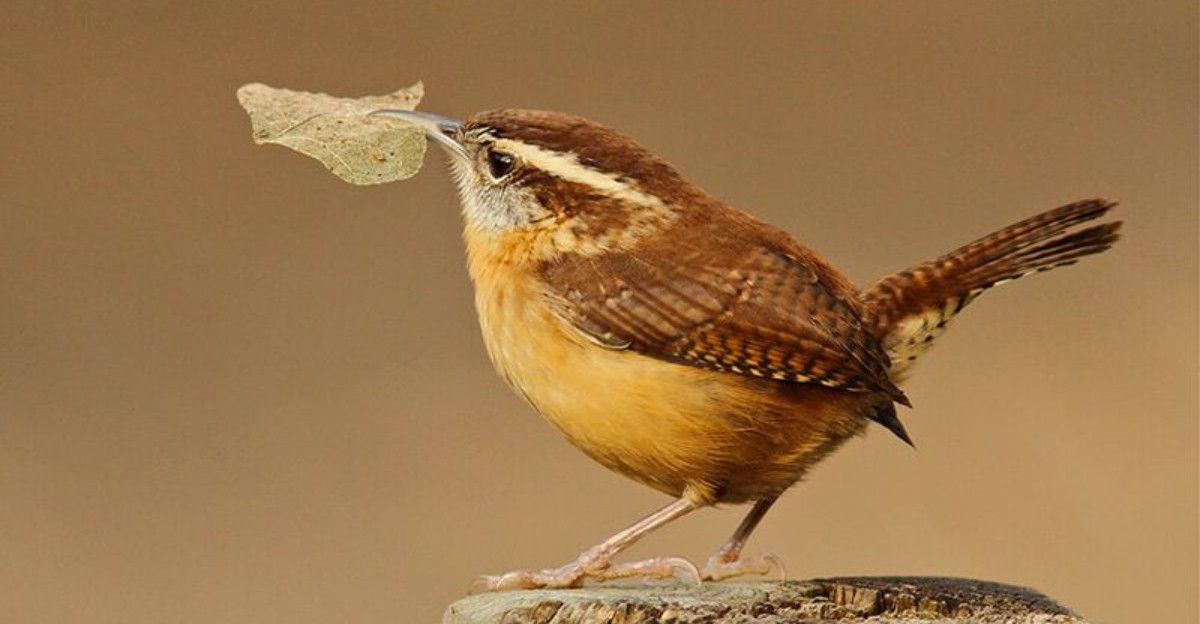
A wren that moves in may soon be bossing the gardener around every morning. The husband will insist he was not consulted.
Winter Shelter For Small Wild Neighbors
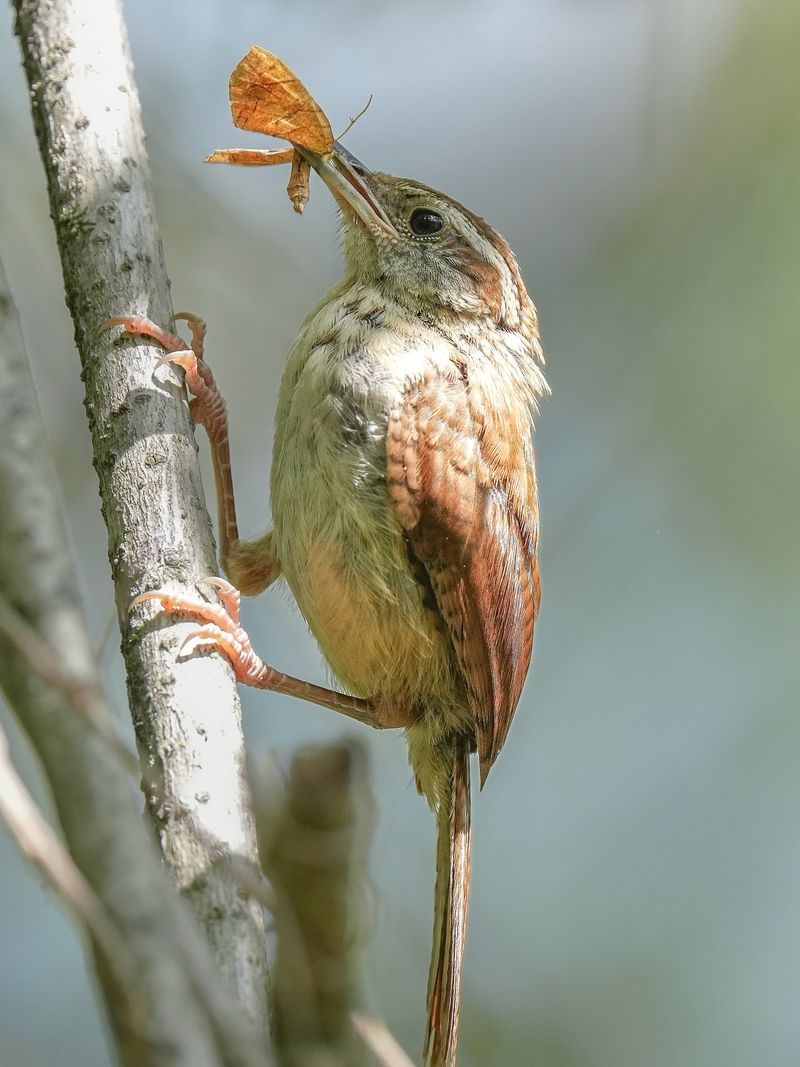
Picture a song sparrow on a freezing January night, tucked deep inside a tangle of oak branches and twigs. That messy heap blocks the wind and gives the little bird a more sheltered spot than open ground.
Brush piles give North Carolina wildlife a safe place to hide, rest, and survive the cold months ahead. Most suburban yards offer short grass and bare beds, which leave small animals with few places to go.
Birds like Carolina wrens, towhees, and juncos dart into the pile when hawks circle overhead looking for lunch. Eastern cottontail rabbits also love the cover, especially after the summer garden plants have been cleared away.
Toads, salamanders, and box turtles crawl underneath to find damp, sheltered soil where they can rest until spring. Plenty of helpful insects, including ladybugs and native bees, also spend the winter tucked inside hollow stems.
Think of the pile as a free apartment building with many floors, rooms, and hallways for different guests. Larger branches on the bottom create open spaces, while smaller twigs on top act like a snug roof.
Here is a fun fact: a single brush pile can shelter birds, mammals, reptiles, amphibians, and insects during one winter. Wildlife agencies often recommend them as a way to add shelter where natural cover is limited.
Gardeners who build one this fall may notice more bird activity as the weather cools. Your yard becomes a small refuge, and the birds repay you with cheerful songs on gray mornings.
Early October Is The Sweet Spot
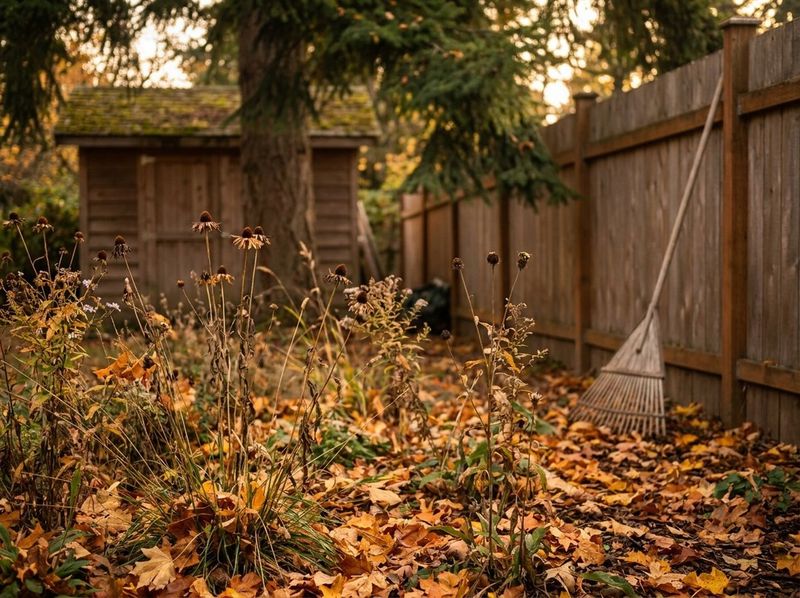
Ask any longtime Piedmont gardener about fall chores, and they will tell you timing matters more than muscle. Early October is a good window for building a brush pile across most of North Carolina.
Animals begin scouting for winter homes right now, long before the first hard freeze settles over the state. A pile built in early fall gives them several weeks to discover it, explore it, and move in.
Mountain regions near Boone and Asheville often see frost by mid October, so gardeners there should start soon. Coastal and Piedmont areas usually have until early November, but earlier piles attract more residents over time.
Your North Carolina Garden Changes Every Week. Your Plan Should Too.
Gardening in North Carolina changes quickly throughout the season. Every Friday you’ll receive a simple weekly plan showing exactly what to plant, prune, fertilize, harvest, and protect so you never miss the right timing.
October also brings plenty of loose material for a pile. Storm-snapped limbs, spent sunflower stalks, and trimmed shrub branches all pile up quickly this time of year.
Instead of hauling everything to the curb in heavy bags, you can simply move it to a quiet corner. Many North Carolina towns collect yard waste on a set schedule, so skipping a pickup saves effort too.
Waiting until December can mean missing the window, because many animals have already settled somewhere else for winter by then. Toads and box turtles burrow in as the soil cools, so they benefit from an early start.
So grab your gloves on the next crisp weekend afternoon and start stacking those fallen branches into a loose mound. The wildlife in your neighborhood will find it fast, and you will feel smart for planning ahead.
The Tidy Yard Trap
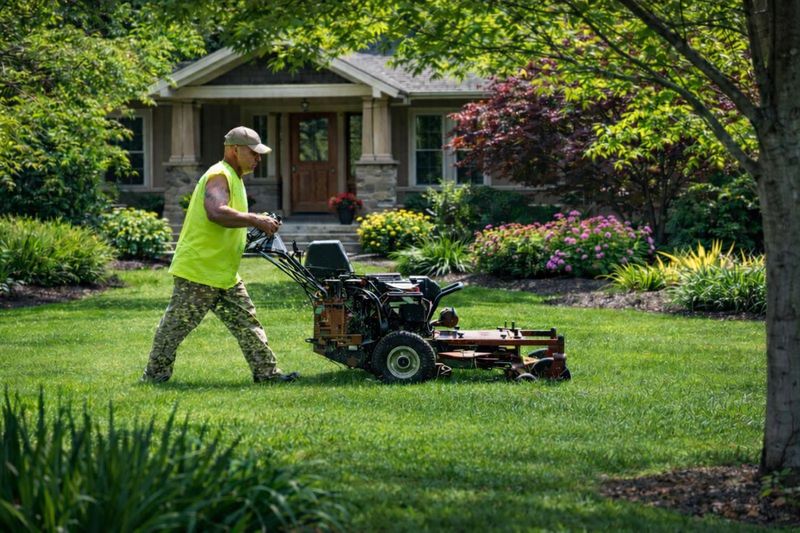
Bagging every twig feels productive, but it can make your yard look like a parking lot to wildlife. Plenty of North Carolina homeowners make this mistake with the best intentions and the sorest backs.
A spotless lawn might win compliments from neighbors, yet it offers almost nothing to hungry or chilly animals. Birds searching for insects find bare dirt, and toads looking for shelter find nowhere to hide.
Another common slip is building a pile too tightly, packing branches so densely that nothing can squeeze inside. Animals need gaps and tunnels, so a tight wall of sticks works about as well as a brick.
Some gardeners also toss in diseased plant material, which can spread fungus to healthy shrubs next year. Blighted tomato vines and rose canes with black spot belong in the trash, not the wildlife pile.
Invasive plants cause trouble too, since English ivy and Japanese honeysuckle can root right inside your pile. Bag those separately, or you may end up growing a bigger problem than the one you trimmed.
Placement mistakes happen often as well, especially when piles sit in soggy spots that flood after heavy rain. Animals want shelter that stays fairly dry, so choose slightly higher ground with decent drainage nearby.
Letting go of a perfect yard can feel strange at first, like leaving dishes in the sink overnight. Give it one season, though, and the busy wildlife visits will make the small mess feel worthwhile.
A Sturdy Pile Built From Yard Scraps
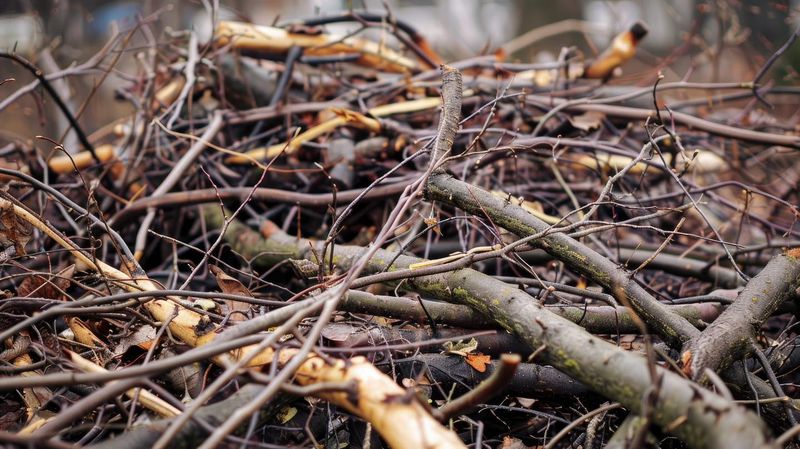
Landowners have built brush piles for quail and other wildlife for decades, and the basic method still works today. Good piles follow a simple rule, with the biggest pieces on the bottom and the smallest on top.
Start by laying down a base of thick logs or large branches, about four to six inches wide. Crisscross them like a log cabin, leaving open spaces between them for tunnels and hidden rooms.
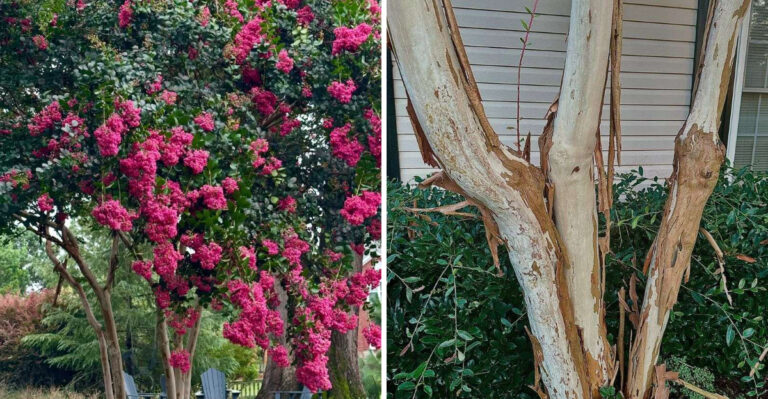
Next, add medium branches in a looser layer, angling them in different directions to create more hiding spots. Old Christmas tree trunks, pruned crape myrtle limbs, and storm-damaged pine branches all work nicely here.
Finish with a top layer of thin twigs, ornamental grass clippings, and a sprinkle of fallen leaves. That loose roof sheds rain and blocks wind while still letting small birds slip in and out.
Aim for a pile roughly five feet wide and three to four feet tall for the best results. Smaller yards can still host a mini version, and even a tidy two-foot mound can offer toads some cover.
Wear sturdy gloves while stacking, since thorny branches and hidden splinters can surprise you in a hurry. A pair of loppers also helps trim awkward limbs so they fit neatly into the growing stack.
Over time, the pile will settle and shrink as wood breaks down and feeds the soil underneath. Just toss fresh branches on top each fall, and your wildlife hotel stays open for business year after year.
A Backyard Bustling With Winter Visitors
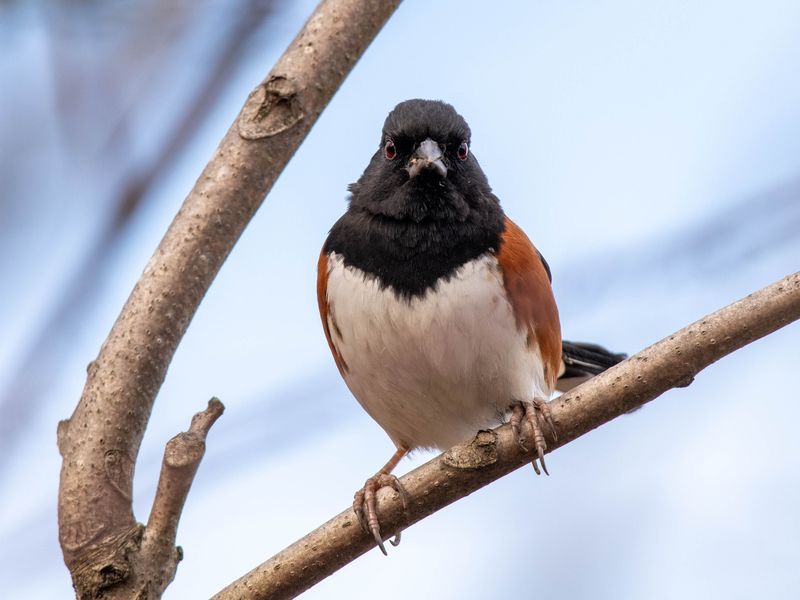
Have you ever watched a wren pop out of a twig pile like a jack-in-the-box on a frosty morning? Gardeners who leave brush piles get front row seats to moments like that all winter long.
Within a few weeks, you may spot white-throated sparrows scratching at the edges for seeds and tiny bugs. Dark-eyed juncos, which locals often call snowbirds, begin showing up across much of the state in October.
Brown thrashers and eastern towhees love digging through leaf litter near the pile, tossing leaves like confetti. Their noisy rustling sounds bigger than they are, so do not be surprised by the commotion.
Your garden benefits in quieter ways too, because the creatures sheltering inside help control common garden pests once the weather warms. Toads gobble slugs and cutworms, while ground beetles hunt the insects that chew on spring seedlings.
Wood slowly breaks down inside the pile, feeding fungi and worms that enrich the soil below. Over time, that ground often turns darker and richer.
Kids especially enjoy the show, so consider placing the pile where you can see it from a window. A simple bird identification book and a pair of binoculars can turn a chilly afternoon into a nature lesson.
Some families even keep a notebook, tracking every visitor from rabbits to the occasional curious fox. Those little records become treasured memories, and they show how much life one messy corner of the yard supports.
Smart Placement Away From The House
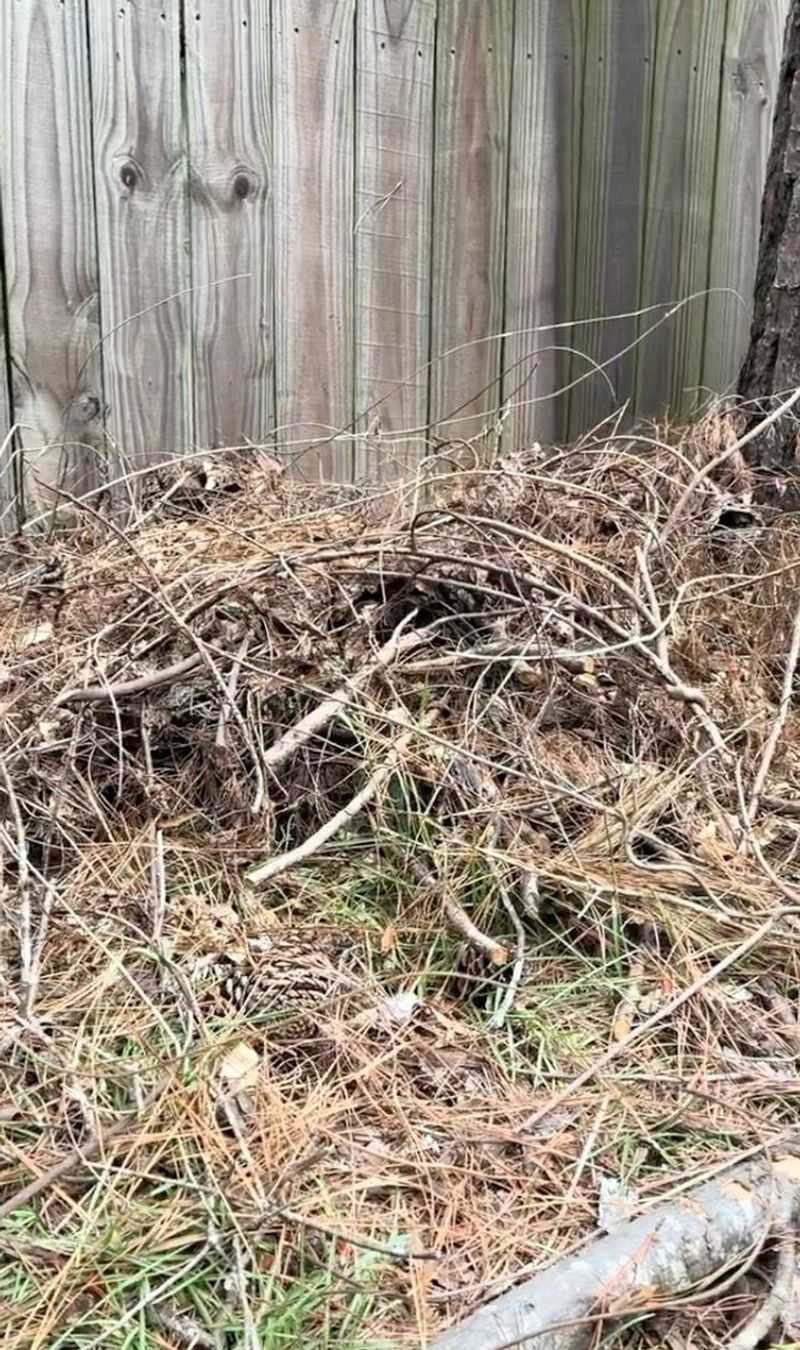
Wildlife experts often suggest placing brush piles at the edges of yards. Choosing the spot wisely keeps the good visitors close while steering unwanted guests away from your home and porch.
Keep the pile well away from your house, shed, and any spot where you store firewood. That distance helps keep rodents and termites from moving toward your home.
Snakes may visit too, and that worries some folks. Most local species are harmless, and black rat snakes help control rodents, but copperheads also live in North Carolina, so wear gloves and watch where you reach when working near the pile.
Fire safety matters as well, so place piles away from grills, fire pits, and overhead power lines. Dry autumn weeks leave branches brittle, so a safe distance from heat sources matters even more this time of year.
Some neighborhoods with homeowners associations have rules about yard debris, so check the guidelines before you start building. Planting native shrubs like beautyberry or inkberry around the pile can hide it while adding extra food.
A pile tucked near a wooded border, fence line, or hedge feels natural and attracts the most traffic. Animals like having a quick escape route, so connecting the pile to other cover makes a big difference.
Avoid moving or disturbing the pile once winter arrives, since animals may be sleeping deep inside it. Wait until mid spring to add or move branches, and your sleepy tenants will thank you quietly.