What California Camellia Growers Should Do When Buds Drop Early
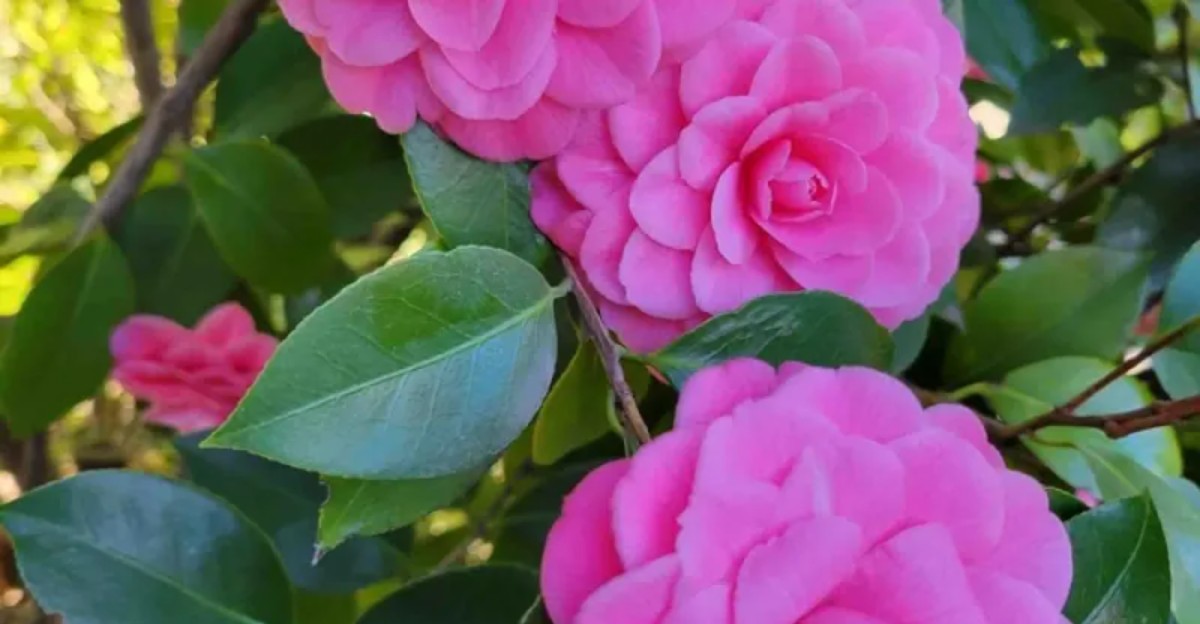
A camellia can look loaded with promise in early winter, with fat buds lined up along every branch.
Then one cool morning, a handful of those buds turn brown and crispy, and a few more lie scattered on the ground before they ever opened.
It’s natural to check for bugs, blame last night’s chill, or hunt for something that went wrong this week.
In many cases, though, the real cause happened months earlier, long before anyone noticed a problem.
Here’s what usually sends camellia buds tumbling early, and how a few changes this season can lead to a much better bloom next year.
1. Bud Drop Often Traces Back To Late Summer
A camellia in a Sacramento backyard in August rarely gets much attention. The days run long and hot, the shrub looks quiet, and most gardeners barely glance at it, even though something important is happening inside those glossy leaves.
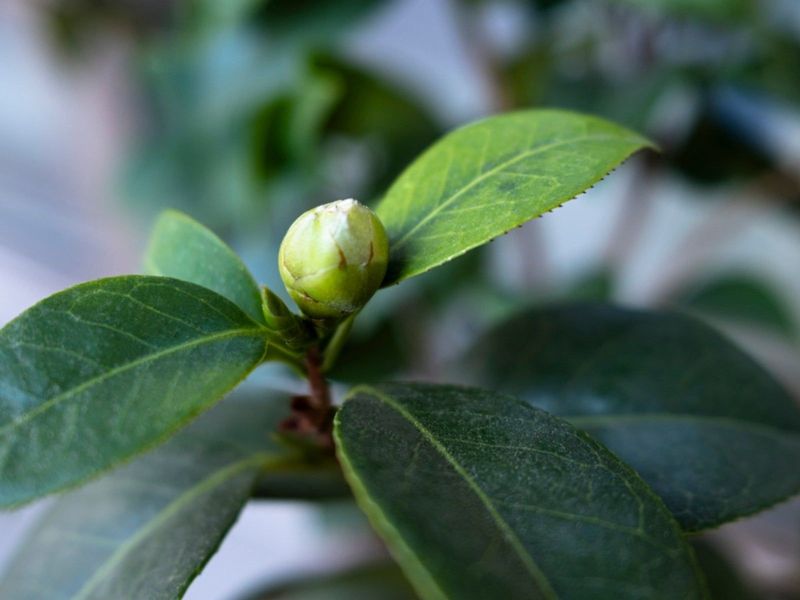
Camellias form their flower buds in late summer, months before the blooms open in fall, winter, or early spring. Those tiny green knobs at the branch tips already hold the beginnings of next season’s flowers.
Stress during that window does its damage quietly. The buds may keep swelling for weeks and look perfectly normal from the outside.
Sometime in late fall or winter, they brown at the edges, dry out, and fall before opening. Many gardeners call this problem bud blast or bud drop.
Because the symptom appears so late, plenty of growers look for a cause happening right now. They check for bugs, blame the latest cold night, or wonder about a new fertilizer, while the real trigger often happened back in August or September.
The delay works a lot like a report card that arrives long after the test. The grade reflects work done earlier, not what happened this morning, and that understanding prevents a lot of panic and unnecessary sprays.
The smartest first step is a look back at last summer’s care. From there, planning for the next summer becomes much easier, and the next round of buds has a far better chance.
2. Inconsistent Watering Is The Usual Culprit
Ask a UC Master Gardener what most often causes camellia buds to drop, and the answer is usually the same: uneven watering. The problem isn’t too little water all the time or too much all the time, but a pattern that swings up and down week after week.
Camellias have shallow, fine roots that sit close to the soil surface. In California’s dry summers, that top layer can go from damp to dusty in just a few hot days.
When soil swings between soggy and bone dry while buds are forming, the plant struggles to feed those developing flowers. A vacation in August, a broken sprinkler timer, or a heat wave without a schedule change can all create those swings.
Short dry spells like these may not wilt the whole shrub. They can still be enough to stress the buds, though.
Your California Garden Changes Every Week. Your Plan Should Too.
Gardening in California changes quickly throughout the season. Every Friday you’ll receive a simple weekly plan showing exactly what to plant, prune, fertilize, harvest, and protect so you never miss the right timing.
Months later, the plant makes a practical choice and sheds buds it can no longer support. That’s why the drop seems to come out of nowhere in the middle of winter.
An honest look back at last summer often solves the mystery. Irregular watering, or a few hot weeks when the soil dried out deeply, usually points straight to the cause.
The good news is that this problem is completely fixable. No special sprays or expensive products are needed, just a steadier routine that keeps moisture even during the months that matter most.
3. Overwatering Causes The Same Problem
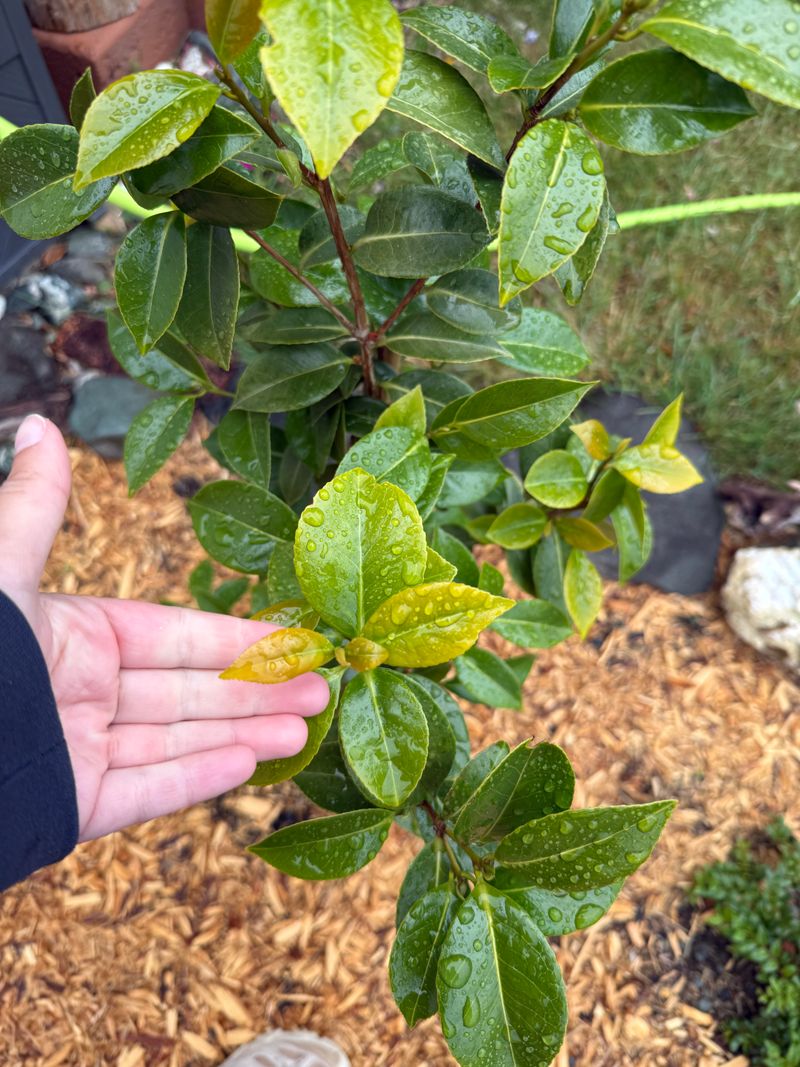
Plenty of gardeners are surprised to learn that too much water can cause the very same bud drop as too little. When it comes to moisture, camellias are a lot like Goldilocks.
Roots need air as well as water. Soil that stays soggy for long periods fills its tiny air pockets with water, and the roots start to struggle for oxygen.
Damaged roots can’t pull up water and nutrients well, so the plant acts stressed even though the ground is wet. Heavy clay soil, common across much of California, makes this worse because it drains slowly.
Low spots in the yard, pots without drainage holes, and sprinklers that run daily can all leave camellias with wet feet. Over time, that root stress can lead to yellow leaves, weak growth, and buds that drop.
Root rot diseases also thrive in these conditions. UC IPM notes that poor drainage raises the risk of root problems in many landscape plants, including camellias, and recovery can be slow once roots decline.
A simple check helps sort it out. Dig a small hole a few inches deep near the plant a day after watering.
Muddy soil, a sour smell, or water pooling in the hole all point to a drainage issue.
Fixes include deeper but less frequent watering, a raised planting area, or a move into containers with good drainage. The goal is soil that feels like a wrung-out sponge, moist but not dripping.
4. Check For Mites Or Botrytis Too
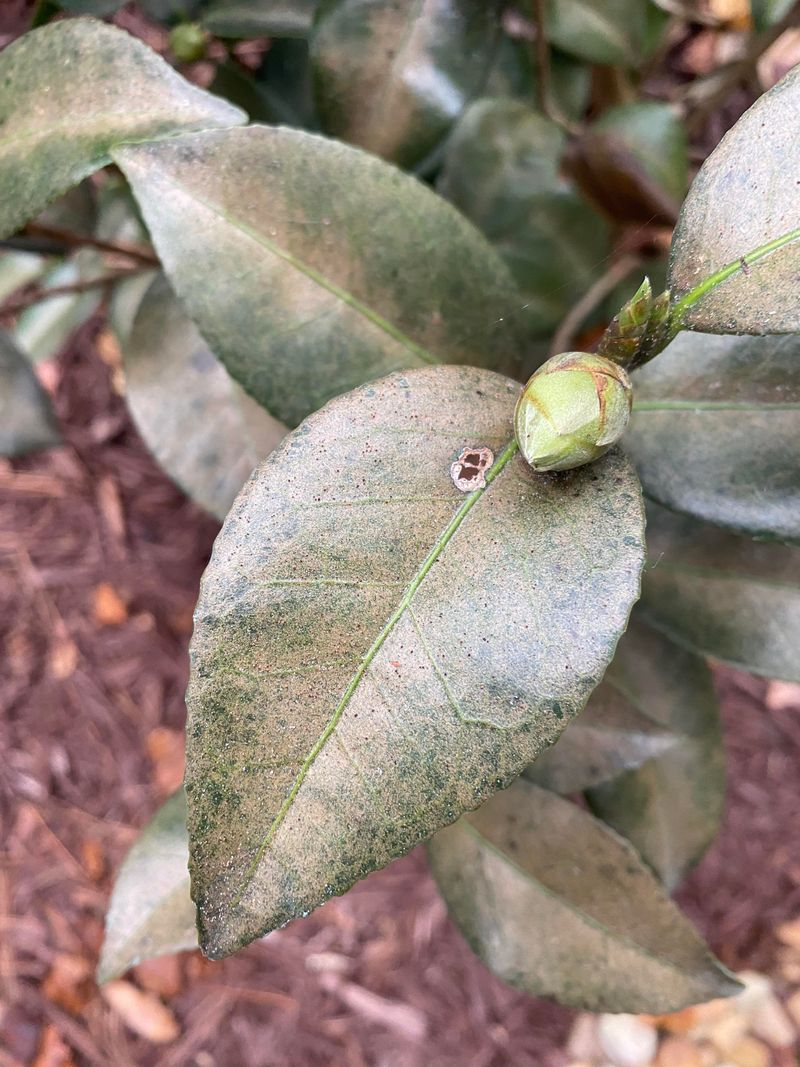
A magnifying glass and a few minutes of close inspection can save a lot of guesswork. Watering problems cause most bud drop, but a couple of other troublemakers are worth ruling out before settling on an answer.
Bud mites are tiny pests, far too small to see clearly without magnification. They feed inside the bud scales, and affected buds may turn brown at the tips, look rough, or fail to open.
Peeling back the outer scales of a damaged bud can reveal browning inside, sometimes along with tiny specks. That combination suggests mites may be part of the problem.
Fungal trouble looks different. Botrytis, often called gray mold, tends to show up during cool, wet weather and usually causes soft, brown, mushy spots on petals and buds, sometimes topped with fuzzy gray growth.
California growers should also know about camellia flower blight, a separate fungal disease described by UC IPM. It causes brown blotches on open flowers, which then drop whole, and it spreads from fallen petals left on the ground, so cleanup helps reduce it.
Comparing symptoms narrows things down quickly. Dry, crisp buds that fall before opening point toward water stress, mushy or moldy tissue points toward fungus, and scaly, damaged buds with tiny specks suggest mites.
A sample brought to a local UC Master Gardener office can help settle any doubt. They can identify the problem for free and suggest the right next step for the area.
5. Steady Moisture Now Protects Future Buds
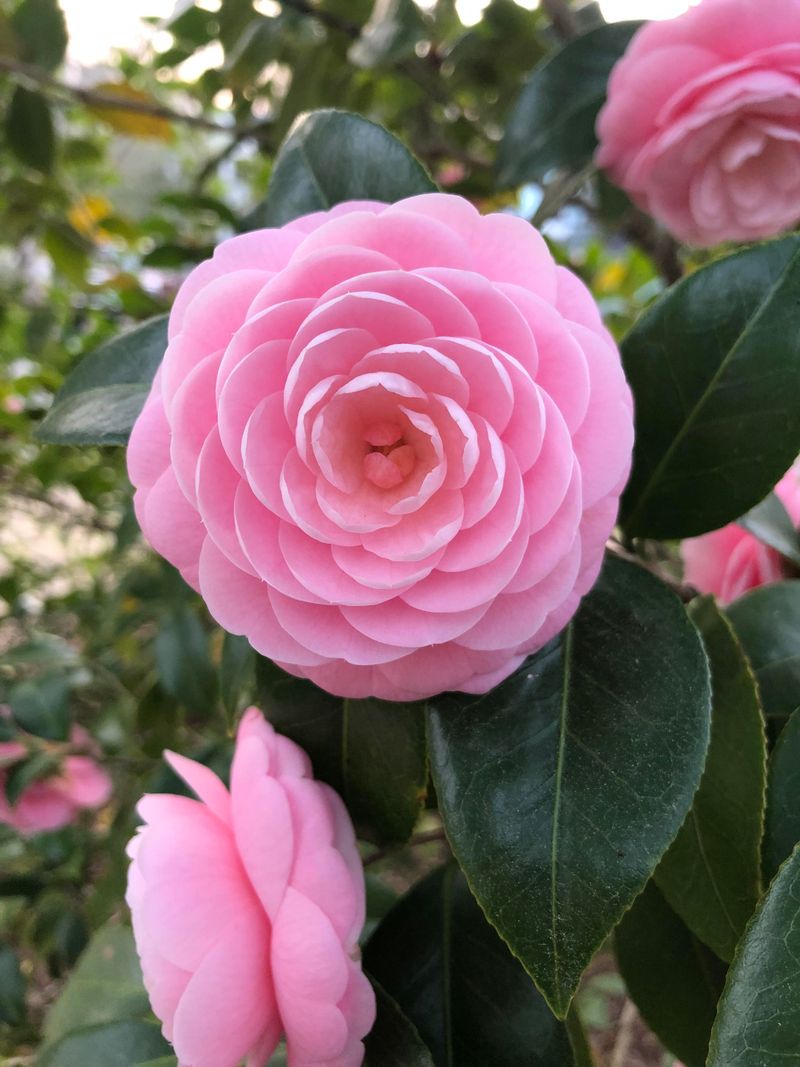
Buds that have already dropped can’t be saved, but the next batch can absolutely be protected. The secret is boring in the best possible way: consistency.
A regular watering schedule beats guesswork. In most California gardens, that means a deep soak once or twice a week through warm months, adjusted for heat waves and soil type. Container camellias dry out faster and often need water more frequently.
A simple finger test helps a lot. Pushing a finger about two inches into the soil near the plant shows quickly when it’s time for a slow, deep drink and when a day or two more can pass.
Mulch makes a huge difference here. A two to three inch layer of bark or wood chips keeps the soil cooler, slows evaporation, and smooths out the swings between wet and dry.
Keeping that mulch a few inches away from the trunk helps prevent rot. Drip irrigation on a timer can also take much of the guesswork out of summer care.
Timers still need an occasional check, since clogged emitters and worn-out batteries cause sneaky problems. A quick look every few weeks keeps the system honest.
The most important window runs from midsummer through early fall, while buds are forming.
A neighbor willing to water during vacations, plus a few weeks of steady care in that stretch, can mean the difference between a crispy disappointment and a shrub covered in flowers.
6. Sheltered Spots Reduce Temperature Related Stress
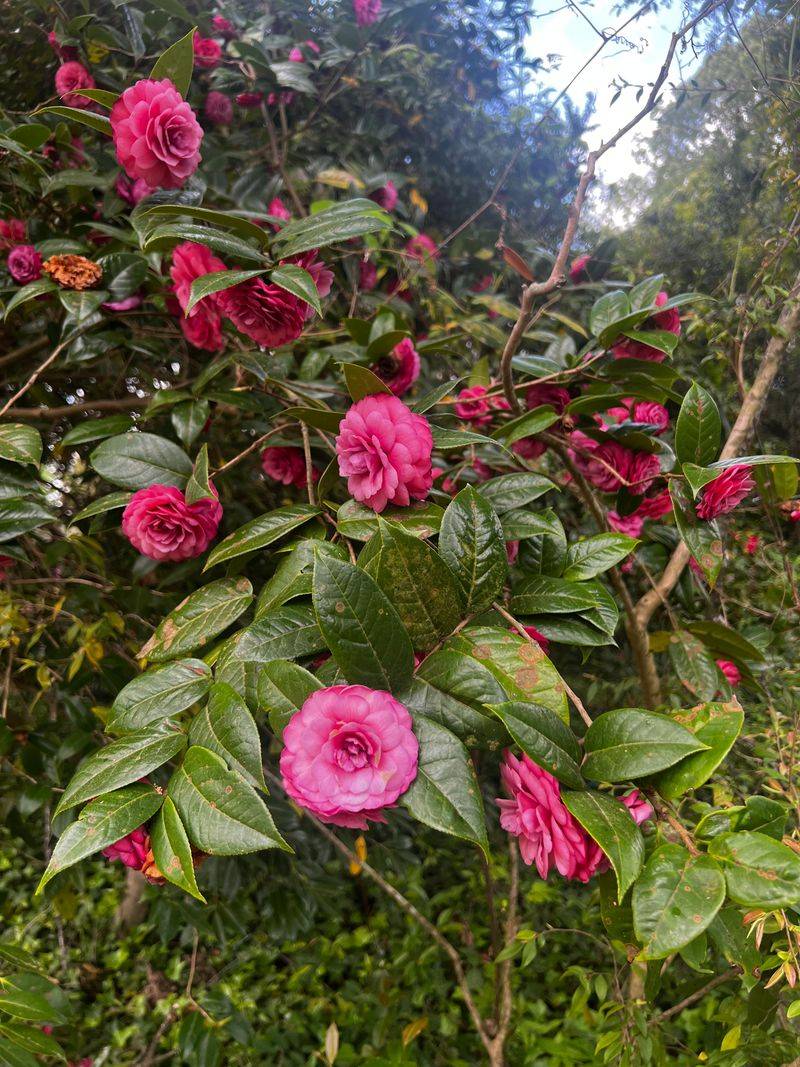
Some camellias live a pampered life in filtered light. Others get blasted by afternoon sun, dry Santa Ana winds, or frosty pockets in the yard, and those are often the ones that drop the most buds.
Location matters because stress adds up. A plant already struggling with uneven water handles heat, wind, and cold snaps poorly, and camellias generally grow best with morning sun and afternoon shade or bright filtered light under taller trees.
In hot inland areas like the Central Valley or the Inland Empire, harsh western sun can scorch leaves and dry out soil fast. Along the coast, salty winds or cold drafts tend to be the bigger worry.
Mountain foothill gardens sometimes face hard freezes that can damage swelling buds. Each region has its own version of a tough spot.
A fresh walk around the yard often reveals better options. An east-facing wall, a spot under high tree branches, or a corner protected by a fence can make a cozy home, and walls also hold a bit of warmth on chilly nights.
Camellias in a tough location can be moved during the cool season, when they handle transplanting best. A wide root ball and a thorough watering afterward help the move go smoothly.
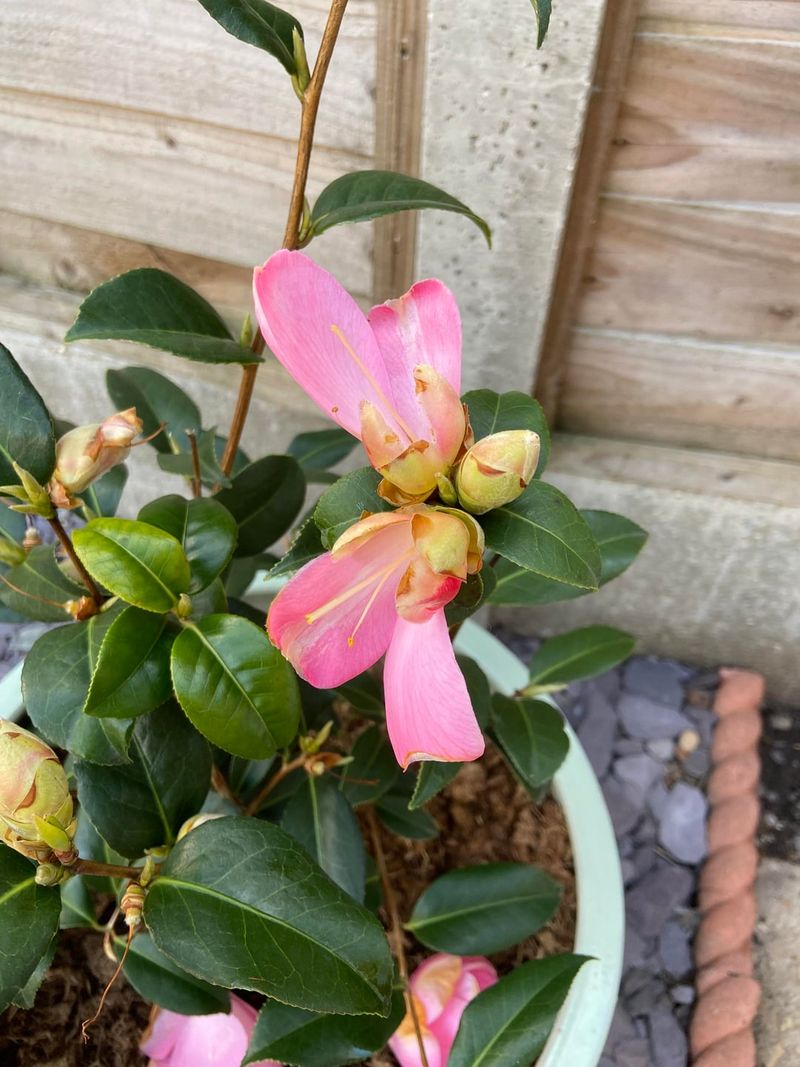
Potted plants are even easier, since they can roll into shade in summer or under an overhang during a frosty week. Shelter won’t fix poor watering on its own, but it gives the plant one less battle to fight.
7. Crowded Buds Compete For The Same Energy
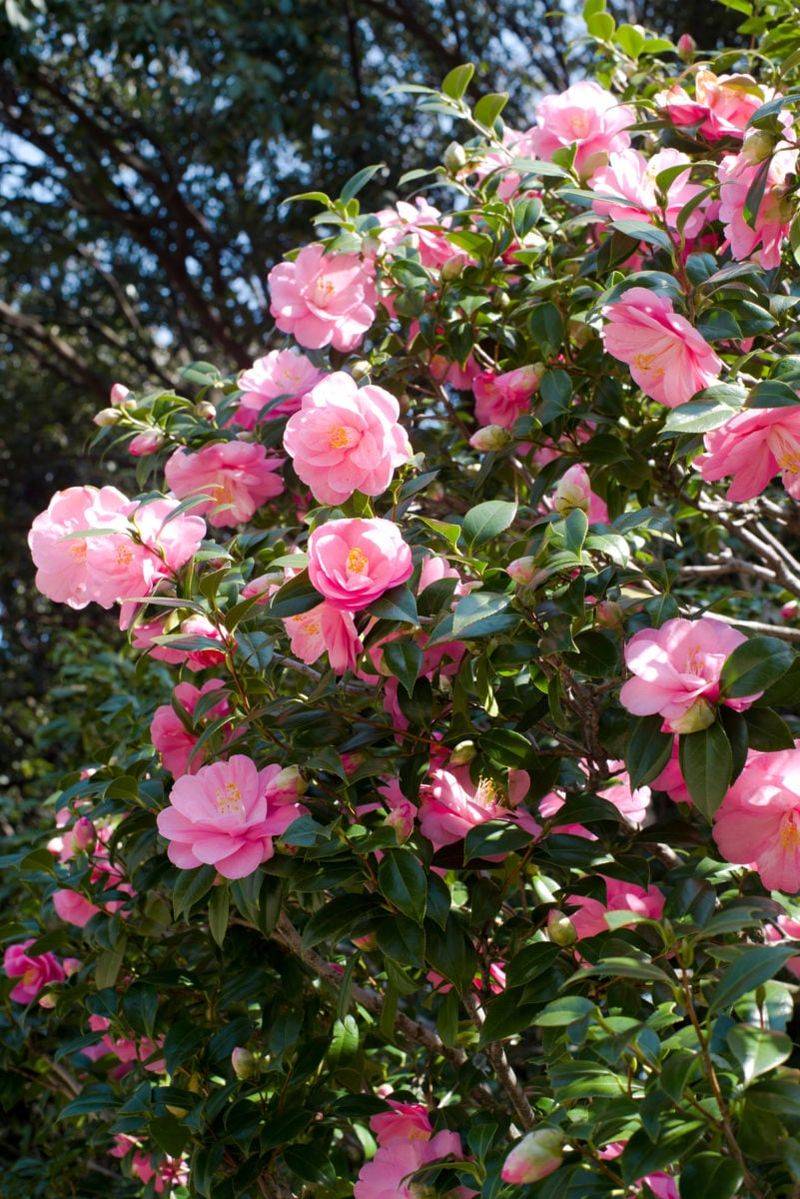
Sometimes the problem isn’t stress at all, but generosity. Many camellias set far more buds than they can carry to full bloom, especially after a good growing year.
Buds often form in tight clusters of two, three, or more at the branch tips. Each one draws on the same supply of water and nutrients, and the plant can’t always support them all.
When that happens, the shrub simply sheds a few extras. Some bud drop in crowded clusters is a normal part of how camellias manage their energy.
Many experienced growers handle this on their own with a practice called disbudding. The process removes extra buds so the remaining ones have more resources to open fully.
The best time is late summer or early fall, once buds reach about the size of a pea. Flower buds look round and plump, while leaf buds stay slender and pointed, so telling them apart is easy.
A gentle twist removes the extras, leaving one strong bud per cluster. Buds spaced a few inches apart along each branch also tend to open more evenly.
The result is usually fewer flowers, but larger and longer-lasting ones. Show growers have relied on this trick for generations, and it works just as well in a backyard.
A plant with a lighter load also has less reason to drop buds on its own. Sometimes less really is more, even in the flower department.
8. This Season’s Care Shapes Next Bloom
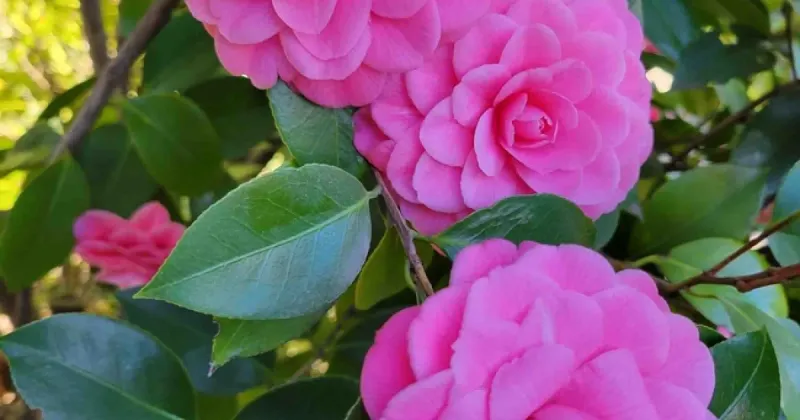
Camellias work a little like a time capsule. Care given this summer gets opened next winter, and once that connection sinks in, bud drop feels less like a mystery and more like a message.
This year’s dropped buds offer useful feedback about how the plant felt months ago. Instead of searching for an enemy in the yard today, that clue can guide changes to the routine going forward.
A simple garden notebook or phone note helps connect the dots. Jotting down watering days, heat waves, travel dates, and when buds first appeared makes next winter’s detective work much easier.
Regular cleanup of fallen buds and petals helps too. Removing that debris reduces fungal problems like flower blight and keeps the area tidy.
A light feeding after blooming finishes, using a fertilizer made for acid-loving plants, supports healthy growth. Following the label closely matters more than adding extra.
Patience goes a long way with these shrubs. Camellias are long-lived, and many California gardens have plants that are decades old, so one rough season won’t ruin a healthy specimen.
Steady moisture, good drainage, a sheltered spot, and a watchful eye for pests give the next bloom season a great shot at being spectacular. The buds protected this summer could become the flowers that make neighbors stop on the sidewalk next winter.