Frogfruit for Low-Traffic Low-Desert Yards: What to Know Before Replacing Grass
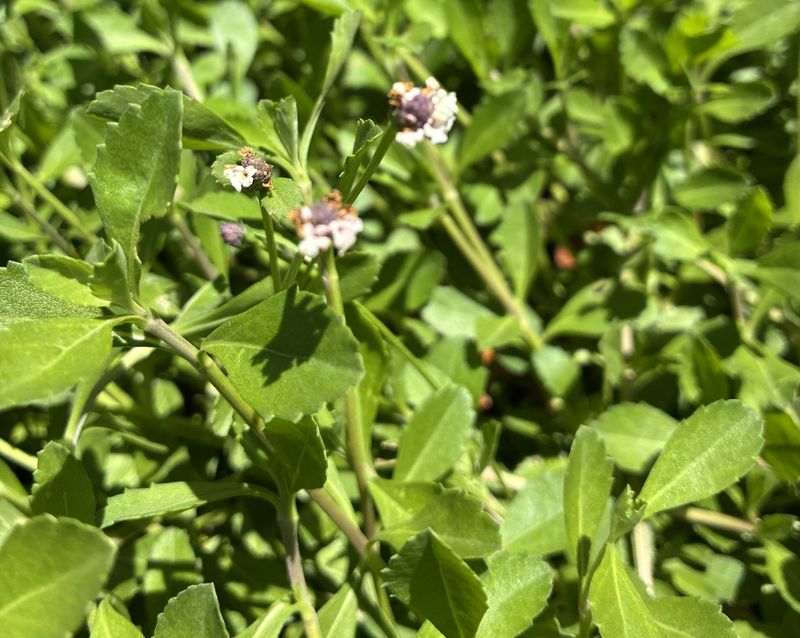
Thirsty grass can take up a big share of a Phoenix or Tucson yard, so it makes sense to look at other options. Frogfruit is a low, creeping plant that grows wild in parts of Arizona and may fit some spots where you do not need a play surface.
It is not a magic lawn, and the name on a plant tag does not tell the whole story. Here is how to decide whether it belongs in your yard.
Frogfruit may suit low-traffic parts of a low-desert yard
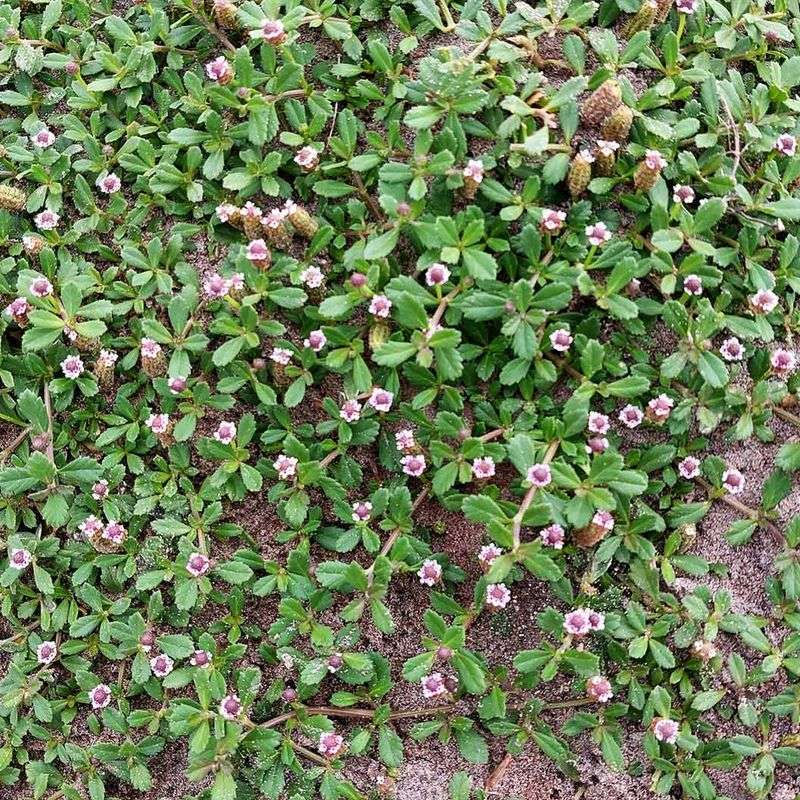
Frogfruit, known to botanists as Phyla nodiflora and also listed as Lippia nodiflora, is a low, spreading plant worth a look for quieter corners of a warm, low-desert yard. The species is native in several Arizona counties, and University of Arizona Extension lists it as a low-water-use groundcover option for warm desert areas.
Field testing adds some encouragement. In low-desert plant evaluations, Lippia nodiflora did well at getting established and covering ground.
Still, a good trial result is a reason to consider the plant, not a promise. Results can differ by seed or plant source, by variety, and by yard conditions like sun, soil, and watering.
Think of frogfruit as a candidate for a side yard, a strip along a walkway, or the space under a window, rather than a reason to rip out every blade of grass you own.
A frogfruit label does not prove local provenance
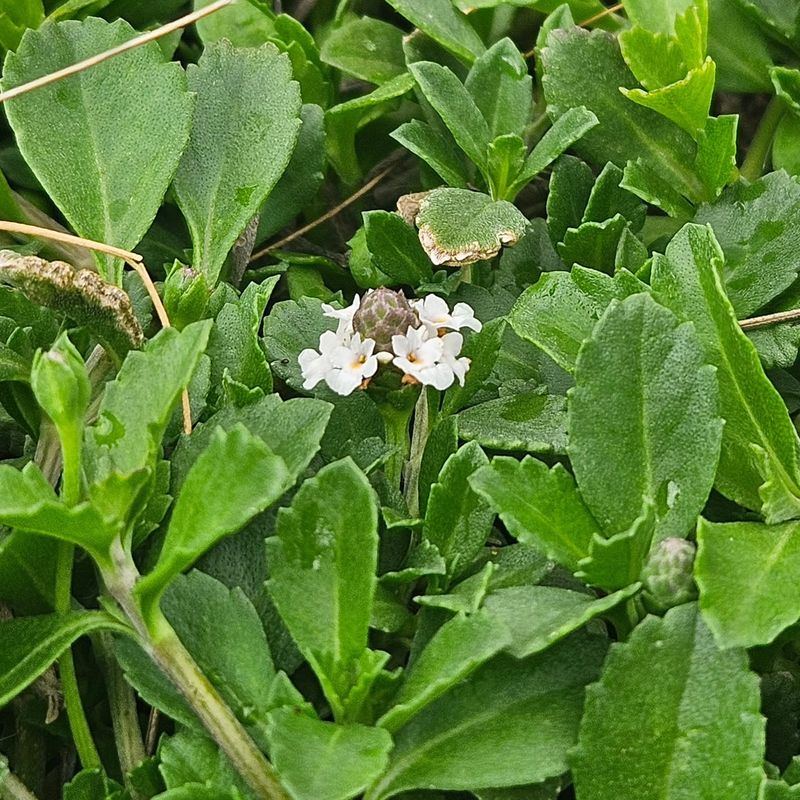
Walk into a nursery and you may see flats labeled frogfruit, Lippia, or Kurapia. Those names can point to quite different plants.
The wild species grows naturally in parts of Arizona, but that does not mean every flat on the shelf came from local stock.
Kurapia is a good example. According to University of Arizona Extension, it is a selected horticultural product developed in Japan from Japanese plants of the same species, and it differs from wild plants.
So calling it an Arizona native would stretch the truth.
Nothing we reviewed verifies where every product sold as frogfruit or Kurapia originated. If local origin matters to you, ask the seller two simple questions: which selection is this, and where did the parent plants come from?
A clear answer is a good sign. A shrug tells you something too.
Treat it as groundcover, not a proven play lawn
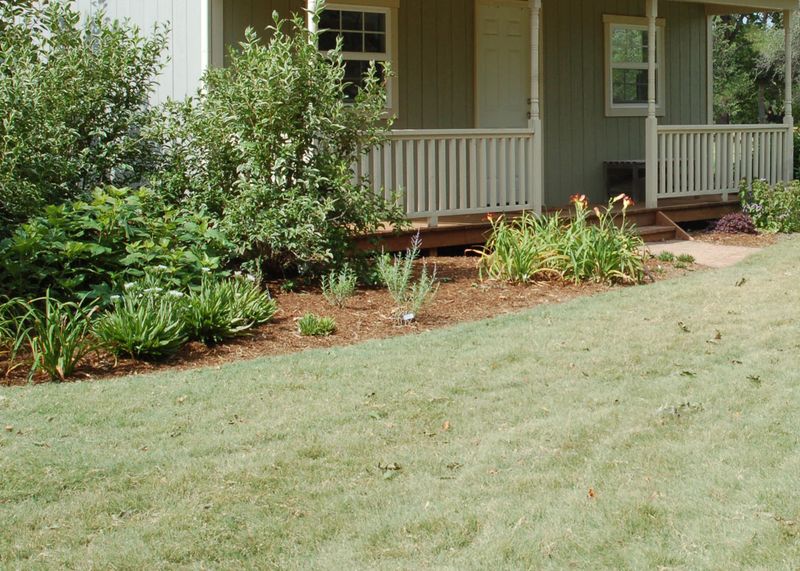
Before you plan a conversion, decide how the space gets used. Kids kicking a ball, dogs racing laps, and weekend gatherings put heavy wear on any surface.
University of Arizona guidance on Kurapia says it is not recommended for sports fields or high-traffic areas, and it points to grass where regular foot traffic or pet activity happens. That warning is about Kurapia specifically.
Nobody has shown that frogfruit holds up to regular lawn use, so it is wise to plan as if it will not.
A practical approach is to sort your yard into zones. Keep a smaller patch of grass where people and pets play.
Try frogfruit where feet rarely land, such as a planting bed edge, a spot beside a patio, or a visual buffer near the street.
Your Arizona Garden Changes Every Week. Your Plan Should Too.
Gardening in Arizona changes quickly throughout the season. Every Friday you’ll receive a simple weekly plan showing exactly what to plant, prune, fertilize, harvest, and protect so you never miss the right timing.
Low-water does not mean no-water
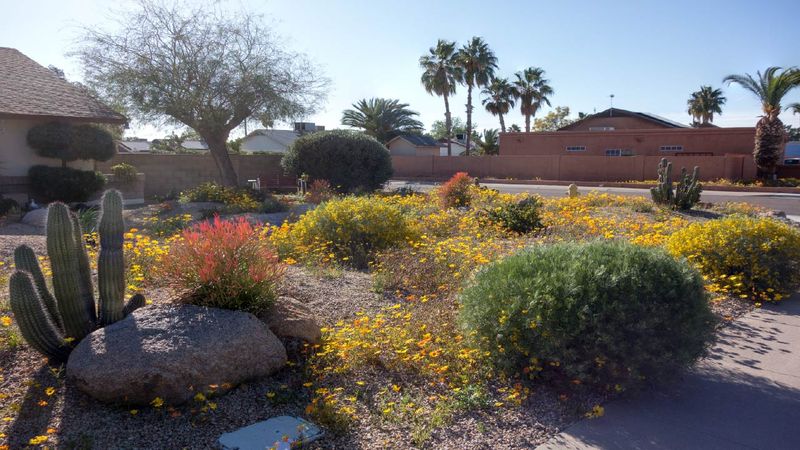
Plenty of people hear low-water and picture a plant you can plant and forget. Extension’s groundcover guide says otherwise: even arid-adapted groundcovers need supplemental irrigation to produce solid foliage cover, and young plantings need water more often while they settle in.
That means a thin, patchy mat is a real possibility if you skimp early on. If your goal is dense coverage, budget for regular watering during the first season, and watch the plants for stress.
Timing matters too. Mid-fall and early spring are the general planting windows for Arizona groundcovers.
That is broad groundcover advice, not a frogfruit-specific rule. Because no frogfruit schedule was supplied here, check with your seller or local Extension office for watering details, and do not assume the plants will never need irrigation after the first months.
A plant swap alone cannot promise a set water saving
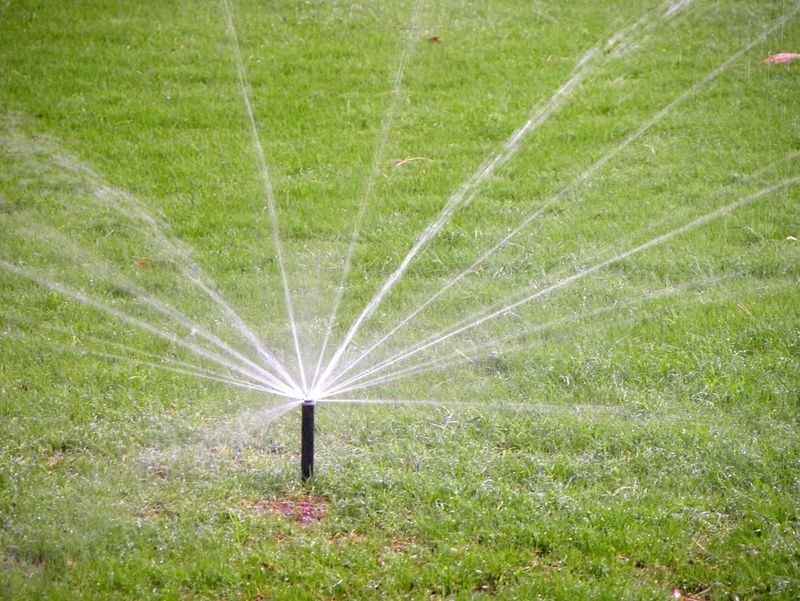
Here is a number that gets quoted often. Arizona Extension estimates that a low-desert Bermuda lawn with winter overseeding needs more than 55 inches of irrigation a year, compared with less than 18 inches for an average xeriscape.
Read that carefully. It compares two landscape types.
It does not compare Bermuda with frogfruit, so you cannot use it to predict what your own swap will save.
Many other things shape your water bill. Extension also notes that irrigation efficiency, leaks, rainwater harvesting, and how much turf you keep all matter, and that simply replacing turfgrass with Kurapia may not be the best water-saving move.
A leaky valve can waste more than a lawn switch saves. Fix the system, shrink the thirstiest area, and treat the new groundcover as one piece of the plan.
Plan the conversion around the yard you want to keep
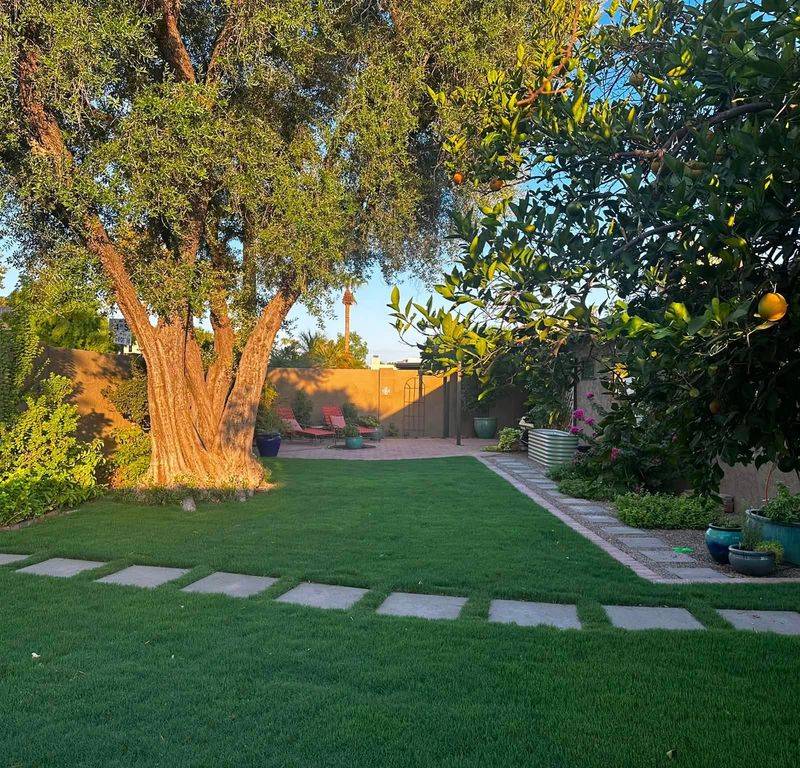
Start with a walk around the yard. Pick a low-traffic area that gets little foot or paw use, and mark it.
Then confirm with the seller exactly which frogfruit selection you are buying.
Next, sort out irrigation and early care before any turf comes out. Extension’s turf conversion guidance advises planning the replacement watering and protecting the roots of trees that stay.
Removal takes care. Bermuda can regrow from underground rhizomes, so leftover pieces may come back.
Digging or solarizing near established trees can also damage their roots, so go slowly around mesquites, palo verdes, and citrus.
The takeaway is simple: frogfruit is worth considering for a suitable low-desert space, not as a no-water or play-proof lawn. Match the plant to the spot, and the spot will do the rest of the talking.