This Invasive Ant Is Spreading Through California Yards Faster Than Argentine Ants
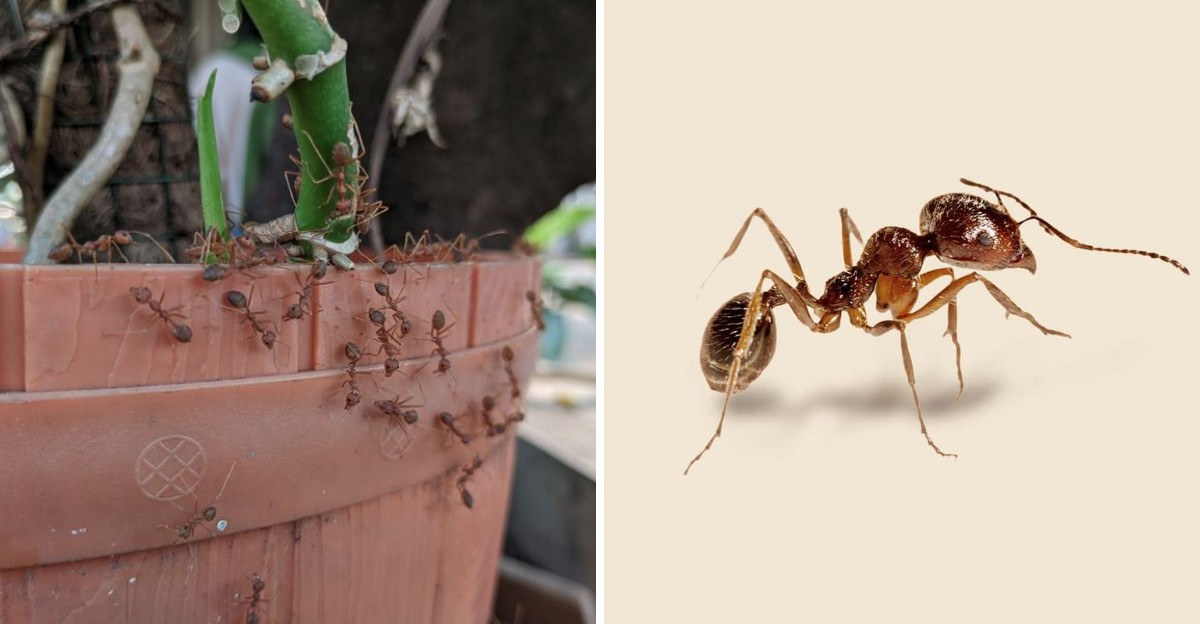
Viral posts and pest control blogs have been warning that a fast-moving crazy ant is sweeping through California yards and pushing Argentine ants aside.
The claim spreads easily, partly because the ants involved really do look and act strange.
The real story, however, is far more limited and a lot less alarming than those headlines suggest.
One crazy ant species has lived in parts of California for years. A different one is causing genuine trouble, but thousands of miles away along the Gulf Coast.
Trusted university sources paint a much clearer picture. Sorting the facts from the hype helps homeowners focus on the ants that actually matter in their yards.
Longhorned Crazy Ants Are Already Established Here
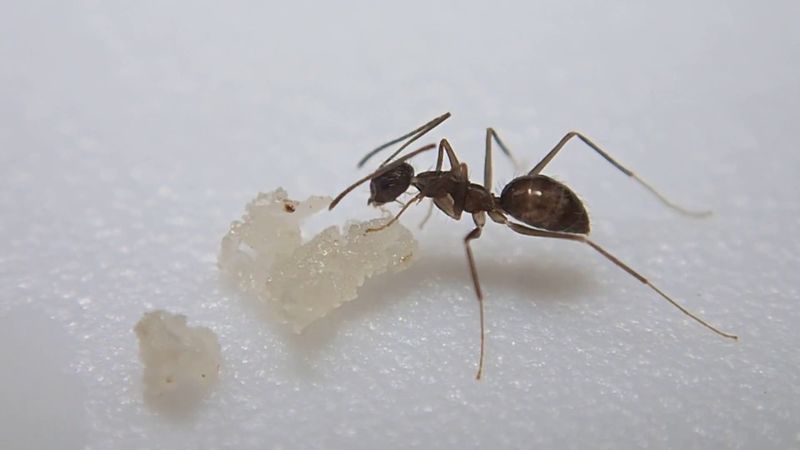
Meet the ant that actually belongs in this conversation. The longhorned crazy ant, known to scientists as Paratrechina longicornis, has been recorded in California for many years.
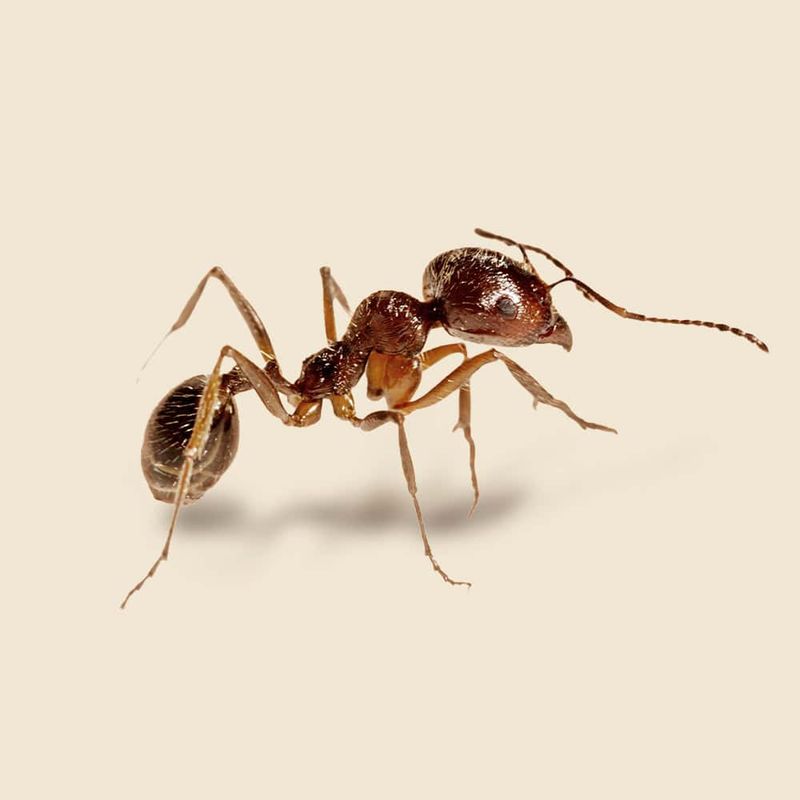
It’s a tiny, dark gray to blackish ant with legs and antennae that look far too long for its slim body. That leggy build makes it fairly easy to recognize up close.
Entomologists believe it first came from tropical Africa or Asia, though its exact homeland is still debated. Over centuries, it hitchhiked around the world on ships, in cargo, and inside potted plants.
Today, it lives in warm places on nearly every continent. In California, it tends to show up in warmer southern areas, around homes, and especially in greenhouses and nurseries.
Cold weather limits its range, so it isn’t equally common everywhere in the state. Many residents in cooler northern regions may never notice one.
One key point often gets lost online. The longhorned crazy ant is not the same insect as the tawny crazy ant, the species behind most of the alarming news stories.
The two share a nickname and a jittery way of moving, but they’re different species with different histories. Mixing them up is where much of the confusion begins.
A long-legged ant racing around a kitchen in Los Angeles or San Diego is far more likely a longhorned crazy ant. It’s a nuisance, but a known resident rather than a brand-new invader sweeping the state.
Their Erratic Movement Gives Them Away
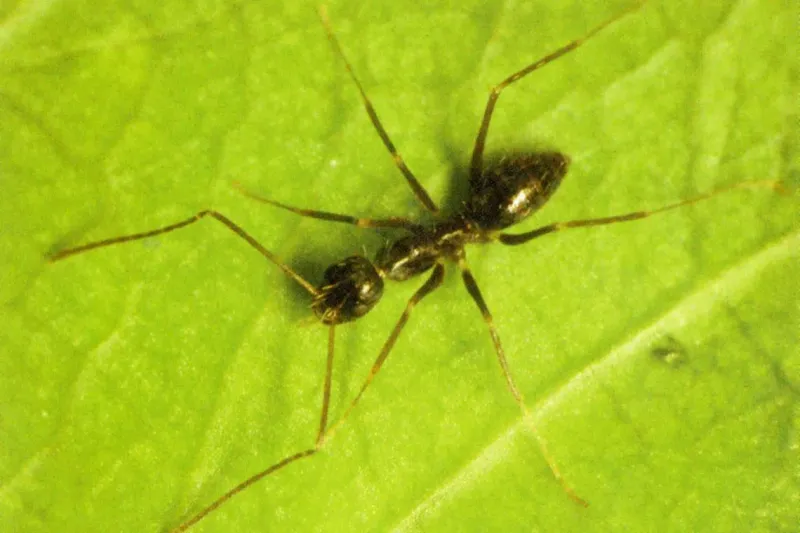
Crazy ants move a lot like balls in a pinball machine. Instead of walking calmly in a straight trail, they sprint, stop, turn sharply, and zigzag in seemingly random directions.
That jumpy behavior is where the whole group gets its nickname. Both longhorned and tawny crazy ants run this way, which is one big reason people mix them up.
Watching their motion alone, the two can look almost identical, even to experienced gardeners. Argentine ants, the most common invasive ant in California, behave very differently.
They usually travel in neat, steady lines along sidewalks, fences, or baseboards. Their trail can often be followed like a tiny highway from the yard straight into the pantry.
A simple food test highlights the difference. A small cookie crumb or a dab of honey placed on the ground draws Argentine ants into an orderly line.
Your California Garden Changes Every Week. Your Plan Should Too.
Gardening in California changes quickly throughout the season. Every Friday you’ll receive a simple weekly plan showing exactly what to plant, prune, fertilize, harvest, and protect so you never miss the right timing.
Crazy ants respond in a completely different style. They scramble toward the food in a messy, frantic swarm, as though nobody bothered to read the directions.
Movement alone can’t confirm the exact species, though. Experts look at body size, color, hair, and antenna shape under magnification to be sure.
Clear, close-up photos taken from above and from the side help with identification. The UC IPM Pest Notes on ants also include helpful images for comparing common California species, and a good photo often answers the question quickly.
Clutter And Potted Plants Offer Easy Cover
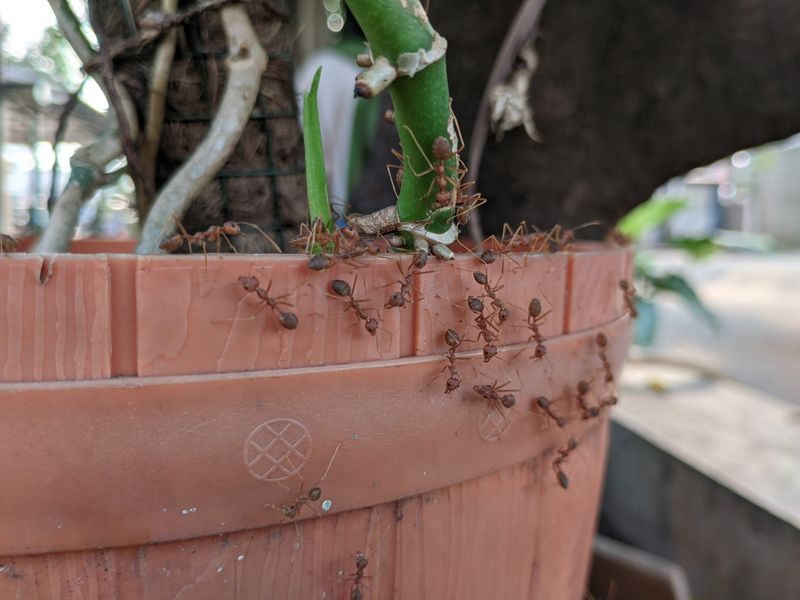
A flowerpot that has sat in one spot all summer can hide a surprise underneath. Crazy ants favor hidden, slightly damp spaces where colonies stay tucked out of sight.
Unlike some ants, they don’t always build big, obvious mounds. They tend to set up shop in loose, temporary places instead.
Common hiding spots include the bottoms of potted plants, leaf piles, stacked boards, old tires, firewood, and cracks in walls. Indoors, they may nest behind cabinets or near warm appliances.
Potted plants deserve special attention. Nurseries and greenhouses are favorite spots for longhorned crazy ants, so a new plant can occasionally carry a few unwanted guests home.
A quick look at the soil surface and drainage holes before placing a fresh plant in the yard catches many problems early. It takes only a moment at the garden center or the front door.
A tidy yard makes life much harder for these ants. Regular cleanup of leaf piles and debris helps. Firewood and lumber stored off the ground and away from the house, along with repaired leaky hoses, reduce shelter and moisture.
Branches and shrubs that touch walls or rooflines work as handy bridges, so trimming them back helps. Wiping up sticky outdoor spills and keeping pet food bowls clean removes easy meals.
Small changes like these limit shelter and food. That keeps any ant population, crazy or not, much easier to manage.
Gulf Coast States Face The Real Invasion
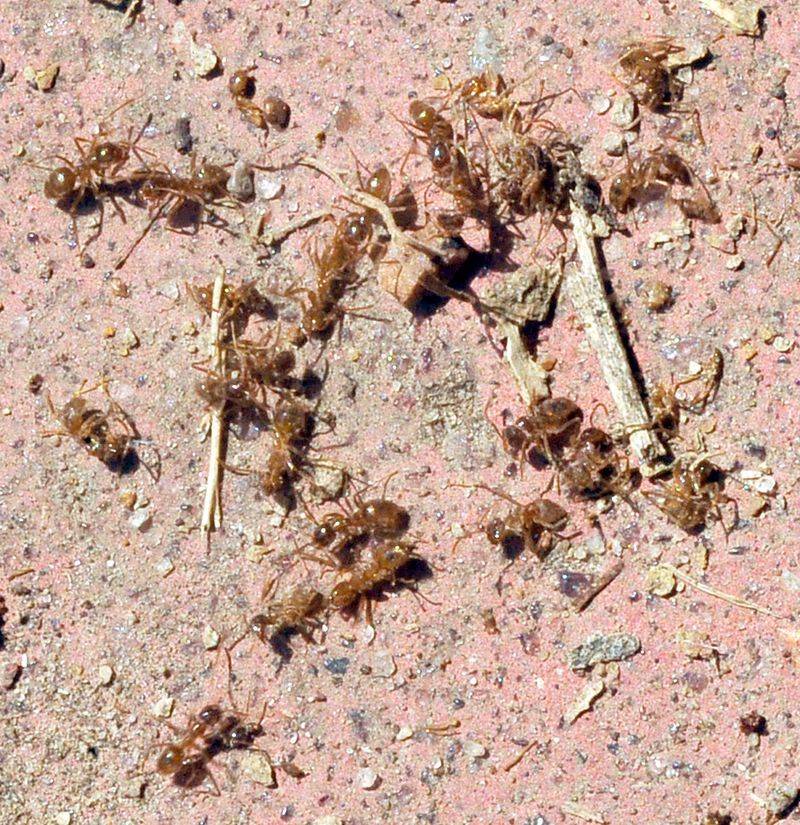
Back in 2002, a pest control operator named Tom Rasberry noticed something strange near Houston, Texas. Huge numbers of reddish-brown ants were swarming yards and businesses.
For a while, people called them Rasberry crazy ants, and the name stuck in local news for years. Scientists later confirmed the species as the tawny crazy ant.
Since then, tawny crazy ants have become established across the Gulf Coast region. University entomology sources list Texas, Louisiana, Mississippi, Alabama, Georgia, and Florida as documented home turf, where warm, humid weather suits them well.
Their relationship with red imported fire ants makes them especially remarkable. In many infested areas, tawny crazy ants push fire ants out entirely.
Researchers discovered they can coat themselves with their own formic acid. That coating helps neutralize fire ant venom during clashes.
It might sound like good news, but residents rarely celebrate. Colonies can grow to staggering sizes, with ants carpeting the ground by the millions in some yards.
They also crawl into electrical boxes, air conditioning units, and even car parts, sometimes causing short circuits. Common store-bought baits often struggle against them because colonies are so large and spread out.
Homeowners in those states frequently need professional help and repeated treatments. That’s the real invasion.
The rival species involved tells the story, too: these ants are displacing fire ants in the Southeast rather than Argentine ants in California.
Argentine Ants Still Dominate Most California Yards
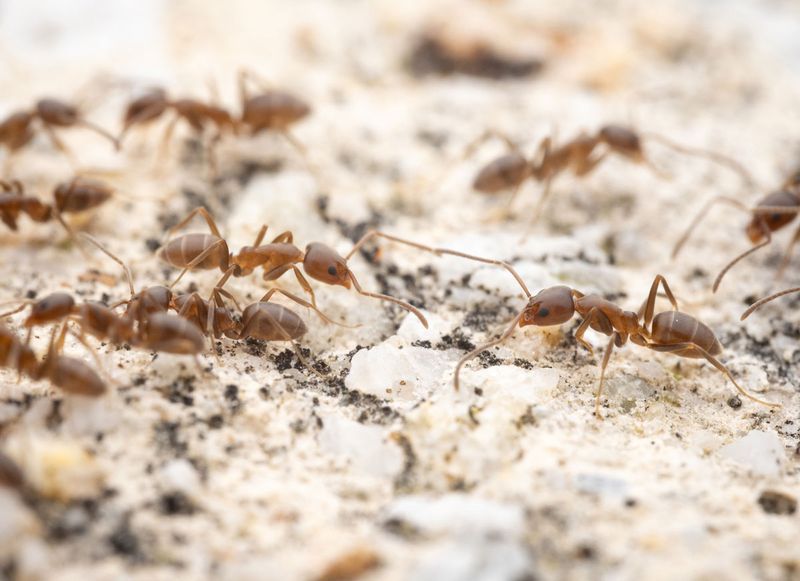
Ants marching into a California kitchen sink usually point to one familiar culprit. Argentine ants, originally from South America, arrived in the state over a century ago and became the most widespread invasive ant here.
UC IPM describes them as the most common ant pest in California urban areas. Their reach across the state is hard to overstate.
Researchers have found that Argentine ants along much of coastal California behave like one gigantic supercolony stretching hundreds of miles. Ants from distant cities often treat each other as family rather than rivals.
That teamwork helps explain their staying power. They have pushed out many native ant species, which in turn affects creatures like the coast horned lizard that rely on native ants for food.
No newcomer appears to be knocking them off their throne. Available university sources show no confirmed case of crazy ants replacing Argentine ants across California yards.
Longhorned crazy ants may share some warm spots. They aren’t documented sweeping the state or toppling the supercolony, though.
For most homeowners, Argentine ants remain the ant problem worth planning for. Sealing cracks around windows and doors, keeping food in tight containers, and using slow-acting baits instead of sprays all help.
Sprays tend to scatter colonies rather than solve the problem. Managing moisture also makes a big difference, especially during hot or rainy spells when these ants head indoors.
Watch For New Reports Rather Than Assuming The Worst
Staying calm and curious is the smartest move. Ant news travels fast online, and not every post is accurate.
A bit of careful checking reveals far more than a scary headline ever could. Trusted sources make that easy.
The UC Statewide IPM Program offers free Pest Notes with photos and tips for California ants. County agricultural commissioners can also help identify mystery insects.
A truly unfamiliar ant deserves a closer look. Sharp, close-up photos from above and from the side give experts the best chance at a confident identification.
A few specimens sealed in a small container or zip-top bag and kept in the freezer preserve key details. Those samples, along with the photos, can then go to the county agricultural commissioner for an expert opinion.
Reporting unusual finds actually helps scientists. Early detection is how agencies catch real invaders before they spread, so a single backyard observation could matter.
Even an ordinary result still teaches something new about the yard. That knowledge makes future pest problems easier to handle.
Pest control websites that predict invasions without naming official sources deserve caution. Updates from university entomologists, CDFA, or UC IPM offer a much clearer and calmer view.
Today’s situation is fairly simple. Longhorned crazy ants live here, tawny crazy ants belong to the Gulf Coast, and Argentine ants still rule most California yards.