Why Florida Avocados Never Ripen On The Tree
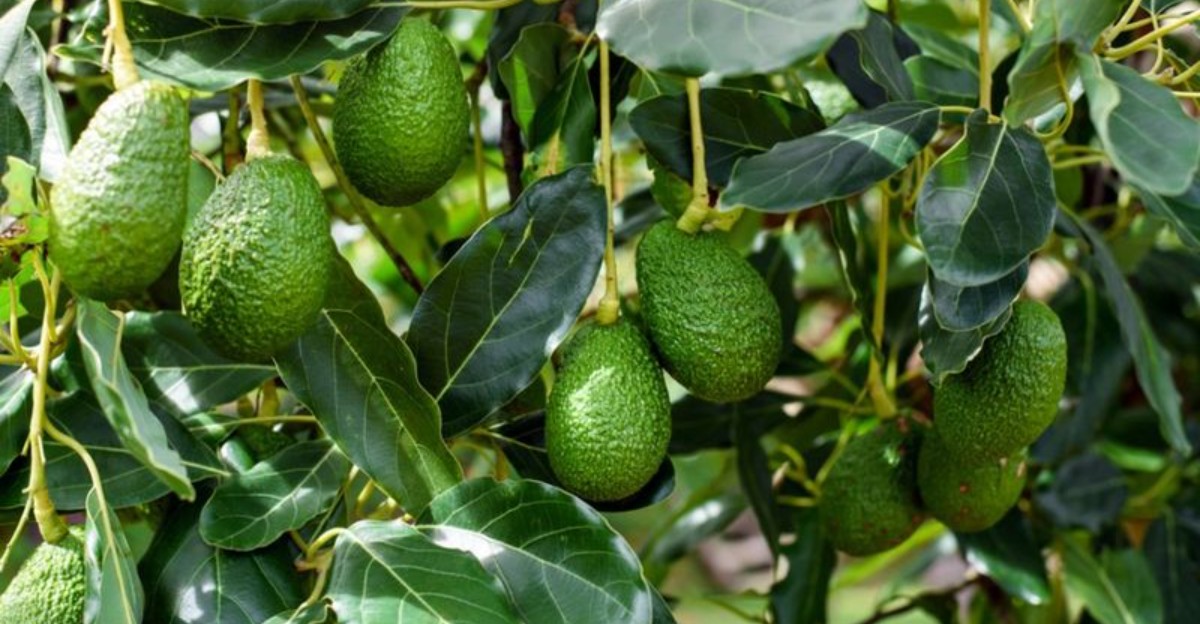
Leave an avocado on a Florida tree and wait for it to soften there, and you’ll be waiting forever.
Most fruit ripens on the branch. Avocados don’t play by that rule.
The process only kicks in once the fruit is cut or pulled free, something most people never learn until they’ve left one hanging for weeks wondering what’s wrong with it.
Grocery store instincts don’t help here either. You can’t eyeball ripeness by color or softness while it’s still attached, the way you might with a peach or a tomato.
Figure out when to actually pick one instead of waiting on a cue that’s never coming. The countdown doesn’t start until the fruit leaves the tree.
1. Avocados Wait Until They Leave The Tree
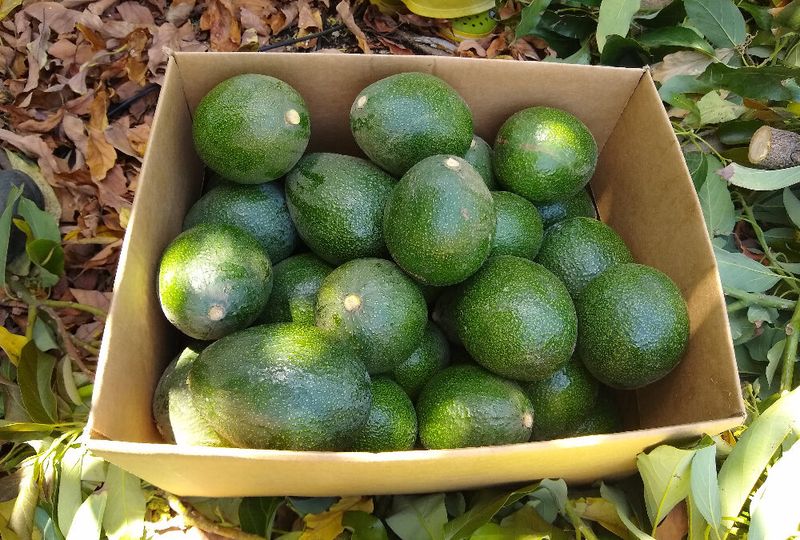
Some fruits are patient by design, and avocados are champions at it. They grow, fill out, and mature on the branch, but they hold off on softening.
Scientists call avocados climacteric fruits. That fancy word means they can keep ripening after harvest, much like bananas and tomatoes do.
The big difference is that avocados rarely start softening while still attached. The tree seems to send a steady signal that tells the fruit to stay firm and wait.
Once you pick it, that signal stops. The fruit begins making ethylene, a natural gas that switches on the ripening process inside.
Ethylene works like a tiny alarm clock. It tells the flesh to break down tough starches and firm cell walls, turning hard green meat into smooth, creamy goodness.
For backyard growers, this habit is actually great news. You do not have to race against the calendar or worry about mushy fruit dropping all at once.
Instead, you choose when the clock starts ticking. Pick a few at a time, and you can enjoy fresh fruit over many weeks rather than drowning in guacamole on one weekend.
So if your tree is loaded with rock-hard fruit, relax. Nothing is wrong, and your harvest is simply waiting for its cue.
2. A Fallen Avocado Ripens Too
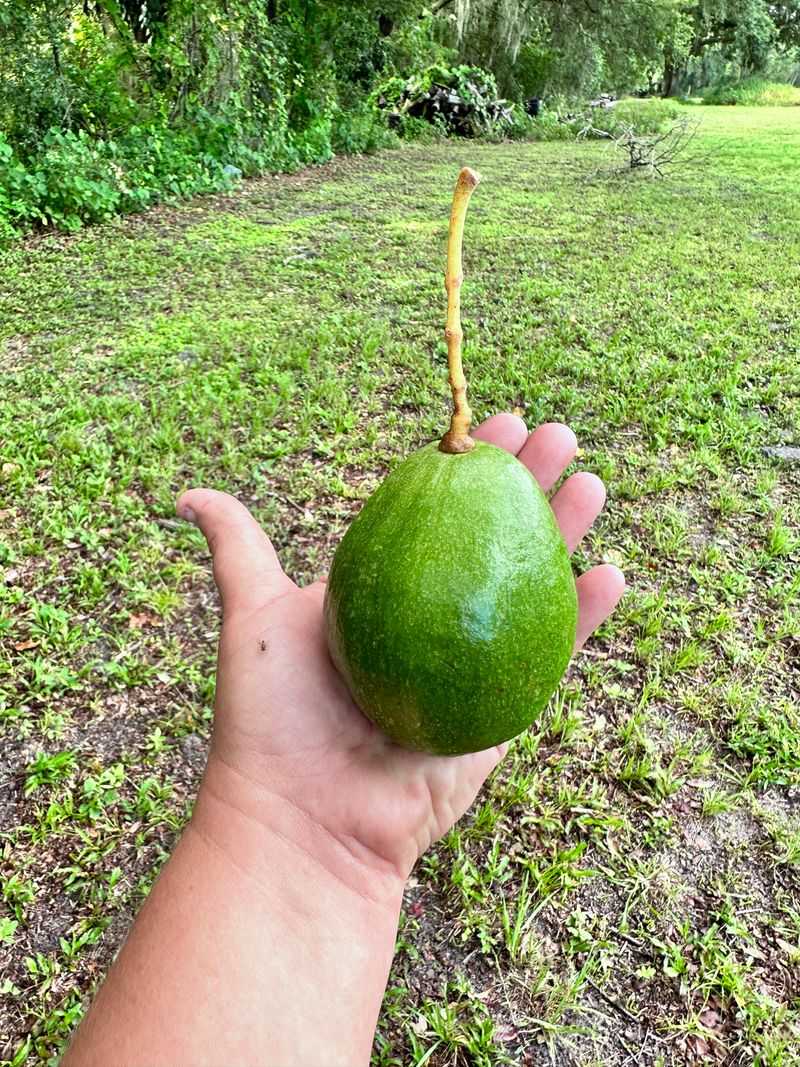
Ever found a green surprise sitting in the grass under your tree? Good news, that fruit is not a lost cause.
Gravity counts as a harvest, as far as the avocado is concerned. Once the stem lets go, the fruit is cut off from the tree and its hold-steady signal.
From that moment, the same ripening steps begin. Ethylene builds up, starches change, and the flesh slowly softens over the next several days.
Still, a fallen fruit deserves a quick inspection. Look for cracks, deep bruises, or spots where bugs or critters may have nibbled.
A small scuff is usually fine. A split skin, though, can let in mold, so use those fruits quickly or toss them into the compost pile.
Here is a handy tip from seasoned growers. Walk under your tree every morning during peak season and gather any drops before squirrels and raccoons claim them.
Bring them inside, rinse off the dirt, and set them on the counter. Within about a week, many will turn into perfectly tasty fruit.
Your Florida Garden Changes Every Week. Your Plan Should Too.
Gardening in Florida changes quickly throughout the season. Every Friday you’ll receive a simple weekly plan showing exactly what to plant, prune, fertilize, harvest, and protect so you never miss the right timing.
Early in the season, though, dropped fruit may be too young. If one shrivels instead of softening, take it as a hint that the rest need more time on the branch.
3. Florida Sets Harvest Dates And Weights By Variety
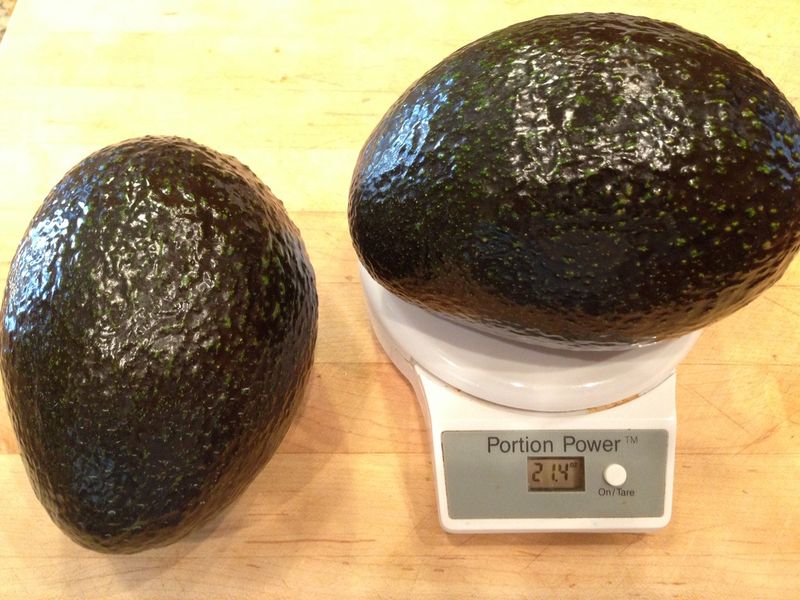
Believe it or not, Florida avocados follow official rules. The state and the USDA set maturity standards so shoppers do not end up with fruit that refuses to soften.
These rules list each variety by name. For every type, there are minimum weights or sizes paired with specific dates when shipping can begin.
Why so strict? Because a hard avocado looks the same whether it is mature or not, and only time tells the real story.
Growers learned long ago that picking too early led to rubbery, bland fruit. Those disappointing avocados hurt sales and gave fruit a bad name.
So the schedule acts like a safety net. As the season moves along, fruit that reaches a certain weight by a certain date is considered ready to go.
Home growers can borrow this idea, too. Look up your variety, such as Choquette, Simmonds, or Monroe, and note its typical harvest window.
The University of Florida extension service shares helpful charts online. Some varieties mature in early summer, while others hang on until winter.
Knowing your tree’s name turns guessing into planning. If you are unsure of the variety, a local nursery or extension agent can often help you figure it out.
4. Test One Large Fruit On Your Counter
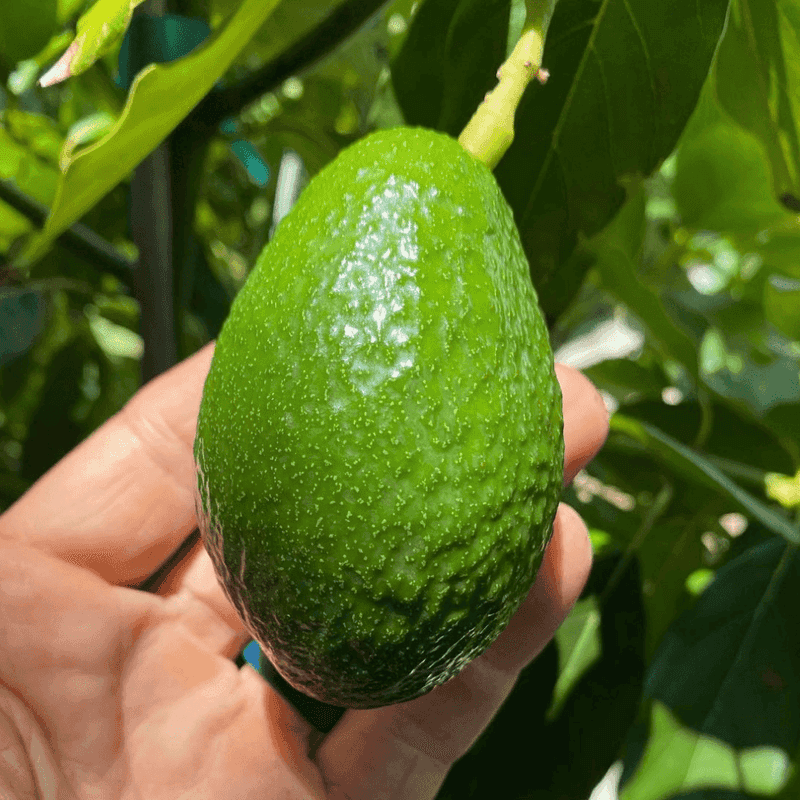
Think of it as a scouting mission. Before you pick a whole basket, send one brave avocado ahead to test the waters.
Choose the biggest fruit you can find on the tree. Larger fruit usually formed first, so it has the best chance of being mature.
Clip it with a short piece of stem attached. Then set it on your kitchen counter, away from direct sunlight and heat.
Now comes the fun part, which is waiting and watching. Give it a gentle squeeze each day with your palm, not your fingertips, to avoid bruises.
If it softens nicely in about three to eight days, celebrate. Your tree is ready, and you can start harvesting more fruit as needed.
If it stays hard, turns rubbery, or wrinkles up, do not worry. Wait a week or two, then try again with another large fruit.
Many growers keep a little notebook for this. Writing down the dates helps you remember next year when your tree tends to be ready.
This simple trick costs only one avocado. It saves you from picking dozens of fruits too soon and watching them disappoint you on the counter.
5. Mature Fruit Softens In Three To Eight Days
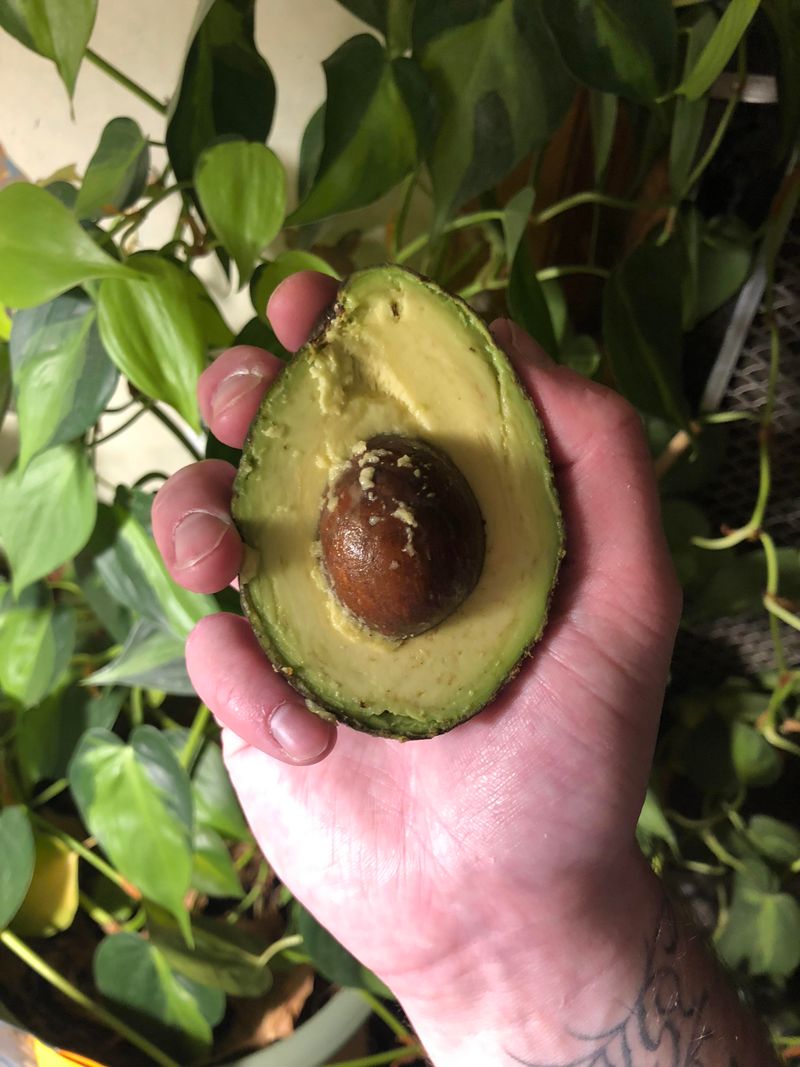
Three to eight days, that is the magic window. A properly mature avocado will usually go from firm to ready somewhere in that range.
Why the wide spread? Room temperature plays a big part, along with how far along the fruit was when you picked it.
A warm kitchen speeds things up. A cooler room slows the process, giving you a few extra days before you need to eat it.
Fruit picked late in the season often softens faster. Early picks, even if mature, may need closer to the full eight days.
Want to hurry things along? Pop your avocado into a paper bag with a banana or apple, since both give off ethylene gas.
The bag traps that gas around the fruit. You may shave a day or two off the wait, which is perfect when taco night is coming.
When it yields to gentle pressure, it is ready. Florida types often stay green when ripe, so trust the feel rather than the color.
Once soft, you can slow things down by placing it in the fridge. That buys you a couple of extra days to enjoy it at its best.
6. Rubbery Or Shriveled Fruit Signals An Early Pick
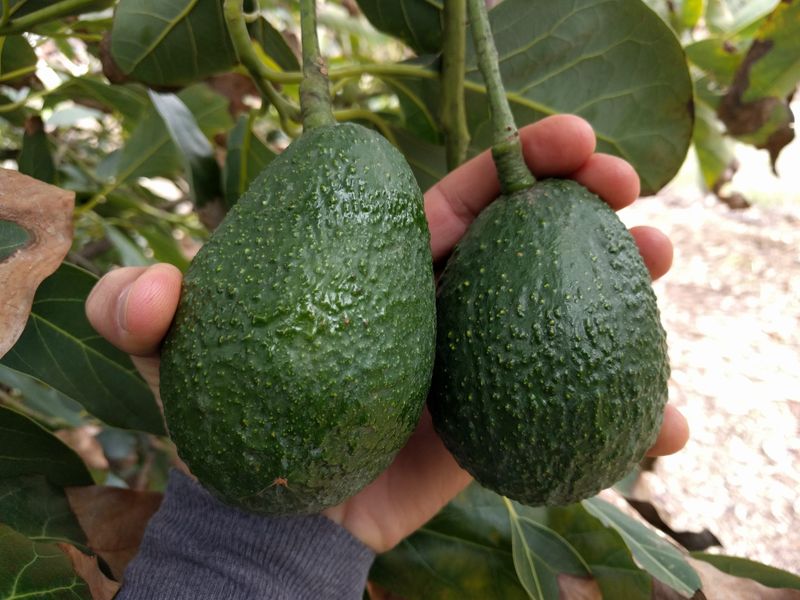
Nobody enjoys biting into an avocado that feels like a pencil eraser. Sadly, that is what happens when fruit leaves the tree too soon.
An avocado needs to reach full maturity on the branch first. Only then does it have the oil and sugar balance needed to ripen properly later.
Pick it early, and the fruit gets confused. Instead of turning creamy, it may stay tough, go rubbery, or wrinkle up like a raisin.
The flavor often suffers as well. Immature fruit can taste watery or a little bitter, with none of that rich, nutty goodness you were hoping for.
Spotting the problem early helps. If your test fruit shrivels while still hard, that is your tree politely asking for more time.
Resist the urge to pick everything at once. Wait one to two weeks before trying another fruit, especially at the start of the season.
A fun fact: growers once had big trouble with this issue. It is part of the reason the state created its harvest date rules for each variety.
Patience pays off with this crop. A short wait now means smooth, delicious fruit later, instead of a sad pile of wrinkly rejects.
7. The Tree Works As Storage, But Only For So Long
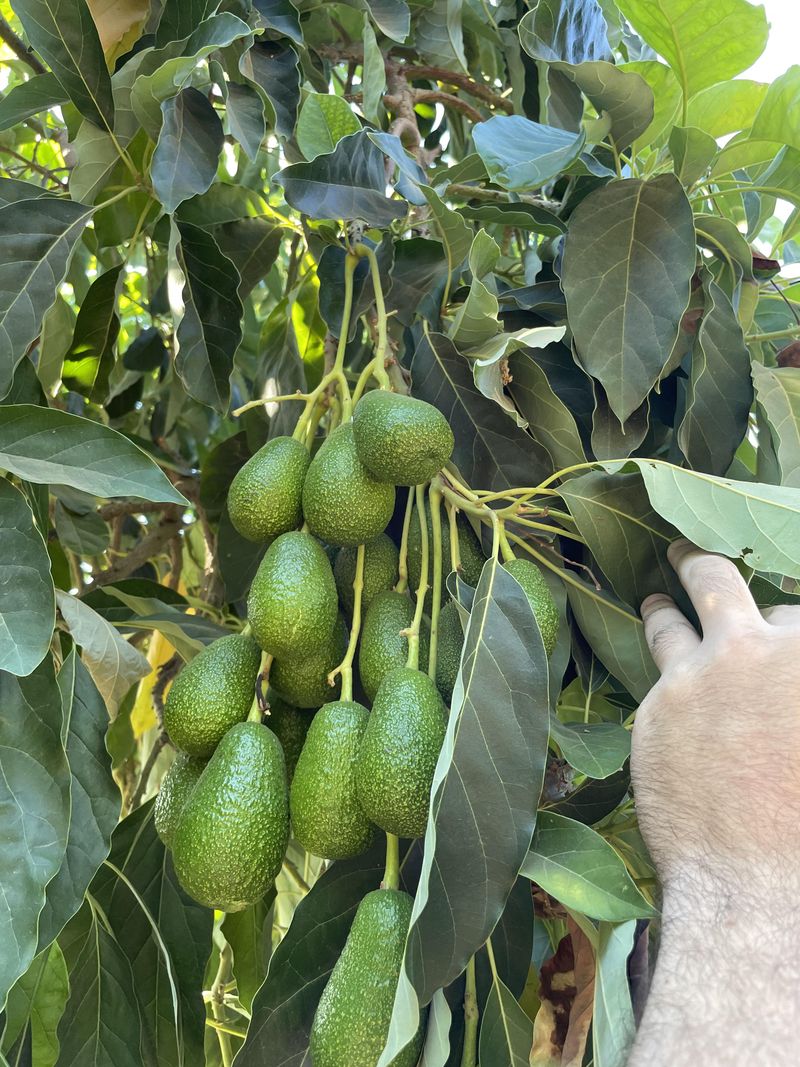
Imagine a refrigerator that grows leaves. In a way, that is what your avocado tree becomes once the fruit reaches maturity.
Because the fruit does not soften on the branch, growers can leave it hanging. Some research suggests certain avocados can stay put for many months.
This gives you lots of freedom. Pick only what you need for the week, and let the rest wait safely up in the canopy.
There is a catch, of course. As the season for your variety moves on, the stems weaken and more fruit begins to drop.
Florida varieties are often less patient than their California cousins. Many West Indian types have a shorter hang time, so keep an eye on the calendar.
Fruit left too long may also lose some quality. The flesh can become stringy or develop off flavors near the end of its window.
A smart plan is to harvest steadily through the season. Check the ground often, and if drops start piling up, it is time to pick faster.
Share extras with neighbors, friends, or a local food pantry. Your tree did the storing, and now you get to spread the bounty around.
8. Ripen Fruit Between 60 And 75 Degrees
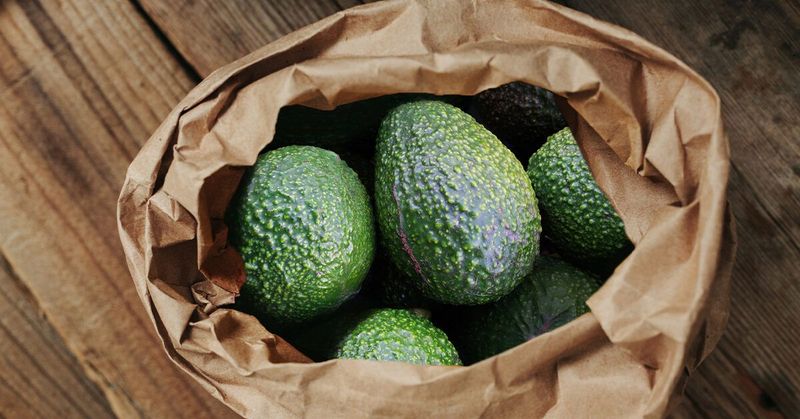
Goldilocks would make a great avocado ripener. The fruit likes things not too hot and not too cold, somewhere between 60 and 75 degrees.
Around 68 degrees is the sweet spot for many experts. At that temperature, the flesh softens evenly and develops its best flavor.
Most air-conditioned Florida homes sit right in that range. So your kitchen counter is often the perfect ripening room.
Watch out for hot spots, though. A sunny windowsill or the top of the fridge can push temperatures much higher than you might expect.
Above about 77 degrees, ripening gets uneven. You may cut open a fruit that is mushy on one side and hard on the other, or one that spoils early.
Cooler rooms slow things down a lot. That can be handy if you want to stretch out a big harvest over a longer stretch of time.
Try placing fruit in a bowl on a shaded table. Keep it out of the garage during summer, since those spaces can get oven-like fast.
A cheap indoor thermometer helps you find the best spot. Once you know it, ripening becomes easy and reliable.
9. Cold Can Damage Unripe West Indian Types
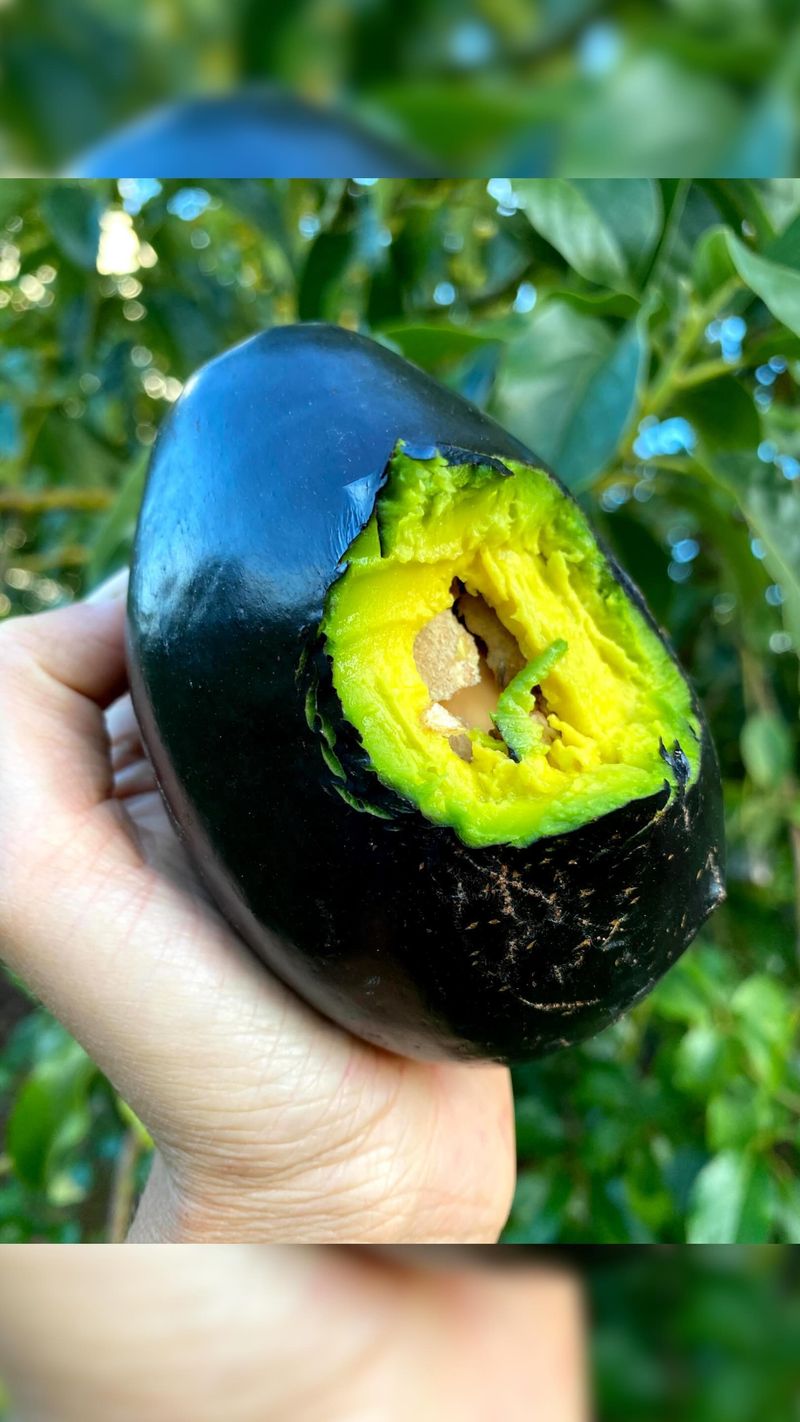
Here is a mistake many people make with good intentions. They toss a hard Florida avocado into the fridge, hoping to keep it fresh.
West Indian varieties, which are common in the state, really dislike the cold. These tropical fruits can start showing harm at temperatures below about 55 degrees.
Even a chilly fridge can cause trouble for unripe fruit. It may refuse to soften properly, staying hard or turning strangely textured.
Cold injury shows up in a few ways. Look for brown or water-soaked spots on the skin, and gray streaks inside the flesh.
In bad cases, the fruit may crack or split open. That is a sure sign it got far too cold for its tropical taste.
So what should you do instead? Keep hard fruit on the counter until it softens, then move it to the fridge if needed.
Ripe fruit handles cool storage much better. A few days in the refrigerator will hold it at peak creaminess without much fuss.
Growers also watch winter forecasts closely. If a rare freeze is coming, picking mature fruit early can protect your harvest from frosty damage on the branch.