Taking Down Your Feeder Too Early This Fall Could Mean Missing A Rare Western Guest In New Jersey
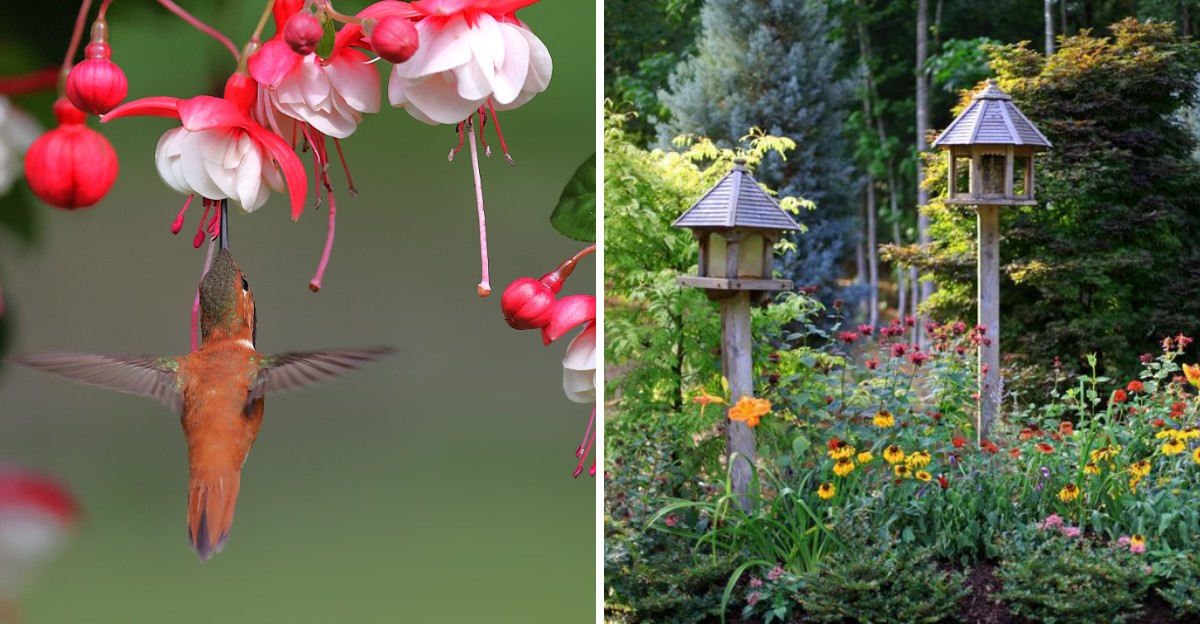
Frost still coats your deck when a copper blur catches your breath. You just met a rufous hummingbird, a traveler weighing less than a nickel.
Your visitor drifted off course and landed in New Jersey, tired and hungry. Natural nectar faded weeks ago, so your feeder becomes its only fuel stop.
Fresh sugar water from you fuels that tiny body for the long flight south. Birders you admire across New Jersey quietly keep a feeder full into December.
Neighbors might grin at the brimming feeder swaying on your deck. Let them tease while you log a sighting birders prize.
Watch it enter torpor at dusk, body temperature dropping to conserve energy. Then it returns at sunrise, tongue flicking, craving breakfast from you.
Banders confirm these wanderers return to the same spot winter after winter. Fill your feeder before dark falls.
A Copper Western Wanderer Shows Up When Others Leave
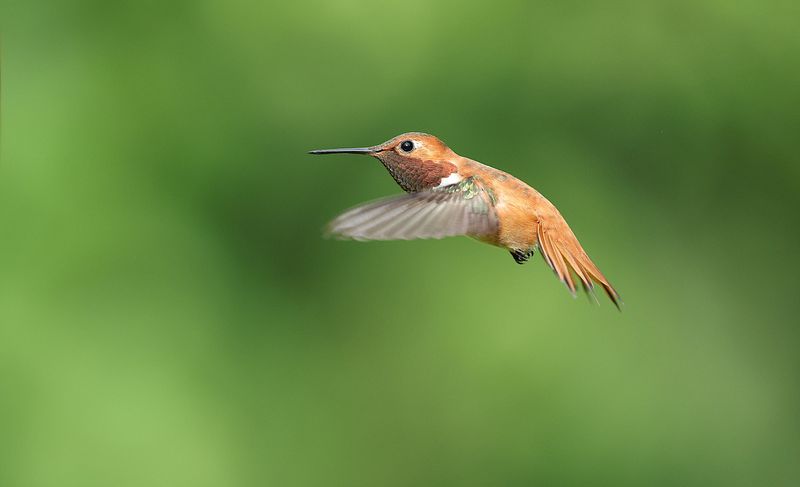
Keeping a feeder up into late fall gives you a shot at seeing a rufous hummingbird. This copper-colored bird breeds from southeast Alaska through the Pacific Northwest and winters mainly in Mexico.
Each autumn, a few young birds drift off their usual route. Instead of heading south, they travel east and end up along the Atlantic coast.
New Jersey lies along the Atlantic coast, where these wandering travelers turn up. Birders report rufous sightings here in many years, usually between October and December.
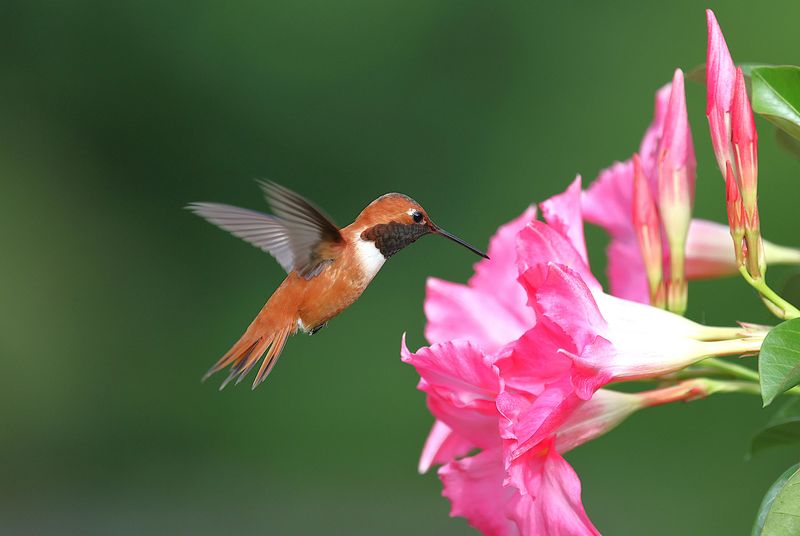
The males glow like a new penny, with orange backs and fiery throats. Females and young birds look greener, with rusty patches on their sides and tails.
Telling them apart from our common ruby-throated hummingbird takes a sharp eye. Any hummingbird you spot after mid-October deserves a second, careful look.
Ruby-throats usually leave New Jersey by early to mid-October for Central America. A hummer sipping nectar in November is likely a western species, often a rufous or an Allen’s.
Females and young birds of these two species look nearly identical, so experts often confirm them with photos or in the hand.
These birds are tougher than they look, despite weighing less than a nickel. They can handle frosty nights by slowing their body down into a deep rest called torpor.
Still, they need a steady fuel source to survive cold snaps far from home. Flowers are scarce by November, so a feeder can become their main food source.
That is exactly where your backyard comes in. A single feeder left hanging might host one of the rarer guests your neighborhood may see.
Many birders keep a camera near the window during late fall for this reason. Photos help local experts confirm the species and add your sighting to state records.
Late Fall Calendar For Rare Hummingbird Arrivals
Mark your calendar for a surprising window, because the best rufous action happens when gardens look finished. October through early December brings most eastern reports.
Some birds even linger into January if food holds out. A few hardy individuals have spent whole winters in mid-Atlantic yards with loyal hosts.
Your New Jersey Garden Changes Every Week. Your Plan Should Too.
Gardening in New Jersey changes quickly throughout the season. Every Friday you’ll receive a simple weekly plan showing exactly what to plant, prune, fertilize, harvest, and protect so you never miss the right timing.
Timing matters because migration is driven by daylight, not just temperature. Shorter days push western birds to move, and some fly the wrong way.
By late October, most native ruby-throats are long gone. That makes any late hummingbird easier to notice, since it has little competition at your feeder.
Experts suggest keeping feeders up at least two weeks after your last regular hummer leaves. In New Jersey, many birders push that date into mid-December or beyond.
Cold fronts can coincide with new arrivals overnight. After a strong cold front, check your feeder closely the next few mornings.
Early morning is prime time for spotting a visitor. Hungry birds feed right at sunrise to refuel after a long, cold night.
Late afternoon brings a second feeding rush before dark. Watching during these two windows boosts your odds of catching a quick visit.
Keep a simple notebook by the window to track dates and times. Patterns appear fast, and you will learn when your guest likes to drop by.
Patience pays off with these wanderers, since arrivals are unpredictable. One quiet week might suddenly end with a flash of copper outside the glass.
Feeder Mistakes That Can Cost You A Rare Visitor
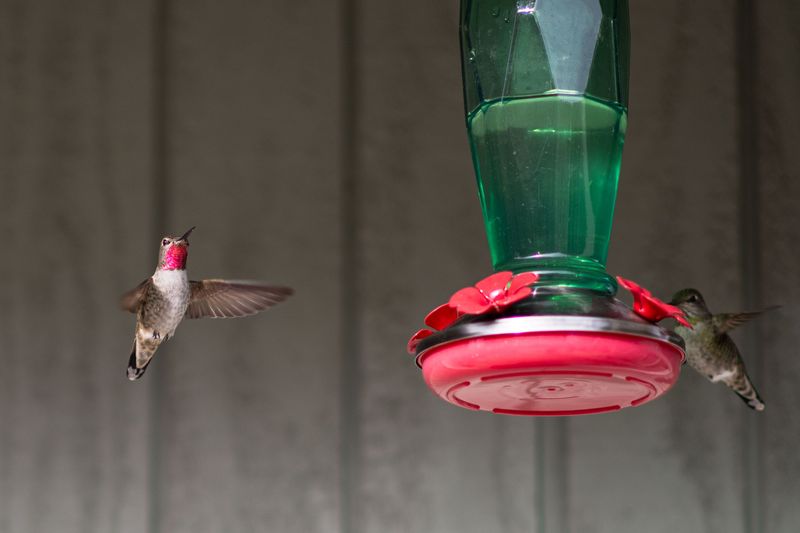
Picture this all-too-common scene on a breezy October weekend. A homeowner scrubs the feeder, tucks it in a box, and feels proud of the tidy yard.
Plenty of people believe an old myth about late feeders. They worry that nectar will trick hummingbirds into lingering in cold weather.
Research does not support that idea. Hummingbirds migrate based on daylight and instinct, so a feeder will not stop a healthy bird from leaving.
Taking feeders down early removes a reliable food source. Tired late travelers arrive with empty bellies and find nothing but a bare hook.
Rufous hummingbirds remember food sources well. If they find no food in your yard, they move on.
Another mistake is letting a feeder sit with old, cloudy nectar. Spoiled sugar water can harm birds, so fresh nectar matters.
Some folks also switch to colored store-bought nectar for convenience. Red dye is unnecessary, and plain homemade mix works better for these birds.
Hanging a feeder in deep shade can backfire on cold days. Nectar stays colder there and may freeze faster on chilly mornings.
Skipping a quick daily check also causes trouble in late fall. Ice, mold, or empty tubes can go unnoticed for days without a glance.
A little extra effort makes a big difference for a tired visitor. Leaving one clean feeder up costs almost nothing and keeps your yard open for surprises.
Fresh Nectar And Frost-Proof Feeder Care
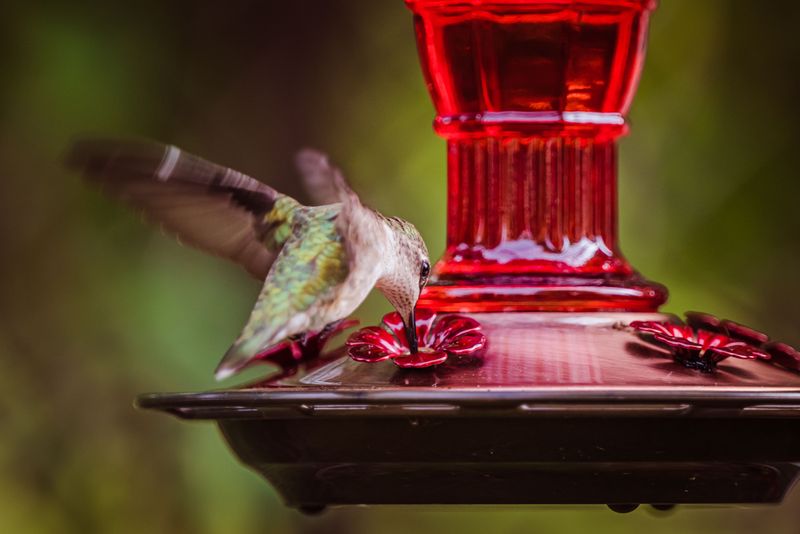
Good news for busy families comes in a simple recipe. Mix one part white sugar with four parts water, then let it cool before filling.
Avoid honey, brown sugar, and artificial sweeteners in your mix. Those options can grow harmful mold or lack the energy these birds need.
In cool weather, nectar stays fresh longer than in summer. Changing it every five to seven days usually keeps it clean and safe.
Freezing temperatures bring a new challenge for late-season hosts. Sugar water freezes slower than plain water, but a hard frost can still turn it to slush.
Many New Jersey birders keep two feeders and swap them. While one warms inside overnight, the other goes out at dawn.
Clip-on feeder heaters and small outdoor lights can also help. Some people wrap feeders in foam or hang them near a warm window.
Bring the feeder inside at night if temperatures drop below freezing. Rehang it before sunrise, since hungry birds show up early.
Place feeders where they get morning sun and protection from wind. A spot near shrubs gives tiny visitors a safe place to rest.
Clean feeders with hot water and a bottle brush each refill. Avoid soap residue, which can leave a taste birds may dislike.
A splash of vinegar works well for deeper cleaning now and then. Rinse thoroughly, let it dry, and your feeder is ready for its next guest.
A Backyard Sighting That Helps Science
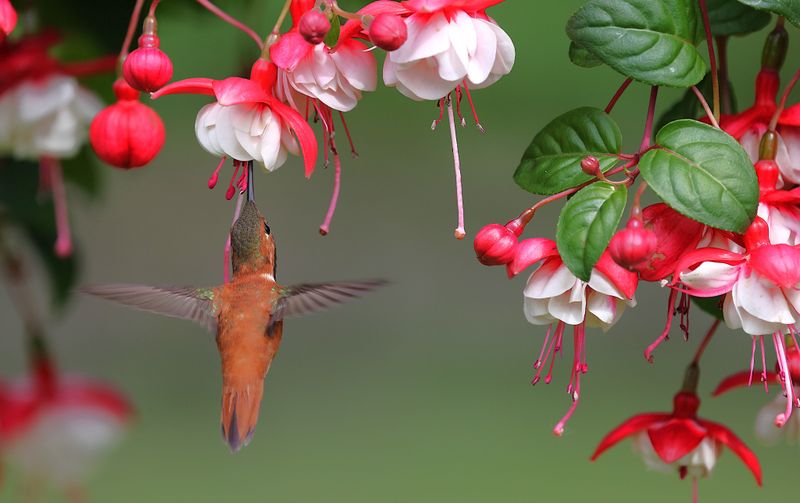
Imagine getting a call from a bird expert asking to visit your backyard. That can happen when a rare rufous hummingbird chooses your feeder.
Licensed hummingbird banders travel across New Jersey to study these visitors. They gently catch the bird, measure it, and attach a tiny numbered band.
Bands are extremely light and designed to be safe for the bird. If the same bird shows up elsewhere later, scientists learn where it traveled.
Some banded rufous hummingbirds have returned to the same eastern yard year after year. That loyalty suggests some birds may be developing a new eastern wintering pattern.
Researchers are watching this trend closely. More western hummingbirds wintering in the East could reveal changes in climate, habitat, or bird behavior.
Your sighting adds a real piece to that puzzle. Reporting it to eBird or a local bird club helps experts track numbers over time.
Clear photos make confirmation much easier. Try to capture the tail, back, and sides, since those details help separate similar species.
Some homeowners welcome visiting birders who hope to see the rare guest. Others prefer privacy, and that choice is fine.
Either way, you become part of a bigger story. Plain backyard observers have made important discoveries just by paying attention.
Kids can learn a lot from this kind of real-world science. Watching a tiny bird that traveled thousands of miles can spark curiosity.
Year-Round Garden Plans For Future Western Visitors
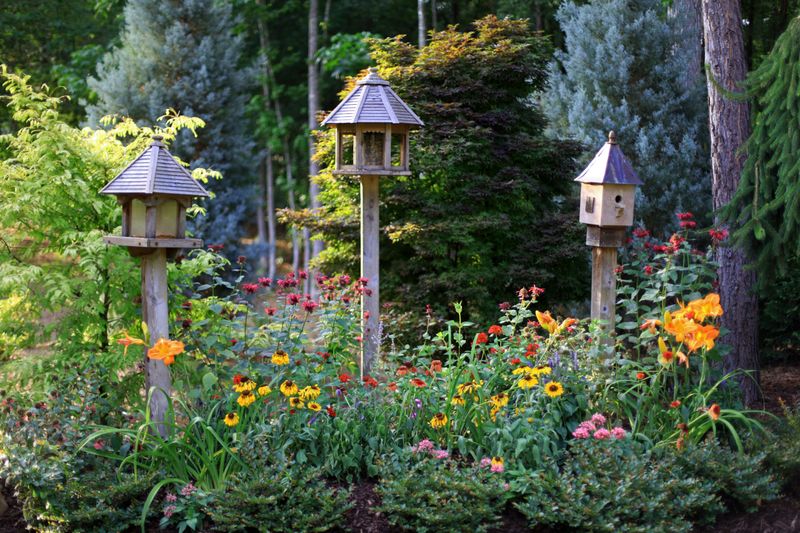
Gardeners who plan ahead think about next fall while planting in spring. Late-blooming flowers can give wandering hummingbirds natural food well into October.
Salvias are a top choice for late-season color. Pineapple sage and anise sage keep blooming until frost in many New Jersey yards.
Native plants help in other ways too. Goldenrod and asters attract tiny insects, which hummingbirds eat for protein.
Many people forget that these birds need more than sugar. Bugs and spiders make up a large part of their diet, especially in cold months.
Skipping pesticides keeps those insects around for hungry visitors. A slightly wild garden corner can become an extra food source.
Evergreen shrubs give shelter from wind and cold. Holly, juniper, and native cedar offer cozy spots for overnight rest.
Fallen leaves are worth leaving in garden beds. They protect insects through winter, which means more food for birds of all kinds.
Set a phone reminder for mid-October to check your feeder supplies. Planning ahead keeps you ready when the first cold front rolls through.
Talk with neighbors about leaving feeders up too. A street full of welcome spots raises the chance that one rare guest finds help.
Small choices add up over many seasons. With a little planning, your yard could become a regular stop for western wanderers.